Two huntsman spiders were sitting in our awning the morning we packed up at Illaroo. Every campsite on our lap around Australia hosts far more animals than we ever notice. Like most animals on Earth, the majority of them have no backbone.
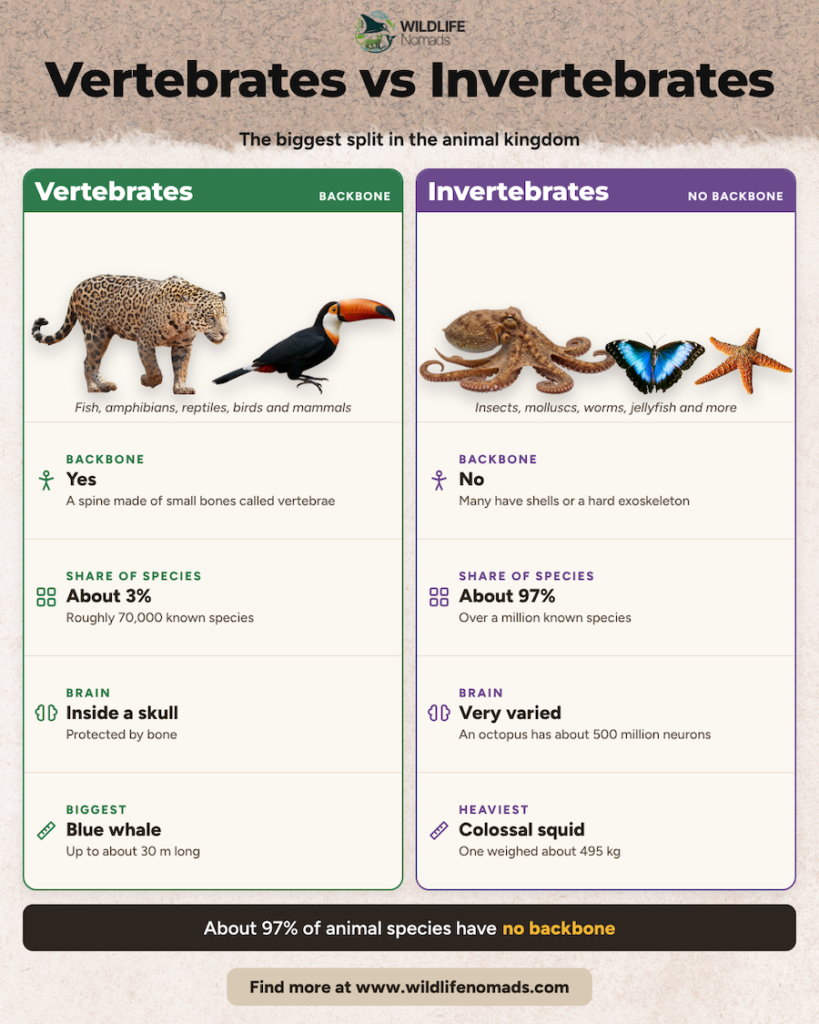
An invertebrate is any animal that lacks a backbone, or vertebral column. That one simple rule covers an incredible diversity of life, from beetles and bees to octopuses, corals and sponges. Scientists have described roughly 1.5 million living animal species, and about 95% of them are invertebrates. Some scientists have estimated that share at 97%.
I first felt that scale during my exchange year at Uppsala University in Sweden. One whole section of our marine biology course focused on marine invertebrates, and we went searching for echinoderms and even tardigrades. Today I meet flies, dragonflies, butterflies and spiders almost daily. Readers often ask me which is which.
So here are 15 invertebrate groups worth knowing, the quickest way to tell them apart, and why ecosystems stop working without them.
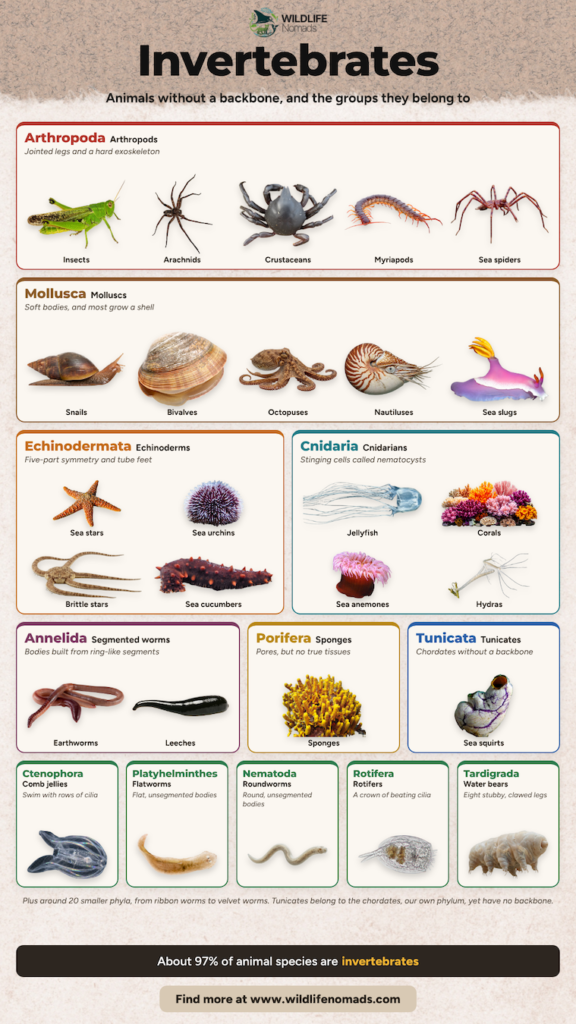
The Main Invertebrate Phyla at a Glance
Zoologists split the animal kingdom into roughly 30 to 40 phyla, depending on the classification scheme. Every one of them is invertebrate except part of Chordata, the phylum that holds fish, frogs, birds, mammals and humans. The following groups contain the animals you are most likely to meet.
You can have a look at yourself in our interactive tool tree of life!
| Phylum | Familiar examples | Key trait | Described species (approx.) |
|---|---|---|---|
| Arthropoda | Insects, spiders, crabs, sea spiders | Jointed legs, chitin exoskeleton | 1.3 million |
| Mollusca | Snails, octopuses, clams | Soft bodies, often a calcium carbonate shell | 118,000 |
| Platyhelminthes | Flatworms, tapeworms | Flat, unsegmented body | 29,000 |
| Nematoda | Roundworms | Round, unsegmented body | 25,000 |
| Echinodermata | Sea stars, sea urchins | Spiny skin, water vascular system | 20,500 |
| Annelida | Earthworms, marine worms | Ring-like body segments | 17,400 |
| Cnidaria | Corals, jellyfish, anemones | Stinging cells (nematocysts) | 16,400 |
| Porifera | Sponges | Pores, no true tissues | 9,700 living |
| Tardigrada | Water bears | Eight stubby legs, survives drying out | 1,300+ |
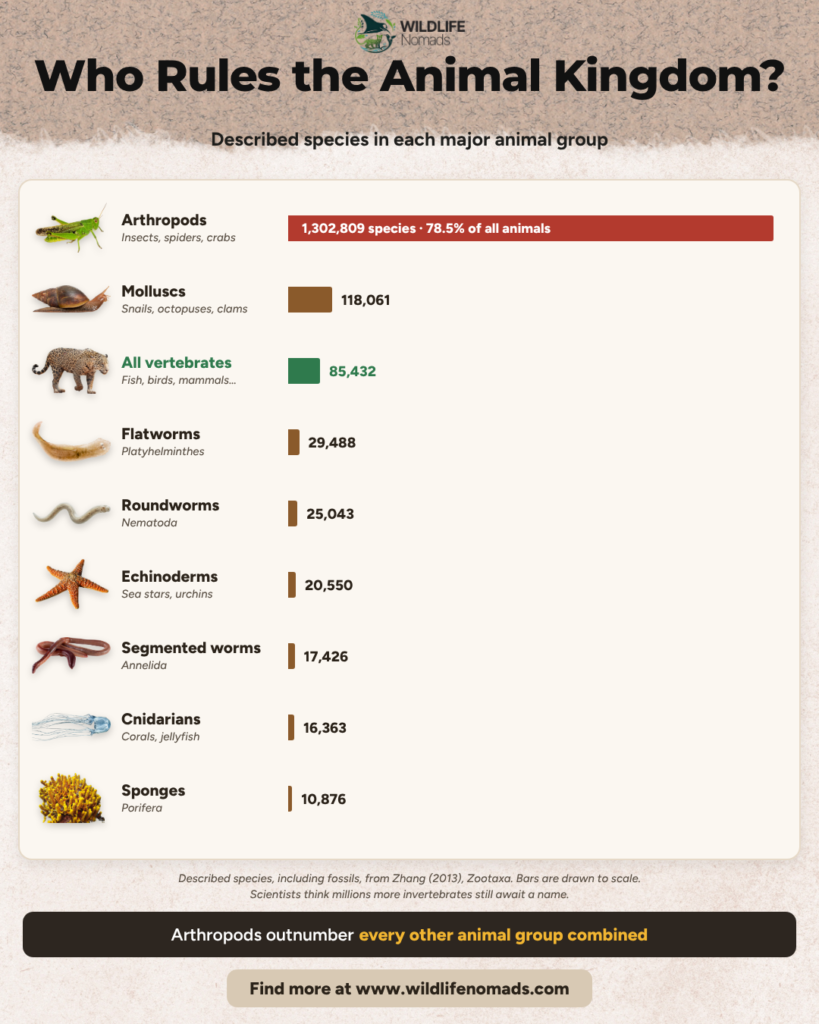
Counts for the first eight phyla come from Zhang’s 2013 census and include fossil species. The sponge figure comes from the World Porifera Database (2025).
Arthropods: The Largest Invertebrate Phylum
Arthropods have jointed legs and a hard external shell, the exoskeleton, built from chitin. Arthropoda is the largest phylum on Earth, holding nearly 80% of all described animal species. Insects alone make up about two of every three. That is why the first eight examples on this list are arthropods or their close relatives.
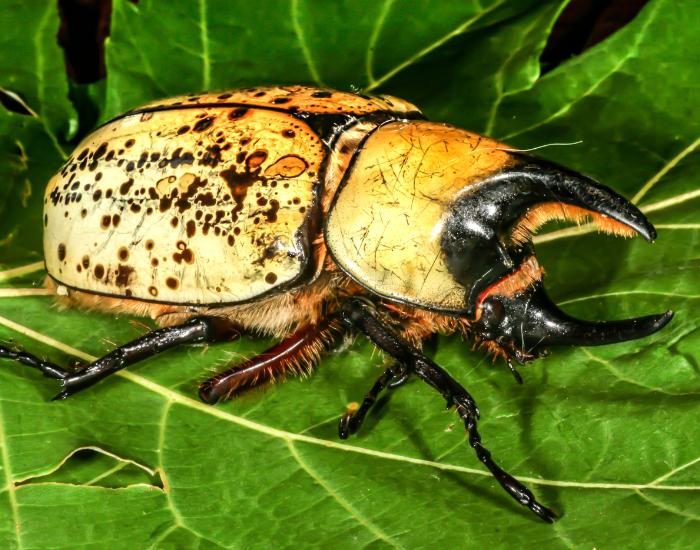
1. Beetles (Coleoptera)
Beetles are the most species-rich order of animals, with around 387,000 described species. You can recognise one by its hardened front wings, the elytra, which close like a case over the flying wings. On the lap, beetles are among the invertebrates I find most often. Many are decomposers, breaking down dung, wood and carcasses so nutrients return to the soil.
The group ranges from tiny featherwing beetles to the giant Hercules beetle (Dynastes hercules). I cover the main families in my guide to types of beetle.
2. Flies (Diptera)
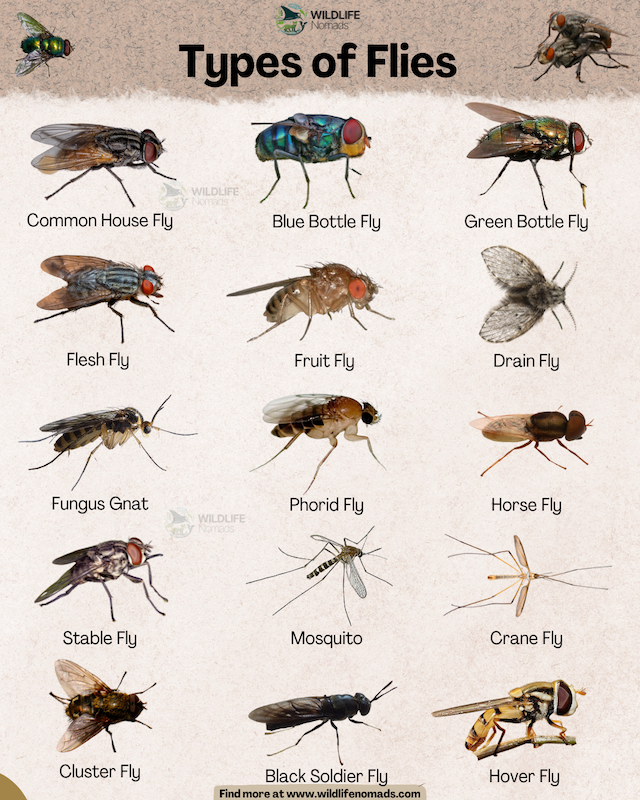
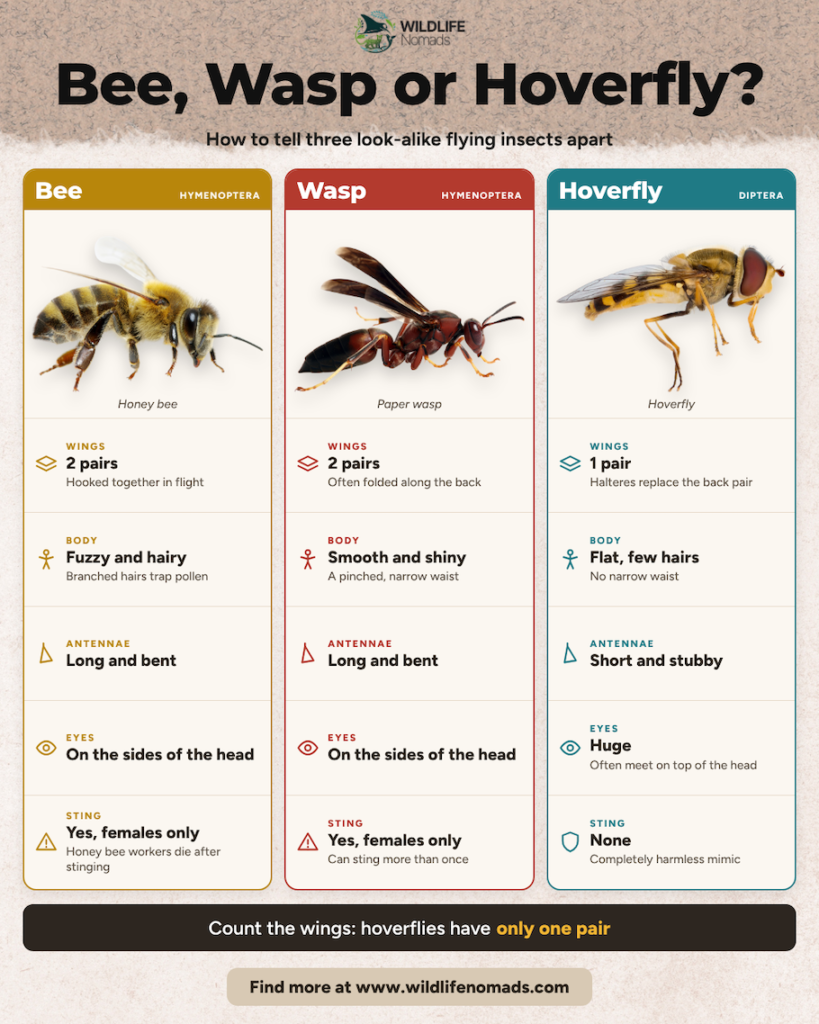
Flies have only one pair of working wings, which is what the name Diptera means. The second pair shrank into halteres, tiny knobs that act like gyroscopes in flight. That single feature separates a hoverfly from the bee it imitates. Hoverflies also have short, stubby antennae and huge eyes that almost meet on top of the head.
Flies get little love, yet many insects in this order pollinate flowers, and their larvae recycle dead animals. Several hoverfly larvae even eat aphids.
3. Bees, Wasps and Ants (Hymenoptera)
Bees, wasps and ants share one order. Most have two pairs of membranous wings hooked together and a narrow waist. Ant workers lost their wings, but queens and males still fly. Bees carry branched hairs that trap pollen, while most types of wasps look smoother and hunt other insects.
I learned the painful side of this order early. A fire ant once stung me, and it hurt far more than its size suggested. Around Sydney, I often met bull ants (Myrmecia) during field work. They never bit me, although some of my coworkers were not so lucky.
That said, this order keeps us fed. Crops that benefit from animal pollinators supply about a third of global food production. That is where the famous “one in three bites” line comes from. Australia alone has more than 1,600 native bee species.
4. Dragonflies and Damselflies (Odonata)
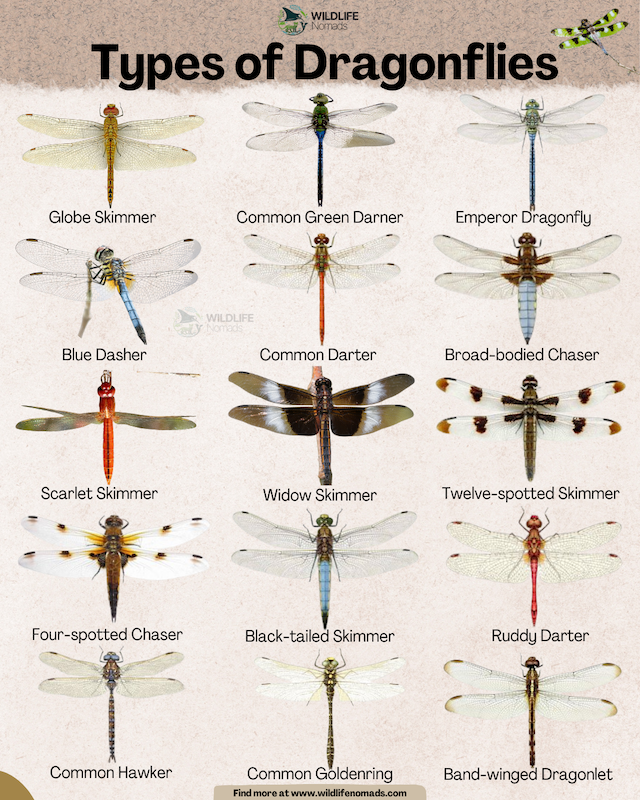
Dragonflies rest with their wings held flat and open, like a small aircraft. Damselflies are slimmer and fold their wings along the body. Both lay their eggs in or near freshwater, where the larvae can live for several years. A larva catches prey with a hinged lower lip that shoots forward in a fraction of a second.
On the lap, I see them patrolling almost every creek and lagoon we camp beside. Their presence usually signals a clean, healthy freshwater environment.
5. Butterflies and Moths (Lepidoptera)
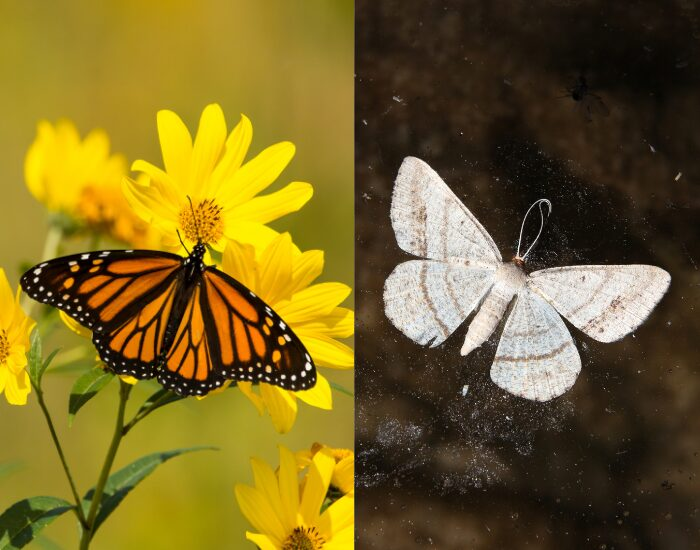
Butterflies and moths cover their wings in tiny overlapping scales, and Lepidoptera literally means “scale wing”. Butterfly antennae usually end in a club, while moth antennae look feathery or taper to a point. Moths outnumber butterflies roughly ten to one. Many are important night pollinators.
I was about ten when my family took me to a monarch butterfly sanctuary in Michoacán, Mexico. I still remember the sheer number of butterflies hanging from the trees. That memory sits behind my facts about monarch butterflies and my guide to everything about moths.
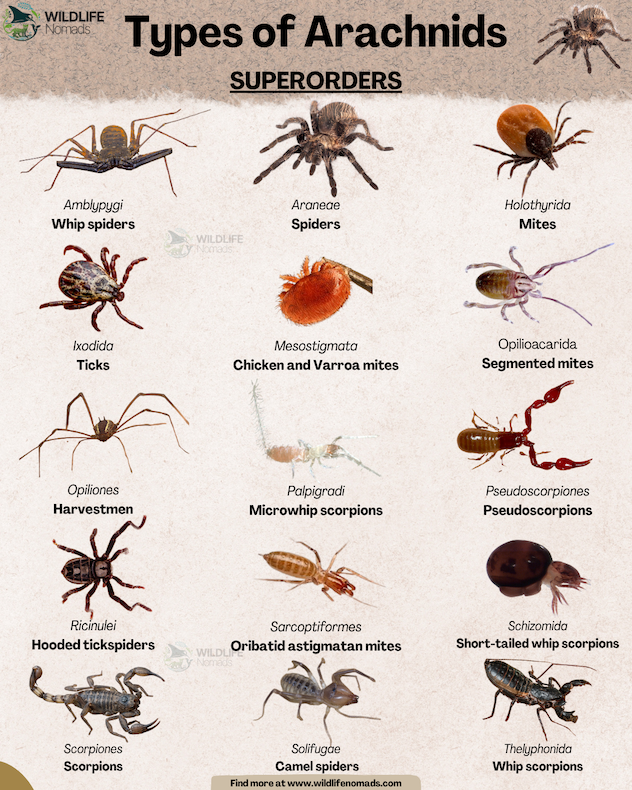
6. Spiders and Scorpions (Arachnids)
Arachnids have eight legs, two main body parts and no antennae or wings. Insects, by contrast, have six legs, three body parts and antennae. That one count settles most “what is this?” questions at the campsite. Spiders spin silk, while scorpions carry pincers and a venomous tail.
The huntsman spiders in our awning are a good example. They are big, fast and harmless to people. My first Australian funnel-web was less dramatic: a coworker in Sydney pointed out its burrow, which looked like an ordinary hole in a bank. I have also found scorpions in Oaxaca and Baja California. Explore more in my guide to types of arachnid.
Sea spiders deserve a note here, because they are not true spiders. They belong to a separate class, Pycnogonida, with about 1,300 marine species. Their bodies are so thin that parts of their gut and other internal organs extend into the legs. Read more in what are sea spiders.
7. Crabs, Shrimp and Lobsters (Crustaceans)
Crustaceans carry two pairs of antennae, and many crustaceans breathe through gills. Most live in the ocean, although many species also live in freshwater or even on land. Tiny krill and copepods feed whales, fish, seabirds and countless marine animals across the world ocean. Bigger relatives, like crabs and lobsters, scavenge and recycle food on the ocean floor.
In Queensland, I have watched mud crabs in the mangroves and armies of soldier crabs crossing the sand flats. At Evans Head, sand bubbler crabs covered the beach with tiny sand balls.

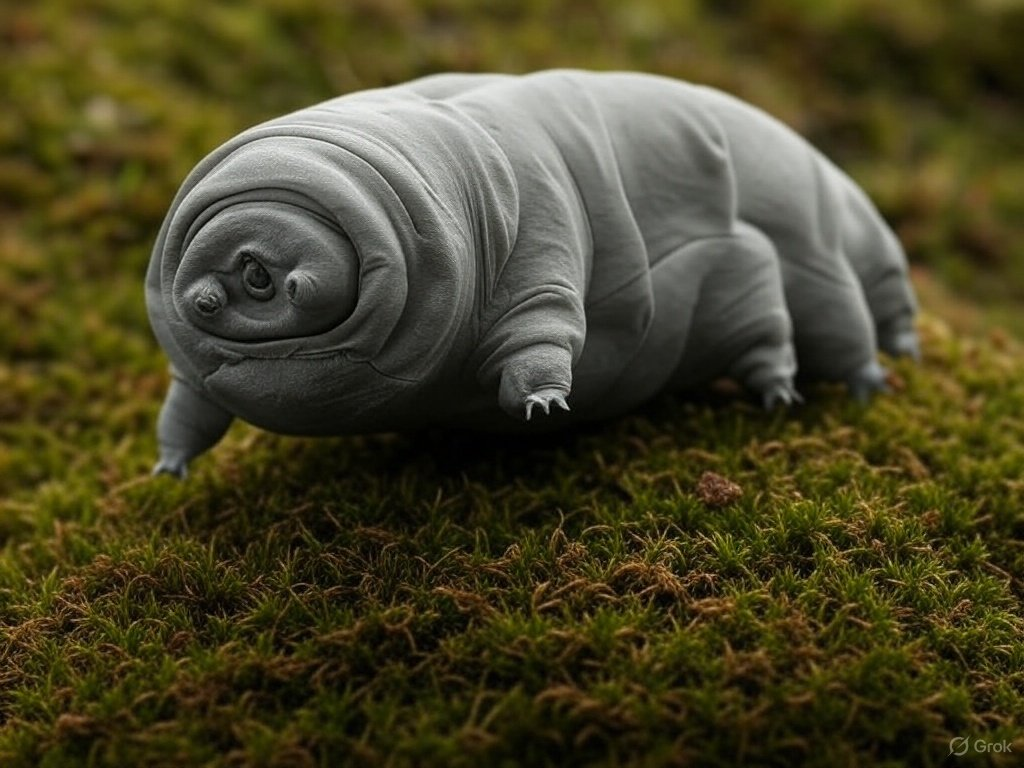
8. Tardigrades (Water Bears)
Tardigrades are not arthropods, but they are closely related to them. First discovered in the 1700s, these eight-legged animals usually measure under 1 millimetre. When their habitat dries out, they curl into a dormant state called a tun. In that state, some species withstand temperatures near absolute zero, intense radiation and even the vacuum of space.
At Uppsala, a group of classmates and I went on a tardigrade hunt. We found a few and watched them lumber across the slide under the microscope. Seeing a real animal that small, with legs and claws, changed how I thought about life.
Mollusks: Soft Bodies, Hard Shells
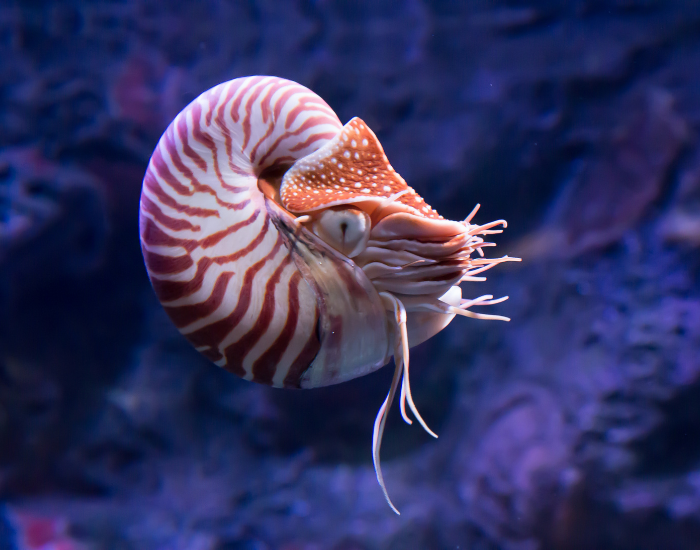
Mollusks typically have soft bodies wrapped in a fold of tissue called the mantle. Many secrete hard calcium carbonate shells, while others lost the shell entirely. Most use a rasping, tooth-covered tongue called a radula to feed. Mollusca is the second-largest invertebrate phylum and the most diverse group of soft-bodied animals.
9. Octopuses and Cuttlefish (Cephalopods)
Cephalopods are the brainiest invertebrate animals. An octopus has three hearts, blue blood based on copper, and skin that changes colour in milliseconds. It uses specialized cells called chromatophores to do it.
Walking the beach at Red Cliff, my partner and I found a gloomy octopus (Octopus tetricus) in a rock pool. It was small and so well camouflaged that we nearly missed it. It was the first octopus I ever found myself rather than being shown one. Learn more in my octopus facts and cuttlefish facts.
10. Snails and Sea Slugs (Gastropods)
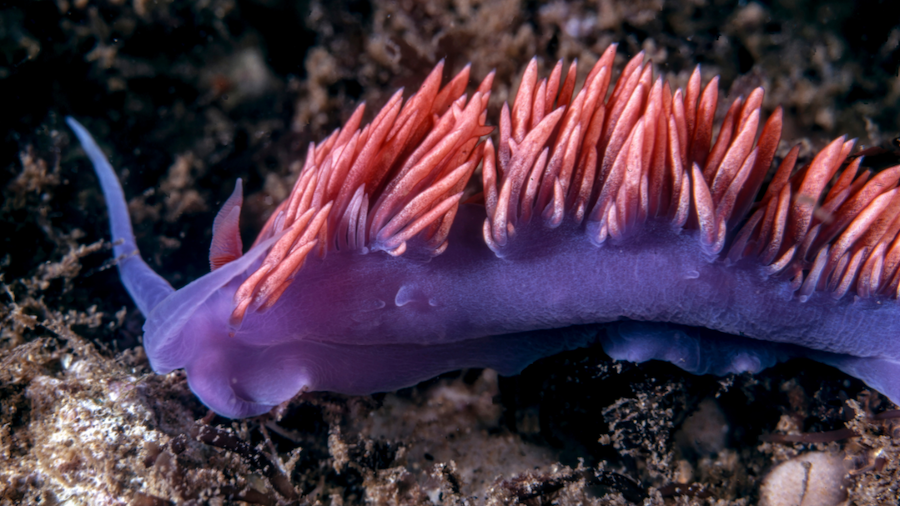
Gastropods are the largest class of mollusks, and they live in the sea, in freshwater and on land. Land snails and garden slugs are the ones most people know. However, the ocean holds the showiest members: nudibranchs.
I spotted my first nudibranchs while snorkelling in the Philippines. Some species eat cnidarians and store the unfired stinging cells in their own skin for defence. Browse my guide to sea slugs if you wanna know more.

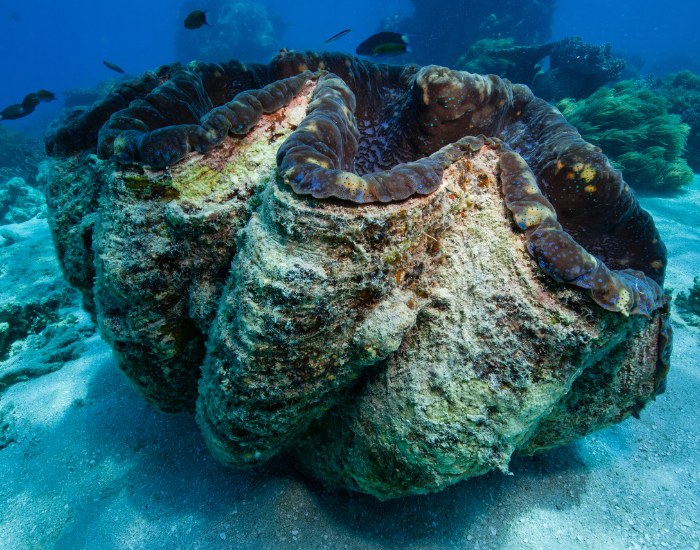
11. Clams, Oysters and Mussels (Bivalves)
Bivalves have two hinged shells and no head at all. Most are filter feeders, pulling water through their gills and straining out algae and particles. As a result, healthy oyster and mussel beds filter large volumes of water and improve its clarity. A single adult oyster can filter dozens of litres a day.
That filtering makes bivalves quiet engineers of estuaries and bays. Oyster reefs also give young fish and crabs places to hide. Restoring them is now a major conservation tool along Australia’s east coast.
Annelids and Other Worms
12. Earthworms and Marine Worms (Annelida)
Annelids are segmented worms, with bodies divided into ring-like segments. Each segment carries its own muscles, and many carry small bristles called setae. Earthworms aerate soil, improve water infiltration and pull dead leaves underground. Charles Darwin spent decades studying them for exactly that reason.
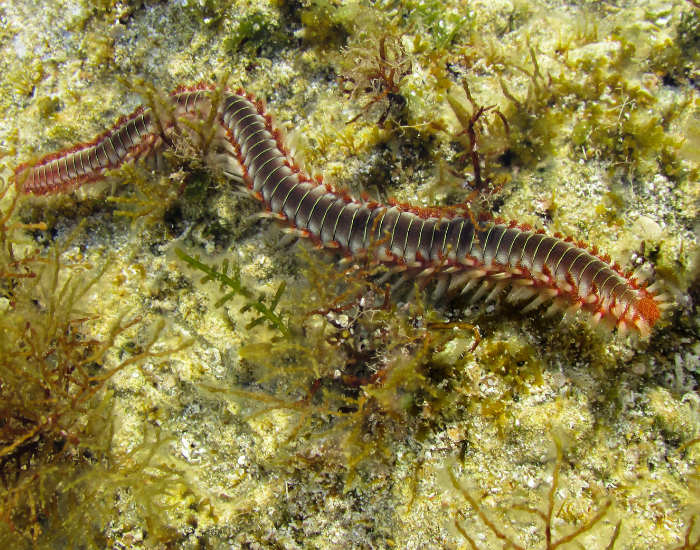
Most annelid species are actually marine worms. Bristle worms, fan worms and Christmas tree worms decorate reefs and the ocean floor. Not every worm is an annelid, though. Flatworms and roundworms belong to entirely different phyla, and nematodes may number in the hundreds of thousands of species.
One misconception came up often in my microbiology labs. When we sampled the university lake, we found amoebas and paramecia under the microscope. Those are single-celled protists, not animals, so they are not invertebrates at all.
Cnidarians, Echinoderms and Sponges
13. Corals, Jellyfish and Anemones (Cnidaria)
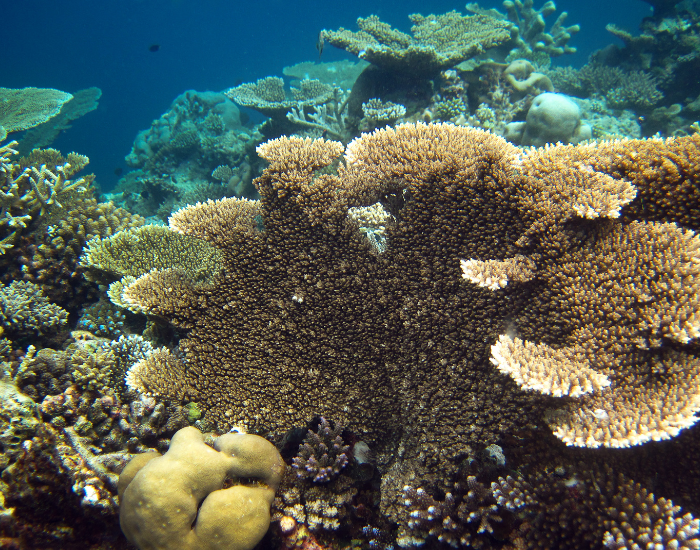
Cnidarians possess stinging cells called nematocysts, which fire tiny harpoons into prey and other animals that brush against them. The phylum includes jellyfish, sea anemones and the coral polyps that build reefs. Each polyp is a small animal that lays down a calcium carbonate skeleton. Most reef corals also host symbiotic algae that feed them sugars.
I saw my first coral bleaching on the Great Barrier Reef in 2019. In 2025, Wildlife Nomads joined a coral restoration project in Pemuteran, Bali, with the non-profit Metamorfosa Bali. Planting coral by hand showed me how slowly a reef rebuilds. At Evans Head, I also logged a Portuguese man o’ war on the beach. It looks like a jellyfish but is actually a colony of specialized individuals.
Comb jellies look similar too, yet they belong to a separate phylum, Ctenophora. Most lack stinging cells and swim with shimmering rows of cilia. My posts on box jellyfish, sea anemones and coral islands and reefs go deeper.
14. Sea Stars, Urchins and Sea Cucumbers (Echinoderms)
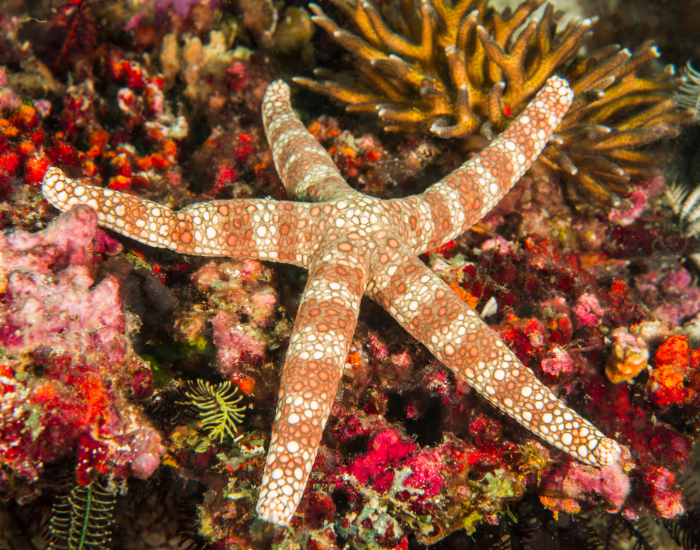
Echinoderms are characterised by spiny skin and a water vascular system. That network of fluid-filled canals powers hundreds of tiny tube feet for movement and feeding. Adults show five-part symmetry, yet their larvae are bilateral, like ours. Surprisingly, echinoderms are among the invertebrates most closely related to vertebrates.
During the marine invertebrates section of my Uppsala course, we went out looking for echinoderms. Learn more in my guides to echinoderms, sea urchins, sea cucumbers and brittle stars.
15. Sponges (Porifera)
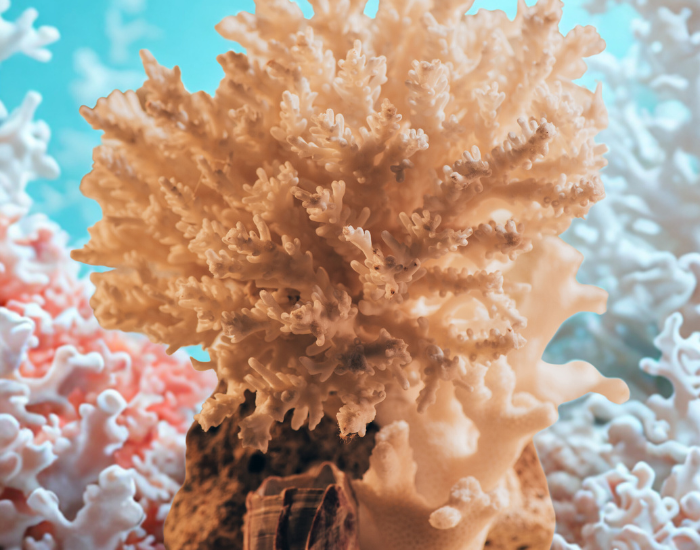
Sponges are the simplest animals on this list. They have no true tissues, organs or nervous system. Instead, specialized cells called choanocytes beat tiny whips to pump water through their pores. These filter feeders trap bacteria and other tiny organisms from the water.
The World Porifera Database lists about 9,700 valid living species, and scientists still describe new species every year. Most live in the sea, from shallow reefs to the deep sea, while a small proportion live in freshwater. Early naturalists even classified sponges as plants.
Why Invertebrates Hold Ecosystems Together
Invertebrates inhabit nearly every ecosystem on the planet, from mountain moss to hydrothermal vents. Their small size hides an enormous workload, and science is still measuring it. In addition, many of the ecosystem services that sustain human agriculture depend on them.
First, they form the foundation of most food webs. Insects feed birds, bats, lizards and frogs, while krill and copepods feed fish and whales. Second, pollinators move pollen for many food crops and wild plants. Third, decomposers like earthworms, beetles and fly larvae recycle nutrients back into the soil. Predatory insects and spiders also provide natural pest control by keeping herbivorous insect populations in check.
At university, I helped a professor build a pollinator garden planted with native Mexican flowers. As it grew, it filled with bumblebees, moths, other insects and spiders. That small patch became a working micro-ecosystem, and almost every player in it was an invertebrate. You can explore how those links connect in my interactive food web.
The worrying part is that populations of many invertebrates are declining. Long-term studies in Europe have recorded steep drops in flying insect biomass. When invertebrates decline, the effects cascade through entire ecosystems. That is one more reason why biodiversity is important, and why a wildlife-friendly garden matters more than it seems.
FAQ
Roughly, yes. Most sources put invertebrates at 95% to 97% of all known animal species. Vertebrates, including fish, amphibians, reptiles, birds and mammals, make up only about 5%. Insects alone account for about two-thirds of described animal species.
Scientists have described around 1.5 million living animal species, and the vast majority are invertebrates. Modern models estimate about 7 to 8 million animal species in total. Older estimates reached 30 million, mostly because of undescribed tropical insects. Scientists still describe thousands of new species every year.
Invertebrates live almost everywhere: oceans, freshwater, soil, forests, deserts, caves and polar ice. Marine species dominate the sea, from coral reefs and tide pools to the deep sea floor. On land, look under logs, in leaf litter and on flowering plants.
Insects, spiders, scorpions, centipedes, millipedes, earthworms, land snails and slugs all live on land. Some crustaceans do too, such as woodlice and land crabs. Many land invertebrates still need moisture, so they hide by day and emerge at night.
They are the Whole World
An invertebrate is defined by something it lacks, yet these animals make up nearly every species in the animal kingdom. From the beetles turning over our soil to the coral polyps building reefs, they quietly keep nature running.
Next time you pack up a tent, flip a log or peer into a rock pool, count the legs. Six means an insect, eight means an arachnid, and no legs at all might mean a worm, a snail or a jellyfish. Then trace where your find sits on my interactive tree of life.
Which invertebrate surprised you most? Tell me in the comments, and share any you have spotted near home.
References:
Cardoso, P., Barton, P. S., Birkhofer, K., Chichorro, F., Deacon, C., Fartmann, T., et al. (2020). Scientists’ warning to humanity on insect extinctions. Biological Conservation, 242, 108426. https://doi.org/10.1016/j.biocon.2020.108426
Hughes, T. P., Kerry, J. T., Álvarez-Noriega, M., Álvarez-Romero, J. G., Anderson, K. D., Baird, A. H., et al. (2017). Global warming and recurrent mass bleaching of corals. Nature, 543(7645), 373–377. https://doi.org/10.1038/nature21707
Jönsson, K. I., Rabbow, E., Schill, R. O., Harms-Ringdahl, M., & Rettberg, P. (2008). Tardigrades survive exposure to space in low Earth orbit. Current Biology, 18(17), R729–R731. https://doi.org/10.1016/j.cub.2008.06.048
Mora, C., Tittensor, D. P., Adl, S., Simpson, A. G. B., & Worm, B. (2011). How many species are there on Earth and in the ocean? PLoS Biology, 9(8), e1001127. https://doi.org/10.1371/journal.pbio.1001127
Stork, N. E. (2018). How many species of insects and other terrestrial arthropods are there on Earth? Annual Review of Entomology, 63, 31–45. https://doi.org/10.1146/annurev-ento-020117-043348