
Shark Size Comparison
Twenty sharks at one true scale, from a 27 cm pygmy shark to a 15 m megalodon.
Swim the lineup, pit two sharks head to head, or test your eye in the guessing game.
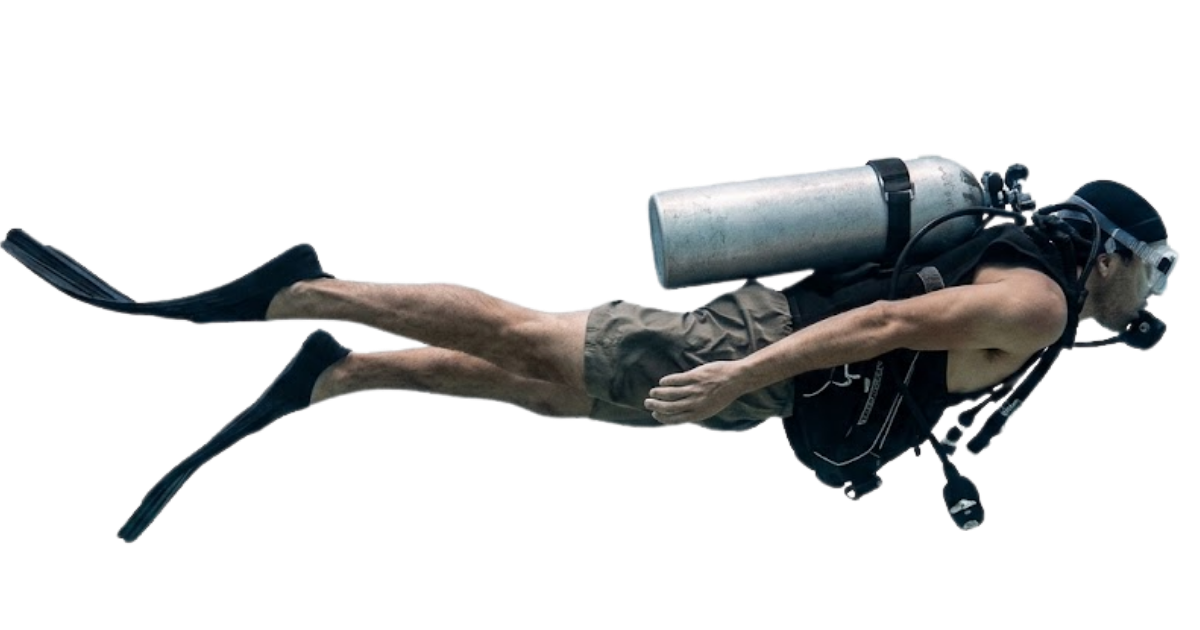
This shark size comparison lines up twenty species at one true scale, with a two-metre scuba diver swimming beside every one. The smallest is a pygmy shark you could hold in one hand. The largest living shark, the whale shark, reaches twelve metres, and the extinct megalodon was bigger still.
There are three ways to explore it. Swim the lineup by dragging the ocean, and watch the water darken to match the depth where each shark lives. Head to head puts any two species side by side, so you can finally settle megalodon versus great white. Finally, Guess the size is a quick eight-round game that shows how hard it is to judge a shark without something next to it.
- Smallest herePygmy shark, 27 cm
- Biggest aliveWhale shark, 12 m
- Biggest everMegalodon, ~15 m
- ReferenceA 2 m diver
What is the biggest shark in the world?
The biggest shark in the world is the whale shark (Rhincodon typus). Large adults reach about twelve metres, and the biggest specimen on record was around 18.8 metres long. That also makes it the largest fish of any kind, far bigger than any bony fish alive today. A big whale shark can weigh more than 20 tonnes.
Surprisingly, the largest shark species is not a hunter. The whale shark is one of the ocean’s filter feeders, swimming with its mouth open and straining tiny plankton, fish eggs and small fish from warm waters around the world. It carries around 3,000 tiny teeth, yet none of them play a part in feeding. Every whale shark also has its own pattern of white spots and stripes, which researchers photograph and match like a fingerprint.
Second place goes to another plankton eater, the basking shark (Cetorhinus maximus). It usually grows to about ten metres, with records of 12.27 metres, and it prefers cooler temperate oceans around the world rather than tropical waters. I cover both giants in my guide to the biggest fish in the world.
The largest predatory shark
Among the powerful predators, the largest shark alive is the great white shark (Carcharodon carcharias). Large females can exceed six metres and weigh around two tonnes, and they feed mainly on seals, sea lions, dolphins and porpoises. The great hammerhead (Sphyrna mokarran) reaches a similar length, although it is far more slender, and the Greenland shark can match both in the deep, cold North Atlantic.
The tiger shark deserves a note. Most adults measure 3.3 to 4.3 metres, and the largest reliably measured ones reach about 5.5 metres. You will find claims of seven metres or more online, but I have not found a measured specimen behind them, so the tool uses 5.5.
Megalodon compared with a great white
The megalodon (Otodus megalodon) is the biggest shark that ever lived, even though it disappeared about 3.6 million years ago. Because its skeleton was cartilage, scientists estimate its size from teeth and a few fossilised vertebrae. One reconstruction puts a large adult at about 16 metres (Cooper et al., 2020), and other studies land anywhere from 14 to 20 metres. I use 15 metres in the tool, which is a cautious middle ground.
At that size, a megalodon was roughly two and a half times as long as a great white, and it would have been many times heavier. Open the Head to head tab above to see the two at true scale, with a diver for reference.
All twenty sharks, smallest to largest
These are the sizes the tool uses. Each one is the total body length of a large adult, from the snout to the tip of the tail, and each card also shows the depths where that species usually lives. Tap any shark for my full guide to it.
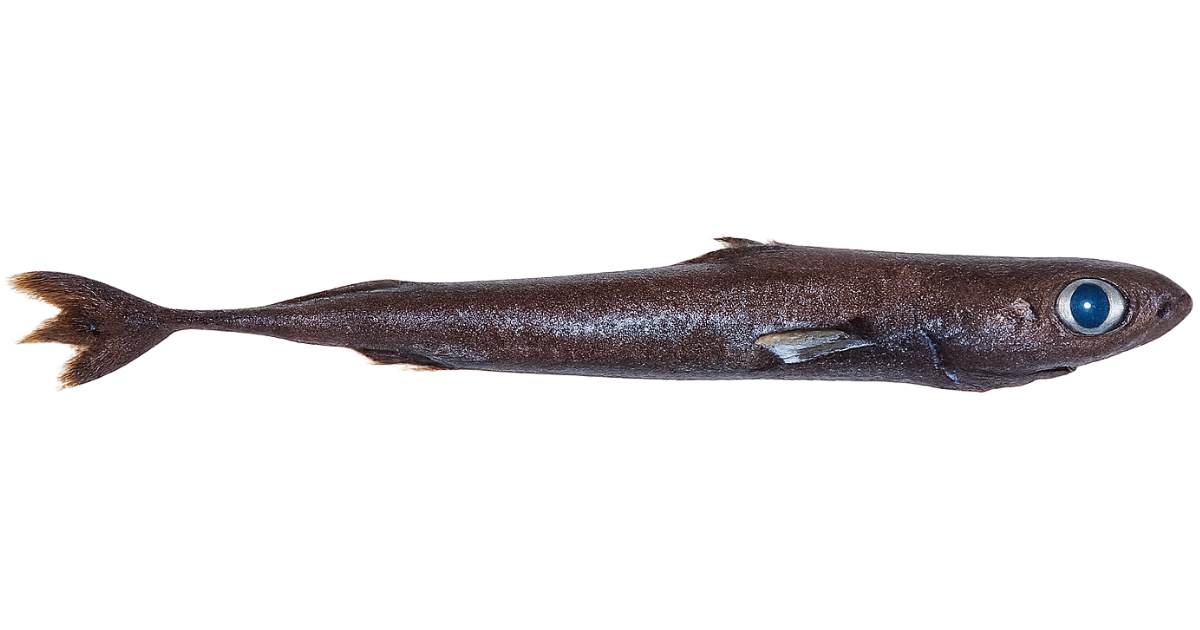 1
Pygmy shark
Euprotomicrus bispinatus
27 cm
Least Concern
Lives 0–1,500 m
1
Pygmy shark
Euprotomicrus bispinatus
27 cm
Least Concern
Lives 0–1,500 m
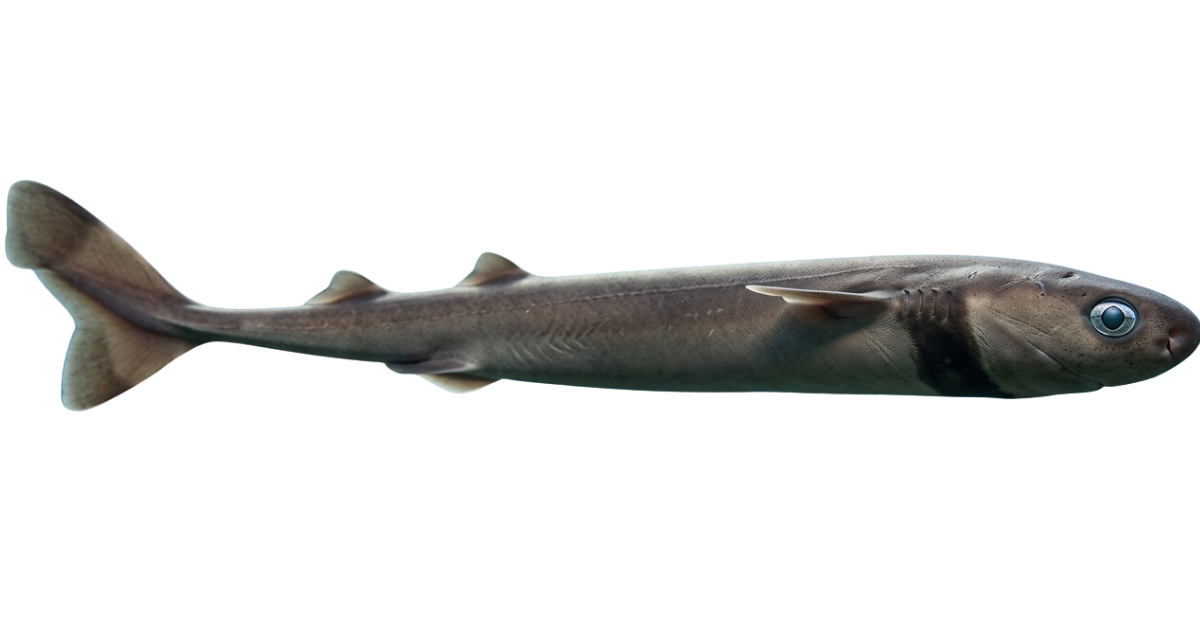 2
Cookiecutter shark
Isistius brasiliensis
50 cm
Least Concern
Lives 0–1,000 m · dives to 3,700 m
2
Cookiecutter shark
Isistius brasiliensis
50 cm
Least Concern
Lives 0–1,000 m · dives to 3,700 m
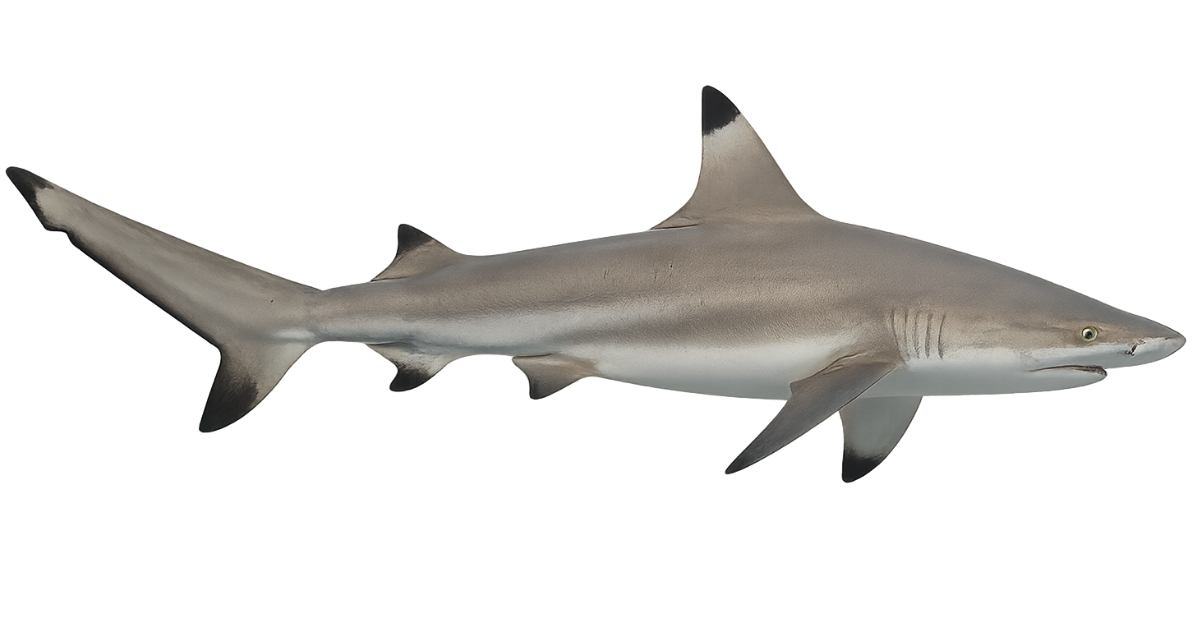 3
Blacktip reef shark
Carcharhinus melanopterus
1.6 m
Vulnerable
Lives 0–20 m · dives to 75 m
3
Blacktip reef shark
Carcharhinus melanopterus
1.6 m
Vulnerable
Lives 0–20 m · dives to 75 m
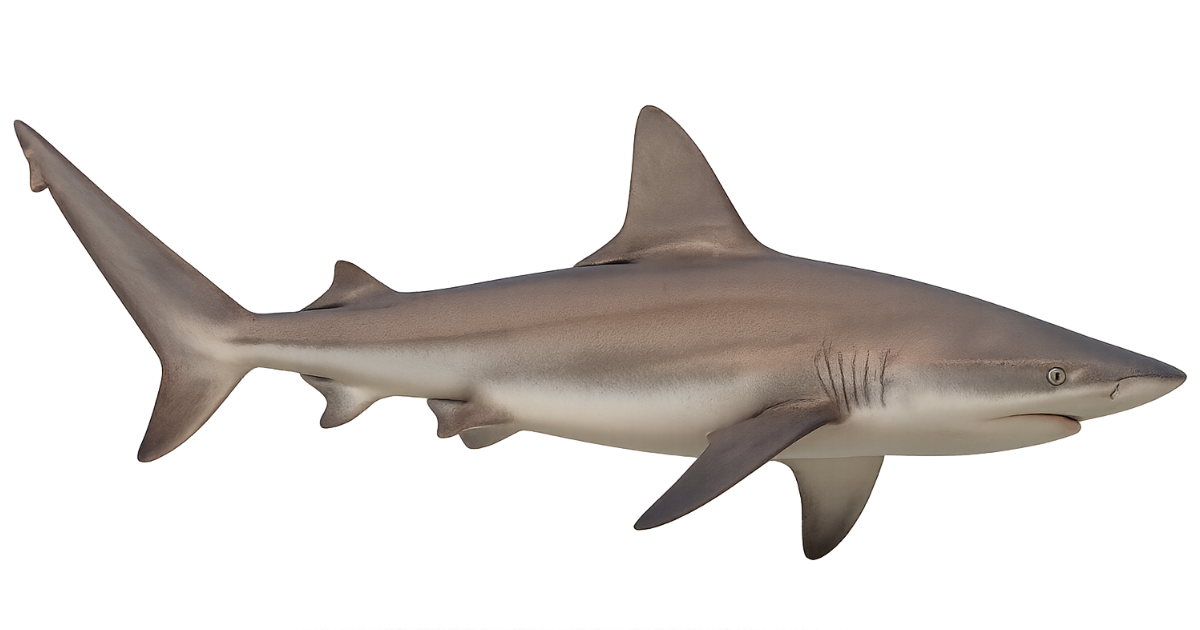 4
Sandbar shark
Carcharhinus plumbeus
2.4 m
Endangered
Lives 0–65 m · dives to 280 m
4
Sandbar shark
Carcharhinus plumbeus
2.4 m
Endangered
Lives 0–65 m · dives to 280 m
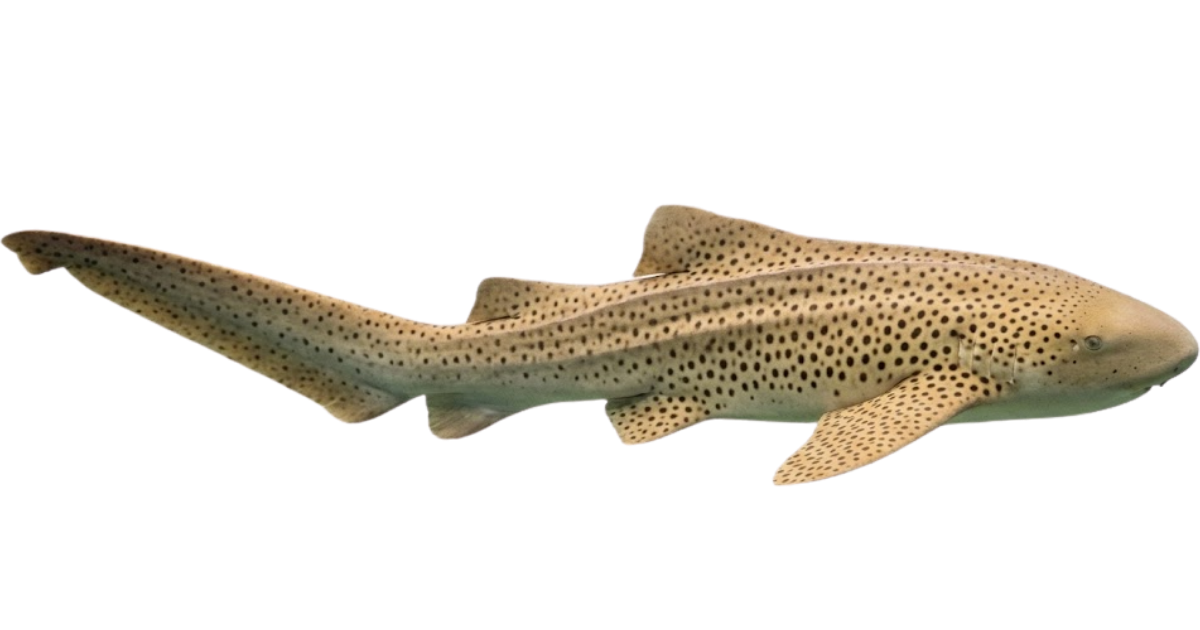 5
Zebra shark
Stegostoma tigrinum
2.5 m
Endangered
Lives 0–30 m · dives to 62 m
5
Zebra shark
Stegostoma tigrinum
2.5 m
Endangered
Lives 0–30 m · dives to 62 m
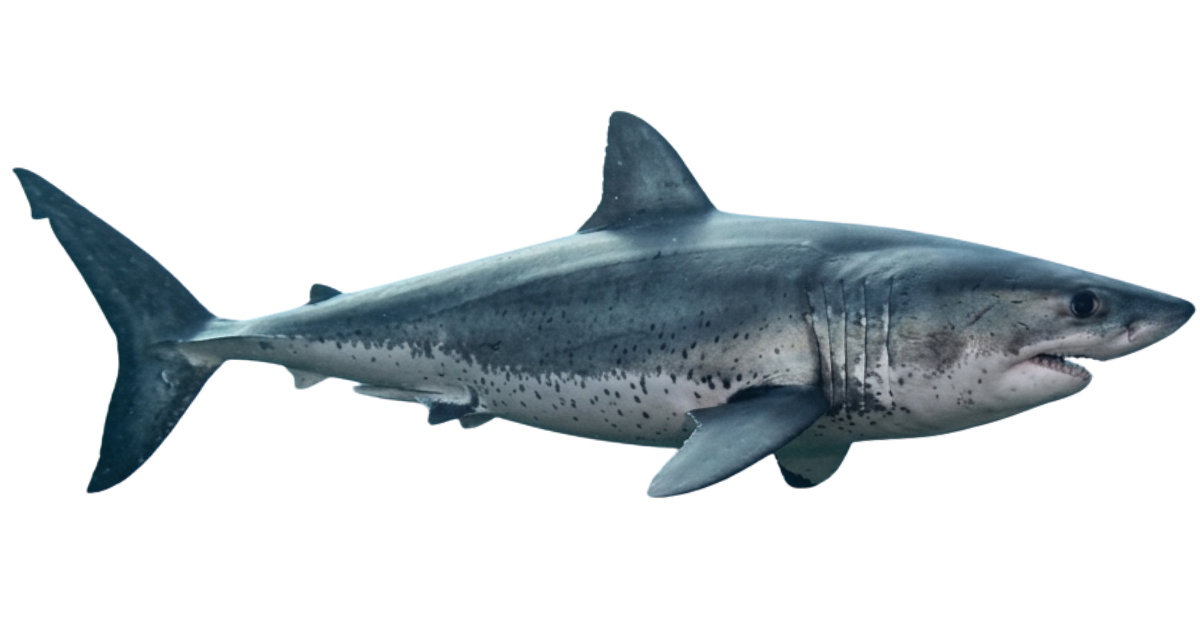 6
Salmon shark
Lamna ditropis
2.6 m
Least Concern
Lives 0–150 m · dives to 670 m
6
Salmon shark
Lamna ditropis
2.6 m
Least Concern
Lives 0–150 m · dives to 670 m
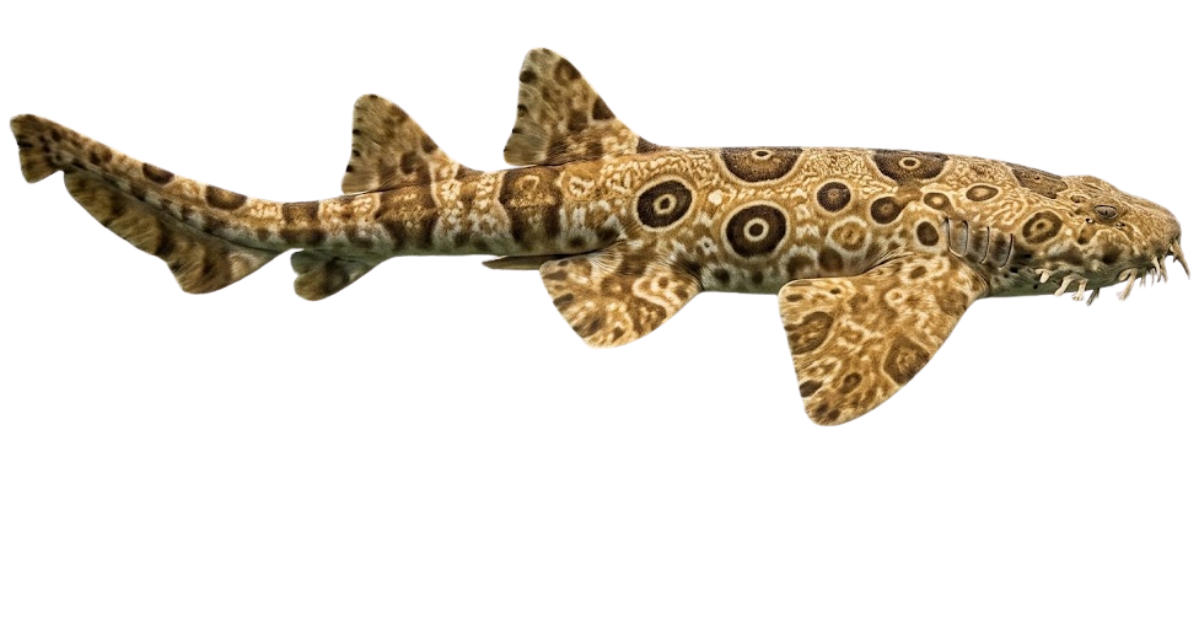 7
Spotted wobbegong
Orectolobus maculatus
3 m
Least Concern
Lives 0–110 m
7
Spotted wobbegong
Orectolobus maculatus
3 m
Least Concern
Lives 0–110 m
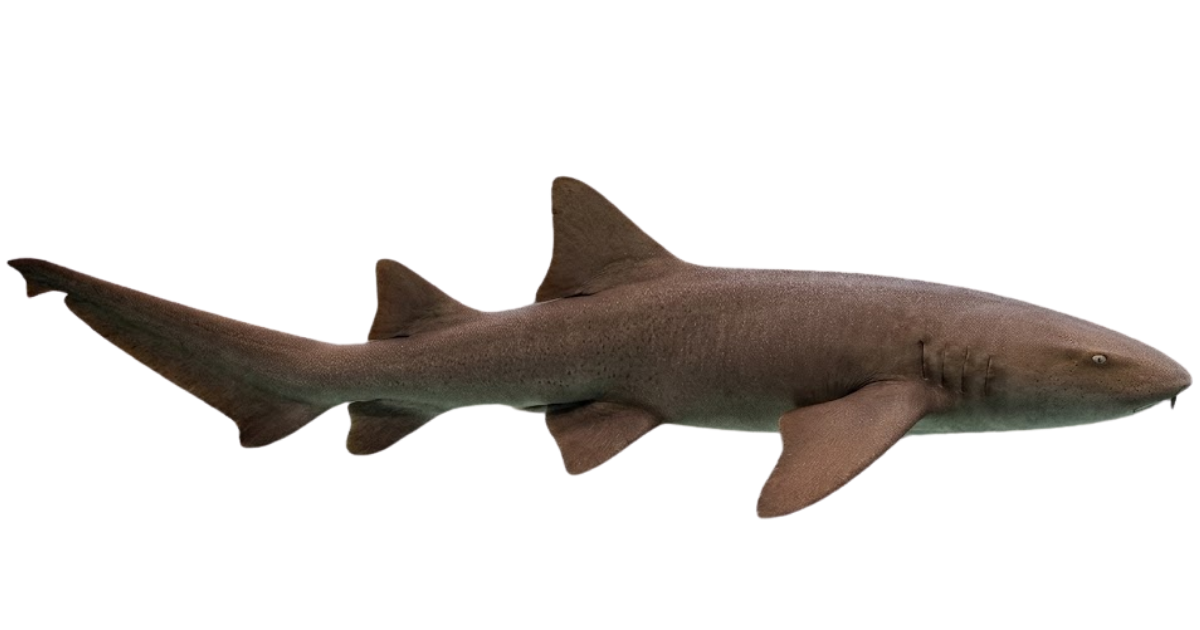 8
Nurse shark
Ginglymostoma cirratum
3 m
Vulnerable
Lives 0–20 m · dives to 130 m
8
Nurse shark
Ginglymostoma cirratum
3 m
Vulnerable
Lives 0–20 m · dives to 130 m
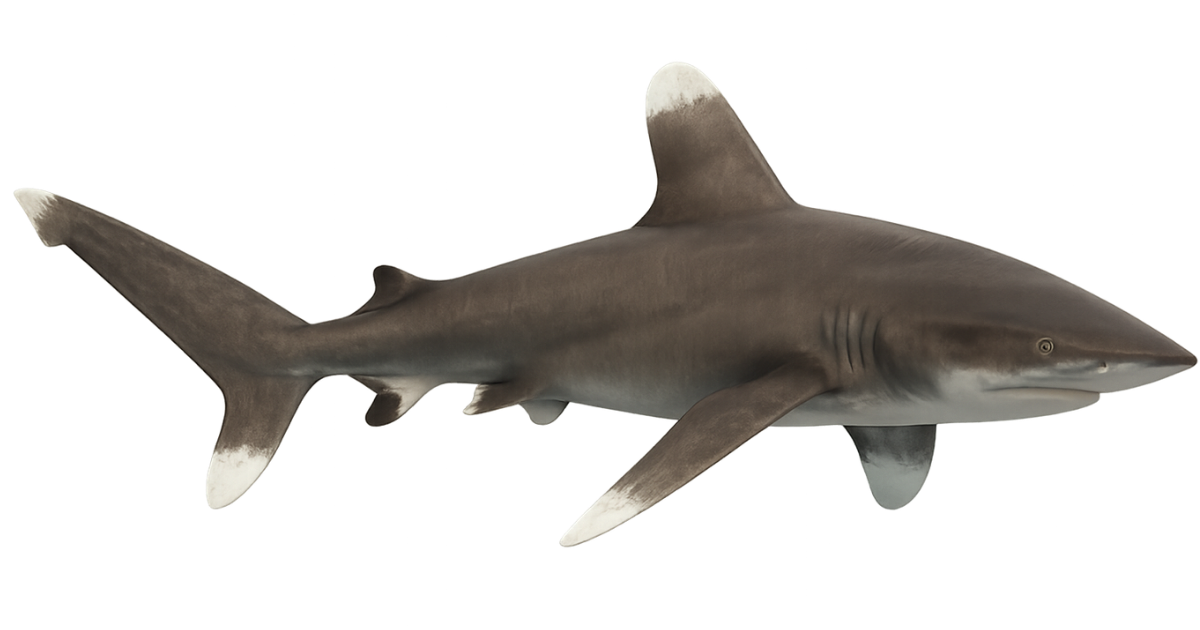 9
Oceanic whitetip shark
Carcharhinus longimanus
3 m (up to 3.5 m)
Critically Endangered
Lives 0–150 m · dives to 1,080 m
9
Oceanic whitetip shark
Carcharhinus longimanus
3 m (up to 3.5 m)
Critically Endangered
Lives 0–150 m · dives to 1,080 m
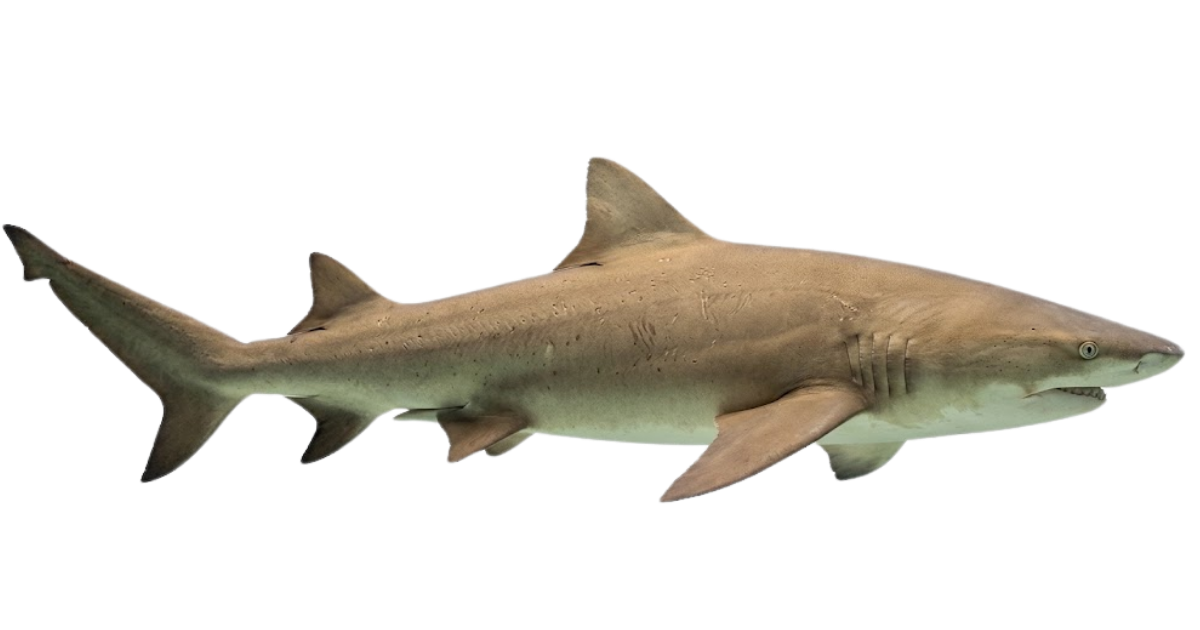 10
Lemon shark
Negaprion brevirostris
3.1 m
Vulnerable
Lives 0–30 m · dives to 90 m
10
Lemon shark
Negaprion brevirostris
3.1 m
Vulnerable
Lives 0–30 m · dives to 90 m
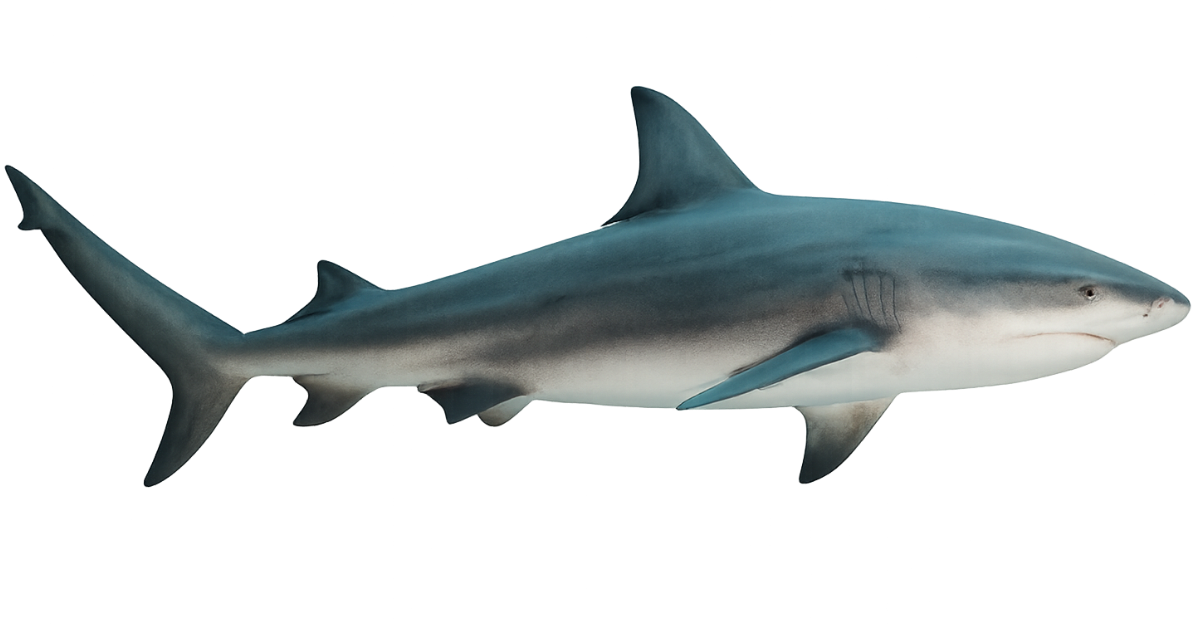 11
Bull shark
Carcharhinus leucas
3.5 m
Vulnerable
Lives 0–30 m · dives to 150 m
11
Bull shark
Carcharhinus leucas
3.5 m
Vulnerable
Lives 0–30 m · dives to 150 m
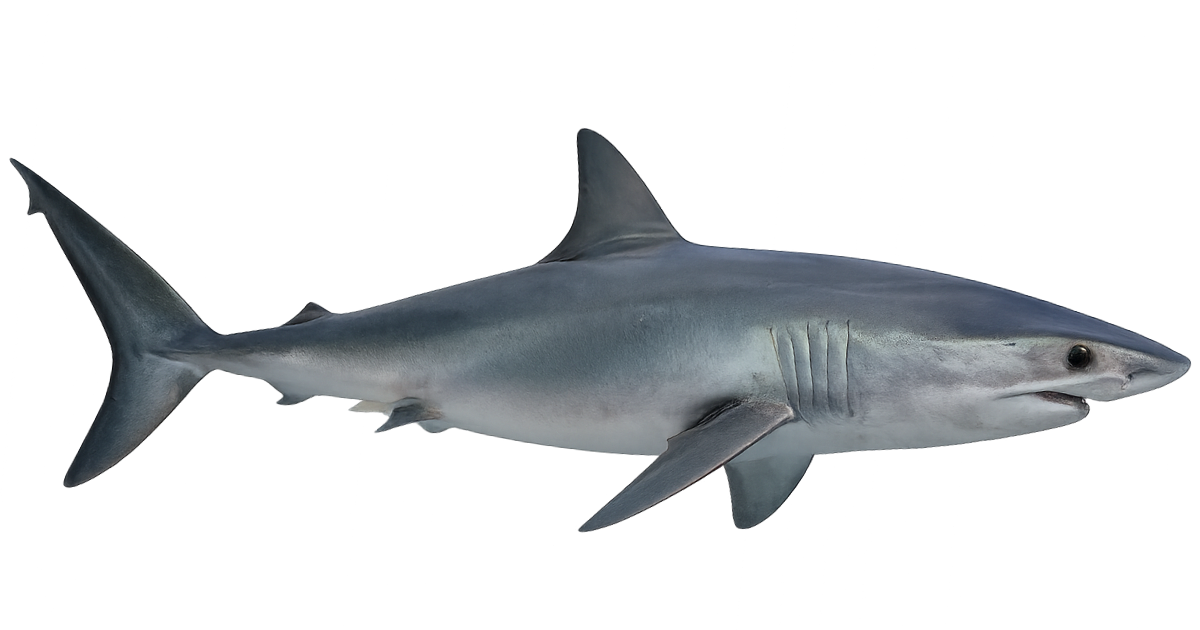 12
Shortfin mako
Isurus oxyrinchus
3.8 m
Endangered
Lives 0–150 m
12
Shortfin mako
Isurus oxyrinchus
3.8 m
Endangered
Lives 0–150 m
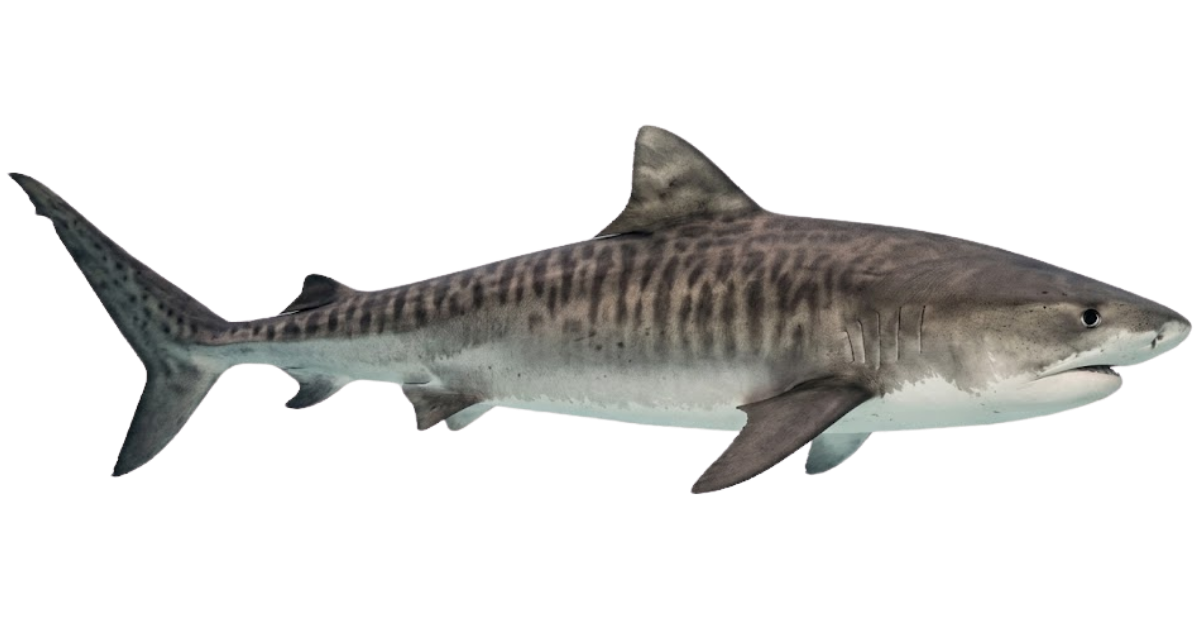 13
Tiger shark
Galeocerdo cuvier
5.5 m
Near Threatened
Lives 0–350 m · dives to 1,100 m
13
Tiger shark
Galeocerdo cuvier
5.5 m
Near Threatened
Lives 0–350 m · dives to 1,100 m
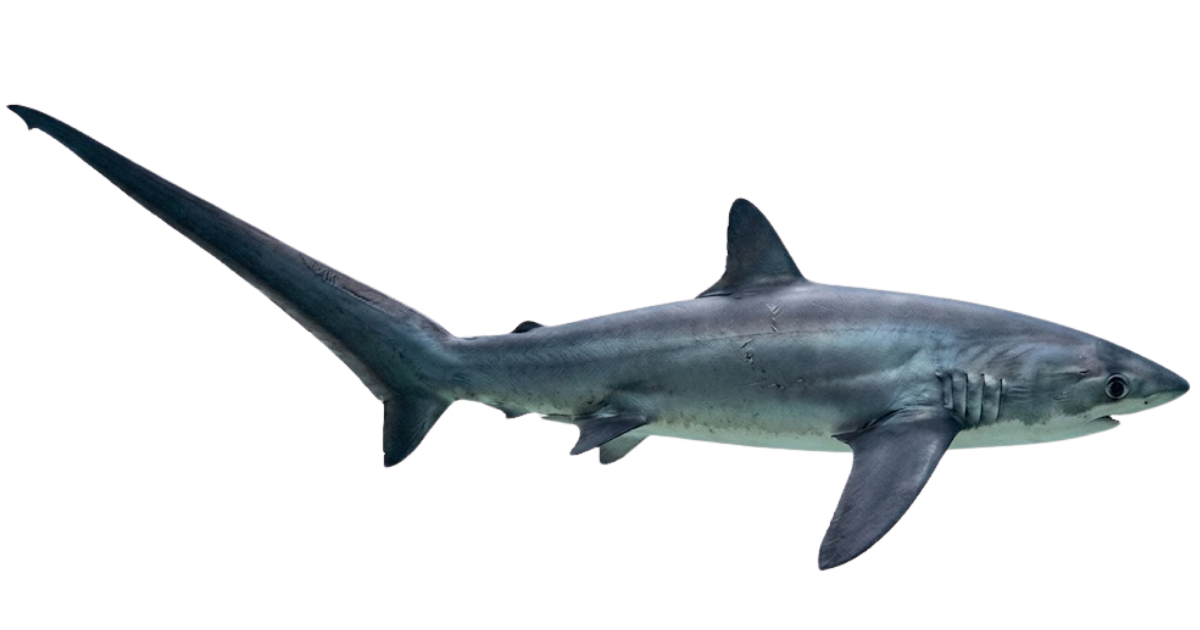 14
Common thresher shark
Alopias vulpinus
5.7 m
Vulnerable
Lives 0–150 m · dives to 650 m
14
Common thresher shark
Alopias vulpinus
5.7 m
Vulnerable
Lives 0–150 m · dives to 650 m
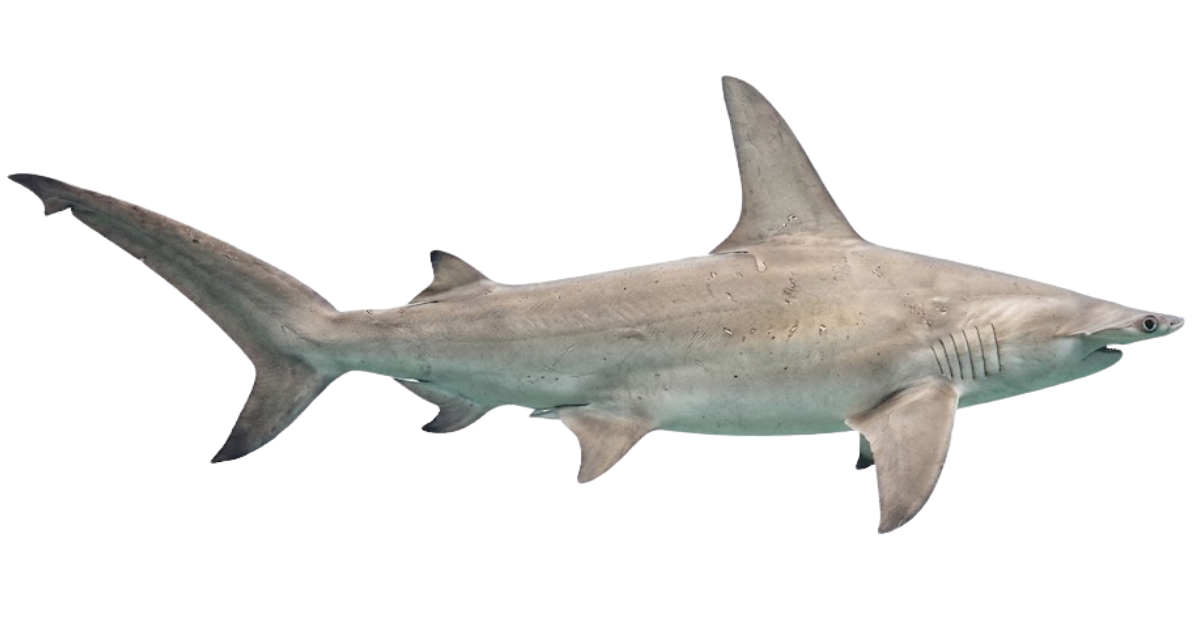 15
Great hammerhead
Sphyrna mokarran
6 m
Critically Endangered
Lives 0–80 m · dives to 300 m
15
Great hammerhead
Sphyrna mokarran
6 m
Critically Endangered
Lives 0–80 m · dives to 300 m
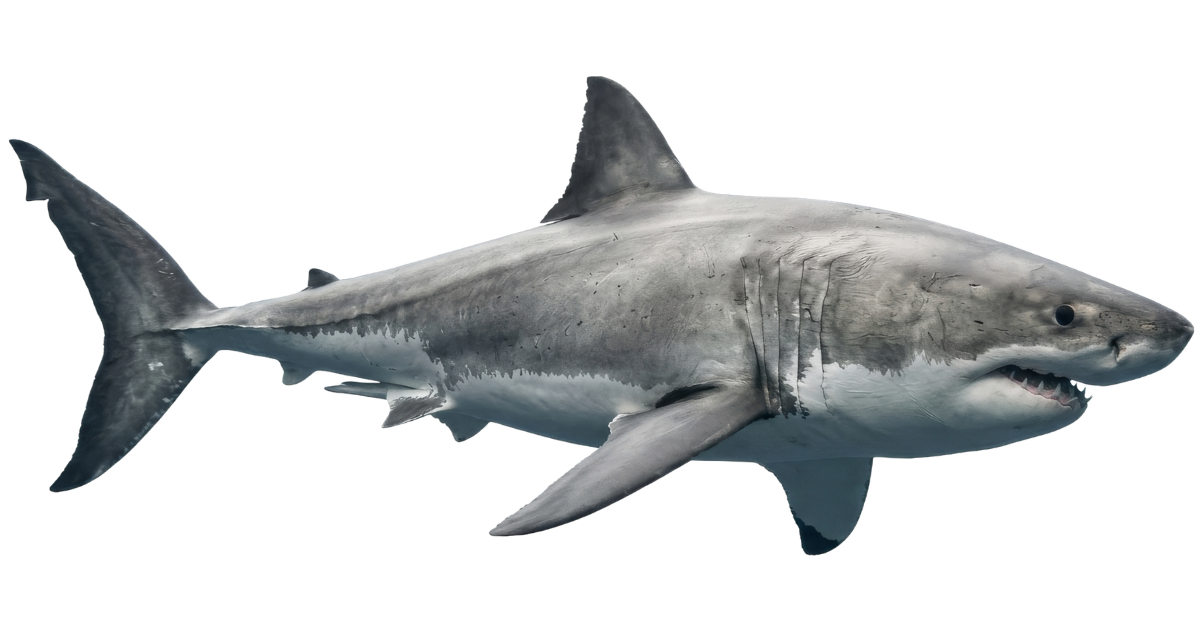 16
Great white shark
Carcharodon carcharias
6 m
Vulnerable
Lives 0–250 m · dives to 1,200 m
16
Great white shark
Carcharodon carcharias
6 m
Vulnerable
Lives 0–250 m · dives to 1,200 m
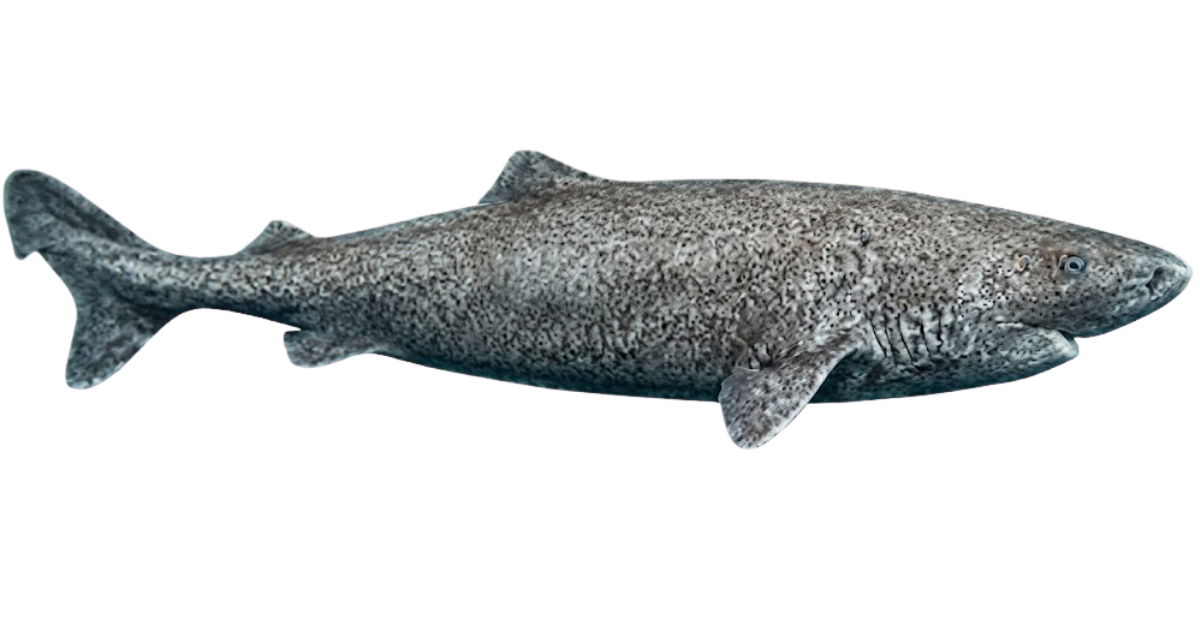 17
Greenland shark
Somniosus microcephalus
6.4 m
Vulnerable
Lives 100–1,200 m · dives to 2,200 m
17
Greenland shark
Somniosus microcephalus
6.4 m
Vulnerable
Lives 100–1,200 m · dives to 2,200 m
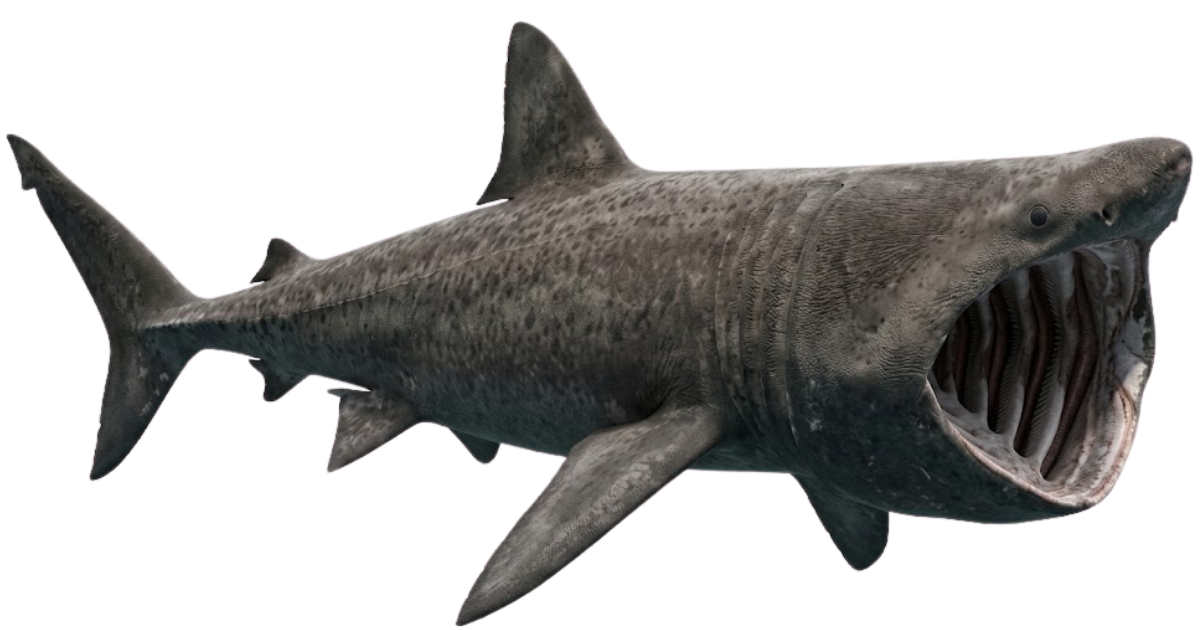 18
Basking shark
Cetorhinus maximus
10 m (up to 12.3 m)
Endangered
Lives 0–200 m · dives to 1,260 m
18
Basking shark
Cetorhinus maximus
10 m (up to 12.3 m)
Endangered
Lives 0–200 m · dives to 1,260 m
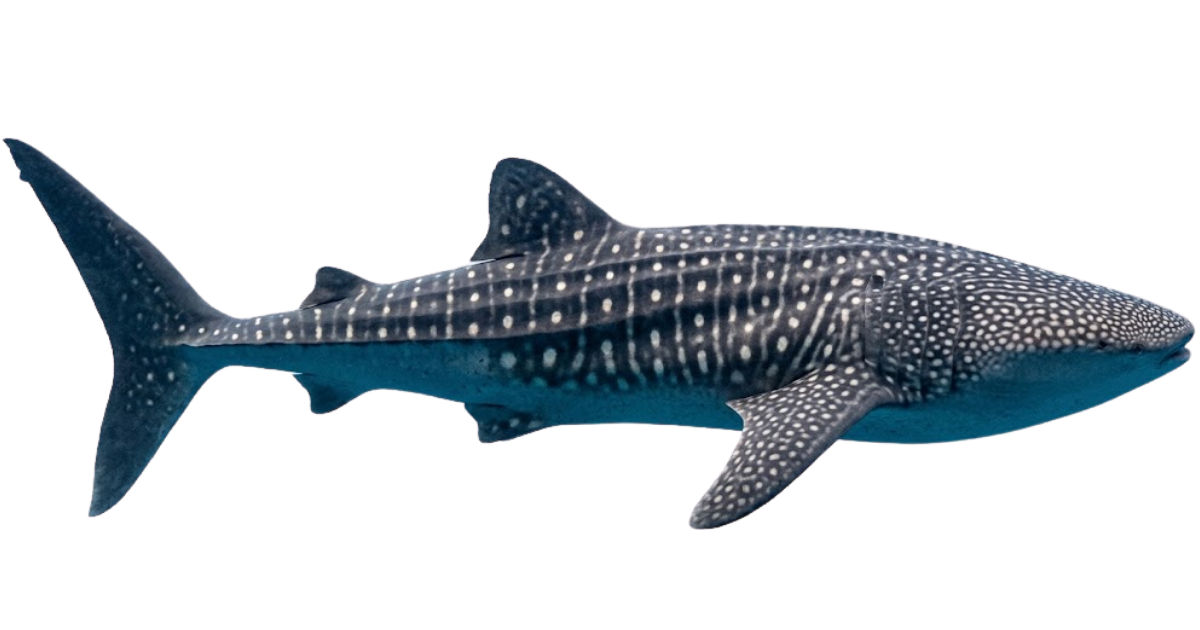 19
Whale shark
Rhincodon typus
12 m (up to 18.8 m)
Endangered
Lives 0–100 m · dives to 1,928 m
19
Whale shark
Rhincodon typus
12 m (up to 18.8 m)
Endangered
Lives 0–100 m · dives to 1,928 m
 20
Megalodon
Otodus megalodon
15 m (estimated)
Extinct
Extinct for about 3.6 million years
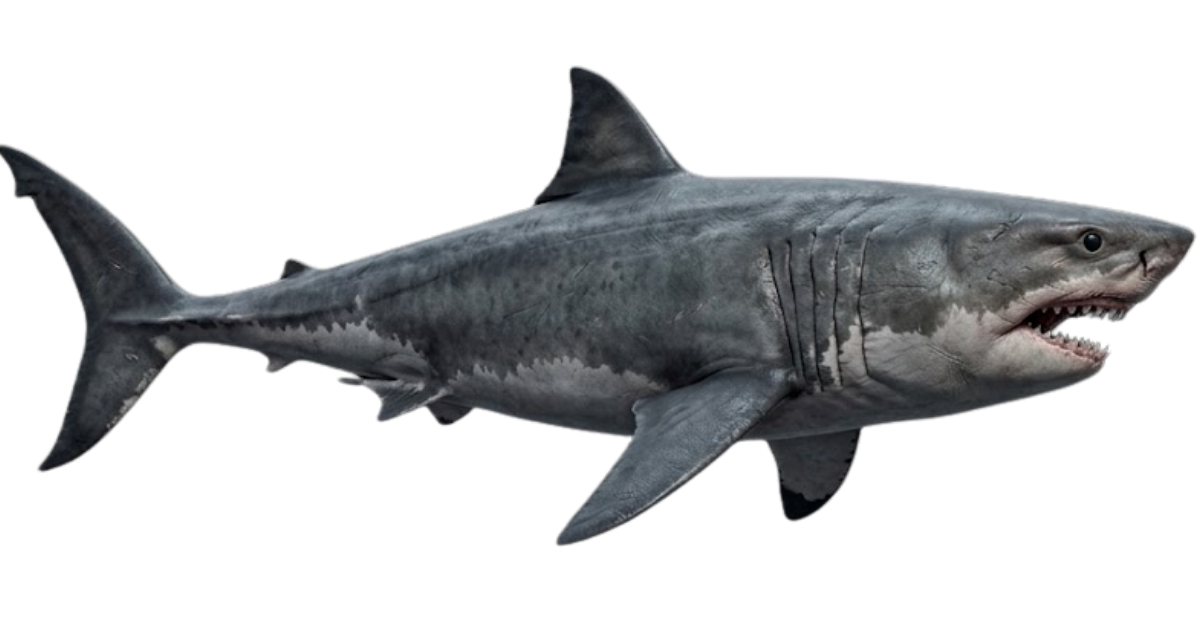
20
Megalodon
Otodus megalodon
15 m (estimated)
Extinct
Extinct for about 3.6 million years
How deep do sharks live?
Depth is the other half of the story, which is why the tool shows a depth gauge for every species. Some sharks never leave shallow water. A blacktip reef shark rarely goes below 20 metres, and a nurse shark spends its days resting on the sea floor of coastal areas. Others live in deep water most of the time. The Greenland shark usually stays between 100 and 1,200 metres and has been found at more than 2,000.
Size does not decide depth, either. The whale shark feeds at the surface, yet tagged whale sharks have dived to almost 1,930 metres. Meanwhile the half-metre cookiecutter shark spends its days at great depth and rises towards the surface at night, following the animals it feeds on. As you swim the lineup, the water darkens to match each shark’s usual depth, so you can see the difference as well as read it.
Why sharks come in such different sizes
Shark species range from a pocket-sized pygmy shark to a whale shark longer than a bus. In fact, around half of the more than 500 known shark species measure less than a metre (about three feet). I explain how that number is counted in how many species of sharks exist.
Diet is the biggest reason for the gap. The two largest living species, the whale shark and the basking shark, are both filter feeders that rely on abundant food at the bottom of the food chain, and so is the megamouth shark. Hunters, on the other hand, have to catch every meal, so the largest predatory sharks stay far smaller. Cold, deep water is the other route to a big body. The Greenland shark and the Pacific sleeper shark grow slowly in near-freezing water, and a Greenland shark may be more than 270 years old (Nielsen et al., 2016).
Big sharks that are not on the scale yet
Several impressive species are missing from the lineup for now, mostly because I do not have artwork for them yet:
- Megamouth shark (Megachasma pelagios): a deep-water filter feeder that grows to about 5.5 metres and was only discovered in 1976.
- Bluntnose sixgill shark (Hexanchus griseus): a deep water shark with six gill slits instead of the usual five, reaching around five metres.
- Pacific sleeper shark (Somniosus pacificus): the Greenland shark’s cousin, living on and above the sea floor of the North Pacific.
- Sand tiger shark (Carcharias taurus): a coastal shark of about three metres, famous for its ragged, razor sharp teeth. Its eggs hatch inside the mother, and the strongest embryo in each womb eats its siblings before birth.
What size feels like underwater
Numbers on a screen only go so far. I have dived with lemon sharks, whitetip reef sharks, wobbegongs and hammerheads, and every one of them felt bigger in the water than its length suggests. A three-metre lemon shark is a heavy, deliberate animal, and it is very aware of you. More recently, on my lap of Australia, I snorkelled a seagrass bed and only noticed a wobbegong resting in it because it moved.
I have never seen a great white underwater, and honestly I am happy to keep it that way. Still, what every dive taught me is that sharks are mostly calm and badly misunderstood. Recorded attacks are rare, and people kill far more sharks than sharks kill people. If you would like to meet some yourself, start with my guide to the best places to swim with sharks.
Why so many big sharks are endangered
Size makes sharks vulnerable. Large species grow slowly, mature late and have few young, so they cannot replace heavy losses. Globally, the abundance of oceanic sharks and rays has fallen by about 71 per cent since 1970, mainly because of overfishing (Pacoureau et al., 2021). Estimates suggest around 100 million sharks are killed every year, many of them for their fins.
As a result, several sharks on this scale are now endangered species. The whale shark, basking shark, shortfin mako, sandbar and zebra shark are all listed as Endangered on the IUCN Red List. The great hammerhead and oceanic whitetip are Critically Endangered, and the great white is Vulnerable. For why that matters beyond the sharks themselves, read how apex predators shape ecosystems.
How this shark size comparison works
Every shark is a cut-out scaled by its real total body length, so all twenty share one scale. As you move along the lineup, the camera zooms out rather than the sharks changing size, and the diver stays at two metres throughout. I use the length of a large adult rather than an average, because the ceiling is what most people want to compare.
The depth figures are approximate. They come from satellite tagging studies and species records, and the deepest dives are single recorded events rather than normal behaviour. Conservation statuses come from the IUCN Red List at the time of writing.
More ways to explore
- Whale size comparison14 whales at true scale, up to a 30 m blue whale
- Animal size comparisonFrom a tardigrade to a blue whale
- Shark triviaEarn the shark badge in the animal quiz
- Sharks of AustraliaThe species around our coastline
Frequently asked questions
What is the biggest shark alive today?
The whale shark. Large adults reach about 12 metres, and the biggest reliably measured was around 18.8 metres. It is harmless to people and feeds on plankton.
What is the largest predatory shark?
The great white shark, with large females exceeding six metres and weighing around two tonnes.
How big was megalodon compared with a great white?
Most estimates put megalodon at 14 to 20 metres, so it was roughly two and a half to three times as long as a large great white.
What is the smallest shark?
The dwarf lanternshark, at around 20 centimetres, is usually named the smallest. The pygmy shark in this tool is only slightly bigger, at about 27 centimetres.
Is a basking shark bigger than a great white?
Yes. A large basking shark is around ten metres long, with records above 12 metres, so it is nearly twice the length of a great white. Like the whale shark, it only eats plankton.
How big is a whale shark compared with a human?
A 12-metre whale shark is about six times as long as a two-metre scuba diver, and the largest recorded individuals were over nine divers long.
Which shark lives the longest?
The Greenland shark. Radiocarbon dating of their eye lenses suggests the oldest individuals are more than 270 years old, making it the longest-lived vertebrate known.
References
- Cooper, J. A., Pimiento, C., Ferrón, H. G., & Benton, M. J. (2020). Body dimensions of the extinct giant shark Otodus megalodon: A 2D reconstruction. Scientific Reports, 10, 14596. https://doi.org/10.1038/s41598-020-71387-y
- Nielsen, J., Hedeholm, R. B., Heinemeier, J., Bushnell, P. G., Christiansen, J. S., Olsen, J., Ramsey, C. B., Brill, R. W., Simon, M., Steffensen, K. F., & Steffensen, J. F. (2016). Eye lens radiocarbon reveals centuries of longevity in the Greenland shark (Somniosus microcephalus). Science, 353(6300), 702–704. https://doi.org/10.1126/science.aaf1703
- Pacoureau, N., Rigby, C. L., Kyne, P. M., Sherley, R. B., Winker, H., Carlson, J. K., Fordham, S. V., Barreto, R., Fernando, D., Francis, M. P., Jabado, R. W., Herman, K. B., Liu, K.-M., Marshall, A. D., Pollom, R. A., Romanov, E. V., Simpfendorfer, C. A., Yin, J. S., Kindsvater, H. K., & Dulvy, N. K. (2021). Half a century of global decline in oceanic sharks and rays. Nature, 589, 567–571. https://doi.org/10.1038/s41586-020-03173-9



