Meeting the Sandbar Shark (Carcharhinus plumbeus)
When people swim, snorkel, or dive in coastal waters, there’s always a chance of encountering a sandbar shark. These brownish-gray silhouettes often glide effortlessly above sandy bottoms, their massive triangular dorsal fin cutting through the water like sails. Spotting one can be an awe-inspiring experience! These sharks are more graceful than threatening, moving with calm authority through their shallow-water habitats.
That’s the paradox of the brown shark (as sandbars are often called). They’re large, impressive, and a little intimidating, but also one of the most studied and better-understood sharks in the world. The sandbar shark scientific name is Carcharhinus plumbeus, and it belongs to the requiem shark family, which also includes bull sharks, tiger sharks, and other familiar species.
These sharks are not just fascinating to encounter, they’re critical players in coastal ecosystems. By regulating fish populations and influencing the behavior of prey species, they help keep marine food webs in balance. Yet, despite their importance, sandbar shark populations have taken a hit from overfishing and shark finning, landing them on the IUCN’s vulnerable list.
Let’s dive into 12 facts about sandbar sharks that highlight why they’re worth protecting, and why spotting one in the wild is such a memorable experience.

1. Sandbar Sharks Have a Distinctive Look
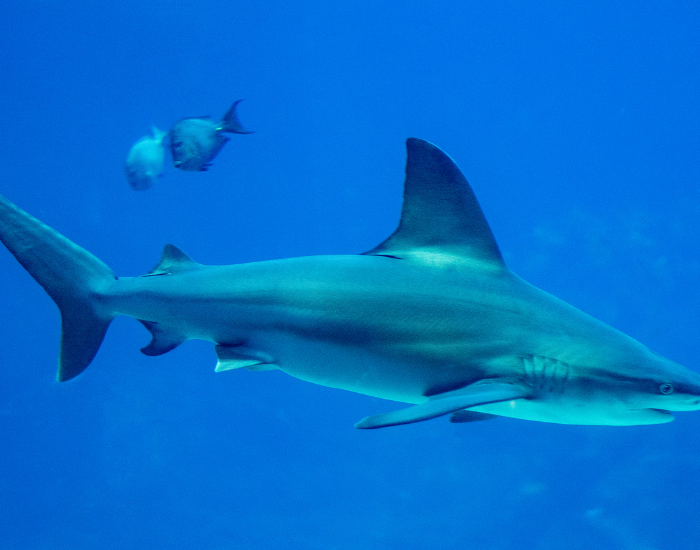
Sandbar sharks are stocky, with a stout body and that unmistakable large first dorsal fin, one of the tallest relative to body size among sharks. Their brownish gray upper bodies help them blend with sandy seafloors, while their white underbellies offer countershading from below.
These physical traits, along with large pectoral fins, make them powerful swimmers capable of long migrations. If you’re trying to identify a sandbar shark, the combination of broad fins and a high dorsal fin is your best clue.

2. They’re Found in Shallow Coastal Waters
The sandbar shark habitat includes sandy or muddy areas in shallow coastal waters, estuaries, and coral reefs. They’re particularly common in bays like Chesapeake Bay in the U.S. and across the western North Atlantic from Cape Cod to the Gulf of Mexico.
But they don’t stop there, sandbar sharks also roam the eastern Atlantic, the Red Sea, and parts of the Indian and Pacific Oceans, including areas near the Hawaiian Islands.

3. Sandbar Sharks Migrate Seasonally
Like many shark species, such as the thresher shark or the mako shark, sandbar sharks undertake seasonal migrations, often linked to water temperature and food availability. In the northern hemisphere, they move into warmer tropical waters during colder months.
I remember tagging juvenile sandbar sharks off Cape Cod, only to see satellite data months later showing them near Florida’s coast. Tracking reveals they can travel hundreds of miles along the east coast, a reminder of how dynamic and connected our oceans really are.
4. Sandbar Shark Size and Weight
So, how big do sandbar sharks get? Adult sandbar sharks typically measure 6 to 8 feet (1.8–2.4 m) long, though some individuals can reach over 8 feet. The sandbar shark weight averages 100–150 kg (220–330 lbs).
They’re not the ocean’s giants like great whites, but their bulk and that towering dorsal fin make them look imposing.

5. Sandbar Shark Pups Are Born Live
Unlike bony fishes that lay eggs, sandbar sharks are viviparous, they give birth to live young. A female can deliver a litter of 6–12 sandbar shark pups after a long gestation of about 11–12 months.
Juvenile sandbar sharks often remain in shallow nurseries, like estuaries and bays, where they form large schools for protection. These nurseries are critical habitats, yet they’re also highly vulnerable to human impacts like pollution and coastal development.

6. What Does a Sandbar Shark Eat?
The sandbar shark diet includes:
- Bony fishes (their primary prey)
- Smaller sharks
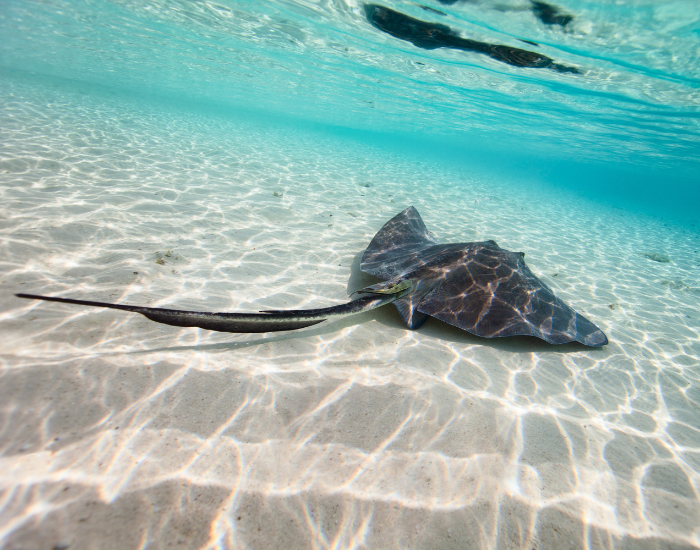
- Eels, skates, and rays
- Crustaceans and other marine species
They’re opportunistic bottom feeders, often hunting in sandy or muddy areas where prey hides. Occasionally, they’ll prey heavily on schooling fish, using their strength and speed to break up large schools.
7. They’re Not Considered Dangerous to Humans
One of the most common questions is: Are sandbar sharks aggressive?
Despite their size and power, sandbar sharks are not generally dangerous to humans. There are very few recorded incidents, and most involve mistaken identity or provocation. Divers often encounter them in shallow reefs without issue.
That said, they’re still large wild predators. Respect is key. My rule in the field has always been: admire from a distance and never interfere.
8. Sandbar Sharks Are Sometimes Called Brown Sharks
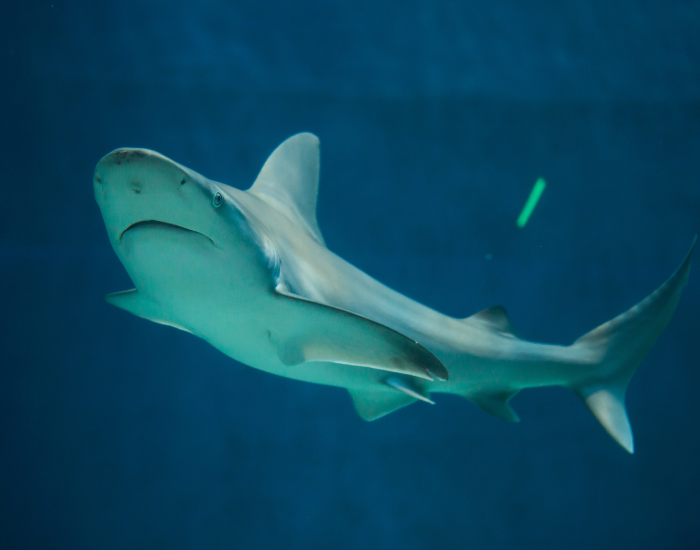
Locally, especially along the U.S. east coast, sandbar sharks are often referred to as brown sharks. This nickname comes from their brownish-gray coloration.
It’s worth noting that “sand shark” (a common mix-up) usually refers to sand tiger sharks, a completely different species with a toothy, fearsome look. So if you hear someone mention a small brown shark nearshore, chances are they’re talking about a sandbar.

9. Sandbar Sharks Face Serious Threats
Sandbar shark populations have plummeted due to:
- Overfishing for meat and fins
- Bycatch in longline and trawl fisheries
- Shark finning, especially in Asia
- Habitat degradation in coastal nurseries
Multiple studies, like the one form Musick & Johnson (2013), highlight dramatic declines (60–80%, with catch rates dropping to just 25% of 1980s levels) in western Atlantic sandbar shark populations due to intense fishing pressure.
10. Conservation Efforts Are Underway
The International Union for Conservation of Nature (IUCN) lists sandbar sharks as Endangered. Fisheries management, including catch limits and protected areas, has been implemented in places like U.S. waters.
Conservation initiatives now focus on:
- Protecting estuaries and shallow coastal habitats
- Banning shark finning
- Using gear modifications to reduce bycatch
- Raising awareness about the ecological role of sharks

11. Sandbar Sharks Play a Key Role in Marine Ecosystems
As mid-level predators, sandbar sharks regulate populations of bony fishes and smaller sharks, preventing overpopulation and maintaining healthy ecosystems.
They’re also prey for larger sharks, like bull sharks, making them an important link in the food web. Without them, ecosystems could shift dramatically, another reason their conservation matters.

12. Sandbar Sharks Are a Window Into Shark Research
Because sandbar sharks are relatively abundant and easy to study in coastal waters, relatively to other species of sharks, they’ve become a model species for shark research. Scientists have used satellite tags, DNA analysis, and long-term monitoring to uncover migration patterns, shark fin insertion anatomy, and even growth rates.
Some of the most important insights into shark biology come from decades of research on this single species.

Anatomy and Identification of the Sandbar Shark
Sandbar sharks are easy to distinguish thanks to their rounded snout, triangular dorsal fin, and exceptionally large first dorsal fin compared to other sharks. They also have two dorsal fins, large pectorals, and characteristic lower teeth adapted for gripping slippery prey. In shark research, even subtle features like the angle of the pectoral fin insertion are used to identify individuals.
Global Distribution and Regional Hotspots
While best known in the western Atlantic, sandbar sharks also thrive in the eastern Pacific, the waters off East Africa, and throughout the Atlantic Ocean. Their seasonal migrations often follow major ocean currents, helping them move between warm nurseries and rich feeding grounds. In the northern hemisphere, these movements are particularly pronounced as sharks shift with the seasons
Sandbar Sharks in Fisheries and Human Impact
For decades, sandbar sharks were targeted as one of the most abundant species of coastal requiem sharks, making them a mainstay in the shark fin trade. Heavy pressure from the longline fishery in the U.S. and elsewhere contributed to their decline. As a threatened species, sandbar sharks also suffer high bycatch rates when fisheries target other animals like tuna or swordfish.
Behavioral Insights: Social Life and Feeding Habits
Juvenile sandbar sharks often form schools, sometimes with dozens of individuals patrolling shallow bays together. These young sharks may remain in sheltered estuaries for years before dispersing. Adults, on the other hand, tend to be solitary but will prey heavily on seasonal runs of small fishes, or target larger prey such as eels, skates, and rays when opportunities arise.
Quick FAQs About Sandbar Sharks
No, they’re generally not aggressive. Attacks are extremely rare.
They live in coastal waters worldwide, especially in the western Atlantic, eastern Atlantic, and parts of the Pacific and Indian Oceans.
Adults average 6–8 feet long and weigh around 220–330 lbs.
Their diet includes bony fishes, rays, eels, smaller sharks, and crustaceans.
Because of their brownish-gray coloration, especially when seen from above in shallow waters.
Sandbar Sharks Matter!
Every encounter I’ve had with sandbar sharks reminds me of their quiet authority in the sea. They’re not flashy like hammerheads or as infamous as great whites, but they’re essential to the health of our oceans.
From their role as top predators to their value as research subjects, sandbar sharks deserve more attention, and more protection. By supporting conservation efforts, reducing demand for shark products, and advocating for healthy oceans, we can help ensure these remarkable sharks keep gliding through coastal waters for generations to come.