
Whale Size Comparison
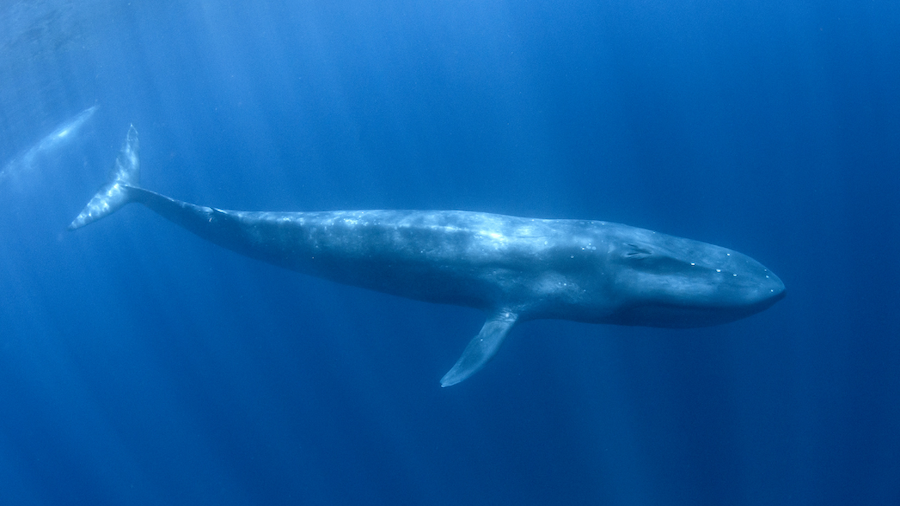
Fourteen whale species drawn at one true scale, from a four-metre beluga to a thirty-metre blue whale.
A diver swims alongside every one of them.
This whale size comparison draws fourteen species at one true scale, with a diver swimming beside each of them. The beluga at the bottom is about four metres. The blue whale at the top is thirty, which makes it the largest animal that has ever lived — larger than any dinosaur we have found.
Drag the slider and the camera zooms rather than the whales resizing. Every whale on screen shares one scale the whole way up, so the comparison holds at every step, and the diver never changes size. That is the only honest way to show a range this wide.
- Smallest hereBeluga, 4.2 m
- LargestBlue whale, 30 m
- Range15×
- ReferenceA 2 m diver
How many school buses long is a blue whale?
Two and a half. A blue whale is about 30 metres, or 98 feet, and a full-size school bus is about 12 metres, or 40 feet. Park two buses nose to tail and you are still eight metres short.
That comparison exists because almost nobody has stood beside a blue whale. A school bus is different: most people have sat in one, walked past one, or waited behind one at a light, so its length is already in your head. Numbers are not. Thirty metres means very little until you have something to put it against.
Pick any animal to see it drawn beside the buses at the same scale. The faded bus is the part the animal does not reach.
Whales measured in school buses
| Animal | Length | In school buses |
|---|---|---|
| Blue whale | 30 m · 98 ft | 2.5 buses |
| Fin whale | 20 m · 66 ft | 1.7 buses |
| Sperm whale | 16.5 m · 54 ft | 1.4 buses |
| Humpback whale | 14.5 m · 48 ft | 1.2 buses |
| Gray whale | 14 m · 46 ft | 1.2 buses |
| Orca | 8 m · 26 ft | two thirds of a bus |
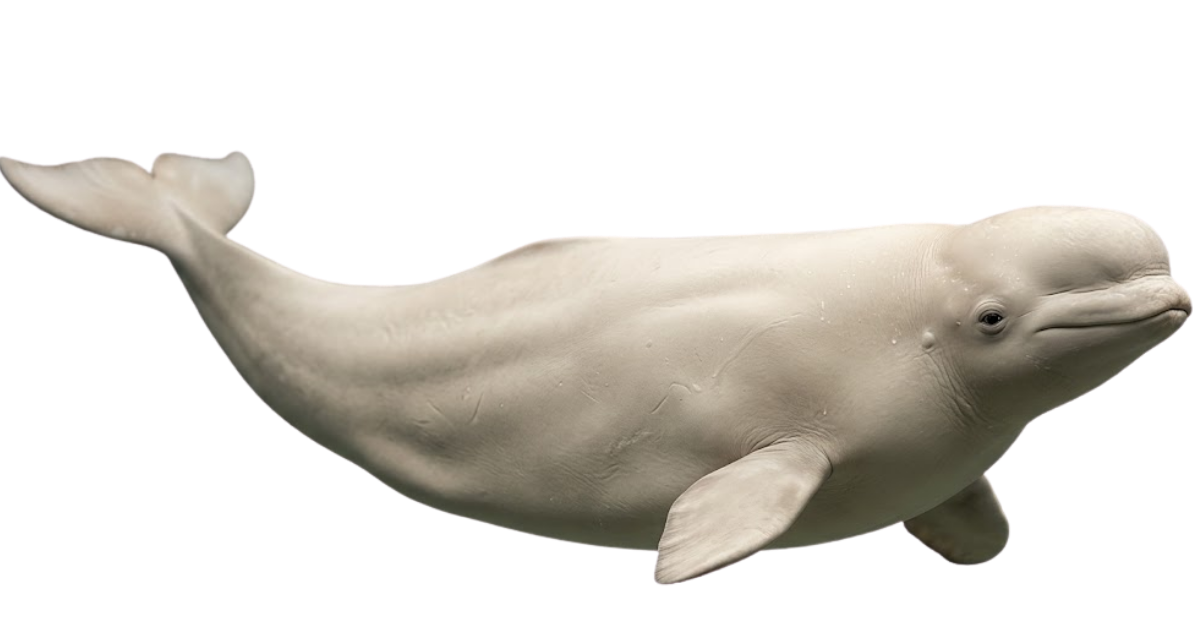
| Beluga | 4.2 m · 14 ft | a third of a bus |
| Scuba diver | 2 m · 7 ft | a sixth of a bus |
School bus taken as 12 m (40 ft), the figure normally used for comparisons of this kind. A full-size American Type C or Type D bus runs between about 11 and 14 metres depending on the model, so treat these as close rather than exact.

Baleen or teeth: the split that decides everything
 15×
Diver to blue whale
2 m up to 30 m
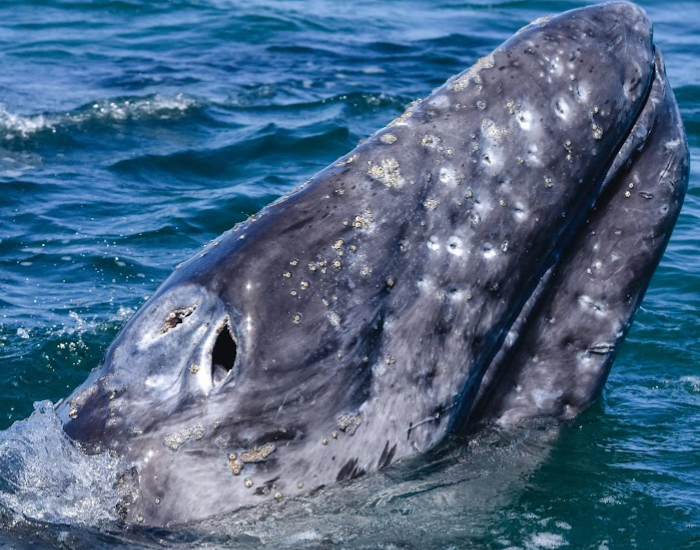
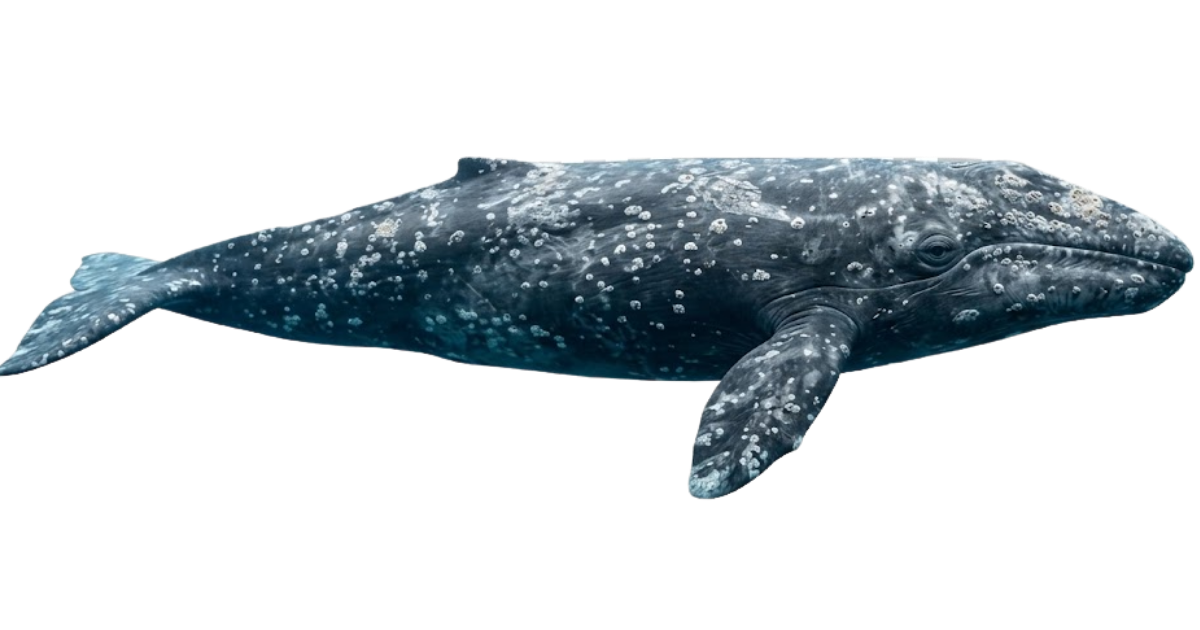
Gray whale, 14 m
15×
Diver to blue whale
2 m up to 30 m
Gray whale, 14 m
 2.9 million
Killed last century
industrial whaling, 1900–1999
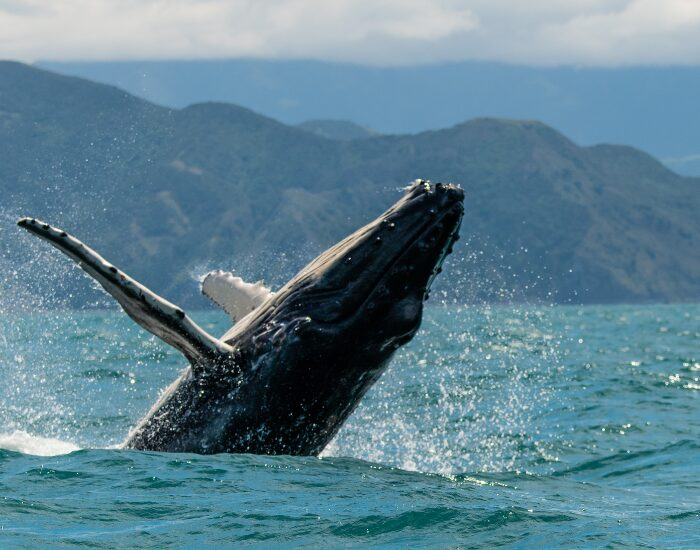
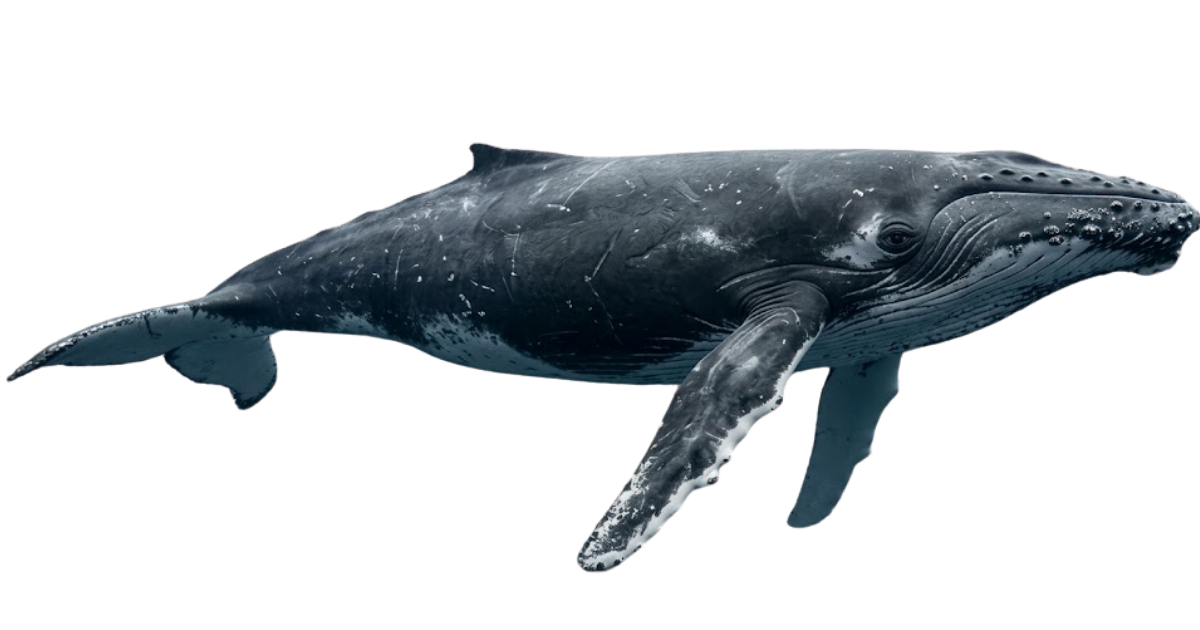
Humpback whale, 14.5 m
2.9 million
Killed last century
industrial whaling, 1900–1999
Humpback whale, 14.5 m
Whales are marine mammals, and every one in this comparison sits on one side or the other of a single split. Baleen whales have no teeth at all. Instead they carry baleen plates, hundreds of fringed sheets of keratin hanging from the upper jaw, and they use them to strain small prey out of enormous mouthfuls of water. Toothed whales do the opposite: they hunt individual animals, one at a time, and they find them with sound rather than sight.
That difference is what sets the sizes you are looking at. The three largest whale species alive — the blue whale, the fin whale and, further down, the minke whale — are all filter feeders living on krill and small fish, and filter feeding is what lets a body get that big. The sperm whale is the largest toothed whale alive and the largest toothed predator on earth, yet it still falls well short of the fin whale, because chasing squid a kilometre down has limits that straining krill does not. The orca is not a whale at all, despite the name killer whale — it is the largest of the oceanic dolphins.
Why whales got so big, and why they stopped
Water carries the weight, so the usual limit on land animals never applies. But size in the ocean is not free either. Goldbogen and colleagues measured what actually caps it: a lunge-feeding whale can only grow as large as its prey patches will support, because past a certain point the energy spent on each mouthful outruns the energy it returns. Bigger bodies also lose heat more slowly, which is why blubber and cold water go together, and why so many of these species feed in polar seas and travel to warmer breeding grounds to calve.
Feeding strategy follows from that too. Humpbacks hunt in groups using bubble net feeding, driving fish into a spiral of bubbles before lunging up through the middle, and their long pectoral fins — a third of their body length, more than any other whale — do the herding. The gray whale takes another route entirely and rolls on its side to filter mud off the seabed.
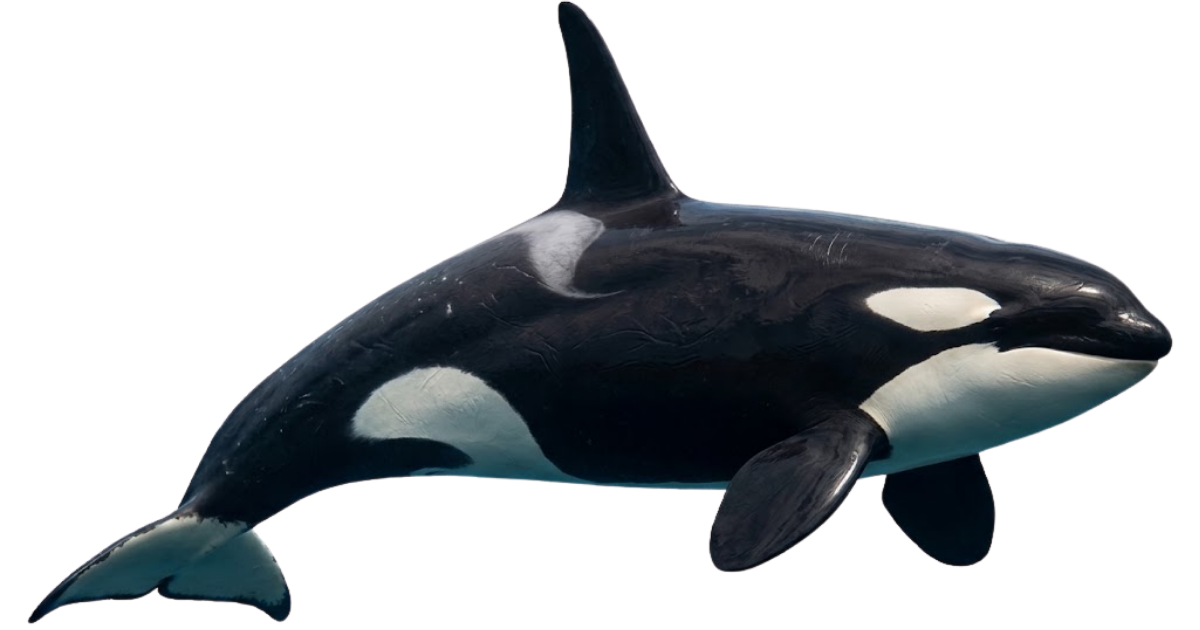
The silhouettes below are worth reading as well as measuring, because at sea the dorsal fin is usually all you get. The gray whale, the right whale and the bowhead have no dorsal fin at all. The orca carries the tallest one of any animal, up to 1.8 m on a mature male. The sei whale’s is tall and sharply hooked, while the blue whale’s is so small and set so far back that it often never breaks the surface.
The ones that very nearly went
Industrial whaling killed close to 2.9 million whales in the twentieth century, and it took the largest species first because they returned the most oil per animal. Blue whales fell by more than 99 per cent in the Southern Ocean. Recovery has been uneven since: humpbacks have come back strongly in most oceans, while the northern right whale is down to fewer than four hundred individuals and remains one of the most endangered whale species on earth. Its name is the plainest artefact of that history — it was the right whale to hunt, because it swims slowly and floats once killed. The bowhead whale tells the story differently: some individuals alive today were born before commercial whaling reached the Arctic, because bowheads can pass two hundred years.
A blue whale is not a big animal. It is the biggest thing that has ever lived on this planet, and most people will go their whole lives without standing next to anything that gives them the scale of it.
The fourteen whales by size
Ranked smallest to largest. Figures are typical adults rather than record holders. Each species has a full guide, and the types of whale covers the ones that do not have their own page yet. If you want the record holders instead, the biggest whale in the world goes into that.
 1
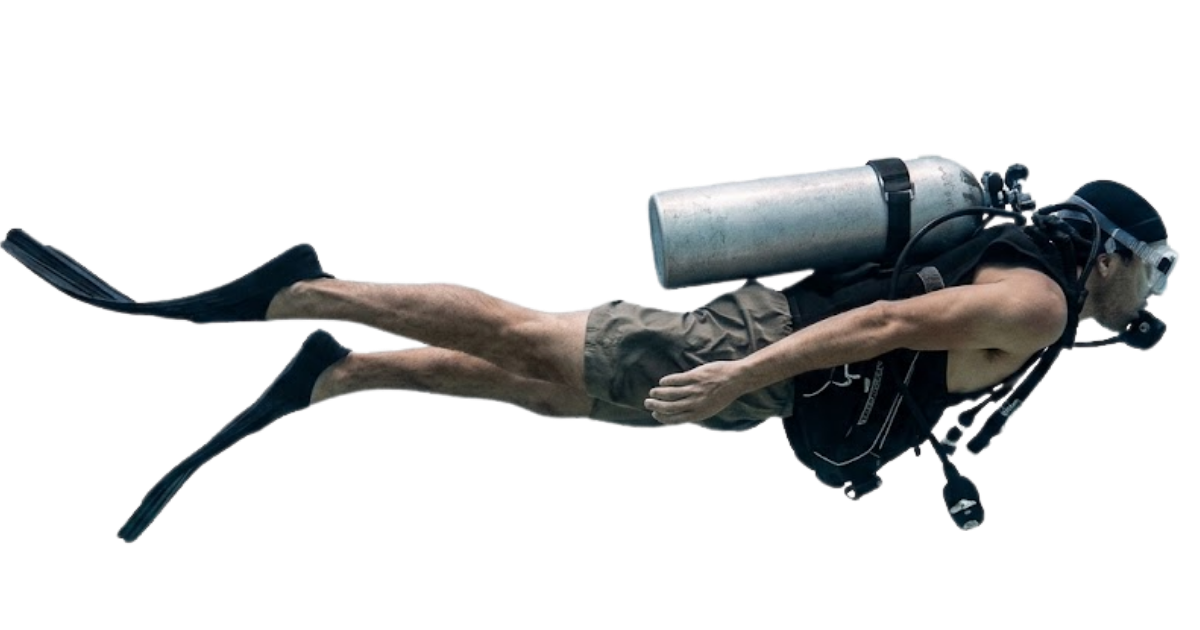
Scuba diver
2 m
1
Scuba diver
2 m
 2
Beluga
4.2 m
2
Beluga
4.2 m
 3
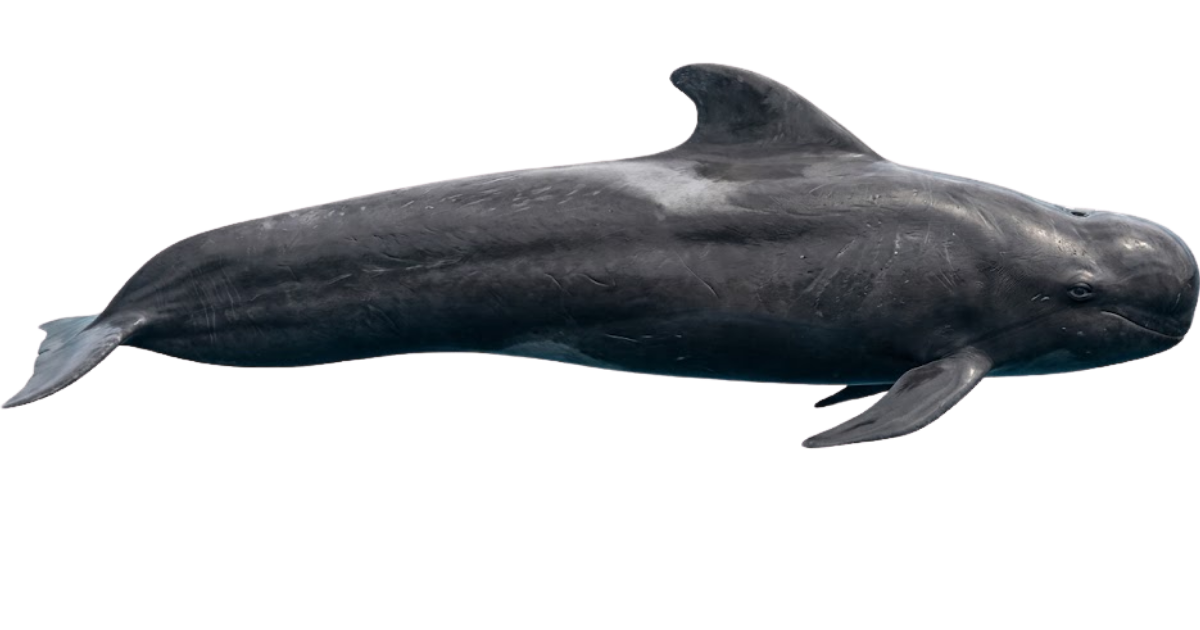
Short-finned pilot whale
5.5 m
3
Short-finned pilot whale
5.5 m
 4
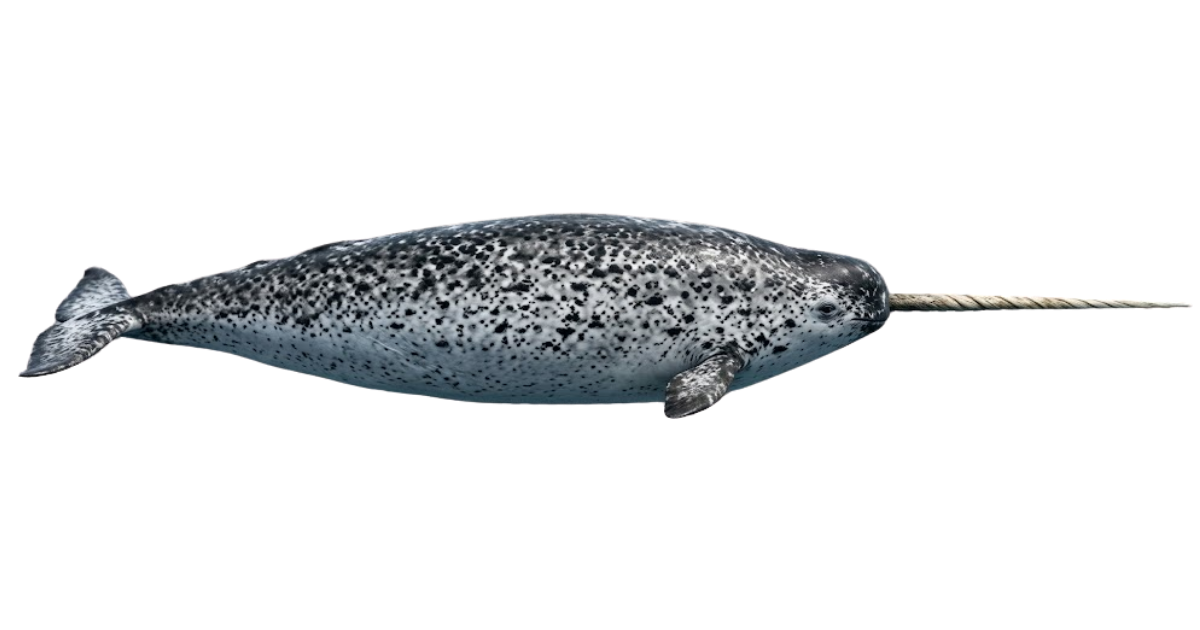
Narwhal
6.5 m
4
Narwhal
6.5 m
 5
Orca
8 m
5
Orca
8 m
 6
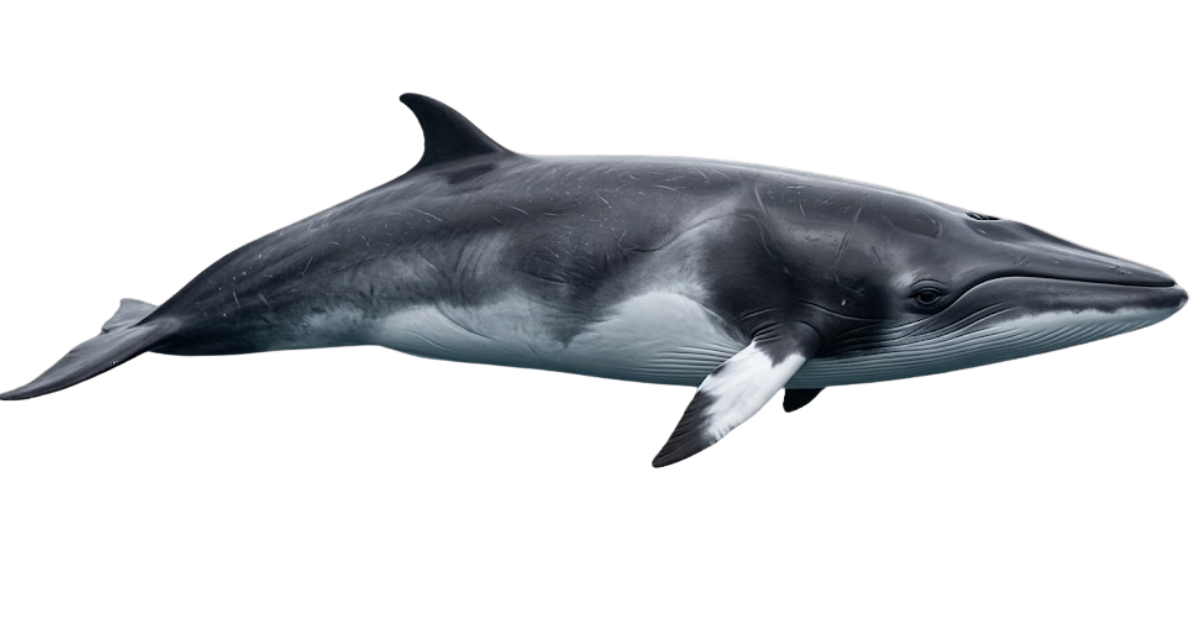
Minke whale
8.5 m
6
Minke whale
8.5 m
 7
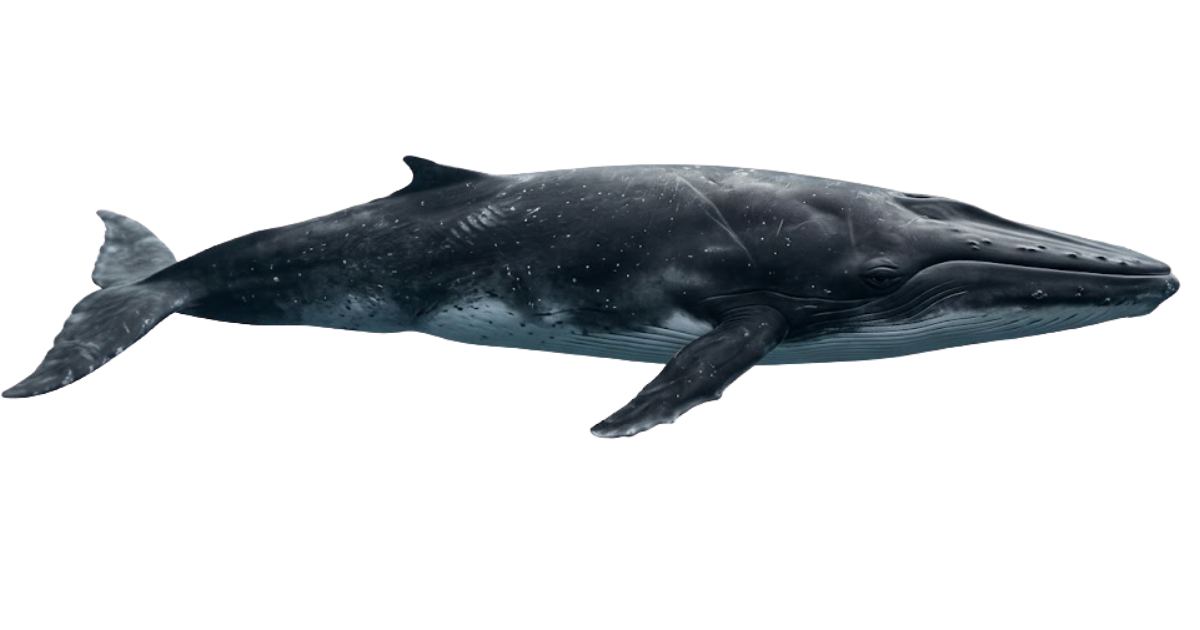
Bryde’s whale
13 m
7
Bryde’s whale
13 m
 8
Gray whale
14 m
8
Gray whale
14 m
 9
Humpback whale
14.5 m
9
Humpback whale
14.5 m
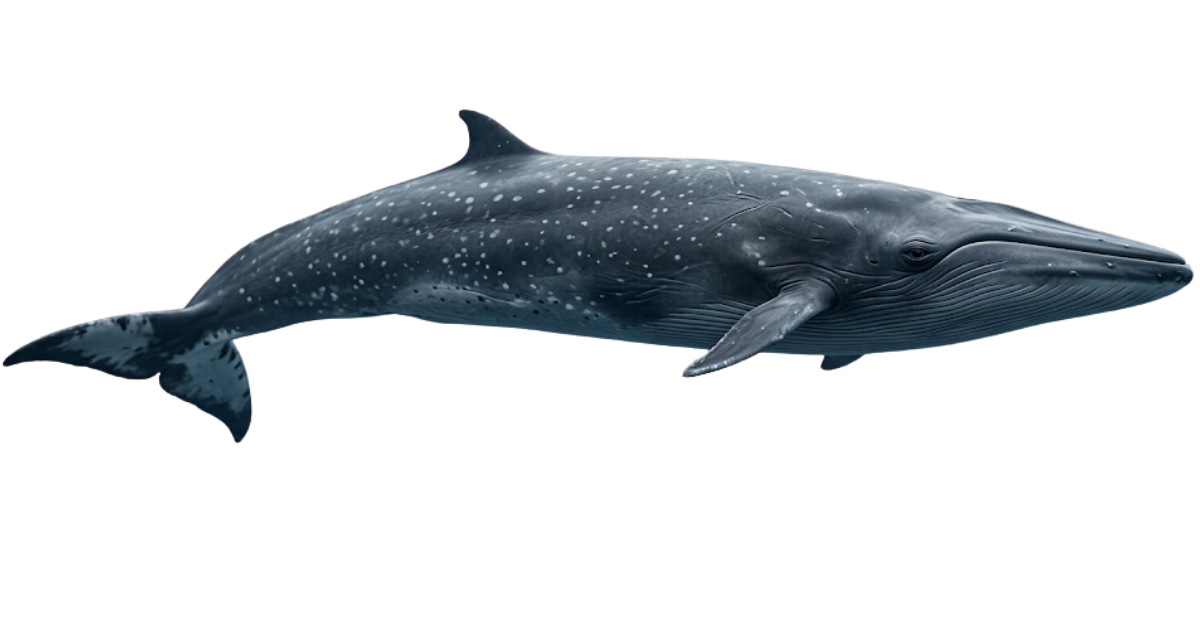 10
Sei whale
15 m
10
Sei whale
15 m
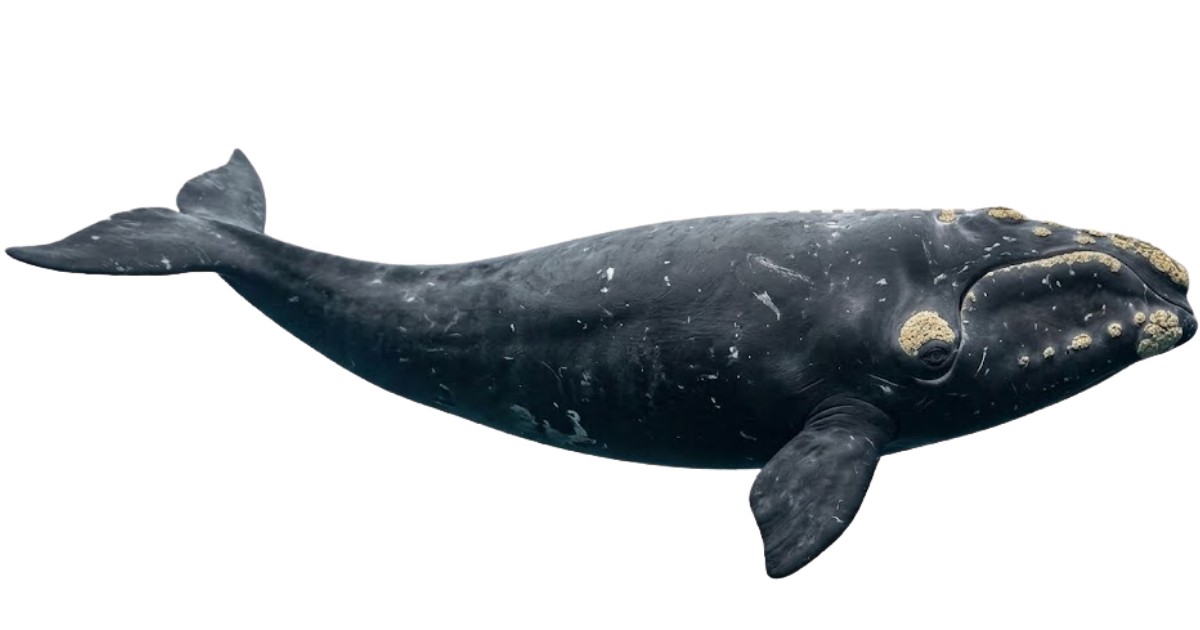 11
Northern right whale
15.5 m
11
Northern right whale
15.5 m
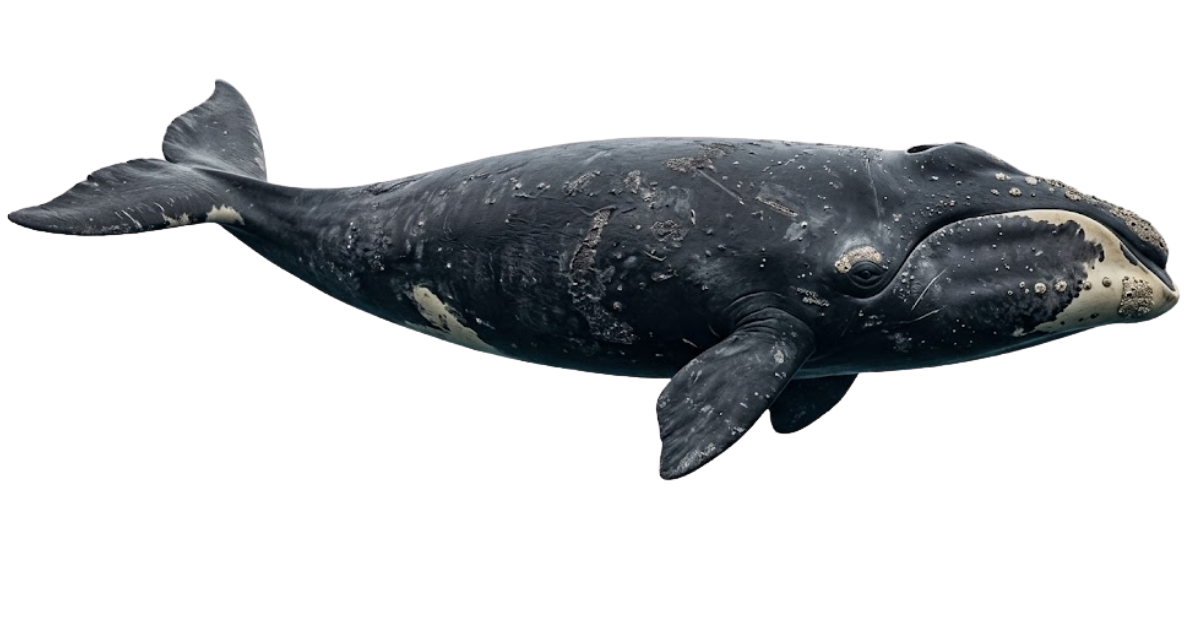 12
Bowhead whale
16 m
12
Bowhead whale
16 m
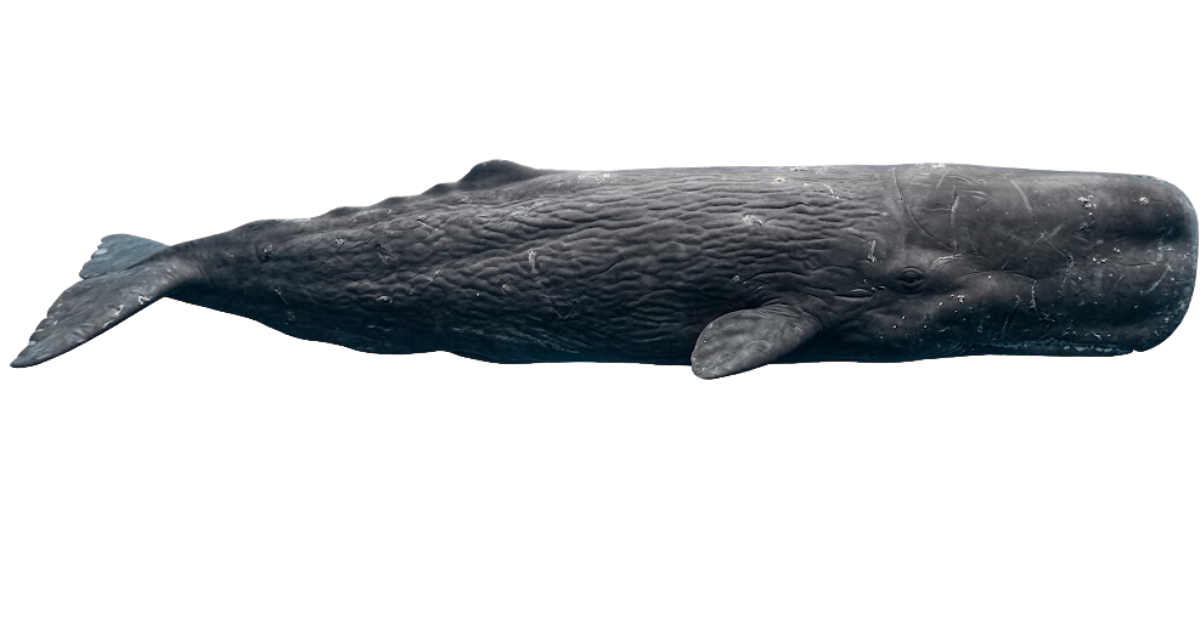 13
Sperm whale
16.5 m
13
Sperm whale
16.5 m
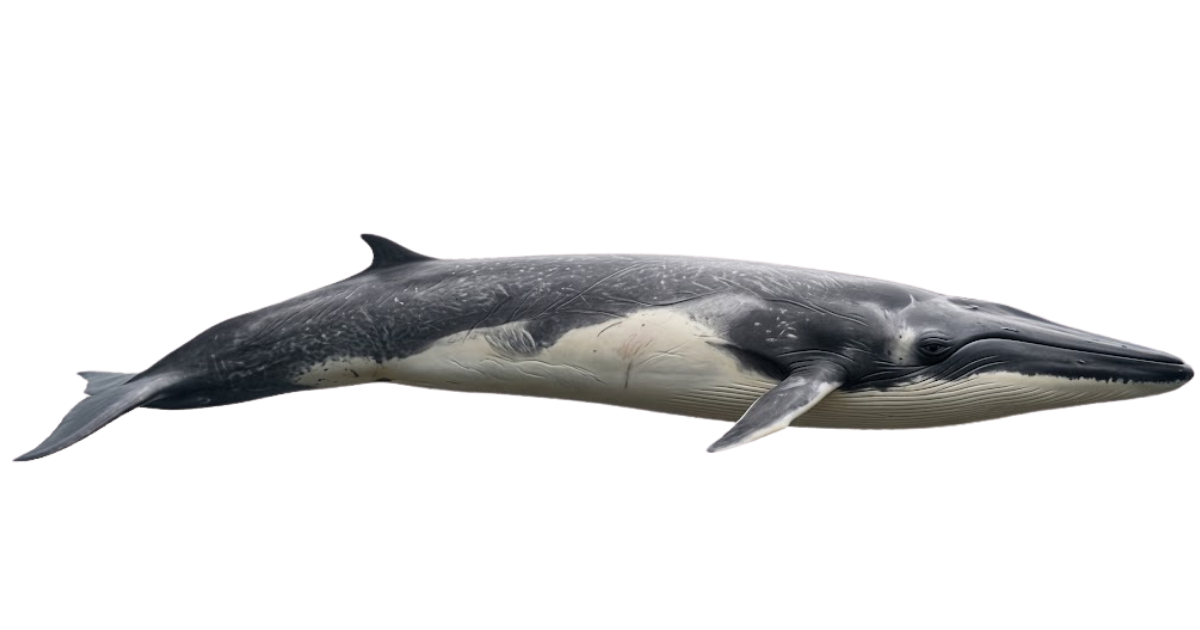 14
Fin whale
20 m
14
Fin whale
20 m
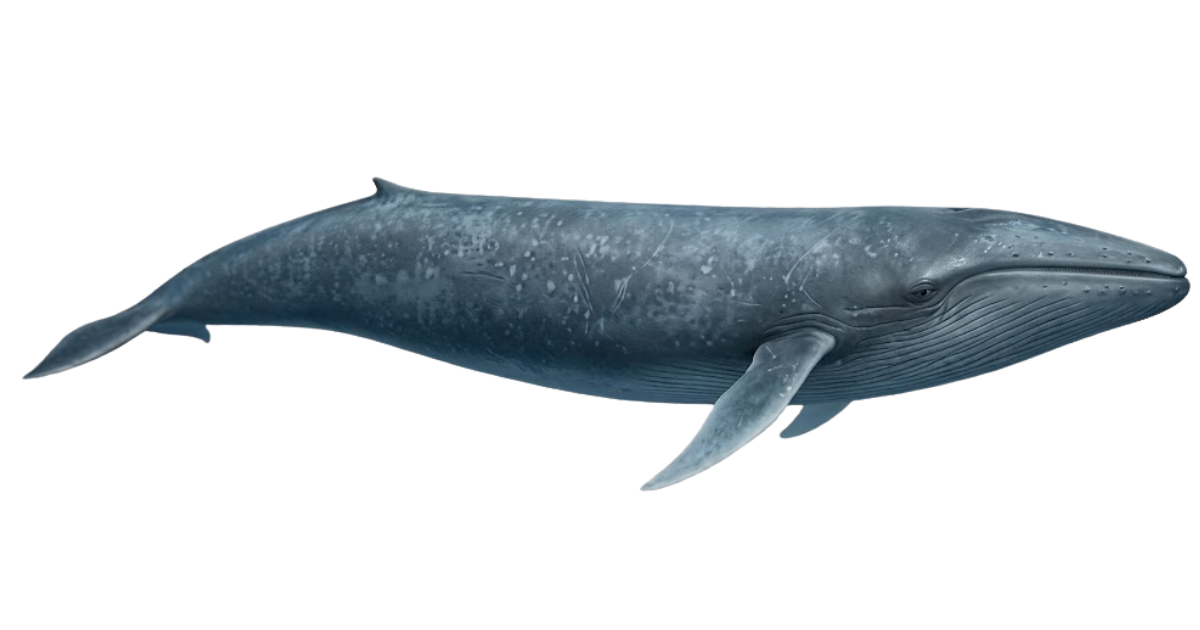 15
Blue whale
30 m
15
Blue whale
30 m
Every whale is measured from the tip of the snout to the notch of the tail fluke, and the narwhal’s figure includes its tusk, which is a tooth grown through the lip. Two caveats worth stating plainly. The blue whale is given at thirty metres, the top of its range rather than the average of twenty-four to twenty-seven, because the ceiling is the point of the page. And the sperm whale varies more than anything else here: males reach sixteen metres while females rarely pass eleven.
References
- Goldbogen, J. A., et al. (2019). Why whales are big but not bigger: Physiological drivers and ecological limits in the age of ocean giants. Science, 366(6471), 1367–1372. https://doi.org/10.1126/science.aax9044
- Rocha, R. C., Clapham, P. J., & Ivashchenko, Y. V. (2014). Emptying the oceans: A summary of industrial whaling catches in the 20th century. Marine Fisheries Review, 76(4), 37–48. NOAA Scientific Publications Office
Questions people ask
How many school buses long is a blue whale?
About two and a half. A blue whale reaches roughly 30 metres, or 98 feet, and a full-size school bus is about 12 metres, or 40 feet. Two buses parked nose to tail still leave around eight metres of whale hanging off the end.
What is the biggest whale in the world?
The blue whale, at up to 30 metres and around 150 tonnes. It is not only the largest whale but the largest animal that has ever lived, larger than any dinosaur so far found. The fin whale is second at about 20 metres. More on the biggest whales →
Is a killer whale a whale?
No. The orca is the largest member of the oceanic dolphin family, despite the name. Dolphins are themselves toothed whales in the broad sense, so the answer depends on how wide you draw the circle, but an orca is far closer to a bottlenose dolphin than to a humpback. More on dolphins →
What is the difference between baleen whales and toothed whales?
Baleen whales have no teeth. They carry baleen plates, fringed sheets of keratin hanging from the upper jaw, and strain krill and small fish out of huge mouthfuls of water. Toothed whales hunt individual prey and find it using sound. Every one of the very large whales is a baleen whale; the sperm whale is the largest toothed one. The full guide to whale types →
How big is a blue whale’s heart?
About 180 kg, roughly the weight of a full-grown lion, and it moves around 220 litres of blood with each beat. At the surface it beats about 25 to 37 times a minute, and on a deep dive it can slow to two. More blue whale facts →
How long is a humpback whale compared with a school bus?
A little over one bus. A humpback is about 14.5 metres, or 48 feet, against a bus at 12 metres. Its flippers alone run about a third of its body length, which is longer than any other whale’s and longer than a small car. More on humpbacks →
Which whale is the most endangered?
Of the species on this page, the northern right whale. Fewer than 400 individuals remain. It was hunted almost out of existence because it swims slowly and floats once killed, which is how it got its name, and it is still killed today by ship strikes and fishing-gear entanglement. More on right whales →



