
Why Wildlife Nomads began, and why I started it
Welcome to Wildlife Nomads, a space born out of a deep love for nature and an increasingly strong commitment to wildlife conservation. If you have ever felt hopeless in the face of environmental challenges, you are not alone. I started Wildlife Nomads because I know that feeling all too well: the overwhelming sense of wanting to do something meaningful without knowing where to start.
About me
I was born in Oaxaca, Mexico, in 1995. As many people can relate, I always felt a little bit out of place. Out of place at my school, out of place in my city, out of place sometimes with my community, and when the time came, out of place choosing a career path. There was always something else I needed to discover.
Perhaps that is what led me to move around so much. I have lived in many cities in Mexico and in five different countries. Along the way I have met people from all over the world, including places you once heard of and then forgot existed.
I thought I would become a biologist to explore remote places in search of undiscovered species. Then I realised that in a few decades there may be none left to find.
The moment it stopped being abstract
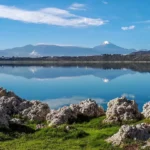
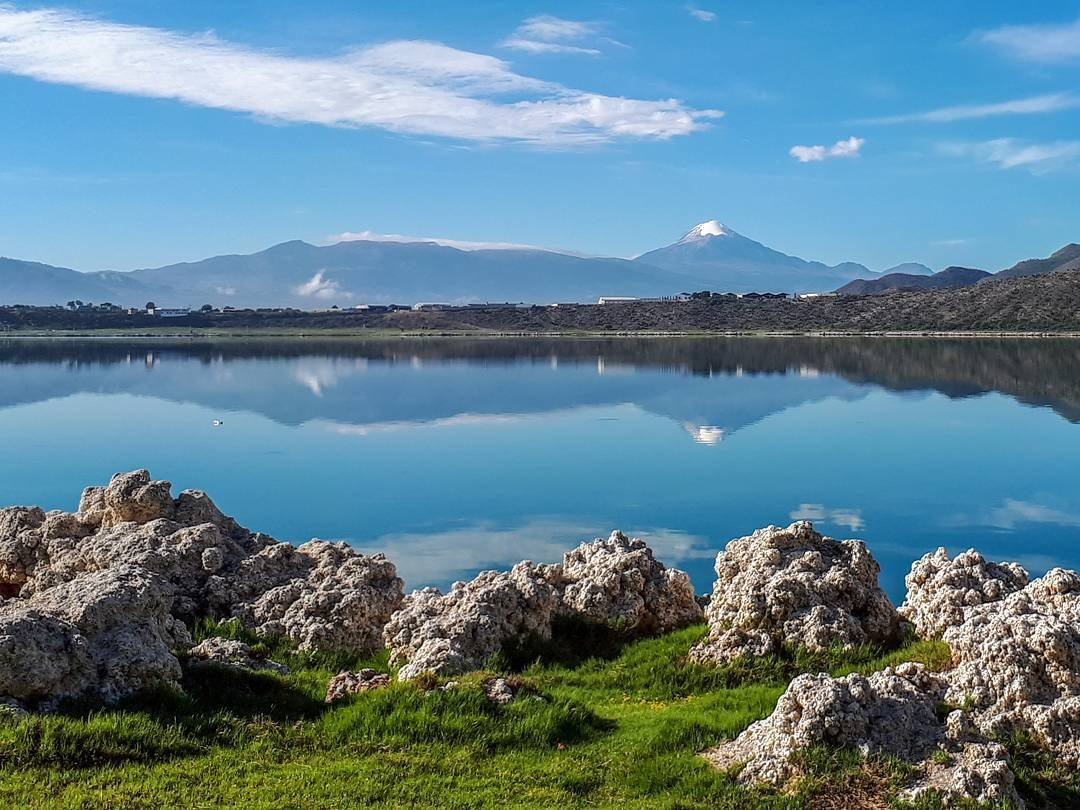
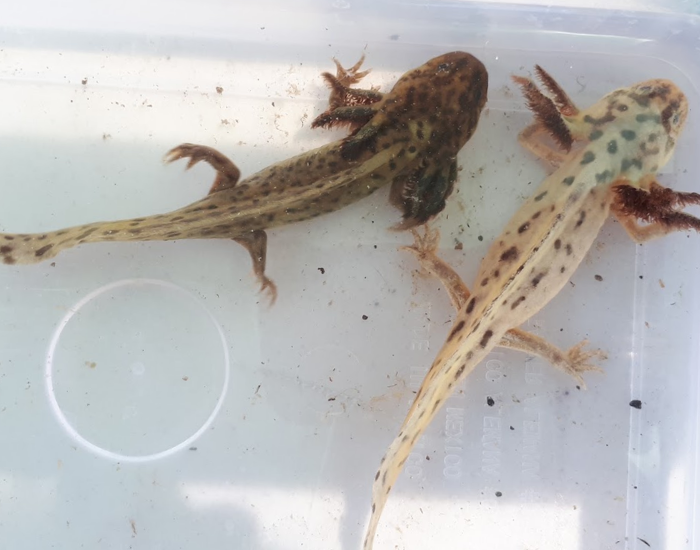
Since I was a kid I felt a sense of awe every time I looked at wildlife. The urgency to act, though, did not arrive until I was an intern on a conservation programme in Mexico for an axolotl — not the famous one everyone knows, but a far less known relative. Axolotls are salamanders, and this one, Ambystoma taylori, the ajolote de Alchichica, lives in a single lagoon beside a highway and nowhere else on earth. That lagoon has been drying up for years.
After hours of collecting traps we kept pulling out rubbish. What troubled me most was not the rubbish, though. It was how completely a unique species was being ignored by the community around it, and how little information existed about it anywhere. That is the gap Wildlife Nomads exists to close.
I went on to a Bachelor of Biology in Mexico and a double Master’s in Conservation and Environment in Australia. My work took me to Dendra Systems, AirSeed Technologies and the National Trust of Australia. Through all of it, the urge to build my own project — somewhere I could share what I saw and help other people act on it — never went away.
Sharing knowledge, building community
Wildlife Nomads is here to bridge the gap I felt as an intern. The mission is simple: share information, showcase the work of incredible photographers, and give everyone a practical way into conservation and restoration.
That happens through travel guides, long-form species articles, quizzes and interactive tools. Topics run from responsible wildlife tourism to conservation stories, and sometimes straight into the ecology. The point is to deepen your connection to the natural world and make you curious about the species sharing it with us.
Supporting conservation on the ground
It does not stop at education. Wildlife Nomads is committed to supporting real conservation work, building long-term relationships with organisations and local communities, and pushing tourism that benefits wildlife and the people living alongside it.
Through this platform I want to amplify the people on the frontline and show you what they are doing. Every article, photograph and piece of advice is made to demonstrate one thing: small actions compound. If you want somewhere concrete to begin, start with how to save endangered animals or with citizen science projects, where ordinary observations genuinely shape conservation decisions.
An update, September 2026
What has happened since I wrote this
This was the first thing published on Wildlife Nomads. Here is where the project actually got to.
 Interactive
Six migration maps
Gray whale, humpback, monarch, bar-tailed godwit, caribou and wildebeest, each built from published tracking data and opening on today’s date.
Interactive
Six migration maps
Gray whale, humpback, monarch, bar-tailed godwit, caribou and wildebeest, each built from published tracking data and opening on today’s date.
 Live field project
The Australia lap
We are driving a lap of the country, recording every species at every campsite in a Darwin Core spreadsheet and writing a guide for each stop.
Live field project
The Australia lap
We are driving a lap of the country, recording every species at every campsite in a Darwin Core spreadsheet and writing a guide for each stop.
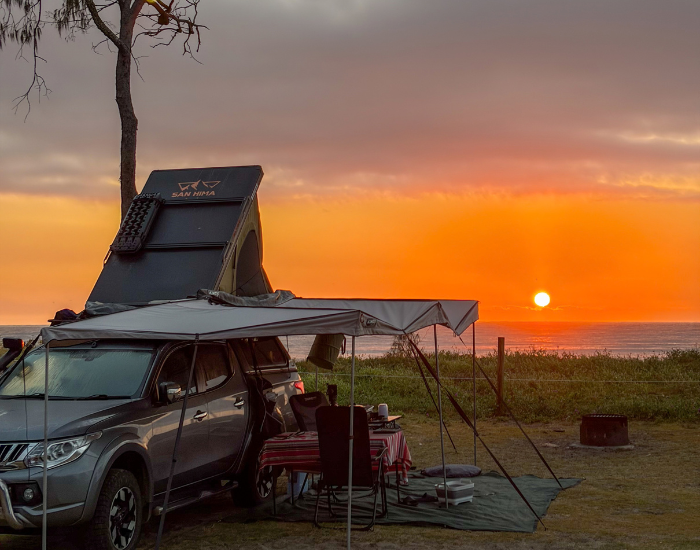
The lap started at Woody Head on the New South Wales north coast in August 2026. Since then we have documented three locations and 31 species, and we are still in the first of eight states and territories. Those numbers are deliberately small. The whole point is that you can watch this get built rather than arriving after it is finished.
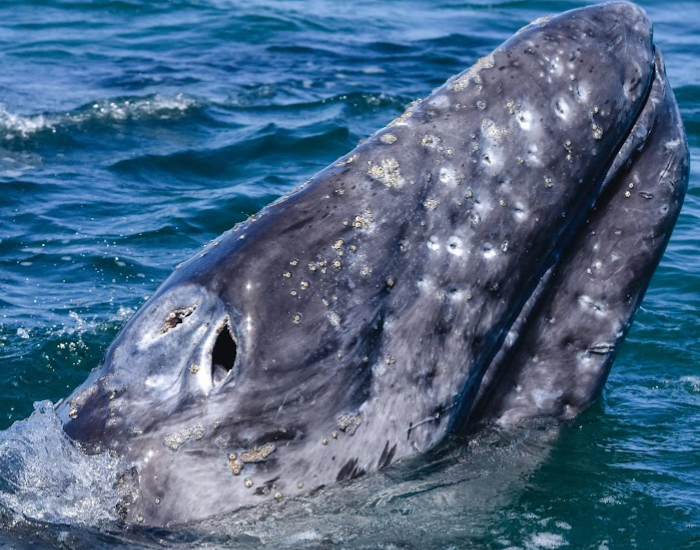
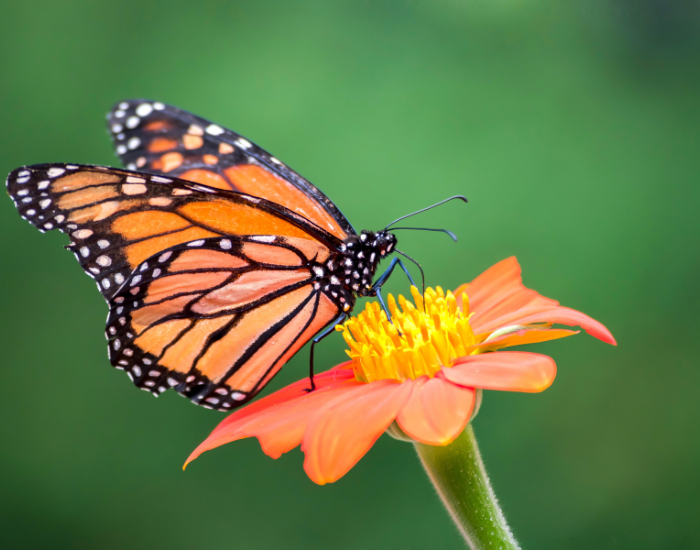
The other thing that changed is the maps. Writing about a 22,000-kilometre migration never quite lands as a number, so I built the routes instead. You can now follow the gray whale from the Arctic to the Baja lagoons where I met that mother and calf, or watch four generations of monarchs work their way back north to the sanctuary I stood under as a ten-year-old in Michoacán — a population whose survival is now genuinely in question.
Why it matters
Wildlife conservation has never been more urgent. Species are disappearing at alarming rates, largely through habitat destruction, and ecosystems are under immense pressure. Biodiversity is not decoration; it is what keeps those systems standing. There is still hope, though. By raising awareness, sharing knowledge and inspiring collective action, we can protect the balance of life on this planet — and protecting the corridors animals move through matters as much as protecting the places they stop.
Wildlife Nomads is not about admiring nature from a distance. It is about rolling up our sleeves. Whether you are a seasoned traveller or someone looking closely at wildlife for the first time, there is a place for you here.
Join the journey
This is not only my journey, it is ours. Together we can build something that celebrates nature while helping it survive for the generations after us. So if you have ever wondered how to make a difference, Wildlife Nomads is here to help you start.
Let’s share, learn and act for a more sustainable future.
Explore. Inspire. Conserve.
Got a story, a photograph or an idea? I read every message myself.
Get in touch