Fastest Animals in the World
Race the fastest animals on land, in the air and in the water against Usain Bolt. Watch them run, see how sure scientists are of each record, then test yourself.
🏁 Start the race ↓The fastest animals on Earth move at speeds that are hard to picture, so I built a race to show them. Pick up to five racers from land, air or water, press start, and watch them cover 100 metres at their top speed. Watching a cheetah leave Usain Bolt behind says more than any number can.
There are three ways to explore it. Race lines animals up on a track, and you can predict the winner before the start. Speed dial puts one animal at a time on a speedometer, with the scenery rushing past at its real pace. Finally, Who’s faster? is a ten-round game that gets harder as you go. Every animal also carries a “How sure are we?” meter, because many famous speed records rest on very little evidence.
- Fastest animalPeregrine falcon, 386 km/h in a dive
- Fastest land animalCheetah, 120 km/h
- Fastest level flightFree-tailed bat, 160 km/h (measured)
- Fastest humanUsain Bolt, 44.7 km/h
What is the fastest animal in the world?
The fastest animal in the world is the peregrine falcon (Falco peregrinus). In a hunting dive, called a stoop, it has been timed at around 386 km/h (240 mph), although the figure you will see most often is 320 km/h (200 mph). Either way, no other animal on Earth has been clocked faster. That record leans on gravity, however, so the answer changes once you ask how an animal reaches its speed.
Speed records for animals fall into three groups: air, land and water. Within the air, a gravity-assisted dive is a different feat from powered horizontal flight. For level flight, the white-throated needletail is often named at about 170 km/h (105 mph), yet that figure comes from old reports nobody has verified. In 2016, researchers followed Brazilian free-tailed bats (also called Mexican free-tailed bats) in a light aircraft and recorded bursts of about 160 km/h (100 mph), the fastest level flight properly measured for any animal (McCracken et al., 2016). You can read more about them in my guide to bat species.
On land, the answer is the cheetah. In the water, most lists name the black marlin or the sailfish, and those two figures turn out to be the shakiest in the whole race.
The fastest land animal, and why it only runs in short bursts
The cheetah (Acinonyx jubatus) is the fastest land animal, with a classic top speed of about 120 km/h (75 mph). It can go from 0 to 96 km/h (60 mph) in under three seconds, which beats most sports cars. When researchers fitted GPS collars to wild cheetahs in Botswana, the fastest run they recorded was 93 km/h (58 mph), and the hunts were won by acceleration and tight turns rather than raw top speed (Wilson et al., 2013).
Several adaptations make it capable of those speeds. A flexible spine works like a spring, the claws grip like running spikes, and the long tail steers through turns. The catch is heat. A cheetah builds up heat and burns energy so quickly that it can only maintain top speed for short bursts, usually well under a minute.
The pronghorn antelope (Antilocapra americana) is the opposite. It can sprint at close to 100 km/h (about 62 mph), then hold a fast pace for kilometres, something no cheetah can do. Behind them come the springbok and the quarter horse at about 88 km/h. The quarter horse is the fastest horse breed over a short sprint. Then there is the ostrich, which can run at 64 to 72 km/h (40 to 45 mph), making it the fastest animal on two legs.
The fastest animals in the water, and a speed myth
Most lists say the sailfish can swim at up to 110 km/h (68 mph) and the black marlin at 129 km/h (80 mph) or more. These are some of the most repeated facts about the ocean, and some of the least reliable. For example, the marlin record came from line being pulled off a fishing reel, not from timing the fish itself.
In 2016, a team of scientists measured how fast sailfish muscles can actually contract. From that, they estimated a top speed of about 30 km/h and concluded that a sailfish probably cannot pass 36 to 54 km/h (Svendsen et al., 2016). They found similar gaps for barracuda and mahi-mahi. That is why the race has a Measured speeds only switch: flip it, and watch the famous fish slow right down.
Among the better-supported fast swimmers, the shortfin mako is the fastest shark, with bursts of around 70 km/h. Close behind sit the warm-bodied bluefin and yellowfin tuna, the orca and the great barracuda. You will find the billfish in my marlin facts and the full top ten in my list of the fastest sea animals.
The fastest birds, beyond the peregrine
Diving birds of prey fill the top of any list, reaching speeds that no animal can match in level flight. The golden eagle is quoted at up to 320 km/h in a dive (see my guide to types of eagles), and the gyrfalcon, the world’s largest falcon, at about 209 km/h. In level flight, however, the order changes. Frigatebirds can fly at around 145 to 153 km/h (90 to 95 mph), and a grey-headed albatross riding an Antarctic storm was tracked by satellite at an average of about 127 km/h for nine hours.
Surprisingly, ducks and geese are some of the quickest birds in flapping flight. The spur-winged goose, red-breasted merganser and canvasback all appear in my guide to waterfowl, and a mallard with a tailwind can pass 100 km/h. Racing pigeons, descended from the rock dove, come in at around 148 km/h; I cover their wild relatives in pigeons of Australia. For the complete ranking, read my list of the fastest birds in the world, or my guide to the birds of prey in the UK, home of the swift-catching Eurasian hobby.
How do scientists measure animal speed?
Measurements of speed vary a lot between movement methods. A gravity-assisted dive, horizontal flight, a land sprint and a swim are four different problems, so comparing them is always a little unfair. The tools vary too. Scientists use stopwatches and timing gates on racetracks, GPS collars on cheetahs, satellite tags on albatrosses, aircraft chasing bats and, for fish, the speed at which their muscles can contract.
As a result, speeds in popular lists range from careful measurements to guesses repeated so often that they feel true. The best adaptations for speed are easy to spot, though: aerodynamic or streamlined shapes that reduce drag, flexible skeletons, long limbs and huge flight or swimming muscles. Every animal in the race carries a How sure are we? meter, marked Measured, Estimate or Disputed, so you can see which figures to trust.
From the field
I have never timed an animal myself, and the ones I know best are rarely in a hurry. Every lemon shark, whitetip reef shark and hammerhead I have dived with was calm, which is one reason I think sharks are so misunderstood. The animal on this subject that impresses me most is not fast at all. The bar-tailed godwits I have watched feeding at Coombabah Lakelands on the Gold Coast fly more than 11,000 km across the Pacific without stopping. Speed wins a chase, but endurance wins a migration.
All 44 racers
These are the figures the race uses, fastest first. Each card shows the top speed, how the animal reaches it, and how sure scientists are of the number. Tap any animal for my full guide to it.
Land
 Cheetah
Acinonyx jubatus
120 km/h (75 mph)
running · Measured
Vulnerable
Cheetah
Acinonyx jubatus
120 km/h (75 mph)
running · Measured
Vulnerable
 Pronghorn
Antilocapra americana
98 km/h (61 mph)
running · Estimate
Least Concern
Pronghorn
Antilocapra americana
98 km/h (61 mph)
running · Estimate
Least Concern
 Springbok
Antidorcas marsupialis
88 km/h (55 mph)
running · Estimate
Least Concern
Springbok
Antidorcas marsupialis
88 km/h (55 mph)
running · Estimate
Least Concern
 Quarter horse
Equus ferus caballus
88 km/h (55 mph)
running · Estimate
Quarter horse
Equus ferus caballus
88 km/h (55 mph)
running · Estimate
 Blue wildebeest
Connochaetes taurinus
80 km/h (50 mph)
running · Estimate
Least Concern
Blue wildebeest
Connochaetes taurinus
80 km/h (50 mph)
running · Estimate
Least Concern
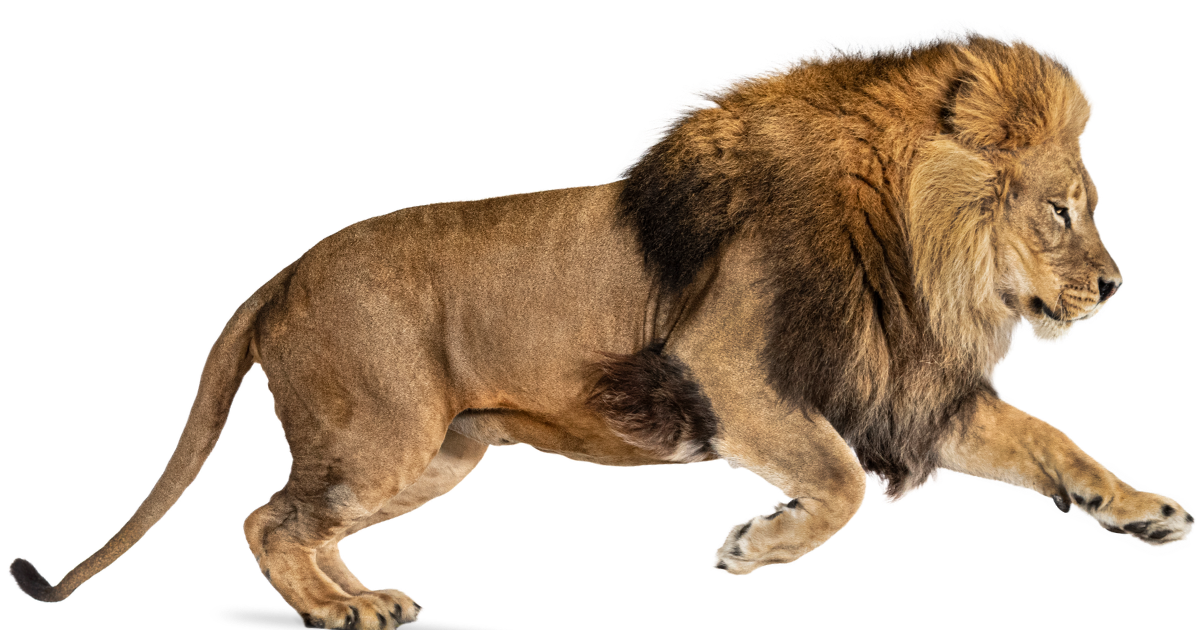 African lion
Panthera leo
80 km/h (50 mph)
running · Estimate
Vulnerable
African lion
Panthera leo
80 km/h (50 mph)
running · Estimate
Vulnerable
 Blackbuck
Antilope cervicapra
80 km/h (50 mph)
running · Estimate
Least Concern
Blackbuck
Antilope cervicapra
80 km/h (50 mph)
running · Estimate
Least Concern
 Greyhound
Canis familiaris
72 km/h (45 mph)
running · Measured
Greyhound
Canis familiaris
72 km/h (45 mph)
running · Measured
 European hare
Lepus europaeus
72 km/h (45 mph)
running · Estimate
Least Concern
European hare
Lepus europaeus
72 km/h (45 mph)
running · Estimate
Least Concern
 Red kangaroo
Osphranter rufus
71 km/h (44 mph)
running · Estimate
Least Concern
Red kangaroo
Osphranter rufus
71 km/h (44 mph)
running · Estimate
Least Concern
 Ostrich
Struthio camelus
70 km/h (43 mph)
running · Estimate
Least Concern
Ostrich
Struthio camelus
70 km/h (43 mph)
running · Estimate
Least Concern
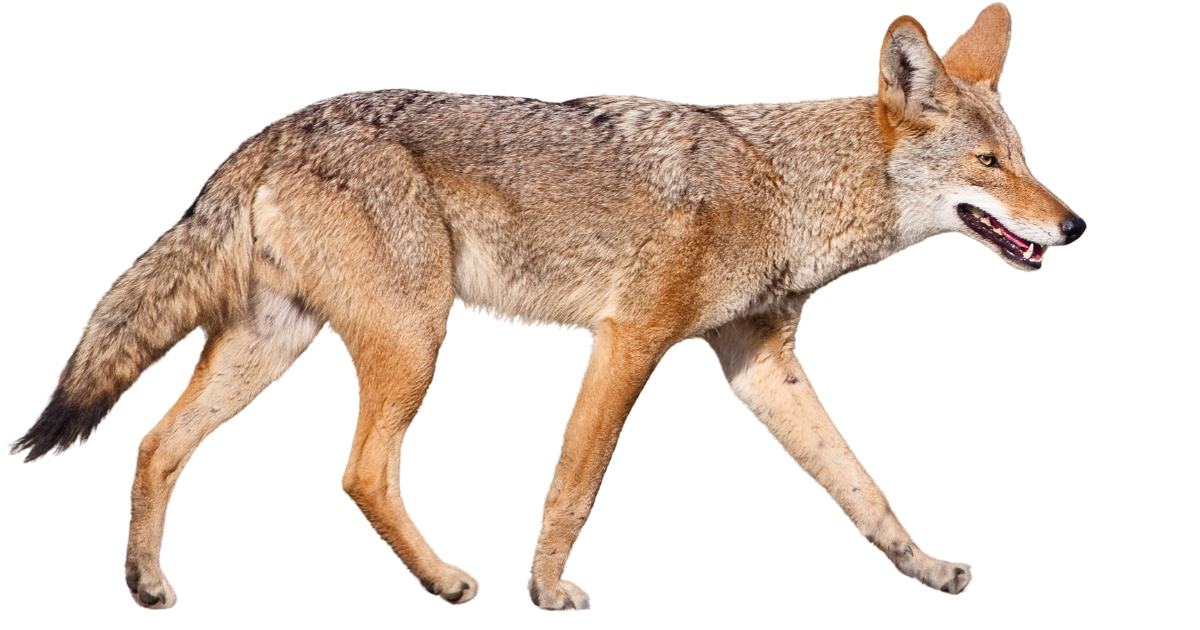 Coyote
Canis latrans
65 km/h (40 mph)
running · Estimate
Least Concern
Coyote
Canis latrans
65 km/h (40 mph)
running · Estimate
Least Concern
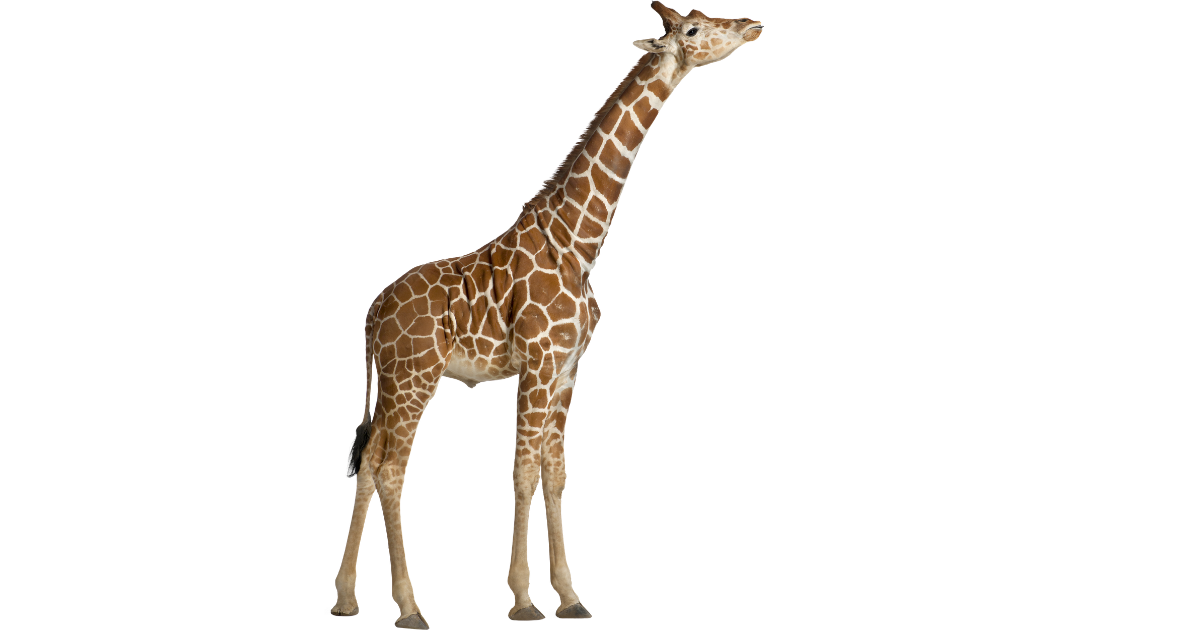 Giraffe
Giraffa camelopardalis
60 km/h (37 mph)
running · Estimate
Vulnerable
Giraffe
Giraffa camelopardalis
60 km/h (37 mph)
running · Estimate
Vulnerable
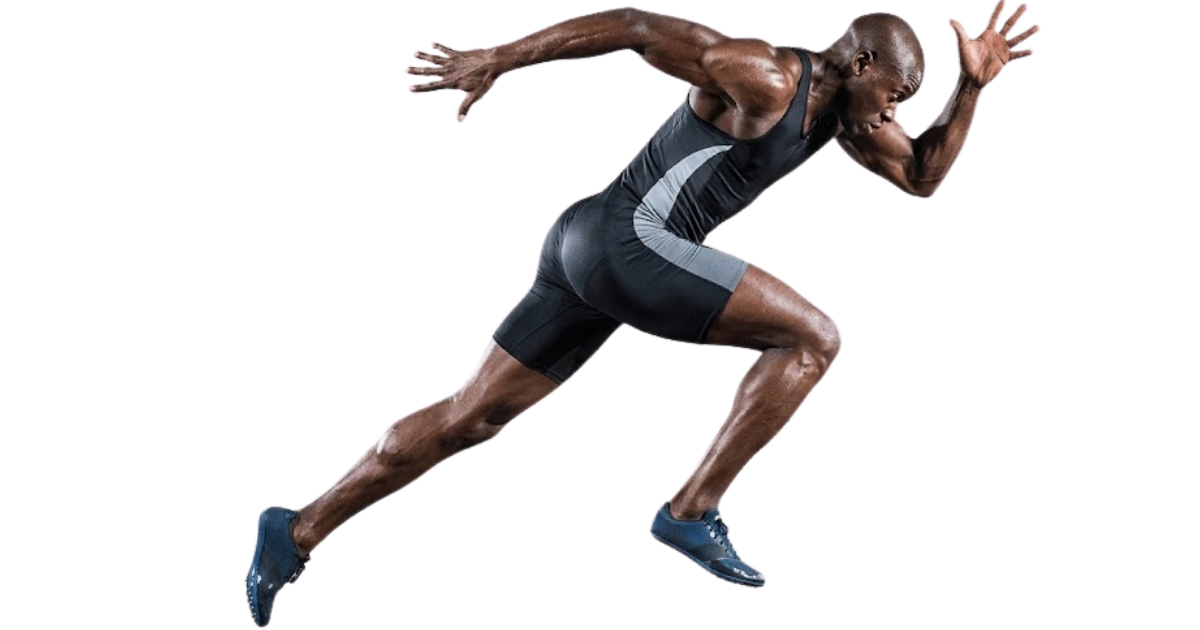 Usain Bolt
Homo sapiens
45 km/h (28 mph)
running · Measured
Usain Bolt
Homo sapiens
45 km/h (28 mph)
running · Measured
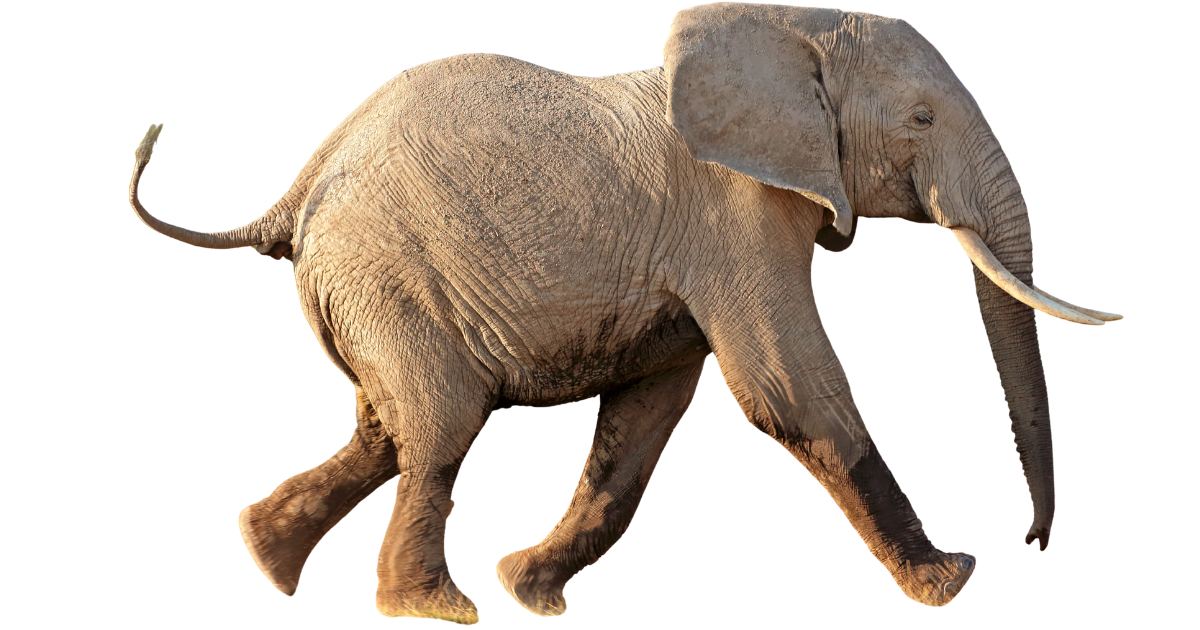 African elephant
Loxodonta africana
40 km/h (25 mph)
running · Estimate
Endangered
African elephant
Loxodonta africana
40 km/h (25 mph)
running · Estimate
Endangered
Air
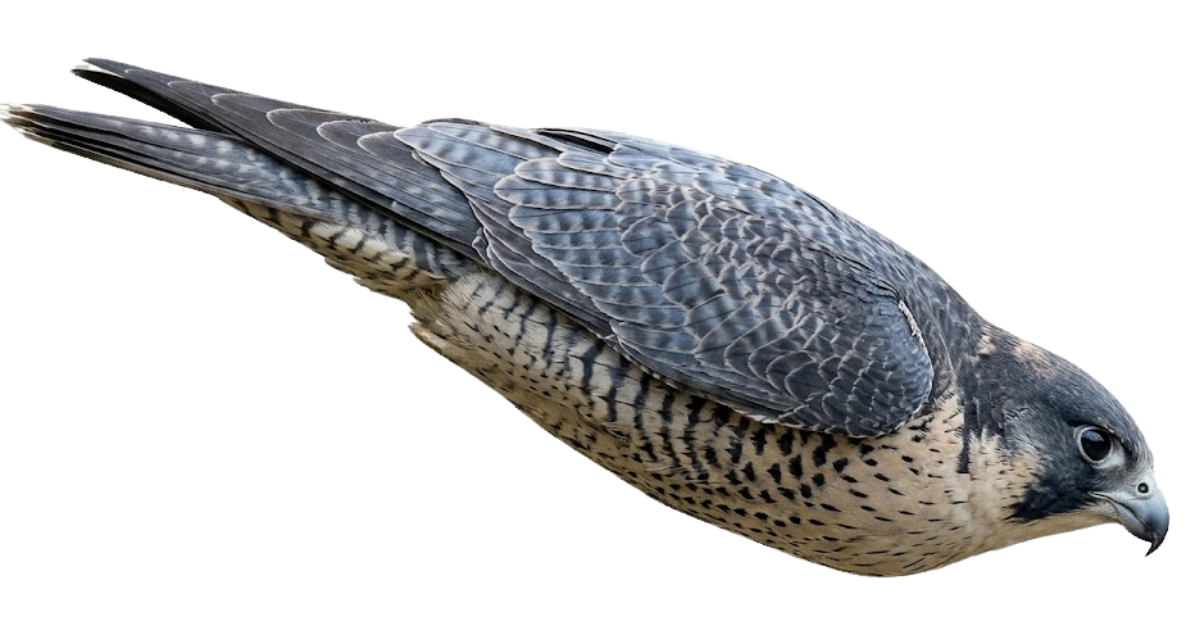 Peregrine falcon (dive)
Falco peregrinus
386 km/h (240 mph)
diving · Measured
Least Concern
Peregrine falcon (dive)
Falco peregrinus
386 km/h (240 mph)
diving · Measured
Least Concern
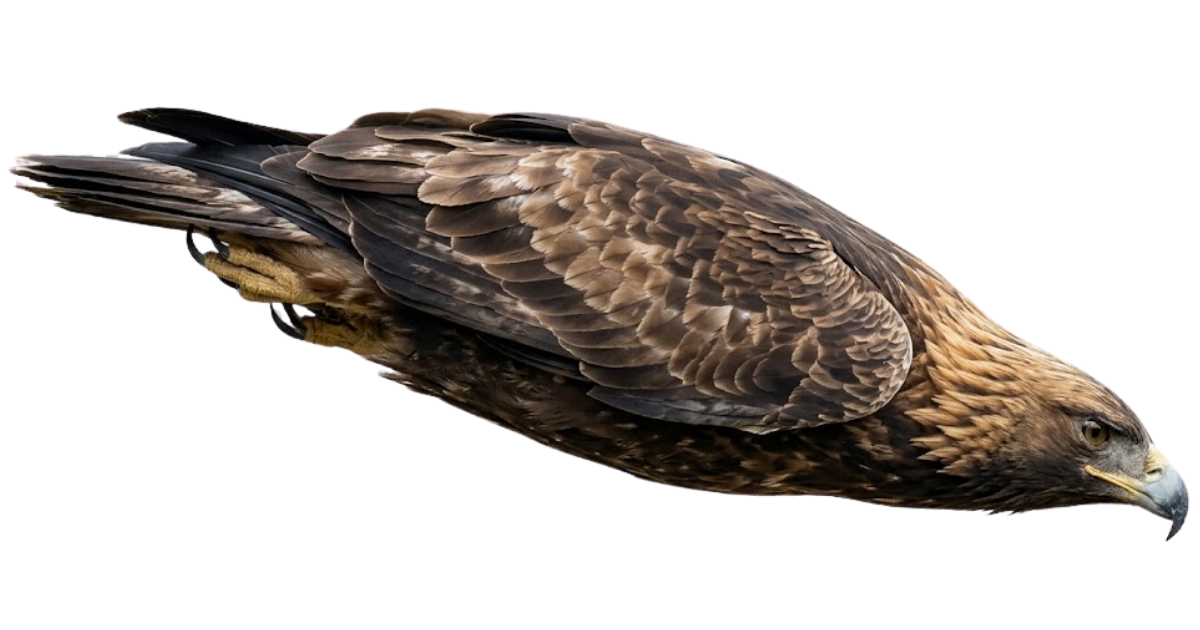 Golden eagle (dive)
Aquila chrysaetos
322 km/h (200 mph)
diving · Estimate
Least Concern
Golden eagle (dive)
Aquila chrysaetos
322 km/h (200 mph)
diving · Estimate
Least Concern
 Gyrfalcon
Falco rusticolus
209 km/h (130 mph)
diving · Estimate
Least Concern
Gyrfalcon
Falco rusticolus
209 km/h (130 mph)
diving · Estimate
Least Concern
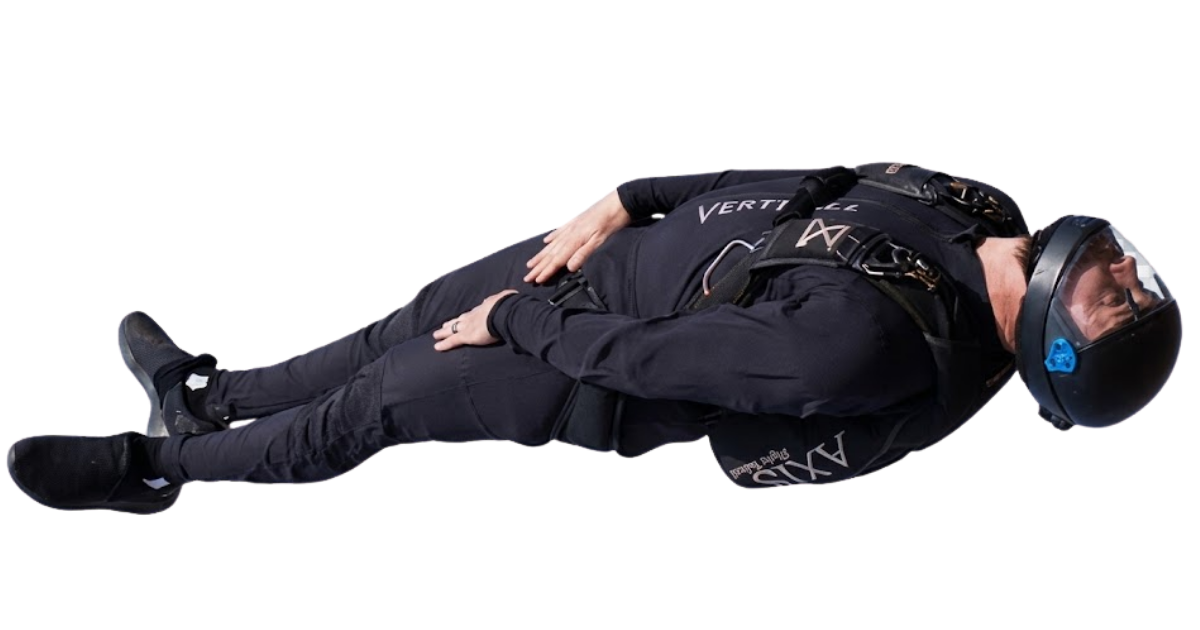 Skydiver (freefall)
Homo sapiens
200 km/h (124 mph)
freefall · Measured
Skydiver (freefall)
Homo sapiens
200 km/h (124 mph)
freefall · Measured
 White-throated needletail
Hirundapus caudacutus
169 km/h (105 mph)
level flight · Disputed
Least Concern
White-throated needletail
Hirundapus caudacutus
169 km/h (105 mph)
level flight · Disputed
Least Concern
 Eurasian hobby
Falco subbuteo
160 km/h (99 mph)
level flight · Disputed
Least Concern
Eurasian hobby
Falco subbuteo
160 km/h (99 mph)
level flight · Disputed
Least Concern
 Magnificent frigatebird
Fregata magnificens
153 km/h (95 mph)
level flight · Estimate
Least Concern
Magnificent frigatebird
Fregata magnificens
153 km/h (95 mph)
level flight · Estimate
Least Concern
 Rock dove (racing pigeon)
Columba livia
148 km/h (92 mph)
level flight · Estimate
Least Concern
Rock dove (racing pigeon)
Columba livia
148 km/h (92 mph)
level flight · Estimate
Least Concern
 Spur-winged goose
Plectropterus gambensis
142 km/h (88 mph)
level flight · Estimate
Least Concern
Spur-winged goose
Plectropterus gambensis
142 km/h (88 mph)
level flight · Estimate
Least Concern
 Red-breasted merganser
Mergus serrator
130 km/h (81 mph)
level flight · Estimate
Least Concern
Red-breasted merganser
Mergus serrator
130 km/h (81 mph)
level flight · Estimate
Least Concern
 Grey-headed albatross
Thalassarche chrysostoma
127 km/h (79 mph)
level flight · Measured
Endangered
Grey-headed albatross
Thalassarche chrysostoma
127 km/h (79 mph)
level flight · Measured
Endangered
 Canvasback
Aythya valisineria
116 km/h (72 mph)
level flight · Estimate
Least Concern
Canvasback
Aythya valisineria
116 km/h (72 mph)
level flight · Estimate
Least Concern
 Mallard
Anas platyrhynchos
113 km/h (70 mph)
level flight · Estimate
Least Concern
Mallard
Anas platyrhynchos
113 km/h (70 mph)
level flight · Estimate
Least Concern
 Peregrine falcon (level flight)
Falco peregrinus
90 km/h (56 mph)
level flight · Estimate
Least Concern
Peregrine falcon (level flight)
Falco peregrinus
90 km/h (56 mph)
level flight · Estimate
Least Concern
 Golden eagle (level flight)
Aquila chrysaetos
50 km/h (31 mph)
level flight · Estimate
Least Concern
Golden eagle (level flight)
Aquila chrysaetos
50 km/h (31 mph)
level flight · Estimate
Least Concern
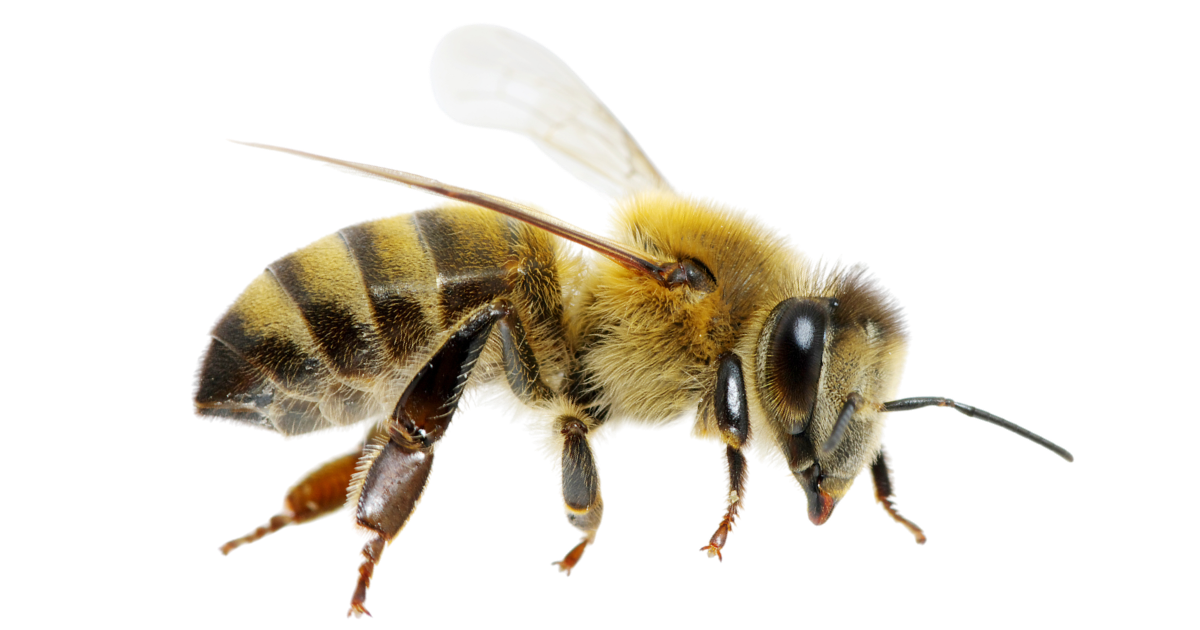 Honey bee
Apis mellifera
25 km/h (16 mph)
level flight · Estimate
Honey bee
Apis mellifera
25 km/h (16 mph)
level flight · Estimate
Water
 Black marlin
Istiompax indica
132 km/h (82 mph)
swimming · Disputed
Black marlin
Istiompax indica
132 km/h (82 mph)
swimming · Disputed
 Sailfish
Istiophorus platypterus
110 km/h (68 mph)
swimming · Disputed
Least Concern
Sailfish
Istiophorus platypterus
110 km/h (68 mph)
swimming · Disputed
Least Concern
 Swordfish
Xiphias gladius
97 km/h (60 mph)
swimming · Disputed
Least Concern
Swordfish
Xiphias gladius
97 km/h (60 mph)
swimming · Disputed
Least Concern
 Mahi-mahi
Coryphaena hippurus
80 km/h (50 mph)
swimming · Disputed
Least Concern
Mahi-mahi
Coryphaena hippurus
80 km/h (50 mph)
swimming · Disputed
Least Concern
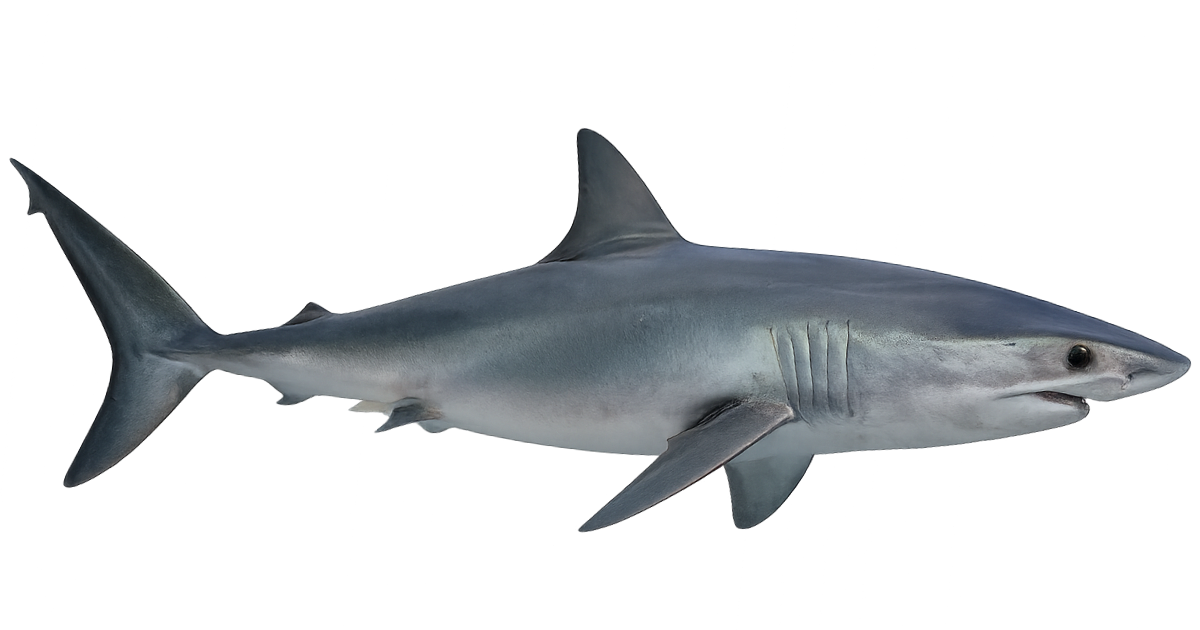 Shortfin mako
Isurus oxyrinchus
74 km/h (46 mph)
swimming · Estimate
Endangered
Shortfin mako
Isurus oxyrinchus
74 km/h (46 mph)
swimming · Estimate
Endangered
 Atlantic bluefin tuna
Thunnus thynnus
69 km/h (43 mph)
swimming · Estimate
Least Concern
Atlantic bluefin tuna
Thunnus thynnus
69 km/h (43 mph)
swimming · Estimate
Least Concern
 Yellowfin tuna
Thunnus albacares
64 km/h (40 mph)
swimming · Estimate
Least Concern
Yellowfin tuna
Thunnus albacares
64 km/h (40 mph)
swimming · Estimate
Least Concern
 Flying fish
Exocoetidae
60 km/h (37 mph)
launch speed · Estimate
Flying fish
Exocoetidae
60 km/h (37 mph)
launch speed · Estimate
 Great barracuda
Sphyraena barracuda
58 km/h (36 mph)
swimming · Estimate
Least Concern
Great barracuda
Sphyraena barracuda
58 km/h (36 mph)
swimming · Estimate
Least Concern
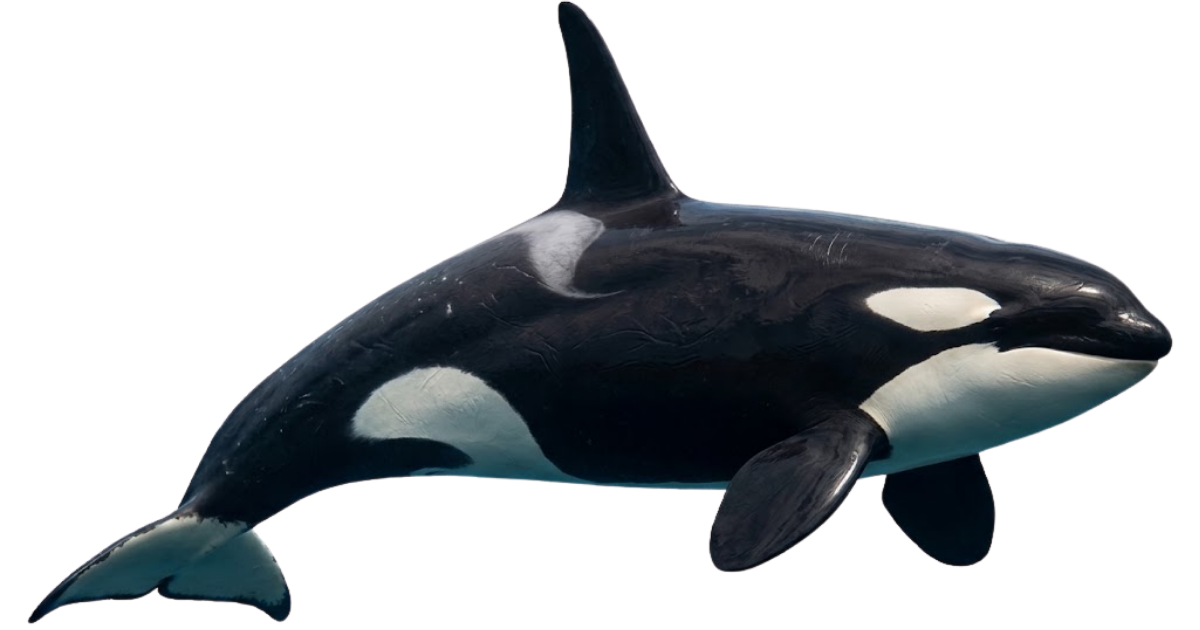 Orca
Orcinus orca
56 km/h (35 mph)
swimming · Estimate
Data Deficient
Orca
Orcinus orca
56 km/h (35 mph)
swimming · Estimate
Data Deficient
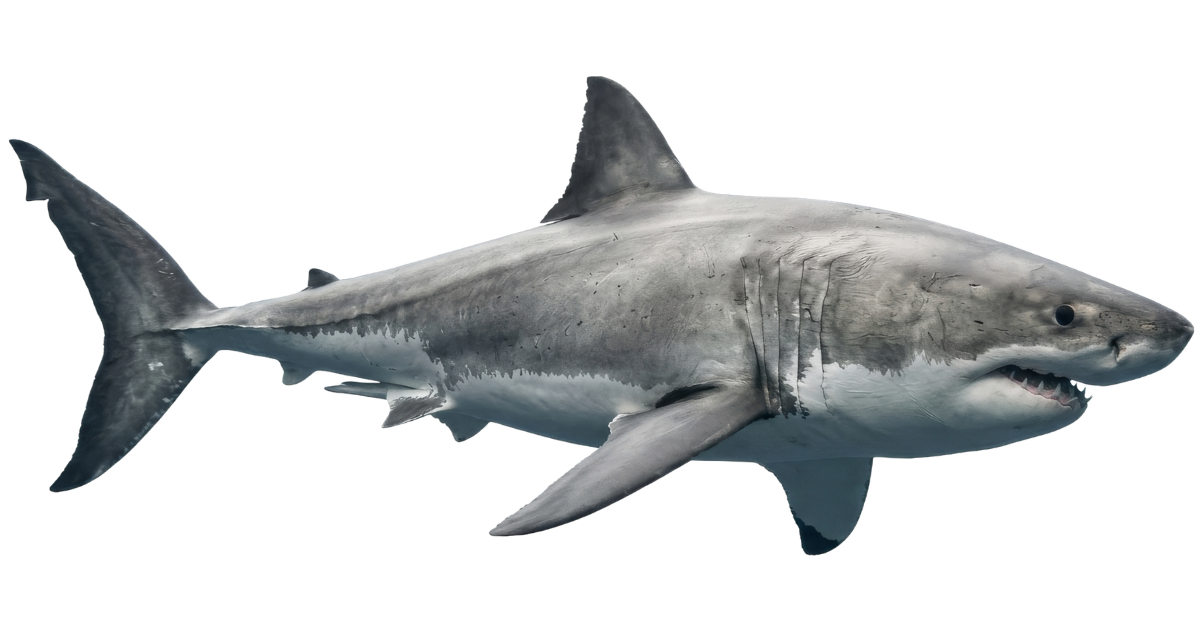 Great white shark
Carcharodon carcharias
40 km/h (25 mph)
swimming · Estimate
Vulnerable
Great white shark
Carcharodon carcharias
40 km/h (25 mph)
swimming · Estimate
Vulnerable
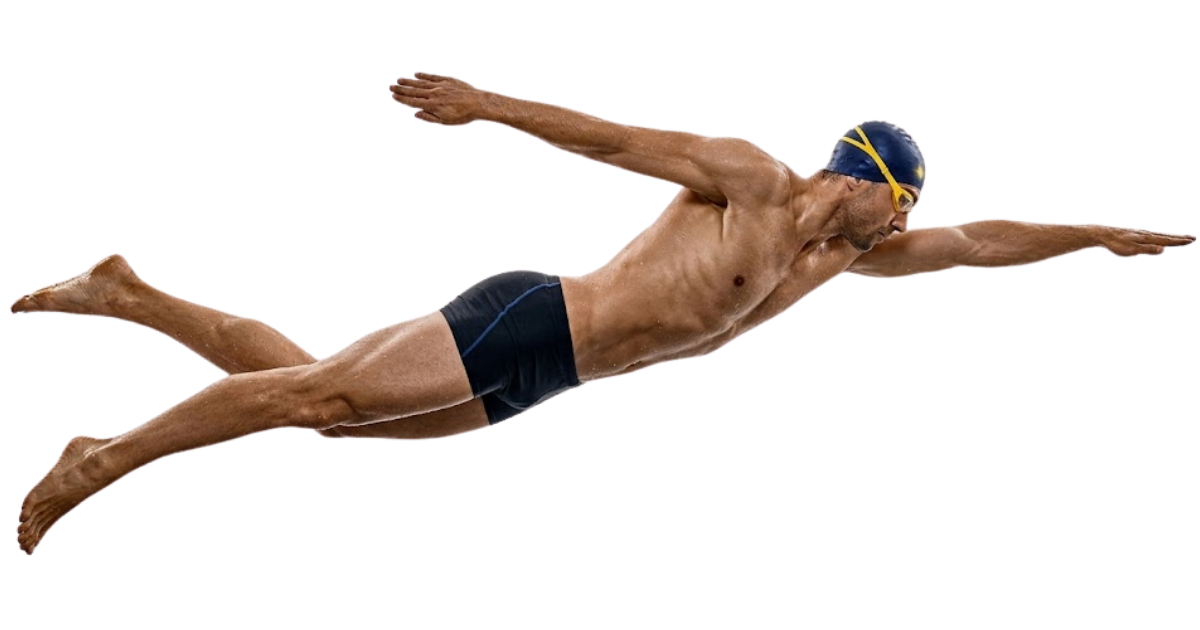 Olympic swimmer
Homo sapiens
8.6 km/h (5.3 mph)
swimming · Measured
Olympic swimmer
Homo sapiens
8.6 km/h (5.3 mph)
swimming · Measured
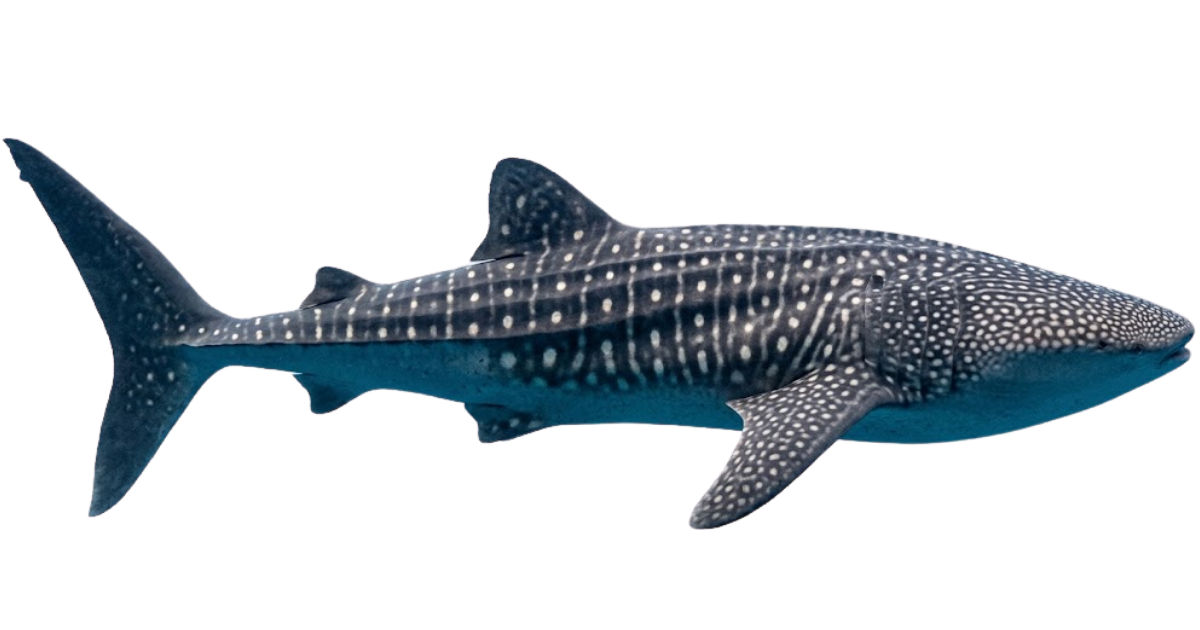 Whale shark
Rhincodon typus
5 km/h (3.1 mph)
swimming · Estimate
Endangered
Whale shark
Rhincodon typus
5 km/h (3.1 mph)
swimming · Estimate
Endangered
How to use the speed race
- Race: pick up to five animals, tap one to predict the winner, and press start. Then share the link to challenge a friend.
- Speed dial: swipe through every animal from slowest to fastest, with a speedometer and everyday comparisons like a car on a highway.
- Who’s faster?: ten match-ups that get closer each round. Your best score is saved on your device.
- Fun facts: after every race, a fact about the winner appears with a link to my full guide, so curiosity always has somewhere to go next.
- km/h or mph: switch units at the top, and use Measured speeds only to swap famous figures for measured ones.
Frequently asked questions
What are the top 3 fastest animals?
Counting dives, the top three are all birds of prey: the peregrine falcon (about 386 km/h), the golden eagle (about 320 km/h) and the gyrfalcon (about 209 km/h). Without the help of gravity, the fastest are the Brazilian free-tailed bat in level flight (about 160 km/h, measured), the cheetah on land (about 120 km/h) and, on paper, the black marlin in the water.
Who is faster than a cheetah?
On land, nothing is faster over a short sprint. Plenty of flying animals are, though, from the diving peregrine falcon to frigatebirds, albatrosses, racing pigeons and several ducks in level flight. Over long distances the pronghorn beats a cheetah too, because it can keep going while the cheetah overheats.
Has a cheetah ever reached 100 mph?
No. 100 mph is about 161 km/h, well above any cheetah on record. The classic figure is about 120 km/h (75 mph), and the fastest wild cheetah measured with a GPS collar reached 93 km/h (58 mph).
What is the fastest fish?
The black marlin and the sailfish top most lists, at 110 to 130 km/h. However, muscle studies suggest sailfish cannot swim much faster than 36 to 54 km/h, so the real answer is uncertain. Among well-measured fish, tunas and the shortfin mako shark are among the fastest.
Can a human outrun any of these animals?
Usain Bolt reached about 44.7 km/h at his peak, so on land he would beat an African elephant over a short sprint. Almost every other land animal in the race is faster. In the water, even an Olympic swimmer at about 8.6 km/h only beats the whale shark, which cruises at around 5 km/h.
More wildlife interactives
- Animal size comparisonFourteen animals at one true scale, beside a person
- Shark size comparisonTwenty sharks, from a pygmy shark to megalodon
- Whale size comparisonFourteen whales, with a depth gauge
- Migration mapsFollow six great migrations month by month
References
- McCracken, G. F., Safi, K., Kunz, T. H., Dechmann, D. K. N., Swartz, S. M., & Wikelski, M. (2016). Airplane tracking documents the fastest flight speeds recorded for bats. Royal Society Open Science, 3(11), 160398. https://doi.org/10.1098/rsos.160398
- Svendsen, M. B. S., Domenici, P., Marras, S., Krause, J., Boswell, K. M., Rodriguez-Pinto, I., Wilson, A. D. M., Kurvers, R. H. J. M., Viblanc, P. E., Finger, J. S., & Steffensen, J. F. (2016). Maximum swimming speeds of sailfish and three other large marine predatory fish species based on muscle contraction time and stride length: A myth revisited. Biology Open, 5(10), 1415–1419. https://doi.org/10.1242/bio.019919
- Wilson, A. M., Lowe, J. C., Roskilly, K., Hudson, P. E., Golabek, K. A., & McNutt, J. W. (2013). Locomotion dynamics of hunting in wild cheetahs. Nature, 498(7453), 185–189. https://doi.org/10.1038/nature12295