
I remember sitting on a research vessel off the west coast of Sweden, my bones aching from a long day of marine biology fieldwork. We were out with the biological station from Uppsala University, doing invertebrate sampling in the freezing North Sea. We’d spent hours deploying underwater robots to catalog brittle stars, crabs, and various echinoderms in the deep.
It was biting cold, and as we headed back to shore, I was slumped against the cabin window, staring blankly at the grey swells. Suddenly, out of the mist, a massive shape banked toward us. An albatross, rare for those specific waters but unmistakable, glided down and landed right next to the window, its dark eye seemingly sizing me up.
In that moment, my fatigue vanished. As a biologist, I’ve seen some “exotic” creatures, from Komodo Dragons in Indonesia to Wombats in the Australian bush. But albatrosses? We often overlook them because they look like “big seagulls,” but once you’ve seen a bird with a such a wingspan, your perspective shifts.
These aren’t just any seabird; they are masters of the Southern Ocean and beyond—biological marvels that bridge the gap between the sea and the sky. Let’s look at 12 facts that prove why these incredible birds deserve a spot in your “Top 10” list.
1. They Possess the Largest Wingspan of Any Living Bird
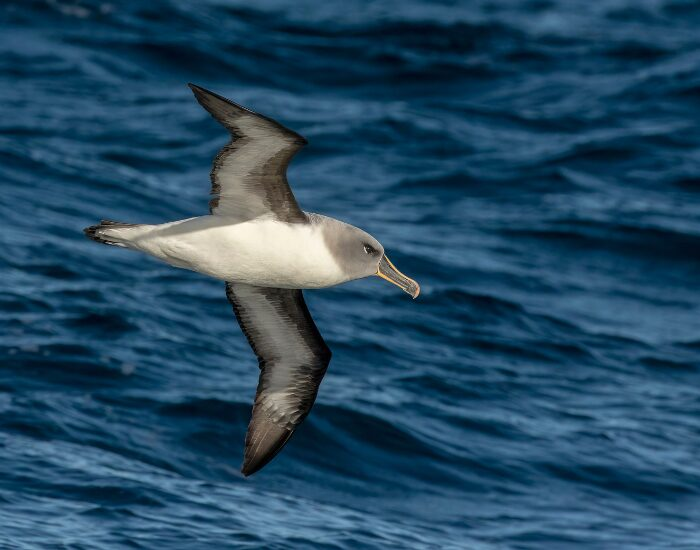
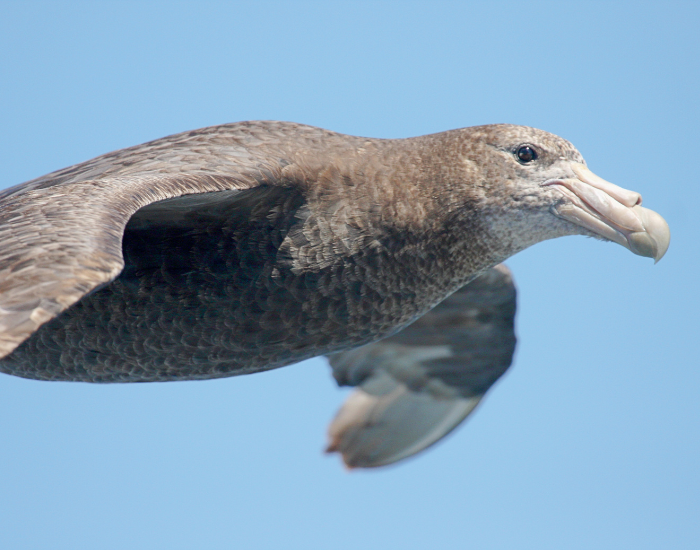
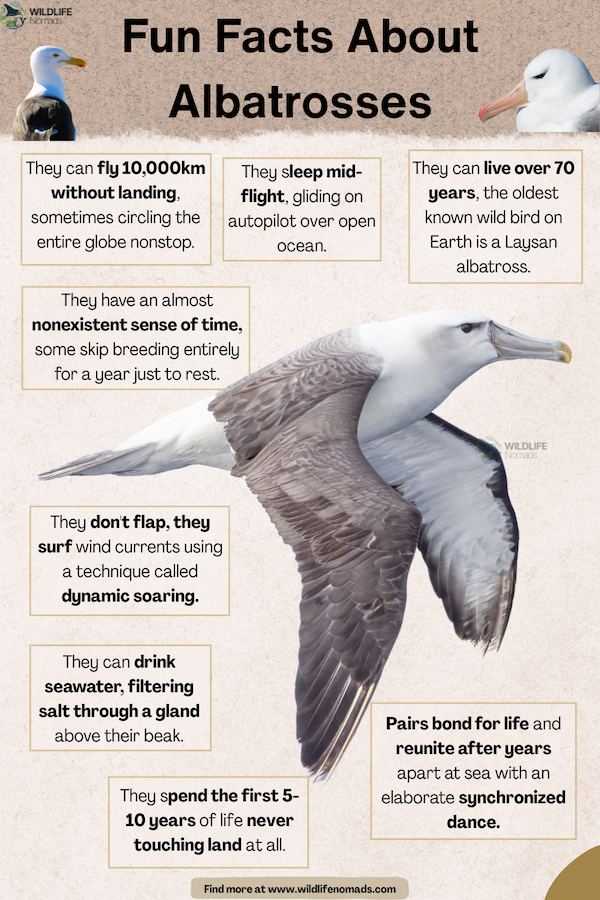
When biologists talk about the albatross wingspan, they are describing aviation on a biological scale. The wandering albatross (Diomedea exulans) holds the verified world record, with the largest wingspan ever recorded measuring 3.63 metres (11 ft 11 in), set in the Tasman Sea in 1965.
In the field, the sheer scale is hard to appreciate until you see one land near fishing boats. They resemble small gliders, not birds. This vast surface area allows great albatrosses to travel thousands of miles on a single foraging trip, using a technique called dynamic soaring rather than constant flapping.
For comparison, a single foraging trip can cover more than 15,000 km, farther than a non-stop commercial flight from Sydney to London.
2. They Lock Their Wings to Save Energy
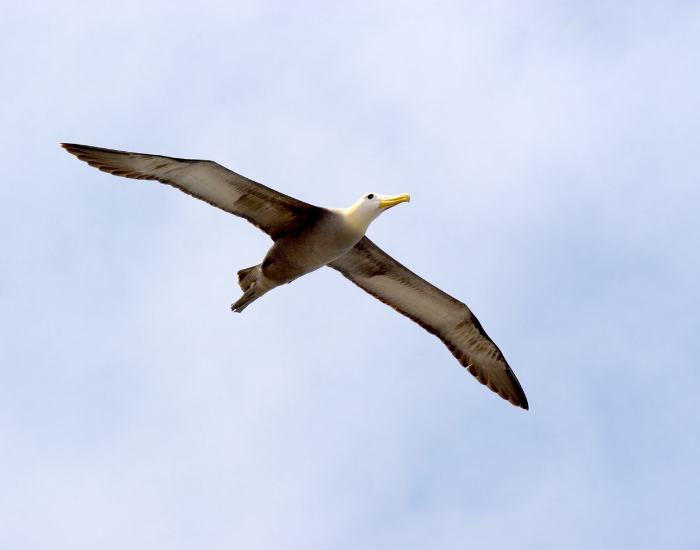
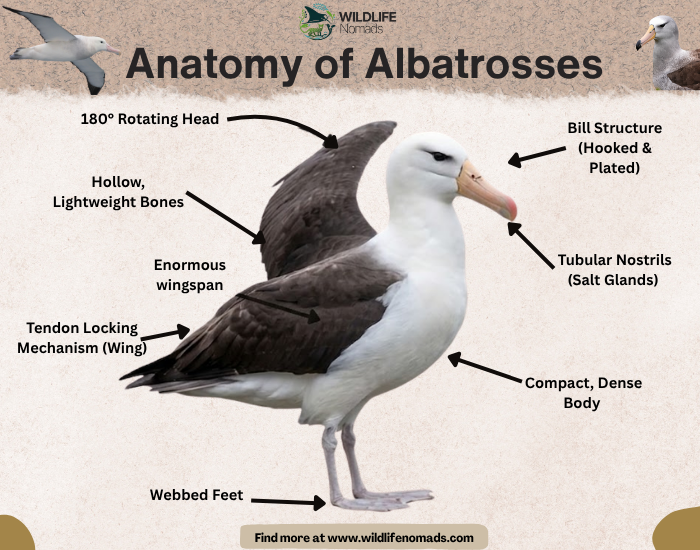
Here’s a question worth asking: how does a bird keep those massive wings extended without exhausting itself? Nature solved this with a remarkable albatross bones adaptation. A specialised tendon locks the humerus bone in place once the wing is fully extended.
Therefore, an albatross’s heart rate while soaring is barely higher than while resting at a breeding colony. They aren’t working hard, they are simply hitching a ride on the ocean winds. This is why great albatrosses thrive in the Southern Hemisphere, where the ‘Roaring Forties’ deliver constant, powerful gusts ideal for slope soaring.
3. Scientists Recognise 22–24 Different Species of Albatross
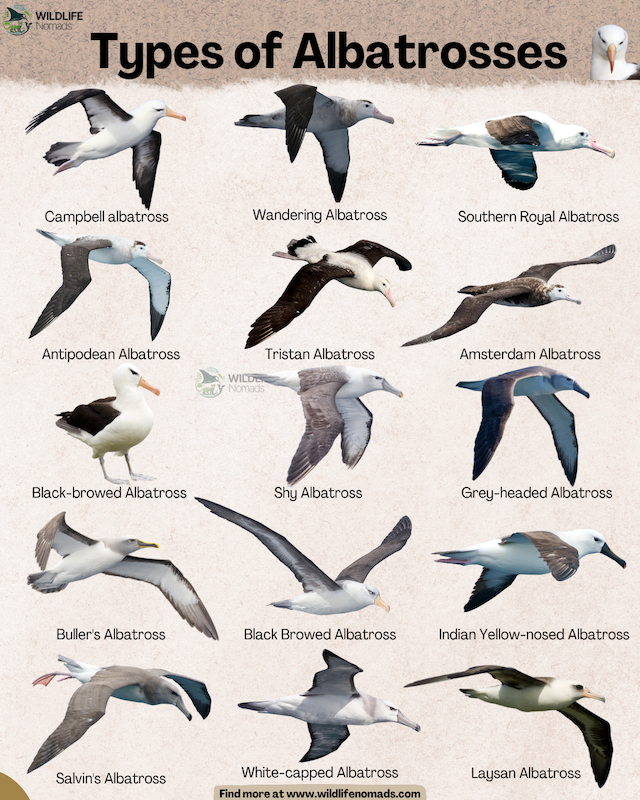
Taxonomy creates a genuine headache here. For a long time, biologists recognised only a handful of albatross species. Today, molecular phylogeny reveals between 22 and 24 different species, depending on which scientist you ask.
The wandering albatross species complex is particularly debated. The Amsterdam albatross, the snowy albatross, and several other closely related species all share tiny genetic differences and specific nesting colonies on remote oceanic islands. I’ve spent hours arguing over feather patterns on Bird Island, taxonomy is never as tidy as the textbooks suggest.
In addition, North Pacific species like the Laysan albatross and the black-footed albatross face entirely different conservation pressures than their Southern Ocean relatives. Understanding species diversity matters enormously for targeted conservation efforts.
4. They Incubate a Single Egg for Up to 80 Days
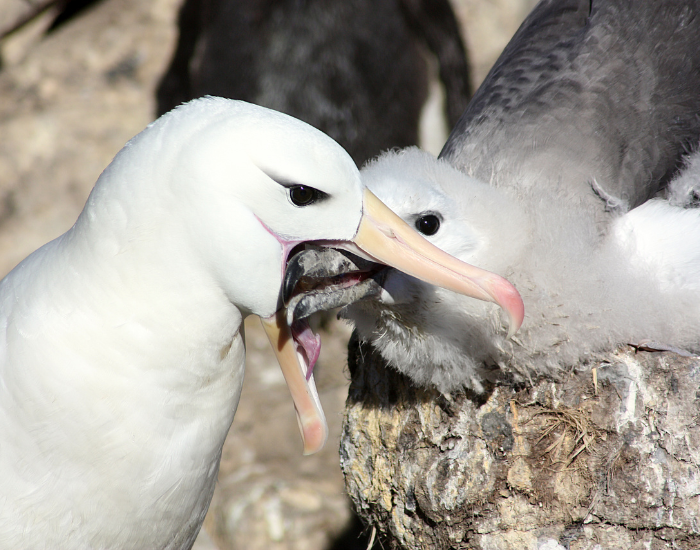
Patience is the defining trait of an adult albatross. The wandering albatross incubates a single egg for approximately 78–80 days, the longest incubation period of any bird. For context, emperor penguins incubate their eggs for just 64 days on average.
During this time, breeding pairs at a nesting colony take turns on the nest in shifts lasting several weeks each. One adult stays on the egg in the tussock grass of sub-Antarctic islands like South Georgia or Macquarie Island, while the other departs on massive foraging trips across the South Atlantic.
In fact, the entire breeding season — from egg-laying to fledging — lasts over a year. As a result, wandering albatrosses only breed every other year.
5. Albatrosses Truly Mate for Life
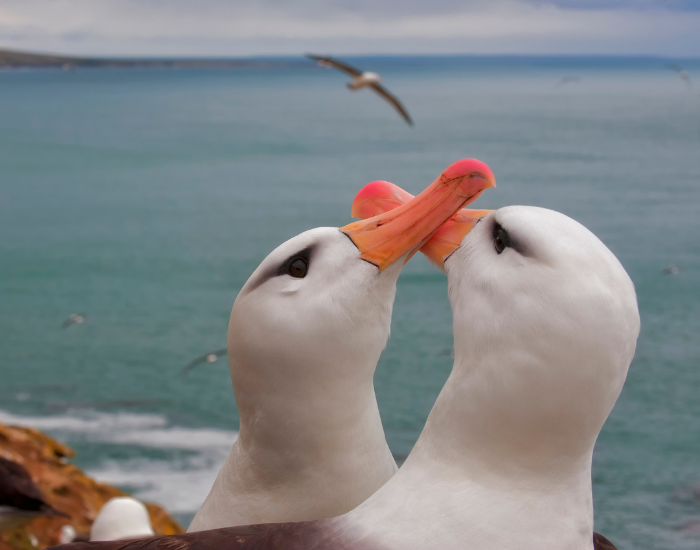
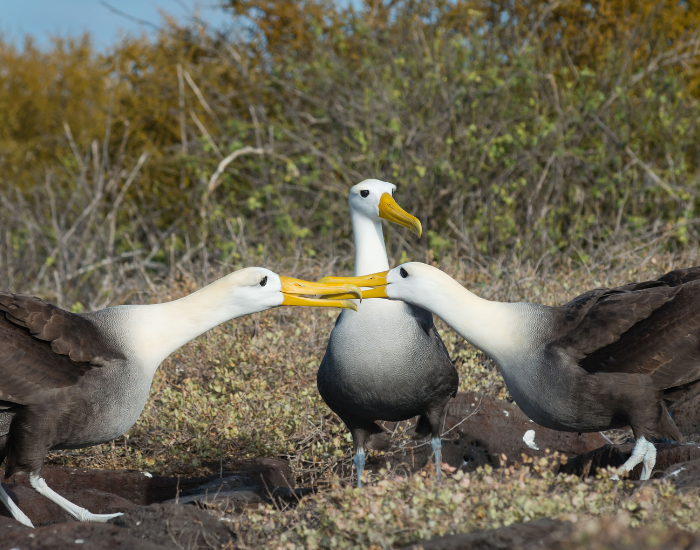
In the animal kingdom, monogamy is often loosely defined. For albatrosses, however, it represents a genuine lifelong commitment. These birds mate for life, reinforcing their pair-bond through elaborate courtship dances involving bill clapping, bowing, and synchronised pointing.
Young birds spend years practising these moves in bachelor groups before finding a partner. Once bonded, pairs return to the same breeding grounds year after year. Watching a pair reunite after months apart at sea, recognising each other’s calls among thousands of other birds, is one of the most moving experiences in wildlife observation.
6. They Smell Food from Miles Away
Most birds rely almost entirely on vision to find food. Albatrosses, however, use a highly developed nasal passage, part of their ‘tubenose’ anatomy, to detect dimethyl sulfide (DMS) over vast distances.
DMS is a chemical released by phytoplankton when krill or schooling fish feed on them. By following this scent plume, wandering albatrosses locate large feeding frenzies in the middle of a featureless ocean. Their albatross diet of squid, fish, and crustaceans depends entirely on this built-in chemical GPS.
7. Their Diet Is More Diverse Than You’d Expect
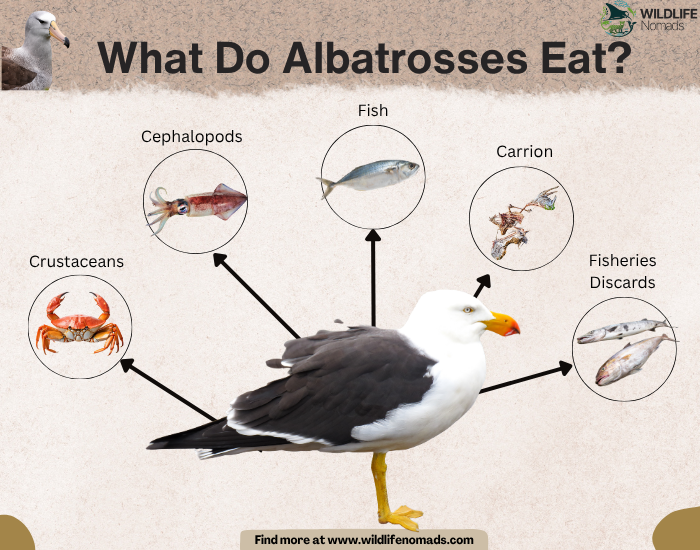
While people often see albatrosses following fishing boats for scraps, the natural albatross diet is surprisingly varied. They primarily hunt squid and schooling fish, but they also take crustaceans and, occasionally they are scavengers, eating carrion.
North Pacific albatrosses like the Laysan albatross and black-footed albatross are particularly skilled at shallow dives, snatching prey just below the surface. Unlike penguins, they don’t pursue prey into deep water, they are expert surface snatchers, using sharp hooked bills to grab slippery squid.
Their feeding strategy also makes them highly vulnerable to plastic pollution, since floating debris closely resembles crustaceans’ appearance and fish eggs from above the water line.
8. They Navigate Using Infrasound
How does a bird find a tiny speck like Macquarie Island or Prince Edward Island in the middle of a raging storm? Recent research published in the Proceedings of the National Academy of Sciences provides a remarkable answer.
Wandering albatrosses appear to orient toward areas of ‘loud’ microbarom infrasound — low-frequency sound below 20 Hz, produced by colliding ocean waves. This sound propagates for thousands of kilometres through the atmosphere, potentially giving albatrosses advance notice of wind conditions and wave states ideal for dynamic soaring.
In other words, while we check satellite data, these sea birds listen to the heartbeat of the planet itself.
9. They Live Longer Than Almost Any Wild Bird
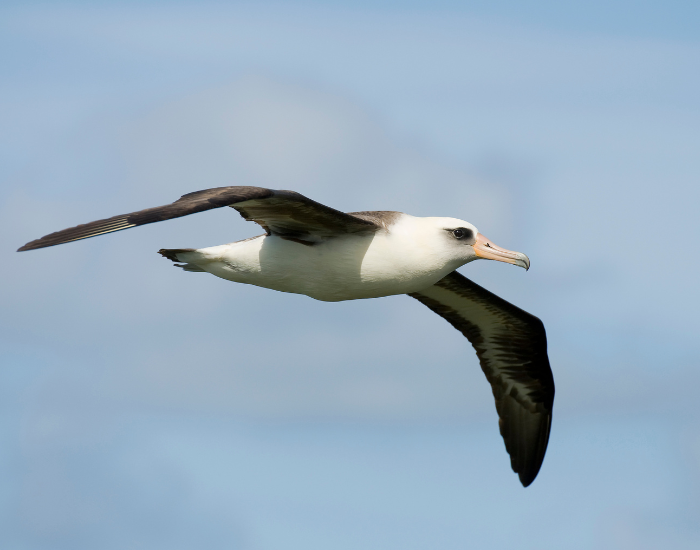
The oldest known wild bird in history is Wisdom, a Laysan albatross first banded at Midway Atoll National Wildlife Refuge in 1956. As of 2026, she is at least 75 years old, and she laid an egg in November 2024 with a new mate, making her the oldest confirmed breeding seabird on record.
This extraordinary longevity reflects a life strategy built around slow reproduction and low mortality. Albatrosses face few natural predators once airborne. However, this longevity also means that losing even a small number of adult breeding birds each year can destabilise entire breeding populations over time.
10. Sailors Once Believed They Carried the Souls of Lost Sailors
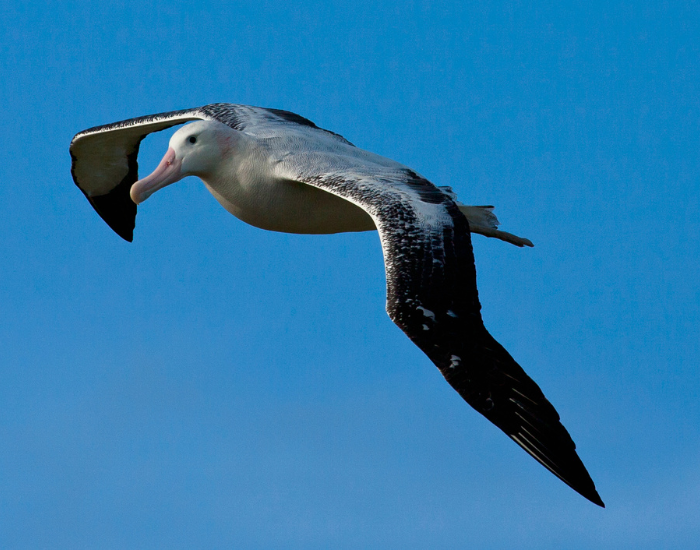
Throughout maritime history, sailors held a deep superstitious respect for albatrosses. The legend of the Ancient Mariner reflects a widespread belief that killing one of these birds brings catastrophic bad luck, because many believed albatrosses carried the souls of lost sailors.
Watching a light-mantled albatross materialise silently from thick mist, watchful, effortless, and belonging to some earlier era of the Earth, does something to you. It’s easy to understand why sailors saw something transcendent in these birds.
11. Plastic Pollution Threatens Their Survival
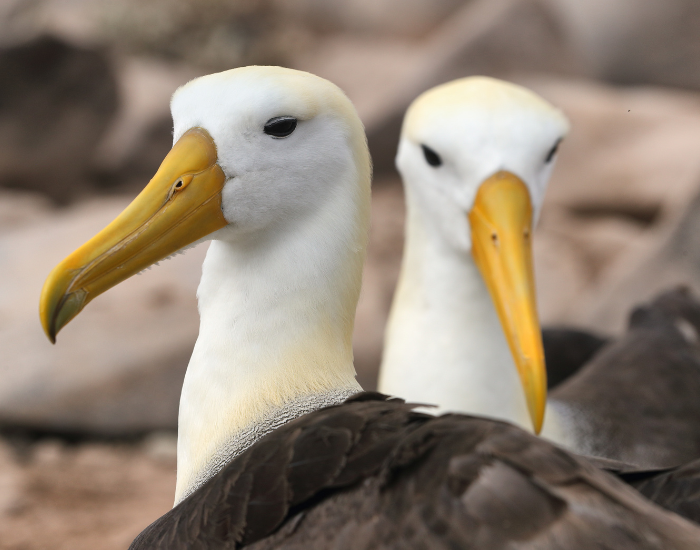
This is the part of conservation biology that’s hardest to discuss. In places like the Galapagos Islands and across the North Pacific, albatrosses routinely mistake floating plastic for food. From above the surface, bottle caps and lighters closely resemble the crustaceans and fish eggs they naturally eat.
The results are devastating. Necropsies of young birds frequently reveal stomachs packed with plastic debris. Because albatrosses forage at the surface across enormous stretches of ocean, they function as a living barometer of ocean health. Their conservation status, most species are now listed as threatened or vulnerable by the IUCN, reflects the scale of this global crisis.
12. Longline Fishing Remains Their Deadliest Threat
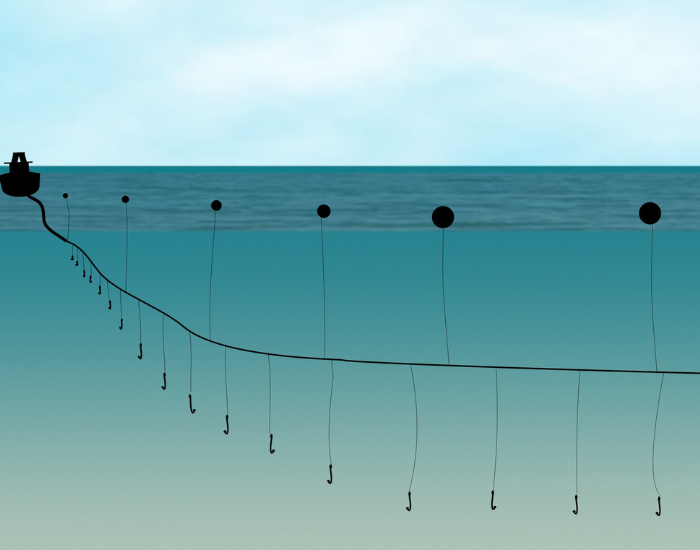
The biggest threat to wild albatross breeding populations today isn’t a natural predator, it is longline fishing. Birds dive for bait on submerged fishing hooks, become hooked, and drown. Research indicates longline fishing kills more than 160,000 seabirds annually worldwide.
Thankfully, effective conservation efforts are gaining ground. Bird-scaring lines (tori lines), night-time hook setting, and weighted branch lines significantly reduce seabird bycatch.
However, more urgent international cooperation is needed. Until sustainable fishing becomes universal practice, albatross breeding colonies on remote sub-Antarctic islands will remain under threat.
────────────────────────────────────────
Your FAQ About Albatrosses
The albatross wingspan varies by species. The wandering albatross (also called the snowy albatross or white-winged albatross) holds the record for the largest wingspan of any living bird — with the verified world record reaching 3.63 metres (11 ft 11 in). Average wingspans typically range from 2.5 to 3.5 metres depending on the individual.
Wandering albatrosses live primarily in the Southern Ocean, spending most of their lives at sea. They breed on sub-Antarctic islands including South Georgia, Macquarie Island, Prince Edward Island, and the Crozet and Kerguelen Islands. They roam the entire Southern Hemisphere between breeding seasons.
Most albatross species are currently threatened. The IUCN lists the Amsterdam albatross and waved albatross among the most critically endangered. The wandering albatross is classified as Vulnerable. Almost every species faces pressure from longline fishing bycatch, plastic pollution, and the impacts of climate change on prey distribution.
The core albatross diet consists of squid, schooling fish, and crustaceans. They are primarily surface feeders, though some species make shallow dives. Tragically, floating plastic debris closely resembles their prey, and many birds — especially albatross chicks — die from plastic ingestion each year.
────────────────────────────────────────
Still Flying After All These Years
Next time life feels overwhelming, think of the albatross. Right now, somewhere over the South Atlantic, a black-browed albatross or sooty albatross is gliding over a 15-metre wave — perfectly at peace with the chaos of the wind.
These extraordinary sea birds teach us something profound about efficiency, loyalty, and endurance. However, their future depends on choices we make today: how we fish, how we manage plastic waste, and how seriously we take wildlife conservation efforts. If we want albatrosses to keep patrolling these horizons, we must ensure the Southern Ocean remains a place where they can do more than survive, a place where they can thrive.
References
Carneiro, A. P. B., Clark, B. L., Pearmain, E. J., Clavelle, T., Wood, A. G., & Phillips, R. A. (2022). Fine-scale associations between wandering albatrosses and fisheries in the southwest Atlantic Ocean. Biological Conservation, 276, 109796. https://doi.org/10.1016/j.biocon.2022.109796
Kroodsma, D., Turner, J., Luck, C., Hochberg, T., Miller, N., Augustyn, P., & Prince, S. (2023). Global prevalence of setting longlines at dawn highlights bycatch risk for threatened albatross. Biological Conservation, 283, Article 110026. https://doi.org/10.1016/j.biocon.2023.110026
Gillies, N., Martín López, L. M., den Ouden, O. F. C., Assink, J. D., Basille, M., Clay, T. A., Clusella-Trullas, S., Joo, R., Weimerskirch, H., Zampolli, M., Zeyl, J. N., & Patrick, S. C. (2023). Albatross movement suggests sensitivity to infrasound cues at sea. Proceedings of the National Academy of Sciences, 120(42), e2218679120. https://doi.org/10.1073/pnas.2218679120
Richardson, P. L., Wakefield, E. D., & Phillips, R. A. (2018). Flight speed and performance of the wandering albatross with respect to wind. Movement Ecology, 6(1), 3. https://doi.org/10.1186/s40462-018-0121-9
Phillips, R. A., Fox, E., Crawford, R., Prince, S., & Yates, O. (2024). Incidental mortality of seabirds in trawl fisheries: A global review. Biological Conservation, 296, Article 110720. https://doi.org/10.1016/j.biocon.2024.110720
Thorne, L. H. (2023). Albatrosses orient toward infrasound while foraging. Proceedings of the National Academy of Sciences, 120(42), e2314980120. https://doi.org/10.1073/pnas.2314980120