
I’ve written extensively on this blog about specific, charismatic heavyweights, the stoic bald eagle, the sleek cedar waxwing, and the comical yet resilient auks. We’ve dived deep into the lives of thrushes, magpies, and the flamboyant hoopoes.
But lately, while chatting with fellow birders over a lukewarm thermos of coffee in a muddy blind, I realized something: we often get so caught up in the rarities that we forget the foundation. To truly appreciate a barn swallow diving over a meadow, you need to understand the architectural blueprint of the avian world.
This isn’t just a bird kinds list; it’s a look at the variety of birds through the eyes of someone who has handled them, banded them, and occasionally been pecked by them. Let’s break down the types of birds from a taxonomic and field-tested perspective.
Understanding Bird Species Classification
When we discuss bird species, we’re talking about evolutionarily distinct lineages. Biologists use the Biological Species Concept, groups that can interbreed and produce fertile offspring. Globally, scientists recognize roughly 10,000 to 11,000 bird species.
Bird classification follows a hierarchical system. Orders end in “-iformes” while families end in “-idae.” Each species has both a common name (American Goldfinch) and scientific name (Spinus tristis) ensuring consistency worldwide.
Overview of the Comprehensive List
To make sense of the chaos, we organize birds by Order (ending in -iformes) and Family (ending in -idae).
- Common Name: What you’ll find in a field guide (e.g., American Goldfinch).
- Scientific Name: The Latin binomial (e.g., Spinus tristis) which ensures a biologist in Tokyo and a biologist in New York are talking about the same animal.
Some comprehensive lists or field guides also organize birds alphabetically by the first letter of their common names, making it easier to find specific species.

Major Bird Orders: A Quick Reference
The avian world divides into approximately 40 orders. Below are the most common and scientifically significant groups:
| Order | Common Examples | Quick ID Cue |
| Anseriformes | Ducks, Geese, Swans | Broad bills, webbed feet |
| Accipitriformes | Eagles, Hawks | Hooked beaks, sharp talons |
| Passeriformes | Songbirds, Crows, Finches | Perching feet (three toes forward, one back) |
| Strigiformes | Owls | Large eyes, facial disks |
| Charadriiformes | Gulls, Sandpipers | Coastal or wetland specialists |
Waterfowl Species: Ducks, Geese, and Swans
Tracking waterfowl in the Prairie Pothole Region taught me the rhythm of dawn wings. The Anatidae family includes numerous species near ponds, lakes, and rivers.
Mallard (Anas platyrhynchos): The standard duck. Males display iridescent green heads while females sport mottled brown plumage. They thrive near various waters from city ponds to wild rivers.
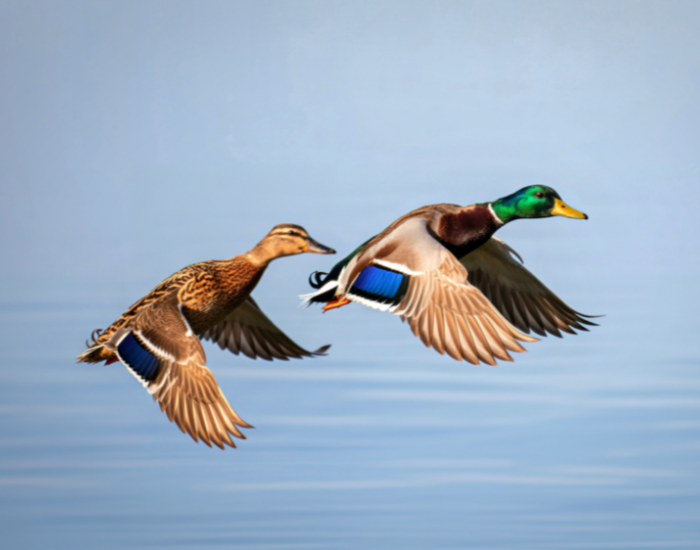
Wood Duck (Aix sponsa): Found in wooded swamps. These cavity nesters raise young in tree holes. Males showcase spectacular breeding colors.
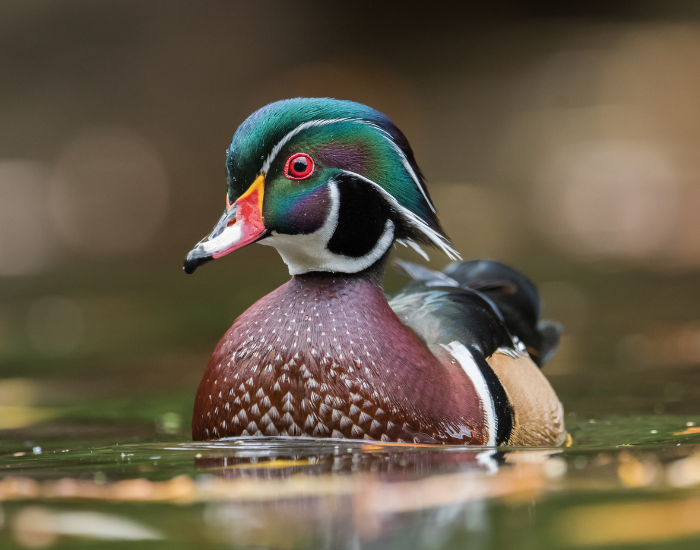
Canada Goose (Branta canadensis): Recognized by V-shaped migratory flights and honking calls. These geese travel thousands of miles annually.
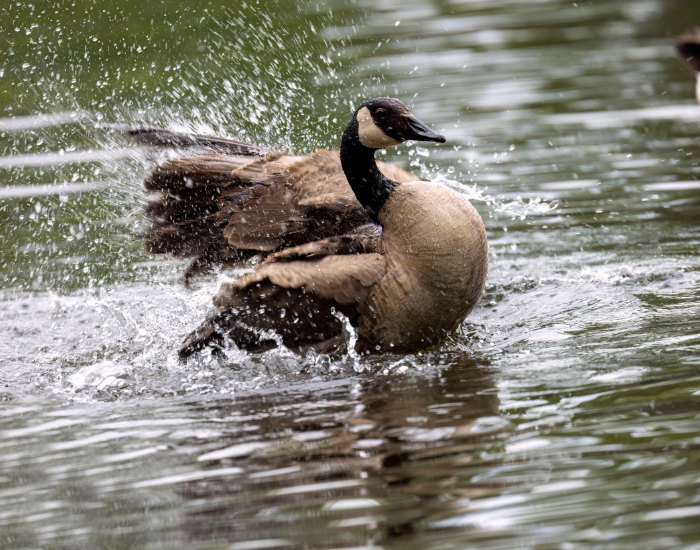
Mute Swan (Cygnus olor): Large, white, and surprisingly aggressive near nest sites.
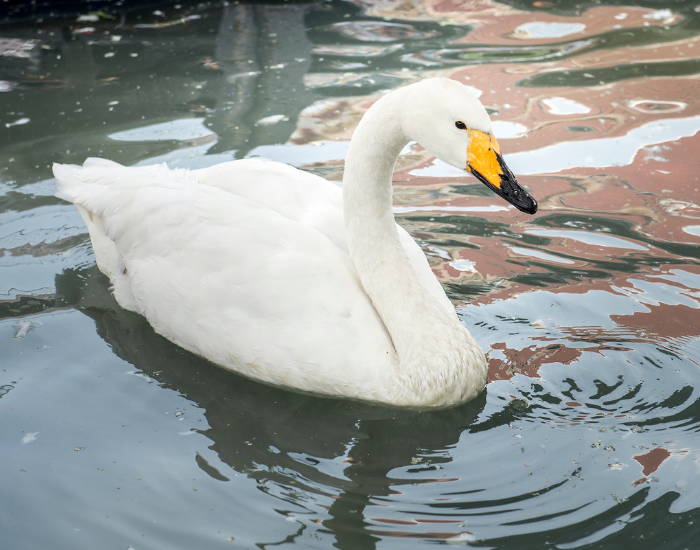
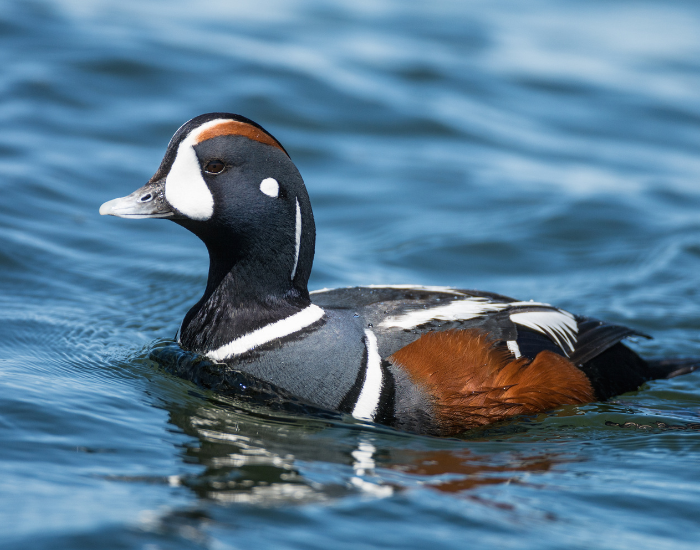
Harlequin Duck (Histrionicus histrionicus): A striking sea duck associated with fast-moving mountain streams and rocky coastal waters. Males are boldly patterned in slate blue, chestnut, and white, while females are more subdued gray-brown.
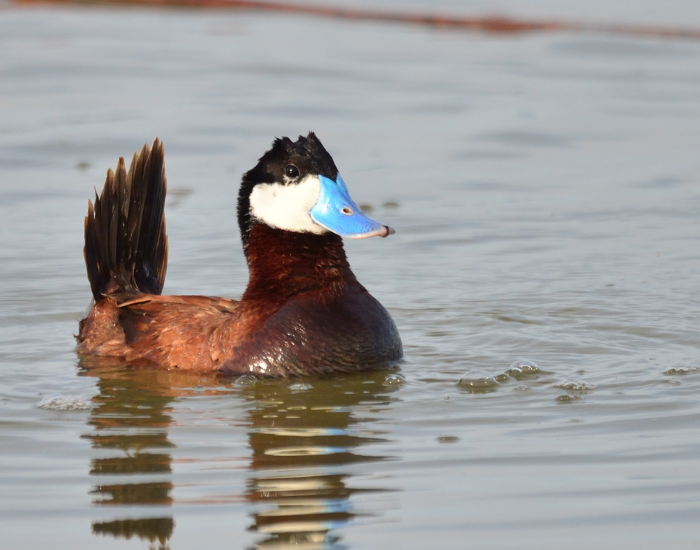
Ruddy Duck (Oxyura jamaicensis): A small, compact diving duck best known for its stiff tail, which is often held upright.
Herons and Bitterns(Ardeidae)
If waterfowl are the frantic commuters of the wetlands, herons are the zen masters. I’ve spent countless hours in the Everglades watching a Great Blue Heron stand so still it looked like a piece of weathered driftwood, until, with a lightning strike, it impaled a fish. These birds are masters of “stand and wait” predation.
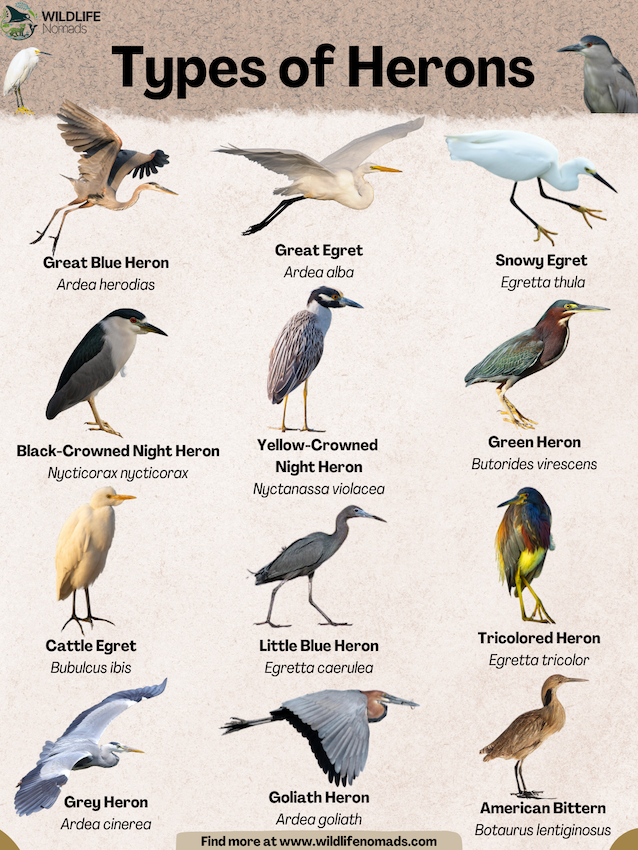
Black-crowned Night-Heron (Nycticorax nycticorax): As the name bird suggests, these are most active at night or dusk, filling the niche when other herons have gone to roost.
Grey Heron (Ardea cinerea): A majestic, tall bird with a white head and neck, a broad black supercilium, and a grey body. In Europe and Asia, this is the definitive wetland sentinel.
Great Egret (Ardea alba): Stunningly white with a yellow bill. These birds were once hunted nearly to extinction for their plumes (feathers) used in 19th-century fashion, a dark chapter that actually helped spark the birth of the conservation movement.
Green Heron (Butorides virescens): One of the few bird species known to use tools. I’ve personally witnessed them dropping feathers or insects onto the water’s surface to “bait” fish into striking distance.
Birds of Prey: Raptors That Hunt
Raptors feature sharp talons, hooked beaks, and exceptional vision making them efficient hunters.
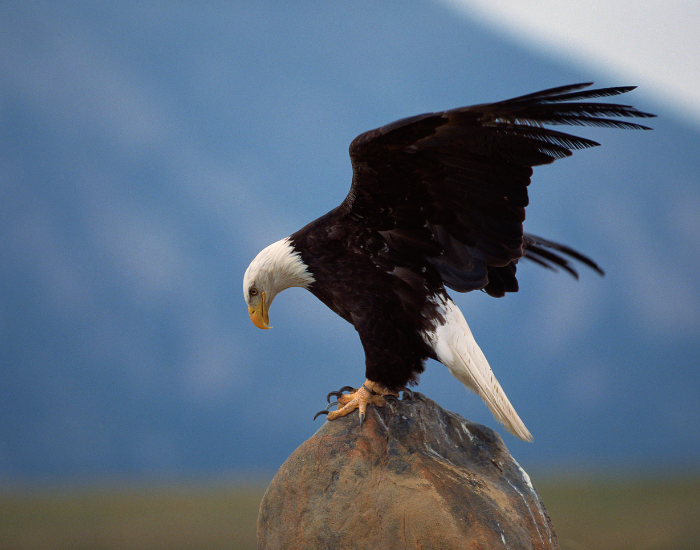
Bald Eagle (Haliaeetus leucocephalus): America’s symbol and massive predator near large waters. They’re skilled at catching fish and scavenging.
Red-tailed Hawk (Buteo jamaicensis): Most common hawk across North America. Their distinctive call appears in movies even when showing other raptors.
Peregrine Falcon (Falco peregrinus): The fastest bird on earth, exceeding 240 mph during hunting dives. I once watched one strike a pigeon mid-air.
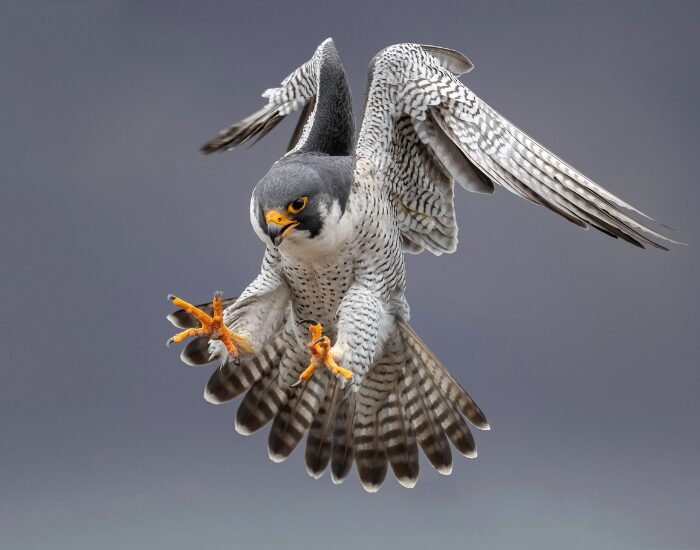
American Kestrel (Falco sparverius): North America’s smallest falcon. These colorful raptors hover while hunting and perch on telephone wires.
Raptors indicate ecosystem health. Their disappearance signals food chain disruption.

Owls: Silent Night Hunters
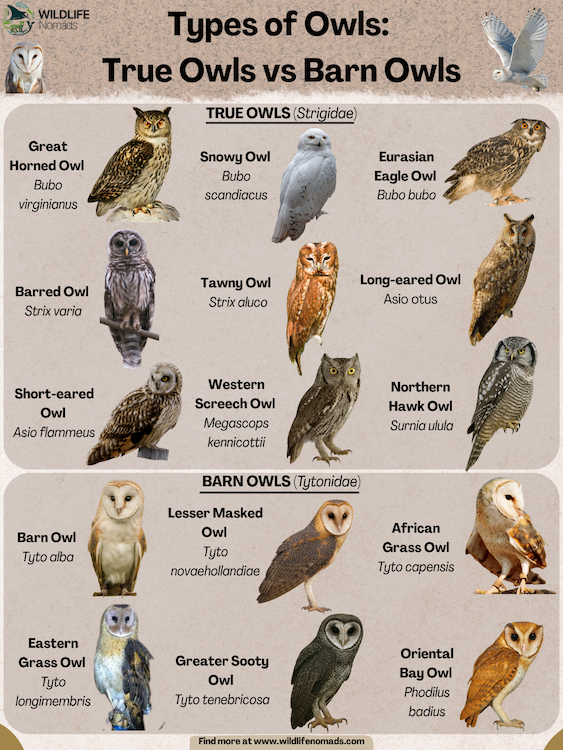
All types of owls are nocturnal hunters. Fringed feathers allow silent flight, giving hunting advantages over prey.
Great Horned Owl (Bubo virginianus): Powerful owls taking prey as large as skunks. Distinctive ear tufts and yellow eyes make them unmistakable.
Barn Owl (Tyto alba): Heart-shaped face and global distribution. They provide excellent rodent control.
Screech Owl (Megascops asio): Small, camouflaged, with haunting whinnying calls echoing through woods at night.
Songbirds: The Passerine Diversity
Passeriformes represents the largest order of birds. If you see a small bird in your backyard, it’s likely a passerine. This diverse group includes everything from tiny wrens to intelligent crows. Passeriformes are defined by having three toes facing forward and one backward, which helps them perch effectively. Birdwatchers often observe different songbird species at various times of the day, as their activity patterns can change from dawn to dusk.
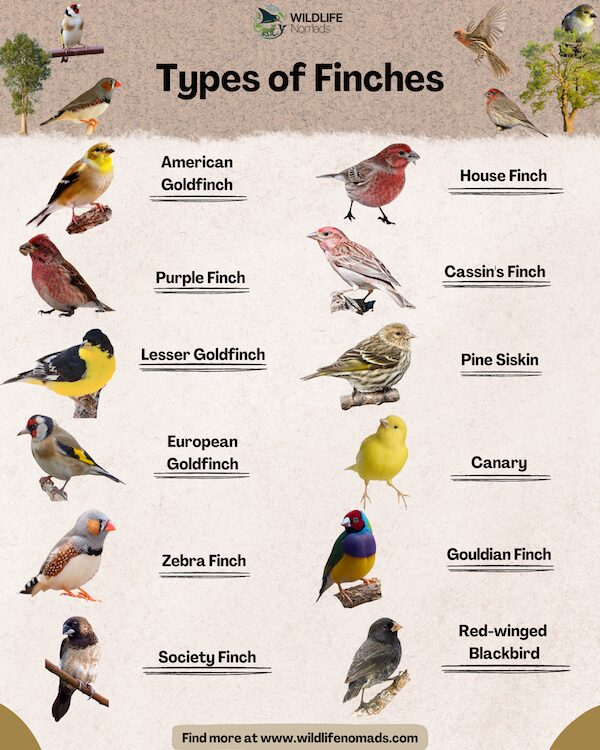
Finches and Seed-Eaters
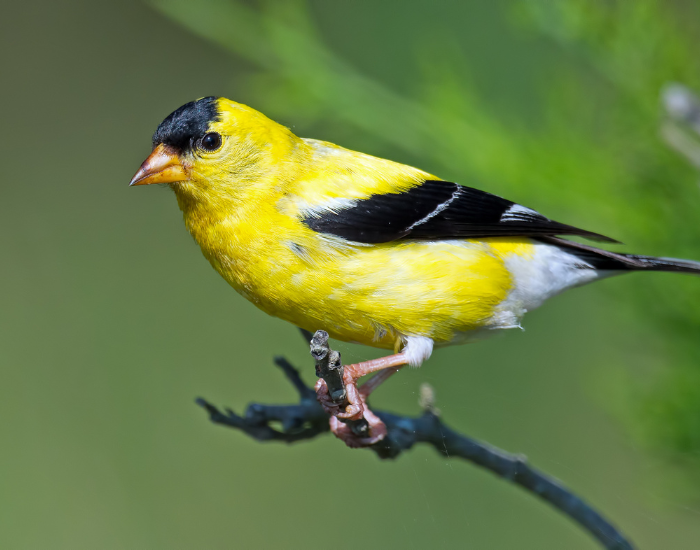
American Goldfinch (Spinus tristis): Brilliant yellow in breeding plumage. Males transform from dull winter brown to vibrant summer gold. These strict vegetarians feed almost exclusively on seeds from thistles and sunflowers. They nest later than most birds, waiting until seed plants mature in mid-summer. Found in weedy fields, gardens, and near waters with vegetation.
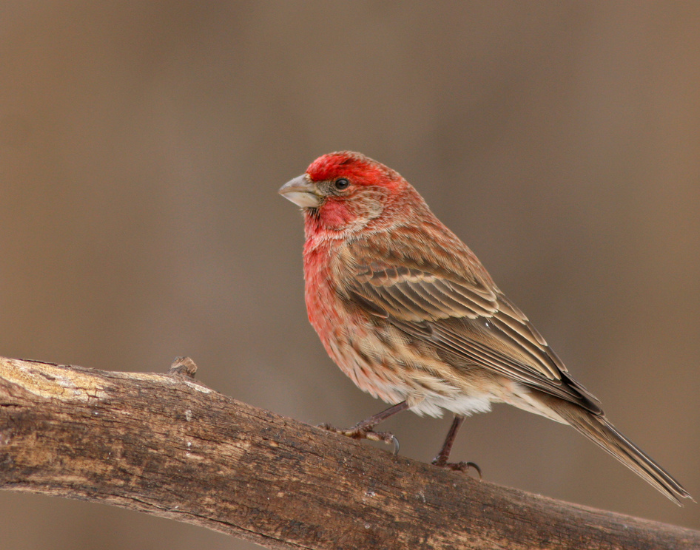
House Finch (Haemorhous mexicanus): Another types of finch. Common in urban areas. Males display red plumage while females remain brown-streaked.
Pine Siskin (Spinus pinus): Small, streaked finch with yellow wing bars. They often flock with goldfinches at feeders.
Thrushes and Ground Foragers
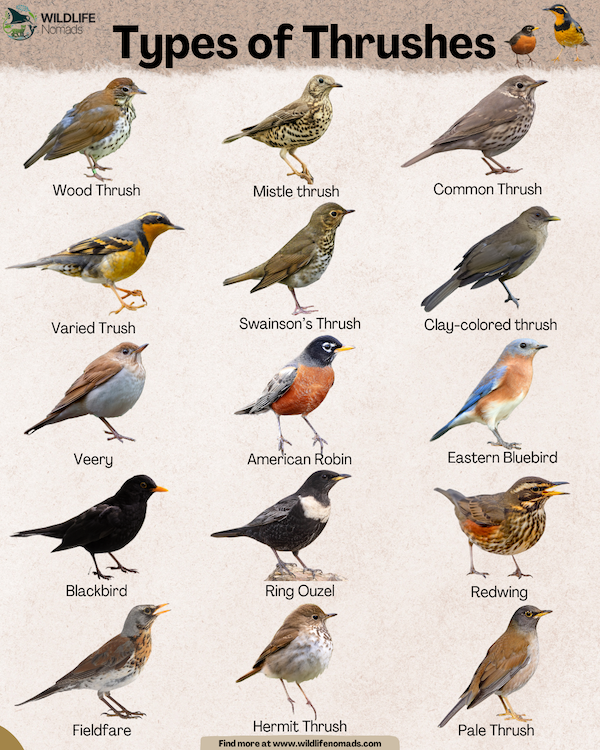
Robins, especially the American Robin (Turdus migratorius), are among the most familiar birds over most of North America. The American Robin is a widespread and recognizable songbird, often seen hopping on lawns and nesting in urban areas. These thrushes hunt earthworms on lawns and produce melodious dawn songs.
Wood Thrush (Hylocichla mustelina): Forest songbirds with flute-like calls. Populations have declined due to habitat loss.
Wrens: Small Birds with Big Personalities
House Wren (Troglodytes aedon): Tiny birds with loud songs. They aggressively defend nest cavities.
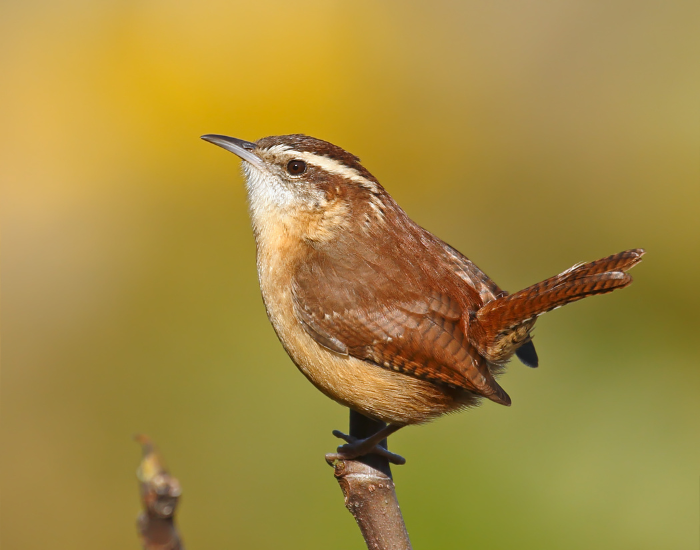
Carolina Wren (Thryothorus ludovicianus): “Teakettle-teakettle” song rings through neighborhoods. These non-migratory wrens maintain year-round territories.
Corvids: The Intelligent Birds
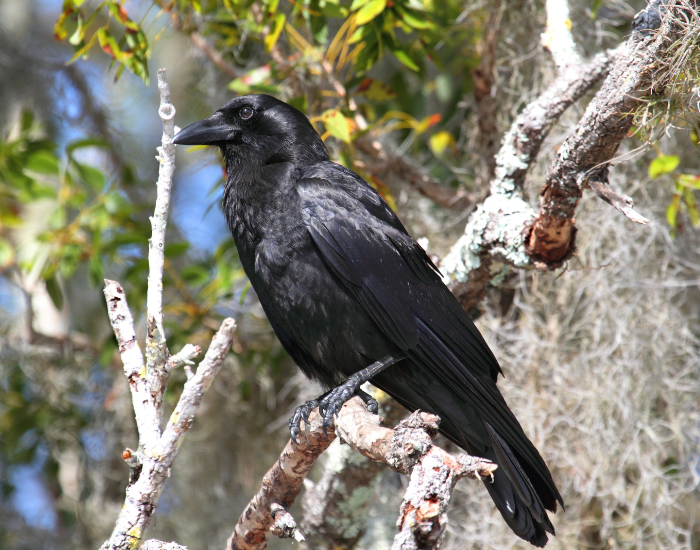
American Crow (Corvus brachyrhynchos): One of the most intelligent animas in the world Crows use tools and recognizing individual humans. Crows work in family groups.
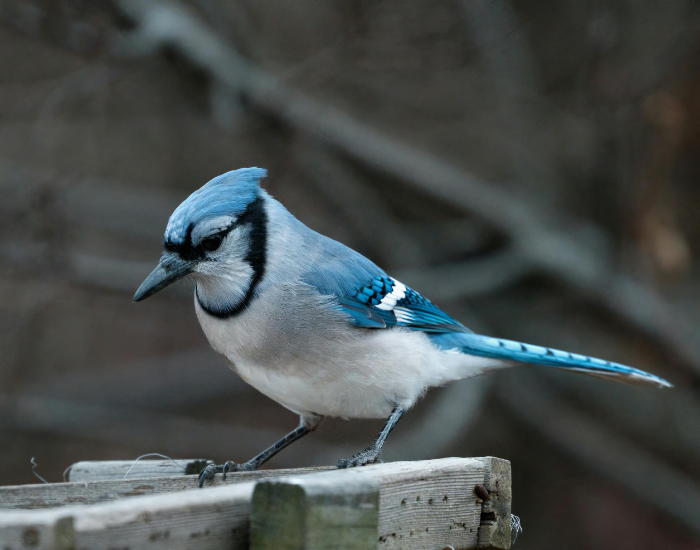
Blue Jay (Cyanocitta cristata): Bold and beautiful with UV-reflective feathers. They cache food for winter.
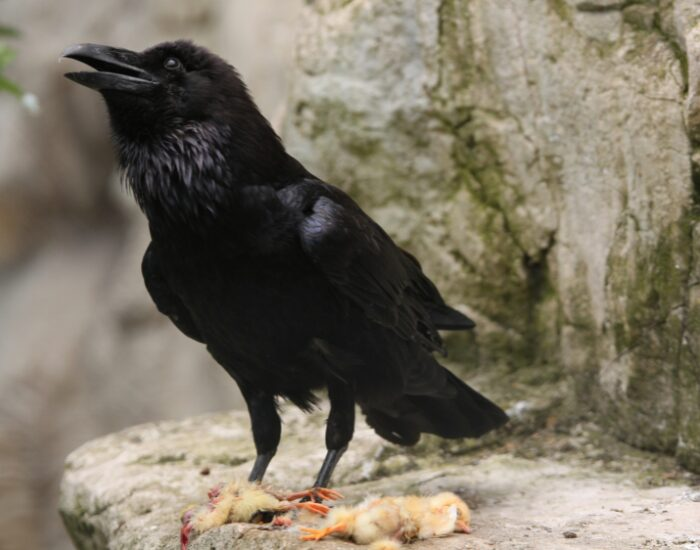
Common Raven (Corvus corax): Larger than crows with wedge-shaped tails. Ravens perform aerial acrobatics and mate for life.
Warblers and Insect Specialists
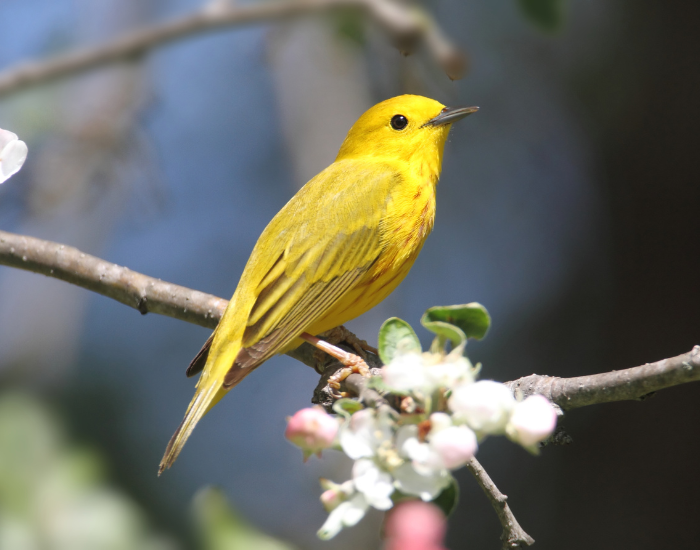
Yellow Warbler (Setophaga petechia): Bright yellow songbirds migrating long distances between breeding and wintering grounds.
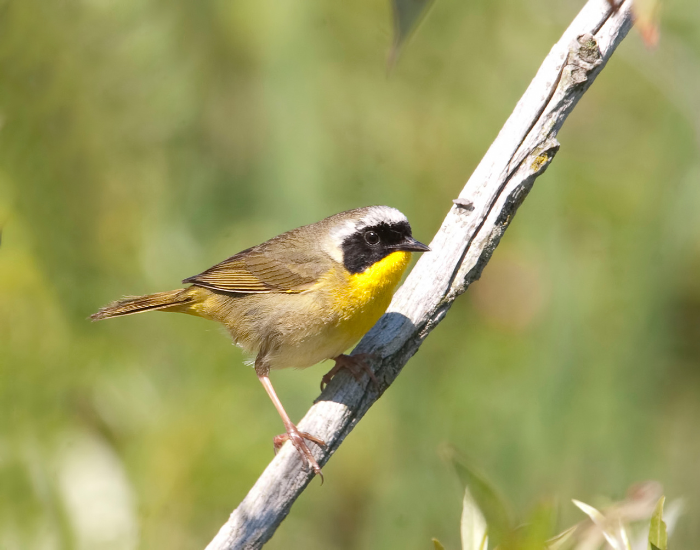
Common Yellowthroat (Geothlypts trichas): Masked warblers preferring wetland edges. Males sport distinctive black masks.
Shorebirds: Coastal and Wetland Species
Beach habitats host shorebird species adapted for life where land meets waters.
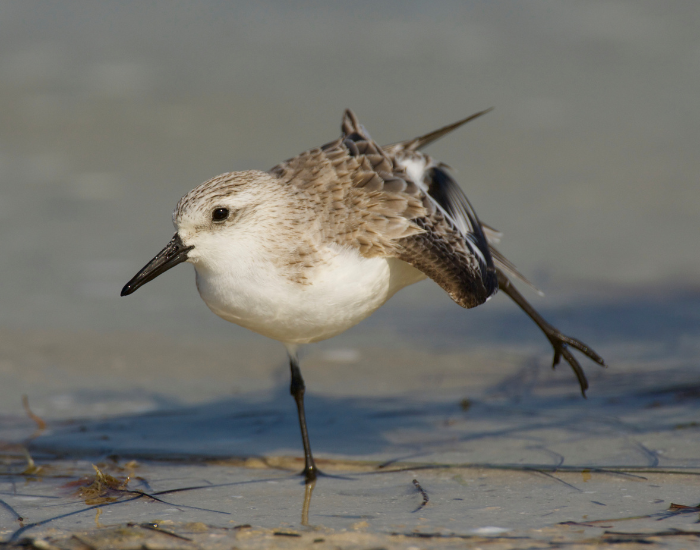
Sanderling (Calidris alba): Small birds running with ocean waves, probing sand for invertebrates.
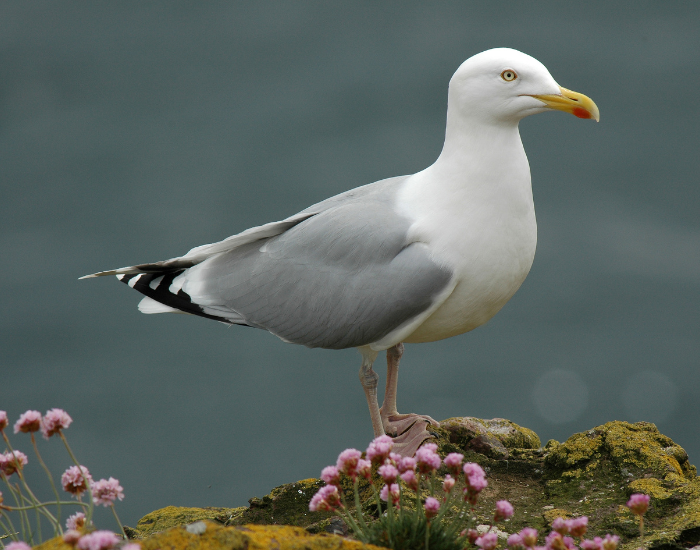
Herring Gull (Larus argentatus): The classic seagull. Adaptable birds thriving near waters and coasts.
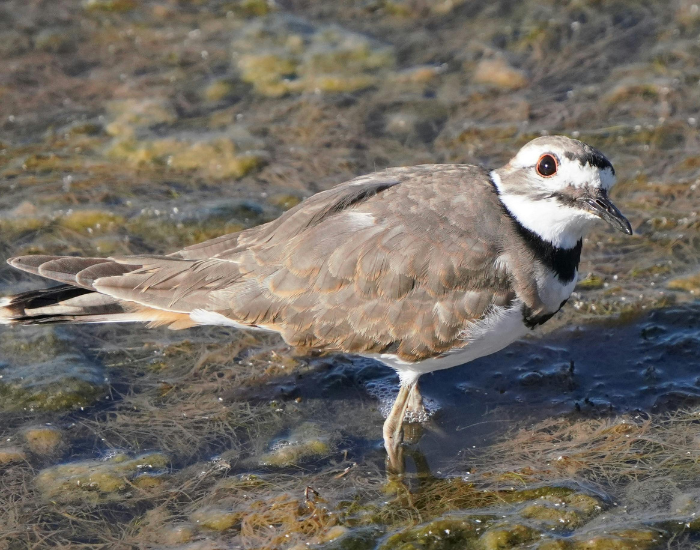
Killdeer (Charadrius vociferus): Ground-nesting plovers performing broken-wing displays to lure predators from eggs.
Woodpeckers: Forest Percussionists
Woodpeckers possess specialized anatomy for excavating wood.
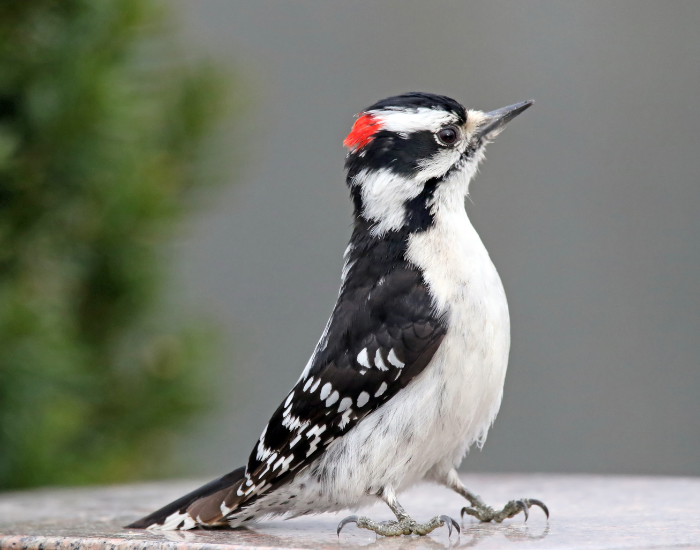
Downy Woodpecker (Dryobates pubescens): Small and common at feeders. They feed on insects and suet.
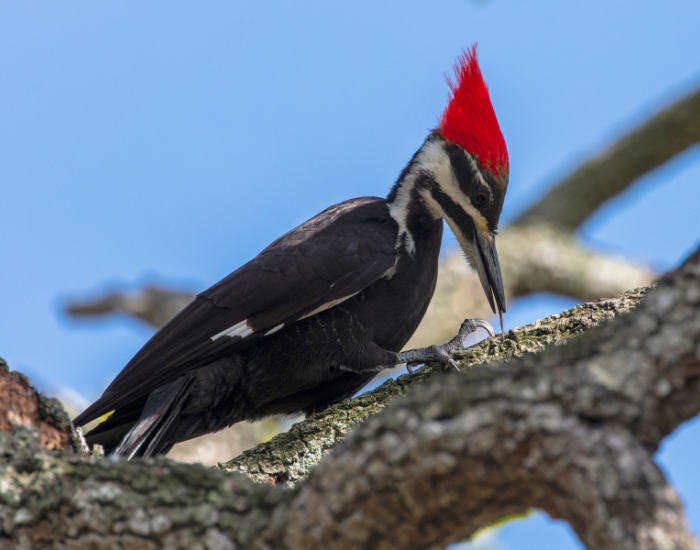
Pileated Woodpecker (Dryocopus pileatus): Massive birds leaving rectangular holes in trees. Powerful drumming carries through forests.
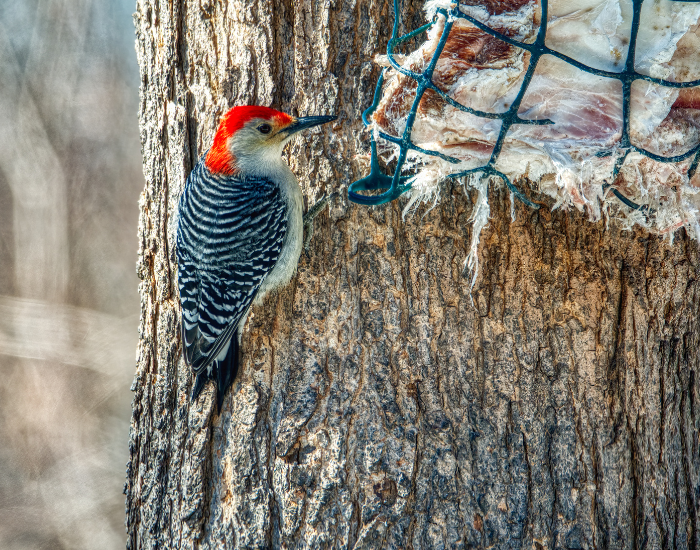
Red-bellied Woodpecker (Melanerpes carolinus): Red cap more distinctive than subtle belly coloring. Adaptable in suburban areas.
Game Birds and Additional Common Species
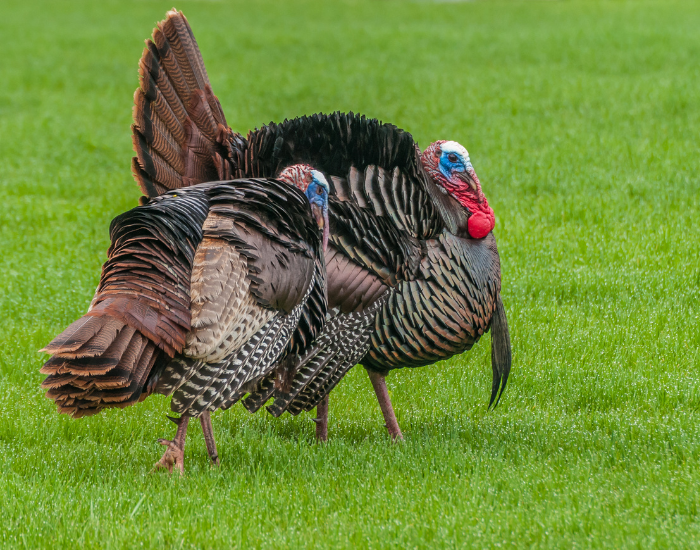
Wild Turkey (Meleagris gallopavo): Large ground birds in forests and fields. Males display elaborate courtship behaviors.
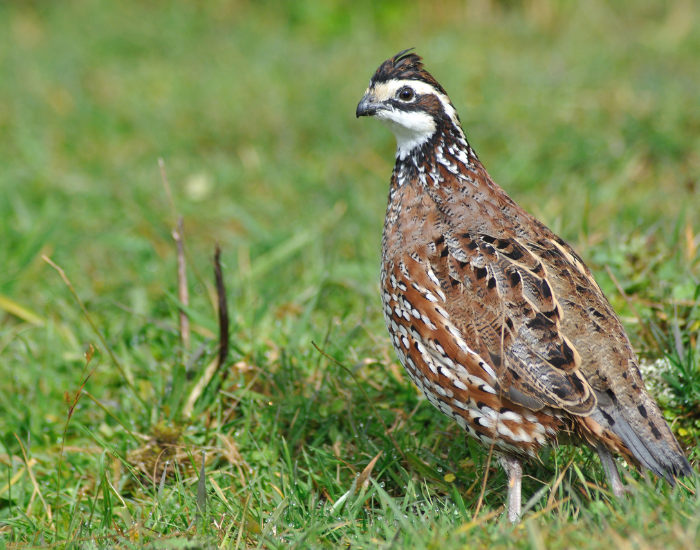
Northern Bobwhite (Colinus virginianus): Small quail preferring grasslands. Distinctive “bob-white” call echoes across fields.
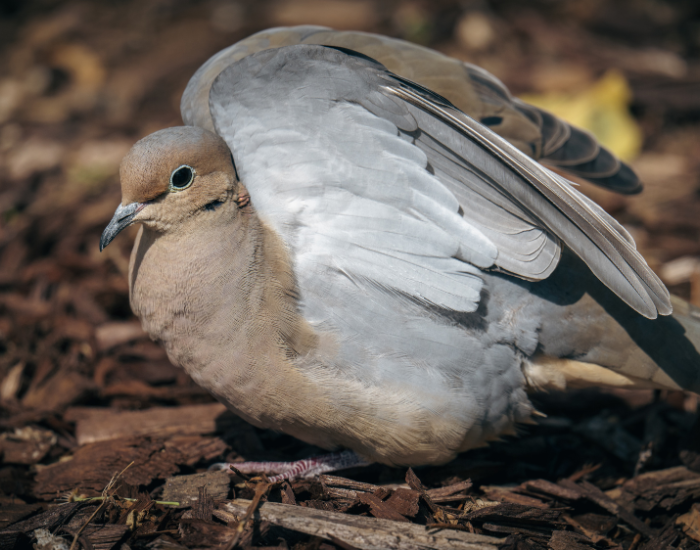
Mourning Dove (Zenaida macroura): Gentle cooing calls and pointed tails. They feed on seeds and nest prolifically.
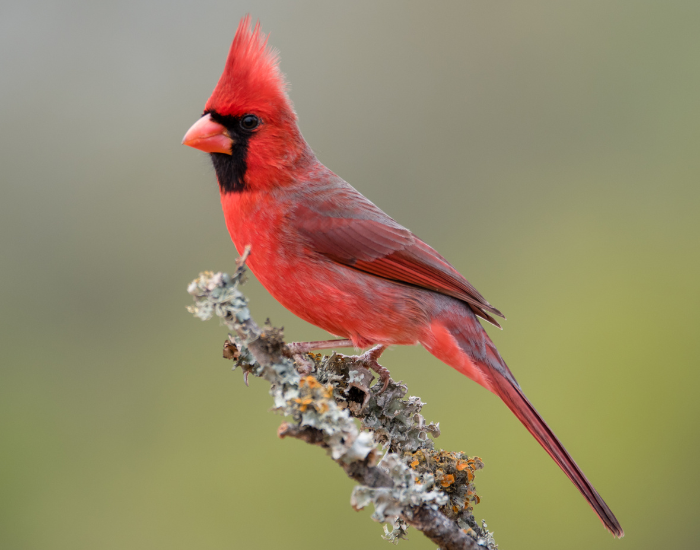
Northern Cardinal (Cardinalis cardinalis): Brilliant red males and warm brown females with distinctive crests. Cardinals maintain year-round territories.
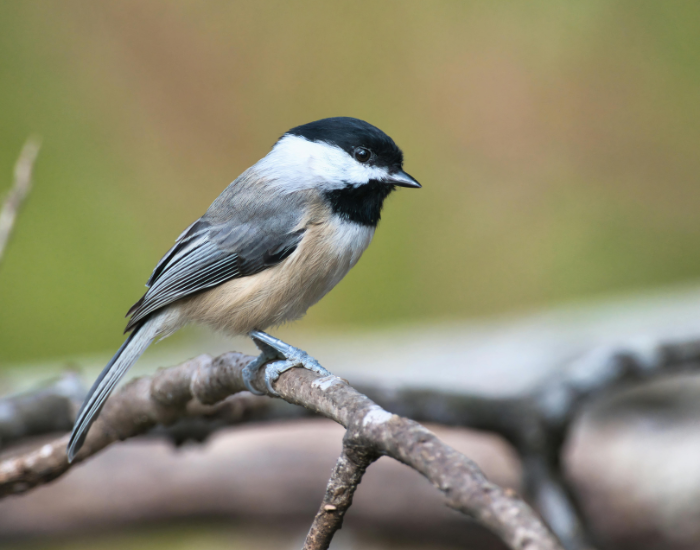
Black-capped Chickadee (Poecile atricapillus): Small, acrobatic birds with black caps and white cheeks. Calls help maintain flock contact.
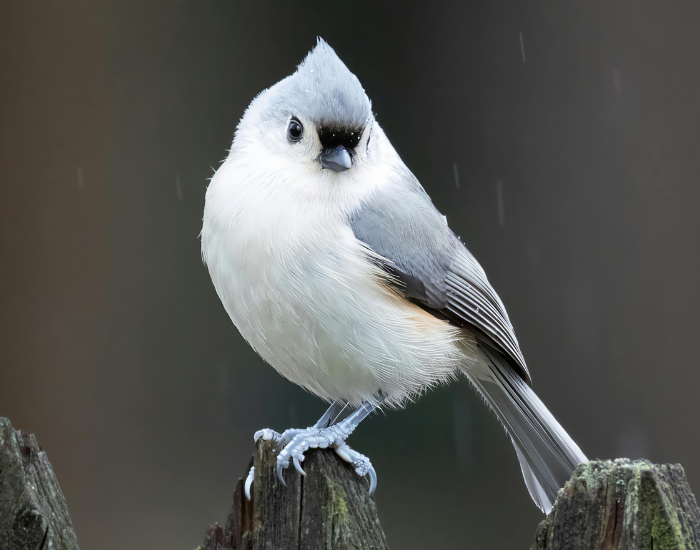
Tufted Titmouse (Baeolophus bicolor): Crested songbirds related to chickadees. They cache seeds for winter.
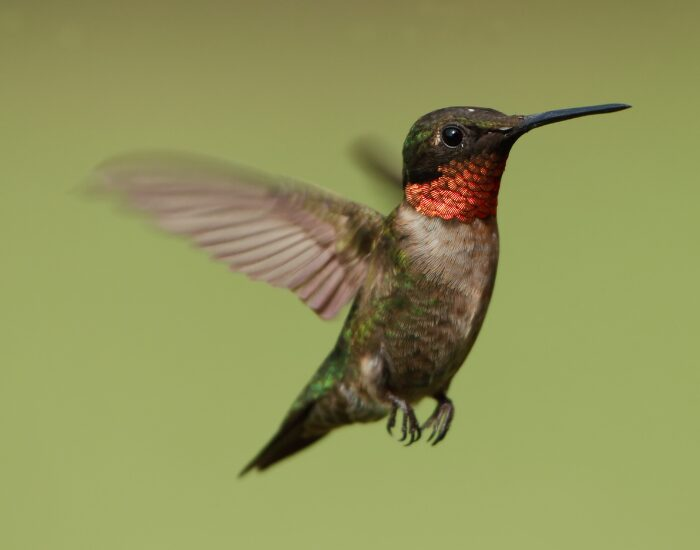
Ruby-throated Hummingbird (Archilochus colubris): Only hummingbird breeding in eastern North America. Males display iridescent ruby throats. Check out our full list of common types of hummingbirds.
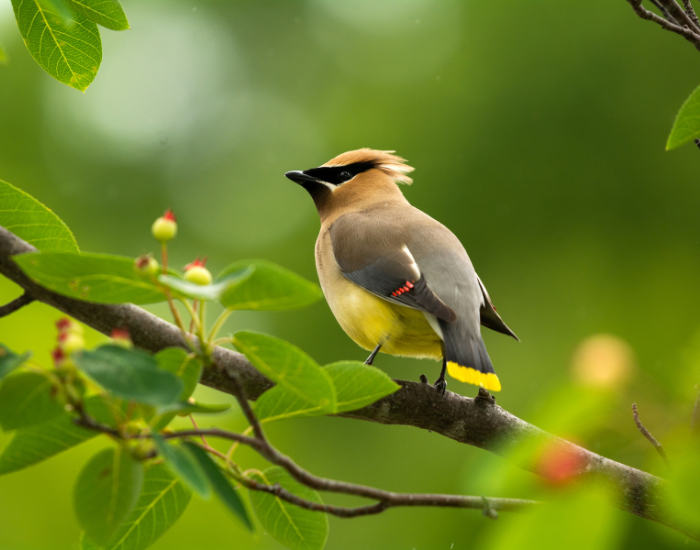
Cedar Waxwing (Bombycilla cedrorum): Sleek birds with yellow tail tips and red waxy wing markings. They flock while feeding on berries.
Regional and Endemic Species
Endemism means species exist in one location only. Examples include Galápagos finches and Hawaiian honeycreepers. Protecting endemic species is vital because habitat destruction eliminates unique populations forever. According to the World Wildlife Fund, habitat loss threatens avian diversity worldwide.
FAQs About Bird Species
Common birds include American Robin, Northern Cardinal, Blue Jay, American Crow, Mourning Dove, Black-capped Chickadee, Mallard, Canada Goose, Red-tailed Hawk, Great Horned Owl, Downy Woodpecker, American Goldfinch, House Finch, Barn Swallow, Wild Turkey, and Cedar Waxwing.
Five recognizable groups are songbirds (Passerines), birds of prey (Raptors), waterfowl (ducks and geese), shorebirds, and upland game birds. These categories organize bird species diversity.
Scientists recognize approximately 10,000 to 11,000 species globally. This comprehensive list evolves as DNA evidence reveals new distinctions.
Birds inhabit nearly every habitat. Waterfowl prefer lakes, ponds, and rivers. Shorebirds specialize in coastal areas. Forest species dominate woods while grassland birds thrive in open fields.
Raptors hunt prey including mammals and other birds. Waterfowl feed on aquatic plants. Finches like American Goldfinch consume seeds. Woodpeckers extract insects from bark.
Why Learning Bird Names Matters
When you learn names of bird species, you start seeing patterns. You notice the thrasher differs from the robin on your lawn. Common bird names serve as entry points into complex biological reality.
Bird identification connects you to nature. Whether observing American goldfinch at feeders, watching crows, or exploring shorebird diversity, each species represents millions of years of evolution.