I’ve spent my fair share of time in the world, trying to find Pine martens, Arctic foxes in Sweden and grizzly bears in Canada. But sometimes, the most profound biological “aha!” moments don’t happen in a rugged backcountry camp. Sometimes, they happen in a city park on a Tuesday morning.
Exactly a year ago, I was walking through Stanley Park in Vancouver, the “Central Park” of the North. I was heading toward Lost Lagoon, expecting the usual suspects: mallards or maybe a stray northern pintail.
Then I saw them.
Floating near the reed bed were dozens of ducks that looked like they had been meticulously hand-painted by a Renaissance artist. As a biologist, I knew immediately what they were, but seeing them in such high density was a first for me. These were wood ducks (Aix sponsa), and I was so struck by their beauty that I spent the next three hours just watching them, completely ignoring the rain.
Wood ducks are the only North American ducks that regularly nest in trees. Their recovery from near-extinction represents one of wildlife management’s greatest success stories. Thankfully the didn’t join the list of extinct birds that you can red here. Here are 18 fascinating facts about these remarkable birds.
1. The Male Wood Duck Displays Nature’s Most Spectacular Colors
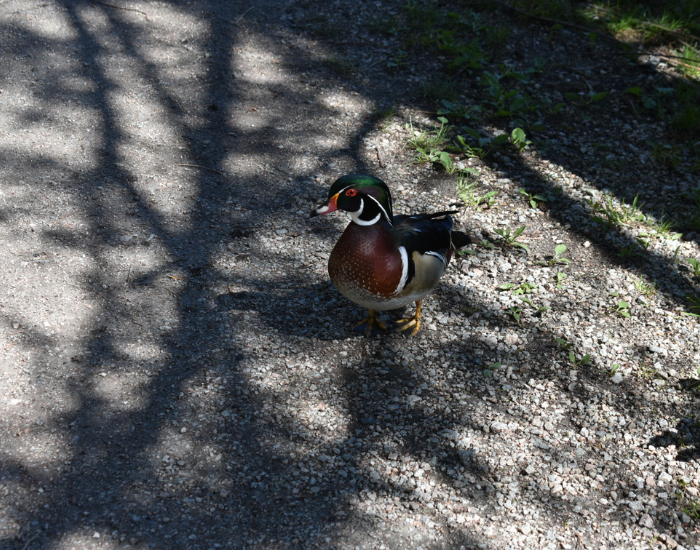
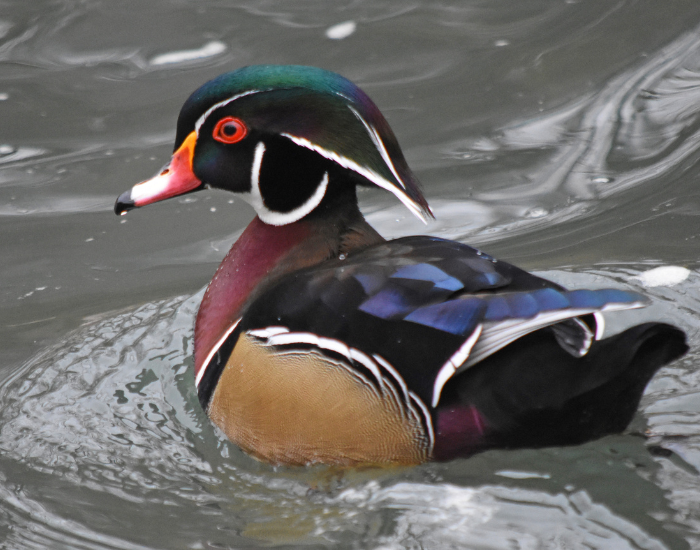
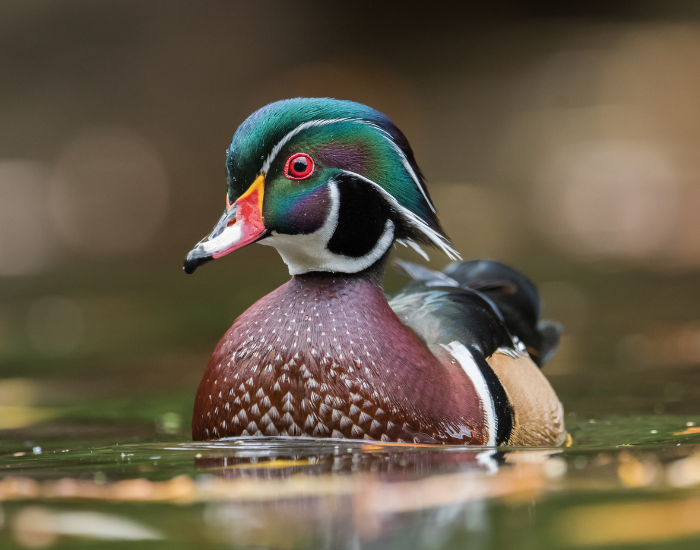
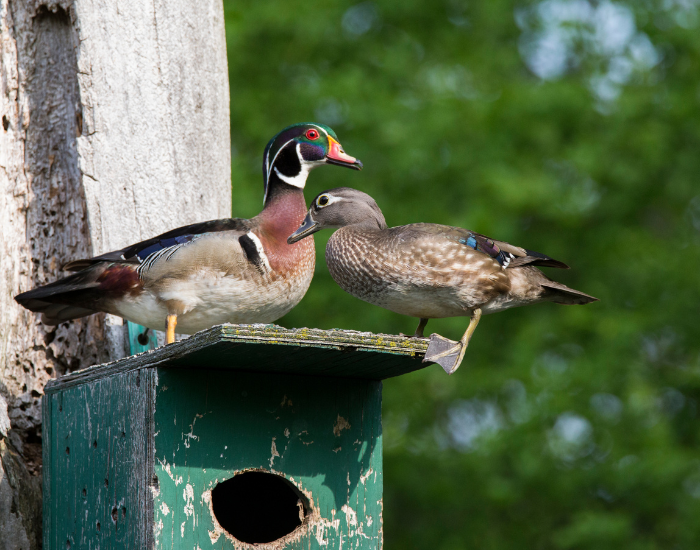
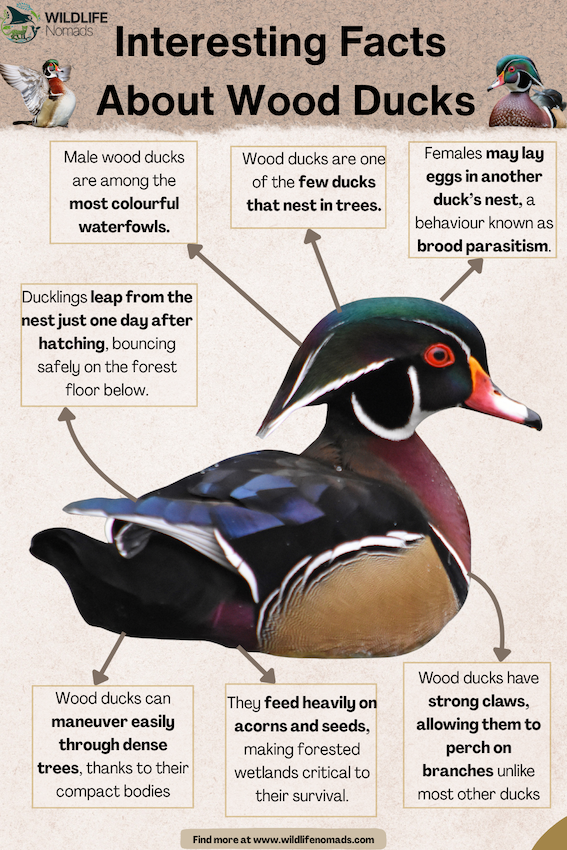
The male wood duck showcases some of the most vibrant plumage in the avian world. His iridescent green crested head flashes purple and blue in sunlight. White stripes run from the bill behind the red eyes. His chestnut breast contrasts with bronze sides and golden flanks.
These iridescent greens become most vivid during breeding season in early spring. Therefore, April through June offers the best viewing time. By late summer, males enter eclipse plumage and resemble females more closely.
2. The Brown Wood Duck Masters the Art of Camouflage
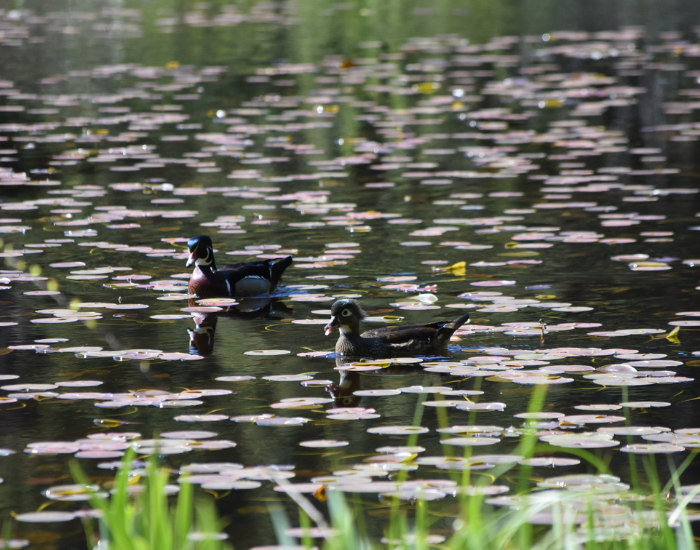
Female wood ducks display gray-brown tones with a distinctive white teardrop around the eye. This camouflage protects eggs from predators while nesting. Males attract mates with bright colors, while females stay hidden for reproductive success.
3. Wood Ducks Are True “Perching Ducks”
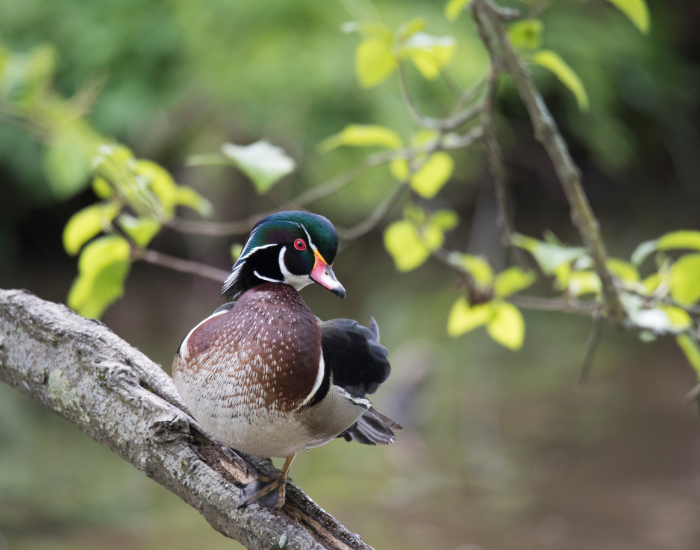
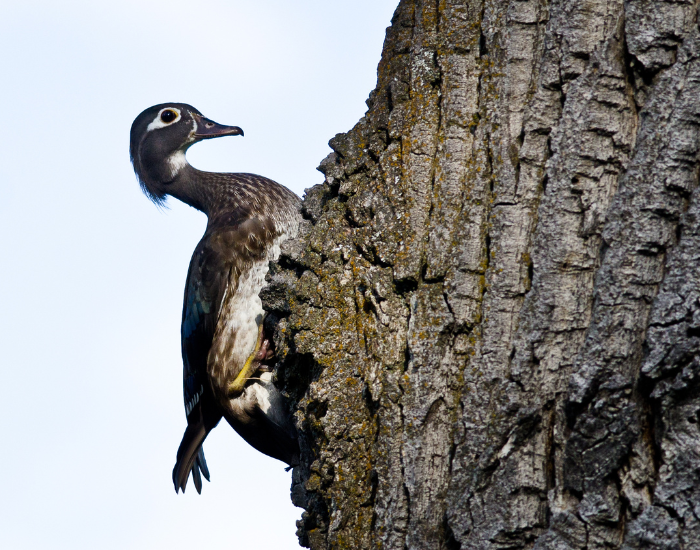
Wood ducks possess sharp, curved claws on their webbed feet that allow them to grip tree limbs securely. You might spot them 50 feet up in trees, behavior that seems surreal for waterfowl. This adaptation gives them access to nesting cavities unavailable to other North American duck species.
4. Jump Day: The Most Dramatic Moment in a Wood Duck’s Life
Within 24 hours of hatching, ducklings face their first major challenge. The mother flies to the ground and calls to her young. The tiny, flightless chicks must climb to the cavity entrance and jump.
These ducklings sometimes fall from heights exceeding 60 feet. Remarkably, they rarely get hurt. Their light, fluffy down acts like a parachute, and they bounce harmlessly off leaf litter. Once on the ground, they follow their mother to water in wooded swamps or freshwater marshes.
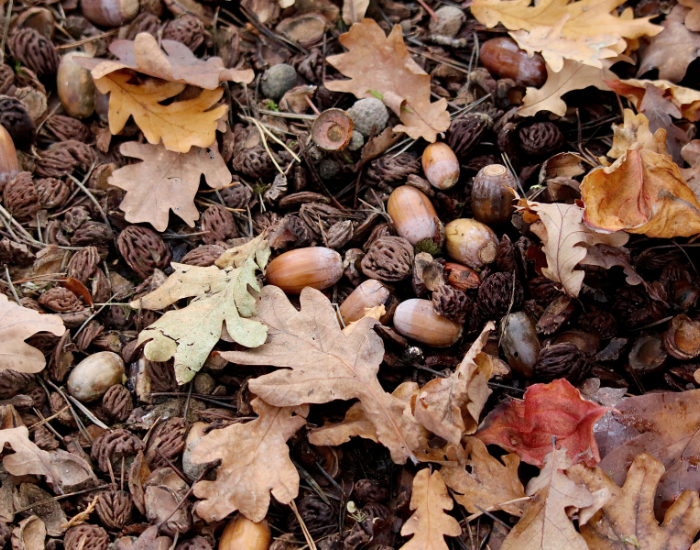
5. Wood Ducks Love Acorns More Than Any Other Food
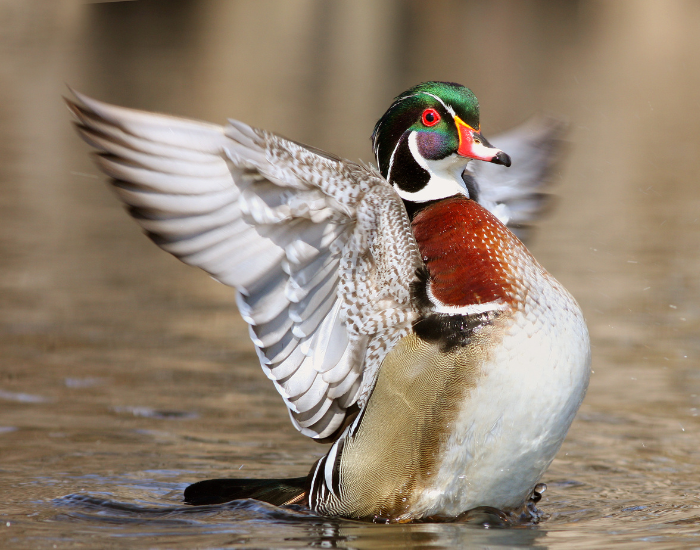
While they eat aquatic plants and aquatic invertebrates, wood ducks are famous among biologists for loving acorns. They actually leave water and forage on the forest floor for mast (fallen nuts).
Their strong gizzards can grind hard-shelled nuts that would choke smaller birds. One wood duck’s esophagus reportedly held 30 acorns! This expandable esophagus allows them to gather large amounts of food quickly before retreating to safety.
6. Wood Ducks Have an Incredibly Wide Range Across North America
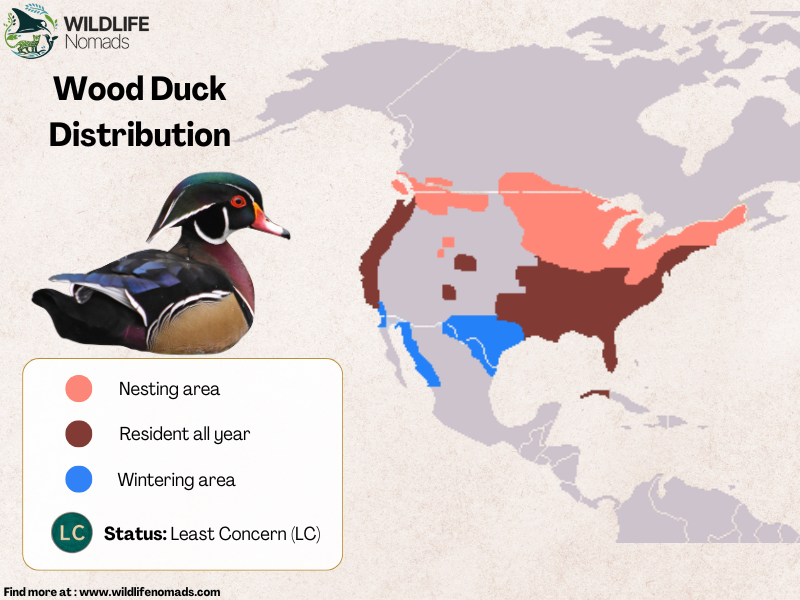
Wood ducks inhabit most of the United States and extend into southern Canada. Their breeding range covers:
- Atlantic Coast regions from New England to Florida
- Gulf Coast areas across Louisiana and Texas
- Southern United States including wooded swamps of Mississippi and Alabama
- West Coast from northern California to British Columbia
- Great Lakes region throughout Wisconsin, Michigan, and Minnesota
In winter, northern populations migrate to southern latitudes. The Atlantic Coast hosts approximately 900,000 breeding wood ducks annually.
7. They’re the Only North American Ducks That Produce Two Broods
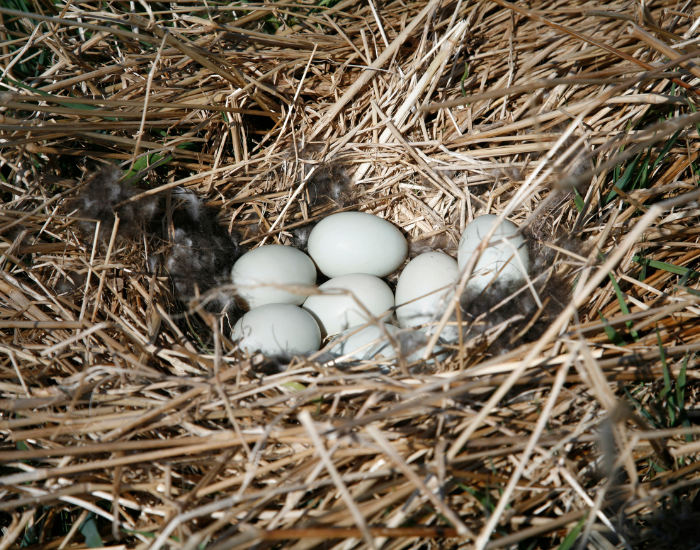
In southern regions, wood ducks often produce two broods per breeding season. This makes them unique among North American duck species. Females typically lay 10 to 16 eggs per clutch.
However, dump nests, where multiple females lay eggs together, can contain over 30 eggs. This high reproductive potential helped wood duck populations recover quickly once conservation measures took effect.
8. Wood Ducks Nearly Went Extinct in the Early 1900s
By the late 1800s, wood duck populations faced catastrophic decline. Market hunting for the millinery trade decimated their numbers. Fashionable hats adorned with wood duck feathers drove relentless hunting pressure.
Simultaneously, habitat loss accelerated. Clear-cutting of bottomland hardwood forests eliminated nesting sites. Ancient trees with natural cavities disappeared across their range. Many experts predicted wood ducks would go extinct completely.
9. The Migratory Bird Treaty Act of 1918 Saved Them
The Migratory Bird Treaty Act of 1918 changed everything. This landmark legislation prohibited unregulated hunting of migratory birds. Wood duck hunting stopped completely, giving populations time to recover.
The hunting ban lasted until 1940, when numbers had rebounded sufficiently. Even then, regulations remained conservative. This represents one of North America’s first major wildlife conservation successes.
10. Nest Boxes Revolutionized Wood Duck Conservation
Conservation organizations launched artificial nest box programs starting in the 1930s. Conservation groups popularized man made nesting boxes. These boxes provided crucial habitat as natural cavities remained scarce.
Today, thousands of nest boxes across North America support thriving populations. This represents one of wildlife management’s most successful interventions. Private landowners installing nest boxes near ponds contribute significantly to ongoing conservation efforts.
11. You Can Identify Wood Ducks by Their Unique Flight Silhouette
Wood ducks carry their large crested head high above the body line with a long, rectangular tail. Watch for the white trailing edge on inner wing feathers. They maneuver expertly through forest canopies with quick wingbeats.

12. Wood Ducks Are “Dabbling Ducks,” Not Divers
Wood ducks feed at the surface, tipping their rear ends up to reach underwater vegetation. They rarely venture into water deeper than 18 inches. This explains why they favor shallow lakes, freshwater marshes, and beaver ponds.
13. Beaver Ponds Became Critical Habitat for Wood Ducks
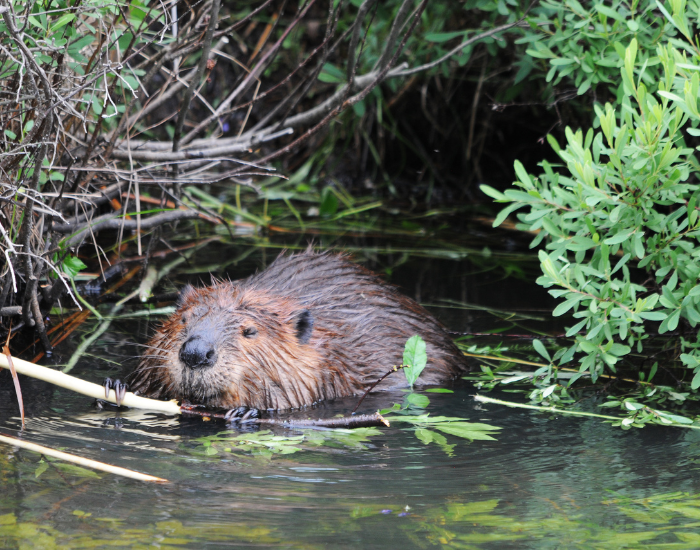
As beaver numbers recovered throughout the 1900s, they created thousands of new wetlands. These beaver ponds provide shallow water perfect for dabbling ducks. The combination of standing water and nearby trees creates ideal conditions.
Wood ducks especially favor flooded timber where they can feed while remaining hidden from predators. This relationship between beavers and wood ducks benefits both species significantly.
14. They Nest Exclusively in Tree Cavities
Unlike most North American ducks, wood ducks nest only in tree cavities. Natural nesting cavities form in dead trees or mature hardwoods. However, these natural sites take decades to develop.
A proper wood duck box measures 24 inches tall, 12 inches wide, and 12 inches deep. The entrance hole should be exactly 4 inches in diameter. Wood shavings inside provide nesting material for females to cover their eggs.
15. Their Diet Is 80% Plant Material
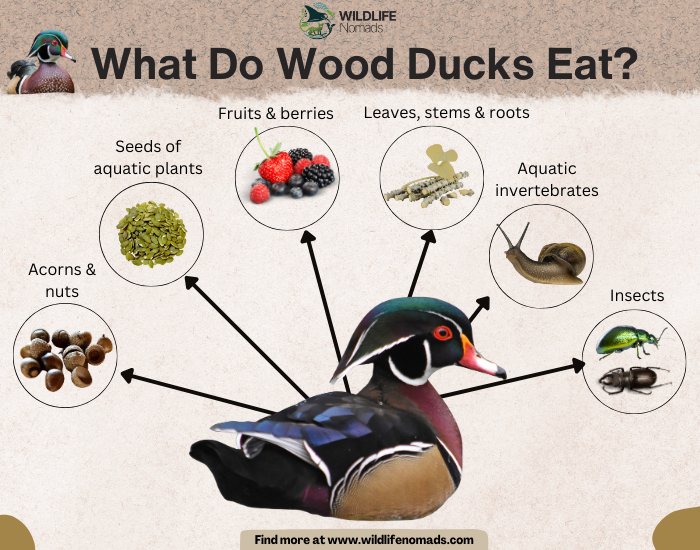
Aquatic plants form approximately 80 percent of the wood duck diet. They consume seeds from various water plants, waste grain from agricultural fields, and berries from shrubs near water.
The remaining 20 percent consists of aquatic invertebrates including insects, snails, and small crustaceans. This protein becomes especially important during breeding season when females need extra nutrition for egg production.
16. Wood Ducks Start Courtship Each Fall
Wood ducks begin courtship displays each fall, months before actual breeding. Males perform elaborate rituals to attract females. Courtship continues through winter, with pair bonds strengthening over time.
Breeding season typically starts around April. Incubation lasts 25 to 35 days, with females alone handling this duty. Males often leave after eggs are laid, though some remain nearby initially.
17. Wooded Swamps Provide Their Perfect Habitat
Wood ducks prefer freshwater wetlands surrounded by trees. Wooded swamps with standing timber provide perfect cover and feeding areas. These forested wetlands offer both nesting sites and abundant food sources.
River bottomlands along slow-moving streams also provide excellent habitat. Overhanging tree branches offer shade and protection from predators. The intersection of water and wood defines ideal wood duck territory.
FAQs About Wood Ducks
Not anymore! Populations have recovered dramatically. However, they remain shyer than mallards. Look near shadows of overhanging trees rather than open water.
Breeding season (April-June) showcases males in full plumage. Wood ducks can be observed year-round in southern regions.
Install a nest box near a pond or wetland. Add a predator guard and maintain shallow water with aquatic plants.
Most wood ducks migrate, with northern populations moving south for winter along the Atlantic Coast and Gulf Coast.
Females produce a sharp “cr-r-ek” alarm call. Males make a thin, rising “jeeeeee” whistle.
Final Thoughts on Seeing Wood Ducks
Seeing wood ducks in Vancouver’s Stanley Park reminded me why I became a biologist. These birds adapted perfectly to the intersection of water and wood. Their tree-nesting behavior, stunning plumage, and remarkable recovery story make them truly special.
The wood duck’s conservation success demonstrates that dedicated efforts, sound science, and public support can reverse even catastrophic population declines. Every wood duck you see today represents this triumph.
Next time you visit a wooded pond or beaver marsh, watch the tree line carefully. You might spot a hand-painted miracle perched on a branch, a living testament to conservation’s power.