Animal Size Comparison
Fifteen animals drawn at one true scale, from half a millimetre to thirty metres.
Drag, and watch a person shrink to a speck.
This animal size comparison draws fifteen species at one true scale. The tardigrade at the bottom is half a millimetre long. The blue whale at the top is thirty metres. That is a sixty-thousand-fold range, and no illustration you have ever seen has shown it honestly, because on a page where the whale is visible the tardigrade is thinner than the ink.
Drag the slider and the camera zooms rather than the animals resizing. Everything on screen shares one scale the whole way up, so the comparison holds at every step. A person stands beside whichever animal you are looking at, at the same scale, which is the only way the far ends of the range mean anything.
- SmallestTardigrade, 0.5 mm
- LargestBlue whale, 30 m
- Range60,000×
- ReferenceA 1.70 m person
Why size shapes almost everything else
 60,000×
Smallest to largest
0.5 mm up to 30 m
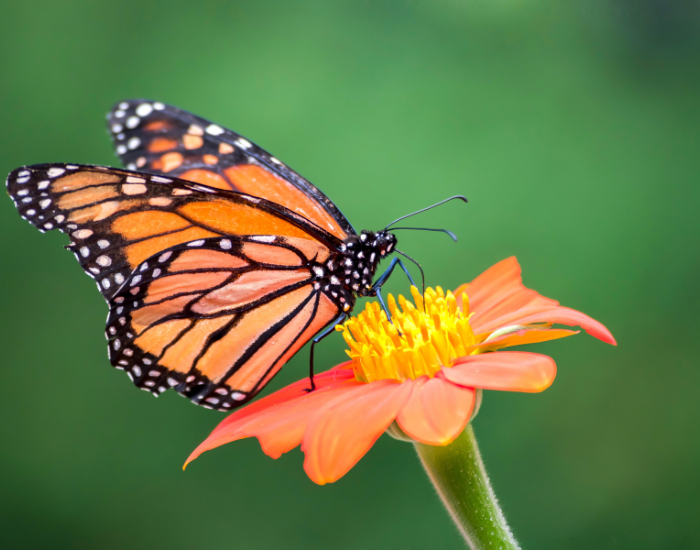
Monarch butterfly, 9.5 cm
60,000×
Smallest to largest
0.5 mm up to 30 m
Monarch butterfly, 9.5 cm
 8×
Volume per doubling
surface area only 4×
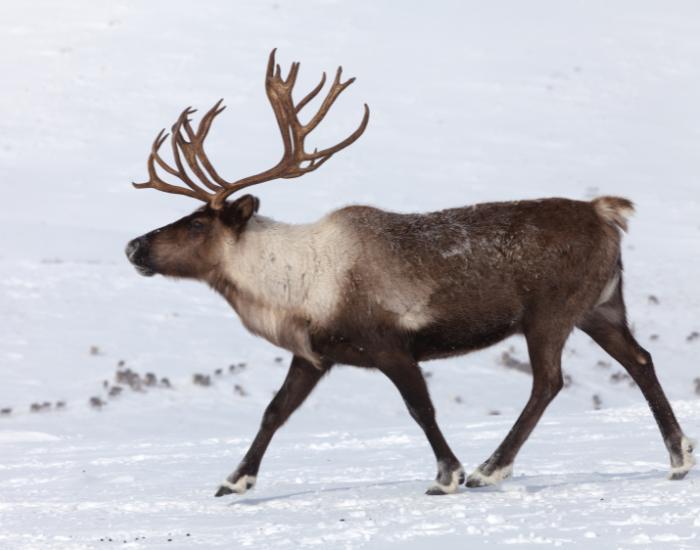
Reindeer, built for the cold
8×
Volume per doubling
surface area only 4×
Reindeer, built for the cold
 800 km
Walked every year
1.3 million of them
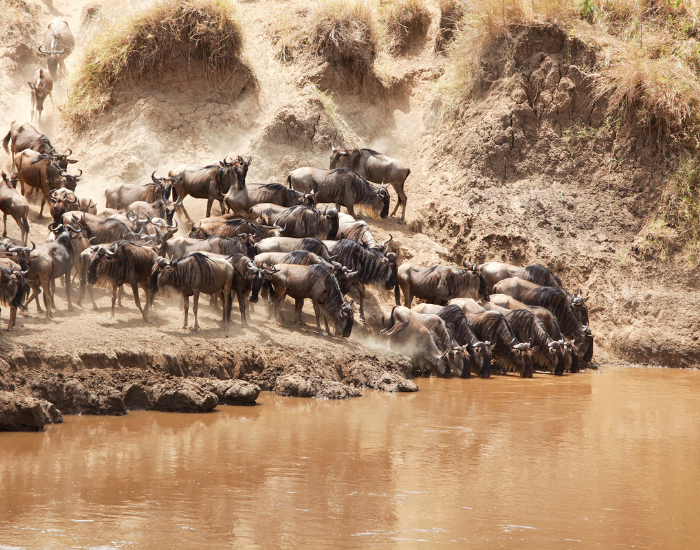
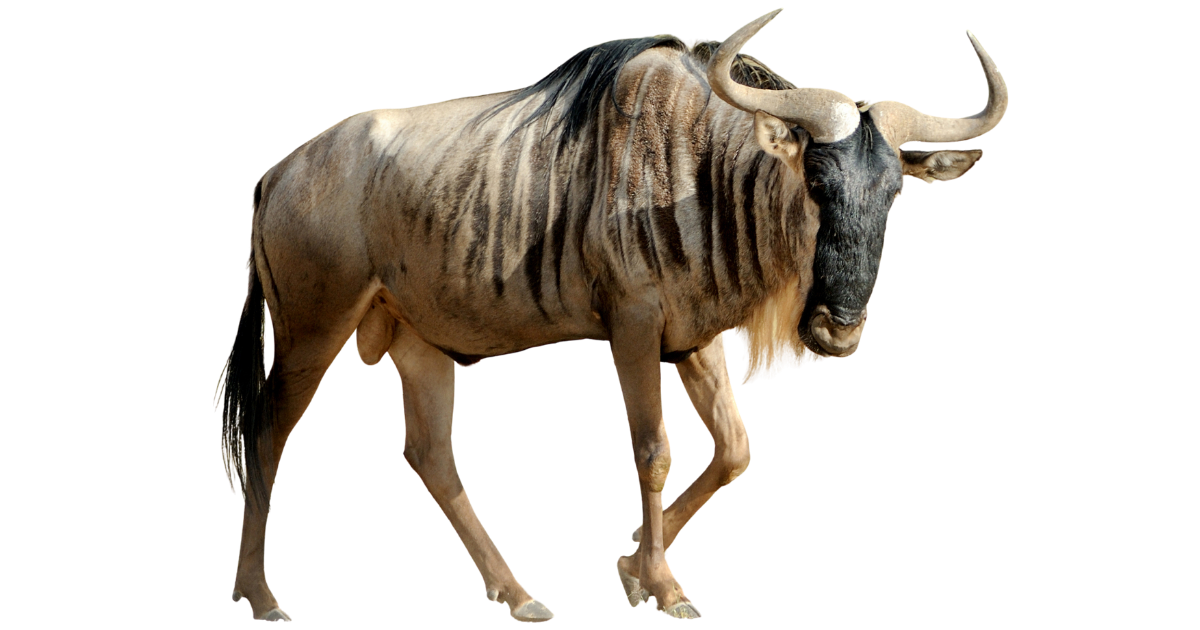
Blue wildebeest, 2.4 m
800 km
Walked every year
1.3 million of them
Blue wildebeest, 2.4 m
Size is not a detail an animal happens to have. It decides how it eats, where it lives, how it holds its heat and how long it lives. The reason is geometry: when a body doubles in length its surface area goes up fourfold, but its volume goes up eightfold. Heat is made by volume and lost through surface, so small animals shed warmth fast and large ones struggle to get rid of it.
That single ratio explains the two ends of this comparison. The tardigrade is almost all surface and effectively has no heat to manage at all. A shrew, at the small end of the mammals, has to eat through most of its waking hours simply to stay warm. Meanwhile an African elephant has the opposite problem, and solves it with ears that work as radiators. Max Kleiber measured this relationship in 1932 and found that metabolic rate scales to roughly the three-quarter power of body mass, which still holds across animals separated by ten orders of magnitude.
Why cold country grows bigger animals
Bergmann’s rule says that within a related group, the populations living in colder places tend to be larger, because a bigger body holds heat better. You can see it in bears, in deer and in people. The rule is genuinely useful, though it is weaker than it is usually presented: Meiri and Dayan tested it across hundreds of species and found it holds well in birds and reasonably in mammals, but with plenty of exceptions that matter.
Why big animals need big country
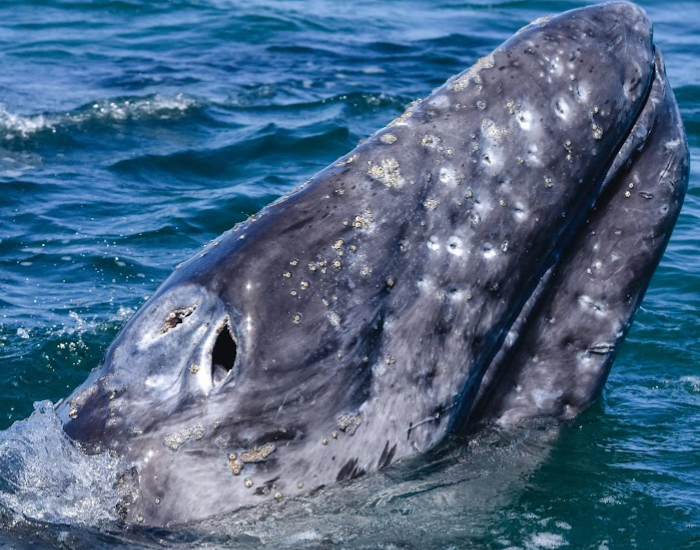
Body size also sets how much land an animal needs. Larger animals eat more, so they range further, and a large predator or herbivore needs a territory orders of magnitude bigger than a small one. That is why size and conservation are the same conversation. The blue wildebeest walks an 800 km loop each year because nothing smaller than a continent-sized grassland will feed 1.3 million of them, and the gray whale crosses an ocean for the same reason. Elephants carry seeds and nutrients across whole landscapes as they go, which is why losing the largest animals changes a habitat far beyond the gap they leave. You can watch several of those journeys on the migration maps.
An animal’s size is the first thing that decides what its life is like. Everything else — what it eats, how far it walks, how long it lives — follows from it.
The fifteen animals, smallest to largest
Every figure here is a typical adult rather than a record holder, with one deliberate exception noted below. Each animal has a full guide if you want the rest of the story.
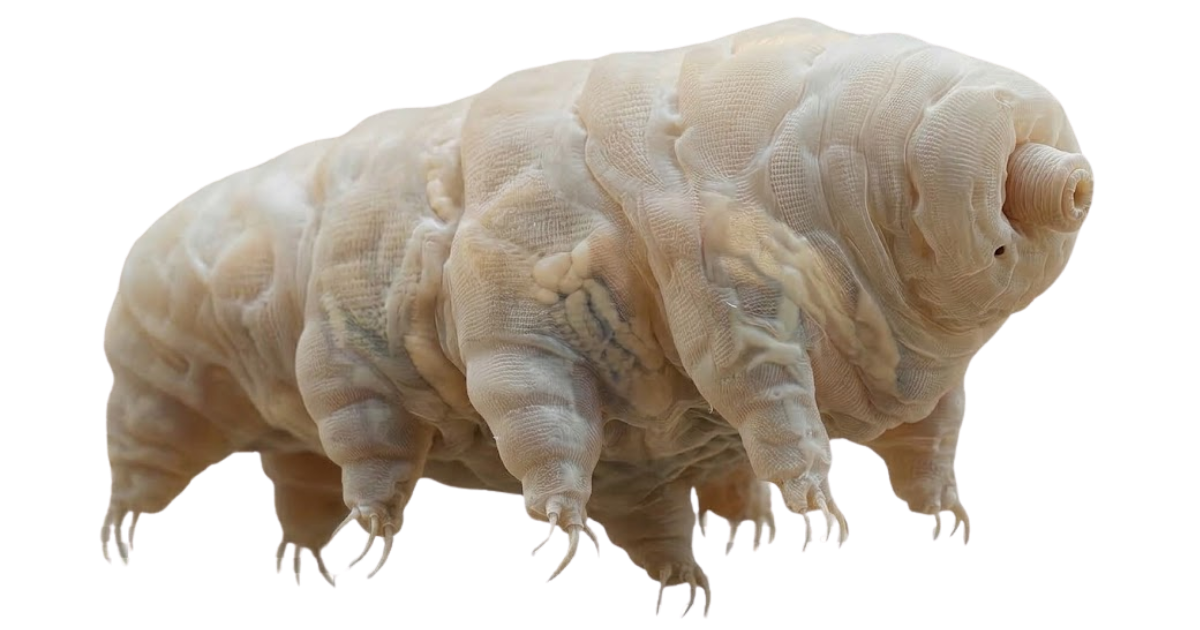 1
Tardigrade
0.5 mm
1
Tardigrade
0.5 mm
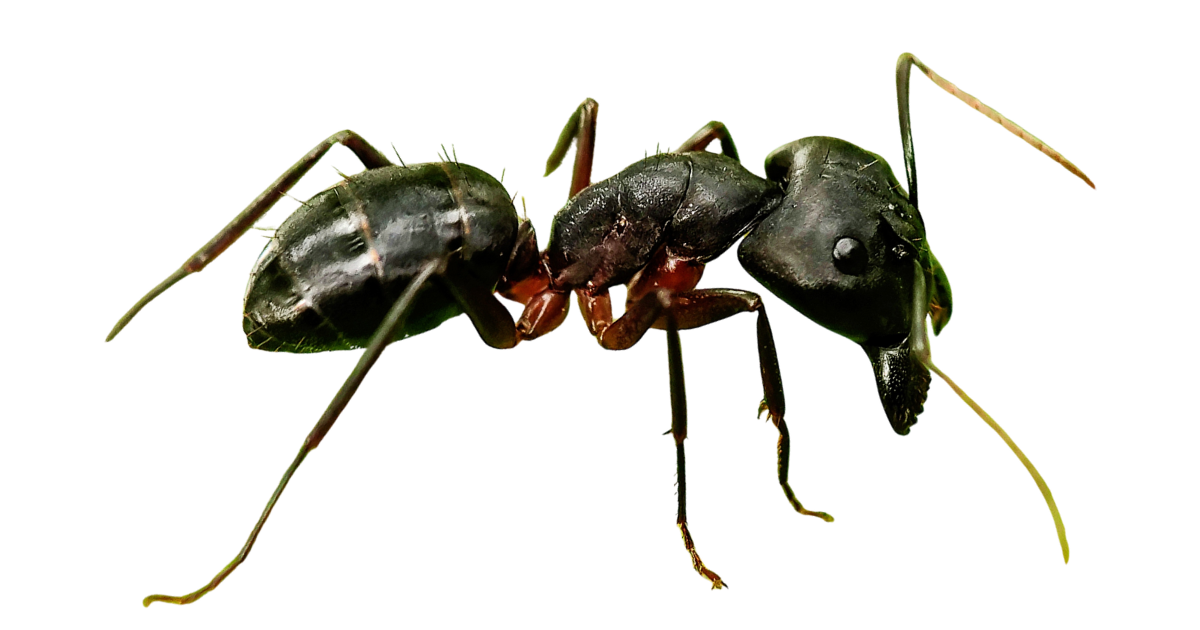 2
Black ant
4 mm
2
Black ant
4 mm
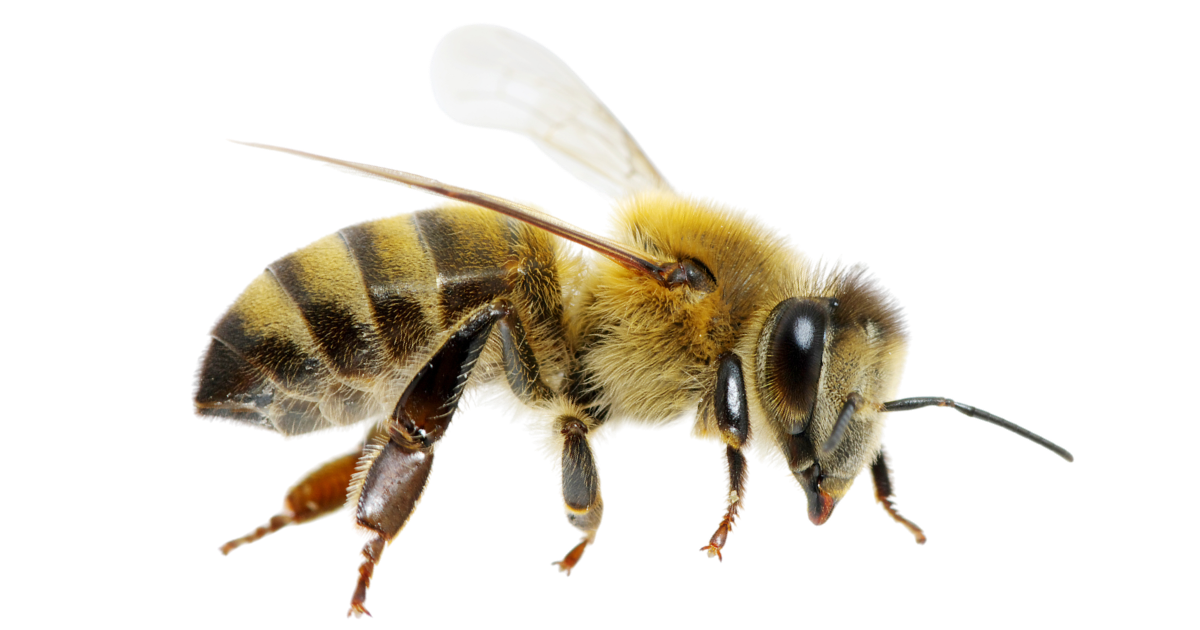 3
Honey bee
13 mm
3
Honey bee
13 mm
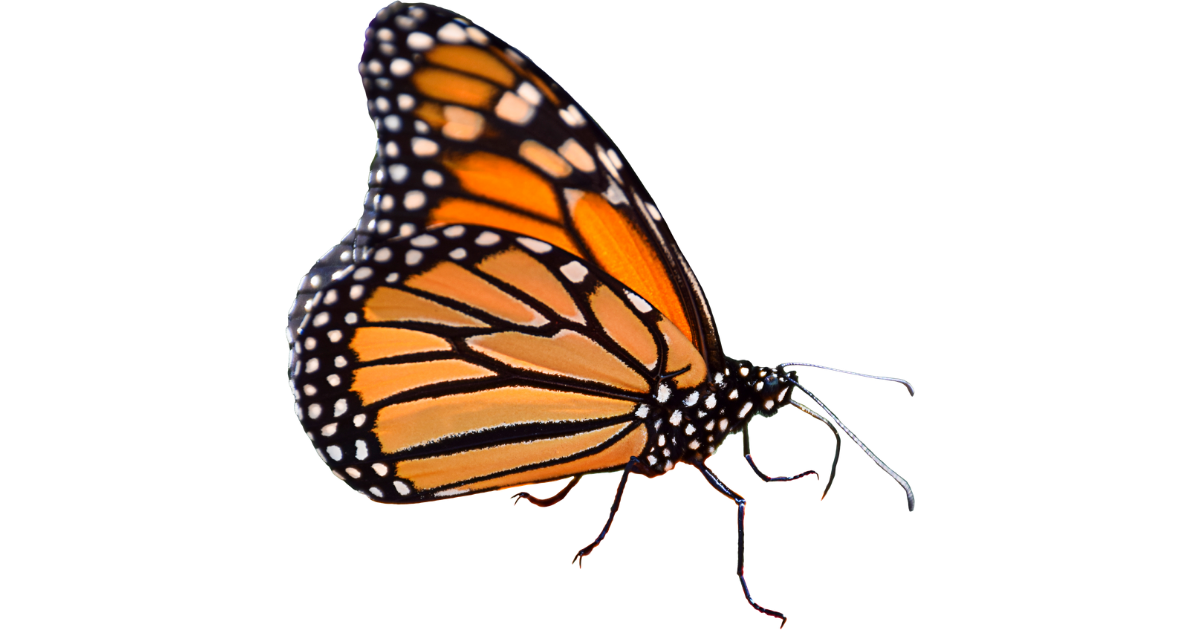 4
Monarch butterfly
9.5 cm wingspan
4
Monarch butterfly
9.5 cm wingspan
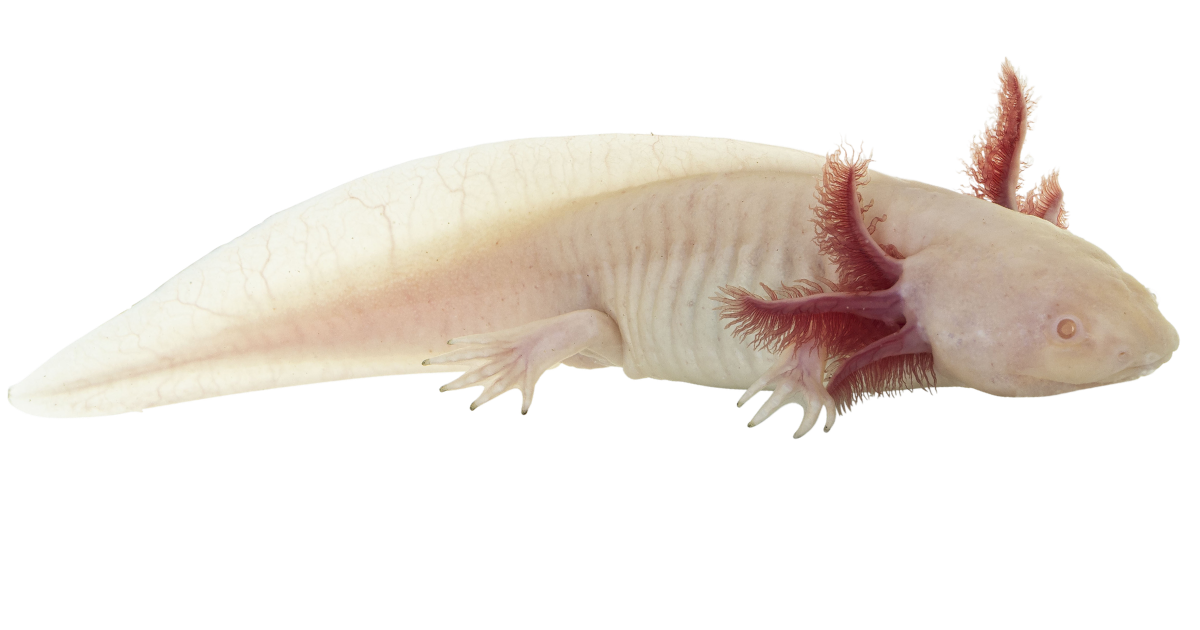 5
Axolotl
25 cm
5
Axolotl
25 cm
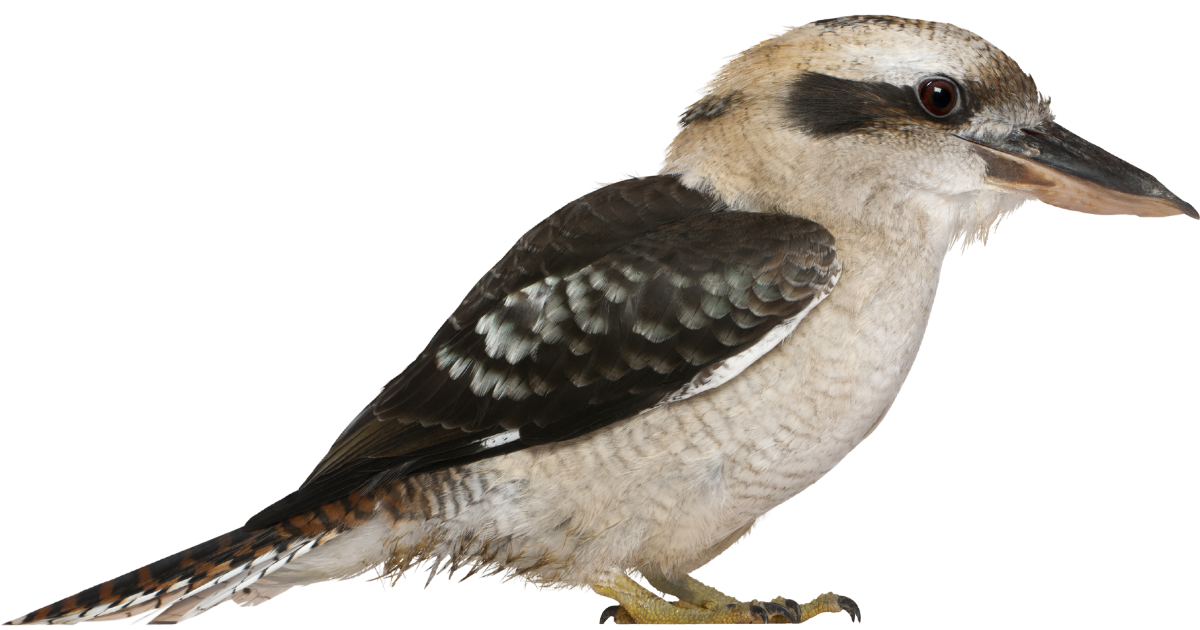 6
Laughing kookaburra
42 cm
6
Laughing kookaburra
42 cm
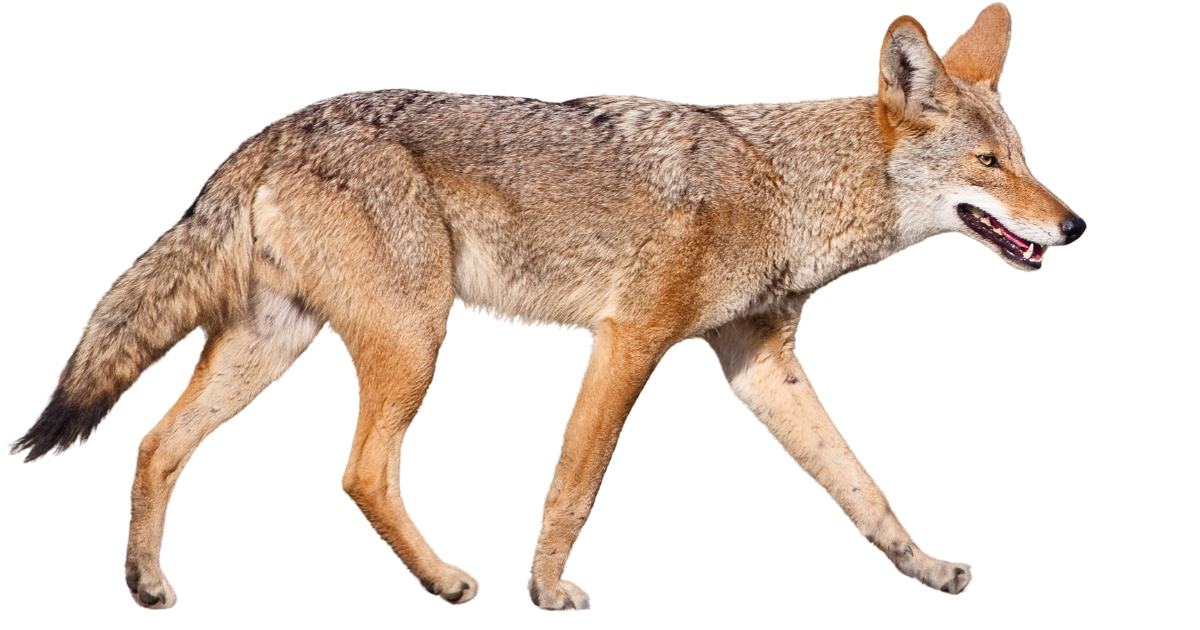 7
Coyote
1.2 m
7
Coyote
1.2 m
 8
Human
1.70 m
8
Human
1.70 m
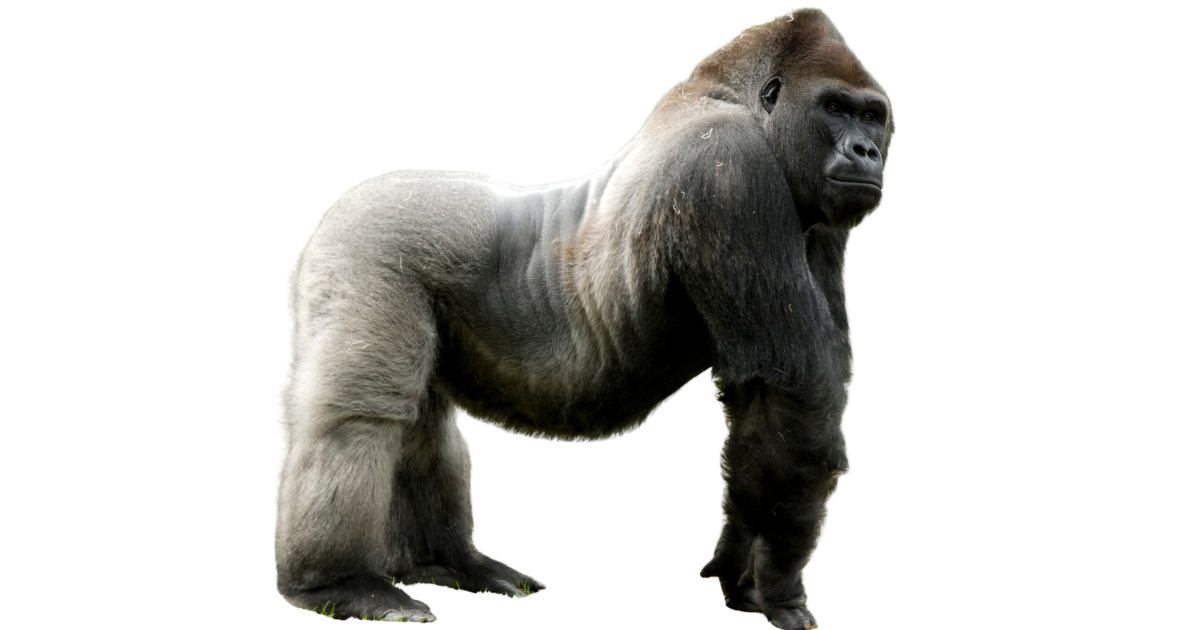 9
Gorilla
1.75 m standing
9
Gorilla
1.75 m standing
 10
Blue wildebeest
2.4 m
10
Blue wildebeest
2.4 m
 11
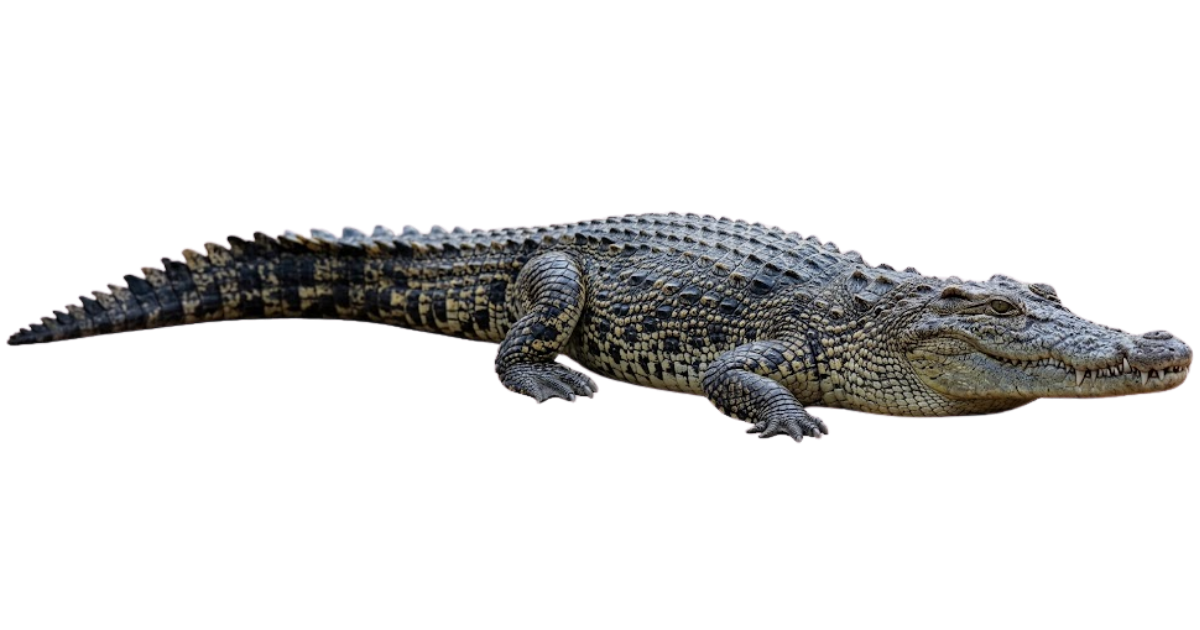
Saltwater crocodile
5 m
11
Saltwater crocodile
5 m
 12
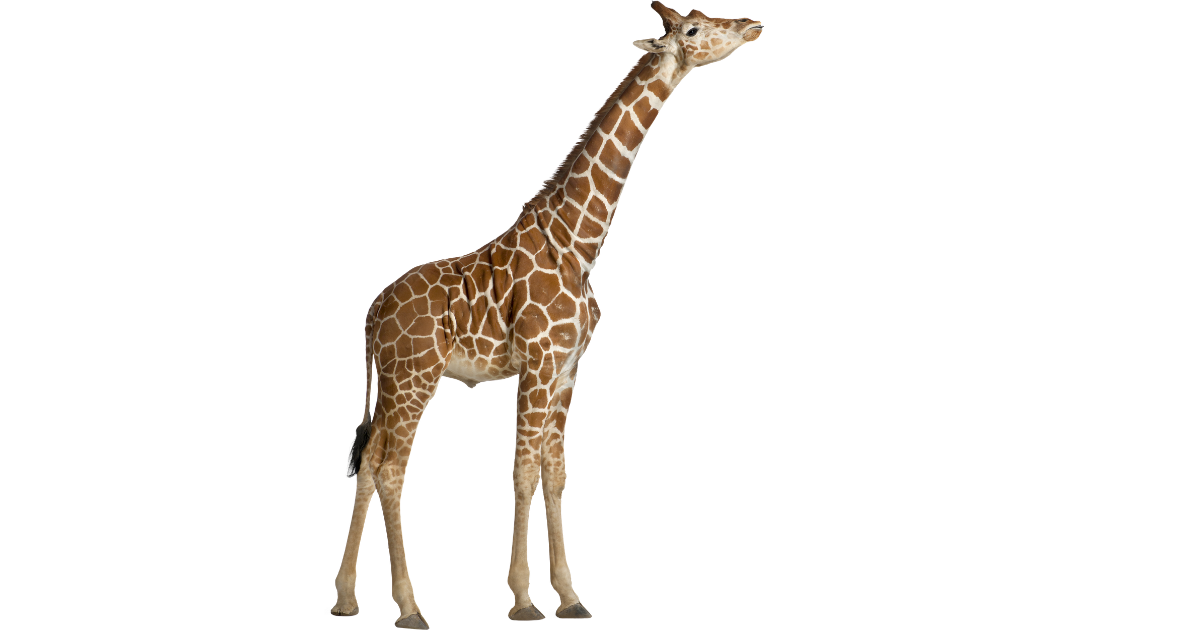
Giraffe
5.5 m standing
12
Giraffe
5.5 m standing
 13
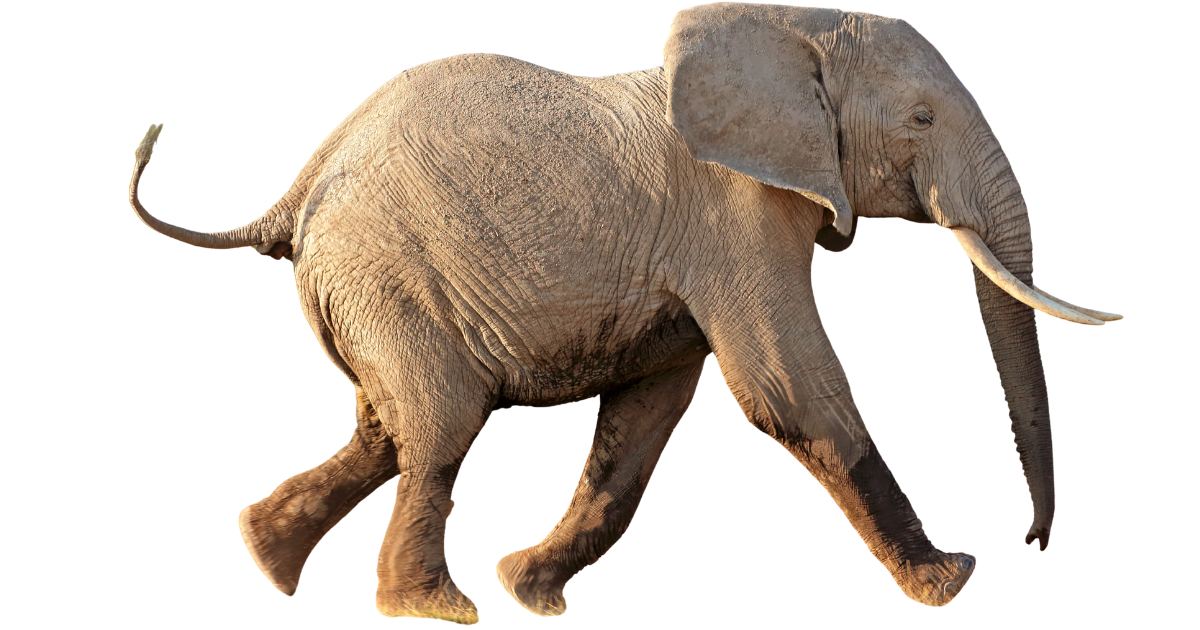
African elephant
6.5 m
13
African elephant
6.5 m
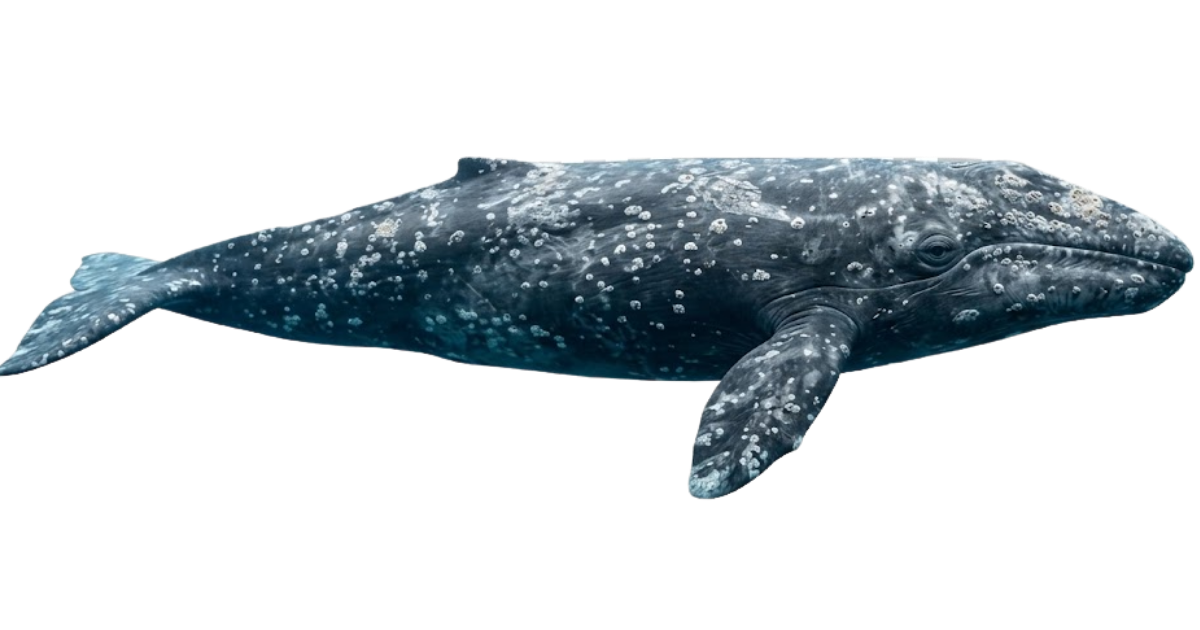 14
Gray whale
14 m
14
Gray whale
14 m
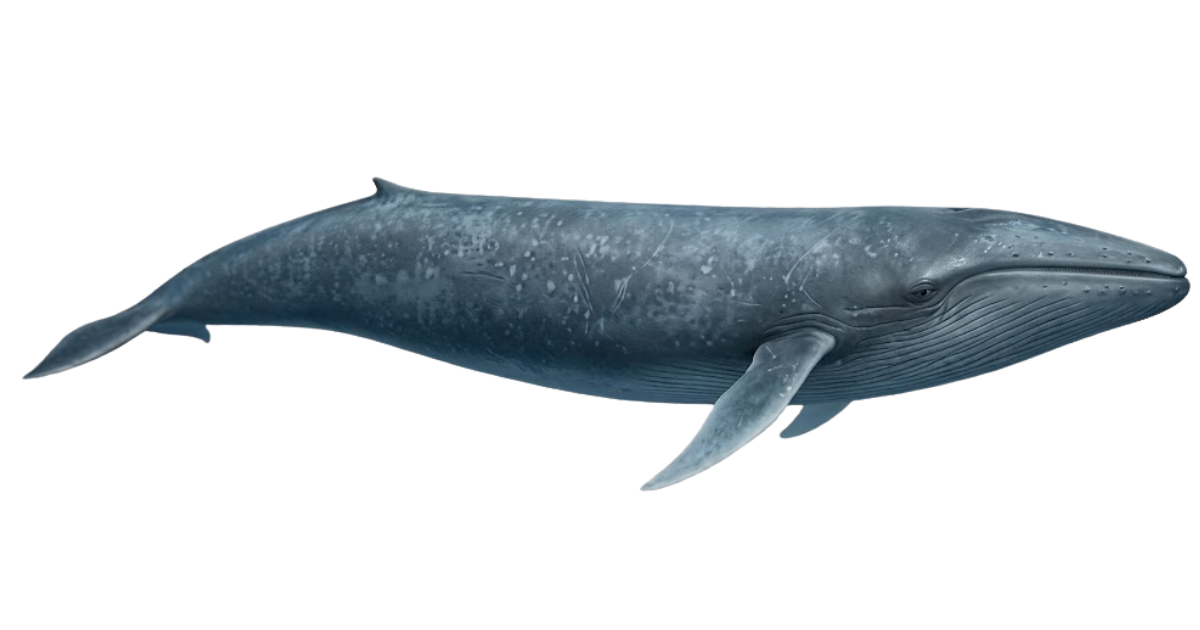 15
Blue whale
30 m
15
Blue whale
30 m
Lengths are nose to tail tip, and the monarch is wingtip to wingtip. Animals taller than they are long — the human, the gorilla and the giraffe — are measured standing. The blue whale is the exception to the typical-adult rule: thirty metres sits at the top of its range rather than at the average of twenty-four to twenty-seven, because the ceiling is the point of the page.
References
- Kleiber, M. (1932). Body size and metabolism. Hilgardia, 6(11), 315–353.
- Meiri, S., & Dayan, T. (2003). On the validity of Bergmann’s rule. Journal of Biogeography, 30(3), 331–351. https://doi.org/10.1046/j.1365-2699.2003.00837.x