I remember the first time I felt truly small. It wasn’t while staring at the ocean or looking up at a skyscraper. It was during my early days working at the zoo, walking past the giraffe enclosure daily.
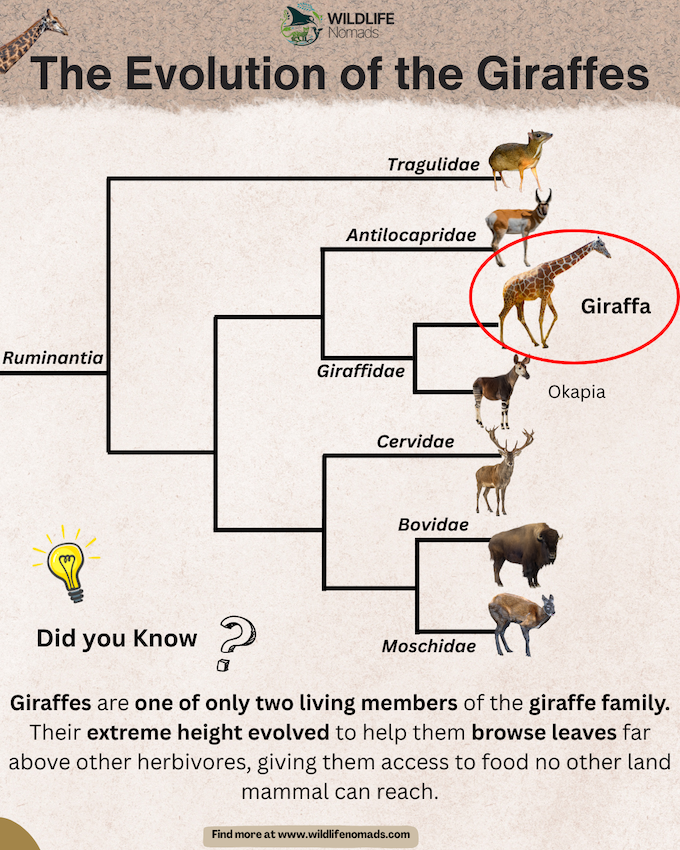
These creatures are living, breathing dinosaurs. They move with strange, liquid grace that shouldn’t be possible for something so top-heavy. I’d watch them reach for branches with impossibly long necks and think, “How does evolution even come up with this?” Want to see how their towering height compares to other savanna giants? Put them side by side using our interactive Animal Size Comparison Tool.
Giraffes represent nature’s most beautiful architectural oddity. They share their habitat with equally fascinating creatures like the scavengers such as spotted hyenas or all the African wild cats. Together, these animals create the complex ecosystem of sub-Saharan Africa. In this deep-dive, we’ll explore the biological powerhouse that is the giraffe, from prehistoric origins to the silent extinction they currently face.
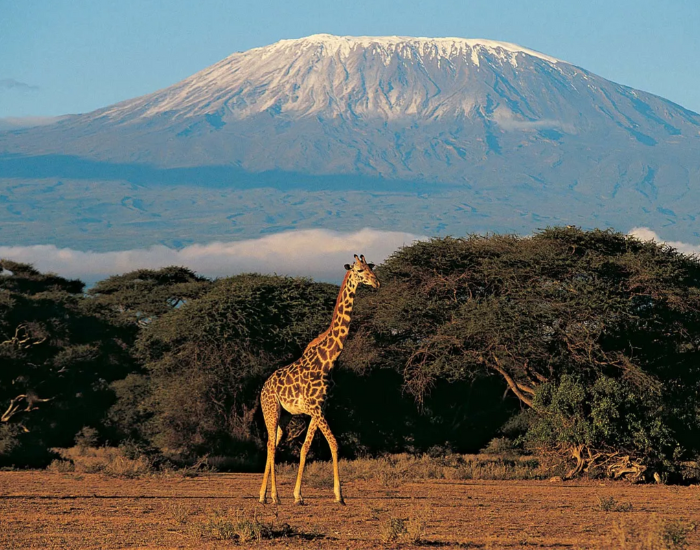
1. Defining the World’s Tallest: More Than One Giraffe Species?
For decades, scientists treated all giraffes as a single species. However, recent genetic studies have dramatically changed our understanding. Researchers now recognize four distinct giraffe species, not just subspecies.
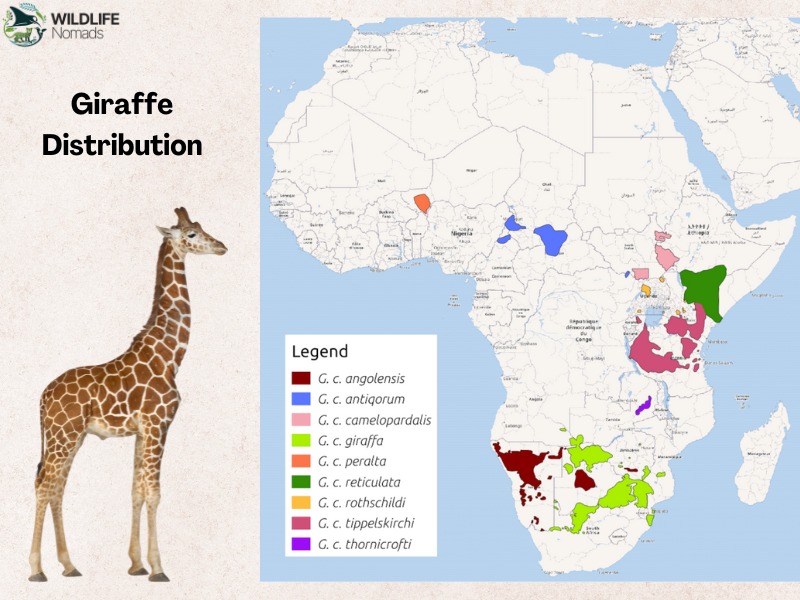
The current taxonomy divides giraffes into these species: Northern Giraffe (Giraffa camelopardalis) includes the Nubian giraffe, Kordofan giraffe, and critically endangered West African giraffe. The scientific name ‘camelopardalis’ comes from the giraffe’s historical nickname ‘camel-leopard’, referencing its camel-like shape and leopard-like spots. Reticulated Giraffe (Giraffa reticulata) features liver-colored spots separated by bright white lines. Masai Giraffe (Giraffa tippelskirchi) displays spots resembling jagged oak leaves. Southern Giraffe (Giraffa giraffa) encompasses South African and Angolan giraffe subspecies.
Also, scientists recognize Thornicroft’s giraffe as a distinct subspecies found only in Zambia’s Luangwa Valley. Rothschild’s giraffe represents another rare subspecies. When you observe different giraffe subspecies, the differences are strikingly visual.

2. Evolutionary Engineering: The Physics of Being Tall
The Long Neck Mystery
The most common question about giraffes is: Why the long neck? The standard answer suggests long necks evolved to help giraffes browse vegetation that other herbivores cannot reach. This explanation holds merit, giraffes access food sources where competition is minimal.
However, many field biologists also consider sexual selection. Male giraffes use their necks as weapons in a behavior called “necking,” swinging their heads like sledgehammers to establish dominance. Adult males can measure up to 18 feet tall, making them formidable competitors. An adult male typically weighs around 3,000 pounds, while females average 1,800 pounds.
The Cardiovascular Marvel
Having such a long neck creates an enormous problem: gravity. How do you pump blood to a brain hovering two stories high? The giraffe’s heart is a biological masterpiece, weighing up to 11 kg (about 25 pounds) and measuring about two feet long. This massive organ creates blood pressure twice that of a human to ensure blood reaches the brain despite the giraffe’s extraordinary height.
Without this incredible pressure, blood would never reach the brain. However, when giraffes lower their heads to drink, that high-pressure blood should theoretically cause a stroke.
Instead, giraffes have evolved a sophisticated network of one-way valves and specialized blood vessels called the rete mirabile (wonderful net). This system cushions the brain from dangerous pressure changes. Therefore, adult giraffes function normally whether feeding from acacia trees overhead or drinking water at ground level.
3. Social Life: Towers, Bachelors, and Complex Dynamics
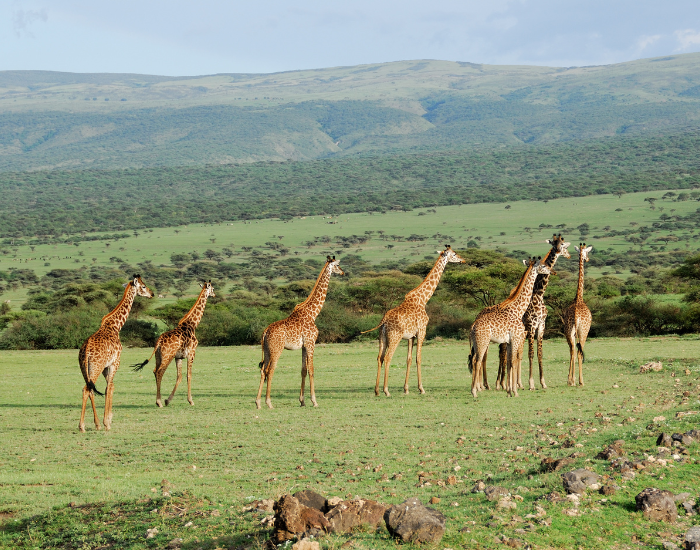
Are giraffes social animals? Absolutely, though they’re not as cuddly as you might imagine. We call a group of giraffes a “tower”, a fitting name for such tall creatures. Giraffes are social animals that typically live in loose herds, which can vary in size from 10 to 20 individuals, but can be as large as 70. They live in what biologists call a “fission-fusion” social structure, meaning the tower’s size and members change constantly. Giraffes also exhibit complex social behaviors, living in dynamic groups called ‘towers’ and forming ‘crèches’ for young calves.
Bachelor Herds and Male Behavior
Male calves leave their herd around 15 months of age to join bachelor herds, playing a key role in giraffe social dynamics and marking an important growth stage.
Young males often form all-male groups, essentially fraternity houses of the African savannah. These bachelor herds allow young giraffes to develop social and physical skills they’ll need as adults. Male giraffes engage in regular sparring matches, necking bouts that look violent but rarely cause serious injury. Interestingly, male giraffes sometimes form same-sex bonds that last for years.
4. Diet: Masters of the Acacia
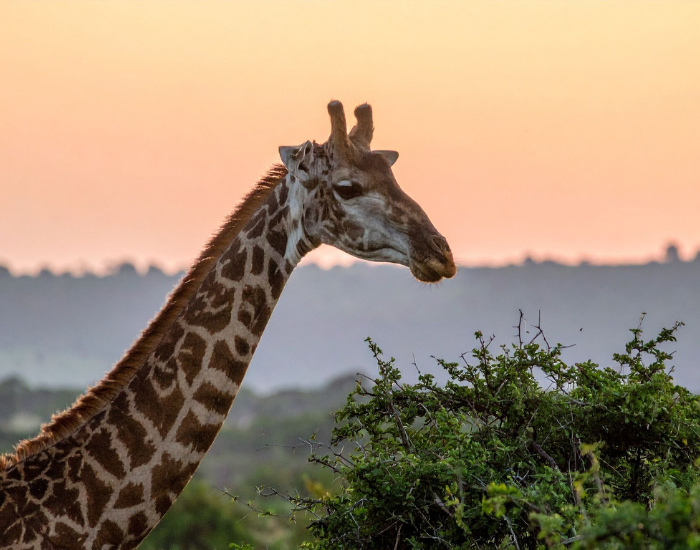
If you want to find giraffes in the wild, look for acacia trees. These thorny trees dominate the African savannah, and giraffes are specialists at exploiting them. Giraffes prefer areas dominated by Acacia trees, which are important sources of calcium and protein. What does a giraffe eat? A giraffe eats leaves, twigs, shrubs, grass, fruit, and even bones, but their diet mainly consists of browsing on the foliage and twigs of tall trees, especially those in the subfamily Acacieae and the genera Commiphora and Terminalia. An adult male can consume up to 75 pounds of foliage daily.
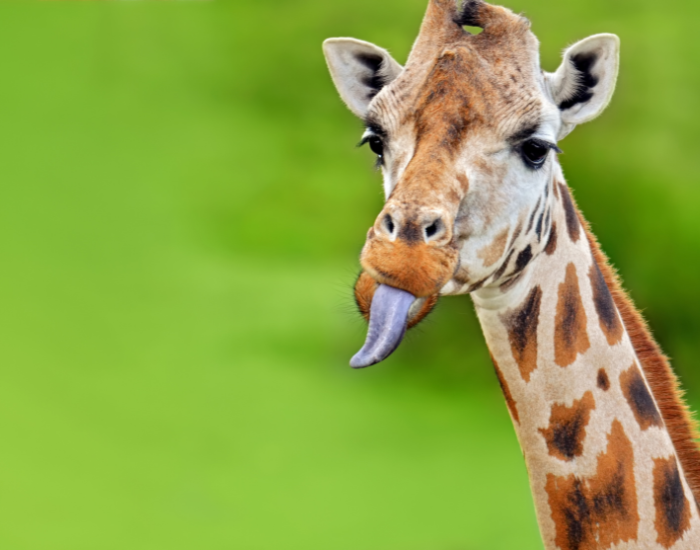
Giraffes browse selectively, preferring the most nutritious leaves, shoots, and flowers from tall trees. Their long necks allow them to reach the highest foliage that other herbivores cannot access. They use an 18-inch prehensile tongue that’s dark blue-purple in color. That dark pigmentation acts as natural sunscreen, essential when your tongue is constantly exposed to African sun.

5. From Birth to Adulthood: Life in the Savannah
Gestation and Birth
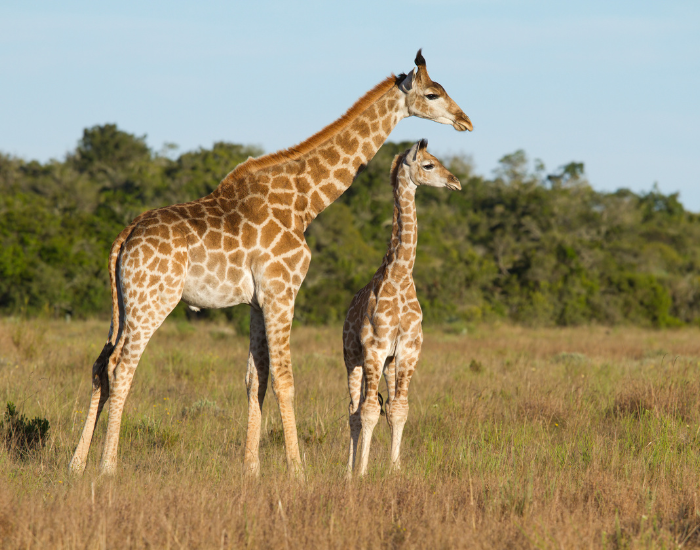
The life of a newborn giraffe starts with a dramatic entrance. A mother giraffe gives birth standing up, meaning giraffe calves drop roughly six feet to the ground. The gestation period for giraffes lasts an exhausting 14 to 15 months.
When calves are born, they must stand within the first hour or risk becoming prey. This birth standing position seems harsh, but the fall actually helps stimulate breathing and it breaks the umbilical cord. A newborn giraffe weighs about 150 pounds and stands approximately six feet tall, already taller than most adult humans.
Calf Development and Threats
Young giraffe calves develop physical and social skills remarkably quickly, reaching important growth milestones and developmental stages soon after birth. Within days, calves can run alongside their mothers. Female giraffes are attentive parents, fiercely protecting their offspring from predators like lions and leopards.
6. The Geography of Giraffes: Where Do They Live?
Giraffes inhabit diverse habitats across sub-Saharan Africa, from grasslands of South Sudan to woodlands of South Africa. They’re found in many African countries, including Kenya, Tanzania, Botswana, Namibia, and Zimbabwe. Historically, giraffes roamed across the entire African continent, but they have been extirpated from much of their historic range, including Eritrea, Guinea, Mauritania, and Senegal.
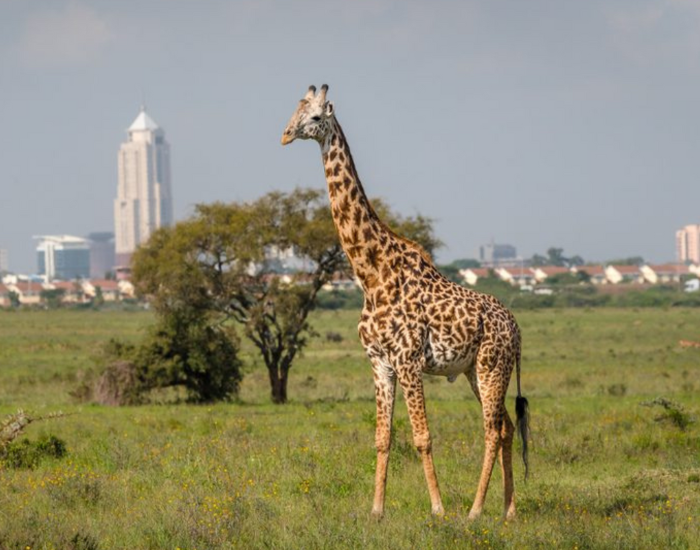
Today their range has dramatically contracted. The northern giraffe subspecies once ranged widely across West Africa but now survives in only a few isolated populations. Northern Kenya hosts significant populations of both reticulated and Masai giraffes, while southern Africa remains a stronghold for South African giraffes. Translocations are sometimes used to augment or re-establish diminished or extirpated giraffe populations, helping to restore their numbers in areas where they have disappeared.
The West African giraffe, with fewer than 600 individuals, clings to survival in Niger. These magnificent creatures prefer open woodlands and savannahs where acacia trees thrive. They require habitats with adequate water sources and room to roam during dry seasons.
7. They have Unique Coat Patterns
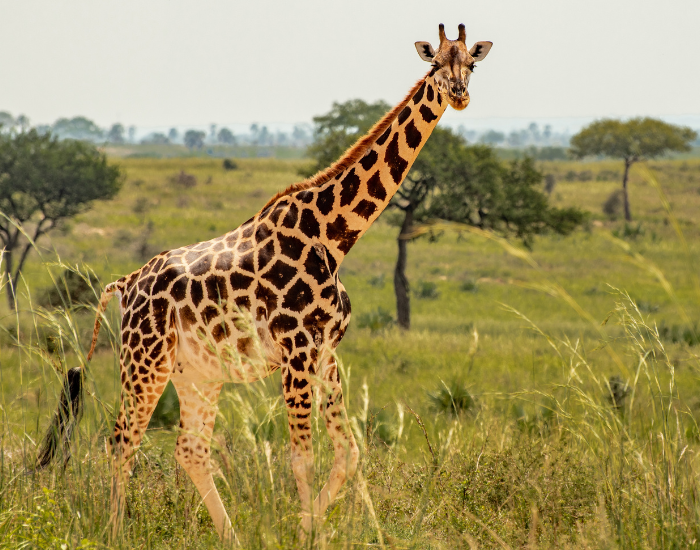
Every giraffe has a unique coat pattern, just like human fingerprints. Scientists use these patterns to identify individual giraffes in the wild. Giraffe coat colors vary by subspecies, ranging from deep brown patches of the reticulated giraffe to lighter, irregular spots of the Masai giraffe.
8. The Giraffe Skin Secret
Giraffe skin serves multiple functions beyond protection. The patches aren’t just decorative, they help regulate body temperature. Beneath each dark patch lies a complex system of blood vessels that helps giraffes manage heat in Africa’s scorching climate.
9. Minimal Sleep Requirements
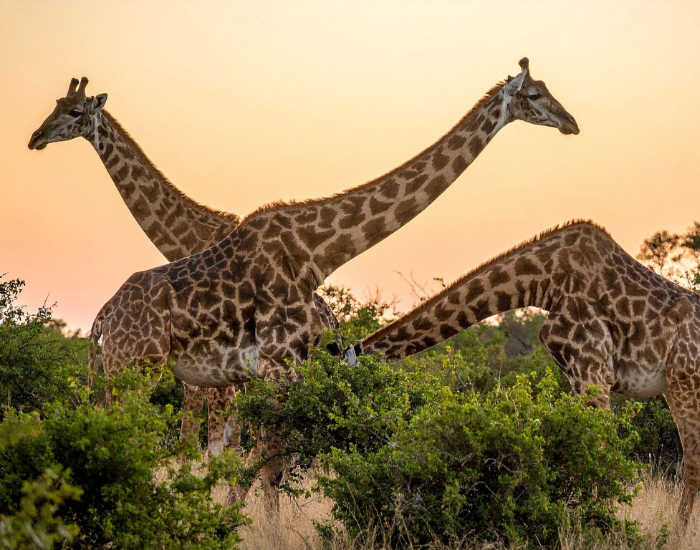
Giraffes sleep only about 30 minutes per day, usually in brief five-minute bursts. Adult giraffes rarely lie down, as doing so makes them vulnerable to predators. When they do rest, they often tuck their long neck back along their body.
10. The Same Seven Vertebrae
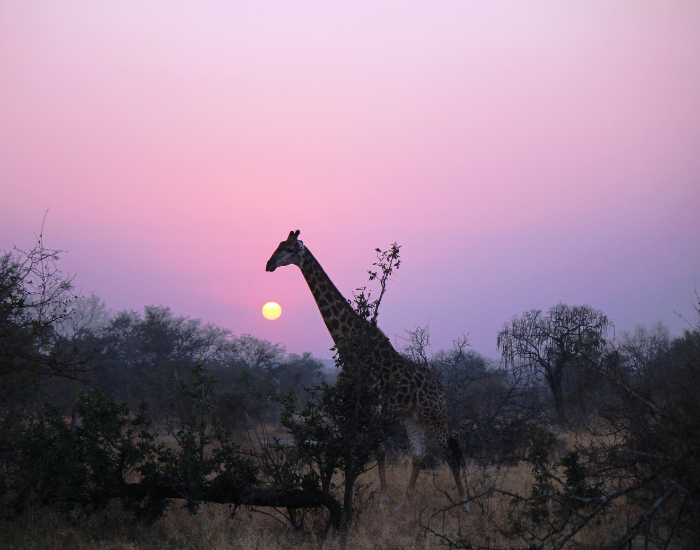
Despite their incredibly long necks, giraffes have the same number of neck vertebrae as humans: seven. Each vertebra is simply elongated, measuring up to 11 inches long. This shared skeletal structure highlights our common evolutionary heritage.
11. Male and Female Differences
Beyond size differences, male and female giraffes show distinct behavioral patterns. Male giraffes become increasingly solitary as they age. In contrast, female giraffes maintain stronger social connections throughout their lives.
12. Impressive Running Speed
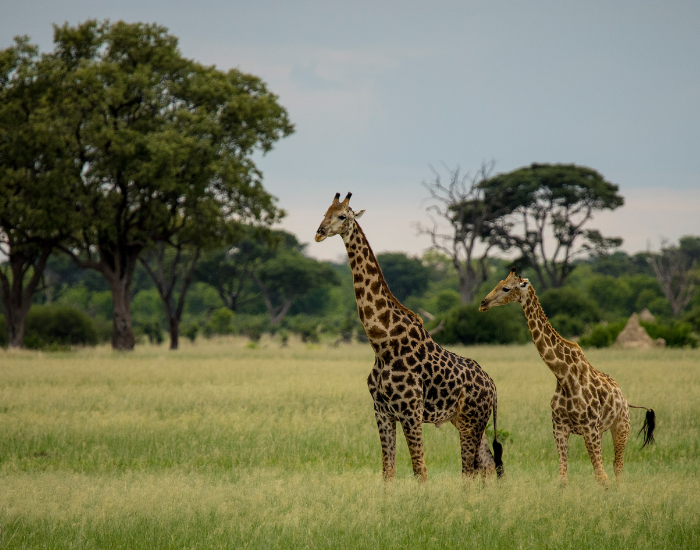
Despite their size, giraffes can run up to 35 miles per hour in short bursts, quote a fast animal if you think about their size. This surprising agility helps them escape predators across the African savannah. Their long legs cover up to 15 feet in a single stride.
13. The Purple Tongue
A giraffe’s tongue can extend 18 to 20 inches long. The dark purple-blue color protects it from sunburn during constant feeding. This prehensile tongue can wrap around branches and strip leaves with remarkable precision.
14. Powerful Kicks
An adult giraffe’s kick is powerful enough to kill a lion. Their long legs generate tremendous force. Giraffes also use their hind legs not only for defense but when resting, sometimes lying down and placing their head on a hind leg. Therefore, predators typically avoid healthy adult giraffes and target vulnerable calves instead.
Conservation Crisis: The Silent Extinction
As a biologist, this is the part that keeps me up at night. Giraffes are experiencing a “silent extinction.” While rainforest destruction receives significant attention, the fragmentation of Africa’s savannahs proceeds at an alarming rate.
Threats Facing Giraffes
Habitat loss remains the most serious threat to giraffe populations. Expanding agriculture, urbanization, and infrastructure development are destroying the landscapes giraffes need to survive. In addition, human populations are growing rapidly in many African countries, increasing pressure on wildlife habitats.
Poaching presents another grave danger. Although less publicized than elephant poaching, giraffe skin and meat are traded in various regions. Furthermore, civil conflicts in countries like South Sudan have decimated local giraffe populations. Climate change exacerbates these challenges through altered rainfall patterns.
Conservation Efforts
Organizations like the San Diego Zoo, San Diego Zoo Wildlife Alliance, and Giraffe Conservation Foundation are leading crucial conservation efforts. These groups work with local communities to protect giraffes and their habitats while providing economic alternatives to poaching.
The San Diego Zoo has invested heavily in giraffe research and breeding programs. Their efforts help maintain genetically diverse populations and fund field conservation throughout Africa. To protect giraffes effectively, conservation must address both immediate threats and long-term habitat preservation.
FAQs about Giraffes
In the wild, giraffes typically live 20-25 years. In captivity, with veterinary care and protection from predators, they can reach 30 years or more.
The overall species is classified as “Vulnerable” by the IUCN. However, several subspecies face critical endangerment, including the West African giraffe, Kordofan giraffe, and Nubian giraffe.
Giraffes avoid water bodies and are not known to swim. Their body structure makes swimming extremely difficult and dangerous for them.
Male giraffes can reach heights of 18 feet, while females typically stand 14-16 feet tall. This makes them the world’s tallest land mammals.
Giraffe vision is exceptional due to their great height and the unique structure of their eyes. A giraffe’s eyes are very large, about the size of golf balls, which gives them a wide, binocular visual field. This allows giraffes to spot predators from a distance and alert the herd, helping them stay safe in their environment.

Why Giraffes Matter
When I worked at the zoo, I noticed people would stare at giraffes longer than almost any other animal. There’s something meditative about them. They don’t rush or panic. They exist on a different vertical plane than the rest of us.
If we lose giraffes, we don’t just lose an animal, we lose a unique evolutionary pathway. We lose the world’s tallest guardian of the African savannah. We know what happens when an ecosystem loses its keystone species.
When giraffes disappear, acacia trees grow unchecked, altering vegetation structure. Bird species that nest in giraffes’ preferred feeding areas lose important habitat. The delicate balance of the savannah shifts. These species form an interconnected web, losing one thread weakens the entire fabric.
Giraffe Biology & Science Quiz
Ten fun study questions covering giraffe species taxonomy, cardiovascular adaptations, tongue pigmentation, sleep patterns, and conservation status. Test your retention!
Multiple Choice
Where to see Giraffes in the wild?
As a biologist, I only recommend tours that follow strict ethical guidelines to ensure we don’t disturb wildlife. These are the six tours/ partners I trust most based on their conservation records:
This blog is reader-supported. When you buy experiences through links listed on this site, we may earn an affiliate commission.
References:
Coimbra, R. T. F., Winter, S., Kumar, V., Koepfli, K.-P., Gooley, R. M., Dobrynin, P., Fennessy, J., & Janke, A. (2021). Whole-genome analysis of giraffe supports four distinct species. Current Biology, 31(13), 2929–2938.e5. https://doi.org/10.1016/j.cub.2021.04.033
Fennessy, J., Bidon, T., Reuss, F., Kumar, V., Elkan, P., Nilsson, M. A., Vamberger, M., Fritz, U., & Janke, A. (2016). Multi-locus analyses reveal four giraffe species instead of one. Current Biology, 26(18), 2543–2549. https://doi.org/10.1016/j.cub.2016.07.036
Lee, D. E., Cavener, D. R., & Bond, M. L. (2018). Seeing spots: Quantifying mother–offspring similarity and assessing fitness consequences of coat pattern traits in a wild population of giraffes (Giraffa camelopardalis). PeerJ, 6, e5690. https://doi.org/10.7717/peerj.5690
Muthiuru, A. C., Crego, R. D., Simbauni, J. A., Muruthi, P. M., Waiguchu, G., Lala, F., Millington, J. D. A., & Kairu, E. W. (2024). Human footprint and rainfall shape Masai giraffe’s habitat suitability and connectivity in a multiple-use landscape. Ecosphere, 15(7), e4933. https://doi.org/10.1002/ecs2.4933
Wang, S.-Q., Ye, J., Meng, J., Li, C., Costeur, L., Mennecart, B., Zhang, C., Zhang, J., Aiglstorfer, M., Wang, Y., Wu, Y., Wu, W.-Y., & Deng, T. (2022). Sexual selection promotes giraffoid head-neck evolution and ecological adaptation. Science, 376(6597), eabl8316. https://doi.org/10.1126/science.abl8316