
We’ve all seen them. You’re driving down a long stretch of highway, the sun hitting the asphalt, and in the distance, you spot a dark silhouette circling lazily in the thermals. Or perhaps you see a cluster of large, hunched figures gathered on the shoulder of the road. Most people look away, maybe even feel a slight shiver of “the ick.” We’ve been conditioned by movies to see scavengers as omens of gloom or opportunistic “bottom feeders.”
However, as a biologist I see something entirely different. When I see a vulture or a hyena, I don’t see a “garbage eater.” I see a high-performance ecological engine working tirelessly to keep our ecosystem balanced. I see nature’s most efficient recycler at work.
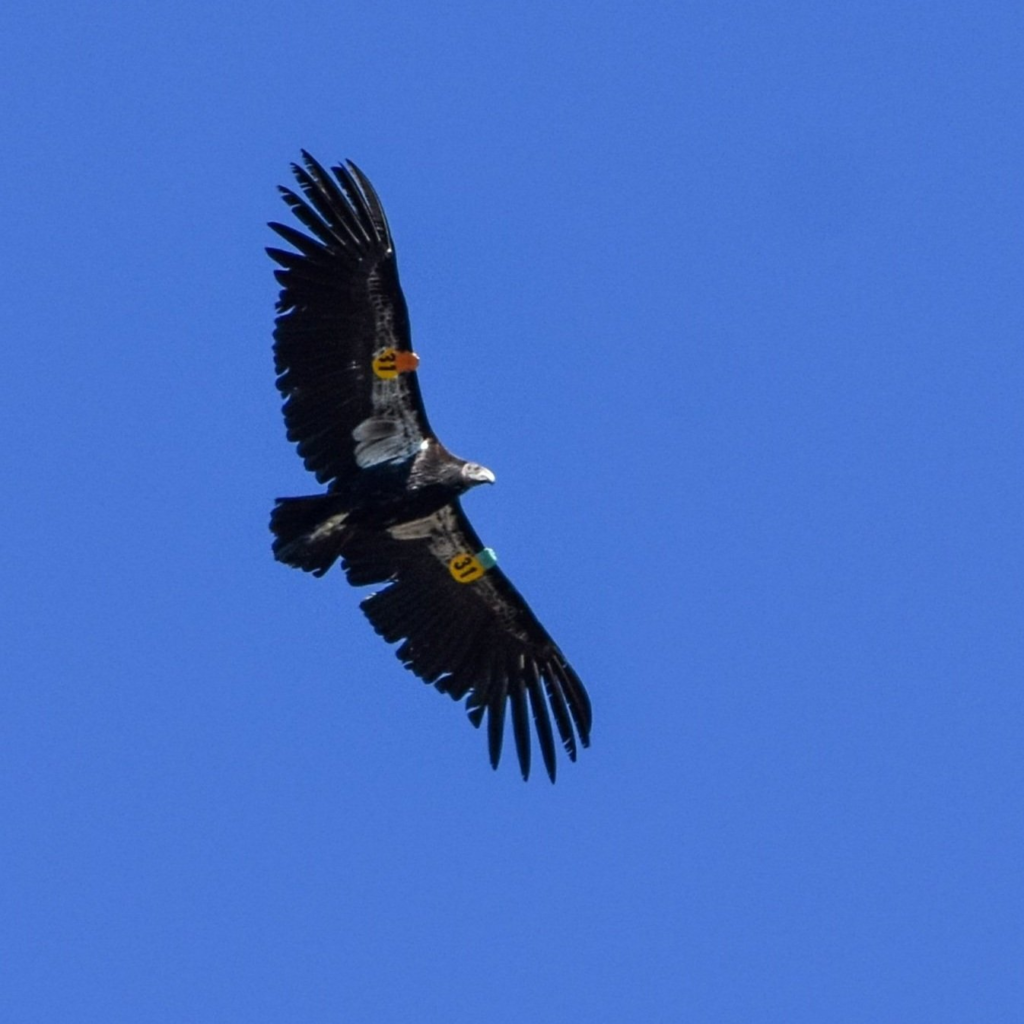
I’ll never forget a field trip to the rugged mountains of Baja, Mexico. We were there to witness the conservation program for the California Condor, one of the most magnificent scavenger animals on Earth. Watching these birds, with their massive ten-foot wingspans, was transformative. But the story behind their near-extinction was a gut punch. They weren’t dying because they were being hunted directly. Instead, they were dying from lead poisoning.
Hunters would shoot other animals, and the scavenger animals would move in to do their job, cleaning up the animal carcasses. However, the tiny fragments of lead from the bullets remained in the dead flesh. For the condors, a single meal of decaying meat contaminated with lead was a death sentence. It made me realize how vulnerable these “tough” animals actually are.
In this post, we’re going to dive deep into the world of scavengers. We’ll look at 15 types of scavengers you should know, explore their evolutionary history, and talk about why our world would literally rot without them.

What is a Scavenger? (The Biology of the “Recycler”)
In the world of scavenger biology, we define these creatures by their primary food source: carrion (the decaying flesh of dead animals). While a predator kills its own food and hunts live prey, a scavenger specializes in finding dead organisms that have already succumbed to age, disease, or another predator’s kills.
Obligate vs. Facultative Scavengers
Not all scavengers are created equal. Biologists generally split them into two camps based on how they locate food and what they primarily eat.
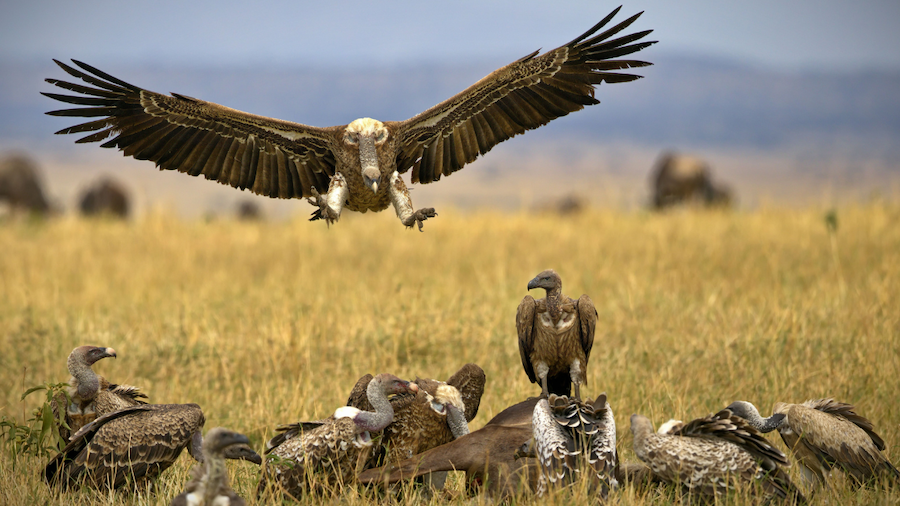
Obligate Scavengers: These are the “professionals” of the scavenger world. They rely almost entirely on carrion and dead organisms. World vultures are the primary example here. These birds aren’t built for the kill; instead, they are built for the find. Obligate scavengers have evolved specialized biological adaptations that allow them to eat dead animals exclusively.
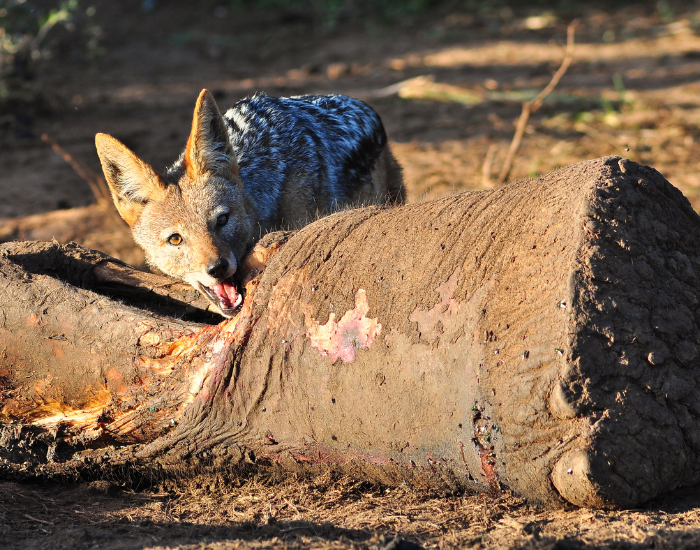
Facultative Scavengers: These are the “opportunists” among scavengers. Animals like black bears, feral dogs, or lions prefer to hunt but won’t pass up a free meal of rotting carcasses if they find one. Many animals fall into this category because eating carrion requires less energy than hunting.
Scavengers essentially eat the “waste” of the animal kingdom. They basically act as the bridge between death and new life by returning nutrients to the soil through their feeding behavior.

15 Types of Scavengers You Should Know
To understand the diversity of scavenger species, we have to look across the land, sky, and sea. Here are 15 of the most important well-known scavengers on the planet.
1. The California Condor (New World Vultures)
As I mentioned from my time in Baja, the California Condor is a legendary apex scavenger. These new world vultures use their incredible eyesight to spot livestock carcasses from miles away. They are a “critically endangered” success story, brought back from the brink of just 22 individuals through dedicated conservation efforts. In 2026, the total wild and captive population is well over 500.
2. The Spotted Hyena
Often unfairly cast as the villain, the spotted hyena is a masterpiece of evolution. While they are skilled hunters, they are primarily facultative scavengers that play dual roles in their ecosystem. They have the strongest jaws in the mammal world, allowing them to crush bone and access the nutrient-rich marrow that other carnivores leave behind. Many scavengers rely on hyenas to break open large animal carcasses.

3. The Bearded Vultures (Lammergeier)
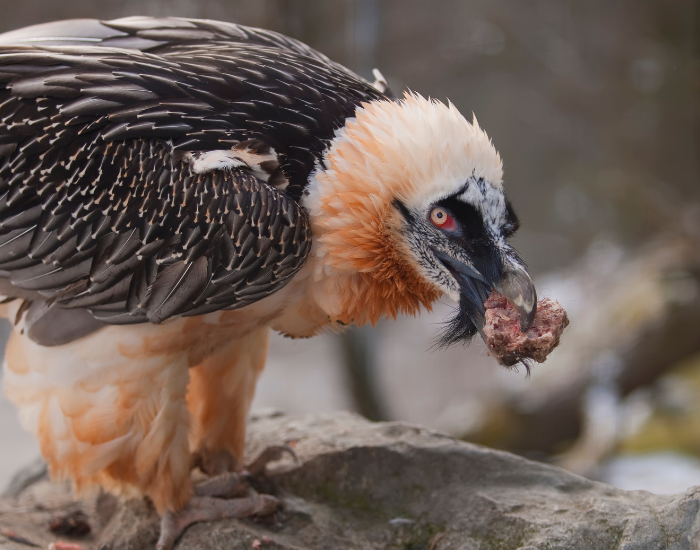
Talk about a niche! The bearded vultures are unique because their diet consists of 70-90% bone. They have evolved a highly acidic stomach (pH of about 1) that can dissolve solid bone in nearly 24 hours. If a bone is too big, they fly high and drop it onto rocks to shatter it. This feeding strategy puts them at the top of the food chain for bone consumption.
4. The Tasmanian Devil
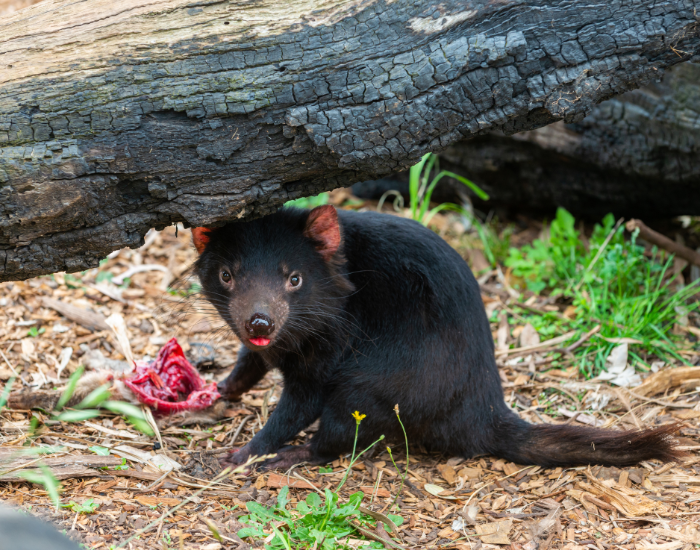
One of the most threatened animals in Australia. These small animals are the “vacuum cleaners” of Tasmania. They eat everything, fur, skin, and bone, of the dead animals they find. Their communal feeding helps dispose of decaying biomass quickly.
5. Tiger Sharks
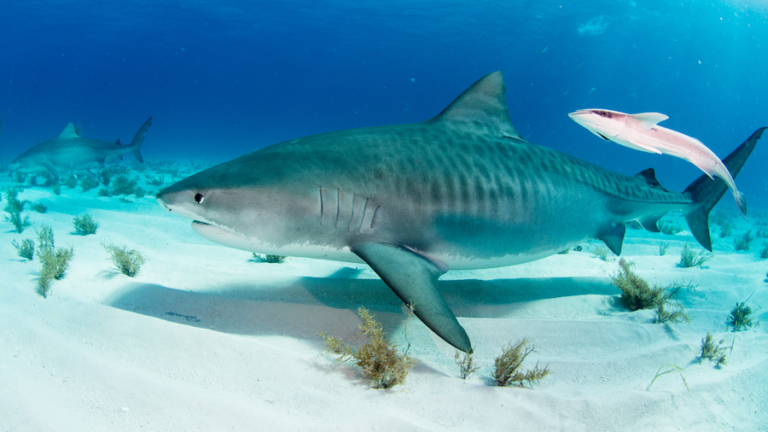
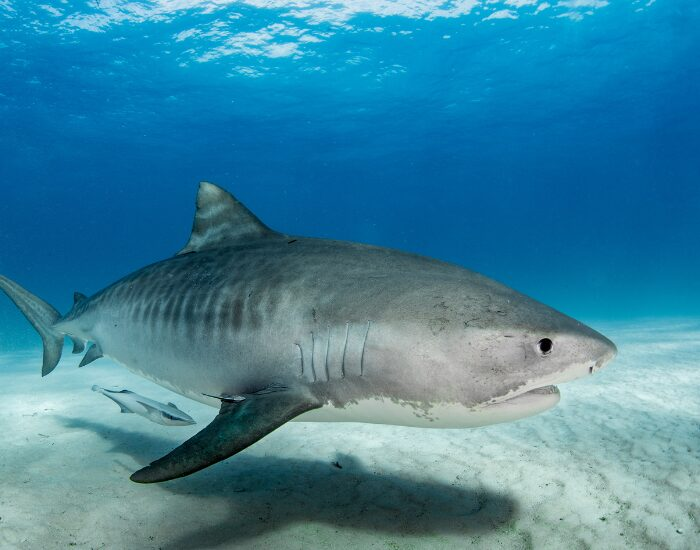
In the ocean, sea creatures like many types of sharks, act as the ultimate scavenger animals. But specifically among all sharks, tiger sharks take the crown. Known as the “garbage cans of the sea,” they eat dead fish, dead organisms, and unfortunately, sometimes human refuse. They play a massive role in keeping reef ecosystems healthy by removing decaying flesh from the water.
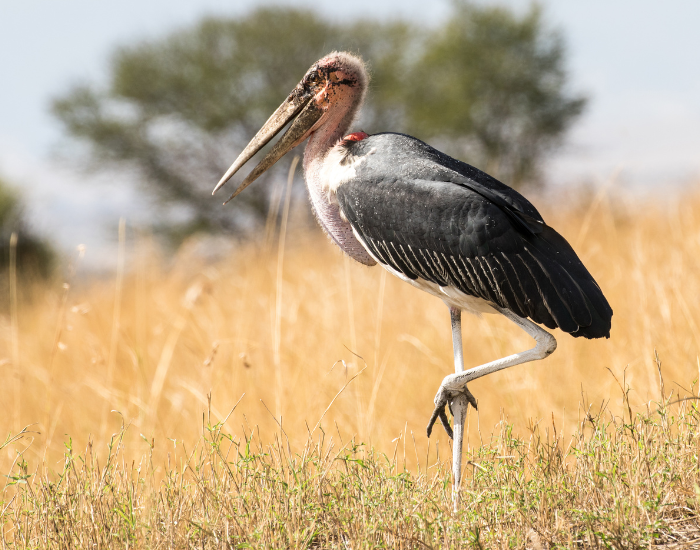
6. The Marabou Stork
Often called the “undertaker bird” due to its appearance, this African stork frequents predator kills. They use their massive bills to snatch animal material while larger predators are distracted.
7. Carrion Beetles
Let’s talk about scavenger insects. The carrion beetle is a tiny powerhouse in the decomposition process. Some species will actually bury small animal carcasses (like a mouse or bird) underground to create a safe nursery for their larvae. This is scavenger science at its most efficient. Carrion eaters like these beetles are essential for breaking down dead flesh.

8. Blowflies
If you’ve ever wondered what scavengers do in terms of decomposition, look no further than the blowfly. They are usually the first to arrive at a scene of decaying meat, laying eggs that hatch into maggots. While it sounds grim, they are essential for forensic science and nutrient cycling. These insects that eat dead matter help speed up the natural recycling process.

9. Bald Eagles
Yes, this bird of prey, America’s symbol is an opportunistic scavenger. While they’re great fishers, bald eagles frequently steal food from other birds or feed on dead fish along riverbanks during winter.

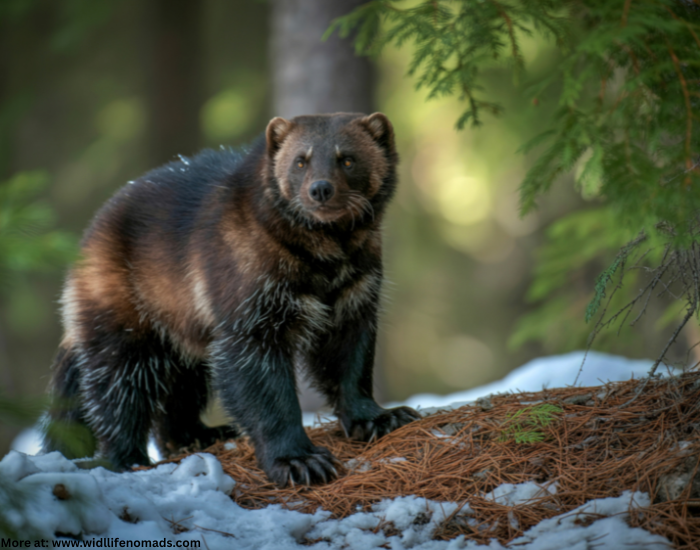
10. Wolverine
Living in harsh, cold climates, wolverines have incredibly strong jaws allowing them to eat frozen animal matter other animals can’t touch. These scavengers play crucial roles in slow-decomposition environments.
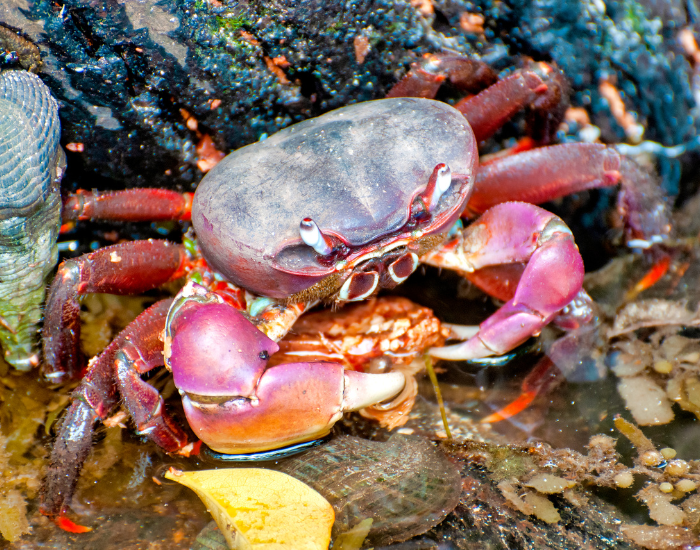
11. Crab (Various Species)
Crabs patrol the ocean floor, using their claws to pick apart decaying plant matter and dead fish, keeping marine ecosystems clean. Without these other animals, toxic bacteria would accumulate rapidly.
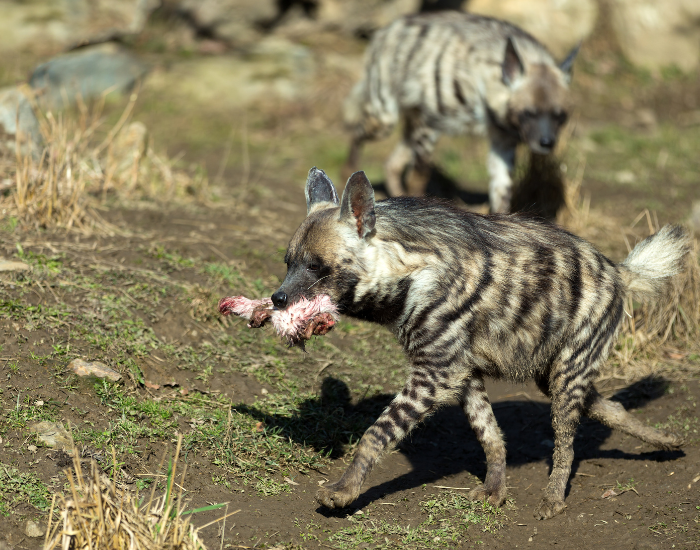
12. Striped Hyenas
Unlike their spotted cousins, striped hyenas are more solitary and rely heavily on scavenging. They’re vital for removing dead organisms from human-populated areas in North Africa and the Middle East.
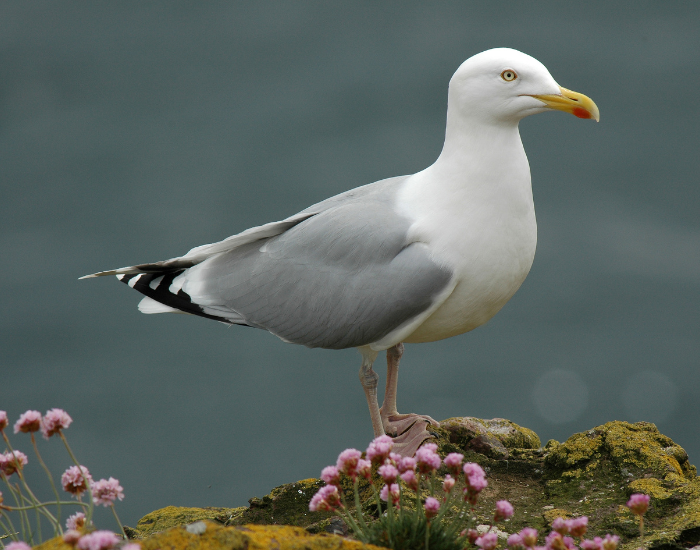
13. Herring Gulls
These seabirds clean beaches by removing dead fish washed ashore. While often seen as pests at garbage cans, they play vital roles in coastal ecosystems.
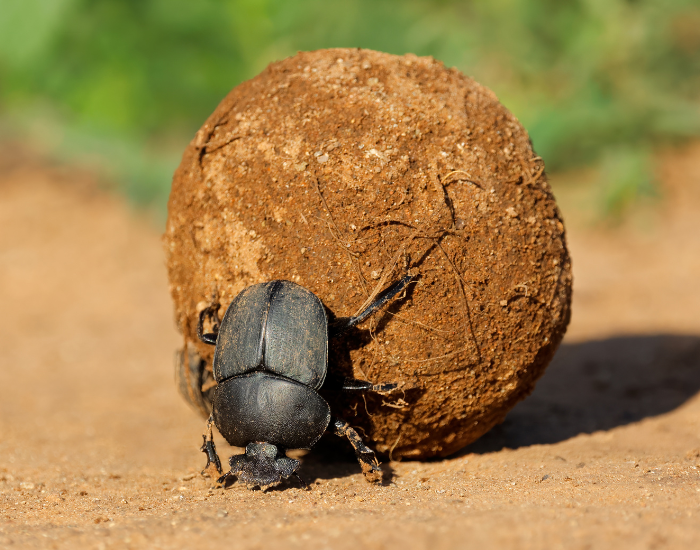
14. Dung Beetles
While not eating flesh, dung beetles process animal waste. By burying dung, they fertilize soil and reduce deadly pathogens attracting flies. They also help break down plant material.
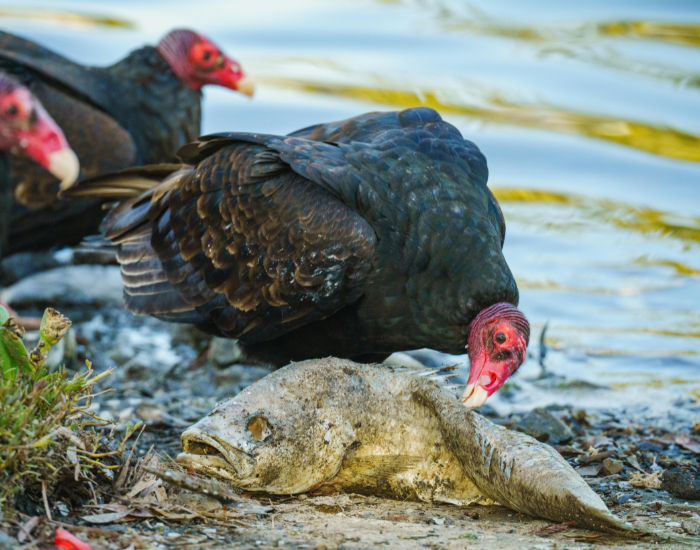
15. Turkey Vulture
These are the most common scavengers in North America. Unlike most birds, they have an incredible sense of smell, allowing them to locate food (the gas produced by decaying flesh) even under a dense forest canopy. The incredible ability of these vultures to feed on dead matter makes them essential to their ecosystem.
The Evolutionary History: Built for the “Icky” Jobs
The scavenger meaning in biology goes back millions of years. Therefore, scavenging isn’t a “backup plan.” Rather, it’s a highly evolved strategy that has shaped entire branches of the animal kingdom.
Throughout history, as large megafauna (like mammoths or giant sloths from the ice age) lived and died, a niche opened up for animals that didn’t want to risk their lives in a hunt. Biological adaptations began to favor traits that helped these animals handle “the rot” efficiently and safely.
Key Adaptations
Immune Systems: Scavengers have evolved incredible resistance to toxic bacteria and deadly pathogens like anthrax and botulism. Their immune systems handle what would kill other predators within hours.
Stomach Acid: Many vulture species have stomach acid strong enough to dissolve bones and destroy viruses. This allows them to eat decaying meat other carnivores avoid. Vulture populations thrive because of this adaptation.
Bald Heads: Many vultures have bald heads, a sanitary adaptation. When sticking your head inside a rotting carcass, feathers would get matted with blood and bacteria. Bald heads stay cleaner and get “sanitized” by UV rays. Old world vultures and new world vultures both share this trait.
Keen Senses: Scavengers play an important role in quickly locating food. Many have enhanced senses. Turkey vultures can describe animals by smell alone, while other scavengers use exceptional eyesight to locate food from miles away.
Why We Need the “Recyclers”
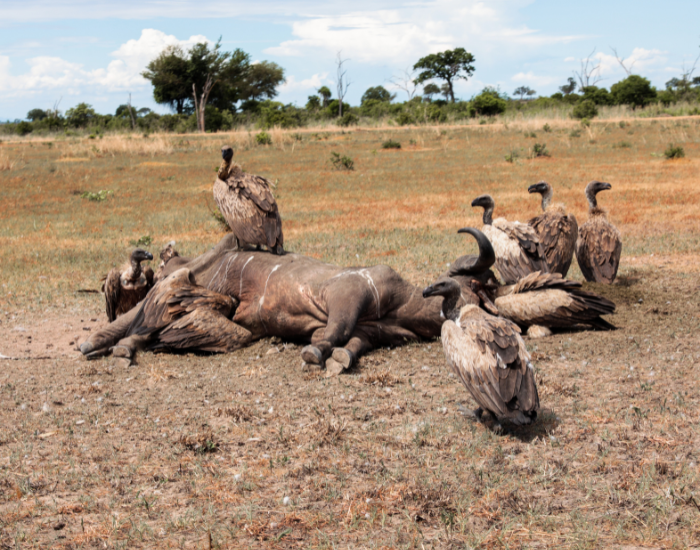
If you take one thing away from my stories about the California Condor, let it be this: Scavengers are the frontline of defense for human health and environmental stability.
When a large animal dies, its body becomes a breeding ground for bacteria. Without scavengers, those livestock carcasses would sit for weeks, potentially leaching toxic bacteria into the water table or attracting other predators that might carry diseases into human settlements. Scavengers eat the decaying animals before these problems escalate.
In India, when vulture populations crashed in the 1990s and cascading through the 2000s due to a specific veterinary drug (Diclofenac) in cattle, the results were catastrophic. Without the vultures to eat dead animals, the feral dog population exploded, leading to a massive spike in human rabies cases. We literally pay the price when we lose our scavengers.
Environmental Impact
Most scavengers provide services beyond removing dead flesh. They prevent disease spread by consuming dead organisms before harmful bacteria proliferate. In addition, they return vital nutrients to the soil, enriching plant matter growth. Other species depend on scavengers to keep the food chain balanced.
How Scavengers Locate Food
Understanding how these animals find their meals helps us appreciate their remarkable adaptations. Turkey vultures use their exceptional sense of smell to detect gases from decaying meat. Other vultures rely on incredible vision to spot small animals from thousands of feet. Some opportunistic scavengers follow apex predators, while sea creatures patrol shorelines for dead fish.
The Food Chain Connection
Scavengers occupy a unique position in the food chain. When an apex predator kills prey, it eats the choice parts. Other carnivores scavenge next, followed by smaller opportunistic scavengers. Finally, carrion beetles and insects move in, and bacteria complete decomposition. Each step returns nutrients to the soil, feeding plant material that supports herbivores for predators. Without scavengers, dead organisms would decompose slowly, tying up nutrients and creating disease hotspots.

FAQ: Your Questions About Scavengers Answered
Common examples include the Turkey Vulture, Spotted Hyena, Carrion Beetle, Bald Eagle, and Tiger Shark.
Early humans likely scavenged bone marrow after apex predators finished feeding. However, we’re not considered scavengers in the biological sense today since we don’t rely on carrion as our primary food source.
Yes, both feral dogs and domestic dogs are facultative scavengers. This explains why your dog investigates garbage cans and dead fish at the park!
Any animal that primarily feeds on dead organisms qualifies. This includes world vultures, insects like blowflies, and opportunistic feeders like bears and eagles.
Turkey Vultures excel with their refined sense of smell detecting gases from decaying matter. However, bearded vultures specialize in extracting nutrition from bones other scavengers can’t process.
Eating carrion is energy-efficient compared to hunting. Evolution equipped scavengers to safely consume what’s toxic to other animals.
They prevent disease spread, recycle nutrients, and reduce disease-carrying insect populations by removing rotting matter quickly.
Can You Name That Scavenger? 🦅
A 15-photo identification challenge — land, sky and sea. Pick the species you think it is — go back and change any answer before you score.
Which scavenger is this?
Changing the Narrative
The next time you see a scavenger on the highway, I hope you see more than a bird and “dead thing.” I hope you see biological adaptations perfected over millions of years. Think of the condors in Baja and the scientists protecting them from lead poisoning.
Scavengers are the heartbeat of healthy ecosystems. They turn endings into beginnings, dealing with decaying plant matter and rotting carcasses so we don’t have to. They feed on dead organisms not because they’re “gross,” but because they’ve evolved to fill a critical niche keeping our world clean and healthy.
From the smallest carrion beetle to the massive California Condor, each scavenger species contributes to life’s intricate web. Many scavengers face threats from human activity, yet they continue providing services benefiting us all. Whether eating carrion in the African savanna or cleaning up dead fish along coastlines, these remarkable animals deserve our respect and protection.
Understanding what scavengers are is the first step toward better conservation. These animals have been cleaning up after death for millions of years. With our support, they’ll continue this essential work for millions more.
References:
Finkelstein, M. E., Doak, D. F., George, D., Burnett, J., Brandt, J., Church, M., Grantham, J., & Smith, D. R. (2012). Lead poisoning and the deceptive recovery of the critically endangered California condor. Proceedings of the National Academy of Sciences, 109(28), 11449–11454. https://doi.org/10.1073/pnas.1203141109
Frank, E., & Sudarshan, A. (2024). The social costs of keystone species collapse: Evidence from the decline of vultures in India. American Economic Review, 114(10), 3007–3040. https://doi.org/10.1257/aer.20230016
Oaks, J. L., Gilbert, M., Virani, M. Z., Watson, R. T., Meteyer, C. U., Rideout, B. A., Shivaprasad, H. L., Ahmed, S., Chaudhry, M. J. I., Arshad, M., Mahmood, S., Ali, A., & Khan, A. A. (2004). Diclofenac residues as the cause of vulture population decline in Pakistan. Nature, 427(6975), 630–633. https://doi.org/10.1038/nature02317
Ogada, D. L., Keesing, F., & Virani, M. Z. (2012). Dropping dead: Causes and consequences of vulture population declines worldwide. Annals of the New York Academy of Sciences, 1249(1), 57–71. https://doi.org/10.1111/j.1749-6632.2011.06293.x
Margalida, A., & Villalba, D. (2017). The importance of the nutritive value of old bones in the diet of Bearded vultures Gypaetus barbatus. Scientific Reports, 7, 8009. https://doi.org/10.1038/s41598-017-08812-2 Supports: the bearded vulture’s 70–90% bone diet and osteophagy.
Grigg, N. P., Krilow, J. M., Gutiérrez-Ibáñez, C., Wylie, D. R., Graves, G. R., & Iwaniuk, A. N. (2017). Anatomical evidence for scent guided foraging in the turkey vulture. Scientific Reports, 7, 17408. https://doi.org/10.1038/s41598-017-17794-0