
I’ve spent the better part of two decades watching birds where the sky meets the sea. The Wildlife Nomads team lives on the Australian coast. Pelicans cruise our morning surf. Ospreys hover over our backyard reefs. Seagulls steal our lunch with embarrassing regularity.
If you’ve ever stood on a beach, anywhere from Sydney to Vancouver; you’ve already met seabirds. Most people just don’t know which is which. That’s who this guide is for: the curious traveler who watched a white-plumaged bird plunge-dive off the breakers and wondered, “what was that?”
I’ll walk you through 15 marine birds, the adaptations that make them masters of saltwater habitats, and the threats now pushing many seabirds toward the brink. This is the field-biologist version of the list, short on filler, long on what actually matters.

What Are Marine Birds?
Marine birds are among the most diverse group of bird species on the planet. They thrive in conditions that would kill most land birds within a day. You’ll find these seabird species soaring above the open ocean, nesting on densely packed cliff colonies, and gliding over coastal areas from the Galápagos to Iceland.
What separates marine birds from freshwater habitats specialists is hardware. Webbed feet make them powerful swimmers. Waterproof plumage shields them from icy waters. Specialized salt glands let them drink seawater without dying. Many species have streamlined bodies tuned for diving, while others have dense plumage that traps insulating air against their skin.
This list spans the northern hemisphere and southern hemisphere, from arctic regions to tropical reefs. Each species solves the same puzzle differently; how do you raise a chick on a remote island and still find food a thousand miles offshore?
15 Seabirds You Must Know
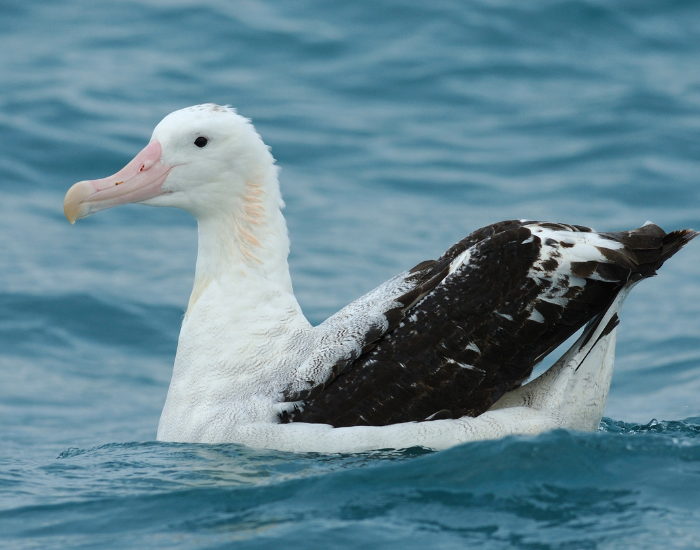
1. Wandering Albatross (Diomedea exulans)
The undisputed king of large seabirds, the wandering albatross holds the record for the largest wingspan of any living bird — 3.5 meters (11.5 feet) tip to tip. These birds glide for hours without flapping, using dynamic soaring to harness ocean winds. They live in the southern hemisphere and can survive over 60 years.
Some tracked individuals have flown over 500,000 miles in a lifetime. I once watched one shadow our research vessel for forty minutes off South Georgia. It barely twitched a feather.
2. Northern Gannet (Morus bassanus)
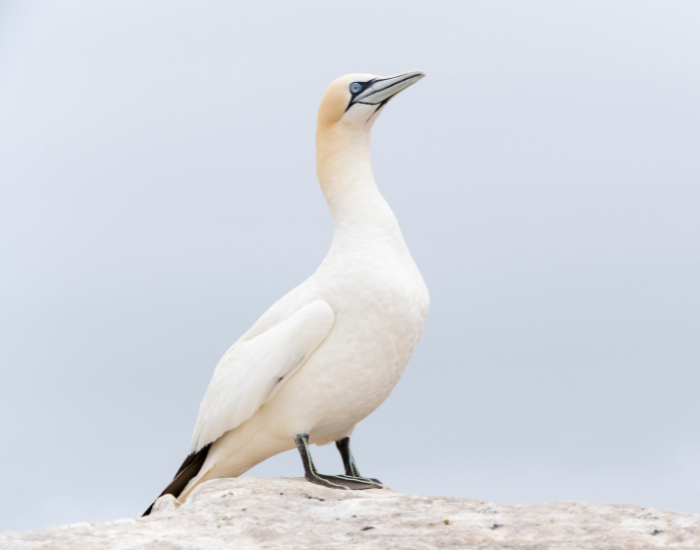
Northern gannets are spectacular plunge divers. They drop from heights of up to 100 feet at speeds reaching 60 mph. Forward-facing eyes give them excellent depth perception, and reinforced skulls absorb the impact.
Their crisp white plumage flashes against the cliffs where they nest in densely packed colonies. Pairs perform elaborate courtship displays — “sky pointing” and bill fencing. Recent avian flu outbreaks have hit this species hard across the northeast Atlantic.
3. Atlantic Puffin (Fratercula arctica)
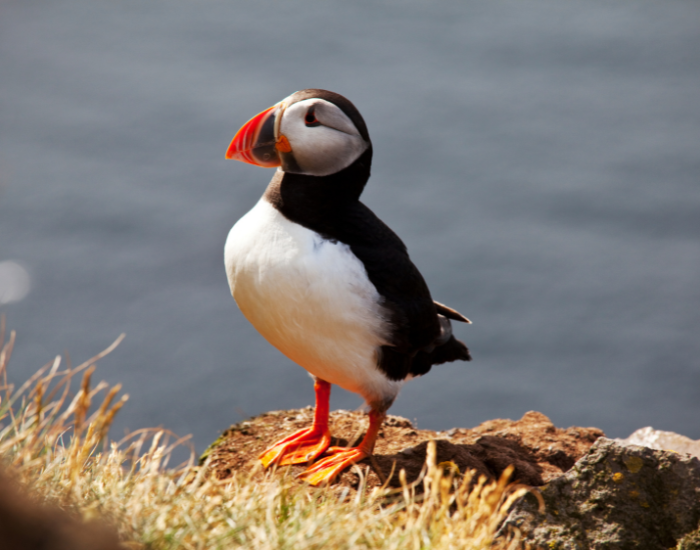
Perhaps the most recognizable of all seabirds, puffins are often called “sea parrots” thanks to their colorful breeding-season beaks. These compact birds are excellent pursuit divers, propelling themselves underwater to catch fish. Backward-facing spines on their tongues let them carry multiple small fish crosswise.
The tufted puffin, a Pacific cousin, is recognized for its distinctive yellow tufts and similar seabird lifestyle. Tufted puffins nest in remote islands from Japan to California. Both species belong to the alcid family — the auks — which I’ll come back to later in this list.
4. Brown Pelican (Pelecanus occidentalis)
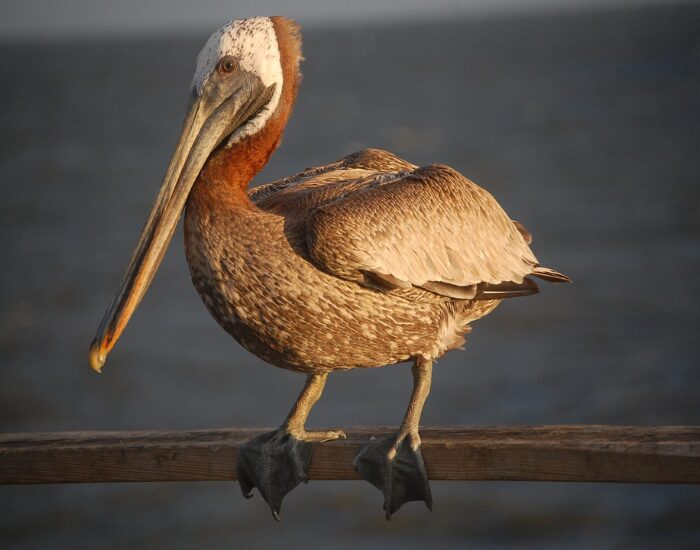
Brown pelicans are the only pelican species that plunge-dive for fish. These impressive birds were once endangered due to DDT poisoning but have made a remarkable comeback through conservation. Their iconic pouch can hold up to 3 gallons of water, though they drain it before swallowing their catch.
I see brown pelicans almost every morning along our coast. They’re a fixture of Australian coastal areas and the Americas alike. The saying “a pelican’s beak can hold more than its belly can” is actually true; their stomach capacity is only about 1 gallon.
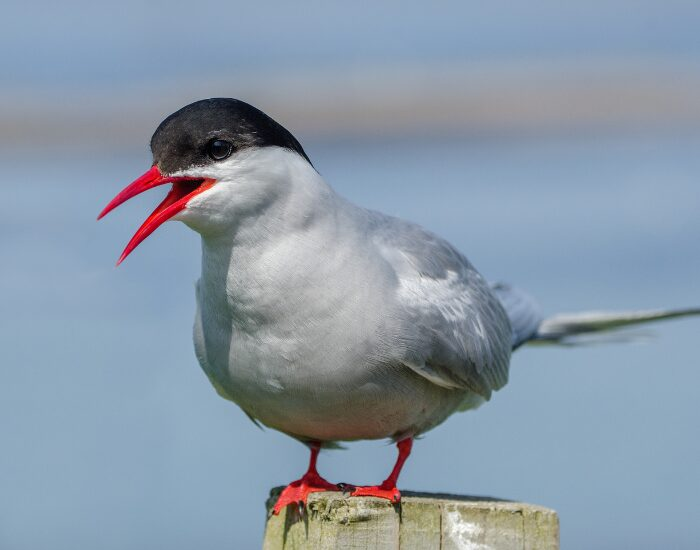
5. Arctic Tern (Sterna paradisaea)
Arctic terns hold the record for the longest migration of any bird. They travel roughly 44,000 miles annually from Arctic breeding colonies to Antarctic feeding areas. These small marine birds experience more daylight than any other creature on Earth.
Despite their tiny size, arctic terns are fierce defenders of their nests. They will dive-bomb much larger predators, including bald eagles and humans foolish enough to walk through a colony. I have the scars to prove it.
6. Common Murre (Uria aalge)
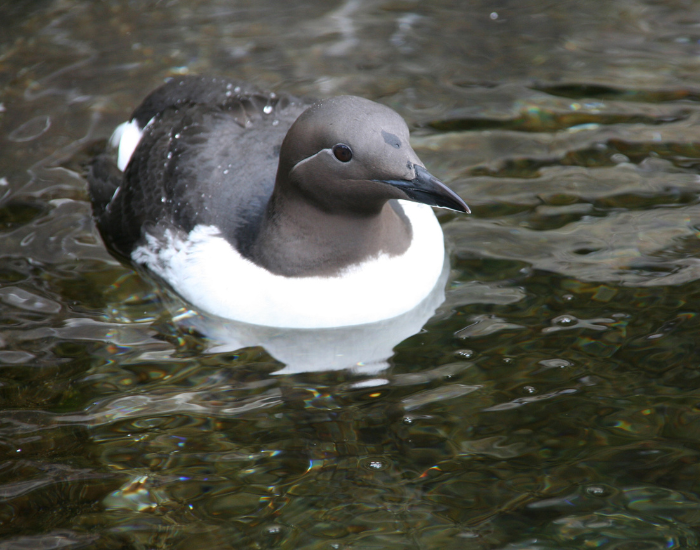
Common murres are the “penguins of the north.” They use their wings to fly through both air and water. These colonial seabirds nest on narrow cliff ledges in the northern hemisphere. Their eggs have a distinctive pointed shape that makes them roll in circles rather than off the cliff.
A marine heat wave in Alaskan waters from 2014 to 2016 starved roughly 4 million common murres. It remains the largest documented wildlife mortality event in the modern era. A close relative, the marbled murrelet, nests inland in old-growth conifers; a strange exception in the alcid playbook.
7. Great Skua (Stercorarius skua)
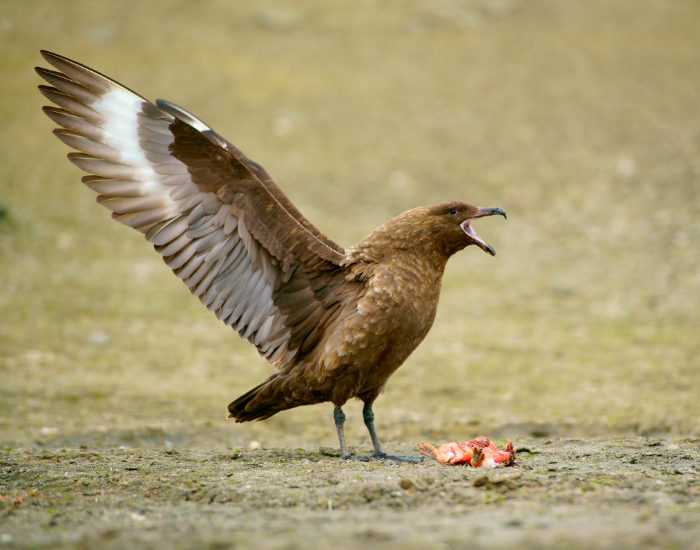
Great skuas are the pirates of the marine bird world. They’re known for aggressive behavior and a kleptoparasitic lifestyle. These powerful birds harass other seabirds; including the herring gull and northern fulmars; until the victim regurgitates its catch. The skua then steals it.
Their hooked bills help them tear prey species apart. They’re skilled hunters in their own right, taking everything from chicks to rabbit-sized adults.
8. Laysan Albatross (Phoebastria immutabilis)
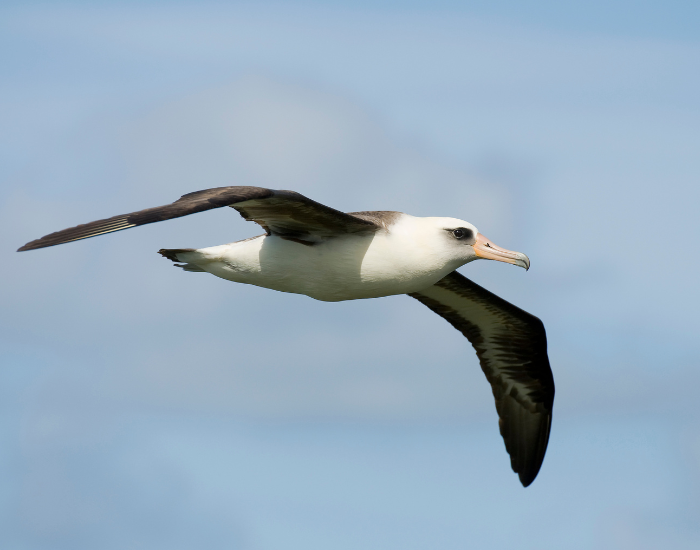
Laysan albatrosses are remarkable for longevity and site fidelity. The oldest known wild bird, a female named Wisdom, is a Laysan albatross estimated to be at least 72 years old and still breeding. These birds return to the same nesting colonies year after year, often with the same partners.
Their navigation across thousands of miles of open ocean still humbles every scientist I know. We don’t fully understand how they do it.
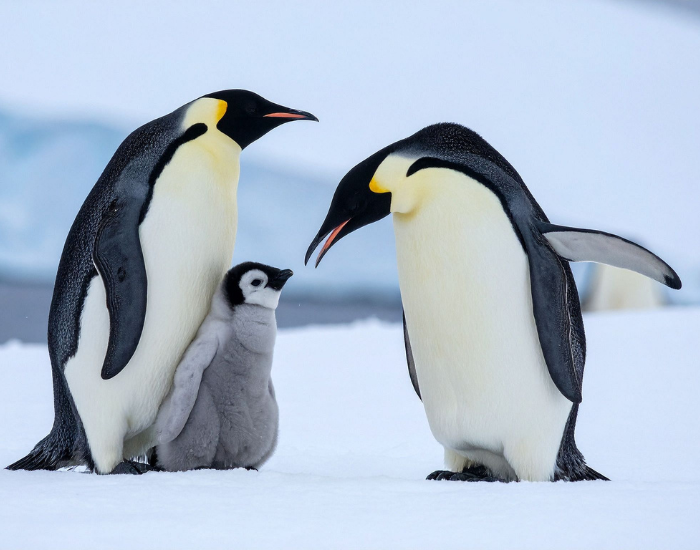
9. Emperor Penguin (Aptenodytes forsteri)
While flightless, emperor penguins are undoubtedly among the most remarkable seabirds. These large seabirds dive to depths of over 1,800 feet. They hold their breath for more than 20 minutes while hunting fish and squid.
Males incubate eggs on their feet for 64 days during the Antarctic winter. They survive temperatures as low as -40°F without eating. The closely related king penguin breeds slightly farther north on sub-Antarctic islands.
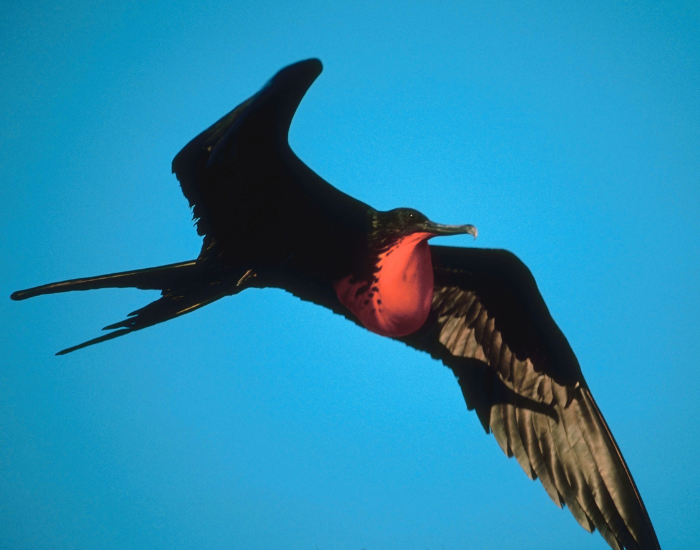
10. Magnificent Frigatebird (Fregata magnificens)
Frigatebirds are the aerial acrobats of the seabird world. They have the largest wing-surface-to-body-weight ratio of any bird. Males inflate bright red throat pouches like balloons during courtship displays.
These birds are excellent thieves. They use superior flying skills to steal food from other seabirds in spectacular aerial chases. You’ll find them on remote islands across the tropics — the Galápagos colonies are world-famous.
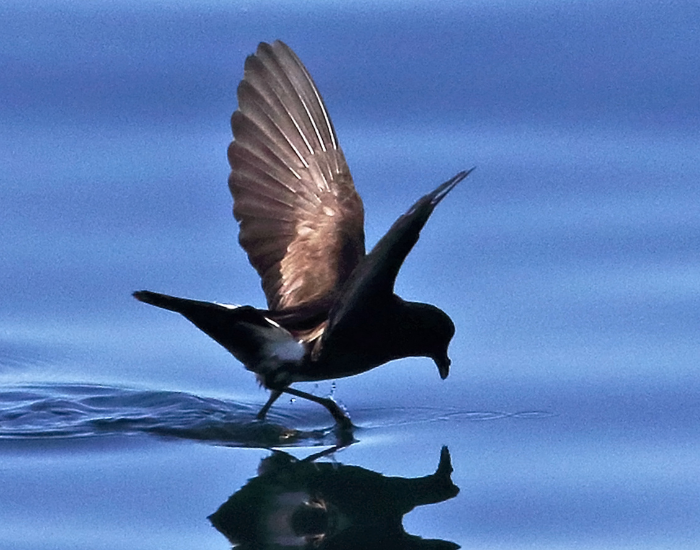
11. Wilson’s Storm Petrel (Oceanites oceanicus)
Wilson’s storm petrels might be the most abundant seabird in the world. Most people have never seen one. They’re tiny, they live far from land, and they nest in burrows on remote sub-Antarctic islands.
These birds appear to “walk on water.” They patter across the surface while picking up small prey species. Storm petrels are closely related to albatrosses and shearwaters within the tubenose order.
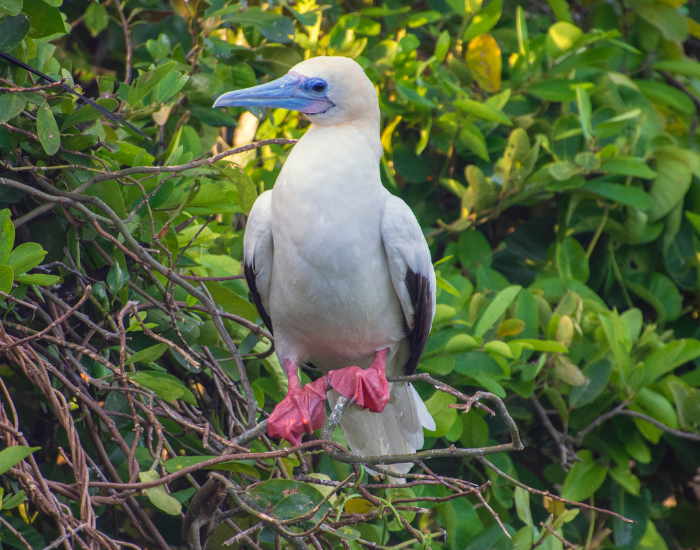
12. Red-footed Booby (Sula sula)
Red-footed boobies are the smallest of the booby family. They are exceptional fliers and divers. Unlike most other boobies, they regularly nest in trees rather than on the ground. Bright red feet help them grip branches.
These tropical marine birds dive from heights of 30 feet. They often feed at night, following schools of flying fish.
13. Blue-Footed Booby (Sula nebouxii)
The blue-footed booby is the showman of the booby family; and one of my favorite birds I’ve ever watched in the wild. Males display their bright turquoise feet in a slow, comedic high-step dance to attract mates. The bluer the foot, the better the diet.
These birds are champion plunge divers. They fold their wings against streamlined bodies and hit the water like blue-footed missiles. The Galápagos hosts the most accessible colonies in the world. I’ve watched a single squadron of fifty birds drop into a baitball within seconds.

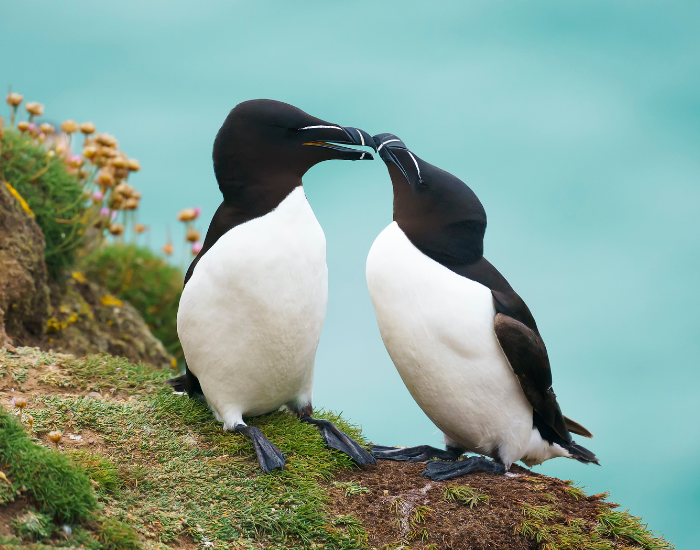
14. Razorbill and Other Auks (Alca torda)
The razorbill is the closest living relative to the extinct great auk. It belongs to the alcid family; the same group that includes puffins, murres, and guillemots. Auks are the northern hemisphere’s answer to penguins, swimming with their wings beneath the ocean’s surface.
Razorbills nest on rocky cliffs in dense colonies alongside common murres and puffins. Their thick black-and-white plumage and laterally compressed bills make them unmistakable. I’ve banded auks in Iceland; they bite hard.
15. Osprey (Pandion haliaetus)
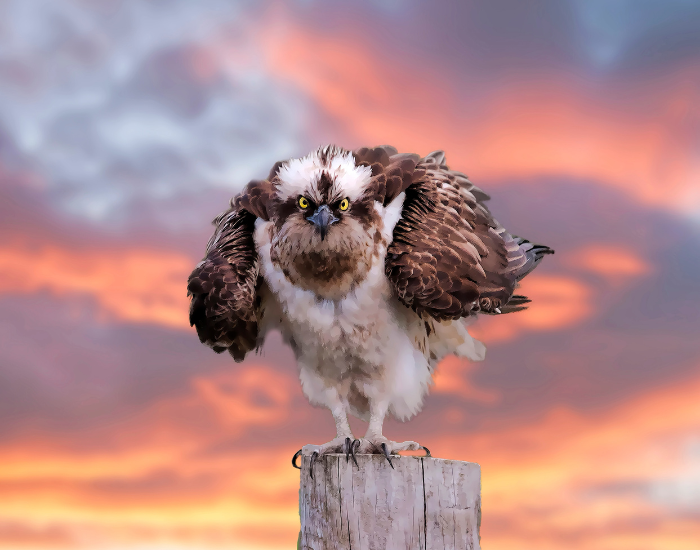
The osprey sits at the boundary between birds of prey and seabirds. Technically a raptor, the osprey is the only diurnal bird species that feeds almost exclusively on live fish caught from saltwater and freshwater habitats. Its reversible outer toe and barbed footpads grip slippery prey like a vise.
I see ospreys daily where I live in Australia. Their global distribution is remarkable; only Antarctica lacks them. Like the bald eagle, the osprey rebounded after DDT was banned, a conservation success story we shouldn’t take for granted.
What Makes Seabirds Special: Incredible Adaptations for Ocean Life
Seabirds aren’t just regular birds that happen to live near water. They’re highly specialized creatures with unique adaptations to the saltwater environment. These oceanic birds evolved features that would make any sailor jealous.
Most seabirds possess webbed feet that work like natural paddles. Their dense, waterproof plumage acts like a wetsuit. Salt glands above the eyes filter excess salt from the bloodstream, allowing them to drink seawater. According to National Geographic, these glands can excrete brine more concentrated than the surrounding ocean.
Masters of the Hunt: How Seabirds Find Food in Vast Oceans
Seabirds have evolved diverse hunting strategies to exploit different ocean resources. Gulls and terns — including the herring gull and California gull — are closely related groups within the Laridae family. They’re known as opportunistic feeders, often scavenging or stealing food from other seabirds.
Surface feeders skim the water’s surface for small fish and plankton. Pursuit divers use their wings to “fly” underwater while chasing prey. Plunge divers like brown pelicans and gannets dive from heights of up to 100 feet. Plunge diving is one of the most spectacular feeding behaviors in the animal kingdom; you can hear the impact a hundred meters away.
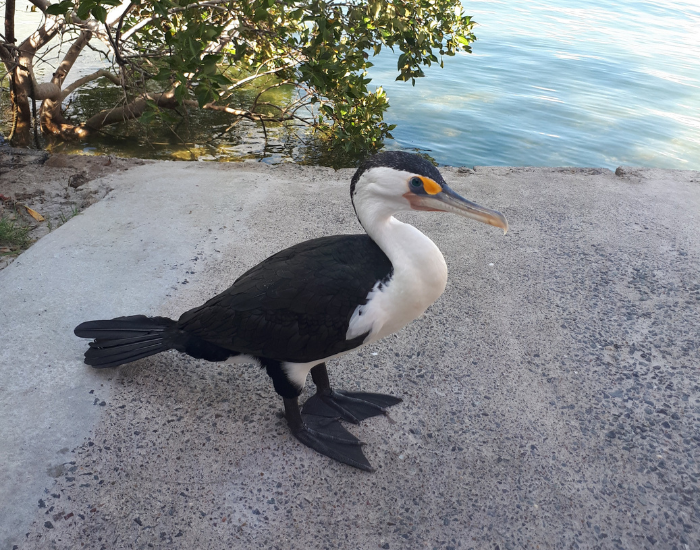
These feeding strategies match prey and ocean conditions. Storm petrels dance across wave tops, picking up small crustaceans. Sooty shearwaters chase baitballs in long-distance migrations across the Pacific. Cormorants dive deep, using powerful feet to pursue fish stocks below. Skimmers fly just above the ocean’s surface, scooping up fish with their lower mandible. Phalarope species — small, ocean-going shorebirds — spin in tight circles to stir up plankton.
Sea Bird Conservation
Many seabirds face serious threats in our changing world. According to the American Bird Conservancy and the IUCN, nearly one-third of the world’s seabirds are threatened or endangered. Overfishing, bycatch, invasive species, pollution, human disturbance, and climate change are hitting these birds simultaneously across different life stages.
Climate change is particularly concerning. Rising seas are flooding seabird colonies on low-lying remote islands. Marine heat waves are disrupting food sources for surface feeders and pursuit divers alike. Commercial fisheries compete for the same fish stocks that breeding colonies depend on.
Marine pollution adds another layer of threat. Studies show 60% of seabird species have ingested plastics, and 40% have been entangled in debris. Other shorebirds and marine mammals face similar pressures, underscoring the interconnected web of marine ecosystems.
Recent disease outbreaks have compounded these challenges. High-pathogenicity avian influenza (HPAI) caused the worst seabird mass mortalities in Europe across 2021–2022. The northern gannet was one of the most affected species. Tens of thousands died in the northeast Atlantic in just six months.
Frequently Asked Questions
Seabirds are typically grouped into five major orders: tubenoses (albatrosses, shearwaters, petrels, fulmars), pelecaniformes (pelicans, frigatebirds, gannets, boobies, cormorants), charadriiformes (gulls, terns, auks, skuas), sphenisciformes (penguins), and phaethontiformes (tropicbirds). Each order represents a distinct evolutionary path to mastering the marine environment.
The most well-known seabird names include the wandering albatross, Atlantic puffin, tufted puffin, northern gannet, brown pelican, arctic tern, common murre, great skua, Laysan albatross, emperor penguin, king penguin, magnificent frigatebird, Wilson’s storm petrel, red-footed booby, blue-footed booby, razorbill, herring gull, California gull, sooty shearwater, northern fulmar, and osprey. Hundreds more species exist across remote islands and open ocean expanses.
Common synonyms include marine bird, ocean bird, oceanic bird, and pelagic bird. The term “pelagic” specifically describes species that spend most of their lives far from land in the open ocean.
Seabirds: Masters of Two Worlds
Seabirds represent some of nature’s most remarkable adaptations to life at the interface between sky and sea. From the wandering albatross soaring on 11-foot wings to Wilson’s storm petrel dancing across wave tops, these marine birds have mastered one of Earth’s most challenging environments. Each species solves the saltwater puzzle a little differently.
References:
Croxall, J. P., Butchart, S. H. M., Lascelles, B., Stattersfield, A. J., Sullivan, B., Symes, A., & Taylor, P. (2012). Seabird conservation status, threats and priority actions: a global assessment. Bird Conservation International, 22(1), 1–34. https://doi.org/10.1017/S0959270912000020
Chang, B., Croson, M., Straker, L., Gart, S., Dove, C., Gerwin, J., & Jung, S. (2016). How seabirds plunge-dive without injuries. Proceedings of the National Academy of Sciences of the United States of America, 113(43), 12006–12011. https://doi.org/10.1073/pnas.1608628113
Dias, M. P., Martin, R., Pearmain, E. J., Burfield, I. J., Small, C., Phillips, R. A., Yates, O., Lascelles, B., Borboroglu, P. G., & Croxall, J. P. (2019). Threats to seabirds: A global assessment. Biological Conservation, 237, 525–537. https://doi.org/10.1016/j.biocon.2019.06.033
Wilcox, C., Van Sebille, E., & Hardesty, B. D. (2015). Threat of plastic pollution to seabirds is global, pervasive, and increasing. Proceedings of the National Academy of Sciences, 112(38), 11899–11904. https://doi.org/10.1073/pnas.1502108112
Egevang, C., Stenhouse, I. J., Phillips, R. A., Petersen, A., Fox, J. W., & Silk, J. R. D. (2010). Tracking of Arctic terns Sterna paradisaea reveals longest animal migration. Proceedings of the National Academy of Sciences, 107(5), 2078–2081. https://doi.org/10.1073/pnas.0909493107
Piatt, J. F., Parrish, J. K., Renner, H. M., Schoen, S. K., Jones, T. T., Arimitsu, M. L., Kuletz, K. J., Bodenstein, B., García-Reyes, M., Duerr, R. S., Corcoran, R. M., Kaler, R. S. A., McChesney, G. J., Golightly, R. T., Coletti, H. A., Suryan, R. M., Burgess, H. K., Lindsey, J., Lindquist, K., Sydeman, W. J. (2020). Extreme mortality and reproductive failure of common murres resulting from the northeast Pacific marine heatwave of 2014–2016. PLOS ONE, 15(1), e0226087. https://doi.org/10.1371/journal.pone.0226087
Lane, J. V., Jeavons, R., Deakin, Z., Sherley, R. B., Pollock, C. J., Wanless, R. J., & Hamer, K. C. (2024). High pathogenicity avian influenza (H5N1) in Northern Gannets: Global spread, clinical signs, and demographic consequences. Ibis, 166(2), 633–650. https://doi.org/10.1111/ibi.13275