
If you’ve ever looked at a map of North America and felt drawn to that massive, rugged expanse in the upper left corner, you’re not alone. Alaska represents the last great frontier, where the landscape’s sheer scale matches the abundance of its residents, the four-legged, winged, and finned kind.
When discussing animals in Alaska, we’re not talking about a few squirrels in a park. Instead, we’re exploring a world where prehistoric-looking moose block traffic in Anchorage, thousands of caribou stream across the tundra, and humpback whales breach in fjords so deep they feel otherworldly. Whether you’re a die-hard birder or someone seeking a safe wildlife tour, Alaska wildlife offers raw, unfiltered experiences that are deeply humbling.
In this guide, we explore the 20 most iconic species defining animal life in Alaska, the science behind their survival, and conservation efforts ensuring these wild spaces remain pristine for future generations.
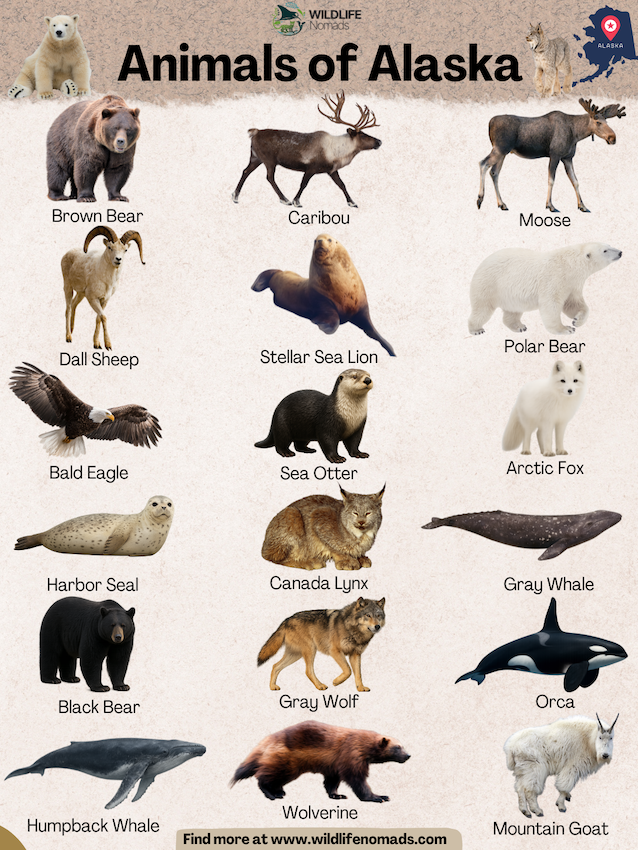
Alaska’s Most Iconic Animals
1. Brown Bears: Kodiak and Grizzly Bears
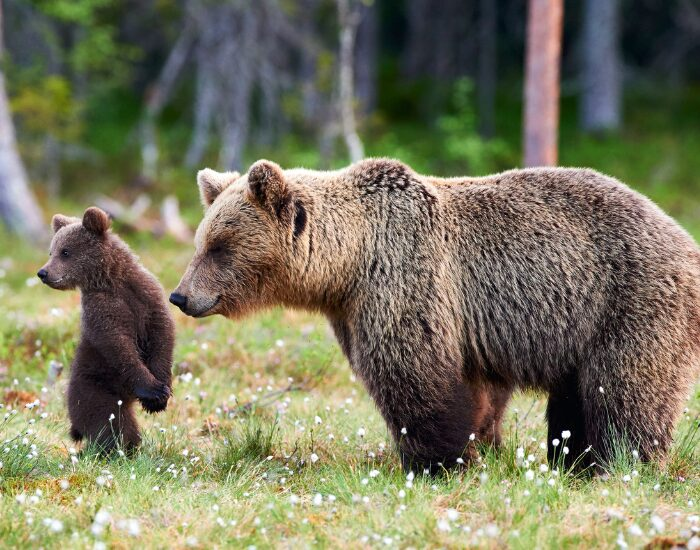
You can’t discuss Alaska wild animals without starting with these undisputed heavyweights. Alaska hosts approximately 98% of the U.S. brown bear population, with an estimated 30,000 individuals throughout the state. While “brown bear” and “grizzly bear” technically refer to the same species (Ursus arctos), we typically use “brown bear” for coastal giants feasting on salmon and “grizzly bears” for smaller interior cousins living in areas like Denali National Park.
At Katmai National Park, these bears become world-famous during “Fat Bear Week.” However, their ecological role extends far beyond internet celebrity status. They function as ecosystem engineers, dragging salmon carcasses into forests and providing essential nitrogen to soil. According to the Alaska Department of Fish and Game, bear populations can reach densities as high as one bear per square mile in prime habitats like McNeil River.
Kodiak brown bears, found on the Kodiak archipelago and Aleutian Islands, represent the largest brown bear subspecies. Adult males can weigh over 1,500 pounds, making them the largest land carnivores in North America. These amazing animals thrive in heavily forested areas where salmon runs provide abundant food during summer months.
2. Black Bears: Alaska’s Widespread Predator
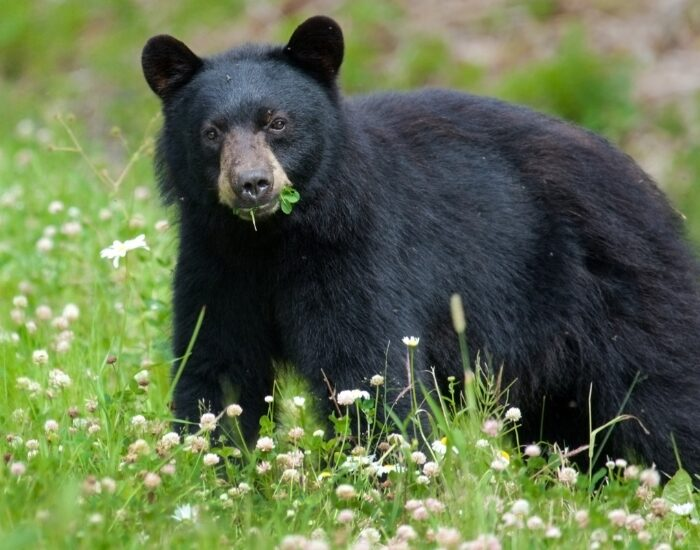
Another famous type of bear: Black bears inhabit most of Alaska, from Southeast Alaska’s rainforests to southcentral Alaska’s woodlands. Though smaller than brown and black bears combined populations, these adaptable creatures play crucial roles in forest ecosystems. During winter, black bears hibernate for extended periods, surviving on fat reserves built up through summer and fall feeding.
Unlike their brown bear cousins, black bears typically avoid open tundra, preferring heavily forested areas with dense undergrowth. They’re commonly sighted throughout the state, particularly during summer months when berry crops ripen.
3. The Moose: Largest Herbivore
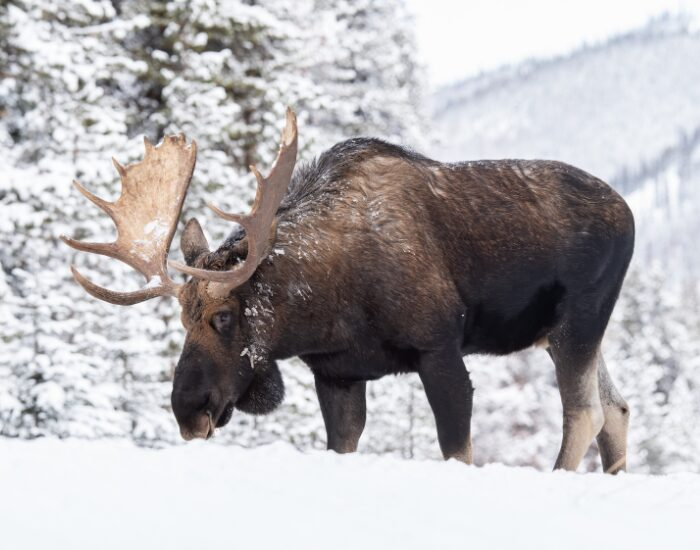
The Alaska moose (Alces alces gigas) represents the world’s largest moose subspecies. Standing up to 7 feet tall at the shoulder, these animals essentially function as the SUVs of the animal kingdom. While they appear goofy with long faces and spindly legs, don’t let appearances fool you. In Alaska, moose cause more human injuries than bears, usually due to defensive mothers or stressed bulls during autumn’s mating season.
Therefore, they’ve adapted remarkably to extreme cold. Their hollow hair provides insulation, while their “bell” (the skin flap under their chin) likely serves scent-signaling functions during mating season. You’ll find them everywhere from deepest wilderness to Fairbanks suburbs, proving that what animals live in Alaska often involves sharing space with humans.
Adult males grow impressive antlers annually, which they shed after mating season. These iconic animals browse on willow, birch, and aquatic plants throughout coastal regions and interior forests.
4. Gray Wolves: Alaska’s Apex Predator
If brown bears rule the forest, gray wolves are its ghosts. Elusive, social, and highly intelligent, wolves in Alaska live in packs ranging from 2 to over 20 members. They serve as apex predators maintaining healthy moose and caribou populations by culling weak and old individuals.
While found throughout the state, scientists most famously study them in Denali National Park. Wolf conservation remains contentious in Alaska, as “predator control” tactics often pit state management against federal protections. However, seeing wild animals like wolves remains a pinnacle experience for those seeking authentic wildlife Alaska encounters.

5. Caribou Migration: Nature’s Great Spectacle
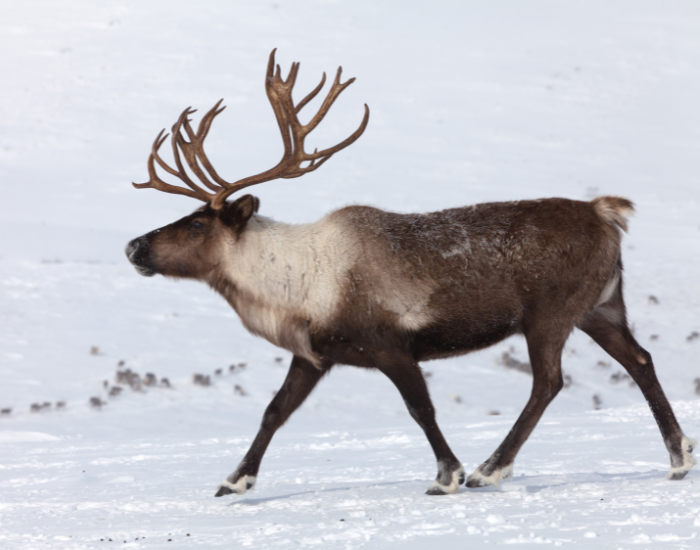
In Alaska, caribou represent more than just “reindeer” (though they’re the same species). They’re nomads of the North. The Western Arctic Herd, one of the largest, travels thousands of miles annually between calving grounds and wintering ranges. Caribou migration ranks among Earth’s most impressive wildlife phenomena.
What makes caribou unique among the deer family is that both males and females grow antlers. Additionally, their hooves function as natural snowshoes in winter and paddles in summer when crossing massive glacial rivers. These native animals to Alaska remain essential to Indigenous communities’ subsistence lifestyles.
6. Polar Bears: Icons of Climate Change
No animal represents Arctic fragility quite like polar bears. Found primarily along northern and western coasts, these marine mammals (classified as such because they spend most lives on sea ice) are currently listed as “Threatened” under the Endangered Species Act.
Alaska shares two subpopulations (Chukchi and Beaufort Seas). The Southern Beaufort Sea stock is estimated at ~900 and the Chukchi at ~3,000. So sightings in Alaska are becoming more rare and usually require trips to places like Kaktovik. As sea ice melts earlier each year due to climate change, these bears increasingly move onto land, leading to more human-wildlife conflict. Therefore, this stark reality reminds us that animal life in Alaska connects inextricably to global climate health.
Polar bear populations face significant threats from declining sea ice, which they depend on for hunting seals, their primary food source. Conservation efforts focus on protecting critical habitats and monitoring population trends across the North Pacific Ocean and Chukchi Sea regions.

7. Humpback Whales: Giants of Alaska’s Coastal Waters
Every summer, humpback whales complete epic 3,000-mile journeys from Hawaii to Alaska’s nutrient-rich waters for feeding. Watching a 40-ton whale perform “bubble-net feeding”, where pods work together blowing bubble rings to trap herring, showcases perhaps nature’s most sophisticated hunting display.
Thanks to the Marine Mammal Protection Act and Endangered Species Act protections, humpback whale populations have rebounded significantly. However, they still face threats from ship strikes and fishing gear entanglement. These marine mammals represent the vocal heart of Alaska marine life, often heard during whale watching tours in Prince William Sound and other coastal waters.

8. Bald Eagles: America’s Icon Thrives Here
If you’ve only seen bald eagles on silver dollars, nothing prepares you for seeing hundreds gathered along the Chilkat River. Alaska hosts the world’s largest bald eagle population, with estimates ranging from 30,000 to over 100,000 individuals throughout the state.
With wingspans reaching 7.5 feet, these birds of prey are ultimate scavengers and hunters. Watching an eagle swoop down to snatch salmon from rivers demonstrates masterful aerodynamics. However, they’re not just national symbols, they’re daily reality for anyone exploring coastal regions of wildlife Alaska. These commonly sighted birds play vital roles in food chains, feeding on fish species and carrion.

9. Sea Otters: Keystone Species of Kelp Forests
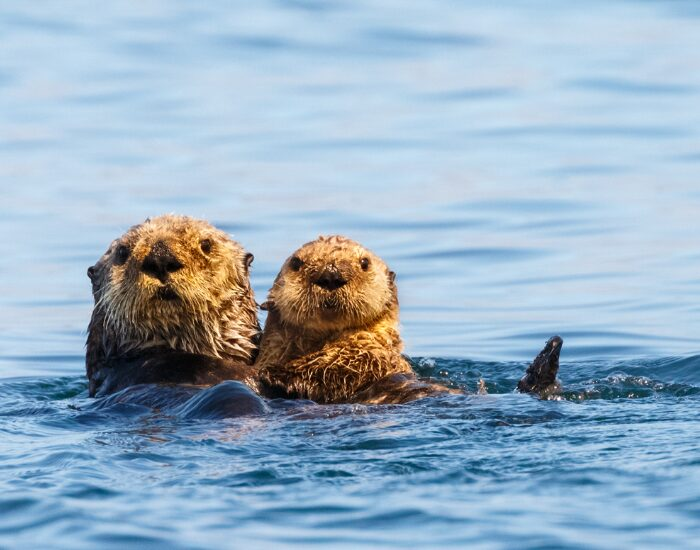
Industrialized cuteness? Perhaps. However, sea otters also function as “keystone species,” meaning their presence dictates entire ecosystem health. By eating sea urchins, they prevent “urchin barrens” and allow kelp forests to flourish, which in turn provide habitat for hundreds of other species.
Sea otters possess the densest fur of any animal, up to a million hairs per square inch, keeping them warm in frigid Pacific waters, as they lack the blubber seals and whales rely on. You can often spot them floating on their backs in groups called “rafts” in places like Kenai Fjords National Park. World’s sea otters live primarily in Alaska’s coastal waters, where sea otter populations continue recovering from historic overhunting.
Conservation efforts through the Alaska Wildlife Conservation Center and other organizations help protect these remarkable marine mammals. Their role in maintaining healthy kelp forest ecosystems makes them crucial indicators of ocean health.
10. Dall Sheep: Masters of Mountain Peaks
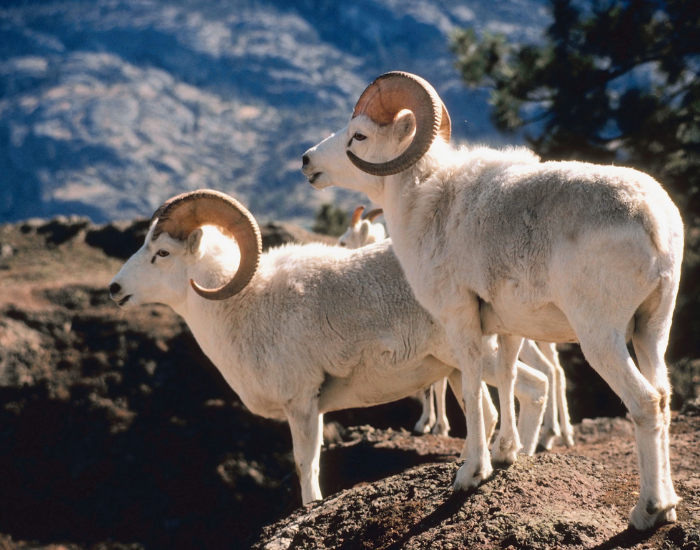
High on craggy ridges of the Chugach or Brooks Range, you’ll see white dots resembling leftover snow. Those are Dall sheep. Famous for rams’ massive, curled horns, these sheep master vertical worlds with specialized hooves gripping sheer rock faces where predators like wolves can’t reach.
Male Dall sheep and female herds separate for much of the year, reuniting during mating season. Because they inhabit harsh, high-altitude environments, they serve as primary indicators of how alpine ecosystems respond to environmental changes. Therefore, monitoring Dall sheep populations provides valuable data about mountain ecosystem health.
11. Killer Whales (Orcas): Apex Predators of the Sea
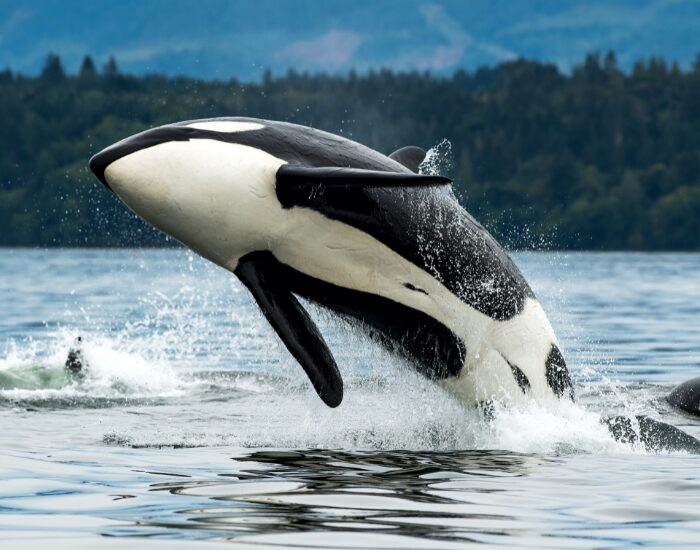
Technically the largest dolphin family member, orcas are the “wolves of the sea.” In Alaska, you’ll find two main types: Residents, who eat fish species (mostly salmon), and Transients, who hunt other marine mammals like sea lions, seals, and even small whales.
They’re highly social and hunt in pods using strategies passed down through generations. Seeing a dorsal fin slice through glassy waters of the Inside Passage reminds us that what animals are found in Alaska extends far beneath the surface. Adult male orcas can reach 30 feet in length, making them truly amazing animals to observe during boat tours.
12. Sea Lions: Steller’s Giants of Coastal Waters
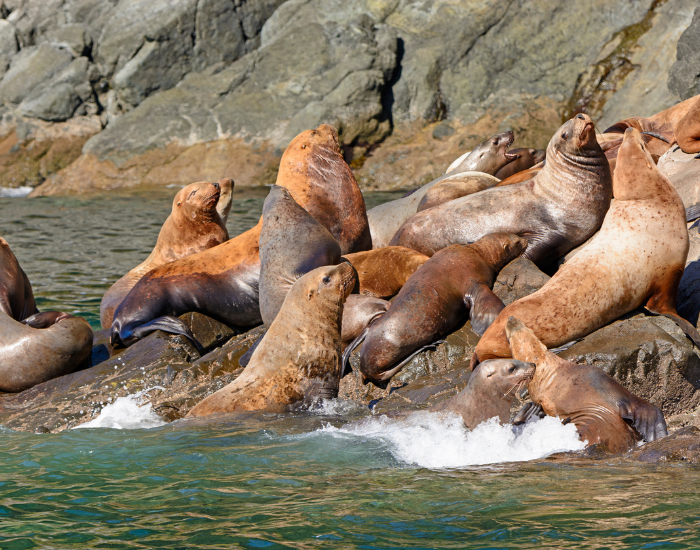
Steller sea lions represent the largest “eared seals,” with adult males weighing over 2,000 pounds. These loud, territorial animals currently receive major conservation research focus in Alaska. Populations in the state’s western regions have experienced mysterious declines, highlighting the complexity of managing native animals to Alaska in changing oceans.
Sea lion rookeries dot coastal waters throughout Southeast Alaska and the Aleutian Islands. During breeding season, hundreds gather on rocky islands, creating spectacular wildlife viewing opportunities. However, their endangered species status requires careful monitoring and protection from disturbance.
13. Arctic Foxes: Survivors of Extreme Cold
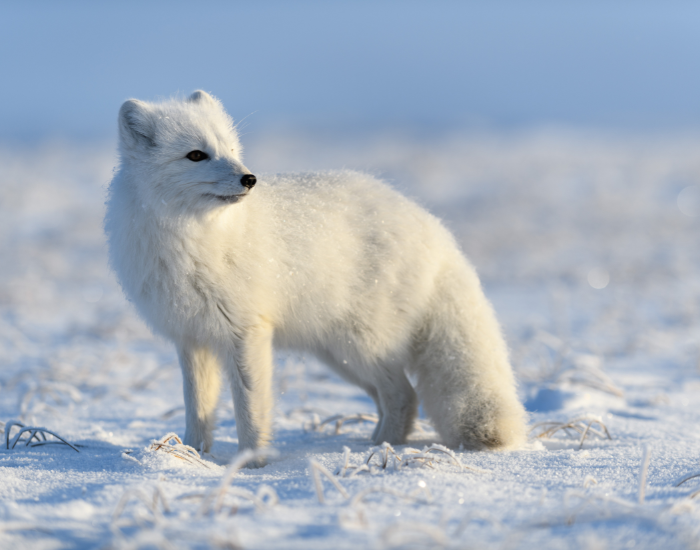
Small but incredibly tough, Arctic foxes master disguise. Their coats change from pristine white in winter to brownish-gray in summer, matching tundra landscapes. They’re often found following polar bears, scavenging leftovers from seal kills during winter.
They inhabit some of Alaska’s harshest environments, demonstrating remarkable resilience in deep snow and extreme temperatures. Their thick fur and compact bodies minimize heat loss, allowing survival in conditions that would challenge larger animals.
14. Muskoxen: Living Ice Age Relics
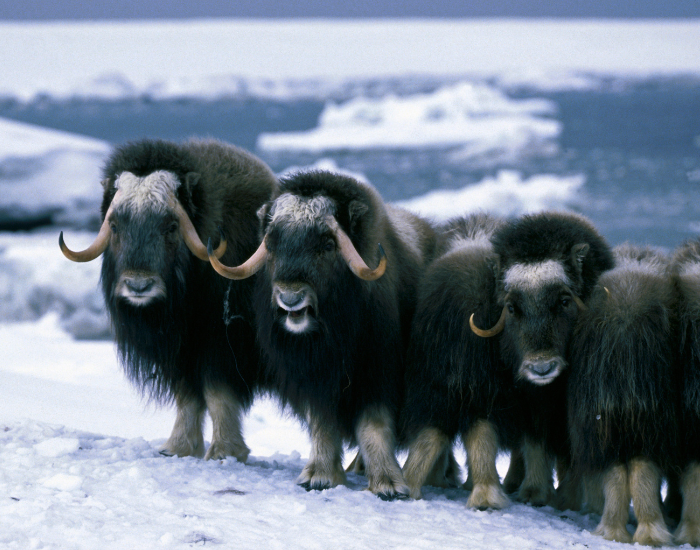
Relics of the Ice Age, muskoxen look like museum exhibits come to life. They’re covered in “qiviut,” wool eight times warmer than sheep’s wool. When wolves threaten, herds form defensive circles with calves protected in the middle, an ancient strategy working against everything except modern hunters.
Muskox populations in Alaska concentrate in northern regions, where they graze on tundra vegetation. Conservation efforts have helped restore populations after near-extinction in the early 20th century.
15. Wood Bison: Ice Age Survivors Return
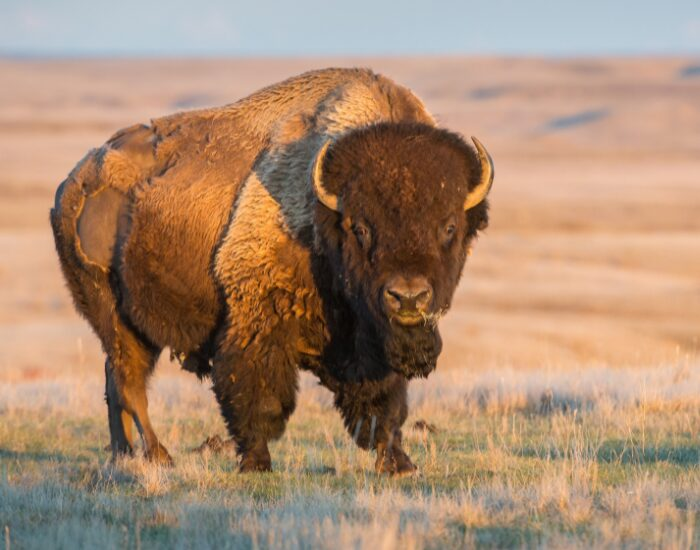
Plains bison’s larger cousins recently reintroduced to Alaska, these massive herbivores once roamed freely across interior regions. Delta Junction Bison Range now supports a growing population. Adult males can weigh up to 2,000 pounds, making them North America’s largest land animals. Conservation efforts continue working to establish sustainable wild herds throughout their historic range.
16. Sitka Black-Tailed Deer: Rainforest Residents
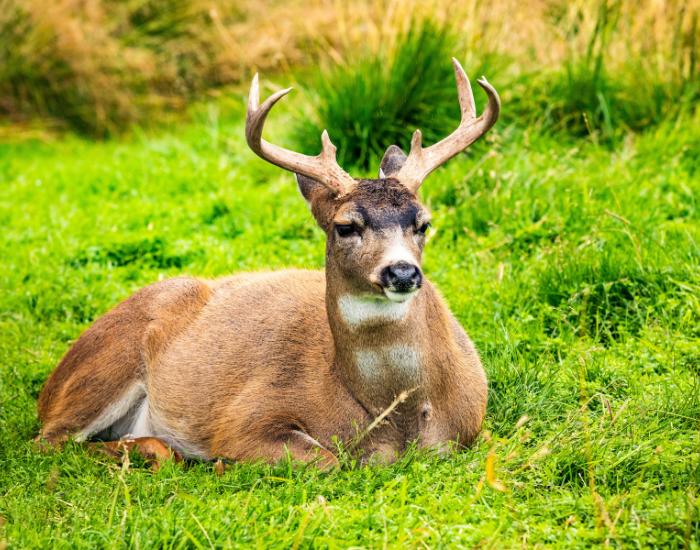
Native to wet, coastal rainforests of Southeast Alaska, these deer are smaller than southern cousins but remarkably resilient. They’ve adapted to survive deep snows of Tongass National Forest, often seeking shelter under dense old-growth tree canopies. During winter, they browse on hemlock and cedar, while summer brings abundant berry crops and fresh vegetation.
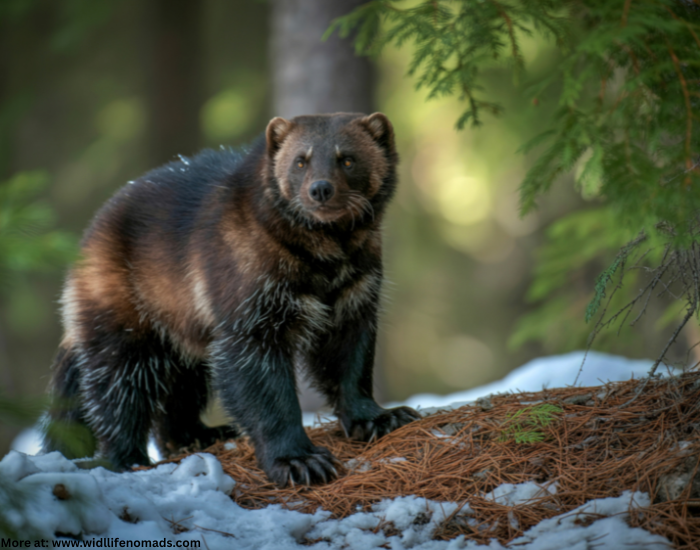
17. Wolverines: The Ghost of the North
Seeing wolverines in the wild is like winning the wildlife lottery. They’re incredibly solitary, fierce, and capable of traveling vast distances across rugged terrain. The Alaska Wildlife Conservation Center recently welcomed Jasper the wolverine, providing rare opportunities for visitors to see this elusive predator up close. These amazing animals possess strength far beyond their 30-pound frames, capable of taking down prey much larger than themselves.
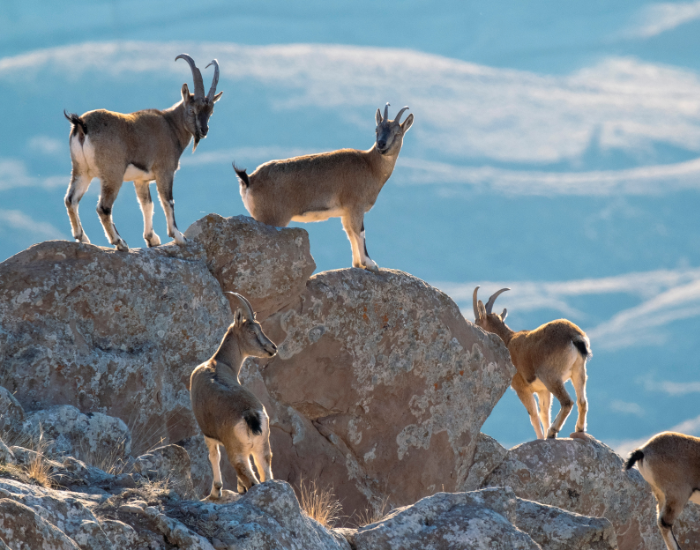
18. Mountain Goats: Masters of Vertical Terrain
White-coated climbers inhabiting Alaska’s steepest terrain, mountain goats navigate impossible cliffs with specialized hooves. They’re commonly sighted in coastal mountain ranges throughout Southeast Alaska. Their thick white coats provide insulation against harsh alpine conditions, while their sure-footedness allows access to mineral licks on cliff faces inaccessible to predators.
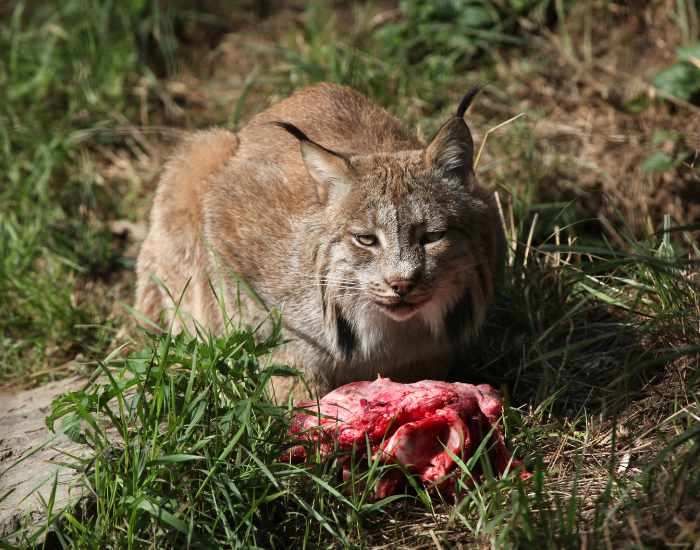
19. Canada Lynx: Alaska’s Only Native Big Cat
Alaska’s only native big cat species, these elusive predators primarily hunt snowshoe hares in boreal forests. Their large paws function as natural snowshoes, distributing weight across deep snow. Lynx populations fluctuate dramatically based on snowshoe hare abundance, with population cycles spanning roughly 10 years. Their tufted ears and facial ruffs give them distinctive appearances among wild cats.
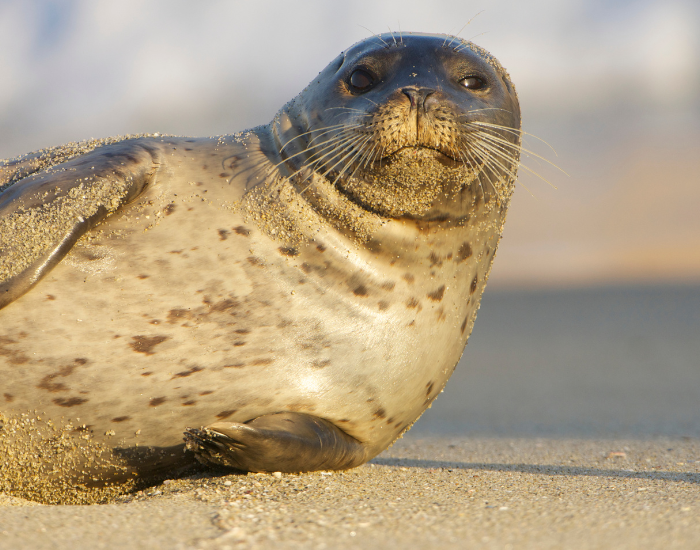
20. Harbor Seals: Coastal Water Residents
Harbor seals are Alaska’s most abundant marine mammal, found throughout coastal waters from Southeast Alaska to the Arctic. These adaptable seals haul out on rocks, beaches, and ice floes to rest and birth pups. Unlike their larger sea lion cousins, harbor seals lack external ear flaps. They feed on various fish species and play important roles in coastal food chains.
Marine Mammals and Coastal Wildlife
Alaska’s coastal waters teem with marine life beyond whales and sea otters. Gray whales migrate along the coast during spring and fall, while various dolphin family members patrol offshore waters. Harbor seals and sea lions haul out on rocky islands, and countless seabirds nest on dramatic cliff faces.
The National Park Service protects many of these critical habitats through parks like Kenai Peninsula’s Kenai Fjords National Park and Lake Clark National Park. These protected areas ensure marine mammals and seabirds have safe breeding grounds and feeding areas.
Common FAQs about Animals in Alaska
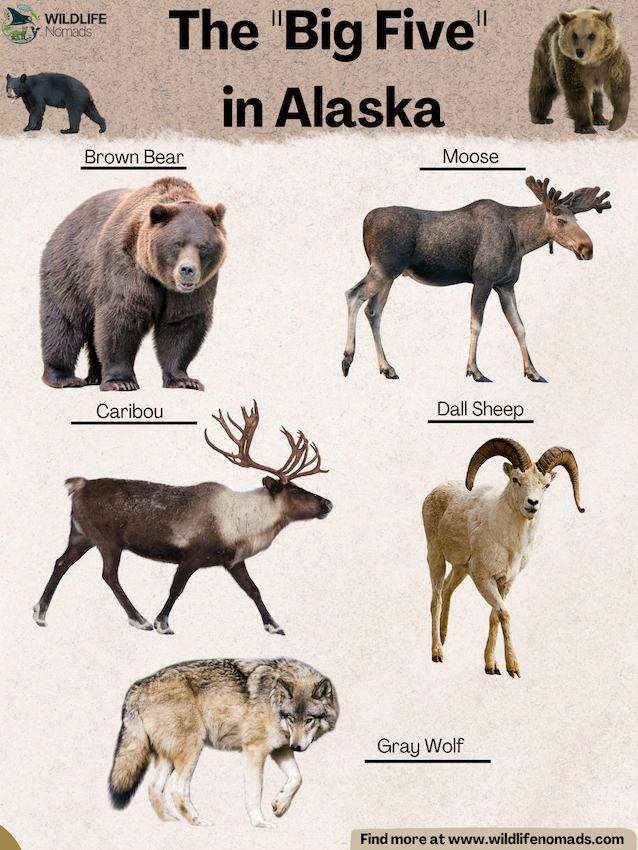
The “Big 5” refers to five iconic land mammals visitors hope to see: grizzly bears (brown bears), moose, caribou, Dall sheep, and wolves. Denali National Park offers the best opportunities to spot all five during summer visits.
Yes, Alaska is predator-rich. Apex predators include brown and black bears, wolves, wolverines, and orcas. While they generally avoid humans, practicing “bear-aware” safety while hiking remains essential. Carrying bear spray and making noise on trails helps prevent dangerous encounters.
Only one: the Canada lynx. While occasional unconfirmed reports of cougars surface, lynx remain Alaska’s only native cat species. They’re elusive and primarily hunt snowshoe hares in boreal forests.
No! Alaska ranks among Earth’s few places with no native snake species. The cold climate makes it impossible for reptiles to survive winters, making this a reptile-free zone for snake-averse visitors.
The short-tailed albatross and North Pacific right whale rank among the rarest. On land, seeing wolverines or ribbon seals is considered once-in-a-lifetime. Mule deer occasionally appear but aren’t native to Alaska.
Summer months (June-August) provide peak viewing opportunities when wildlife is most active and accessible. However, each season offers unique experiences, from mating season drama in fall to the stark beauty of winter landscapes.
Alaska’s Wild Future
Alaska isn’t just a destination, it’s a living laboratory and sanctuary. The wild animals of Alaska represent a world not yet paved over or fenced in. However, with that wildness comes responsibility.
Whether supporting research at the Alaska Wildlife Conservation Center, choosing sustainable tour operators, or advocating for climate action, our presence in the North should always reflect respect. Visit Denali National Park through the National Park Service’s shuttle system rather than private vehicles. Select boat tours operated by companies following marine mammal protection guidelines.
Support conservation efforts protecting endangered species and their habitats. Educate others about the challenges Alaska wildlife faces and the importance of preserving these wild spaces.
The animals in Alaska remind us we’re part of something much bigger, a complex, beautiful, and sometimes brutal web of life. From the smallest Arctic fox to massive brown bears, from soaring bald eagles to breaching humpback whales, Alaska’s wildlife represents nature at its most authentic.
So grab your binoculars, pack your bear spray, and prepare to see the world as it was meant to be. The iconic animals of Alaska await, ready to humble us with their beauty, power, and resilience. This last great frontier reminds us what we stand to lose, and what we must fight to preserve, for generations to come.
Experience Animals in Alaska
Here is a list of our recommended Safari tours with trusted partners so you can spot a cheetah and many other animals in the wild:
This blog is reader-supported. When you buy experiences through links listed on this site, we may earn an affiliate commission.