

Interactives
Migration Maps
Where the world’s great herds are, month by month.
Every map built from published route data, not artistic licence.
Six journeys, six interactive maps. Every route is built from published tracking data rather than artistic licence, and each map opens on today’s date — so you are looking at roughly where the real animals are right now.
Two of these barely move across the map and still walk 3,000 kilometres a year. Wildebeest and caribou travel in loops rather than lines, which is why a short route can mean an enormous journey.
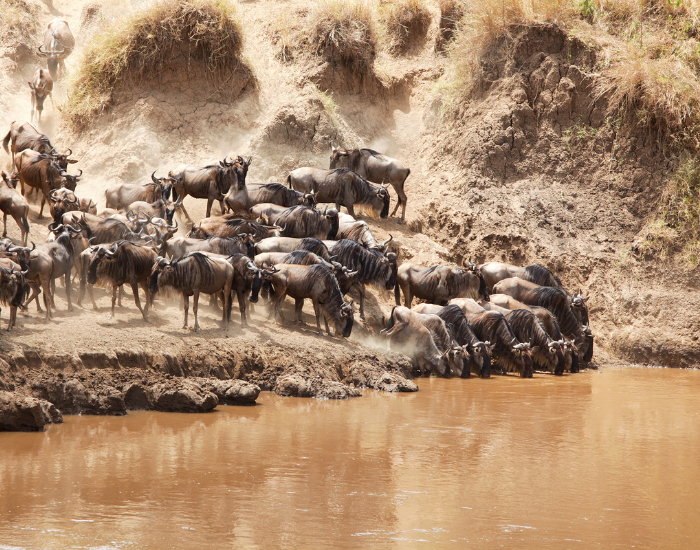 Serengeti – Mara
The Great Migration
1.3 million wildebeest walking an 800 km loop. Two river crossings, one calving season, and a quarter of a million that do not make it.
Open the map →
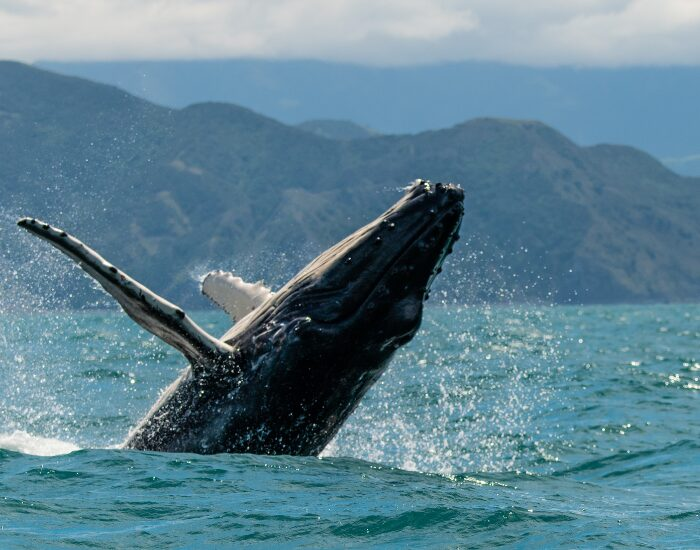 Worldwide
Humpback Whale
Fourteen populations across every ocean, all heading for the tropics — but six months apart. Watch both hemispheres change places.
Open the map →
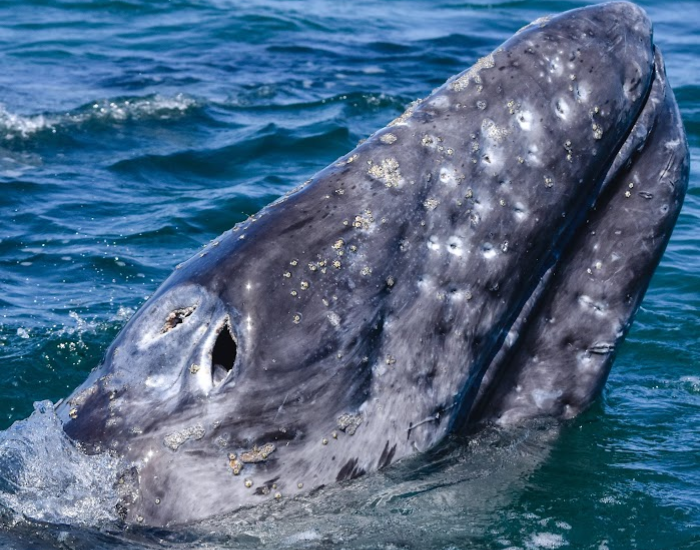 North Pacific
Gray Whale
The Arctic to Baja California and back, hugging the shoreline the whole way. Mothers and calves leave the lagoons weeks after everyone else.
Open the map →
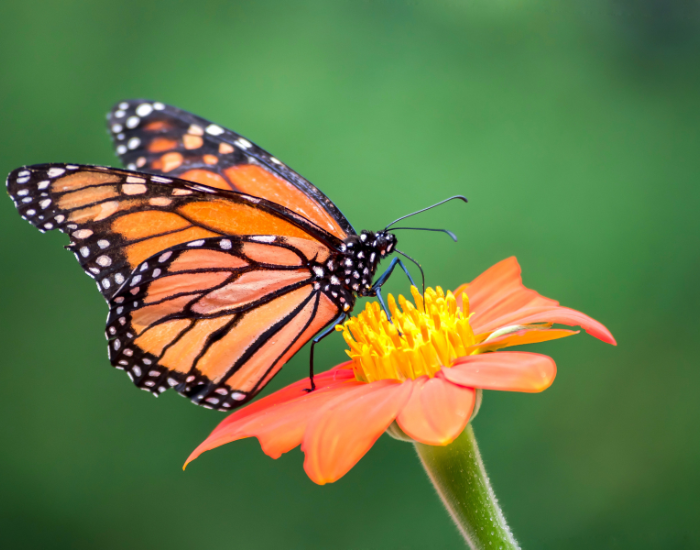 North America
Monarch Butterfly
One butterfly flies the whole way south to central Mexico. It takes three or four more, each living a few weeks, to work the family back north.
Open the map →
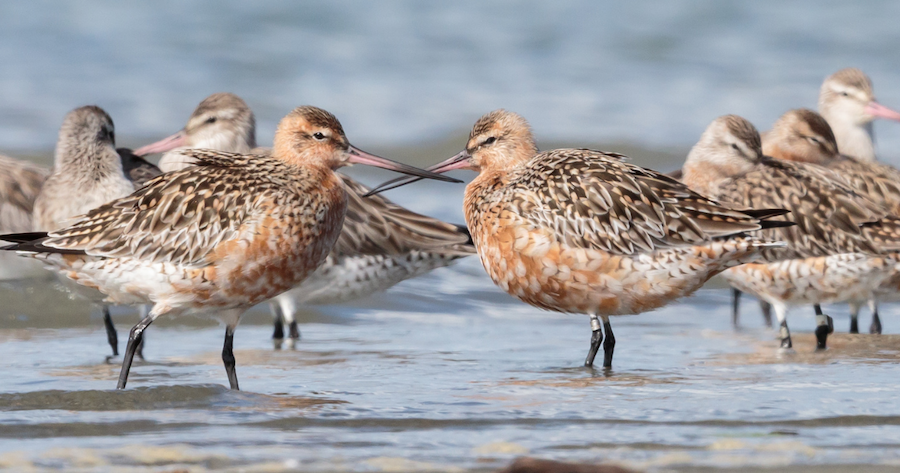 Pacific & Asia
Bar-Tailed Godwit
Eleven days in the air, 13,560 km, no food and no landing. The longest non-stop flight ever recorded for any bird.
Open the map →
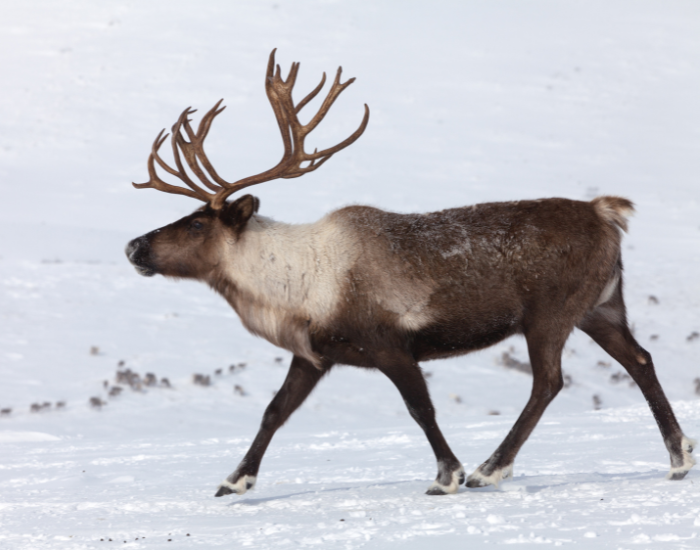 The Arctic
Caribou & Reindeer
The longest round trip walked by any animal, seen from above the pole — wild herds in Alaska, herded reindeer in Sápmi, and the collapse of both.
Open the map →



