

15 Types of Newts From Around the World That Will Surprise You
Discover 15 iconic newt species with a field biologist. Learn the "eft" life cycle, why their skin is toxic, and how newts differ from other salamanders.
Frogs, salamanders, and newts live between two worlds, water and land. Learn how they breathe through their skin, adapt to fragile ecosystems, and why so many are now endangered. Explore amphibian diversity, ecology, and conservation.
To search for specific bird species, visit the animal index-amphibians
Discover 15 iconic newt species with a field biologist. Learn the "eft" life cycle, why their skin is toxic, and how newts differ from other salamanders.

From common backyard visitors to rare species that call from deep underwater, these spotted amphibians are full of surprises. Dive into our expert guide to 15 unique leopard frog species
Ever seen a frog the size of a housecat? I once spent a night in the Australian bush listing giants with a fellow biologist, and this is that list—refined by years of fieldwork. From the stone-moving Goliath to the "angry" Budgett's frog, here are the world's 15 biggest amphibians (and why they aren't actually toads).

You won’t believe some of the new animals scientists have just discovered! From deep-sea “Darth Vader” bugs to brand-new venomous snakes: 2026 is already wild. Go see which species made the list.

The Amazon milk frog is one of the rainforest’s most distinctive amphibians. Known for its milky skin secretions, powerful climbing abilities, and arboreal lifestyle, this species has evolved remarkable adaptations for life high in the canopy.

The white tree frog, often called the dumpy tree frog, is one of Australia’s most iconic amphibians. From color-changing skin and powerful toe pads to surprisingly long lifespans and quirky habits, this species is full of surprises.

Learn about the eastern gray tree frog’s habitat, calls, colour-changing skin, freeze tolerance, and why this amphibian thrives in forest ecosystems.

That giant frog on your wall isn’t just unusual, it’s invasive. Cuban tree frogs are spreading across Florida, outcompeting native species and quietly reshaping local ecosystems. Here’s how to recognise them, why they’re a problem, and what to do if you find one.

Not all green frogs are the same. Learn how to identify northern green frogs, bullfrogs, green tree frogs, mink frogs, wood frogs, Cuban tree frogs, and more.

Don’t let their size fool you, many poisonous tree frogs carry enough toxin to stop predators instantly. Here are 20 of the most striking and deadly species found across the tropics.

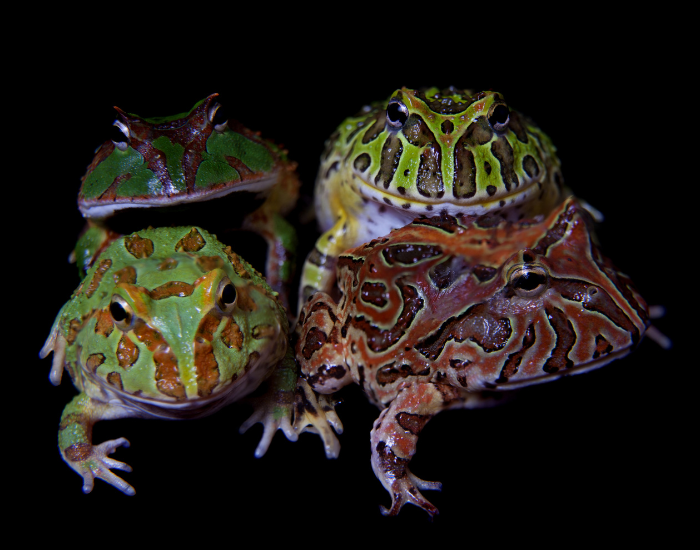
Pacman frogs (Ceratophrys) are eight species of South American horned frogs named for their enormous mouths and aggressive feeding behavior.

The tomato frog (Dyscophus antongilii) is a striking red-orange amphibian endemic to Madagascar’s eastern rainforests. Known for its ambush-hunting behavior and defensive skin secretions, this unique species faces threats from habitat loss and the pet trade.

Dive into the mysterious world of the hellbender salamander, North America’s largest amphibian and a true “living fossil.”

Curious about salamanders? Learn about 12 types found across the globe, their unique traits, habitats, and the remarkable life cycle of these ancient amphibians.

Amphibians are some of the most fascinating creatures on Earth, thriving both in water and on land. From frogs and salamanders to caecilians and newts, each group has its own unique traits and survival strategies. This guide explores the four main types of amphibians and what makes them so extraordinary.



