Booby Birds: 12 Things That Will Make you Love Them
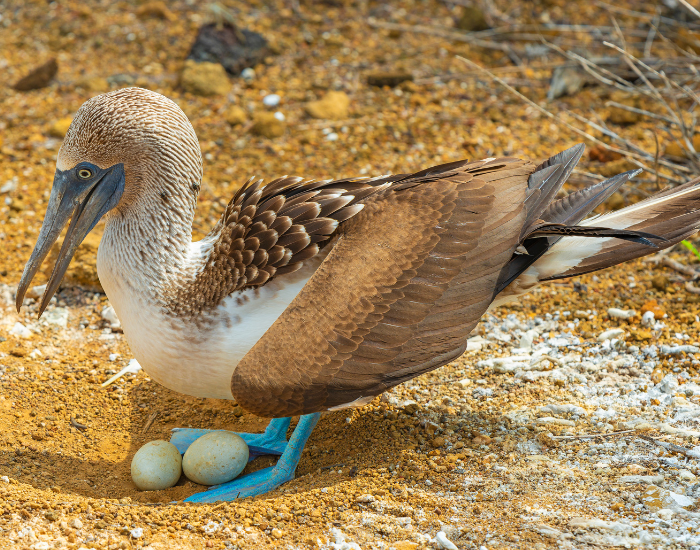
Ever met a Blue-footed Booby at eye level? Jump in for a biologist’s look at these iconic divers and the secrets behind those blue feet!
Browse our archive of blogs about the animals and wildlife of Peru. Discover native species, ecosystems, and conservation stories from the Amazon to the Andes.
Ever met a Blue-footed Booby at eye level? Jump in for a biologist’s look at these iconic divers and the secrets behind those blue feet!

Known for their vibrant plumage and specialized hunting techniques, blue footed booby birds are a cornerstone species of the Eastern Pacific. Here are 12 things that still surprise me about them."

From common backyard visitors to rare species that call from deep underwater, these spotted amphibians are full of surprises. Dive into our expert guide to 15 unique leopard frog species

I’ll never forget the first time I saw a spider monkey in the wild—a flash of spindly limbs high in the Sumidero Canyon. They’re so much more than just acrobats; they’re "incomplete" by name but absolute geniuses by nature.

Beyond the Hollywood horror, piranhas are complex social creatures that drum to communicate, scavenge for the ecosystem, and even eat fruit. Discover 12 surprising facts that debunk the "mindless killer" myth.
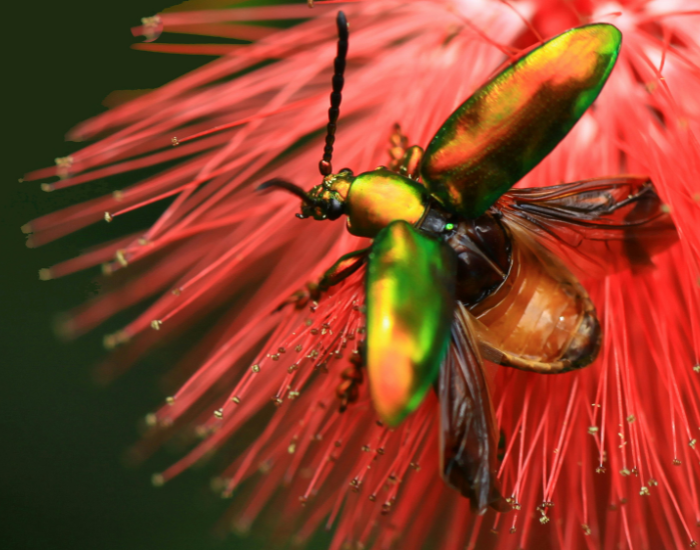
Ever wondered why beetles look like tiny aliens? From iridescent armor to 300G jumps, here are 15 beetles that prove they’re the coolest (and weirdest) animals on Earth.

We’re diving deep into the world of the Andes' most 'extra' animal, the one with $400/kg gold-fleece and blood that literally acts like a high-altitude superpower.

Think you know the difference between an alpaca and a llama? From their secret hybrid origins to the reason they’re surprisingly good bodyguards, here are 12 weird facts that prove these fluffy icons are more than just a viral meme.

Jackie came back from Peru with one burning question — why do llamas, alpacas, and vicuñas all look the same? That question kicked off a deep dive into one of the world's oldest domesticated animals. Turns out, llamas spit strategically, guard sheep from coyotes, and even visit nursing homes.
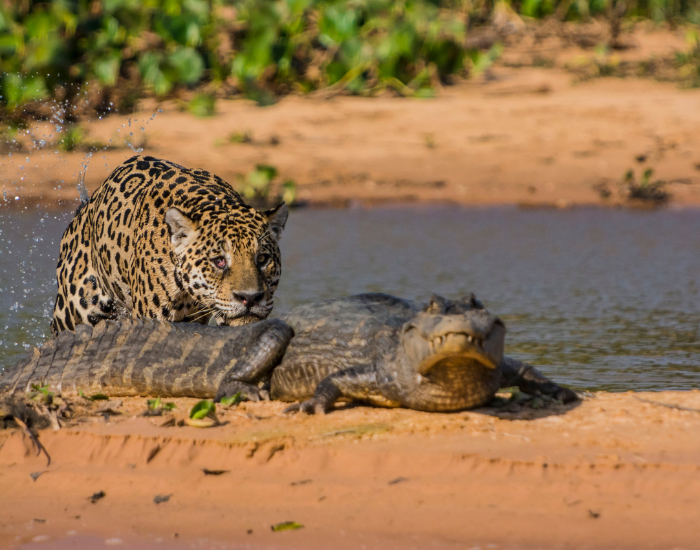
Jaguars are the only cats that hunt in water, have stronger bites than grizzlies, and shaped ancient Mesoamerican civilizations. Here's what most people get wrong about them.

Nurse sharks vacuum their food, pile up like puppies, and take 25 years to grow up. As a field biologist, I think they're the ocean's most underrated animal.

Did you know capuchin monkeys have been using stone tools for 3,000 years? These small but mighty New World primates are smarter than most people think. Here's what a biologist wants you to know

Think all capuchin monkeys are the same? Think again. Meet the 15 types of capuchins, the rock-wielding, plant-rubbing, nut-cracking little geniuses taking over the jungle.
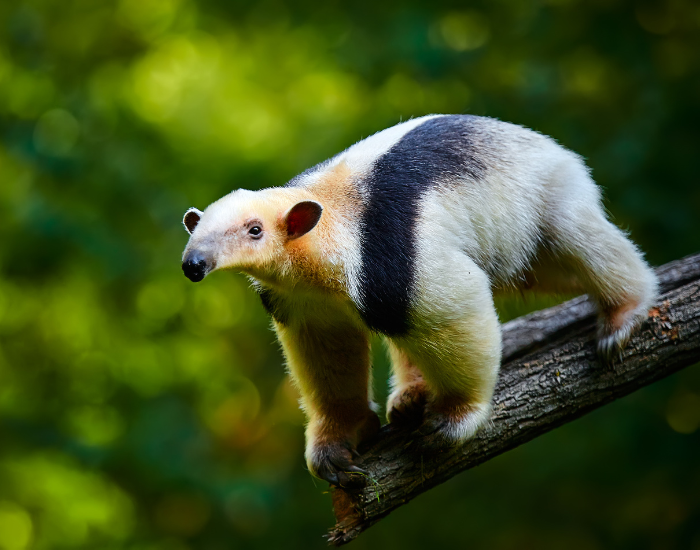
Giant anteaters have no teeth, a tongue longer than your arm, and claws that even jaguars avoid. They're prehistoric-looking, highly specialised, and quietly disappearing from South America's grasslands. Here's what makes them one of the most fascinating mammals on the planet.
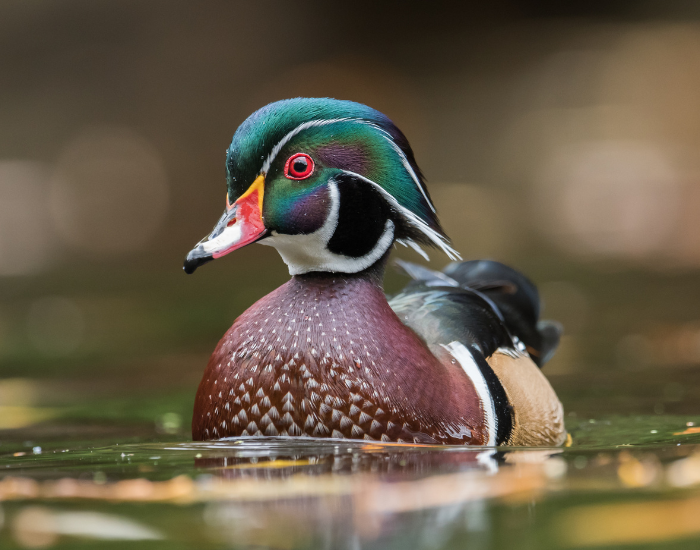
Waterfowl are more than pond birds—they’re a diverse group of ducks, geese, and swans adapted to life on the water. This overview breaks down the main types of waterfowl and the key traits that help identify them.