
During my master’s in Australia, I shared a lab with a Brazilian biologist named Rafael. He had spent years working along the Amazon River, studying fish species most people only know from horror movies. Over late-night coffees, Rafael told me stories about piranhas that shattered everything I thought I knew. Hollywood paints them as underwater wolves. Turns out, piranhas are far more complex, more cautious, and more ecologically important than their fearsome reputation suggests. Rafael even described wading through rivers where they swam right past him without a single bite.
Those conversations rewired how I think about these animals. So here are 12 facts about piranhas, the real ones, backed by science and field experience, that reveal what this fish actually is beneath the myth.
1. They Belong to a Much Larger Family Than You Think
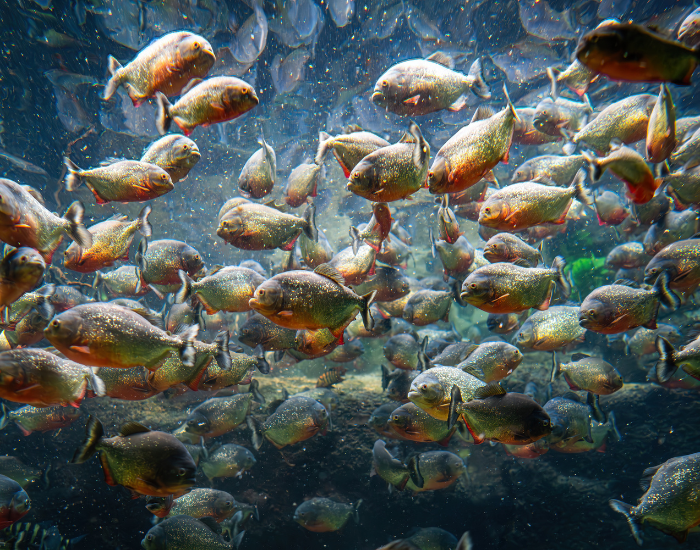
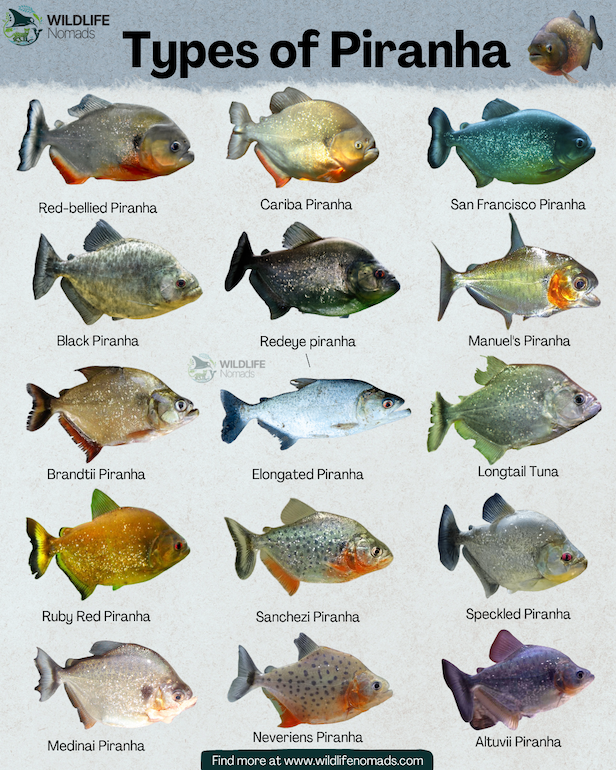
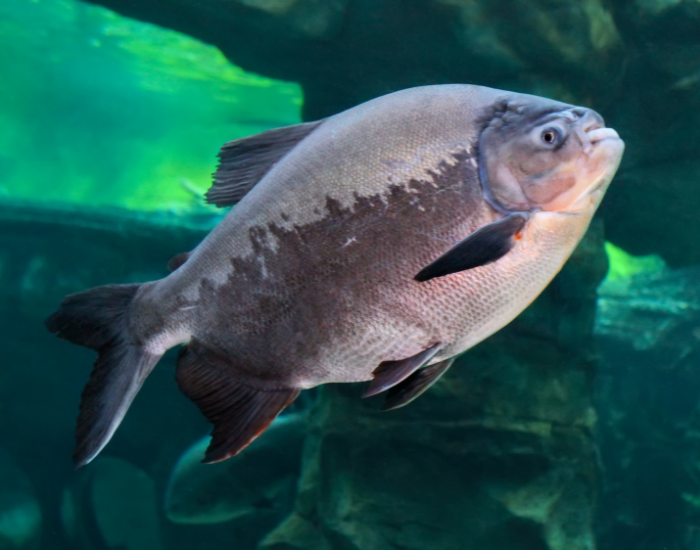
Most people hear “piranha” and picture a single, terrifying creature. The reality is far more diverse. Piranhas belong to the family Serrasalmidae, a group of bony fishes that also includes the pacu, a close relative with flat, human-like teeth designed for crushing seeds. Scientists currently recognize over 30 species of true piranhas, and that number keeps growing as researchers explore remote tributaries across South America.
Not all members within this family are carnivorous. Some primarily feed on aquatic plants, algae, and fallen fruit. The diversity within Serrasalmidae challenges the one-dimensional image most people carry. In fact, most species rarely pose any threat to humans at all. Each fish behaves differently, and size varies depending on the habitat and the river system they inhabit.
2. The Red Bellied Piranha Stars in Every Documentary
When filmmakers need a villain, they cast the red bellied piranha (Pygocentrus nattereri). This species lives throughout the Amazon basin, the Orinoco, and various South American rivers and lakes. Adult piranhas of this species grow to about 30 centimeters long — roughly the size of a dinner plate. They display a distinctive orange-red belly, silver flanks, and a powerful underbite packed with razor sharp teeth.
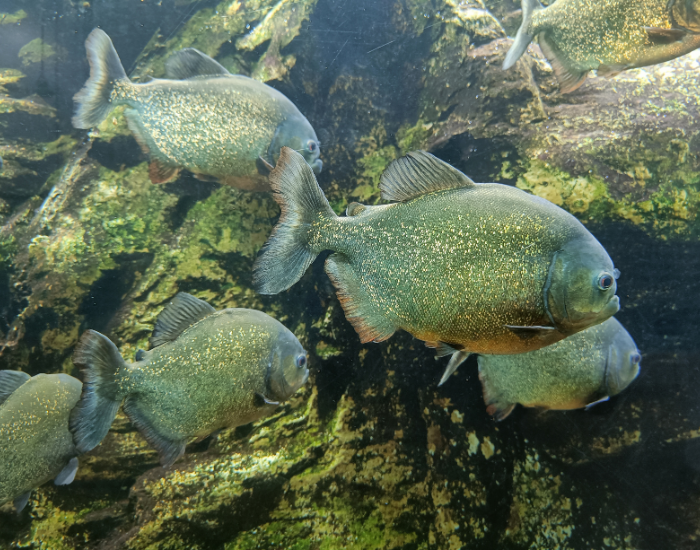
Among all known species, this one forms the largest and most active feeding groups. When resources become scarce during the dry season, they can gather in large groups numbering in the hundreds. However, these gatherings serve a defensive purpose as much as an offensive one. Schooling helps them avoid their own predators: caimans, river dolphins, large birds, and even giant river otters.

3. Those Teeth Are No Joke… But They Serve a Specific Purpose
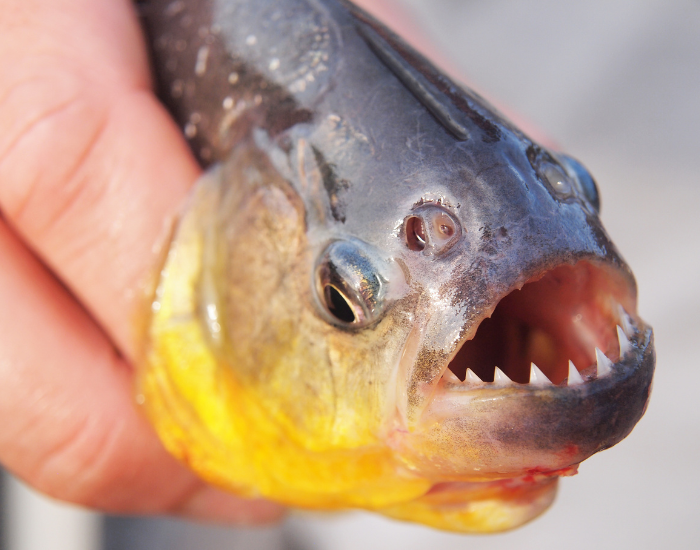
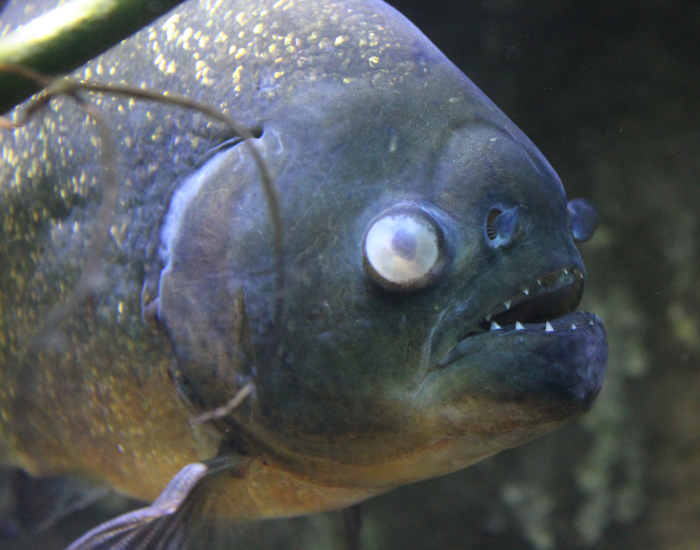
Let me be direct: piranha teeth are extraordinary. Each jaw holds a single row of triangular, interlocking teeth that function like a bear trap. The bite force of a black piranha (Serrasalmus rhombeus) relative to its body size rivals that of a great white shark. Their strong jaws and razor sharp teeth can slice through flesh, bone, and even fishing line with terrifying efficiency.
However, they did not evolve these teeth to attack large animals. Those teeth are tools for tearing bite-sized chunks from prey, usually other fish, carrion, or insects that fall into the water. Piranhas feed by darting in, taking a quick bite, and retreating. They do not chew like mammals. Their stomachs process nutrients rapidly, which explains why they consume small portions frequently throughout the day. Think of them less as apex predators and more as highly efficient scavengers with strong jaws and extremely sharp teeth.
4. Piranhas Are Omnivores – Yes, Really
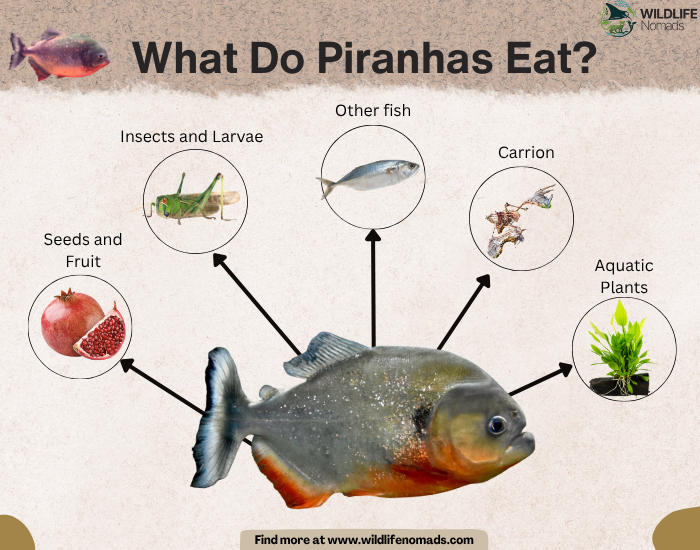
Here is where Rafael first surprised me. He described watching them in the Amazon River feed on fallen seeds, fruits, and aquatic invertebrates just as often as they targeted other fish. Their feeding habits are far more varied than popular culture suggests. They consume crustaceans, worms, carrion, fins clipped from larger fish, and plant material.
Young piranhas rely heavily on beetles and bugs, crustaceans, and the fins of other fish. As they grow larger, adult piranhas shift toward prey that includes more vertebrates and vegetation. Some species are almost entirely herbivorous. The idea that piranhas are strictly carnivorous killing machines? That is a myth. What they consume shifts with the seasons, water depth, and availability. When food becomes limited, piranhas eat whatever they can find, switching to plants and seeds without hesitation. Their stomachs regularly contain more vegetation than animal tissue.
5. They Live Only in South American Fresh Water
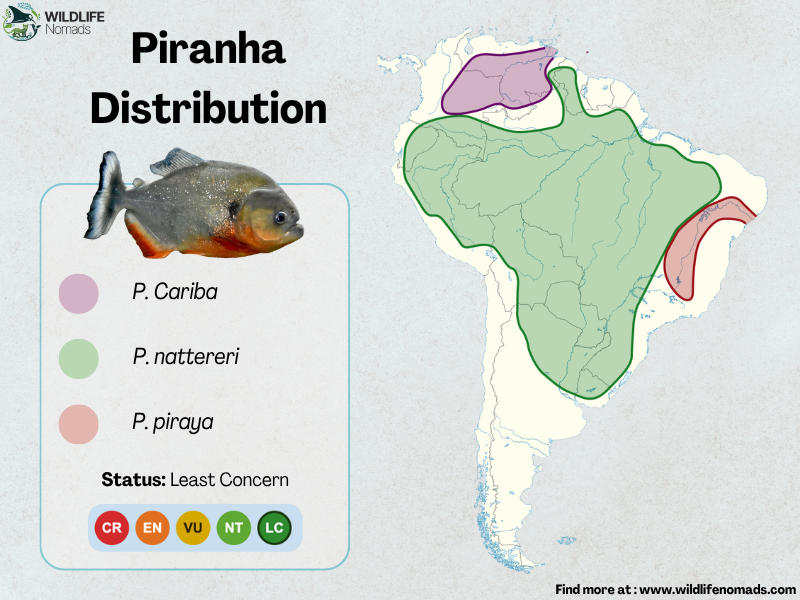
You will not find piranhas in the ocean. They are exclusive to fresh water rivers, lakes, and floodplains. Their range stretches from the Amazon River basin through the Orinoco, the São Francisco, and the Paraguay-Paraná rivers. This fish thrives in warm, slow-moving tributaries and seasonal floodplains throughout the South America rainforest.
Unlike ocean dwellers such as tunas or mackerels that migrate thousands of kilometers, piranhas stay within their home rivers. Seasonal flooding plays a critical role in their behavior. During the wet season, they spread across flooded forests with abundant food. During the dry season, receding water concentrates piranhas into smaller pools. This crowding, not hunger, drives the feeding frenzies that cameras love to capture.
6. Piranha Attacks on Humans Are Extremely Rare
This fact matters more than any other on this list. Despite their fearsome reputation, piranha attacks on humans resulting in serious injury are extremely rare. Most incidents produce only minor injuries, a nipped toe or a small bite on a finger, usually when someone disturbs them while they feed or guard eggs.
Rafael told me he swam in piranha-filled rivers hundreds of times. He never suffered a single bite. The data supports his experience. Researchers studying these interactions in the Amazon basin found that most incidents occurred during the dry season when piranhas were stressed by dropping water levels, limited resources, and overcrowding. They do not hunt or eat humans. They do not strip a cow to bone in minutes. That famous scene? Teddy Roosevelt staged it in 1913 by having locals trap starving piranhas in a netted section of a river before tossing in a dead cow. The myth has outlived the stunt by over a century.
7. Piranhas Are Prey More Often Than They Are Predators
This surprised me most. Piranhas spend much of their lives avoiding being consumed. Their predators include caimans, large catfish, Amazon river dolphins, herons and other birds, snakes, and giant river otters. Even jaguars occasionally hunt them in shallow water.
They swim in schools primarily for safety, not for coordinated attack. A lone fish in open water is vulnerable. In groups, each individual reduces its personal risk of predation, a classic case of the dilution effect. Their silvery coloring and compressed body shape also help them maneuver quickly through dense vegetation to escape predators. Far from the apex killers of popular imagination, piranhas occupy a middle tier in river ecosystems.

8. They Play a Critical Ecological Role
These creatures function as both predators and scavengers. They feed on dead and dying fish, keeping rivers clean and reducing disease transmission. They also feed on and control populations of smaller prey, preventing any single organism from dominating the river system.
Their role as seed dispersers deserves more attention. Piranhas consume fruits and seeds that fall into the water from rainforest canopy. The seeds pass through their digestive systems and get deposited elsewhere along the rivers, helping plants colonize new areas. Remove piranhas from a river, and you disrupt nutrient cycling, carrion processing, and seed dispersal all at once. These animals are ecological engineers that hold their freshwater habitats together.

9. Size Varies Wildly Across Species
Not all piranhas are the same size. The smallest fish barely reach 15 centimeters. The black piranha, the largest of the true piranhas, can grow larger than 45 centimeters and weigh over 3 kilograms. That makes it slightly larger than most relatives but still modest compared to other Amazonian giants like the arapaima.
How big is a piranha? The answer depends entirely on the species, age, and habitat. Piranhas in nutrient-rich rivers grow larger and faster. Those in resource-poor lakes stay smaller. The red bellied piranha typically reaches 25 to 35 centimeters in the wild, about the length of a standard ruler. In captivity, where conditions are consistent and predators are absent, some fish grow slightly beyond their wild counterparts.
10. People Keep Them as Pets… And It Gets Complicated
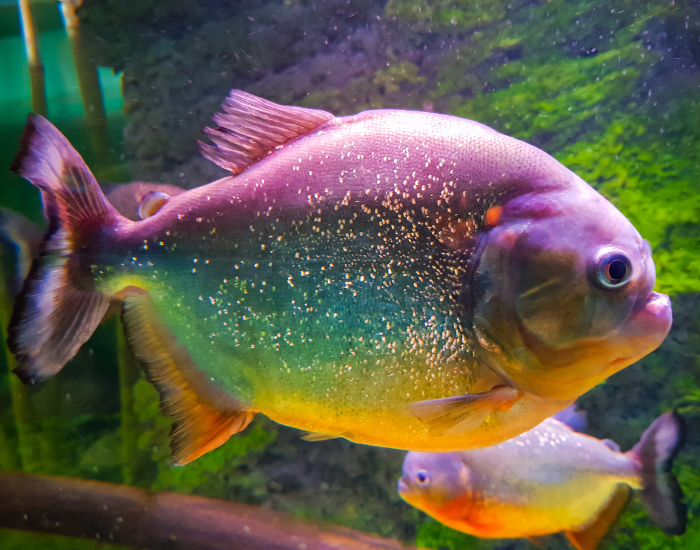
Piranhas have made their way into the aquarium trade worldwide. The most commonly traded variety remains popular among hobbyists, largely because of its bold coloring and active behavior. Keeping them in an aquarium requires a tank of at least 300 liters, powerful filtration, and warm fresh water between 24 and 28 degrees Celsius.
However, owning piranhas as pets raises legal and ethical concerns. Many countries and U.S. states ban ownership outright. These are wild animals adapted to complex river ecosystems. In an aquarium, they often display stress behaviors, aggression, and health problems. Released pets have established invasive populations in rivers outside their native range, threatening local wildlife. If you are considering piranhas as pets, research your local laws first, and think hard about whether captivity truly serves the animal.
11. Piranhas Communicate Through Sound
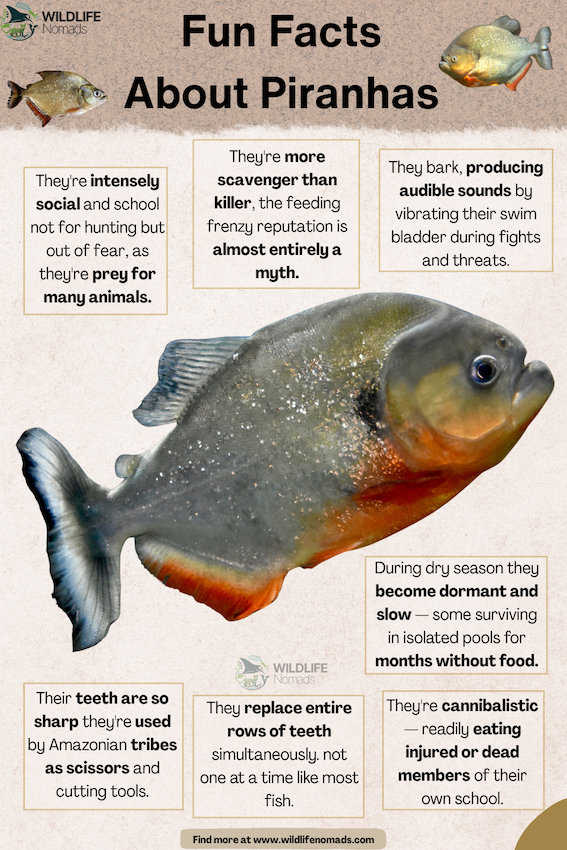
They are surprisingly vocal. Researchers have recorded at least three distinct sounds that piranhas produce using their swim bladders and jaw muscles. A rapid drumming sound signals aggression. A softer bark serves as a warning during competition. A third, lower-frequency sound accompanies chasing behavior.
These vocalizations help each fish negotiate feeding hierarchies without resorting to a physical bite every time. In murky Amazon River water where visibility drops to nearly zero, sound becomes essential for communication. This discovery overturned the old assumption that piranhas were mindless, silent hunters. They coordinate, they signal, and they bluff, behaviors that demand a level of social intelligence among bony fishes.
12. They Exhibit Cannibalistic Behavior
Piranhas aren’t always friendly neighbors. In the high-stakes environment of the Amazon, they frequently engage in cannibalism, particularly through a behavior known as fin-nipping. When resources are low or competition for a carcass is high, piranhas will dart in and take circular chunks out of the fins or scales of their own kind.
This isn’t just mindless aggression; it is a survival strategy. Since fish fins can regenerate, this allows a piranha to get a quick meal without necessarily killing its competitor. In the wild, it is actually quite common to find piranhas with “tatty” or scarred tails, a visual record of previous encounters with hungry peers. While they may school for safety, it is an uneasy alliance where every individual is looking out for its own stomach.
Frequently Asked Questions
Piranhas attack using a rapid bite-and-retreat strategy. They dart toward prey, clamp down with razor sharp teeth, tear off a chunk of flesh, and swim away. Most incidents happen when they are crowded in low water during drought periods or when they detect blood. They do not coordinate attacks on large animals the way movies depict. Feeding frenzies occur only under extreme conditions when many individuals compete for limited prey.
Piranhas are deep-bodied, laterally compressed with large heads and powerful jaws. Most species display silvery scales with darker markings on their backs. This fish features a vivid orange-red belly and a distinctive underbite revealing sharp teeth. Their eyes sit high on their heads, giving them good vision in murky rivers. Size ranges from 15 to 45 centimeters depending on the species.
Piranhas eat other fish, insects, crustaceans, worms, carrion, seeds, fruits, aquatic invertebrates, and aquatic plants. Young piranhas rely mostly on insects and small invertebrates. Adult piranhas consume more vertebrate prey, seeds, and vegetation. They are opportunistic and will eat whatever is most available in their habitat.
No. Piranhas are not extremely dangerous to humans under normal conditions. Fatal encounters are exceedingly uncommon and typically involve individuals who were already incapacitated. Healthy humans who swim in piranha-inhabited rivers face minimal risk. Most encounters result in no bite at all, and those that do typically cause only minor injuries. The danger increases when water levels drop and food becomes scarce, but serious incidents remain uncommon.
What Piranhas Teach Us About Assumptions
Every time I think about those late-night conversations with Rafael, I come back to the same realization. We fear what we misunderstand. Piranhas have survived in these rivers for millions of years, not because they are mindless killers, but because they are adaptable, social, and ecologically vital. The real story of the piranha animal is richer than any Hollywood script.
If this sparked your curiosity, dive deeper with my posts on Amazon river dolphins and giant river otters, two other misunderstood creatures that share these same rivers. And if you have ever encountered piranhas in the wild or kept them in an aquarium, drop your story in the comments. I would love to hear it.
References:
Banse, M., Chagnaud, B. P., Huby, A., Parmentier, E., & Kéver, L. (2021). Sound production in piranhas is associated with modifications of the spinal locomotor pattern. The Journal of experimental biology, 224(9), jeb242336. https://doi.org/10.1242/jeb.242336
Freeman, B., Nico, L. G., Osentoski, M., Jelks, H. L., & Collins, T. M. (2007). Molecular systematics of Serrasalmidae: deciphering the identities of piranha species and unraveling their evolutionary histories. Zootaxa, 1484(1), 1–38. https://doi.org/10.11646/zootaxa.1484.1.1
Grubich, J. R., Huskey, S., Crofts, S., Orti, G., & Porto, J. (2012). Mega-Bites: extreme jaw forces of living and extinct piranhas (Serrasalmidae). Scientific reports, 2, 1009. https://doi.org/10.1038/srep01009
Haddad Jr, V., & Sazima, I. (2003). Piranha attacks on humans in southeast Brazil: epidemiology, natural history, and clinical treatment. Wilderness & Environmental Medicine, 14(4), 249–254. https://doi.org/10.1580/1080-6032(2003)14[249:PAOHIS]2.0.CO;2
Nico, L. G., & Taphorn, D. C. (1988). Food habits of piranhas in the low llanos of Venezuela. Biotropica, 20(4), 311–321. https://doi.org/10.2307/2388321
Sá-Oliveira, J. C., Ferrari, S. F., Vasconcelos, H. C. G., Araujo, A. S., Costa Campos, C. E., Mattos-Dias, C. A. G., Fecury, A. A., Oliveira, E., Mendes-Junior, R. N. G., & Isaac, V. J. (2017). Resource Partitioning between Two Piranhas (Serrasalmus gibbus and Serrasalmus rhombeus) in an Amazonian Reservoir. TheScientificWorldJournal, 2017, 8064126. https://doi.org/10.1155/2017/8064126