
Last year, a biologist friend flew from Mexico to Australia for a conservation biology conference. Over beers in Melbourne, he told me about his research tracking jaguars and small wild cats like ocelots through Colombia’s tropical rainforests. He described new threats I hadn’t considered, drug cartels expanding into jaguar territory, illegal wildlife trade networks shipping jaguar teeth to Asia, local communities caught in the crossfire. It hit me hard. I grew up in Mexico, where the animal jaguar isn’t just another big cat, it’s woven into the very fabric of who we are.
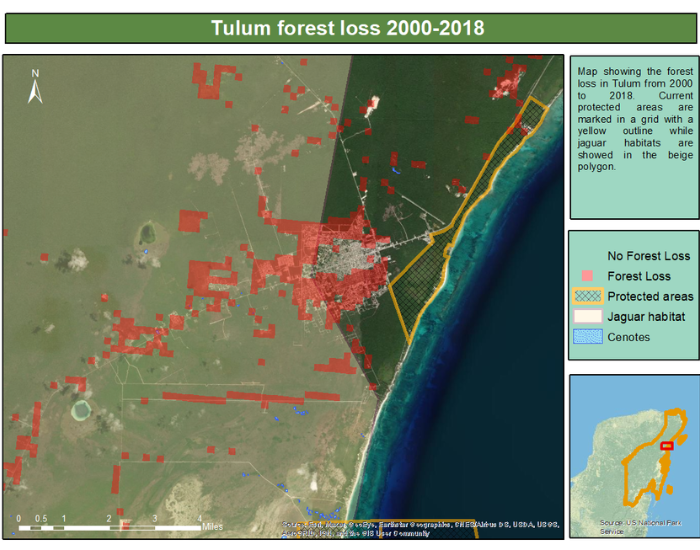
During my biology degree, I ran school projects on jaguar populations across the Yucatan. Even during my master’s in Australia, I used GIS satellite imagery to analyse habitat connectivity along the Mesoamerican corridor between Central America and southeast Mexico. When I overlapped those satellite images near Tulum to understand habitat loss, the results were genuinely alarming. So here are 12 facts about jaguars that go beyond the basics, the weird, the wild, and the things most people get completely wrong about these magnificent cats.
1. Jaguars Are the Only Big Cats That Crush Skulls
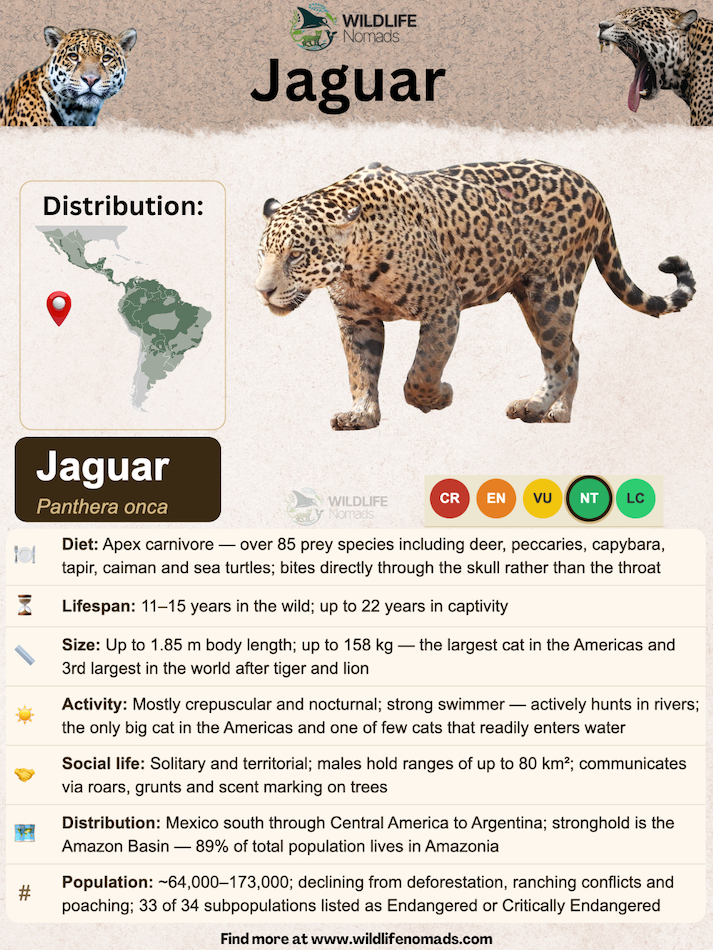
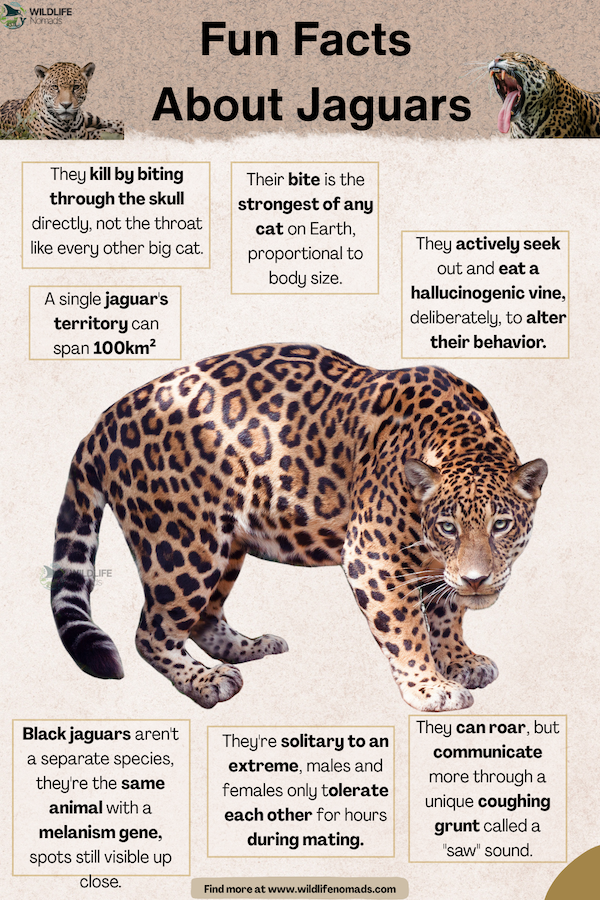
Most big cats kill by clamping their jaws around a prey animal’s throat and suffocating it. Lions do it. Tigers do it. Jaguars said no thanks. Panthera onca evolved a completely different strategy: jaguars bite directly through the temporal bones of the skull, piercing the brain. One bite. Done.
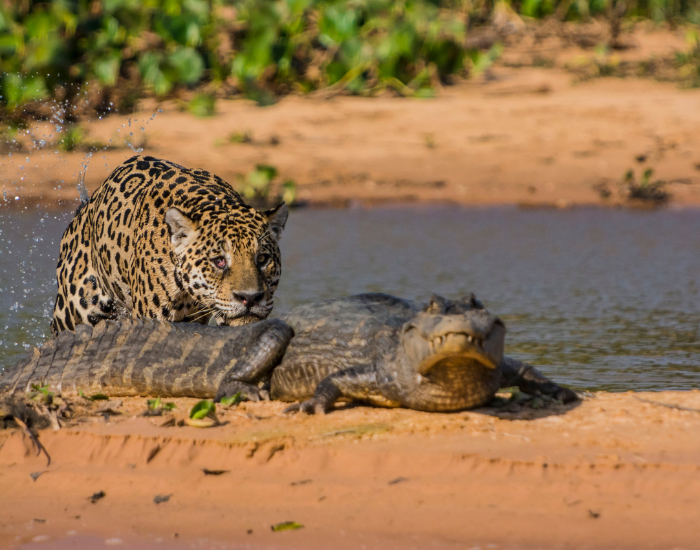
Jaguars generate a bite force of roughly 1,500 pounds per square inch, the strongest relative to body size of any big cat on the planet. For perspective, that’s stronger than a grizzly bear. Those powerful jaguar teeth can puncture turtle shells and crush caiman skulls with terrifying ease. Unlike other species of big cats that target soft tissue, jaguars go straight for bone. The name “jaguar” likely derives from the indigenous Tupí-Guaraní word yaguara, often translated as “he who kills with one leap.” After watching footage of jaguars ambushing caimans in the Brazilian Pantanal, I’d say the name undersells it.
2. They’re the Biggest Cat in the Americas (And It’s Not Close)
Jaguars hold the title of the largest cat in the Western Hemisphere. Among all big cats in the genus Panthera, only lions and tigers outsize jaguars. Adult males can weigh between 90 and 120 kg (200–270 lbs), while female jaguars typically weigh 60 to 90 kg (130–200 lbs). That makes jaguars the biggest cat in North America and the biggest cat in the USA’s historic range, yes, jaguars once roamed the southwestern United States.
Here’s the interesting part: jaguars weigh dramatically different amounts depending on where jaguars live. A male Brazilian jaguar from the Pantanal wetlands can tip the scales at 158 kg (348 lbs). Meanwhile, the smallest female jaguars in Central America weigh just 36 kg (79 lbs). That’s nearly a fivefold difference within the same species. Researchers suspect this variation ties to prey availability. In the Amazon Basin, where natural prey is abundant and diverse, jaguars grow larger. In fragmented forests of central Mexico or northern Mexico, where prey is scarce, jaguars stay smaller.
3. Black Jaguars Are Not a Separate Species
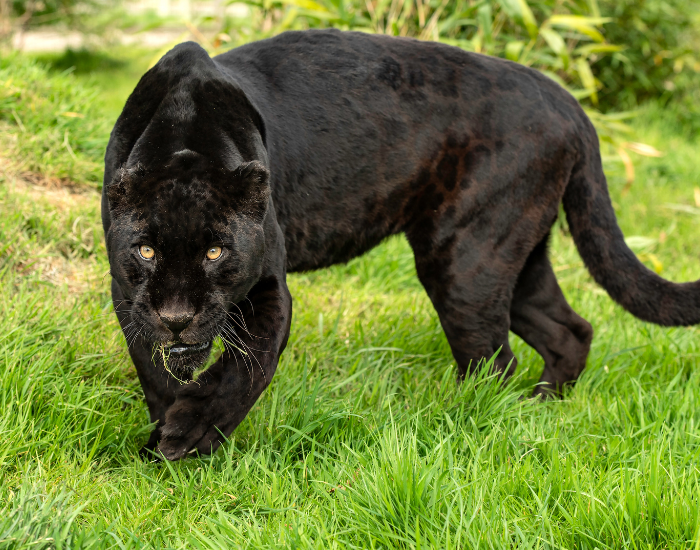
This one trips people up constantly. Are jaguars and panthers the same? Partly, “black panther” isn’t a species at all. A black jaguar cat is simply a jaguar with melanism, a genetic condition caused by a deletion in the melanocortin 1 receptor gene. Unlike albinism, melanism is dominant. One copy of the mutated gene produces that dark coat.
Melanistic jaguars still carry their rosette patterns, you can see the markings faintly in the right light, like watermarks on dark velvet. Roughly 6% of jaguars in dense Amazonian rainforest populations display melanism. In open habitats like the Pantanal, black jaguars are virtually absent. Scientists believe the trait provides a selective advantage in dark, dense forests where a darker coat helps jaguars stalk prey more effectively. Black jaguar size and black jaguar weight are identical to normally coloured jaguars, melanism affects pigment, not build.
4. Jaguars Love Water (Most Big Cats Hate It)
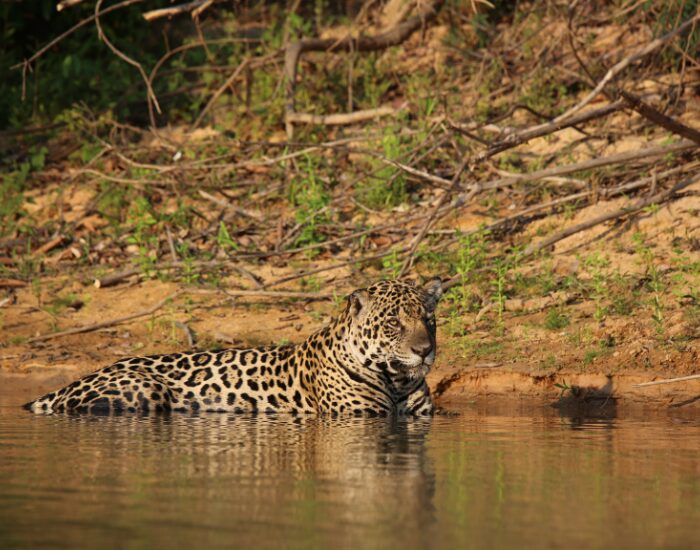
I’ve studied enough mammalian species to know that most wild cats avoid water like it owes them money. Jaguars are the exception. Jaguars are the most aquatic of all wild cats, regularly swimming across rivers, hunting in flooded forests, and even diving underwater.
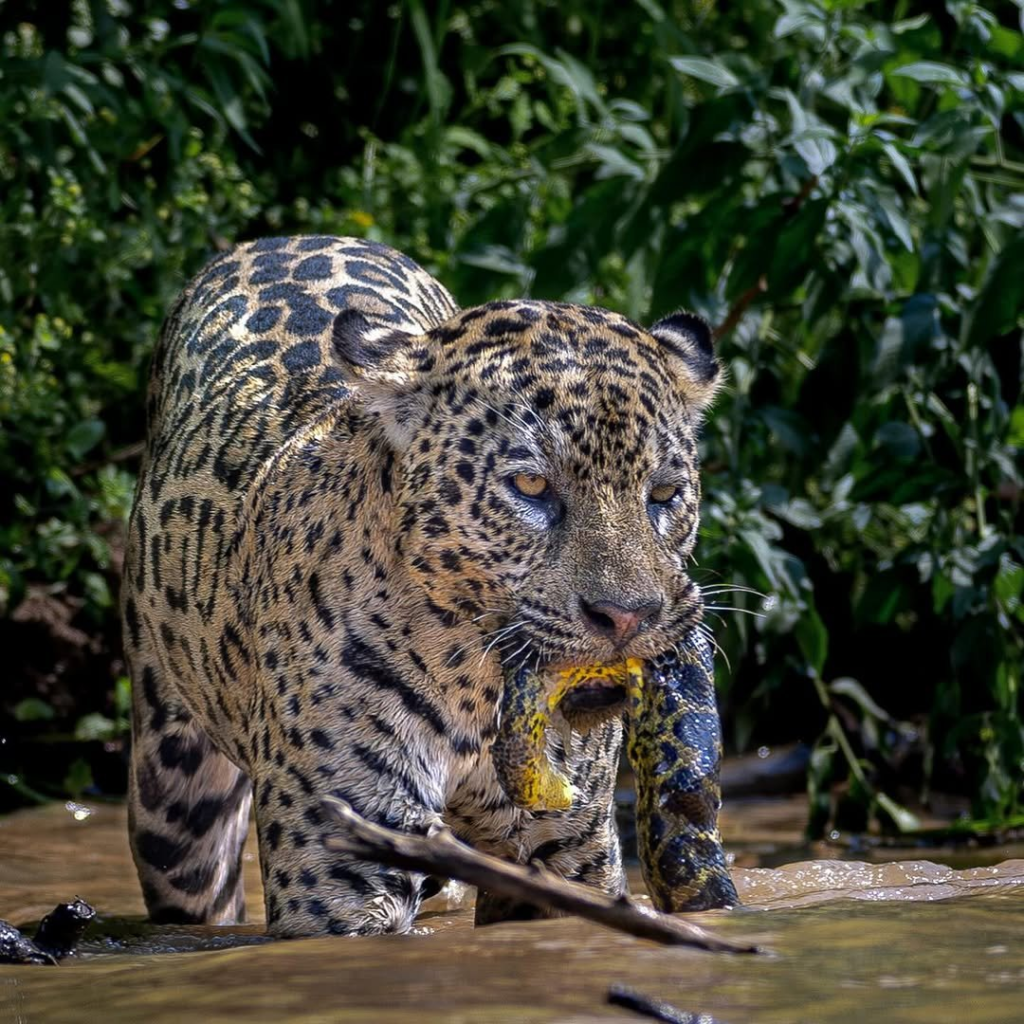
In the Pantanal and the Amazon rainforest, jaguars live a semi-aquatic lifestyle. Jaguars hunt caimans, anacondas, and river turtles — other animals that most predators wouldn’t dream of targeting.
Watching a jaguar launch from a riverbank, grab a two-metre caiman by the skull, and drag it into the undergrowth remains one of the most astonishing things recorded in natural history. Jaguars are ambush predators, jaguars stalk from riverbanks before striking. Jaguar attacks on caimans often happen so fast that the reptile never sees the cat coming. This makes the Amazonian jaguar a unique apex predator: equally dangerous on land and in water.
5. Their Historic Range Was Twice What It Is Today
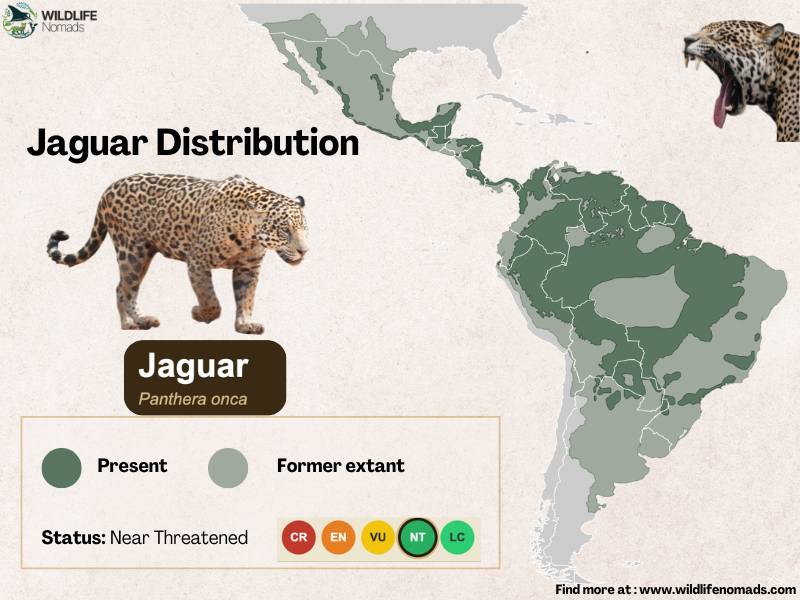
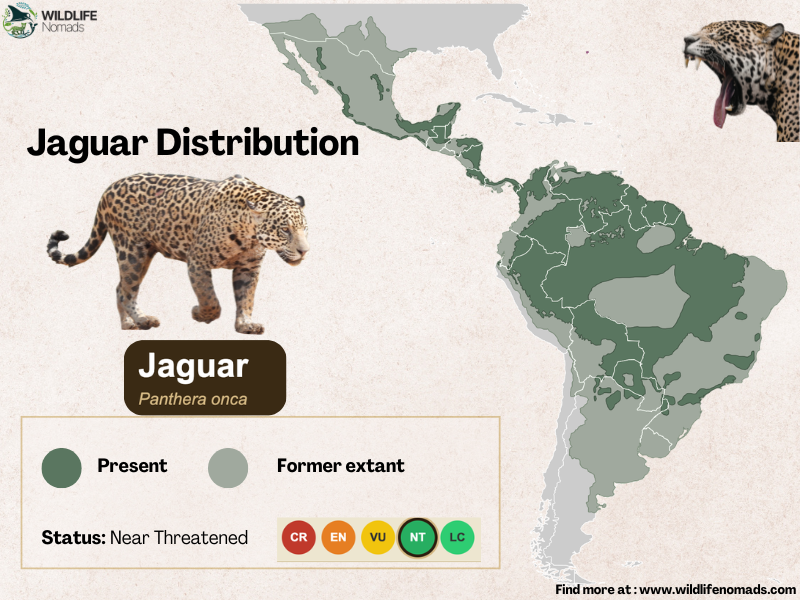
Jaguars once roamed from the southwestern United States down through Central America and across South America all the way to northern Argentina. That historic range has shrunk by roughly 55% over the past century. Today, wild jaguars are occasionally sighted in Arizona, but the consistent range of jaguars starts in northern Mexico and extends through 18 countries in Latin America.
Jaguars are now considered locally extinct in El Salvador and Uruguay. The animal jaguar habitat has fragmented dramatically due to cattle ranching, agriculture, and urban expansion. Habitat loss remains the single greatest threat to jaguar populations worldwide.
During my GIS project analysing satellite imagery of the Tulum corridor in Mexico, I mapped deforestation patterns between southeast Mexico and Central America. The connectivity gaps were shocking, entire stretches of jaguar habitat reduced to thin forest ribbons between highways and cattle farms. To protect jaguars across this region, the Mesoamerican Biological Corridor, stretching through Costa Rica, Guatemala, and Belize, represents one of the last chances to maintain genetic flow between isolated jaguar populations.
6. The Aztecs and Maya Built Civilizations Around Them
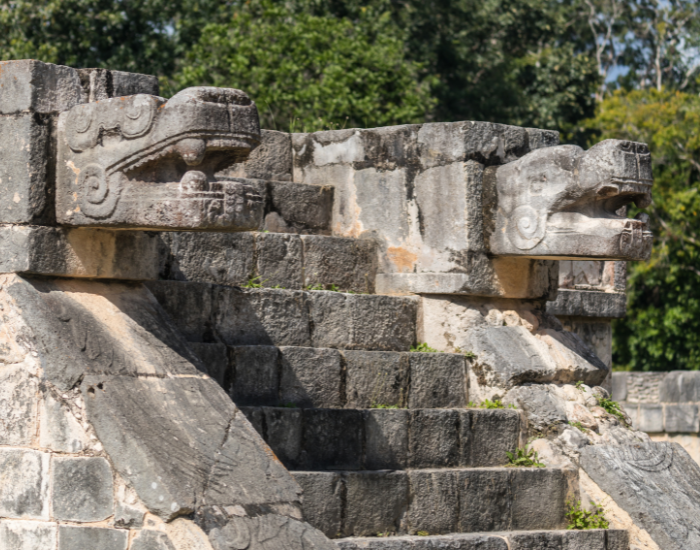
Growing up in Mexico, jaguars were everywhere, not in the forests (unfortunately), but in museums, murals, and mythology. Every major Mesoamerican civilisation featured jaguars prominently. The Olmec, possibly the earliest complex civilisation in Mesoamerica, incorporated jaguars into their core religious practices.
For the Aztecs, the jaguar symbolised the night and the underworld. Tezcatlipoca, one of the most powerful Aztec gods, could transform into a jaguar. Elite Aztec warriors formed the prestigious Jaguar Warrior Society — the ocelopetlatl — wearing jaguar skins into battle. For the Maya, jaguars could cross between the living world and the spirit world. Maya kings wore jaguar pelts as symbols of authority and adopted jaguar names to signal their power.
7. Jaguars Are Opportunistic Hunters With a Wild Diet
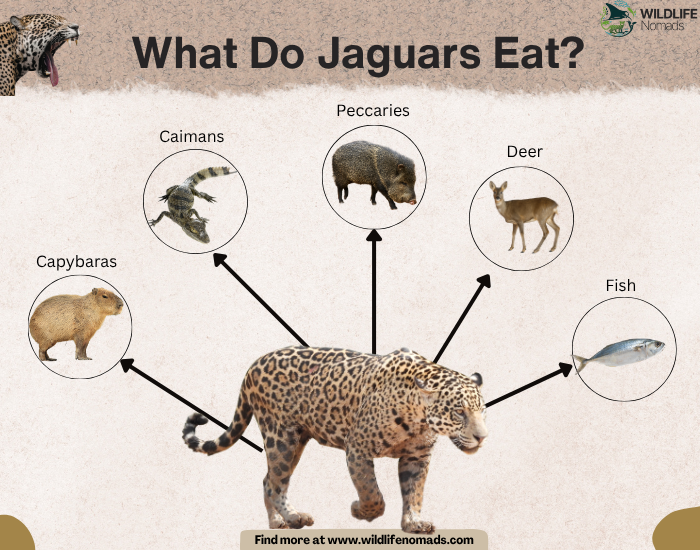
Jaguars don’t specialise. They eat practically everything. Studies have documented over 85 prey species in their diet, one of the broadest food habits of any large cat. The jaguar menu includes capybaras, peccaries, deer, monkeys, sloths, fish, tortoises, caimans, and even livestock when wild prey runs low.
Jaguars are true opportunistic hunters and apex predators. As ambush specialists, jaguars avoid chasing prey over long distances. Instead, jaguars prefer to wait, concealed, and strike with devastating precision. In areas where natural prey has been depleted by hunting or habitat fragmentation, jaguars sometimes turn to cattle, which triggers human jaguar conflict and often ends in jaguar killing by ranchers. This retaliatory jaguar killing is one of the primary drivers of population decline. Livestock depredation erodes support for jaguars among local communities who depend on cattle for their livelihoods.
8. Jaguar Populations Are Declining — But Not Equally Everywhere
The IUCN lists jaguars as Near Threatened, but that classification masks a more complex picture. Jaguar populations have declined an estimated 20–25% since the mid-1990s. Scientists estimate between 130,000 and 208,000 jaguars remain in the wild, with the best estimate hovering around 173,000. Jaguars are listed as an endangered species in the United States, and many regional jaguar subpopulations across Latin America face even grimmer prospects.
Here’s the critical detail: 89% of all jaguars live in Amazonia. That single subpopulation — roughly 57,000 to 64,000 jaguars, is the only one classified as Least Concern. All 33 other identified jaguar subpopulations are classified as Endangered or Critically Endangered. Seventy-three jaguar conservation units have been identified from Mexico to Argentina, and connecting these units through biological corridors remains a top priority for conservation biology.
In places like northern Brazil, the Pantanal, and Costa Rica, targeted programs to protect jaguars are showing results. In others, like central Mexico and El Salvador, jaguar populations have collapsed beyond recovery. Efforts to protect jaguars in these regions now depend on international cooperation and local communities working alongside conservation organisations.
9. Illegal Wildlife Trade Is a Growing Threat
My friend’s conference presentation in Australia touched on something that keeps conservation biologists awake at night. The illegal trade in jaguar body parts has exploded over the past decade. Jaguar teeth, jaguar skins, jaguar pelts, and jaguar coats are trafficked internationally, increasingly to Chinese markets. The illegal wildlife trade in jaguar parts now operates through sophisticated online platforms.
Earth League International has identified over a dozen transnational trafficking networks moving jaguar parts across Latin America and into Asia. These networks don’t operate in isolation. Investigations reveal convergence with drug trafficking, money laundering, and human smuggling, international trade networks that treat jaguar parts as just another commodity. In Bolivia, traffickers have been caught producing jaguar products inside prisons.
CITES has prioritized jaguar trafficking enforcement, yet the illegal trade shows no signs of slowing. Protecting jaguars from poaching requires cooperation between local communities, wildlife service agencies, and international law enforcement. Without efforts to protect jaguars from this growing black market, even well-managed jaguar populations in protected areas remain at risk.
10. Jaguars Climb Trees Better Than You’d Expect
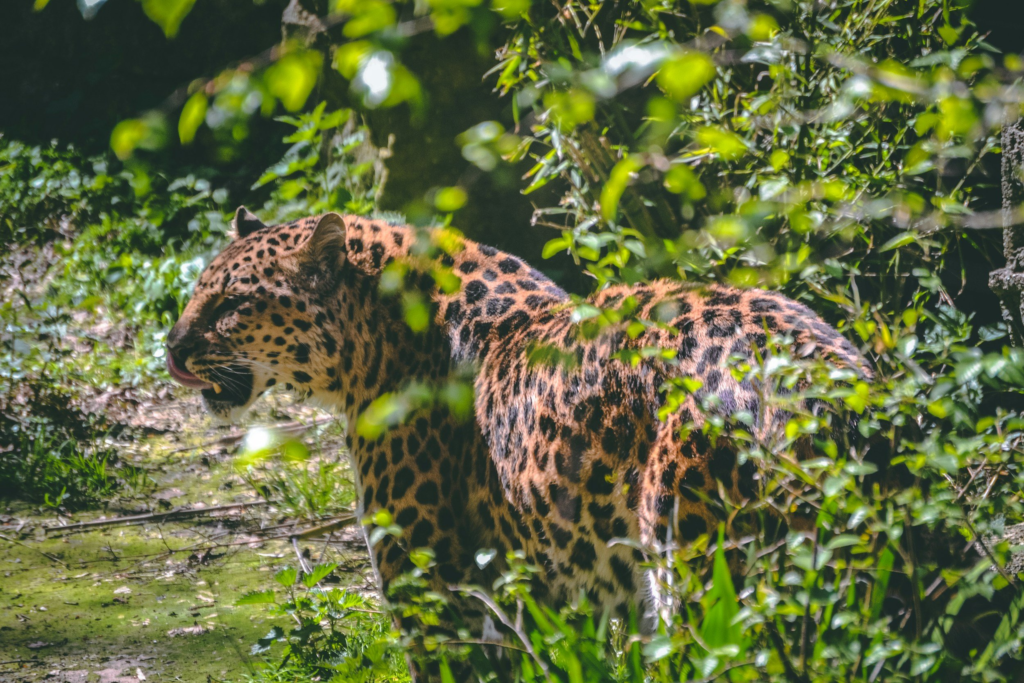
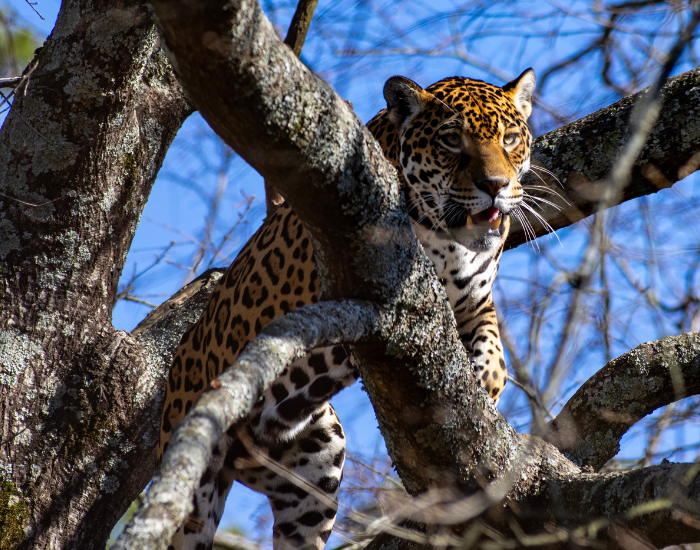
For a stocky, muscular cat that can weigh over 100 kg, jaguars are surprisingly good at climbing trees. Young jaguars spend considerable time in the canopy, and adult jaguars will haul prey up into branches to eat undisturbed. In the dense forests of South America, climbing trees provides jaguars access to arboreal prey.
This vertical ability also matters during the life cycle of jaguars. Female jaguars give birth to litters of one to four cubs — typically two cubs — after a gestation period of roughly 93 to 105 days. Young jaguars stay with their mothers for up to two years, during which jaguars learn essential hunting skills, including tree climbing. The fossil record shows that jaguars in the genus Panthera evolved alongside other species of large spotted cats, but the American jaguar developed a uniquely robust build suited to the dense forests and waterways of South America.
11. They’re Not Just Amazon Rainforest Animals — Jaguars Live Almost Everywhere
People picture jaguars exclusively in the Amazon rainforest, but that’s only part of the story. Jaguars live in an extraordinary range of habitats: dry deciduous forests, wetlands, savannahs, and even semi-arid scrubland. The amazonian jaguar of northern Brazil is the most famous, but jaguars also thrive in the flooded grasslands of the Pantanal, the dry forests of Central America, and the mangrove swamps of coastal Costa Rica.
Most jaguars in South America occupy lowland habitats below 1,000 metres, but jaguars have been recorded at elevations above 3,000 metres in the Andes. This adaptability is precisely what made jaguars the dominant apex predator across such a vast geographic range. However, that same range now faces fragmentation. Cattle ranching, logging, and road construction cut corridors that jaguars need. Protecting connectivity between jaguar conservation units is essential. Without connected habitat, isolated jaguar populations face inbreeding, reduced genetic diversity, and eventual collapse.
12. Saving Jaguars Means Saving Entire Ecosystems
As top predators, jaguars act as keystone species, they regulate everything below them. Jaguars control populations of large herbivores, manage caiman numbers in wetlands, and maintain the balance between other species across their range. Remove jaguars and the cascade effects ripple through entire ecosystems, mesopredator release, overgrazing, reduced biodiversity. Other species that share jaguar habitat — from peccaries to parrots — depend on the ecological stability that jaguars provide.
Efforts to protect jaguars demand tackling multiple threats simultaneously: habitat loss from cattle ranching, human jaguar conflict over livestock depredation, the illegal wildlife trade in jaguar body parts, and the wild meat trade that depletes their natural prey. Jaguar conservation requires local communities at its centre, communities that understand why jaguars matter and benefit directly from their presence.
Jaguars vs Leopards — Why They’re Nothing Alike
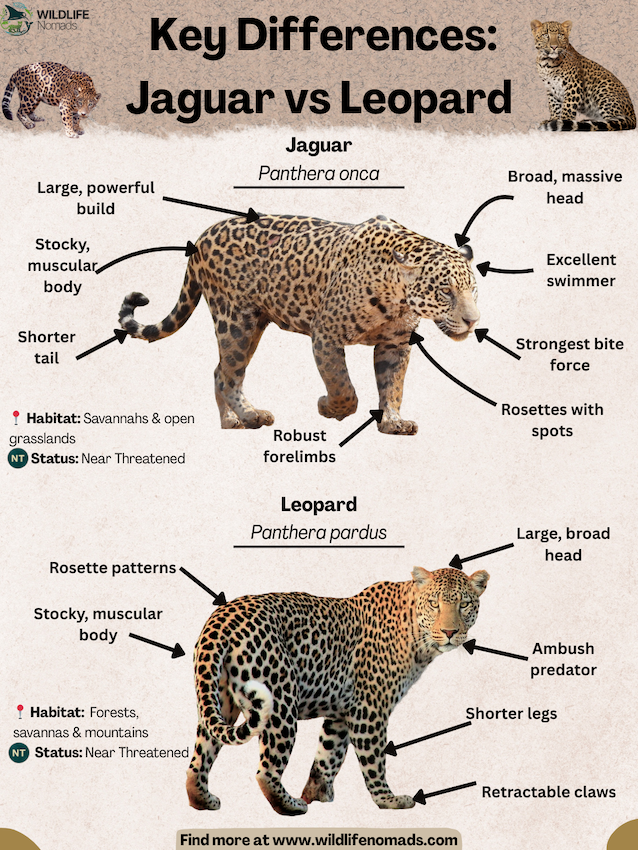
People confuse jaguars with leopards constantly, so here’s the fastest way to tell them apart. Jaguars have larger heads, stockier builds, and a bite force nearly 50% stronger than leopards. Jaguar rosettes (the flower-shaped markings) have spots inside them, leopard rosettes don’t. Jaguars are powerful swimmers that hunt in water; leopards are climbers that avoid it. Jaguars live in the Americas; leopards live in savannas and forest in both Africa and Asia. Most importantly, jaguars evolved to crush bone with a single bite, while leopards evolved to drag prey into trees.
FAQs about jaguars
No. Jaguars (Panthera onca) and leopards (Panthera pardus) are separate species within the genus Panthera. Jaguars are stockier, have larger heads, and carry a stronger bite force. Jaguar rosettes are larger with central spots inside them, unlike leopard rosettes. Jaguars live exclusively in the Americas, while leopards inhabit Africa and Asia.
Jaguars are classified as Near Threatened by the IUCN. However, 33 of 34 identified subpopulations qualify as Endangered or Critically Endangered. Only the Amazonian subpopulation of jaguars remains stable. Habitat loss, the illegal trade in jaguar parts, and human jaguar conflict continue to drive declines across most of the jaguar’s historic range in Latin America.
They are opportunistic hunters with documented food habits covering over 85 prey species. Jaguars eat capybaras, peccaries, deer, caimans, turtles, fish, and monkeys. Jaguars are one of the few big cats that regularly hunt reptiles. Their powerful bite lets jaguars pierce turtle shells and caiman skulls — a technique unique among the world’s top predators.
Jaguars live across 18 countries in Latin America, from northern Mexico through Central America to South America, including northern Argentina. The largest jaguar populations occupy the Amazon rainforest, the Pantanal, and parts of Central America including Costa Rica. They are occasionally sighted in the southwestern United States but jaguars are functionally extinct there.
Jaguars Need More Than Papers
Jaguars shaped the mythology of civilisations, evolved a killing technique no other cat uses, and continue to hold together some of the most biodiverse ecosystems on Earth. I’ve spent time studying connectivity and habitat fragmentation from behind a screen, but my friend’s stories from the Colombian forests reminded me that Panthera onca faces threats that satellite imagery can’t capture.
These endangered species need more than scientific papers, jaguars need people who care. If these facts surprised you, share them with someone who still thinks jaguars and leopards are the same animal. Better yet, dig into how jaguar conservation programs in your region actually work, and consider supporting the local communities and organisations fighting to protect jaguars on the ground.
Where to Spot Jaguars in the Wild?
Here is a list of 6 tours where you could go on safari to see Jaguars. As a biologist, I only recommend tours that follow strict ethical guidelines to ensure we don’t disturb wildlife. These are the three tours/ partners I trust most based on their conservation records:
This blog is reader-supported. When you buy experiences through links listed on this site, we may earn an affiliate commission.
References
Arias, M., Hinsley, A., & Milner-Gulland, E. J. (2020). Characteristics of, and uncertainties about, illegal jaguar trade in Belize and Guatemala. Biological Conservation, 250, Article 108765. https://doi.org/10.1016/j.biocon.2020.108765
Bogoni, J. A., Boron, V., Peres, C. A., Coelho, M. E. M. S., Morato, R. G., & Oliveira-da-Costa, M. (2023). Impending anthropogenic threats and protected area prioritization for jaguars in the Brazilian Amazon. Communications biology, 6(1), 132. https://doi.org/10.1038/s42003-023-04490-1
De la Torre, J. A., González-Maya, J. F., Zarza, H., Ceballos, G., & Medellín, R. A. (2018). The jaguar’s spots are darker than they appear: Assessing the global conservation status of the jaguar Panthera onca. Oryx, 52(2), 300–315. https://doi.org/10.1017/S0030605316001046
Morato, R. G., Stabach, J. A., Fleming, C. H., et al. (2016). Space use and movement of a neotropical top predator: The endangered jaguar. PLoS ONE, 11(12), e0168176. https://doi.org/10.1371/journal.pone.0168176
Paviolo, A., et al., (2016). A biodiversity hotspot losing its top predator: The challenge of jaguar conservation in the Atlantic Forest of South America. Scientific reports, 6, 37147. https://doi.org/10.1038/srep37147
Polisar, J., et al., (2023). Multi-lingual multi-platform investigations of online trade in jaguar parts. PloS one, 18(1), e0280039. https://doi.org/10.1371/journal.pone.0280039
Quigley, H., Foster, R., Petracca, L., Payan, E., Salom, R., & Harmsen, B. (2017). Panthera onca. The IUCN Red List of Threatened Species 2017. https://doi.org/10.2305/IUCN.UK.2017-3.RLTS.T15953A50658693.en
Wultsch, C., Caragiulo, A., Dias-Freedman, I., Quigley, H., Rabinowitz, S., & Amato, G. (2016). Genetic Diversity and Population Structure of Mesoamerican Jaguars (Panthera onca): Implications for Conservation and Management. PloS one, 11(10), e0162377. https://doi.org/10.1371/journal.pone.0162377