The planet is facing an unprecedented biodiversity crisis. According to the International Union for Conservation of Nature (IUCN), nearly 4,000 species are currently listed as critically endangered, meaning they’re teetering on the brink of extinction. These aren’t just statistics, they represent animal species that have evolved over millions of years, each playing a unique role in keeping a healthy ecosystem functioning.
From rare parrots found only on remote islands to wild African forest elephants that shape entire landscapes, endangered birds and animals are the silent indicators of our planet’s health. When they vanish, it’s not just a loss of beauty, it’s a warning sign that our natural world is being pushed beyond repair.
In this article, we’ll explore the world’s most endangered animals in 2024, the human-led threats driving them toward extinction, and the urgent biodiversity conservation actions needed to protect them before it’s too late.

The Harsh Reality of the “Most Endangered Animals 2024” List
Each year, the IUCN updates its Red List of Threatened Species, often bringing devastating news. In 2024, the list includes some shocking entries:
- Vaquita – Fewer than 10 individuals remain. This only living freshwater porpoise species is found only in the northern part of the Gulf of California and is considered the most endangered marine mammal in the world.
- Yangtze Giant Softshell Turtle – Only four are known to exist, making it one of the rarest reptiles on Earth, found in rivers like the Yangtze River in China.
- Spix’s Macaw – Declared extinct in the wild, surviving only in captivity.
- African Forest Elephant – Declines of over 80% in the last century due to poaching, illegal trade, and habitat destruction.
Many animals close to extinction in 2024 may never recover without aggressive, well-funded conservation efforts.
What Animal is Going Extinct in 2024?
Unfortunately, some critically endangered species are predicted to disappear entirely this year. Scientists warn that without intervention:
- The Yangtze sturgeon may vanish due to overfishing, environmental degradation, and habitat loss from river damming.
- Certain amphibians, like rare Central American salamanders, are critically endangered with no known captive populations.
When people ask, “What animals are going to be extinct in 2024?” the reality is sobering. However, conservation history has shown that even species on the brink—such as the Arabian oryx and the California condor—can rebound with targeted protection.
The Top 10 Endangered Animals 2024: Species on the Brink
1. The Vaquita: Racing Against Time
When people ask, “What animal has 10 left?” The vaquita immediately comes to mind. This aquatic mammal is quite literally on the edge of extinction.
The decline has been catastrophic, from around 600 individuals in the 1990s to fewer than 30 by 2018, and now single digits. The primary threat is entanglement in gillnets used for catching totoaba fish.
Conservation actions have included unsustainable human-led activities bans like gillnet fishing prohibitions, net removal programs, and community-led awareness campaigns.

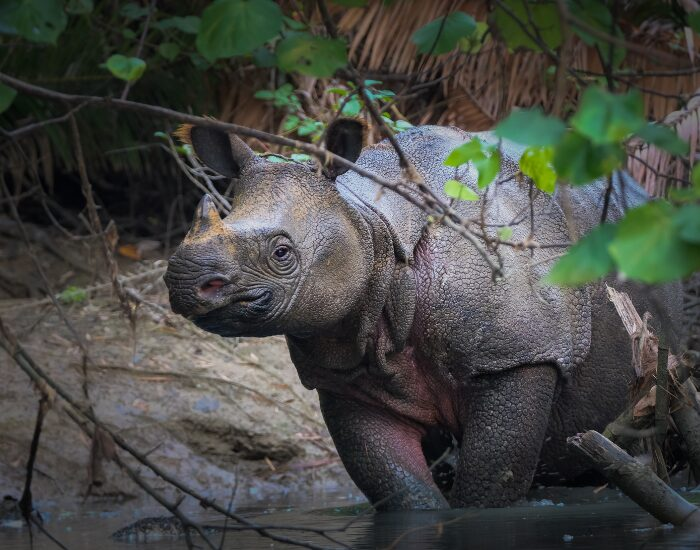
2. Javan Rhino: The World’s Rarest Large Mammal
With only about 76 individuals, all in Ujung Kulon National Park, the Javan rhino is one of the most endangered animals in the world. Rhino conservation programs monitor the population closely, as each calf is vital to survival.
Poaching, habitat loss, and limited genetic diversity are major threats. These rhinos once roamed much of Southeast Asia, but now their range is restricted to one corner of Indonesia.
There is some hope, however. At least four Javan rhinoceros calves have been recorded between August 2023 and 2024; one seen in May 2024 was estimated to have been three to five months old. Every birth is crucial for this species’ survival.
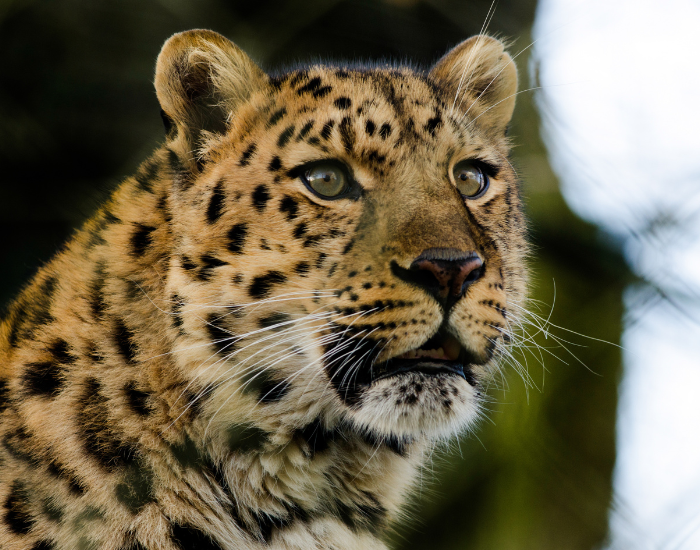
3. Amur Leopard: The World’s Rarest Big Cat
Native to the forests of far eastern Russia and northeastern China, the Amur leopard is considered the most endangered of all leopard subspecies. Fewer than 120 individuals remain, making it part of the world’s most endangered animals list.
Loss of tropical forests, prey depletion, human conflict, and illegal trade of skins all threaten its survival.
The Amur leopard represents one of the big cats that are endangered, and arguably the most critically endangered of all the big cat species. Found primarily in the remote forests of far eastern Russia and northeastern China, these leopards face a perfect storm of threats.
4. Sumatran Orangutan: Our Endangered Cousin
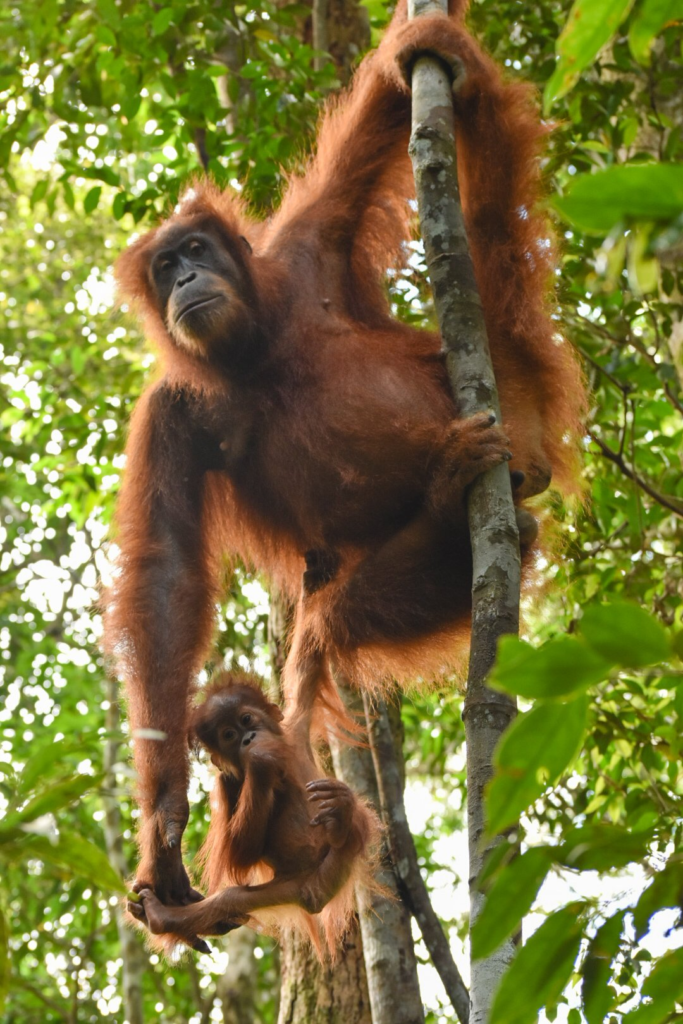
The Sumatran orangutan is one of our closest living relatives, sharing about 97% of their DNA with humans. With fewer than 14,000 individuals remaining in the wild, they’re classified as critically endangered. These intelligent primates are found only on the Indonesian island of Sumatra, where rapid deforestation for palm oil plantations has destroyed much of their habitat.
With fewer than 14,000 left, the Sumatran orangutan is primarily threatened by habitat destruction for palm oil plantations. These critically endangered species play a crucial role in maintaining the healthy ecosystem of Southeast Asia’s rainforests.
5. Hawksbill Sea Turtle: Ancient Mariners Under Threat
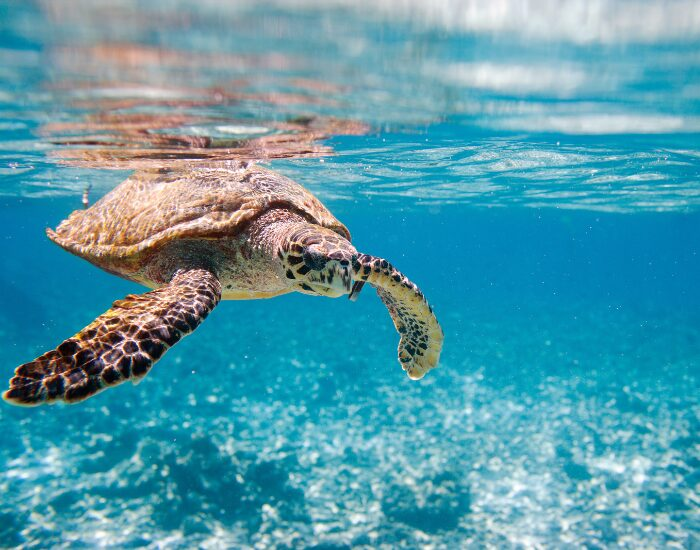
Hawksbill sea turtles have been swimming in our oceans for over 100 million years, but they might not make it much longer. These beautiful reptiles, known for their distinctive hawk-like beaks and stunning shell patterns, have experienced population declines of at least 80% over the past 30 years.
The illegal trade in hawksbill shells, known as “tortoiseshell,” has been devastating to populations worldwide. Despite international protection under CITES, illegal harvesting continues. Additionally, climate change is affecting their nesting beaches, as rising temperatures can skew the sex ratios of hatchlings (warmer sand produces more females).
The hawksbill turtle’s nesting beaches suffer from nesting habitat degradation due to coastal development and rising sea levels. These marine turtles are also impacted by coral reef damage from climate change and pollution.
6. North Atlantic Right Whale: Giants in Peril
With fewer than 340 individuals remaining, the North Atlantic right whale is one of the most endangered large whale species. These massive marine mammals can grow up to 60 feet long and weigh up to 70 tons, but their size hasn’t protected them from human threats.
Ship strikes and entanglement in fishing gear are the primary causes of death for these whales. The shipping lanes along the U.S. East Coast overlap with the whales’ migration routes and feeding areas, creating deadly encounters. Fishing gear entanglement is particularly cruel, as whales can drag heavy gear for months or years before dying from exhaustion or infection.
This whale faces human-led threats like ship strikes and fishing gear entanglement. With fewer than 340 left, it’s one of the most endangered animals 2024.

7. Saola: The Asian Unicorn
With an estimated seven species of large mammals in Southeast Asia on the brink, the saola is among the most mysterious. It’s a prime example of how unsustainable human-led activities and snares can wipe out wildlife in central Africa and Asia alike.
The saola faces threats from habitat loss and hunting, but perhaps more significantly from the extensive use of snares set for other animals. These indiscriminate traps catch anything that walks into them, and the saola’s habitat is riddled with thousands of snares.

8. Spix’s Macaw: Already Lost in the Wild
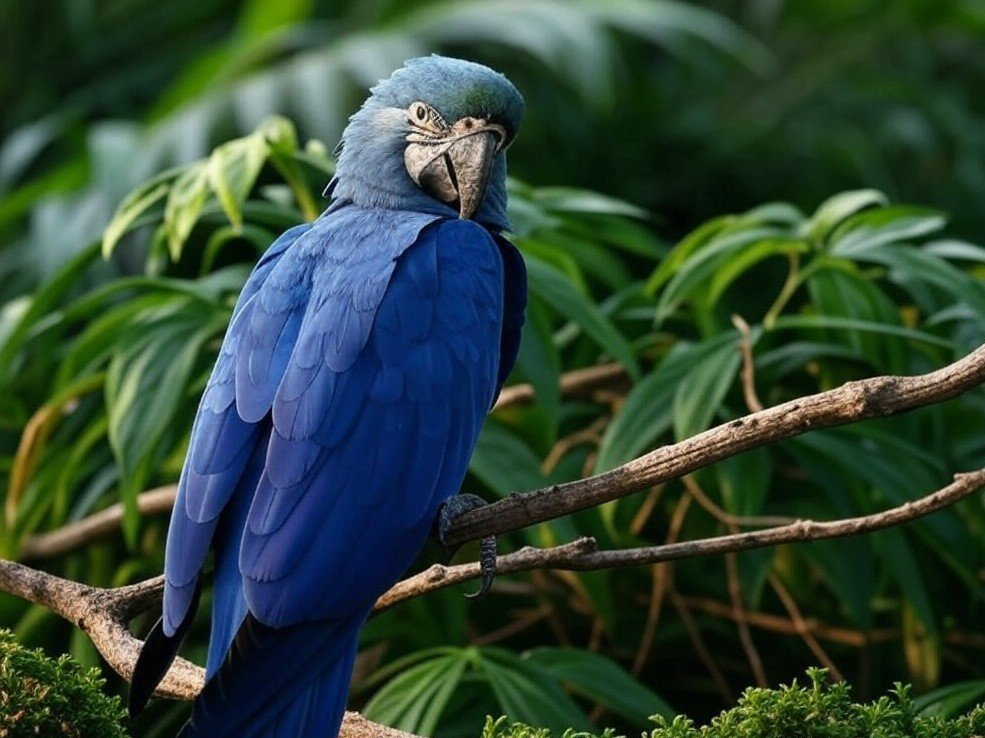
The beautiful blue Spix’s macaw is technically extinct in the wild, with the last known wild individual disappearing in 2000. However, captive breeding programs have maintained a small population of around 160 birds, and there are plans to reintroduce them to their native habitat in Brazil’s Caatinga region.
This species represents both the tragedy of extinction and the hope of recovery through dedicated conservation efforts. The loss of their natural habitat and illegal capture for the pet trade drove them to extinction in the wild, but intensive breeding programs may give them a second chance.
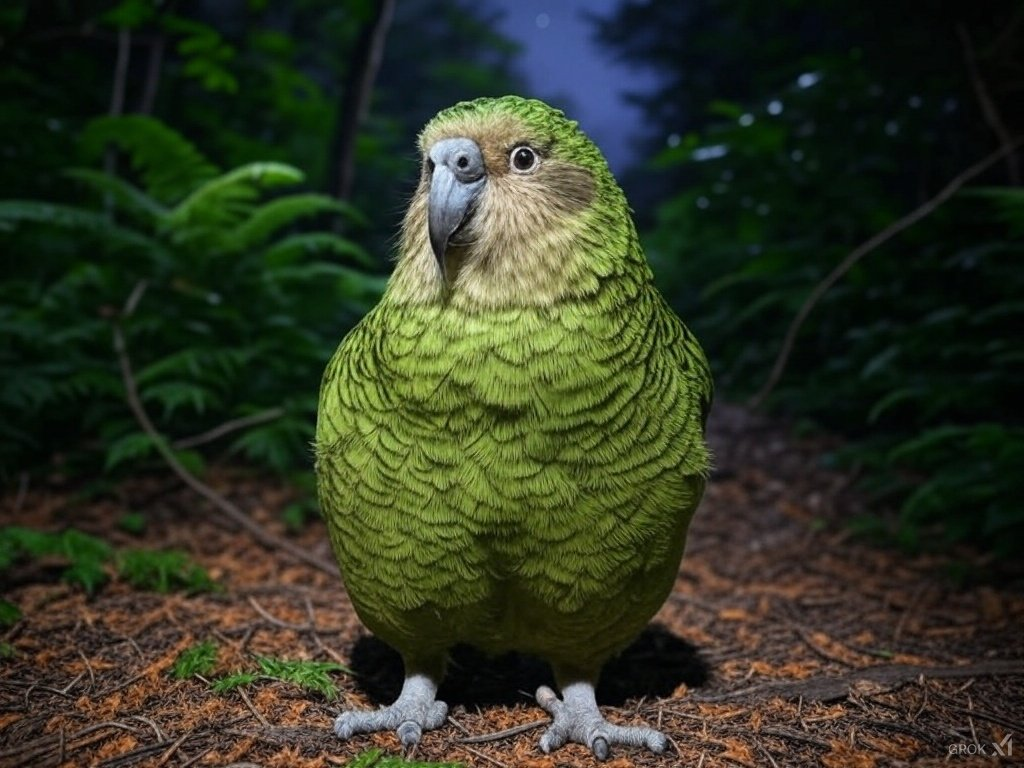
9. Kākāpō: New Zealand’s Flightless Wonder
The kākāpō, or night parrot, is one of the most unique birds on Earth. These large, flightless parrots are found only in New Zealand, where their population has slowly recovered from a low of just 50 individuals in the 1990s to around 250 today.
Kākāpō evolved in the absence of mammalian predators, which made them extremely vulnerable when humans introduced cats, rats, and stoats to New Zealand. Their flightlessness, ground-nesting behavior, and distinctive smell made them easy targets for these introduced predators.
Intensive management by New Zealand’s Department of Conservation, including moving all known birds to predator-free islands and supplementary feeding programs, has helped the population slowly recover.
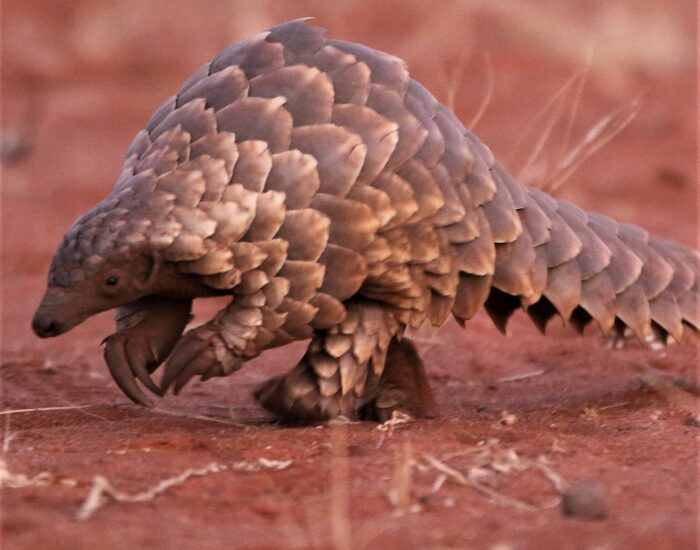
10. Pangolin: The World’s Most Trafficked Mammal
All eight species of pangolin are threatened with extinction, with several species critically endangered. These unique, scale-covered mammals are the world’s most trafficked animals, with an estimated one pangolin trafficked every five minutes.
The primary driver of pangolin decline is demand for their scales in traditional medicine, particularly in China and Vietnam, despite no scientific evidence of medicinal benefits. Their meat is also considered a delicacy in some regions.
Pangolins are incredibly difficult to breed in captivity, making conservation even more challenging. Their specialized diet of ants and termites and secretive behavior make them particularly vulnerable to habitat loss and hunting pressure.
Endangered Big Cats – All the Big Cats Are at Risk
From lions in central Africa to snow leopards in Asia, all the big cats face threats from habitat loss, poaching, and climate change.
- Smallest tiger subspecies – Sumatran tiger
- Leopard subspecies – Amur leopard
- Snow leopard – threatened by climate change and human conflict

Endangered Birds – From Parrots to Raptors
Examples include:
- Kākāpō – recovering due to intensive care
- Red-fronted Macaw – facing habitat loss in Bolivia
- California Condor – a win for conservation efforts
Human-Led Threats to Endangered Animals
Key threats include:
- Habitat loss and habitat destruction
- Wildlife trafficking and illegal trade
- Climate change impacts on natural resources and worldwide populations
- Unsustainable human-led activities in both marine and terrestrial ecosystems
Additional Species Under Threat
While the most endangered animals 2024 list is alarming, it barely scratches the surface of global biodiversity loss. Many species, from western gorillas in central Africa’s mountainous regions to elusive black rhinos, face the same relentless pressures. These include habitat conversion for agricultural plantations, expanding infrastructure development such as highways and mining operations, and the pet trade, which targets exotic birds and reptiles.
Some, like the living freshwater porpoise found in parts of the Yangtze River system, are highly sensitive to changes in nearshore tropical and freshwater ecosystems. Others, such as certain reptiles and mammals with shy nature and a relatively small region of distribution, are particularly vulnerable because any disturbance in their historic range can be catastrophic.
Climate Change Compounds the Crisis
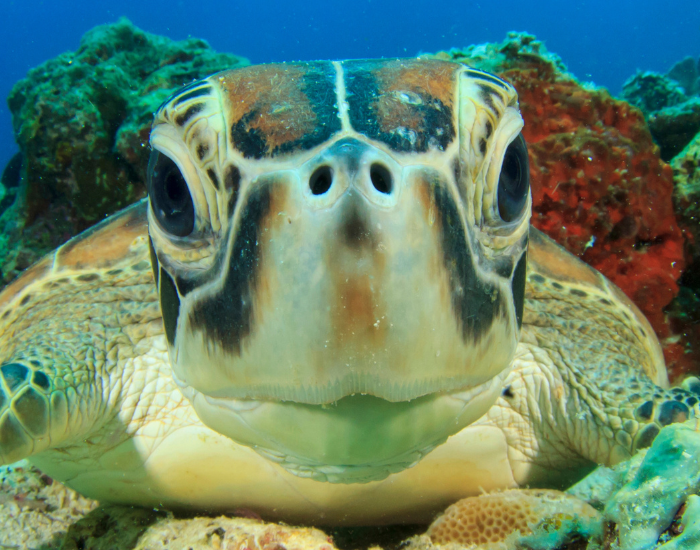
Rising sea levels threaten coastal and island habitats, leading to environmental degradation and saltwater intrusion into critical natural spaces like mangrove forests. For marine turtles such as the green turtle, this accelerates nesting habitat degradation, while warming oceans alter food availability for species in the Pacific Ocean and beyond.
Climate change also escalates human conflict over shrinking natural resources, pushing communities toward unsustainable hunting and fishing. Such unsustainable human-led activities further diminish already fragile populations, making accurate population estimates crucial for targeted conservation efforts.
Ecosystems on the Edge
In tropical forests, healthy ecosystems rely on keystone species like the sumatran tiger to maintain balance. When apex predators vanish, prey populations explode, leading to overgrazing and further habitat destruction. Likewise, in marine environments, the loss of top predators disrupts entire food webs, affecting both biodiversity and human livelihoods.
The Bigger Picture
Protecting the rarest big cats or iconic species is only part of the solution. We must also safeguard lesser-known but equally important animals, many of which inhabit mountainous regions and natural spaces far from human settlements. Whether it’s preventing illegal trade of pangolin scales, banning the pet trade in endangered birds, or halting destructive infrastructure projects in nearshore tropical waters, every action counts toward global biodiversity conservation.
Conservation Efforts That Work
Efforts that have helped save endangered species include:
- Expanding biodiversity conservation zones in tropical forests and oceans
- Anti-poaching in central Africa and Southeast Asia
- Restoring healthy ecosystems through reforestation and wetland protection
- Captive Breeding Programs – Zoos and specialized breeding facilities play crucial roles in maintaining genetic diversity and breeding populations of critically endangered species. Programs for California condors, black-footed ferrets, and Arabian oryx have successfully brought species back from near-extinction.
- Anti-Poaching Efforts – Advanced technology, including drones, camera traps, and GPS tracking, is helping protect endangered species from poaching. Community-based conservation programs that provide alternative livelihoods for local people have also proven effective.
- International Cooperation – Treaties like CITES (Convention on International Trade in Endangered Species) help regulate the international trade in endangered species. The success of the Montreal Protocol in addressing ozone depletion shows that international cooperation can work.
- Research and Monitoring – Scientists are using cutting-edge techniques like environmental DNA sampling, satellite tracking, and genetic analysis to better understand and monitor endangered species populations.
The Role of the IUCN Red List
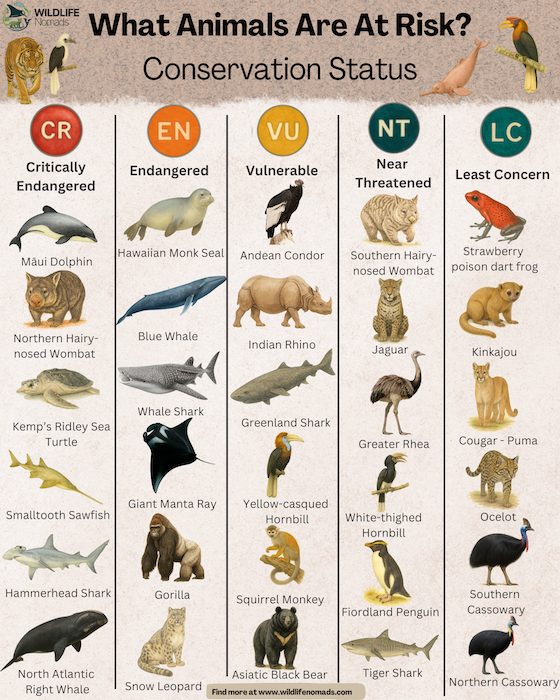
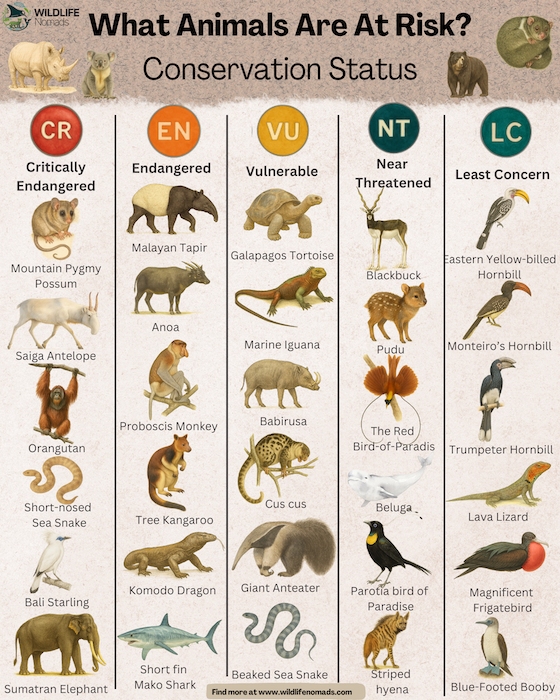
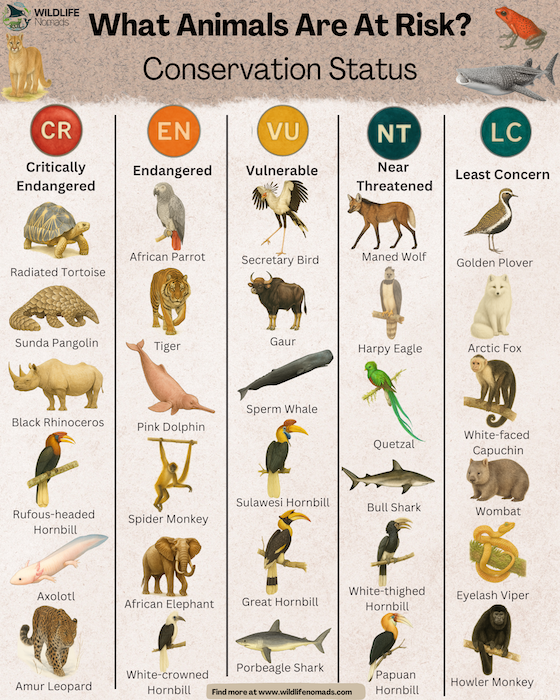
The IUCN Red List acts as the most comprehensive global inventory of endangered species, from critically endangered species to vulnerable.
What You Can Do to Help
- Support conservation efforts through donations or volunteering
- Choose sustainable seafood to protect marine turtles and other aquatic life
- Advocate for climate action to protect natural resources
- Reduce Your Carbon Footprint: Climate change is one of the biggest threats to endangered species, so reducing your carbon emissions helps.
- Avoid Wildlife Products: Never purchase products made from endangered species, including ivory, rhino horn, or pangolin scales.
- Support Eco-Tourism: When traveling, choose tour operators that contribute to local conservation efforts and follow ethical wildlife viewing practices.
- Spread Awareness: Share information about endangered species with friends and family, and support policies that protect wildlife.
- Citizen Science: Participate in citizen science projects that help monitor wildlife populations and habitats.
Common FAQ
According to the WWF, among the world’s most endangered species are the Sunda pangolin, Amur leopard, Javan rhinoceros, Sumatran orangutan, and vaquita, with several having fewer than 100 individuals remaining in the wild
The “Big Five” (lion, elephant, buffalo, leopard, rhinoceros):
Black and white rhinos are Critically Endangered (CR),
African forest elephants are Critically Endangered, and
Lions are listed as Vulnerable (VU)—even high-profile species within this group are under threat
Why We Must Act Now
The most endangered species in the world 2024 list is not just a depressing read—it’s a rallying cry. Without swift action, animals going extinct 2024 could become a tragic reality. But with science-based strategies, global cooperation, and local community involvement, we can give these species the future they deserve.
Every day matters. Every individual action contributes to the larger effort. The question isn’t whether we can save these species—we know we can. The question is whether we will choose to do so before it’s too late.
The clock is ticking for the world’s most endangered animals 2024, but it hasn’t stopped yet. There’s still time to write a different ending to their stories—one of recovery, resilience, and hope rather than loss and extinction. The choice, and the responsibility, is ours.