
We have heard this before. As a biologist, I can assure you that the harsh reality is that animals extinct recently aren’t just statistics in scientific journals. They’re irreplaceable pieces of our planet’s biodiversity that we’ve lost forever. While Earth has always experienced natural extinction cycles, with some periods seeing up to 95% of all species disappear, today’s situation is different. We’re witnessing what scientists call the sixth mass extinction, and unlike previous events triggered by asteroid impacts or volcanic eruptions, this one has a human fingerprint all over it.
The numbers are staggering. Species are vanishing at rates that would make your head spin, anywhere from 100 to 10,000 times faster than natural background extinction rates. Many species disappear before we even know they existed. They take with them potential medical breakthroughs, ecological services, and pieces of evolutionary history that took millions of years to develop.
Let’s dive into 15 species that have vanished from our world, explore what drove them to species extinction, and discuss what we can do to prevent this from happening to countless others.
We have a whole article dedicated to extinct birds if you are curious.

The Current Extinction Crisis: By the Numbers
Before we explore specific extinct animals mammals and other species, let’s put this crisis in perspective. The International Union for Conservation of Nature (IUCN) Red List currently tracks over 150,000 species, with more than 42,000 threatened with extinction. That’s roughly 28% of all assessed species teetering on the brink. Many critically endangered animals could vanish within our lifetime without immediate intervention.
The primary drivers of recent extinctions include:
- Habitat destruction and habitat degradation (affecting 85% of threatened species)
- Human induced climate change and rising sea levels
- Invasive species introduction
- Overhunting and overfishing
- Pollution and disease
- Human-wildlife conflict
Conservation biology research has made one thing painfully clear: these threats rarely act alone. Most recently extinct species faced a deadly combination of multiple pressures. Now, let’s meet fifteen species that couldn’t overcome these challenges.

1. Bramble Cay Melomys (Melomys rubicola) | The Climate Change Casualty
Native to Bramble Cay, a tiny coral cay in Australia’s Torres Strait, this small rodent earned the grim distinction of being the first mammal officially declared extinct due to climate change. This mouse-sized creature lived on an island smaller than a city block, making it incredibly vulnerable to environmental changes. Its limited range left zero room for retreat.
Rising sea levels and increasingly frequent storm surges literally washed away its world. The vegetation that provided both food and shelter disappeared underwater, leaving the melomys with nowhere to go and nothing to eat. Despite being on the extinct mammals list since 2019, the last confirmed sighting was actually in 2009. The Australian government conducted thorough surveys across the island and found no trace of the species.

2. Northern White Rhinoceros (Ceratotherium simum cottoni) | Functionally Extinct
While technically not on the list of recently extinct animals yet, the northern white rhino is functionally extinct with only two females remaining, both infertile. The last male, Sudan, died in 2018, taking with him any natural hope of species recovery. This extinct subspecies represents one of the most dramatic conservation failures of our time.
Once roaming across Central and East Africa in healthy numbers, this subspecies fell victim to relentless poaching for their horns. Those horns are worth more than gold on black markets. Political instability in their range countries made conservation efforts nearly impossible, and the U.S. Fish and Wildlife Service joined international agencies in sounding alarms that went largely unheeded.
Scientists are now attempting to save the species through advanced reproductive technologies, using stored genetic material to create embryos that could be carried by southern white rhino surrogates. A 2025 genome study published in PNAS built a high-quality genome from cells collected from a male named Angalifu, bringing researchers closer to generating viable sperm and eggs. It’s a long shot, but it represents hope where none existed before.
3. Smooth Handfish (Sympterichthys unipennis)
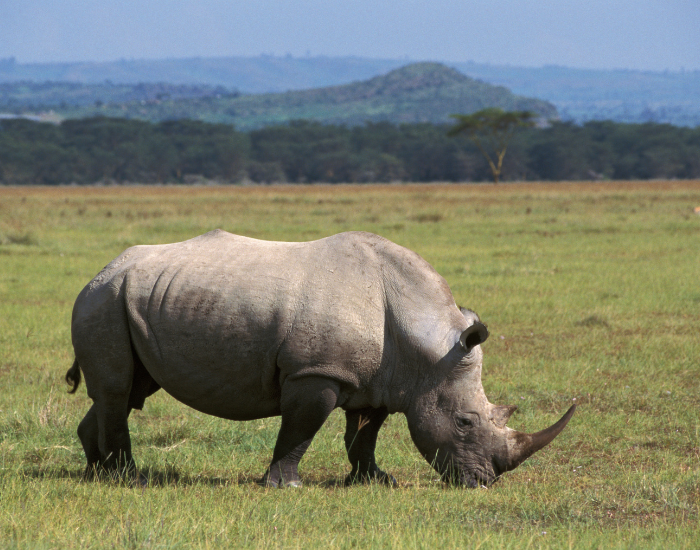
Once abundant in the coastal waters of southeastern Australia and Tasmania, the smooth handfish was the first marine fish officially declared extinct in modern times, confirmed in 2020. This extinct species was notable for its bizarre “walking” movement using its pectoral fins, making it one of the weirdest fish in the world. Its disappearance is largely attributed to overfishing, habitat degradation, and declining water quality caused by human activity.
European settlers transformed Tasmania’s coastal ecosystems through dredging and port development, destroying the handfish’s preferred habitat. Though little is known about its exact population decline, the smooth handfish’s extinction raises concerns about how many other marine species may be silently vanishing due to oceanic destruction. Scientists worry that other species in the handfish family face similar threats from habitat loss along the Australian coastline.
4. Vaquita Marina (Phocoena sinus) | The World’s Most Endangered Marine Mammal
With fewer than 10 individuals remaining in Mexico’s Gulf of California, the vaquita marina is racing toward extinction. This small porpoise, discovered only in 1958, has been decimated by illegal fishing operations targeting another endangered species, the totoaba fish.
Vaquitas get caught in illegal gill nets set for totoaba, whose swim bladders are prized in the illegal pet trade and traditional Chinese medicine markets. Despite massive international conservation efforts, including military patrols and fishing bans, the population continues to plummet. The species faces a critically endangered status that many experts believe is already past the point of no return.
The vaquita’s plight illustrates how the illegal wildlife trade can push endangered species to extinction in mere decades. From an estimated 600 individuals in 1997 to fewer than 10 today, this represents one of the fastest marine mammal population collapses ever recorded.

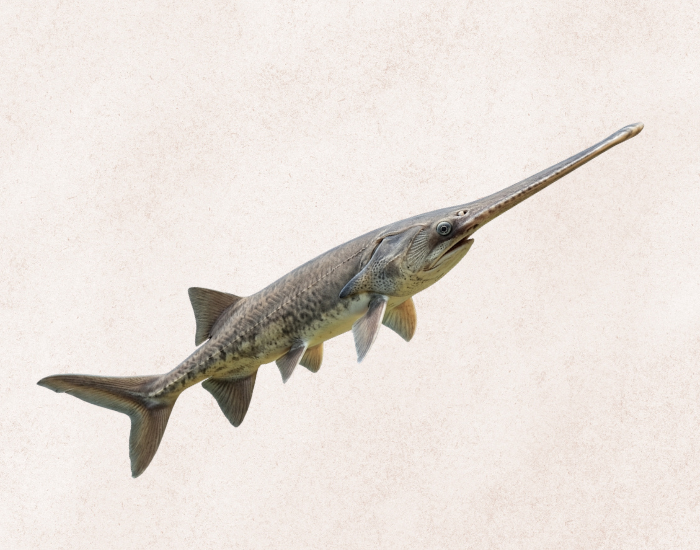
5. Chinese Paddlefish (Psephurus gladius) | The Yangtze Giant
Officially declared extinct in 2022, the Chinese paddlefish was once the largest freshwater fish species, growing up to 23 feet long. These ancient creatures, sometimes called “pandas of the water,” survived for 150 million years only to disappear in our lifetime.
The Yangtze River’s ecosystem has been devastated by dam construction, overfishing, and pollution. The Gezhouba Dam, completed in 1981, blocked the paddlefish’s migration routes to spawning grounds, effectively sealing their fate. The last confirmed sighting was in 2003. Scientists spent nearly two decades conducting thorough surveys before officially declaring them extinct.
This species extinction represents the loss of an entire evolutionary lineage that predated the dinosaurs. The Chinese paddlefish joined other Yangtze casualties like the functionally extinct Yangtze finless porpoise and the Yangtze river dolphin. Many species that depend on the Yangtze continue to face habitat destruction from industrialization.
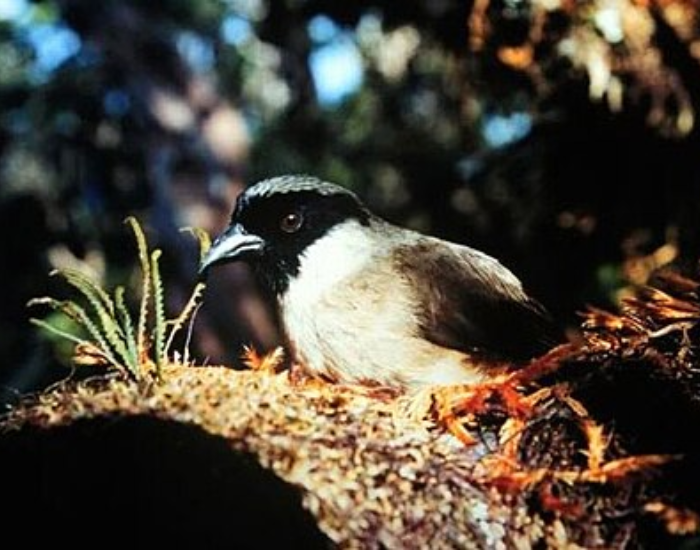
6. Pō’ouli (Melamprosops phaeosoma)
Once found in the dense forests of Maui, Hawaii, the Pō’ouli was a small brown-and-gray honeycreeper that thrived on native insects and fruits. This Hawaiian bird represents one of many endangered animals lost from the islands. Deforestation, invasive species like rats, and mosquito-borne avian diseases pushed its population into rapid decline. Introduced species devastated the native habitat that these birds needed to survive.
By the 1990s, fewer than three individuals were known to exist. Conservationists made desperate attempts to breed them in captivity, but the species was lost. The last known bird was captured in 2004 and died soon after, marking the extinction of yet another Hawaiian forest bird in the ongoing island biodiversity crisis. Habitat loss from agriculture and invasive predators continue to threaten other species across Hawaii.
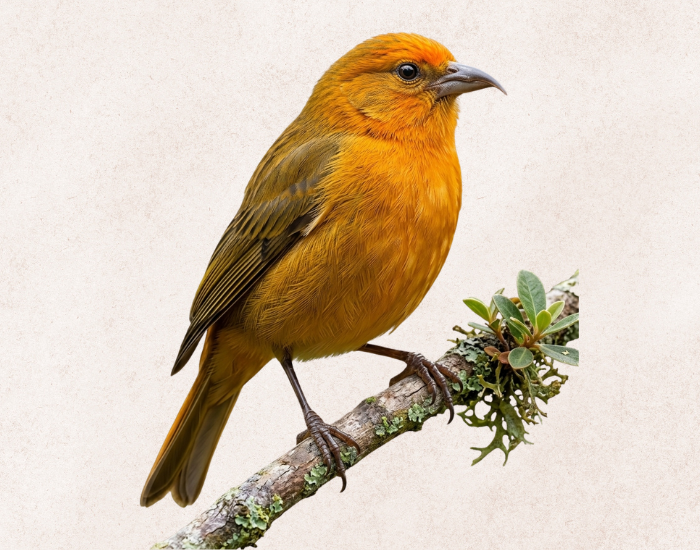
7. The Maui ʻĀkepa (Loxops ochraceus)
A tiny orange songbird native to Maui’s montane forests, the Maui ʻĀkepa was driven to extinction by a familiar combination of habitat destruction and avian diseases spread by invasive mosquitoes. These threats, exacerbated by climate change, pushed its amphibian and bird populations into freefall across the islands. Despite conservation efforts, no confirmed sightings have occurred since the early 2000s, and it is now presumed extinct.
The loss of the Maui ʻĀkepa is yet another example of how Hawaii’s threatened species are disappearing at an alarming rate. Rising temperatures allow disease-carrying mosquitoes to reach higher elevations that once served as refuges for native birds. Other species on the islands face the same deadly combination of introduced species and habitat degradation.
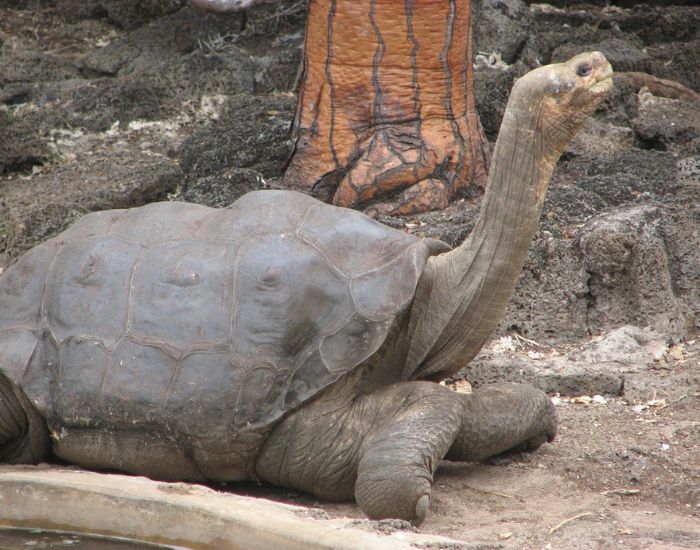
8. Pinta Giant Tortoise (Chelonoidis niger abingdonii) | Lonesome George’s Legacy
The death of Lonesome George in 2012 marked the end of the Pinta giant tortoise subspecies. George lived for over 100 years and became a global symbol of conservation efforts. Despite decades of attempts to find him a mate or use reproductive technology, the extinct subspecies died with him.
Introduced species like goats had devastated George’s native Pinta Island in the Galápagos, eating the vegetation that tortoises depended on. By the time conservationists removed the invasive species and restored the habitat, George was the last of his kind. This pattern of introduced species destroying island ecosystems has repeated itself across the globe, from the Galápagos to New Zealand.
Recent genetic studies have identified tortoises on other Galápagos islands with Pinta tortoise genes, suggesting that hybrids exist. Scientists are now working to breed back toward the Pinta genetic profile, a process called “genetic rescue.” The effort shows how conservation biology can offer second chances, even after a last recorded sighting.
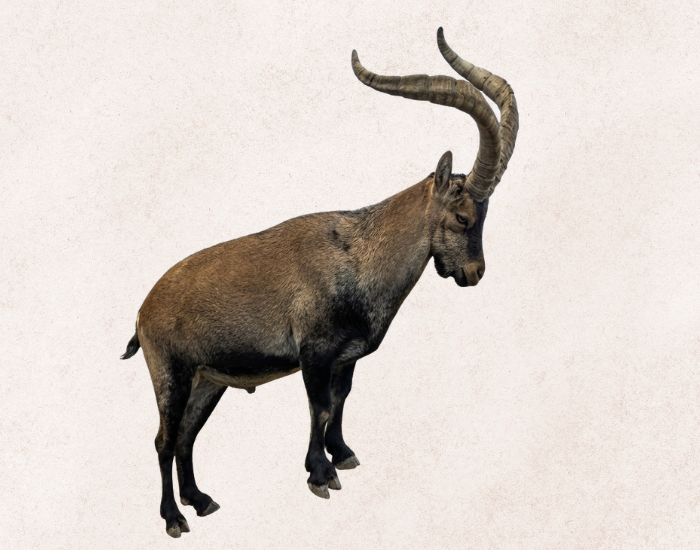
9. Pyrenean Ibex (Capra pyrenaica pyrenaica) | The Bucardo
The Pyrenean ibex, or bucardo, has the unique distinction of being extinct twice. The last individual, a female named Celia, died in 2000 when a tree fell on her. In 2003, scientists successfully cloned Celia, creating a baby ibex that lived for only seven minutes due to lung defects.
This extinct subspecies of Spanish ibex once roamed the Pyrenees mountains but suffered from hunting pressure, disease, and competition with domestic livestock. Despite being protected since 1973, the population had already fallen below sustainable levels. Habitat loss from human activity further fragmented the remaining populations.
10. Golden Toad (Incilius periglenes) | The Climate Victim
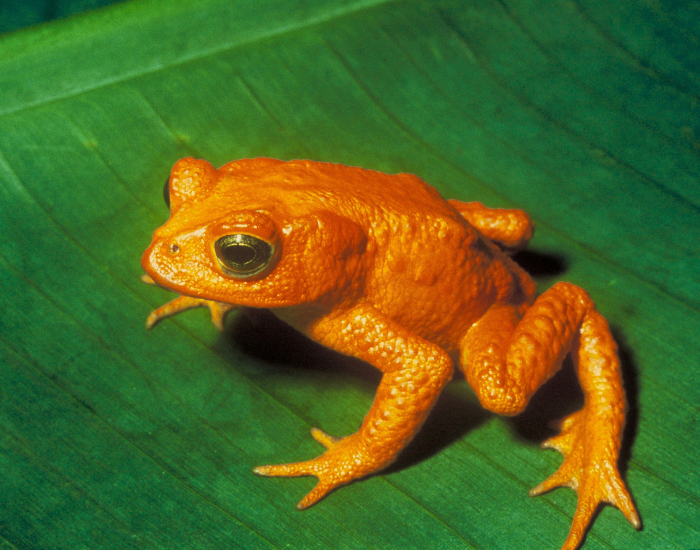
The striking golden toad of Costa Rica’s cloud forests was officially declared extinct in 2004, making it one of the most famous examples of climate-driven species extinction. These brilliant orange amphibians lived in a tiny range in the Monteverde Cloud Forest Reserve. Their limited range made them especially vulnerable to even small environmental shifts.
Changes in rainfall patterns and rising temperatures altered the delicate moisture balance these toads required for breeding. The species also fell victim to the chytrid fungus, a disease that has devastated amphibian populations worldwide. The last golden toad was seen in 1989, and decades of searching have turned up nothing.
11. Baiji (Lipotes vexillifer) | The Yangtze River Dolphin
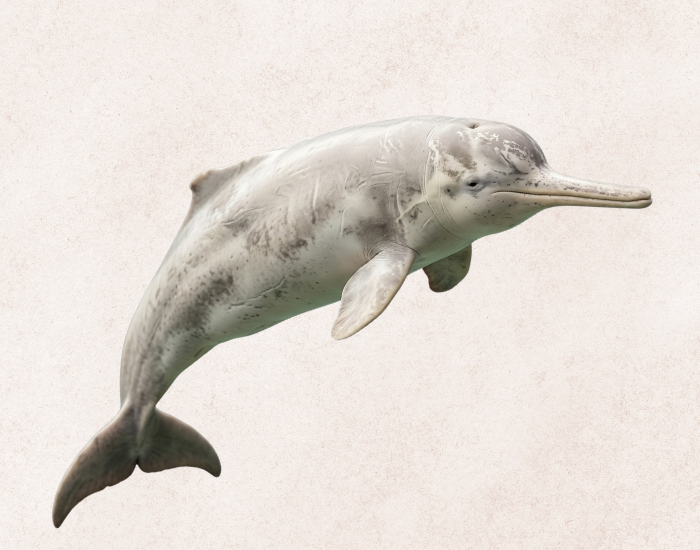
Declared functionally extinct in 2006, the baiji was China’s only endemic cetacean species. These “Goddess of the Yangtze” dolphins survived in Chinese rivers for 20 million years but couldn’t adapt to rapid industrialization.
Ship strikes, pollution, overfishing, and dam construction decimated baiji populations. The Yangtze River became one of the world’s busiest waterways, with noise pollution disrupting the dolphins’ echolocation abilities. Despite massive search efforts, no confirmed sightings have occurred since 2004. This recently extinct species vanished from one of the most heavily studied river systems on Earth.
12. Christmas Island Pipistrelle (Pipistrellus murrayi) | The Last Bat Call
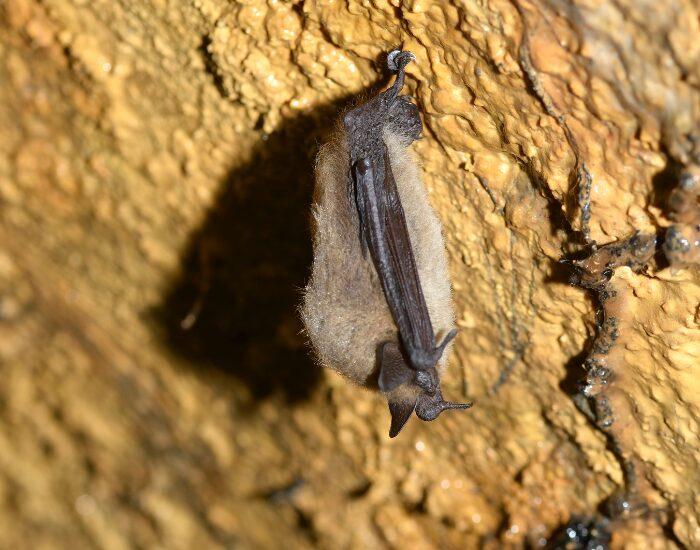
This tiny bat, endemic to Christmas Island in the Indian Ocean, was officially declared extinct in 2009. The Christmas Island pipistrelle was one of two bat species on the island and played a crucial role in controlling insect populations across the island’s forest habitat.
Habitat destruction from phosphate mining, invasive species, and disease likely contributed to its decline. The last recorded echolocation calls were detected in 2009. Despite extensive surveys by Australia’s wildlife service, no individuals have been found since. Scientists believe introduced predators like the giant centipede and invasive wolf snakes pushed the species past the point of recovery.
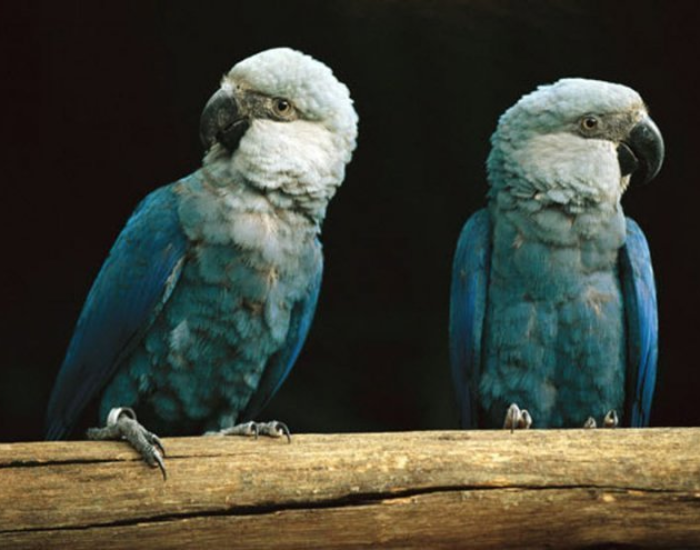
13. Spix’s Macaw (Cyanopsitta spixii) | Extinct in the Wild, But Not Gone
Famed as the inspiration for the animated movie Rio, the Spix’s macaw was driven to extinction in the wild by habitat destruction and the illegal pet trade. By the 2000s, the last wild individuals had vanished, leaving only a few in captivity. Collectors paid tens of thousands of dollars for these birds, fueling a black market that stripped the species from its native habitat in Brazil’s Caatinga scrubland.
However, hope remains. Conservation programs have successfully bred the species in captivity, and in 2022, reintroduction efforts began in Brazil. While still considered extinct in the wild, the Spix’s macaw is a rare example of how careful breeding programs can help revive a species. As of 2026, more than 200 individuals exist in captivity, making this one of conservation biology’s most ambitious rescue missions.
14. Mountain Mist Frog (Litoria nyakalensis) | Australia’s Silent Disappearance
I remember searching for this species along Queensland’s mountain streams during a fieldwork stint in the Wet Tropics. The mountain mist frog was officially declared extinct by the IUCN in 2022, but it had been missing for over three decades. The last confirmed sighting dates to 1990, and despite years of thorough surveys across its former range, no one has found a single individual.
This small, brown-green frog lived along rocky streams in the rainforests of northeastern Queensland. Its limited range — restricted to high-elevation habitats between 400 and 1,000 meters — made it dangerously exposed to environmental change. The chytrid fungus (Batrachochytrium dendrobatidis), an invasive pathogen that swept through Queensland’s amphibian populations in the 1980s, devastated mountain mist frog colonies. Climate change compounded the problem by pushing the fungus into higher-altitude refuges that once kept these frogs safe.
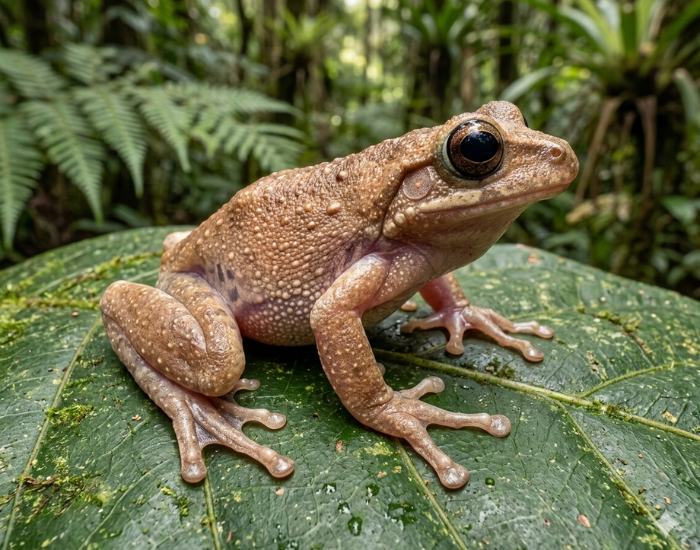
15. Sharp-Snouted Day Frog (Taudactylus acutirostris) | Extinction by Infection
The sharp-snouted day frog holds a grim record in extinction science. Researchers have called it the first documented case of a free-ranging wildlife species driven extinct primarily by infectious disease. This tiny, cryptic frog once inhabited rainforest streams across Queensland’s Wet Tropics, from Townsville to Cooktown, sharing much of its habitat with the mountain mist frog.
A rapid population collapse began in 1988 when the chytrid fungus arrived in the southern parts of the sharp-snouted day frog’s range. The extinction wave rolled northward for 300 kilometers over the following years until it reached Big Tableland. Scientists documented the decline in real time but lacked the tools to stop it. The sharp-snouted day frog hasn’t been seen since the early 1990s, and the IUCN has officially declared extinct this once-common species.
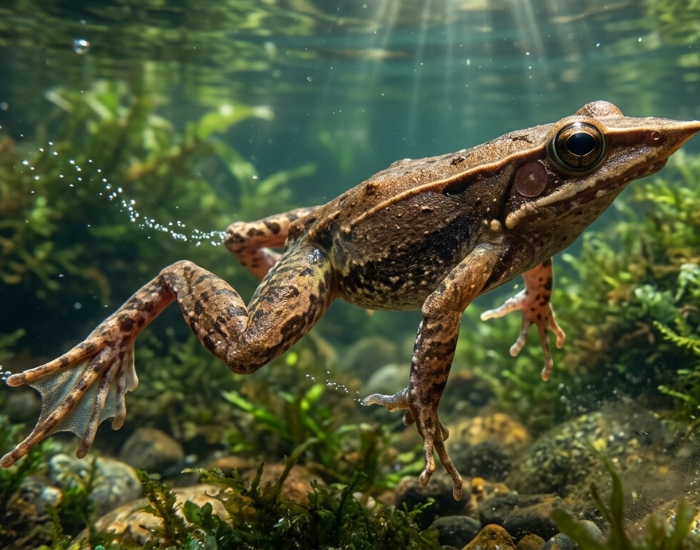
Possibly Extinct Animals: Species on the Brink
While our list focuses on confirmed extinctions, many species exist in the liminal space of “possibly extinct animals.” These creatures haven’t been definitively seen in decades but haven’t been officially declared extinct either. Possibly extinct species haunt the edges of conservation science, too gone to protect, too uncertain to mourn.
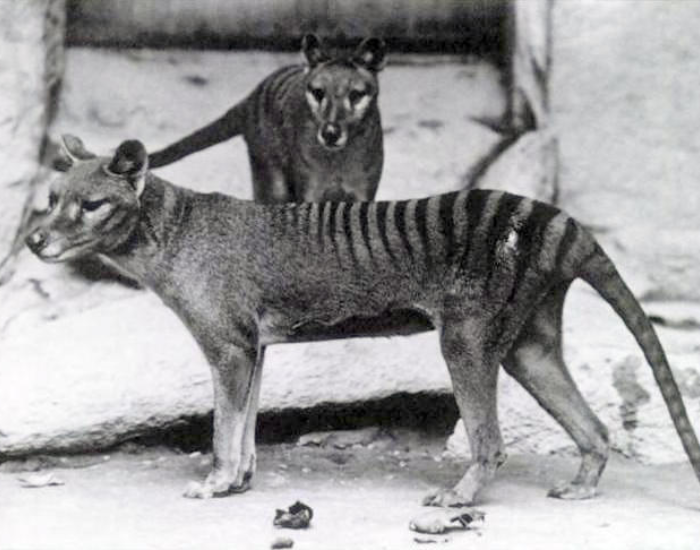
The Tasmanian tiger (thylacine) remains the most famous example. Despite the last confirmed individual dying in captivity in 1936, reported sightings continue to this day. Recent environmental DNA studies and camera trap surveys have yielded no conclusive evidence, but the species captures imaginations worldwide. Scientists with the Royal Society have debated whether de-extinction technologies could bring the thylacine back.
The Biggest Extinct Mammals: Giants We’ve Lost
When discussing recently extinct mammals, size often captures attention. Some of the largest land mammals in recent history have disappeared, and their absence has reshaped entire ecosystems.
Steller’s Sea Cow: This massive marine mammal, growing up to 30 feet long, was hunted to extinction by 1768 — just 27 years after its discovery. These gentle giants lived in the kelp forests around the Commander Islands. European settlers and fur traders killed them for meat and oil at an unsustainable rate.
Aurochs: The wild ancestor of domestic cattle, aurochs stood six feet tall at the shoulder and roamed across Europe, Asia, and North Africa. The last individual died in Poland in 1627. Habitat loss from agriculture and centuries of hunting drove this magnificent species to extinction.
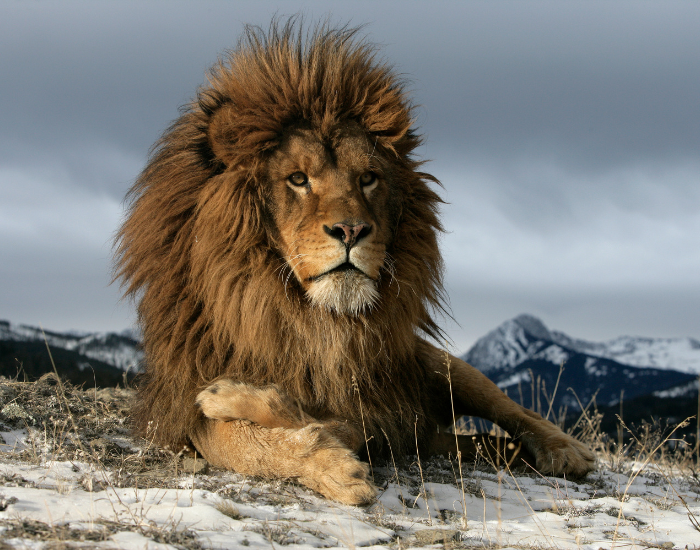
Barbary Lion: This North African subspecies was larger than today’s lions, with males sporting magnificent dark manes. The last wild individual was shot in Morocco in 1942. Among big cats, the Barbary lion’s extinction stands as a cautionary tale about how hunting and habitat destruction can erase even apex predators.
Conservation Success Stories: Hope Amid the Crisis
While focusing on animals extinct recently can feel overwhelming, conservation efforts have also achieved remarkable successes. These victories show that with dedicated effort, funding, and political will, we can pull endangered species back from the brink:
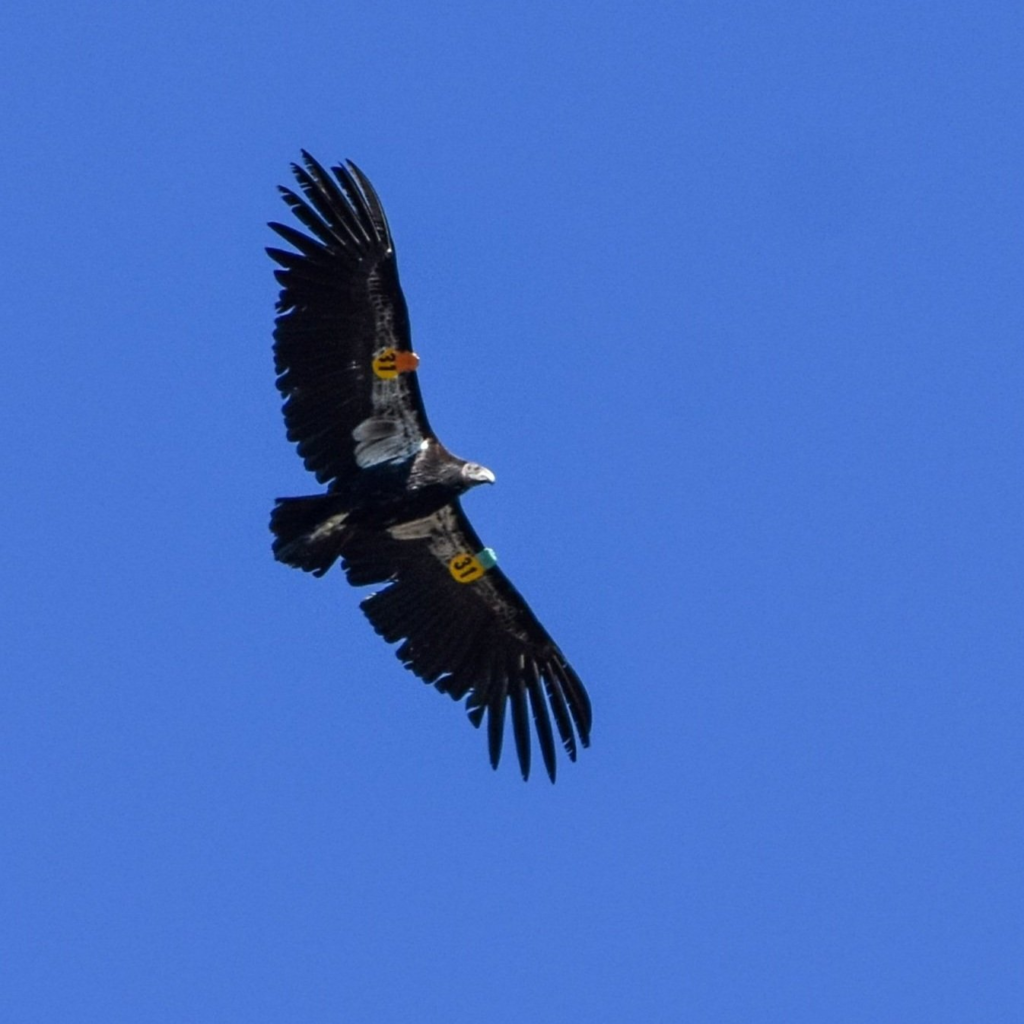
California Condor: Down to just 27 individuals in 1987, intensive captive breeding programs have increased the population to over 500 birds. Federal wildlife service agencies coordinated one of the most expensive species recovery programs in history.
Black-footed Ferret: Once considered extinct, this species was rediscovered and has been successfully reintroduced to prairie habitats across the American West. Scientists even cloned a black-footed ferret from preserved cells, adding genetic diversity to the recovering population.
Arabian Oryx: This antelope was extinct in the wild by 1972 but was successfully reintroduced through captive breeding programs. Today, over 1,000 individuals roam protected reserves across the Arabian Peninsula.
These stories prove that species extinction is not inevitable. When we act early, fund research, and protect habitat, we can save critically endangered and threatened species from disappearing forever.
Our Shared Responsibility
The story of animals extinct recently is ultimately a story about choices, the choices we make as individuals, communities, and nations. Every species we’ve lost represents a failure to prioritize long-term ecological thinking over short-term gains. Human activity remains the dominant driver of extinction, from habitat destruction to pollution to the introduction of invasive species.
But it’s not too late. For every species on the extinct mammals list, there are endangered animals we can still save. For every ecosystem degraded, there are others we can restore. And for every conservation failure, there are success stories that show what’s possible when we commit to protecting biodiversity.
Supporting habitat protection, demanding climate action, and funding conservation research are not optional — they’re essential. The next chapter of this story depends entirely on what we do right now.
Recently Extinct Animals: True or False? 🌍
Ten statements about species lost in recent times — some true, some common misconceptions. How many can you call correctly?
Fact-check · True or False?
Frequently Asked Questions
The most recent officially declared extinctions include three Australian bandicoot species and the Galápagos damselfish, all confirmed extinct by the IUCN in 2025. The slender-billed curlew was declared extinct in late 2024, making it the first bird extinction from mainland Europe. Many other species are classified as possibly extinct while scientists conduct further surveys.
Scientists estimate that dozens of species go extinct daily, though the exact number is impossible to pin down. Many species disappear before they’re even discovered. Current extinction rates run 100 to 10,000 times higher than natural background rates, driven primarily by habitat loss, climate change, and human activity
References:
Andermann, T., Faurby, S., Turvey, S. T., Antonelli, A., & Silvestro, D. (2020). The past and future human impact on mammalian diversity. Science Advances, 6(36), Article eabb2313. https://doi.org/10.1126/sciadv.abb2313
Ceballos, G., Ehrlich, P. R., & Dirzo, R. (2017). Biological annihilation via the ongoing sixth mass extinction signaled by vertebrate population losses and declines. Proceedings of the National Academy of Sciences, 114(30), E6089–E6096. https://doi.org/10.1073/pnas.1704949114
Lips K. R. (2018). Witnessing extinction in real time. PLoS biology, 16(2), e2003080. https://doi.org/10.1371/journal.pbio.2003080
Scheele, B. C., Pasmans, F., Skerratt, L. F., Berger, L., Martel, A., Beukema, W., … & Canessa, S. (2019). Amphibian fungal panzootic causes catastrophic and ongoing loss of biodiversity. Science, 363(6434), 1459–1463. https://doi.org/10.1126/science.aav0379
Turvey, S. T., Pitman, R. L., Taylor, B. L., Barlow, J., Akamatsu, T., Barrett, L. A., & Wang, D. (2007). First human-caused extinction of a cetacean species? Biology Letters, 3(5), 537–540. https://doi.org/10.1098/rsbl.2007.0292
Woinarski, J. C. Z., Garnett, S. T., Legge, S. M., & Lindenmayer, D. B. (2017). The contribution of policy, law, management, research, and advocacy failings to the recent extinctions of three Australian vertebrate species. Conservation Biology, 31(1), 13–23. https://doi.org/10.1111/cobi.12852
Wilder, A. P., Steiner, C. C., Hendricks, S., Haller, B. C., Kim, C., Korody, M. L., & Ryder, O. A. (2024). Genetic load and viability of a future restored northern white rhino population. Evolutionary applications, 17(4), e13683. https://doi.org/10.1111/eva.13683
Collar, N. J.,’; Mayaud, N., & Mayaud, N. (2024). The extinction of the Slender-billed Curlew Numenius tenuirostris. British Birds, 117. https://www.birdlife.org/news/2024/11/18/new-publication-indicates-devastating-extinction-of-the-slender-billed-curlew/