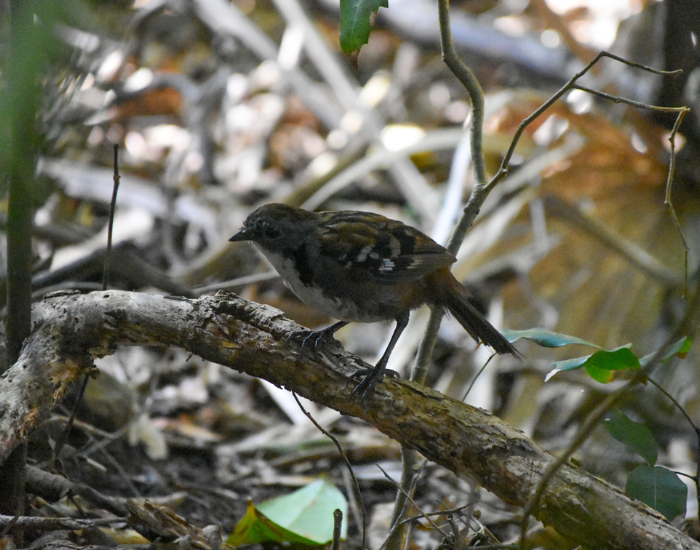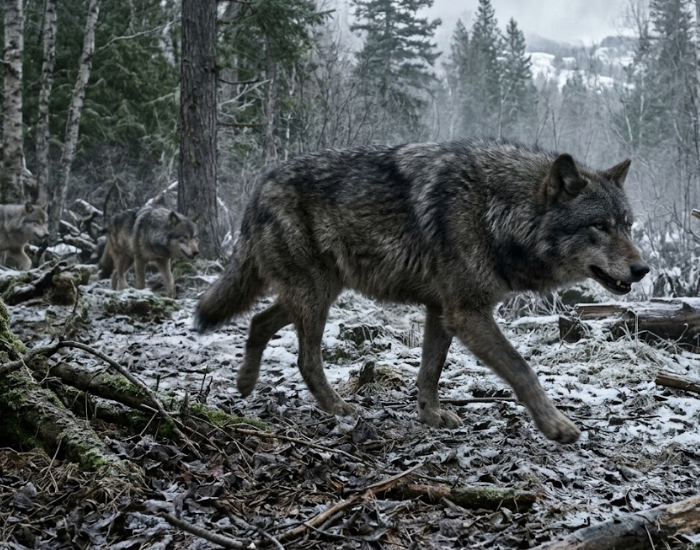
The first wild horse I met at Polblue grazed past my camp at dusk. It looked calm and beautiful. It was also standing in a swamp that took thousands of years to form.
That contrast sums up invasive species in Australia. Many look harmless, even charming. Yet they rank among the biggest drivers of extinction on this continent.
Before my lap around Australia, I studied conservation biology here and then worked as a field ecologist for almost two years. A big part of that job was controlling invasive weeds in Sydney bushland, often where land clearing had opened the door. That training stuck. Now I recognise weeds and pest animals in national parks that should feel untouched, and it worries me.
Below are 15 of the worst invasive animals, plants and pathogens in the country. For each one, you’ll learn where it came from, how it harms native wildlife, and what I’ve seen on the road.
What Makes Invasive Species in Australia So Damaging?
An introduced species is any organism people moved outside its native range. Most never cause trouble. Outside its non native range, a species only counts as invasive once it forms self sustaining populations. It must also cause economic or environmental harm, or harm to human health.
Australia makes an easy target. Since European settlement, people have brought in tens of thousands of exotic species of plants, many as ornamental plants for gardens. Roughly 3,000 plant species have since naturalised in the natural environment. Many invasive plant species began as garden escapes.
The bill is enormous. Researchers estimate invasive species have cost Australia at least AU$390 billion since 1960. Globally, the 2023 IPBES assessment put the economic costs above US$423 billion every year.
The damage takes several forms. Invasive organisms outcompete native species for food and shelter, prey on native animals, and spread disease. Some interbreed with relatives, too. Hybridisation with introduced mallards, for example, dilutes the genes of our Pacific black duck.
Many invasive species interact as well. Rabbits feed foxes, and foxes then hunt native organisms harder. Together, these effects disrupt food webs, permanently alter habitats and destroy biodiversity.
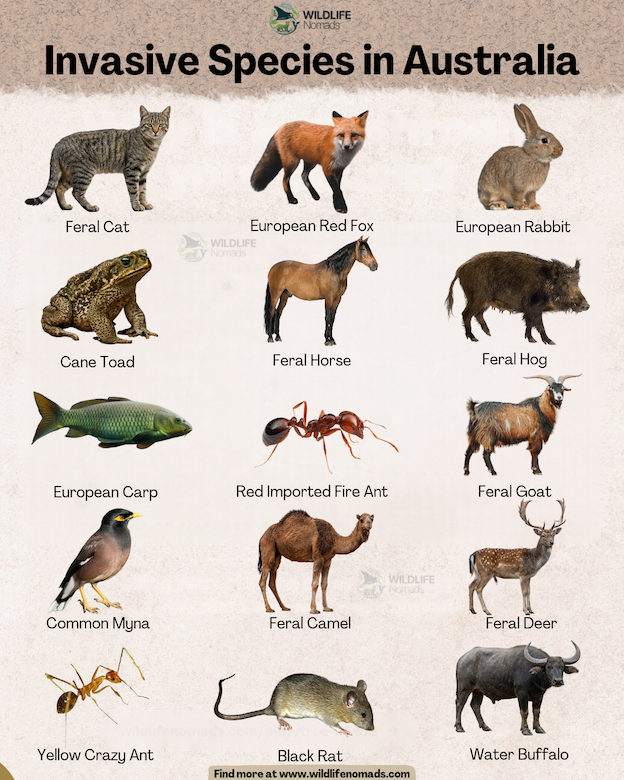
The 15 Worst Invasive Animals, Plants and Pathogens
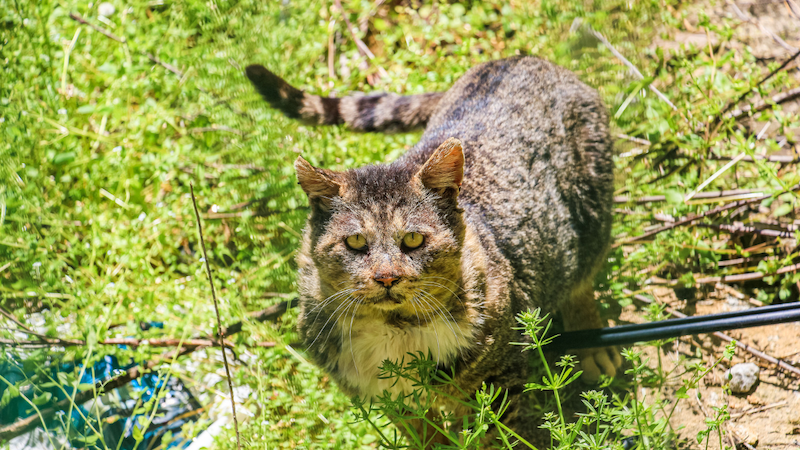
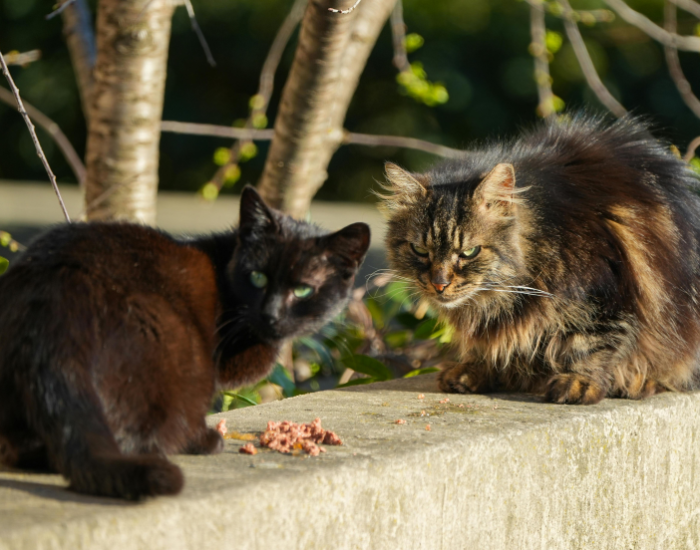
1. Feral Cat (Felis catus)
Feral cats live across nearly all of Australia, including many islands. Their numbers swing between about 1.4 and 5.6 million, depending on rainfall. They kill well over a billion native animals each year.
I’ve seen feral cats on this lap, and they’re the pest I like least. Small marsupials evolved without a stealthy predator like this, so they have little defence. The adverse effects ripple through threatened species recovery plans nationwide.
Researchers link cats to most of Australia’s mammal extinctions since 1788. Even around Gloucester, the NSW National Parks and Wildlife Service has been running a Felixer feral cat control program in the Gloucester Tops part of Barrington Tops.
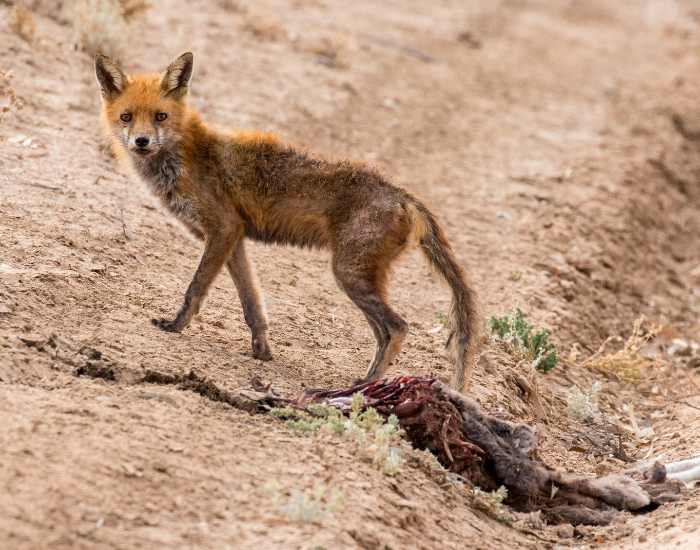
2. European Red Fox (Vulpes vulpes)
Settlers released foxes for sport hunting in Victoria in the 1870s. Within decades, they had spread across most of the mainland. Tasmania remains the big exception.
Foxes hunt mammals in the “critical weight range”, roughly 35 grams to 5.5 kilograms. That bracket includes bilbies, numbats and rock-wallabies. Interestingly, foxes tend to struggle where healthy dingo populations persist.
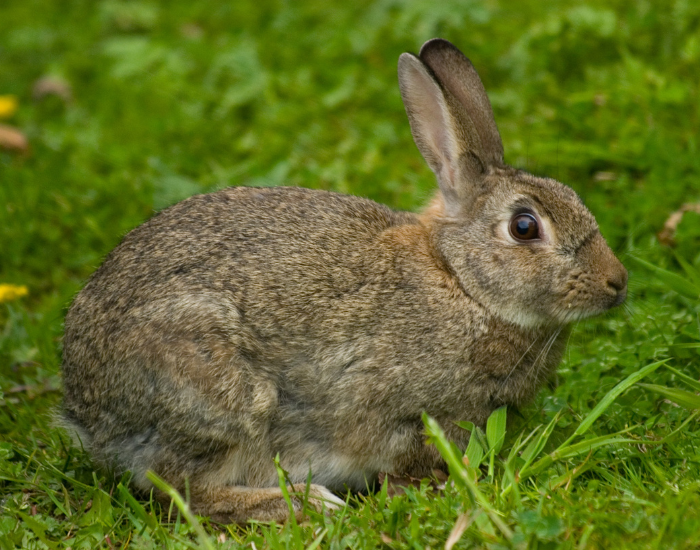
3. European Rabbit (Oryctolagus cuniculus)
Thomas Austin released 24 rabbits on his Victorian property in 1859. Finding suitable habitat almost everywhere, they spread rapidly. They became the fastest-spreading colonising mammal on record, and around 200 million live here today.
I’ve seen plenty on this lap, nibbling roadside verges at dawn. That grazing looks innocent, but rabbits strip native vegetation and eat seedlings before they establish. As a result, whole woodlands can lose the next generation of trees. Calicivirus, released in 1995, knocked numbers down, although rabbits have since built some resistance.
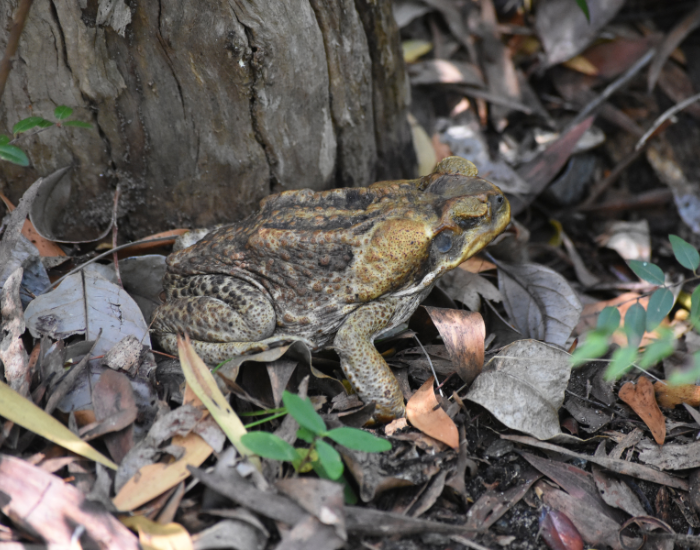
4. Cane Toad (Rhinella marina)
Cane toads came to Australia in 1935 for pest control. Just 102 toads arrived in Gordonvale, Queensland, to eat cane beetles. They ignored the beetles. Today an estimated 200 million hop from northern New South Wales into Western Australia’s Kimberley.
I meet them most evenings on the Gold Coast and Sunshine Coast, squatting on footpaths under streetlights. Their toxin kills quolls, goannas, snakes and freshwater crocodiles that try to eat them. That said, some predators adapt. Crows and kites now flip toads over and eat the non-toxic parts.
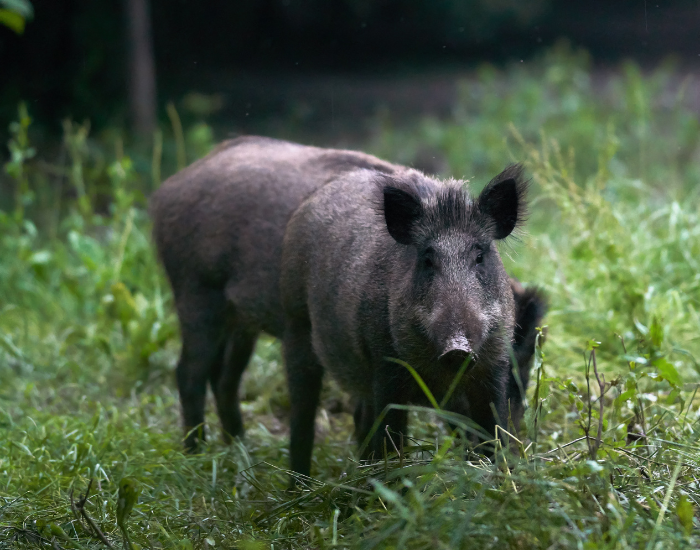
5. Feral Pig (Sus scrofa)
Feral pigs number somewhere between 3 million and over 20 million, depending on the season. They act as ecosystem engineers, rooting through wetlands like rotary hoes. They also eat turtle eggs and frogs and foul water.
Pigs matter for human health and farming, too. They carry diseases such as leptospirosis and could spread foot-and-mouth disease if it ever arrives. In addition, they track root rot fungus spores through the bush on muddy feet.
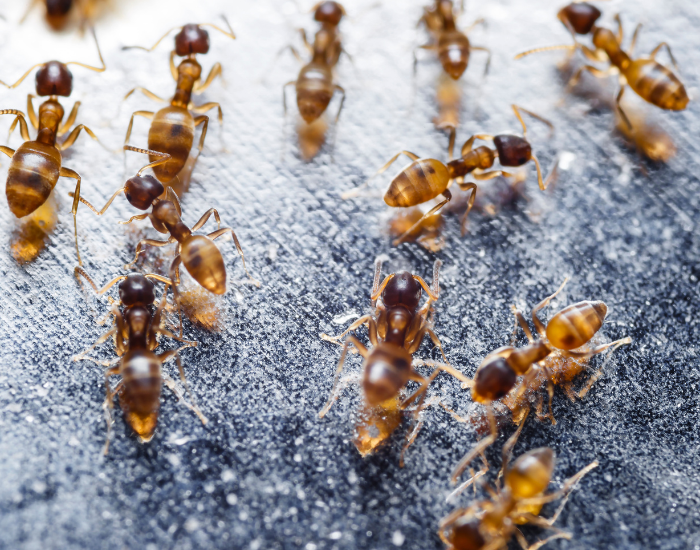
6. Red Imported Fire Ant (Solenopsis invicta)
Red imported fire ants come from South America. Authorities first detected them in Brisbane in 2001, probably after an accidental release from shipping containers. South east Queensland, where I’m based, now sits inside a large biosecurity zone.
These ants deliver painful stings and occasionally cause anaphylaxis. They also kill ground-nesting birds, reptiles and hatchlings. Early detection matters, so Queensland asks everyone to report suspicious nests.
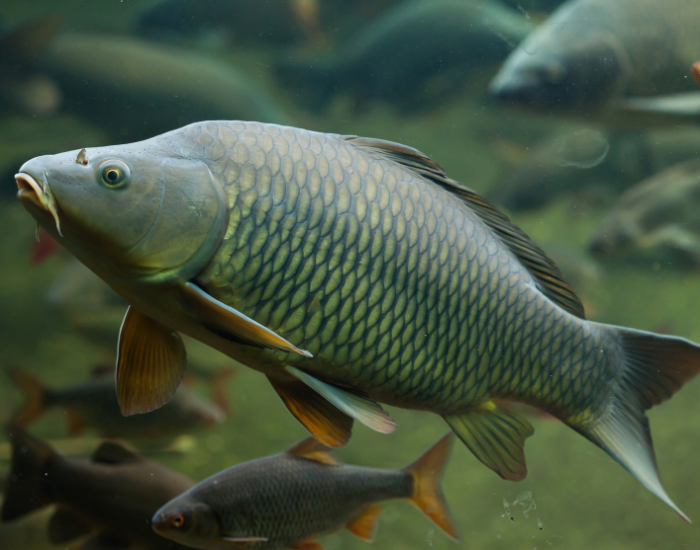
7. European Carp (Cyprinus carpio)
Carp exploded through the Murray–Darling Basin during the 1970s floods. In some rivers, they now make up 80 to 90 percent of fish biomass.
Carp feed by sucking up sediment, which muddies water and uproots aquatic plants. As a result, native fish species lose habitat across whole aquatic ecosystems. The ecosystem services those rivers provide decline with them.
The National Carp Control Plan assessed releasing carp herpesvirus as a control. However, the Australian Government wants more research first.
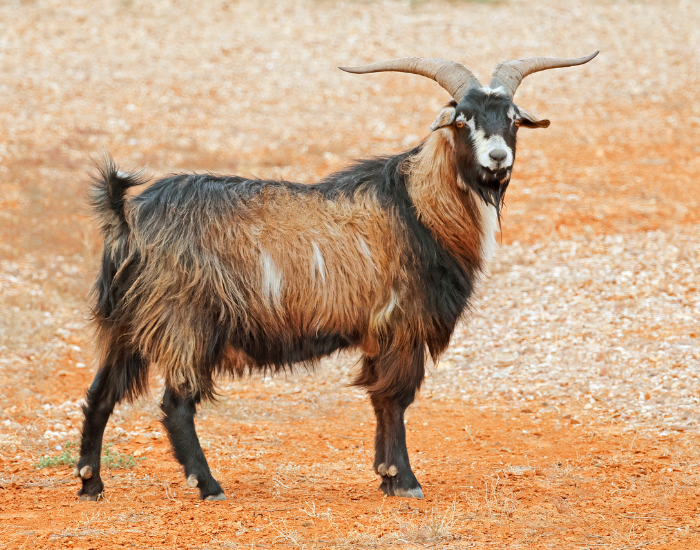
8. Feral Goat (Capra hircus)
Goats arrived with the First Fleet in 1788. Millions of feral goats now roam the rangelands, especially in western New South Wales and Western Australia.
They eat almost anything, including threatened plants that other herbivores avoid. Graziers count the cost in lost agricultural production and degraded natural resources. Goats also compete with rock-wallabies for shelter on rocky outcrops. The Australian Government lists unmanaged goats among its key threatening processes.
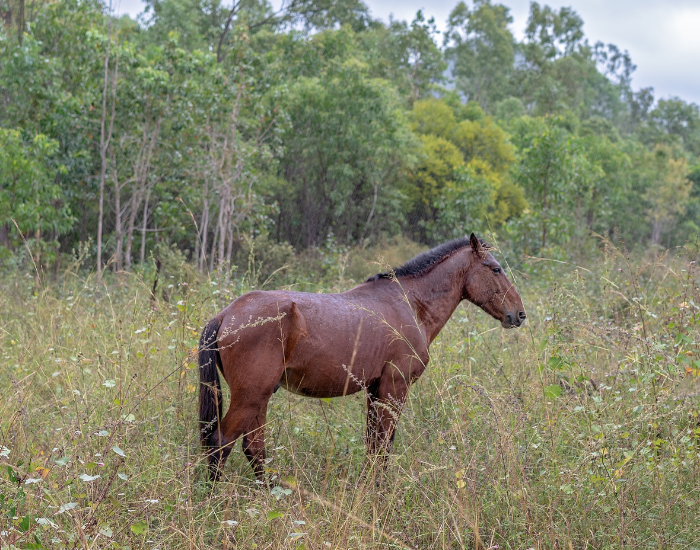
9. Feral Horse (Equus caballus)
Barrington Tops changed how I see brumbies. At Polblue, feral horses move through the campground and adjacent walking track day and night, and NPWS advises campers to pitch tents close to their vehicles. The service also warns that aggressive horse behaviour can pose a safety risk for visitors. I stayed alert there and at Gloucester too.
Hard hooves trample sphagnum bogs and stream banks that evolved without heavy grazers. That ecological damage threatens species like the broad-toothed rat. Researchers found these impacts accumulate over time, even when only around 100 horses are present. The ethics get heated, which I unpack in Should we hunt Australia’s brumbies?.
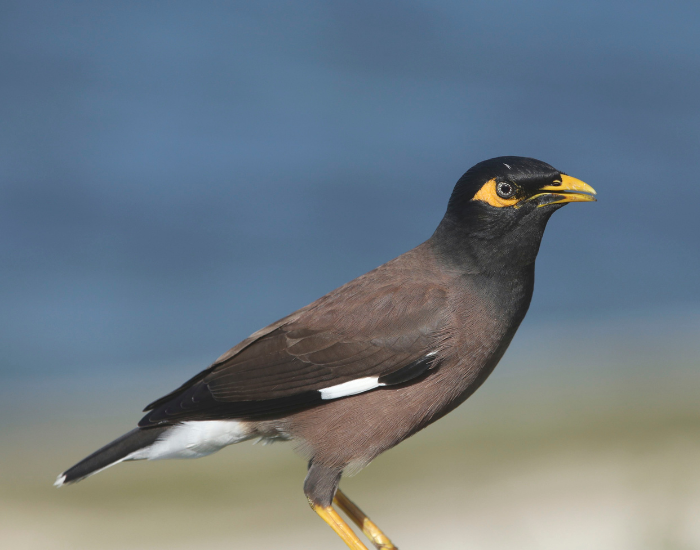
10. Common Myna (Acridotheres tristis)
Common mynas arrived in Melbourne in the 1860s to control insects in market gardens. They now dominate many east coast towns and appear on the IUCN’s list of the world’s worst invaders.
Mynas nest in tree hollows and can evict small parrots. Their negative impacts show up most clearly in towns and cities. I’m honestly sceptical of how far they push into healthy bush. Australian birds are feisty. Willy wagtails, magpies and kookaburras defend territory hard, which may slow the invasion.
The feral pigeon fits a similar pattern, thriving in cities but rarely beyond them (see pigeons of Australia). Disease can travel the other way, too. Psittacine beak and feather disease likely originated here and now threatens parrots far outside their native ranges.
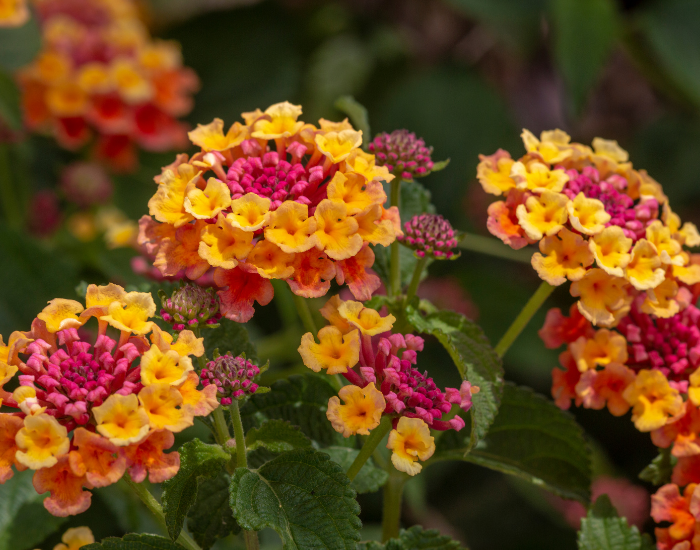
11. Lantana (Lantana camara)
Lantana came to Australia as a garden plant in the 1840s. It now smothers more than four million hectares of Queensland and New South Wales. Worldwide, it’s invasive in over 60 countries.
Its dense thickets shade out native plants and block regeneration. Native plants and animals that rely on an open understorey lose out.
My weed control years around Sydney taught me how quickly such shrubs reclaim cleared ground. Pulling them out is only half the job. Follow-up weed management for years afterwards decides whether bushland recovers from weed invasion.
12. Gamba Grass (Andropogon gayanus)
Gamba grass came from Africa as cattle pasture. It now covers large areas of the Northern Territory and northern Queensland.
It grows up to four metres tall and dries into massive fuel loads. Fires in gamba can burn several times hotter than in native grasses. As a result, they kill savanna trees that normally survive the dry season.

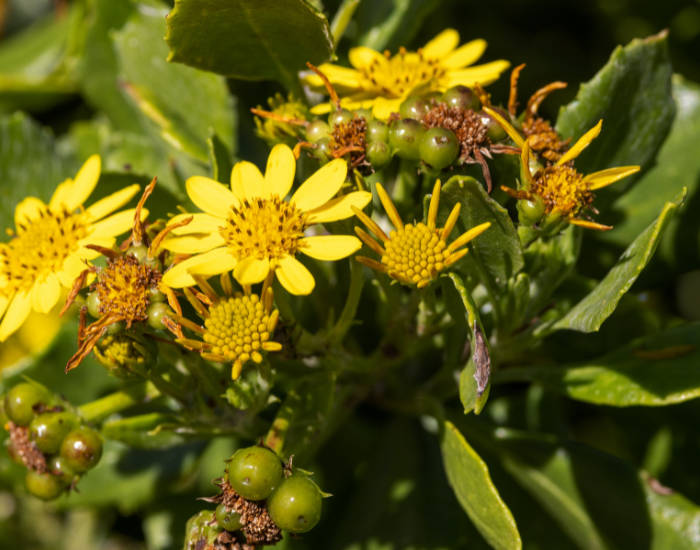
13. Bitou Bush (Chrysanthemoides monilifera subsp. rotundata)
Authorities planted this South African shrub to stabilise dunes after sand mining in the mid-20th century. It then spread along much of the New South Wales coast.
Bitou bush forms dense walls on dunes and headlands. It threatens endangered ecological communities such as littoral rainforest. Coastal tracks are where my weed control background kicks in most, and I still spot it.
14. Root Rot Fungus (Phytophthora cinnamomi)
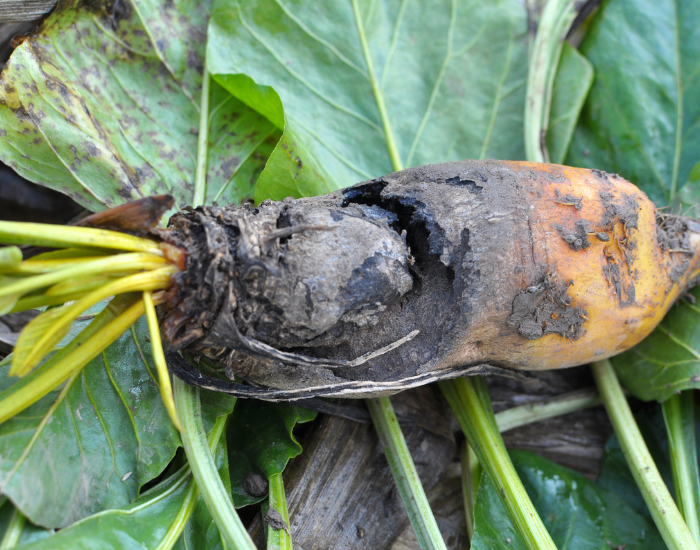
Technically, this “fungus” is a water mould. It infects roots, so plants die of thirst even in wet soil. In Western Australia’s south-west, a large share of native plant species are susceptible, including many banksias.
It hitches rides in mud on boots, tyres, pig hooves and other organisms. Barrington Tops shows how seriously parks take it. NPWS maintains a Phytophthora quarantine area there, describing it as a mould that causes dieback in plants.
15. Myrtle Rust (Austropuccinia psidii)
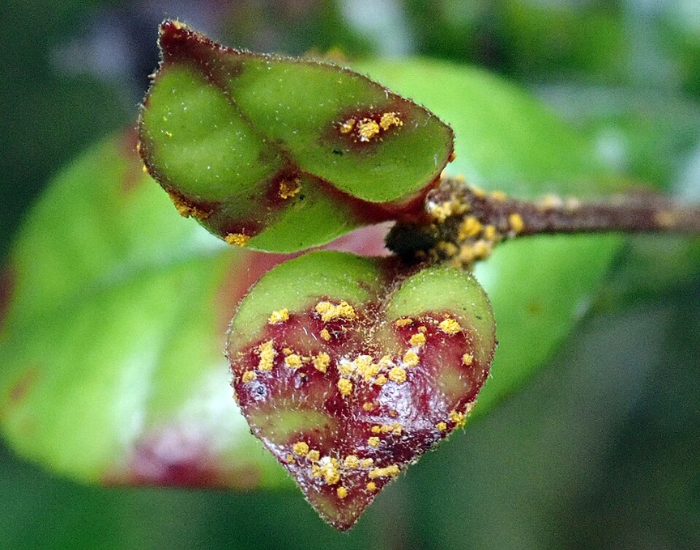
Myrtle rust originally came from South America. Authorities first detected it on the New South Wales Central Coast in 2010. Wind spreads its spores, so containment failed quickly.
It attacks plants in the myrtle family, including eucalypts, paperbarks and lilly pillies. Two rainforest trees, native guava and scrub turpentine, have crashed towards extinction. It’s a sobering example of how fast a new invasive species can reshape natural systems.
Stopping the Next Invasion
Prevention beats cure. Ballast water in ships moves an estimated 10,000 species around the world every day. Seeds and insects also hitchhike on boats, vehicles and camping gear. That’s how invasive species spread between parks.
Guam shows what happens when early detection fails. The brown tree snake arrived accidentally after World War II and wiped out most of the island’s native forest birds. Australia’s biosecurity checks exist to stop a similar unintentional introduction here.
Invasive species management runs through the Australian Weeds Strategy 2017–2027 and the Australian Pest Animal Strategy 2017–2027. Both rank pest species by their environmental risks. States add their own plans, such as the NSW Invasive Species Plan. Groups like the Invasive Species Council push for stronger action, too.
FAQ
Most ecologists would include feral cats, red foxes, European rabbits, cane toads, feral pigs and red imported fire ants. Carp, feral goats, feral horses and lantana round out a typical top 10. Exact rankings vary because each pest causes different kinds of environmental harm.
The feral cat is widely considered the most damaging invasive animal in Australia. It kills well over a billion native animals each year. Researchers also link cats to most of the country’s mammal extinctions since European settlement.
Roughly 3,000 introduced plant species have naturalised in the wild. Dozens of introduced vertebrates also maintain self sustaining populations. Not all of them are considered invasive, as only some cause measurable harm.
By sheer numbers, European rabbits and cane toads lead, each with populations estimated around 200 million. Introduced insects such as European honeybees are even more numerous but harder to count.
Learn to Identify them
Invasive species in Australia rarely announce themselves. A myna on a fence, lantana in a gully or a toad on the footpath can look like part of the scenery. Yet together they reshape ecosystems faster than native plants and animals can adapt.
Learning to recognise them is the first step. Next time you’re in the bush, watch for these species and report new sightings to your state biosecurity hotline. Clean your boots between parks, too.
If you want to see what’s at stake, start with the animals of Australia or explore the best NSW national parks. And tell me in the comments: which invasive species have you noticed where you live?
Wildlife Nomads Challenge
Spot the Invader
Ten questions on Australia’s worst invasive species. Each answer reveals the animal or plant behind it, plus the fact that makes it such a problem.
Your invader cheat sheet
How you can help: report new sightings to your state biosecurity hotline, clean mud off your boots and tyres between parks, and never dump aquarium fish or garden plants in the bush.
References:
Bradshaw, C. J. A., Hoskins, A. J., Haubrock, P. J., Cuthbert, R. N., Diagne, C., Leroy, B., Andrews, L., Page, B., Cassey, P., Sheppard, A. W., & Courchamp, F. (2021). Detailed assessment of the reported economic costs of invasive species in Australia. NeoBiota, 67, 511–550. https://doi.org/10.3897/neobiota.67.58834
Driscoll, D. A., Worboys, G. L., Allan, H., Banks, S. C., Beeton, N. J., Cherubin, R. C., et al. (2019). Impacts of feral horses in the Australian Alps and evidence-based solutions. Ecological Management & Restoration, 20(1), 63–72. https://doi.org/10.1111/emr.12357
Legge, S., Murphy, B. P., McGregor, H., Woinarski, J. C. Z., Augusteyn, J., Ballard, G., et al. (2017). Enumerating a continental-scale threat: How many feral cats are in Australia? Biological Conservation, 206, 293–303. https://doi.org/10.1016/j.biocon.2016.11.032
Murphy, B. P., Woolley, L.-A., Geyle, H. M., Legge, S. M., Palmer, R., Dickman, C. R., et al. (2019). Introduced cats (Felis catus) eating a continental fauna: The number of mammals killed in Australia. Biological Conservation, 237, 28–40. https://doi.org/10.1016/j.biocon.2019.06.013
Roy, H. E., Pauchard, A., Stoett, P., Renard Truong, T., Bacher, S., Galil, B. S., et al. (2023). Summary for policymakers of the thematic assessment report on invasive alien species and their control. IPBES Secretariat. https://doi.org/10.5281/zenodo.7430692
Shine, R. (2010). The ecological impact of invasive cane toads (Bufo marinus) in Australia. The Quarterly Review of Biology, 85(3), 253–291. https://doi.org/10.1086/655116
Woinarski, J. C. Z., Burbidge, A. A., & Harrison, P. L. (2015). Ongoing unraveling of a continental fauna: Decline and extinction of Australian mammals since European settlement. Proceedings of the National Academy of Sciences, 112(15), 4531–4540. https://doi.org/10.1073/pnas.1417301112