Last month I crouched in a Belgian pasture, watching a rabbit nibble clover ten feet away. My friend farms there, and he shrugged when I pointed. The rabbits never touch his crops, he said, so he lets them be. That same animal, released in Australia, becomes an ecological wrecking ball. We all see rabbits. We rarely stop to ask what kind we’re looking at.
That gap bugs me. As a biologist, rabbits keep surprising me. There are more types of rabbits than most people imagine, from wild burrowers to plush show champions.
This guide walks through 15 types of rabbits worth knowing. You’ll learn how to tell a giant from a dwarf, a lop from an upright-eared breed, and a pet from its wild cousin. By the end, you’ll never look at a bunny the same way again.
How Rabbits Are Classified
Before the breeds, a quick map. Breeders sort rabbits by size, fur type, and body shape. Registries like the American Rabbit Breeders Association and the British Rabbit Council set the standards.
Weight does most of the sorting. Small rabbit breeds weigh 2 to 6 pounds. Medium breeds land between 6 and 9 pounds. Large breeds reach 9 to 11 pounds, and giant rabbit breeds top 11 pounds and climb from there.
Ears tell you plenty too. Upright-eared rabbits stay alert and energetic. Lop-eared rabbits carry ears that hang downward instead of standing tall. Selective breeding produced these distinct traits, and a 2014 genome study showed the changes are polygenic, spread across many genes rather than one switch.
Fur type matters just as much. A normal coat, a plush Rex coat, a glossy satin coat, and long Angora wool each demand different care. Breeders have long prized rabbit fur for warmth and fiber, so fur production shaped many breeds of rabbit you’ll meet below.
Here’s the fun part. Every domestic rabbit, all 305-plus breeds recorded across 70 countries, descends from a single wild ancestor: the European rabbit, Oryctolagus cuniculus.
Small Rabbit Breeds
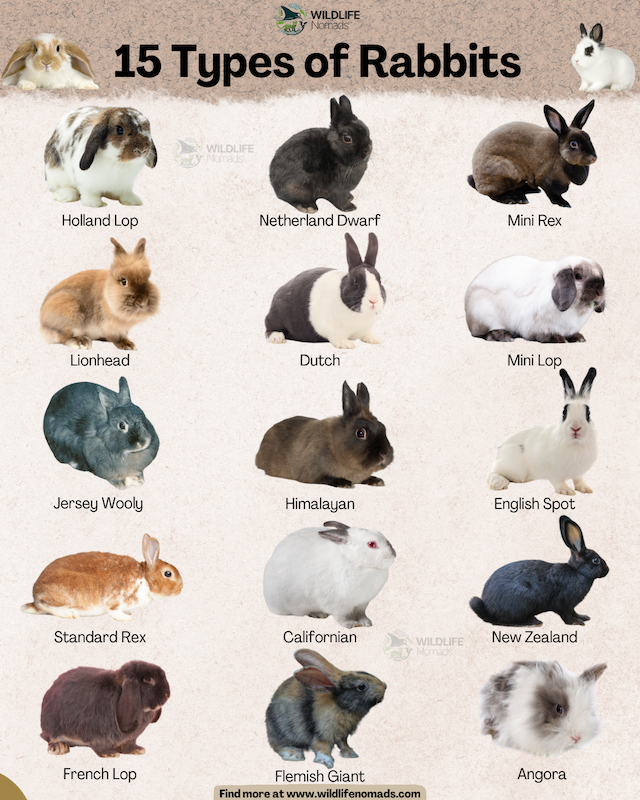
1. Netherland Dwarf
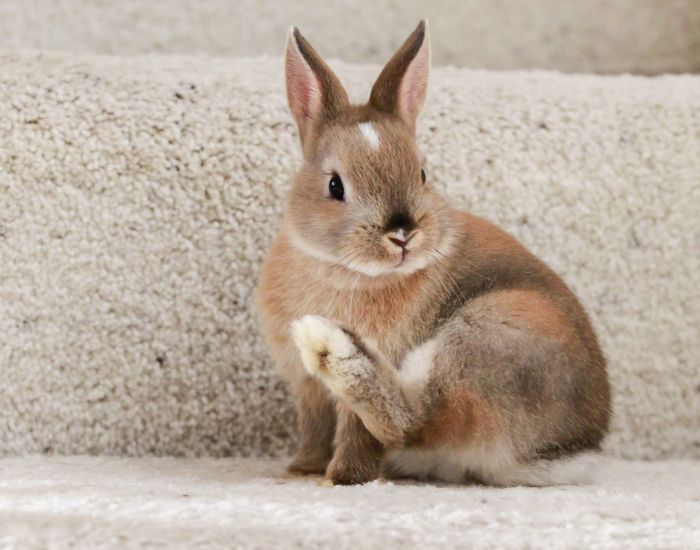
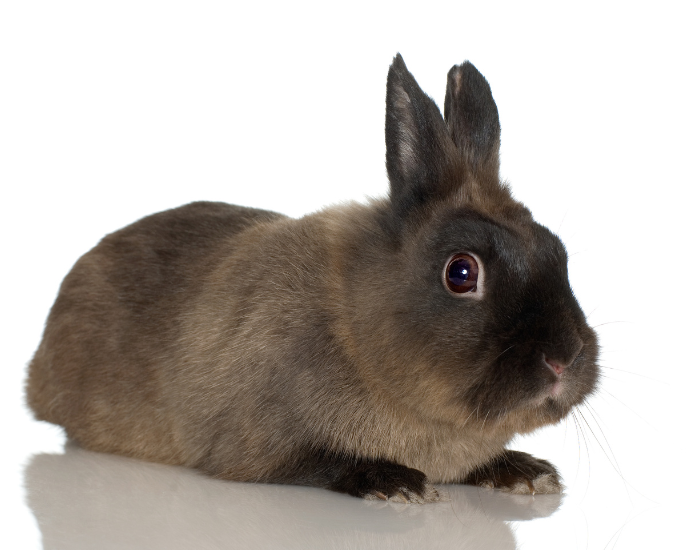
The Netherland Dwarf is the pocket rocket of the rabbit world. Most weigh barely 2 pounds, with a compact body, a round head, and short upright ears. I once mistook a photo of one for a guinea pig.
Don’t let the size fool you. These little rabbits stay alert and can turn skittish without gentle handling. As a dwarf breed, the Netherland Dwarf also passes its compact genes into many other popular breeds.
2. Britannia Petite
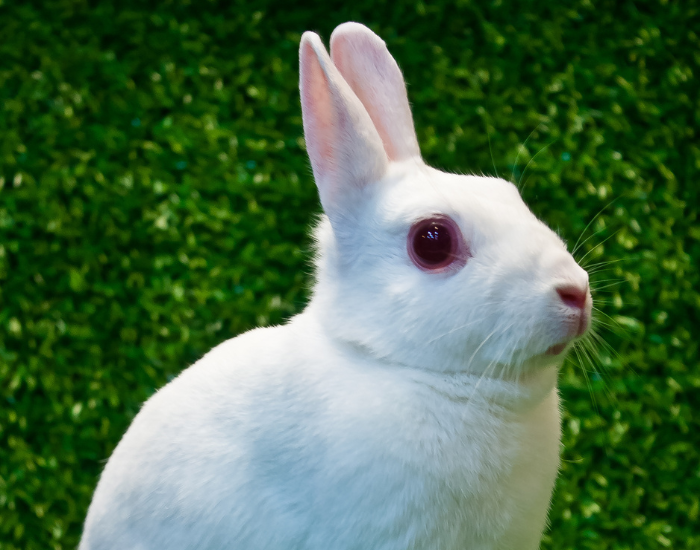
At roughly 2.5 pounds, the Britannia Petite ranks among the smallest breeds alive. It carries a slender, arched body and a nervy, energetic streak. The classic variety is a ruby-eyed white, glowing pink under the sun.
3. Holland Lop
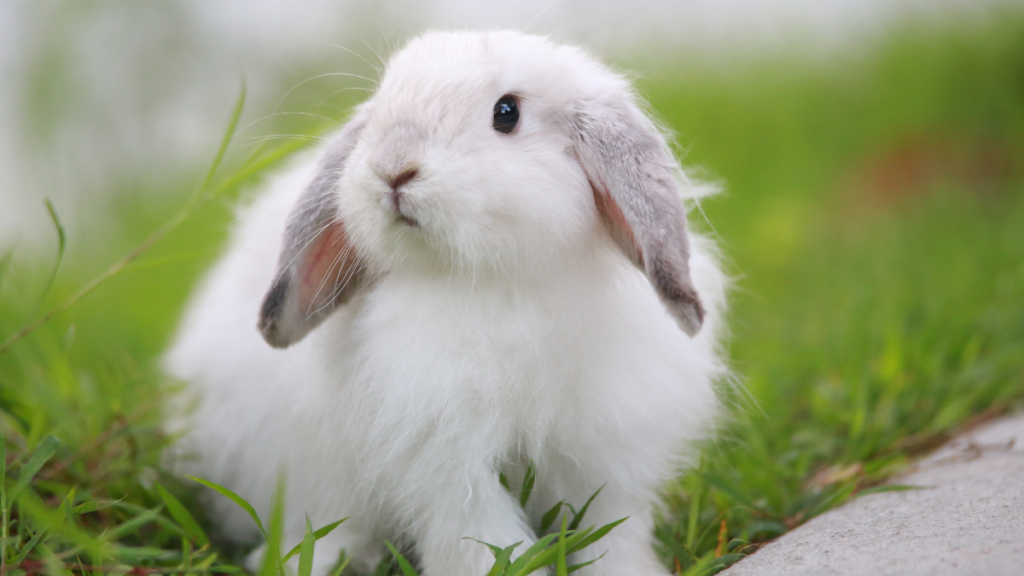
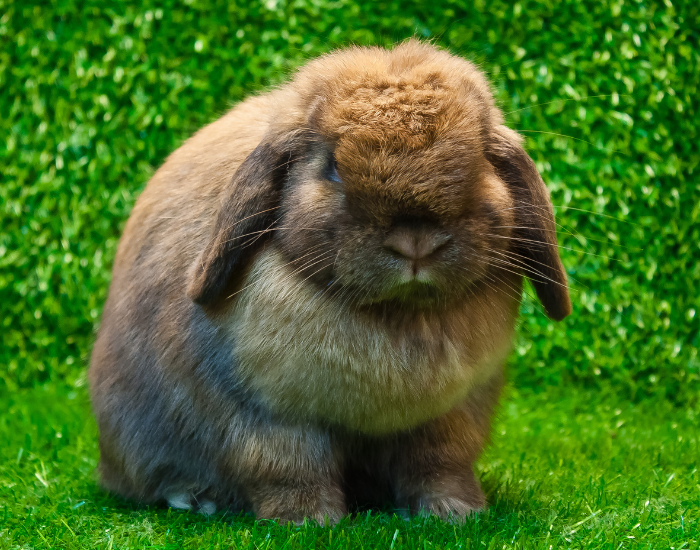
We all agree this is porbably one of the cutest ones! The Holland Lop is the breed people picture when they think “cute.” It’s a compact breed under 4 pounds, with a stocky frame and those signature lop ears framing the face. Interestingly, it consistently ranks among the most popular rabbit breeds worldwide.
I get why. The friendly temperament and soft coat make Holland Lops easy companions. When people ask me about the small fluffy bunny they saw online, this breed or a Lionhead is usually the answer.
Lops come as a whole family. The Mini Lop, French Lop, and American Fuzzy Lop carry those droopy ears at different sizes. By contrast, the English Lop sports extremely long ears that can span over 2 feet, tip to tip.
4. Mini Rex
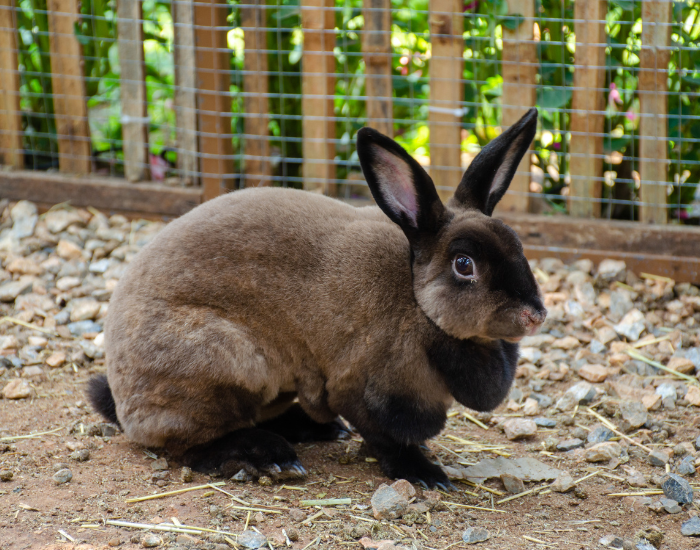
Run your hand over a Mini Rex and you’ll understand the hype. The Rex mutation gives these rabbits a dense, plush coat that feels like velvet. Mini Rex rabbits reach a maximum weight of about 4.5 pounds and carry famously calm temperaments. As a relatively new breed from the 1980s, it became a favorite fast.
The larger standard Rex shares that soft coat and gentle nature. For fur alone, few rabbits compete.
Medium Rabbit Breeds
5. Dutch Rabbit
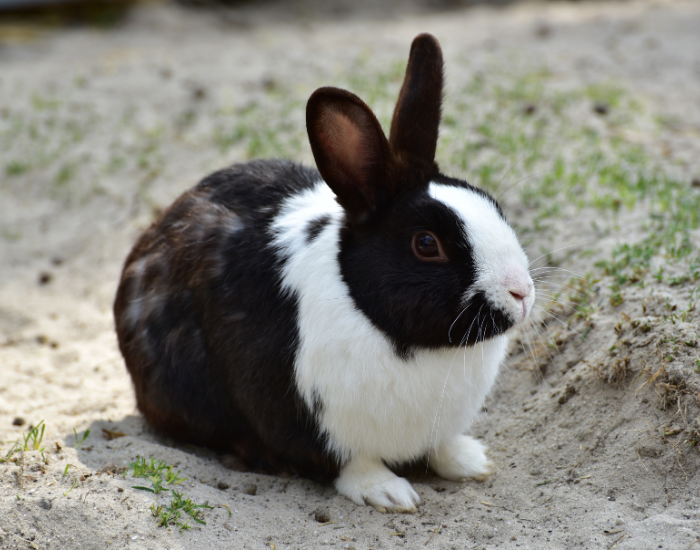
The Dutch rabbit wears one of the most recognizable coats in the fancy. A crisp white blaze splits colored ears and a colored saddle, like the animal walked through paint. This is one of the oldest breeds, originating in England in the 1850s despite the name.
I love the Dutch for teaching new keepers. A friend in Australia with no prior experience adquired one and she could not be more happy! The markings make it easy to spot, and the temperament stays steady and friendly. For first-timers, it’s close to an ideal breed.
6. Californian
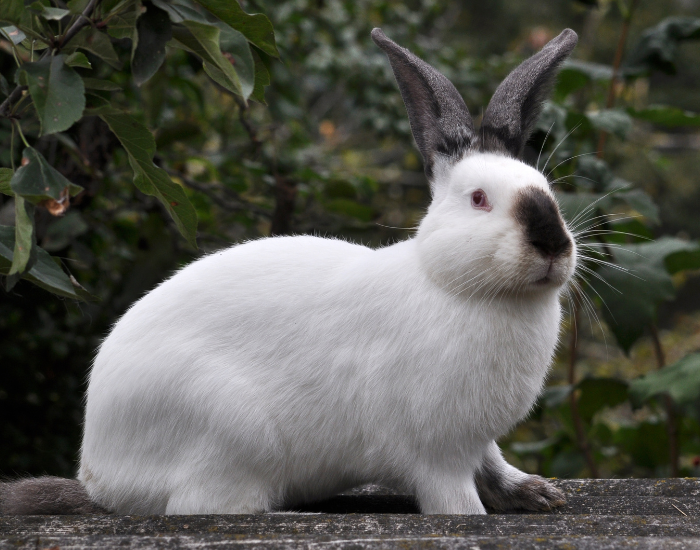
Developed in the 1920s in California, this breed was built for both meat and show. The Californian shows a white body with dark points on the ears, nose, feet, and tail. Those colored ears come from the same gene family behind Himalayan markings.
Medium and muscular, the Californian remains a hardy workhorse of the rabbit world. They’re calm and sweet-natured, though their wild burrowing instincts run deep. I had one as a kid, and while I loved that rabbit, keeping up with its non-stop yard excavation was a full-time job; we eventually had to rehome it to a place with more secure ground!
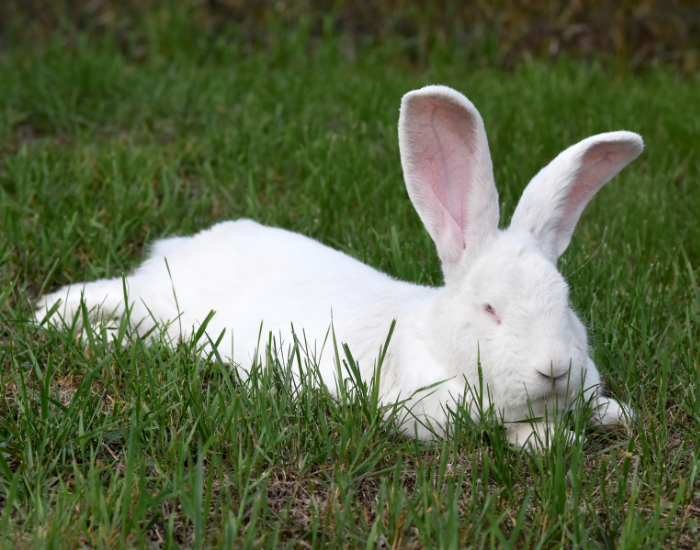
Alongside the Californian, the all-white New Zealand White became the classic laboratory rabbit and the storybook white rabbit we all picture today
7. Himalayan
The Himalayan is an ancient, elegant breed with a long, tube-shaped body. Its white coat carries dark points, and its eyes glow ruby red. Fun quirk: the point color is heat-sensitive, so cold weather darkens the markings.
I find the Himalayan endlessly charming. It’s gentle, tolerant of handling, and one of the few breeds found across Asia, Europe, and the Americas.
8. Standard Chinchilla
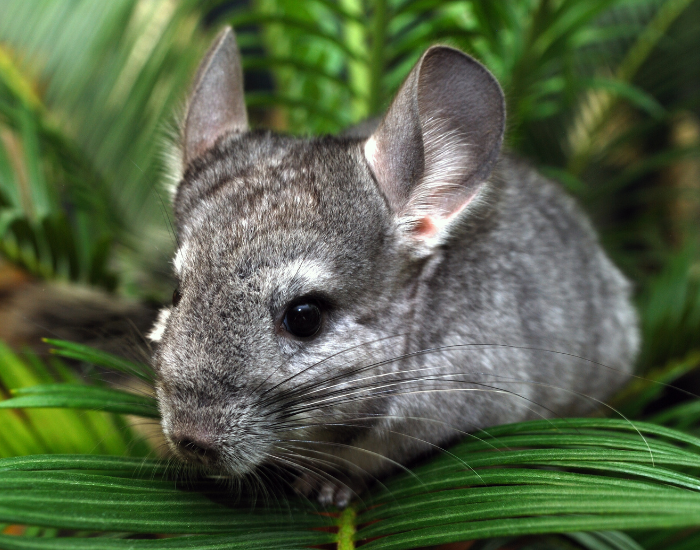
Chinchilla breeds fooled the fur trade for a reason. Their agouti coat mimics the pricey South American chinchilla, banded in light grey, steel grey, and dark slate blue. The Standard Chinchilla is the original, medium-sized version.
Breeders later scaled it up into the Giant Chinchilla and refined the American Chinchilla. All three share that shimmering, silvery fur that photographs beautifully. Chinchilla litters often mix these greys with darker dark sepia tones, and the fur was once so valuable that whole barns turned to fur production.
Large and Giant Rabbit Breeds
9. Flemish Giant
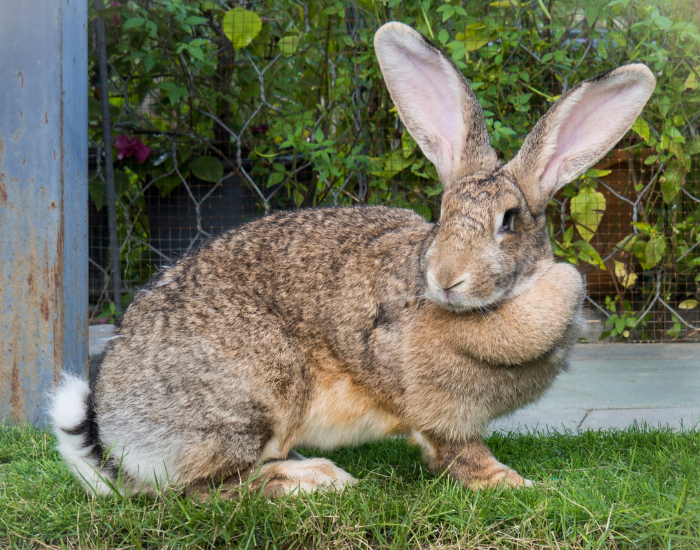
Meet the gentle giant. The Flemish Giant can weigh over 20 pounds, with a heavy-boned frame and ears the length of your hand. The first time I lifted one, I braced like I was picking up a housecat.
Despite the bulk, these giant rabbits are famously docile and patient. They need space, sturdy housing, and plenty of food, but their calm nature wins hearts fast.
10. American Rabbit
The American rabbit weighs about 12 pounds and carries a striking dark slate-blue coat, one of the reasons it once earned the name Blanc de and blue varieties in early catalogs. A blue-eyed white version exists too. Sadly, this is now a rare breed.
The American Livestock Breed Conservancy has flagged it for protection. As a large breed and a piece of living history, it deserves more keepers. I always tell people that choosing a heritage breed like this one helps keep genetic diversity alive.
11. Giant Chinchilla and Checkered Giant
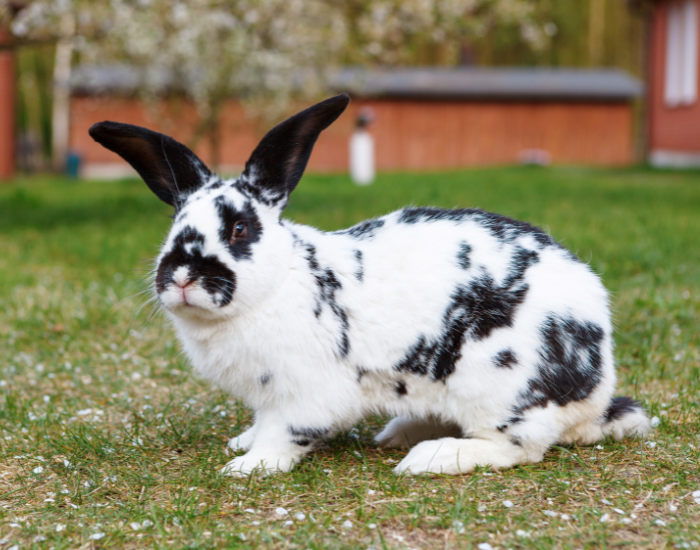
Two giants earn a shared spotlight for their showmanship. The Giant Chinchilla pairs that silvery fur with a large, powerful body. The Checkered Giant, also called the Giant Papillon in Europe, wears bold butterfly markings across the nose and spine.
Both breeds carry powerful hind legs and real presence in the show ring. They’re not lap rabbits, but they turn heads.
Distinctive and Rare Breeds
12. Belgian Hare
The Belgian Hare barely looks like a rabbit at all. It’s rangy, arched, and rust-red, built to resemble a wild hare with long, slender legs. Its powerful hind legs and long hind feet let it bound at speed. Energetic and quick, it descends from breeding stock refined in the 1800s.
I keep a soft spot for this one. Watching a Belgian Hare bound across a paddock feels like seeing a wild animal that wandered into captivity.
13. Silver Fox and Silver Marten
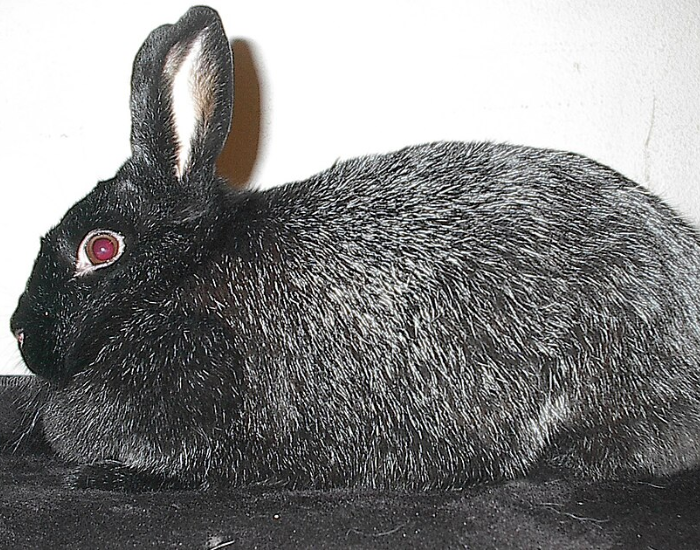
The Silver Fox is a true American original and another rare breed worth saving. Its dense black coat carries silver-tipped guard hairs, so stroking it backward reveals a frosted shimmer. The related Silver Marten shows black-and-tan contrast with silver accents.
Both breeds trace their look to older fur-production lines. Under conservation watch today, they reward patient keepers with calm, curious personalities.
14. Angora
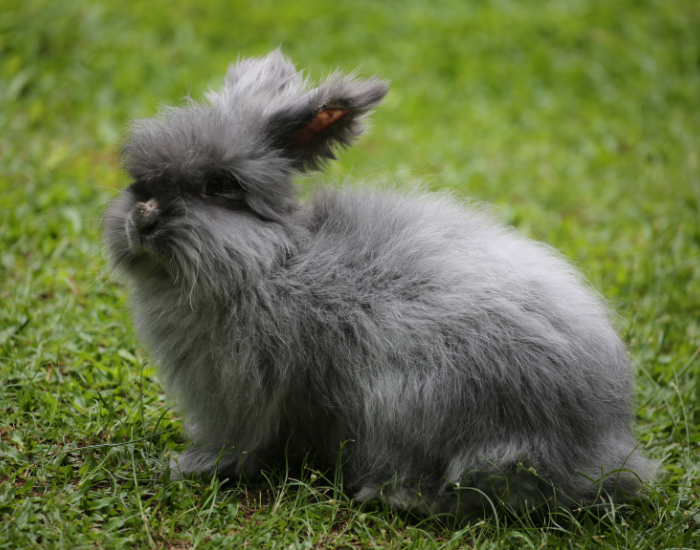
No rabbit demands more grooming than the Angora. These breeds are famous for long, fluffy wool coats that never stop growing. The English Angora, French Angora, and Giant Angora each produce that silky coat prized for fiber and fur production.
Here’s my honest warning. Long-haired breeds need frequent brushing, sometimes weekly, or the wool mats fast. Beautiful, yes, but Angoras are a genuine commitment.
A Few More Breeds Worth Knowing
Fifteen entries barely scratch the surface, so here are a few other rabbit breeds I love. The Harlequin rabbit, nicknamed the clown of the fancy, wears bold bands of alternating color. The Tan breed shows crisp black and tan markings, and these tan rabbits stay lean and lively.
Two more deserve a nod. The Blanc de Hotot dazzles with dark eye circles, as if it’s wearing eyeliner. For pure shine, the Satin rabbit and its smaller Mini Satin cousin carry a translucent, glassy coat. The British Rabbit Council recognizes many of these, proof that the world of breeds of rabbit runs deep.
Wild Rabbits
15. Wild Species: European Rabbit, Cottontails, and More
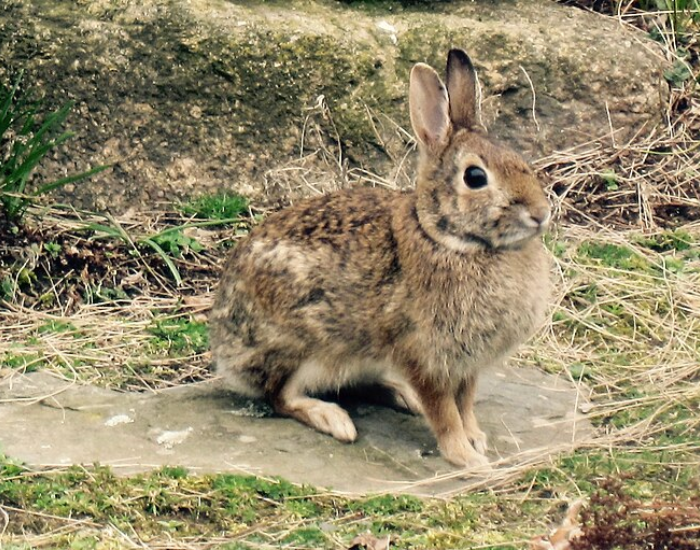
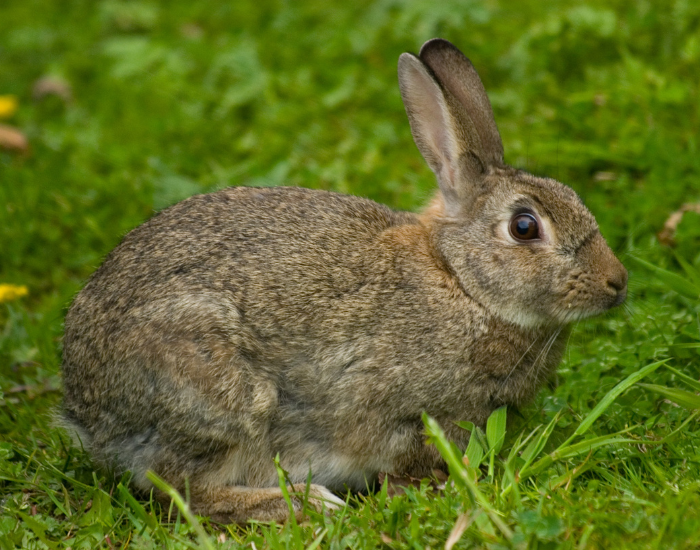
Domestic rabbits are only half the story. In the field I spend most of my time with wild rabbits, and they play by different rules. Wild rabbits typically weigh just 2 to 4 pounds, far lighter than a pet that can hit 20.
The European rabbit, that ancestor of every domestic breed, digs vast warrens across grasslands and forests. In North America I track the desert cottontail and the water-loving swamp rabbit, both cottontail species that never burrow deeply. Out west, the tiny pygmy rabbit is North America’s smallest, weighing under a pound.
One detail unites them all. Wild rabbits give birth to altricial young, born hairless, blind, and helpless in a shallow nest. Domestic rabbits inherit the same trait, a reminder of how close these animals still are to the wild, whatever the breed. With excellent care, domestic rabbits can live 7 to 10 years or longer (while wild ones rarely live past 1 to 2 years due to predation, disease, and harsh environmental factors).
Frequently Asked Questions
The small fluffy bunny people picture is usually a Holland Lop, a Lionhead, or an Angora. Holland Lops bring the round face and lop ears. Lionheads add a wool mane, and Angoras carry the longest, fluffiest coat of all. If it’s tiny and smooth rather than woolly, a Netherland Dwarf is likely.
The 3-3-3 rule is a guideline for helping a newly adopted rabbit settle in. Expect about 3 days to decompress, 3 weeks to learn your routine, and 3 months to feel fully at home. Rabbits are prey animals, so patience during this window builds lasting trust.
Start with weight, then check ear carriage, coat type, and body shape. Weigh your rabbit and note whether ears stand upright or lop downward. Next, feel the fur, whether it’s normal, plush Rex, satin, or long Angora wool. Compare those clues against the American Rabbit Breeders Association standards to narrow down the breed.
There are over 300 recognized domestic rabbit breeds worldwide, spread across roughly 70 countries. The American Rabbit Breeders Association recognizes 53 of them, while the British Rabbit Council and other registries list their own. New breeds, like some relatively new satin and mini varieties, still emerge through selective breeding.
And Many More
Every rabbit you meet, from a 2-pound dwarf to a 20-pound giant, traces back to one wild European ancestor and thousands of years of human choice. That’s the quiet marvel hiding in plain sight on farms, in backyards, and along forest edges.
So next time a bunny freezes in your headlights or hops across a Belgian pasture, take a second look. Note the ears, the size, the coat. You might just name the breed.
Curious about other small mammals I chase in the field? Compare these breeds with the surprising variety among types of voles or the pocket-sized world of hamsters. And if you love a good rodent mystery, my pieces on capybaras are waiting. Drop a comment and tell me which rabbit you spotted.
Can You Name That Rabbit? 🐰
A 15-photo identification challenge — the wrong answers are deliberately tricky look-alikes with similar size, coat, or markings. Go back and change any answer before you score.
Which rabbit breed is this?
References:
Ballan, M., Bovo, S., Schiavo, G., Schiavitto, M., Negrini, R., & Fontanesi, L. (2023). Population genomic structures and signatures of selection define the genetic uniqueness of several fancy and meat rabbit breeds. Journal of Animal Breeding and Genetics, 140(6), 663–678. https://doi.org/10.1111/jbg.12818
Carneiro, M., Afonso, S., Geraldes, A., Garreau, H., Bolet, G., Boucher, S., Tircazes, A., Queney, G., Nachman, M. W., & Ferrand, N. (2011). The genetic structure of domestic rabbits. Molecular Biology and Evolution, 28(6), 1801–1816. https://academic.oup.com/mbe/article/28/6/1801/1066858
Carneiro, M., Rubin, C.-J., Di Palma, F., Albert, F. W., Alföldi, J., Barrio, A. M., Andersson, L. (2014). Rabbit genome analysis reveals a polygenic basis for phenotypic change during domestication. Science, 345(6200), 1074–1079. https://doi.org/10.1126/science.1253714
Dorożyńska, A., & Kania-Gierdziewicz, J. (2021). Rabbits – their domestication and molecular genetics of hair coat development and quality. Animal Genetics, 52(1), 10–20. https://doi.org/10.1111/age.13024
Irving-Pease, E. K., Frantz, L. A. F., Sykes, N., Callou, C., & Larson, G. (2021). Why were New World rabbits not domesticated? Animal Frontiers, 11(3), 62–68. https://academic.oup.com/af/article/11/3/62/6306449
Nesta, A., et al. (2024). Selection against domestication alleles in introduced rabbit populations. Nature Ecology & Evolution. https://www.nature.com/articles/s41559-024-02443-3
Sosa-Madrid, B. S., Maniatis, G., Ibáñez-Escriche, N., Avendaño, S., & Kranis, A. (2022). Genomic diversity and signatures of selection in meat and fancy rabbit breeds based on high-density marker data. Genetics Selection Evolution, 54, 39. https://gsejournal.biomedcentral.com/articles/10.1186/s12711-022-00696-9