The first time I heard about the lionfish, I wasn’t underwater. I was sitting in a biology lecture. My professor used it as the textbook example of an invasive species in the Caribbean sea. He explained how this one fish was spreading across coral reefs and pulling apart the food web from the bottom up.
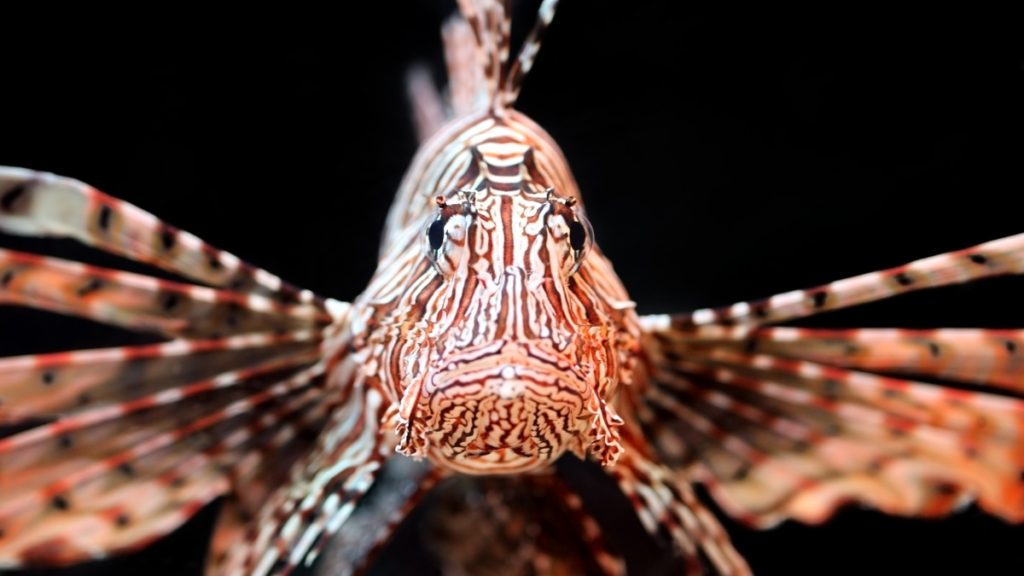
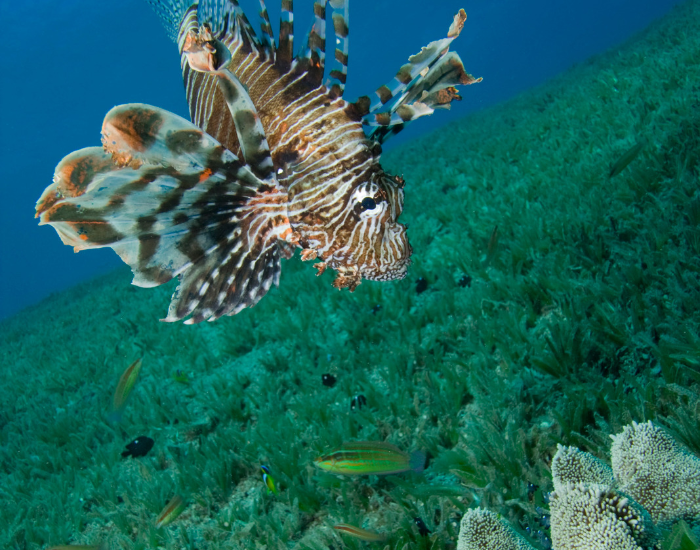
Years later, I finally saw one in Bali. Honestly, I was stunned by how pretty it was. It hovered beside a coral head with its fins fanned out like feathers, completely calm.
Since then, I have met lionfish on the way to the Komodo islands, across Southeast Asia, and recently in the Red Sea near Marsa Alam. Every one of those encounters happened in its native range, where it belongs. That contrast is exactly why this fish fascinates me. Here are 12 things everyone should know, from its venom to its place on your dinner plate.
Could you outsmart a lionfish? Twelve facts, twelve questions. Read on, then take the reef quiz at the end and find out if you’re a Lionfish Hunter or still tangled in the spines. Jump to the quiz ↓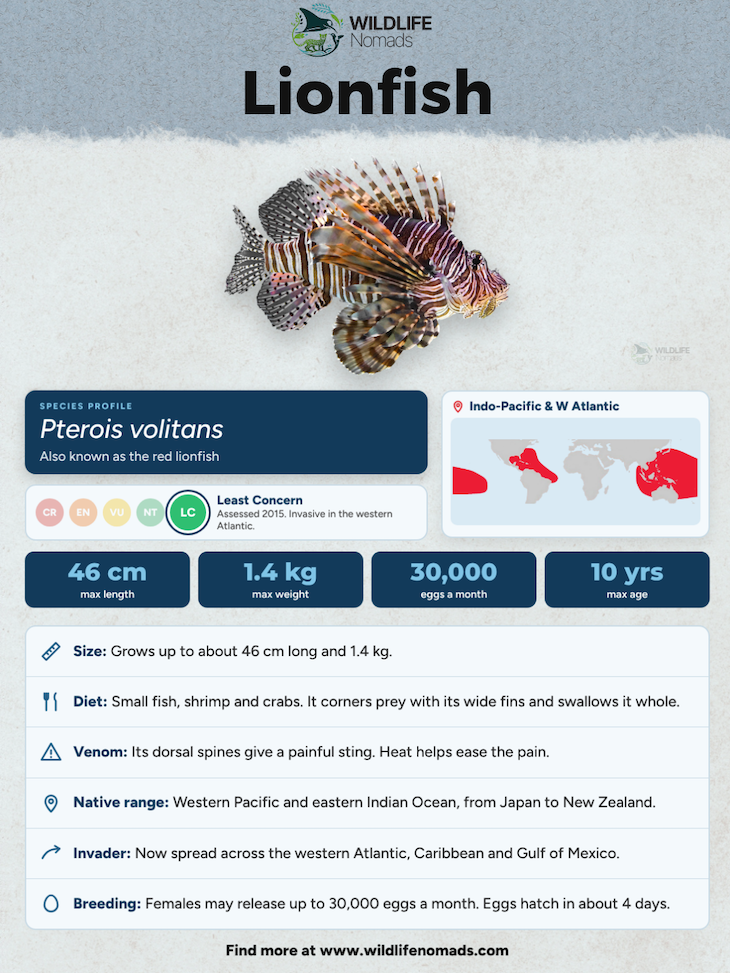
1. Lionfish Come From the Indo-Pacific and Red Sea
Lionfish are native to the Indo-Pacific, a huge stretch of warm tropical waters. Their native area covers the Indian Ocean, the Red Sea, the western Pacific, and south to Western Australia. In these native ecosystems, they share the reef with predators, competitors, and parasites that keep their numbers in check.
Two species matter most for this story. The red lionfish, Pterois volitans, lives mainly in the western Pacific, including Indonesia and the Philippines. The devil firefish, Pterois miles, dominates the Red Sea and Indian Ocean. They look almost identical, so the fish I watched in Bali and the one near Marsa Alam were probably different species!
2. Their Stripes and Fins Send a Clear Message
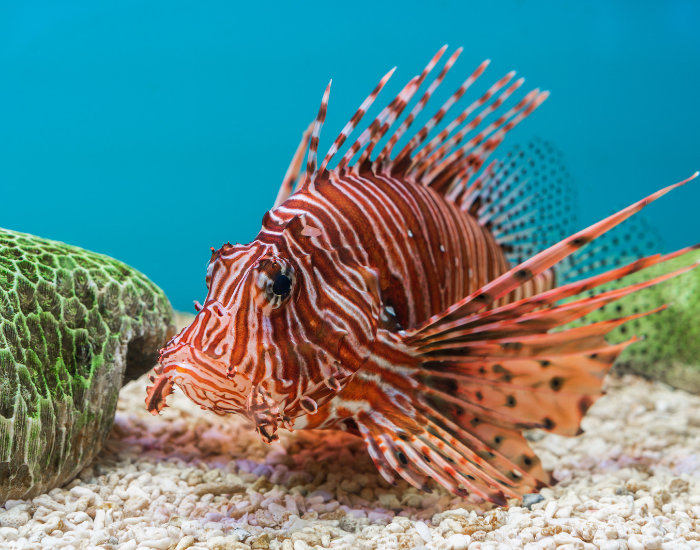
Lionfish wear bold vertical stripes of red, maroon, and white. Long, feathery pectoral fins and tall dorsal spines complete the look. Biologists call this warning coloration, and it tells potential predators to stay away.
Adults usually reach around 30 cm. However, some individuals in the invaded region grow to about 45 cm (18 inches) and 1.1 kg (2.5 pounds). Interestingly, most lionfish in the Atlantic grow larger than their relatives back home.
3. Lionfish Venom Sits in 18 Spines
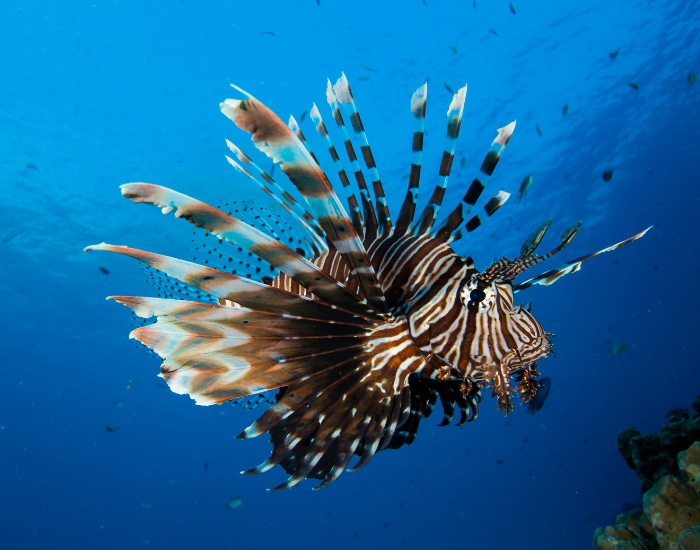
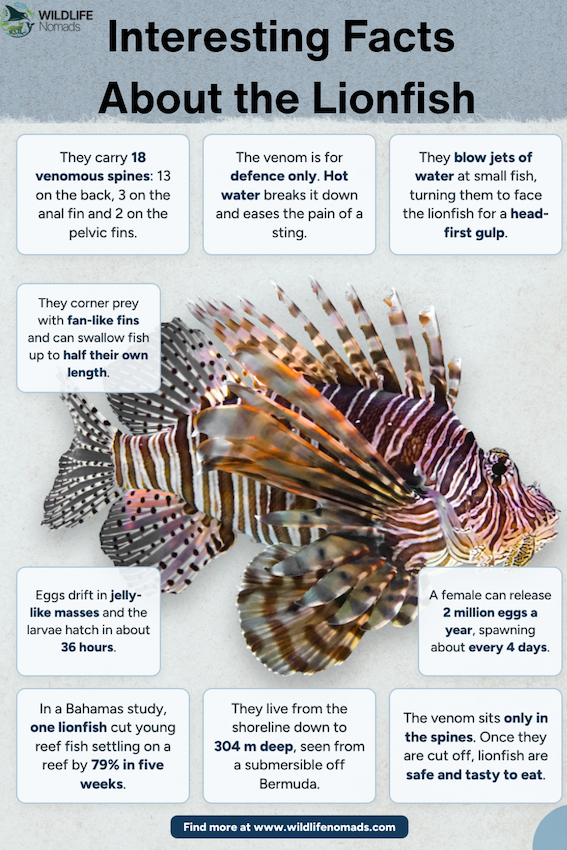
A lionfish carries 18 venomous spines: 13 along its back, three on the anal fin, and two on the pelvic fins. Each spine has grooves lined with venom tissue. When a spine punctures skin, the sheath pushes back and the venom flows into the wound.
The fish uses this venom for defense only, never for hunting. In the Philippines, I watched one tilt its dorsal spines toward a diver who got too close with a camera. It didn’t flee. It simply pointed its weapons and waited. Lionfish venom causes intense pain and swelling, but it is far milder than the stonefish, which tops my list of the most venomous fish in the world.
4. Lionfish Hunt by Herding Their Prey
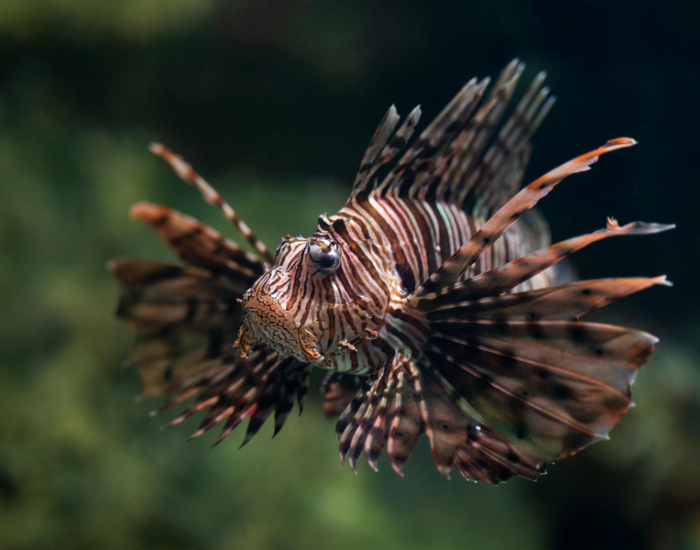
Lionfish are ambush predators with a clever twist. They spread their pectoral fins wide and slowly corner small fish against the reef structure. Researchers have also recorded them blowing jets of water at prey, which turns the target to face them head-first.
Near Marsa Alam, I watched this happen at dusk. A lionfish drifted toward a cloud of tiny glassfish sheltering beside a rock. It inched forward with fins open, cutting off every escape route. Then it struck so fast I almost missed it. They can swallow prey up to half their own body length.
5. Lionfish Feed on Almost Anything That Fits
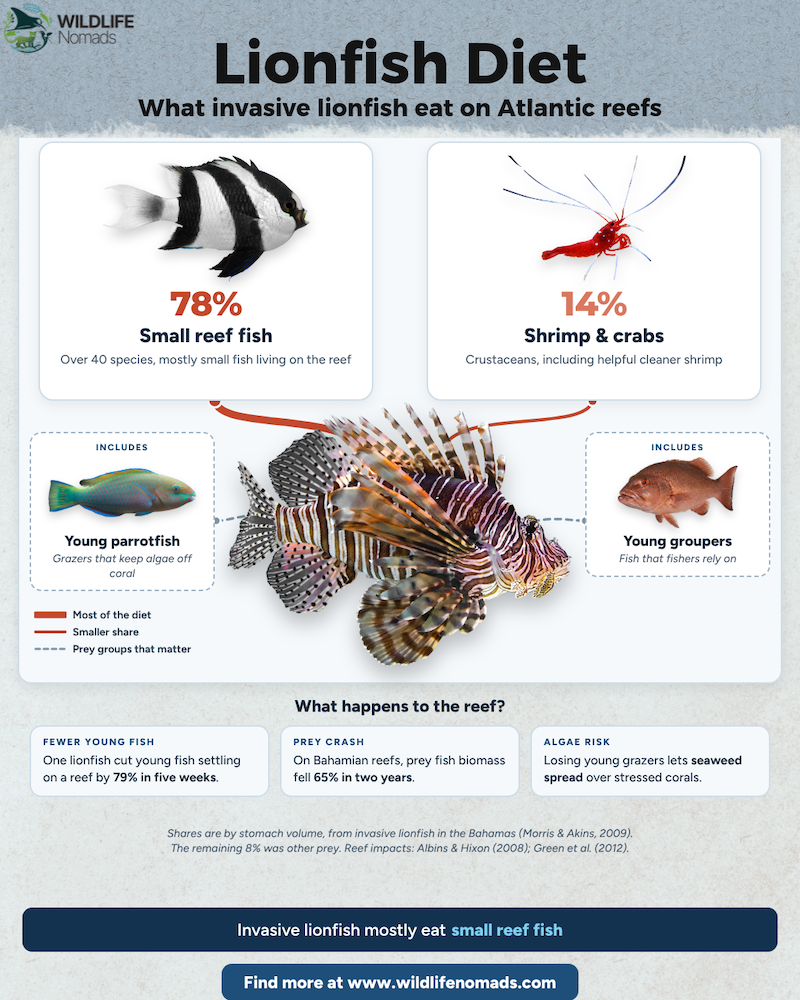
Scientists have documented more than 70 prey species in invasive lionfish diets. Most lionfish feed on small fish and som invertebrates such as crustaceans, including shrimp and crabs. Recent research in the Bahamian archipelago, published in Environmental Biology of Fishes, found fish made up the bulk of their meals.
The real problem lies in which fish they eat. Lionfish target juveniles of herbivores, including young parrotfish and surgeonfish. These grazers control algal growth on the reef. Without them, seaweed can smother corals that are already stressed.
6. A Single Lionfish Can Cut Native Fish Recruitment by 79%
In 2008, researchers published a striking experiment in Marine Ecology Progress Series. They placed a single lionfish on small patch reefs in the Bahamas. Within five weeks, recruitment of young native species dropped by 79%.
A follow-up study found even bigger shifts across whole reefs. On Bahamian sites, the biomass of native prey fish fell by 65% in just two years. That is why scientists rank the lionfish invasion as one of the most damaging marine biological invasions on record.
7. The Atlantic Invasion Likely Started in Home Aquariums
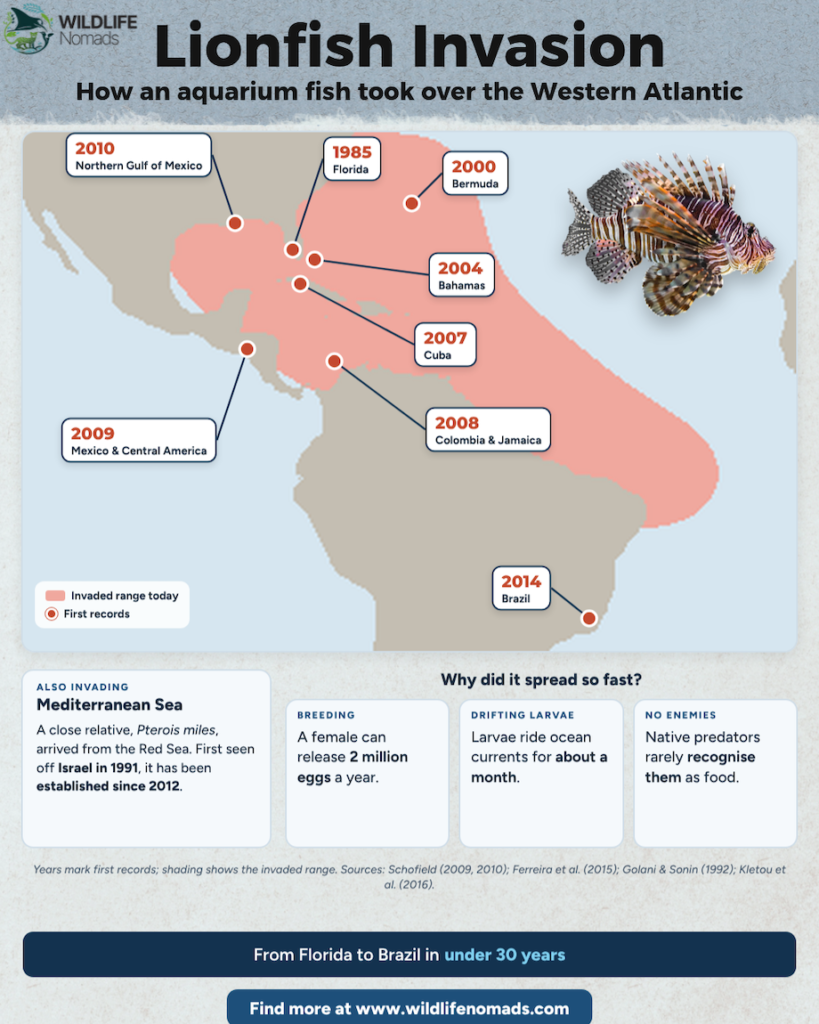
The first confirmed lionfish sightings in the western Atlantic came from Dania Beach, Florida, in 1985. Most scientists agree the aquarium trade brought them there. Pet owners probably released unwanted fish into the ocean.
You may have heard Hurricane Andrew released lionfish from a Miami aquarium in 1992. However, sightings off Florida coasts predate that storm by years, so the myth doesn’t hold up. From Florida, lionfish populations spread up the east coast and across the Bahamas. They reached Cuba in 2007, the Gulf of Mexico around 2010, and Brazilian waters in 2014.
8. They Breed Fast and All Year Round
Lionfish can reach sexual maturity in under a year. In warm water, females spawn every few days throughout the year. As a result, one female can release up to two million eggs annually.
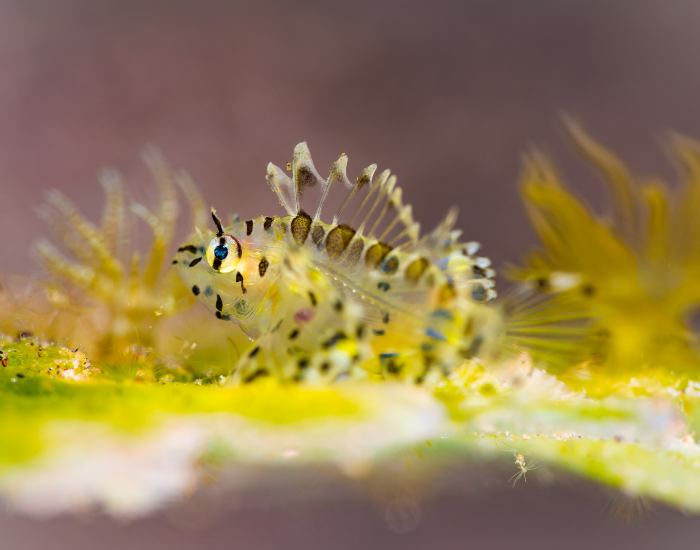
The eggs float inside gelatinous masses that drift with ocean currents. After hatching, the larvae spend about a month in open water before settling on a reef. This explains how the species occurred across the entire Caribbean and western Atlantic within roughly two decades.
9. Native Predators Barely Recognize Them
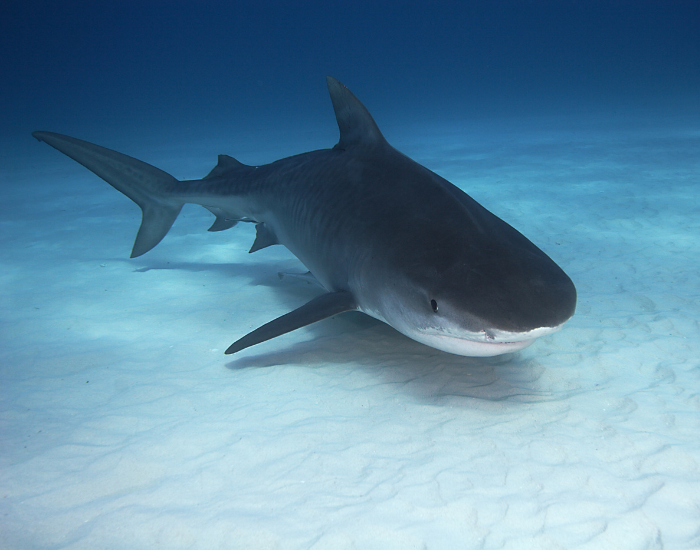
In the Caribbean and western Atlantic, lionfish face very few native predators. Local fish never evolved alongside them, so many simply ignore them. Their spines and warning colors add another layer of protection.
Some native groupers, sharks, and moray eels do eat them occasionally. That said, many of these cases involve divers hand-feeding speared lionfish to predators. This practice is risky because it teaches sharks and groupers to approach divers for food. In their native range, lionfish occur at much lower population densities than in invaded areas.
10. Lionfish Thrive From Shallow Reefs to the Twilight Zone
Lionfish are remarkably flexible about habitat. You will find them on shallow coral reefs, natural reefs, seagrass beds, and mangroves. Artificial reefs suit them too, including shipwrecks and the oil platforms of the northern Gulf.
They also live far deeper than most divers go. Researchers have found them across mesophotic coral ecosystems, between roughly 30 and 150 meters, and deeper than 300 meters. A 2017 study in Biological Invasions showed mesophotic reefs can hold large lionfish beyond the reach of culling divers. Meanwhile, climate change is warming waters further afield. Lionfish have appeared in the Mediterranean since 1991 and became established there in the 2010s.
🐠Coral Reef ExplorerSwim a 3D Great Barrier Reef, find 61 species, then turn up the heat in the Heatwave lab and watch coral bleach.Start the dive →11. Culling Works, but Only If It Never Stops
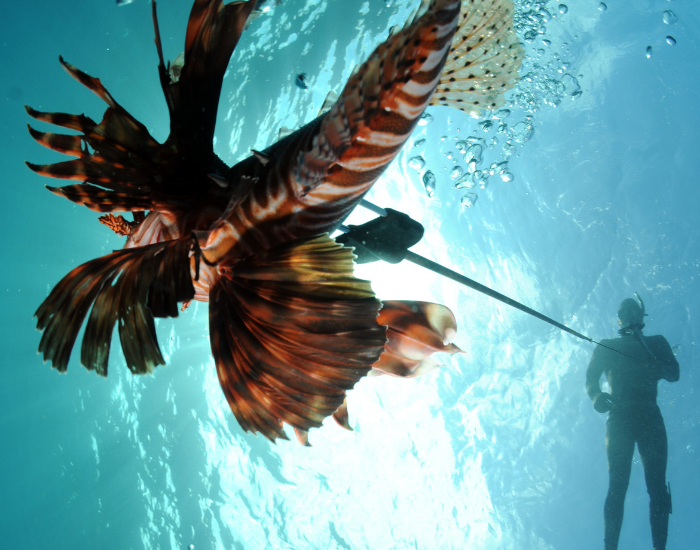
Removing lionfish by hand can protect specific reefs. One modeling study estimated managers would need to remove at least 27% of adults every month to reduce populations long term. Field trials show regular culling lets native prey numbers bounce back on targeted reefs.
The Florida Keys National Marine Sanctuary began licensing divers to remove lionfish in 2010. The Reef Environmental Education Foundation (REEF) also runs lionfish derbies, where teams compete for prizes. Lionfish management plans now appear across the region, and researchers share results at events like the Gulf and Caribbean Fisheries Institute meetings. Interestingly, some areas have reported declines since the mid-2010s. In the northern Gulf, an ulcerative skin disease hit lionfish around 2017, though scientists are still investigating its long-term effect.
12. Eating Lionfish Is the Tastiest Way to Help
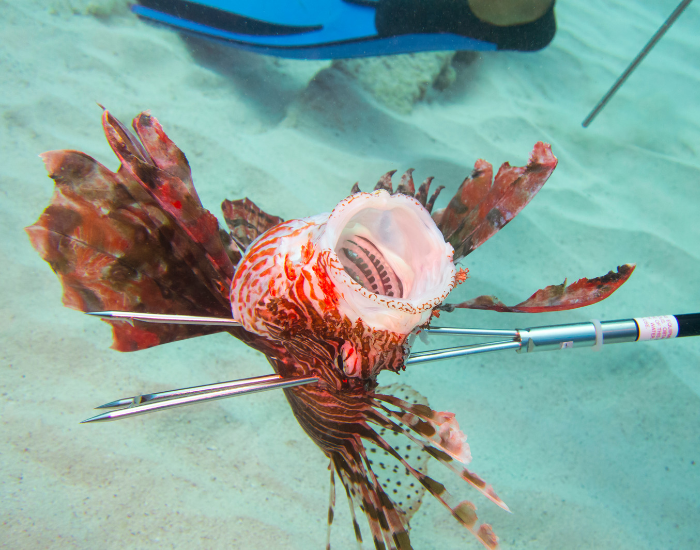
Here’s the good news. The venom sits only in the spines, not the meat. Once a cook removes the spines, eating lionfish is perfectly safe.
The flesh is white, flaky, and has a mild, buttery flavor. The National Oceanic and Atmospheric Administration launched its “Eat Lionfish” campaign to build demand, and restaurants across Florida and the Caribbean now serve it. In parts of Cuba, it has become a local delicacy. One caution: in some areas, lionfish can carry ciguatera toxin, just like other large reef fish, so check local advice. If you want to learn about more species in the region, my guide to Florida fishes is a great next read.
Frequently Asked Questions About Lionfish
Native Atlantic fish never evolved alongside lionfish, so most don’t recognize them as food. The venomous spines and warning colors also deter potential predators. Some groupers, sharks, and eels eat them occasionally, but not enough to control lionfish populations.
Yes. The venom in lionfish spines remains active for hours, and possibly days, after the fish dies. Always wear thick gloves and cut off the spines before cleaning one. If stung, soak the wound in hot water, as heat breaks down the venom proteins.
There are no confirmed human deaths from lionfish stings in the medical literature. A sting is extremely painful and can cause swelling, nausea, and dizziness. However, people with allergies or heart conditions should seek medical care immediately.
In most of the invaded region, killing lionfish is legal and actively encouraged. Florida, for example, waives the recreational fishing license when you use certain spears or hand nets. However, rules differ inside marine parks, and spearfishing is often banned in their native range, so always check local regulations.
Lionfish are native to the Indo-Pacific, including the Indian Ocean, the Red Sea, and the western Pacific. Their native range stretches as far south as Western Australia.
Watching the Lionfish With New Eyes
The lionfish isn’t a villain. It is a superb predator that ended up in the wrong ocean, thanks to us. In the Red Sea or Indonesia, it is simply another beautiful piece of the reef, like the triggerfish and wrasses swimming nearby. In the western Atlantic, the same fish becomes a significant threat.
If you dive or snorkel in the Caribbean, consider joining a lionfish derby or ordering it at a local restaurant. If you dive in its native range, take a moment to watch how it hunts. Then tell me in the comments: have you ever seen a lionfish in the wild? For more reef life, check out my guide to coral fishes.
The Lionfish Quiz
One question for every fact in this post. Build a streak, dodge the spines, and see how you rank on the reef.
Still curious? Dive into the Coral Reef Explorer, meet the stonefish, or explore more coral reef fishes.
References:
Albins, M. A., & Hixon, M. A. (2008). Invasive Indo-Pacific lionfish Pterois volitans reduce recruitment of Atlantic coral-reef fishes. Marine Ecology Progress Series, 367, 233-238. https://doi.org/10.3354/meps07620
Andradi-Brown, D. A., Vermeij, M. J. A., Slattery, M., Lesser, M., Bejarano, I., Appeldoorn, R., Goodbody-Gringley, G., Chequer, A. D., Pitt, J. M., Eddy, C., Smith, S. R., Brokovich, E., Pinheiro, H. T., Jessup, M. E., Shepherd, B., Rocha, L. A., Curtis-Quick, J., Eyal, G., Noyes, T. J., Rogers, A. D., & Exton, D. A. (2017). Large-scale invasion of western Atlantic mesophotic reefs by lionfish potentially undermines culling-based management. Biological Invasions, 19, 939-954. https://doi.org/10.1007/s10530-016-1358-0
Barbour, A. B., Allen, M. S., Frazer, T. K., & Sherman, K. D. (2011). Evaluating the potential efficacy of invasive lionfish (Pterois volitans) removals. PLoS ONE, 6(5), e19666. https://doi.org/10.1371/journal.pone.0019666
Côté, I. M., Green, S. J., & Hixon, M. A. (2013). Predatory fish invaders: Insights from Indo-Pacific lionfish in the western Atlantic and Caribbean. Biological Conservation, 164, 50-61. https://doi.org/10.1016/j.biocon.2013.04.014
Ferreira, C. E. L., Luiz, O. J., Floeter, S. R., Lucena, M. B., Barbosa, M. C., Rocha, C. R., & Rocha, L. A. (2015). First record of invasive lionfish (Pterois volitans) for the Brazilian coast. PLoS ONE, 10(4), e0123002. https://doi.org/10.1371/journal.pone.0123002
Green, S. J., Akins, J. L., Maljković, A., & Côté, I. M. (2012). Invasive lionfish drive Atlantic coral reef fish declines. PLoS ONE, 7(3), e32596. https://doi.org/10.1371/journal.pone.0032596
Kletou, D., Hall-Spencer, J. M., & Kleitou, P. (2016). A lionfish (Pterois miles) invasion has begun in the Mediterranean Sea. Marine Biodiversity Records, 9, 46. https://doi.org/10.1186/s41200-016-0065-y