
Florida is a biological crossroads. Its peninsula geography creates an extraordinary overlap of temperate and tropical species. However, as I’ve written in my previous deep-dives on birds of Florida and the Lizards of Florida, Florida’s native ecosystem is under siege. Unless you live under a rock, you know that there many invasive species in Florida. From the invasive fishes of Florida like the lionfish to the Burmese pythons, the pressure on its local residents is immense.
But today, we’re pivoting back to the “home team.” To understand what we are fighting to protect, we need to know the fishes in Florida that belong here. Florida’s waters host approximately 1,120 fish species, representing about one-fourth of the species recorded for the entire northern portion of the Western Hemisphere, highlighting the remarkable number and diversity of fish species found here.
This isn’t just a list of Florida fish; it’s a scientific look at the 15 most iconic native Florida fishes that define our waters.

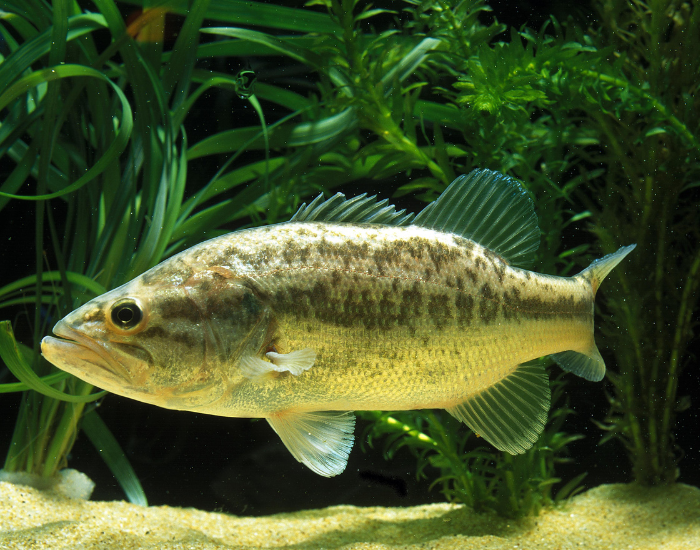
1. Largemouth Bass (Micropterus salmoides)
The Florida Largemouth Bass is arguably the most culturally significant of all freshwater fish in Florida. Anglers travel from across America to fish our blackwater lakes and slow-moving rivers. In fact, Florida produces more record-class bass than any other region in the country.
The Florida subspecies (Micropterus salmoides floridanus) grows larger than its northern counterpart. The year-round warm season drives exceptional growth rates. Look for the jawline that extends past the rear edge of the eye, and the dark, blotchy horizontal stripe along the body.
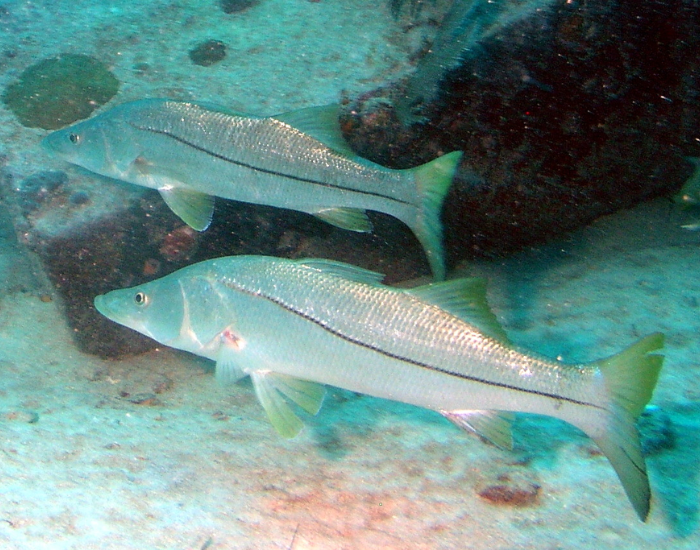
2. Common Snook (Centropomus undecimalis)
The Snook is the ultimate edge predator of Florida’s estuaries. It hunts along mangrove lines, dock lights, and tidal creeks with remarkable precision. The bold black lateral line is not just a visual marker, it functions as a highly sensitive vibration detector for hunting in murky water.
However, Snook are extremely temperature-sensitive. A single cold snap can devastate local populations, which is why the Florida Fish and Wildlife Conservation Commission (FWC) monitors them closely. Regulations on catch size and seasonal closures protect them during spawning periods.
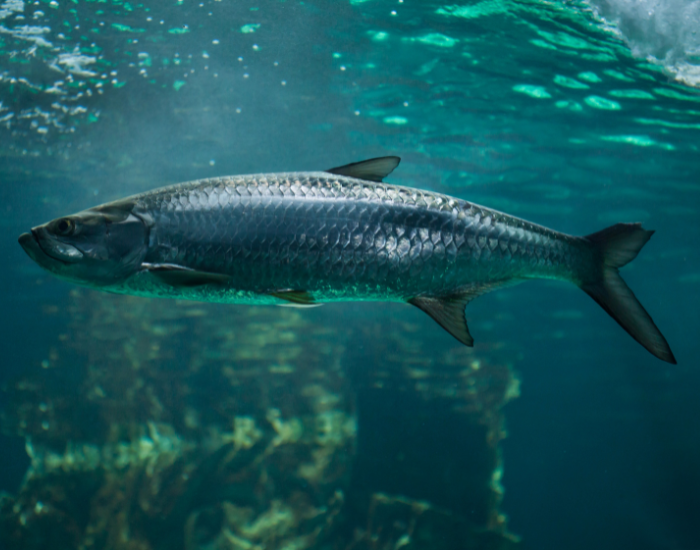
3. Atlantic Tarpon (Megalops atlanticus)
Watching a Tarpon gulp air at the surface is a lesson in prehistoric survival. These ancient fish possess a modified swim bladder that functions like a primitive lung, an adaptation that lets them breathe atmospheric oxygen in the low-oxygen backcountry waters of the Everglades.
Their enormous, silver scales (literally the size of drink coasters) and the long trailing dorsal fin ray make them unmistakable. Florida enforces strict catch-and-release rules for Tarpon because they are long-lived, slow to mature, and therefore highly vulnerable to overfishing. Tarpon is highly prized by anglers for its fighting ability but is not valued as food.
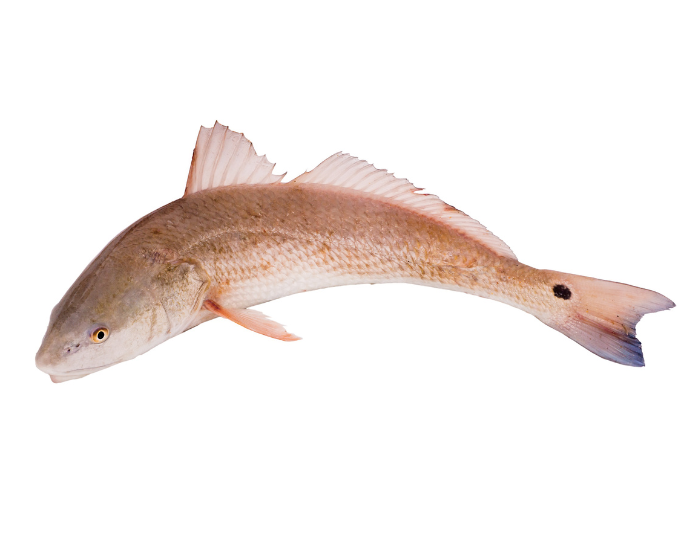
4. Red Drum / Redfish (Sciaenops ocellatus)
Redfish are one of the most sought-after species in Florida waters. Red drum, commonly known as redfish, is a shallow-water schooling fish found in both salt and brackish water. Locals know them simply as “Redfish,” and they are a staple of shallow-water fishing from the Florida Keys to the Panhandle. These drum-family members use specialized muscles to vibrate against their swim bladder, producing the audible drumming sound for which they are named.
The iconic black eyespot near the tail is a classic evolutionary decoy. It tricks predators into striking the tail rather than the head, giving the redfish a better chance of escape.
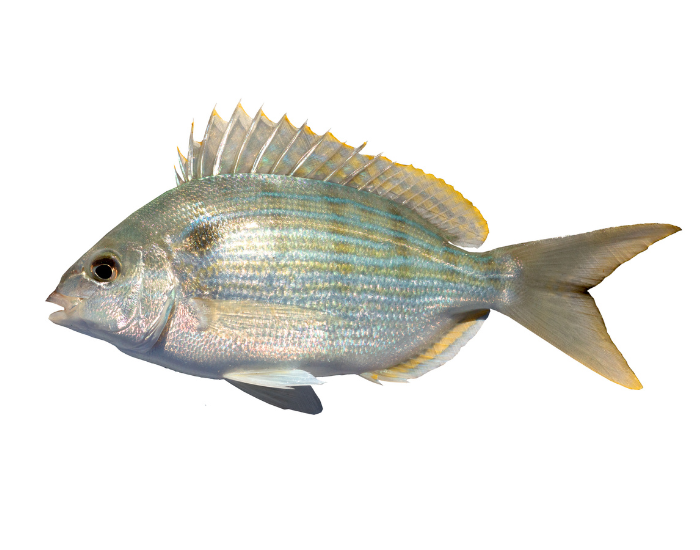
5. Pinfish (Lagodon rhomboides)
If the Largemouth is the king, the Pinfish is the “citizen” of the Florida coast. They are the backbone of the coastal food web, serving as the primary energy source for almost every larger species in Tampa Bay and the Florida Keys.
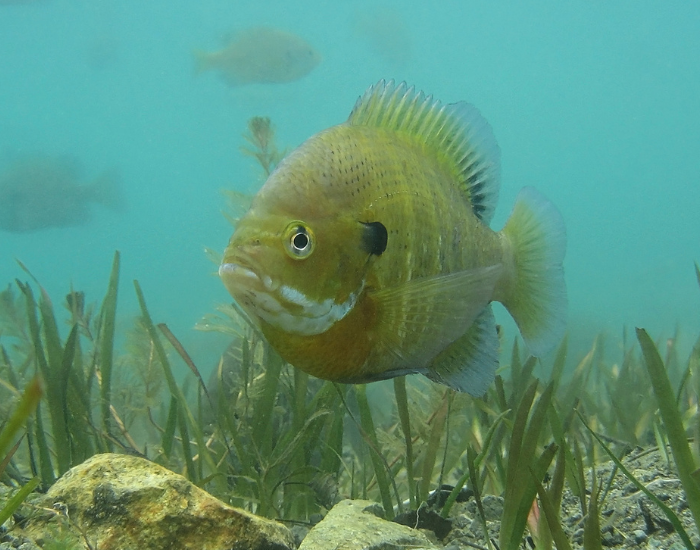
6. Bluegill (Lepomis macrochirus)
Do not let their modest size fool you. In terms of biomass and ecological importance, the Bluegill is a pillar of Florida’s freshwater fish community. They are the primary forage species for almost every larger predator in our lakes and rivers, from Largemouth Bass to Alligator Gar.
Bluegill are colonial nesters. In late spring, males fan shallow craters in sandy lake bottoms and guard the eggs aggressively. If you spot a cluster of circular depressions in shallow water, you have found a Bluegill nursery.
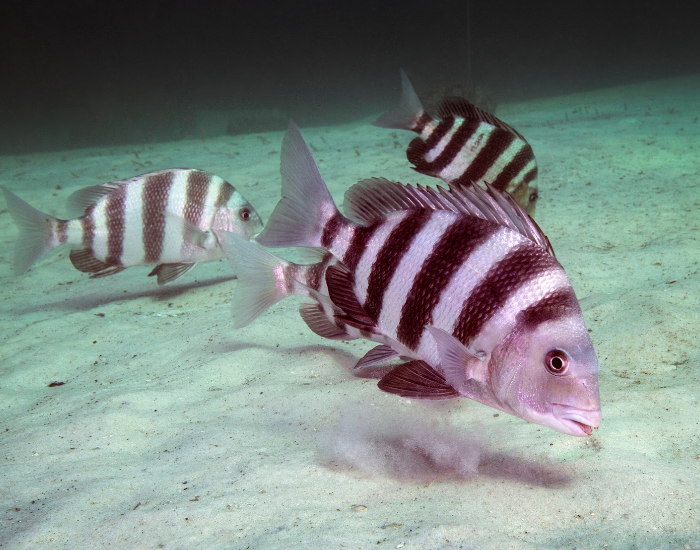
7. Sheepshead (Archosargus probatocephalus)
The Sheepshead is one of Florida’s most underrated inshore species. It inhabits oyster bars, pilings, and rocky structures along the coast, using its remarkable human-like teeth to crush barnacles and crustaceans. In fact, those teeth are so distinctive that early settlers gave it its common name.
Sheepshead are abundant in the Tampa Bay region and along the Gulf coast. They are notoriously difficult to catch because they steal bait with incredible speed. Locals consider them a true test of angling skill.
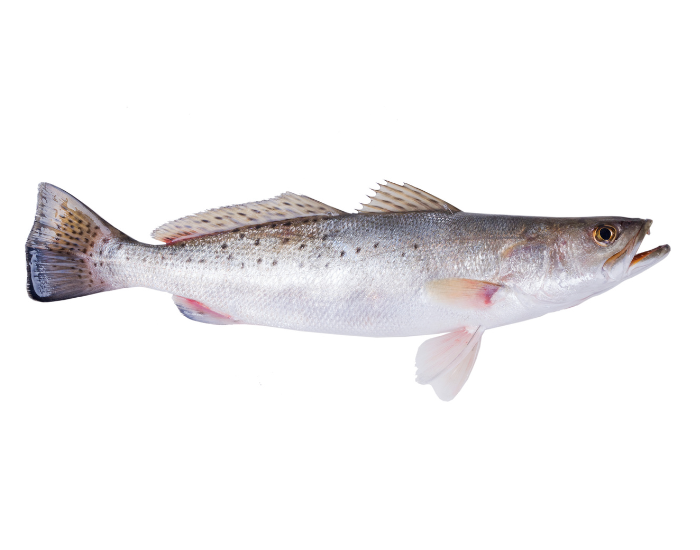
8. Spotted Seatrout (Cynoscion nebulosus)
Despite the name, Spotted Seatrout belong to the drum family, not the trout family. They are a true sentinel species. Their abundance and health directly reflect the condition of Florida’s seagrass beds, which are under increasing pressure from nutrient runoff and boat scarring.
They inhabit shallow grass flats and oyster bars from the Florida Keys to the Panhandle. Two large canine teeth at the front of the upper jaw make them easy to identify up close. In addition, they are among the most popular inshore targets for both locals and visitors.
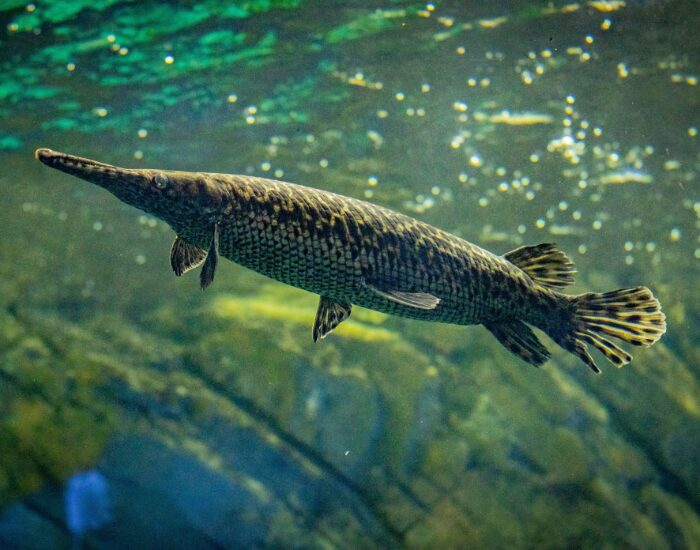
9. Alligator Gar (Atractosteus spatula)
The Alligator Gar is a living fossil. They are one of the largest freshwater fish in North America (contending for the top 50 biggest fish in the world) It has survived virtually unchanged for over 100 million years. I have encountered these giants in the Florida Panhandle region, and their ganoid scales are extraordinary, so tough that Native American tribes historically used them as arrowhead material.
For example, an adult Alligator Gar can exceed eight feet in length. However, historical overfishing and habitat loss have reduced their abundance significantly. They are now among the most protected types of fish in Florida, with strict regulations on harvest.
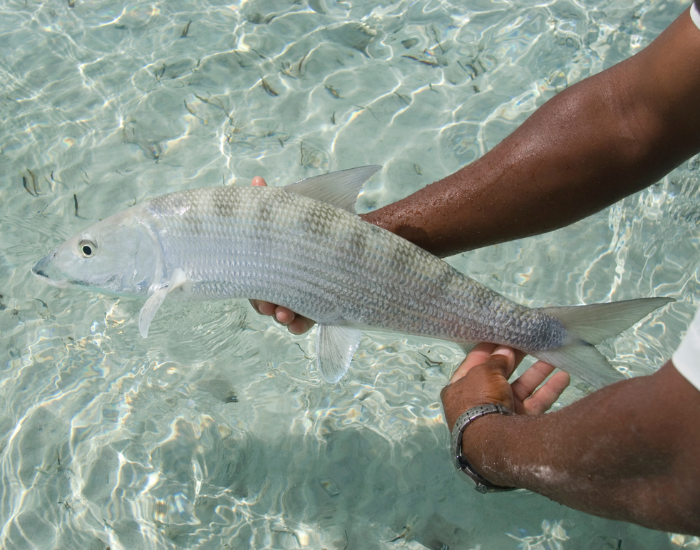
10. Bonefish (Albula vulpes)
The Grey Ghost of the flats. Bonefish are the reason I became fascinated with biomechanics. Their ability to disappear against a sandy flat is a masterpiece of counter-shading and reflective scale geometry. Pound for pound, they are one of the fastest fish in Florida waters.
Bonefish primarily inhabit the shallow tidal flats of the Florida Keys, where they tail in thin water while feeding on crustaceans. They are strictly catch-and-release in Florida, and conservation groups have invested heavily in research to understand their spawning aggregations.
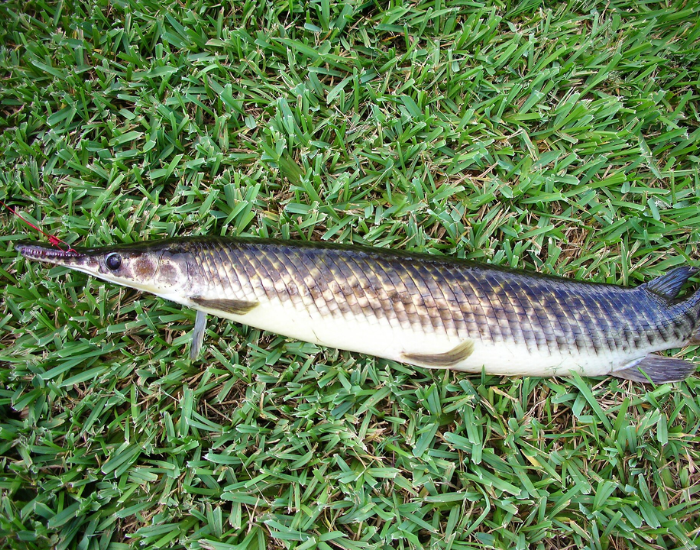
11. Florida Gar (Lepisosteus platyrhincus)
The Florida Gar is smaller and far more widespread than the Alligator Gar. You will find it suspended near the surface in stagnant canals, slow rivers, and vegetated lakes across the entire peninsula. Like the Tarpon, it can breathe air, allowing it to survive in oxygen-depleted water where most other Florida fishes would perish.
Large, irregular black spots on the head and body distinguish it from the Alligator Gar, which lacks spots and has a broader snout. The Florida Gar is native to the Florida peninsula, but its range extends into southern Georgia (specifically the Savannah and Ochlockonee River watersheds).
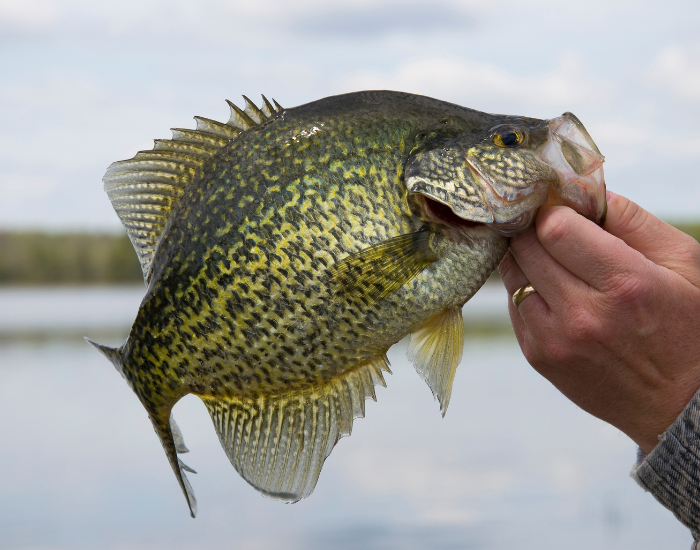
12. Black Crappie (Pomoxis nigromaculatus)
Locals call them Specks, and winter anglers love them. Black Crappie are the stars of Florida’s cold-season freshwater fishing. They inhabit deep holes and submerged brush piles in lakes and rivers across the state.
Scientifically, they are fascinating because their populations cycle dramatically. Some years, lakes seem to teem with them. Other years, they nearly vanish. This boom-and-bust pattern reflects complex interactions between water temperature, food abundance, and spawning success.
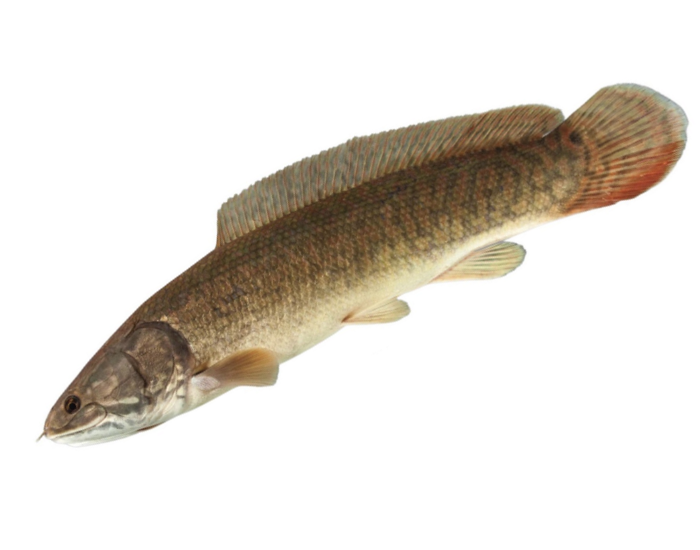
13. Bowfin (Amia calva)
The Bowfin is the last surviving member of an ancient fish order that dates back to the Jurassic period, making it one of the oldest living fish lineages in North America. Many anglers mistake it for the invasive Northern Snakehead, but the two species are easy to tell apart once you know what to look for.
Check the anal fin. The Bowfin has a short anal fin, while the Snakehead has a very long one. Bowfin also have pelvic fins set far back on the body. In addition, the male Bowfin displays a distinctive black eyespot on the tail base. Protecting native Bowfin is critical because they fill the same apex predator niche in freshwater that Snakeheads try to exploit.
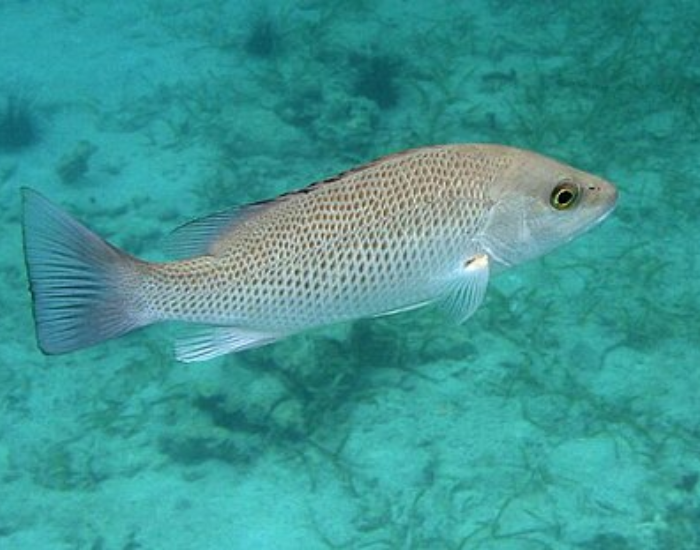
14. Mangrove Snapper (Lutjanus griseus)
Also called Gray Snapper, Mangrove Snapper are among the smartest inshore fish you will encounter. They can detect a monofilament line from remarkable distances. Experienced locals use fluorocarbon leader and light tackle to fool them.
Juvenile Mangrove Snapper inhabit seagrass beds and estuaries. However, as they mature, they migrate to deeper reefs offshore. This makes them one of the few fish species that connects Florida’s inshore and offshore ecosystems throughout their life cycle.
15. Sailfish (Istiophorus platypterus)
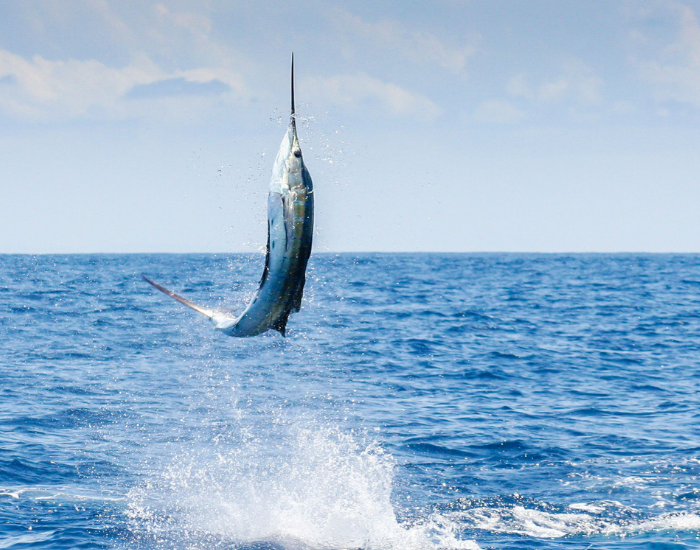
Florida’s official state saltwater fish deserves its title. Seeing a Sailfish lit up with iridescent blue and purple bars while hunting a school of baitfish is one of the most spectacular sights in all of marine biology. They use that massive sail-like dorsal fin to herd bait with surgical precision.
Sailfish inhabit the warm waters of the Gulf Stream off the Florida Keys and the Atlantic coast. They are pelagic, meaning they spend their lives in the open ocean. However, they come inshore seasonally to feed, bringing visitors from around the world to destinations like the Florida Keys and Palm Beach.
Status: Catch-and-release is strongly encouraged. Florida’s sailfish fishery is internationally renowned.
Conservation Efforts
Protecting Florida’s remarkable fish populations requires ongoing commitment and collaboration. The Florida Fish and Wildlife Conservation Commission (FWC) leads the charge by introducing new regulations and enforcing existing rules designed to safeguard both fish and their habitats. For example, catch limits and size restrictions for species like red grouper and black drum help prevent overfishing and ensure healthy breeding populations. The FWC also prioritizes the preservation of vital habitats such as coral reefs and seagrass beds, which are essential for the survival and abundance of many fish species. By following these regulations, anglers and visitors play a direct role in conserving Florida’s aquatic resources. Responsible fishing practices and support for conservation initiatives are key to maintaining the state’s reputation as a world-class destination for both locals and visitors who value the incredible variety of fish found in Florida waters.
FAQs: Florida Fishes
In freshwater, the Bluegill and Largemouth Bass dominate in terms of abundance and distribution. In saltwater, the Mullet and Pinfish are the most numerous in Florida waters by sheer population count.
Yes. Florida requires separate licenses for freshwater fish and saltwater fish. However, FWC hosts free license-free fishing days annually. Always check current FWC regulations and updates before heading out, as rules change seasonally.
Grouper are commercially and recreationally significant across Florida’s Gulf and Atlantic reefs. Their abundance signals healthy reef ecosystems, and their biology — particularly sex change with age — makes them uniquely vulnerable to overfishing. Regulations are therefore stricter for grouper than for most other reef species.
Check two things. First, the anal fin: Bowfin have a short anal fin, while Snakeheads have a very long one running most of the belly length. Second, pelvic fin position: Bowfin pelvics sit far back on the body, while Snakehead pelvics are positioned closer to the head.
References:
Florida Museum of Natural History. (2024). Biological profiles: Florida largemouth bass. University of Florida. https://www.floridamuseum.ufl.edu/fish/profiles/largemouth-bass/
Perez, A. U., Schmitter-Soto, J. J., Adams, A. J., & Chapman, D. D. (2019). Connectivity mediated by seasonal bonefish (Albula vulpes) migration between the Caribbean Sea and a tropical estuary of Belize and Mexico. Environmental Biology of Fishes, 102(1), 197–207. https://doi.org/10.1007/s10641-018-0834-z
Pope, K.L. and Willis, D.W. (1997), Environmental characteristics of black crappie (Pomoxis nigromaculatus) nesting sites in two South Dakota waters. Ecology of Freshwater Fish, 6: 183-189. https://doi.org/10.1111/j.1600-0633.1997.tb00161.x
Schofield, P. J., & Akins, L. (2019). Non-native marine fishes in Florida: Updated checklist, population status and early detection/rapid response. BioInvasions Records, 8(4), 898–910. https://doi.org/10.3391/bir.2019.8.4.18