Invasive species are one of the biggest ecological challenges facing the planet today. Around the world, non-native animals and plants disrupt food webs, outcompete native species, and alter entire ecosystems in ways that are often irreversible. Islands and warm coastal regions are particularly vulnerable, providing ideal conditions for newcomers to take hold and spread.
Few places illustrate this better than Florida. With its year-round warmth, diverse habitats, and history of exotic pet releases, the state has become a hotspot for invasive wildlife, from reptiles and amphibians to fish and insects, each leaving its mark on the delicate balance of local ecosystems.
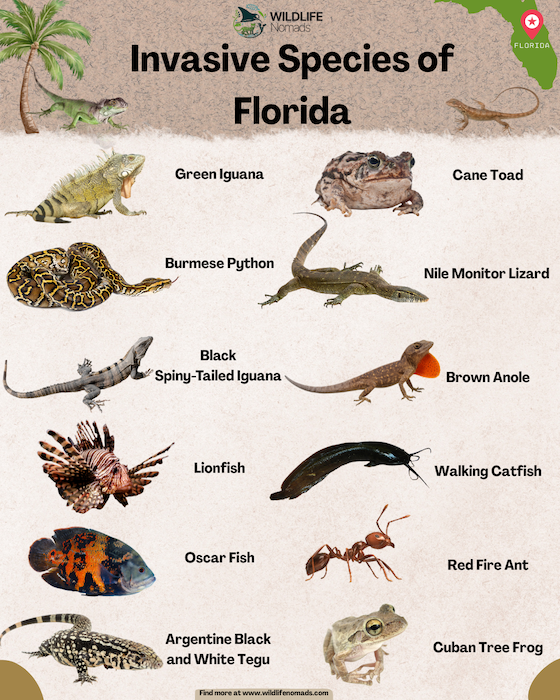
In this article, we’ll explore the top 12 invasive species of Florida, why they matter, and what’s being done to control them.
Understanding Invasive Species in Florida
Invasive species are non-native animals or plants that establish populations outside their natural habitat. Once introduced, they outcompete native species for food and territory. Florida’s subtropical climate provides ideal conditions for these invaders to thrive. The state hosts over 500 documented invasive plant species and numerous invasive animals.
The exotic pet trade plays a central role in Florida’s invasion crisis. Many pet owners release captive animals when they grow too large or difficult to manage. Additionally, natural disasters and accidental escapes contribute to the spread of invasive species in Florida.
1. Burmese Python (Python bivittatus)
No invasive species in Florida gets more press than the Burmese python. Originally introduced through the exotic pet trade, these massive snakes, some exceeding 18 feet, now dominate large areas of the Everglades ecosystem.
Impact on Native Wildlife: Burmese pythons prey on nearly everything, from marsh rabbits and raccoons to endangered birds and even alligators. Studies show that populations of small mammals in some areas have dropped by over 90% since pythons took hold. Native predators like bobcats and raptors now face fierce competition for prey.
Why it’s a problem: Burmese pythons are apex predators with few predators in Florida. They outcompete native species and destabilize the entire food web. Their cryptic nature makes detection extremely difficult for wildlife conservation efforts.
Control Efforts: The Florida Fish and Wildlife Conservation Commission (FWC) pays python hunters through the Python Elimination Program. Professional removal teams work year-round to capture and humanely kill these invasive snakes. The Florida Python Challenge invites public participation in organized python hunts.

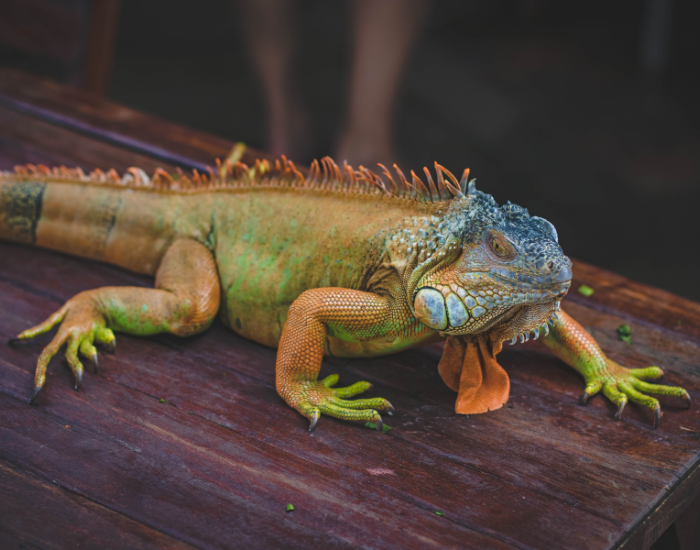
2. Green Iguana (Iguana iguana)
Widespread in urban areas across South Florida, the green iguana may look harmless basking on a seawall. However, they are a destructive force to both infrastructure and native vegetation.
Impact: Green iguanas eat ornamental plants and native plants. They undermine sidewalks and seawalls with extensive burrows. Their feeding habits damage native vegetation that other species depend on.
Unique fact: Some individuals grow over six feet long. They thrive in disturbed areas and suburban environments.
Problem: Besides property damage, green iguanas compete with native reptiles for food and habitat. They also degrade water quality through their waste.
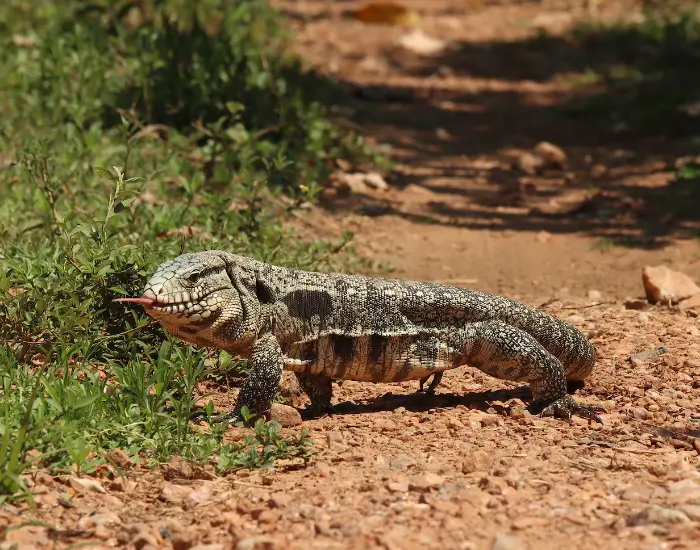
3. Argentine Black and White Tegu (Salvator merianae)
The tegu lizard, a popular exotic pet released into the wild, is thriving in Florida. These large lizards pose a serious threat to ground-nesting birds and native reptiles.
Impact: Argentine black and white tegus raid nests of ground-nesting birds. They eat native species including gopher tortoises and their eggs. Tegu lizards can grow up to four feet long.
Concern: Their adaptability to various habitats and rapid reproduction make them a major threat. They spread diseases and compete directly with native animals for resources.
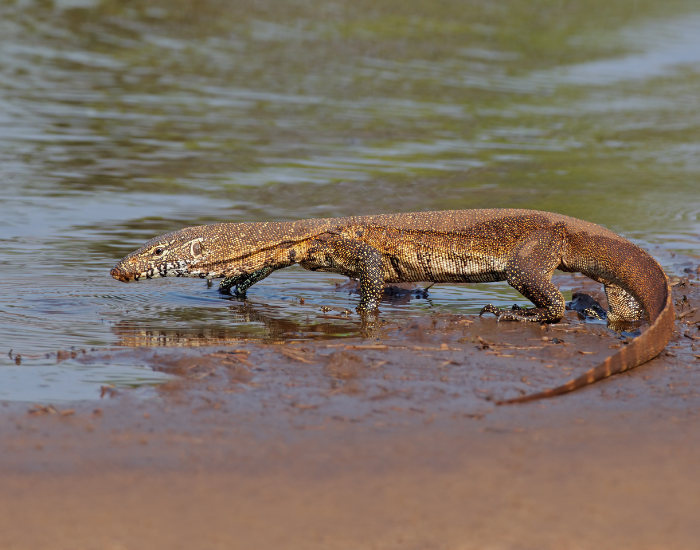
4. Nile Monitor (Varanus niloticus)
One of the largest lizards in Florida, the Nile monitor is a formidable predator. These invasive reptiles threaten native wildlife across multiple habitats.
Impact: Nile monitors prey on small mammals, birds, amphibians, and even crocodile eggs. They also consume fish and invertebrates.
Size: Can reach 7 feet long, making them one of Florida’s largest invasive animals.
Problem: They outcompete native predators for food and habitat. Their burrowing behavior damages canal banks and infrastructure.
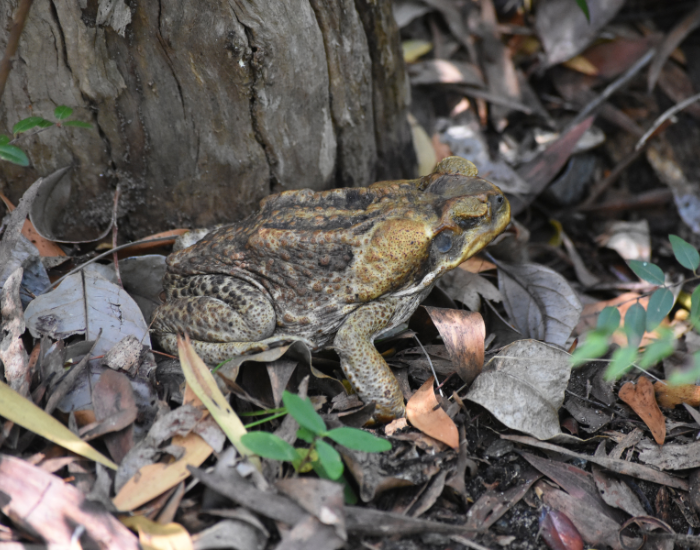
5. Cane Toad (Rhinella marina)
Originally introduced to control pests, cane toads turned into a disaster. These amphibians are among Florida’s most dangerous invasive species to pets and native wildlife.
Impact: Cane toads secrete a toxin deadly to pets and native frogs. Dogs and cats that mouth them can die within minutes without treatment.
Size: Up to 9 inches long, they’re among the largest toads in the world.
Problem: They outcompete native frogs for food and breeding sites. Cane toads are spreading rapidly in suburban areas and wetlands. Their populations boom in disturbed habitats.
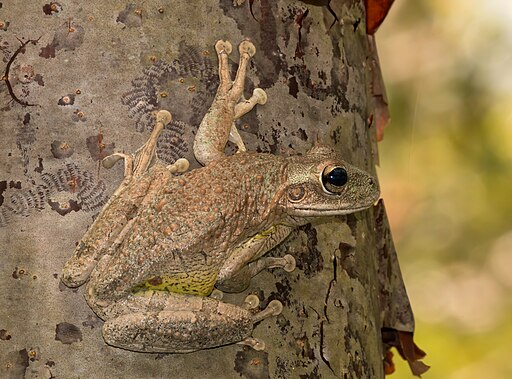
6. Cuban Tree Frog (Osteopilus septentrionalis)
This amphibian invader is another major concern for Florida’s native species. Cuban tree frogs have established populations throughout the state.
Impact: They prey on Florida’s native frogs, native reptiles, lizards, and even small snakes. Cuban tree frogs also eat insects that native species depend on.
Problem: Their populations boom in urban and disturbed habitats. They’ve been documented eating smaller tree frogs and competing for breeding sites. Additionally, they cause electrical outages by short-circuiting equipment.
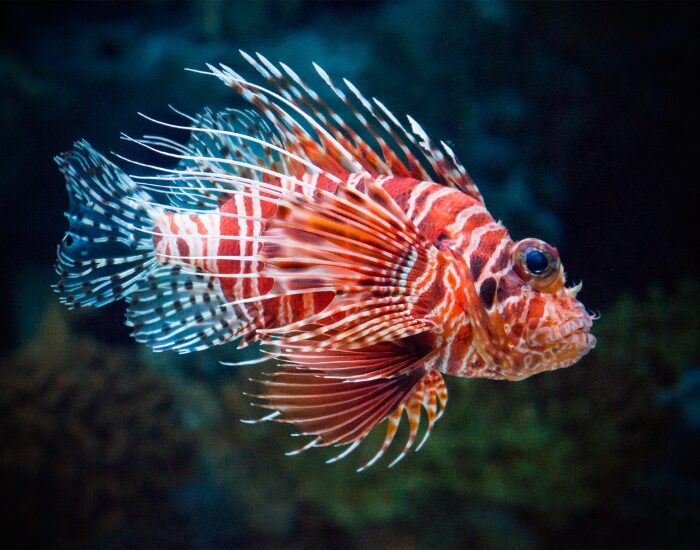
7. Lionfish (Pterois volitans and P. miles)
An underwater invader, lionfish are strikingly beautiful but deadly to reef ecosystems. These invasive fish have spread throughout Florida’s coastal waters.
Impact: Lionfish are voracious predators that devour juvenile reef fish. They threaten coral reef health by disrupting the food web. Their venomous spines deter most natural predators.
Problem: With few predators in the Atlantic, their populations have exploded. They outcompete native fish species and reduce biodiversity on reefs. Wildlife conservation efforts include organized lionfish removal dives.
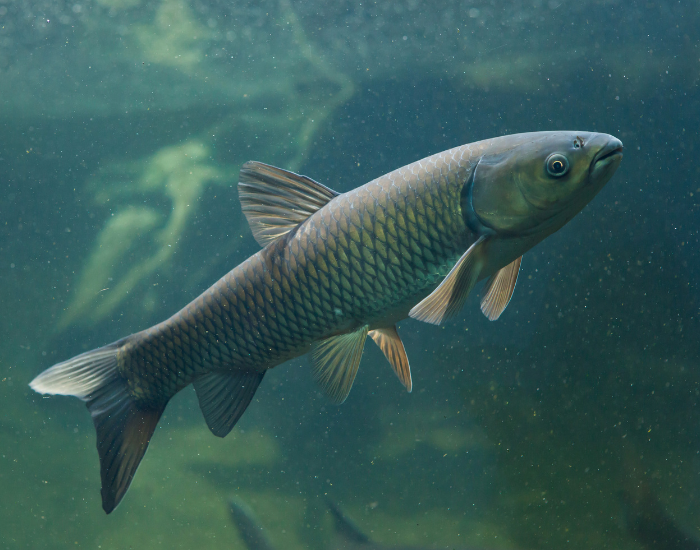
8. Grass Carp (Ctenopharyngodon idella)
Introduced for vegetation control, grass carp are now widespread in Florida’s waterways. These invasive fish cause significant ecological damage.
Impact: Grass carp reduce aquatic vegetation that native fish, birds, and other wildlife rely on. They degrade water quality and alter habitat structure.
Problem: Long-lived and hard to control once established. They spread through connected waterways and reproduce in large rivers.
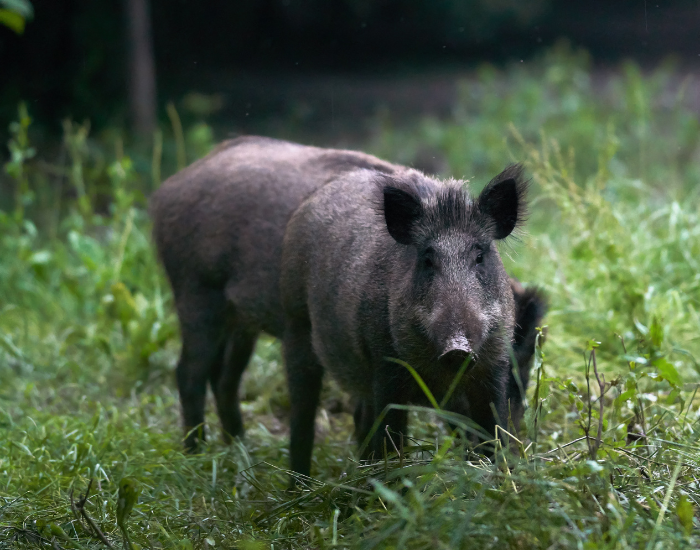
9. Feral Hogs (Sus scrofa)
These are among the most damaging invasive animals in Florida. Feral hogs cause extensive agricultural and environmental destruction.
Impact: Rooting behavior destroys crops, native plants, and soil structure. They create disturbed areas that invasive plant species colonize. Feral hogs also prey on ground-nesting birds and turtle eggs.
Problem: They transmit diseases to livestock and humans. Feral pigs degrade water quality by wallowing in streams and wetlands. They cost Florida millions annually in damages to agriculture and natural habitats.
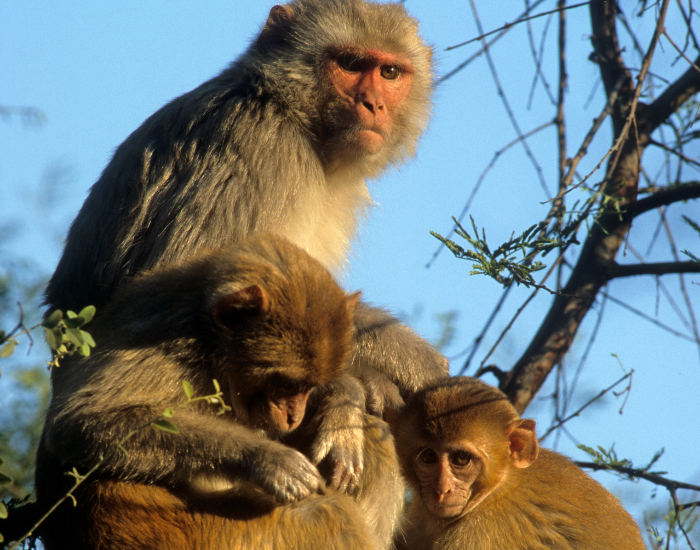
10. Rhesus Macaque (Macaca mulatta)
Florida has invasive monkeys. Rhesus macaques were released decades ago for a tourist attraction in Central Florida.
Origin: Released in the 1930s, they’ve established breeding populations along the Silver River.
Impact: They outcompete native species for food and habitat. Rhesus macaques raid human food sources in parks and residential areas. They can carry herpes B virus, a potential human health threat.
Problem: Their populations continue expanding into new areas. They damage native vegetation and displace native animals.
11. Feral Cats (Felis catus)
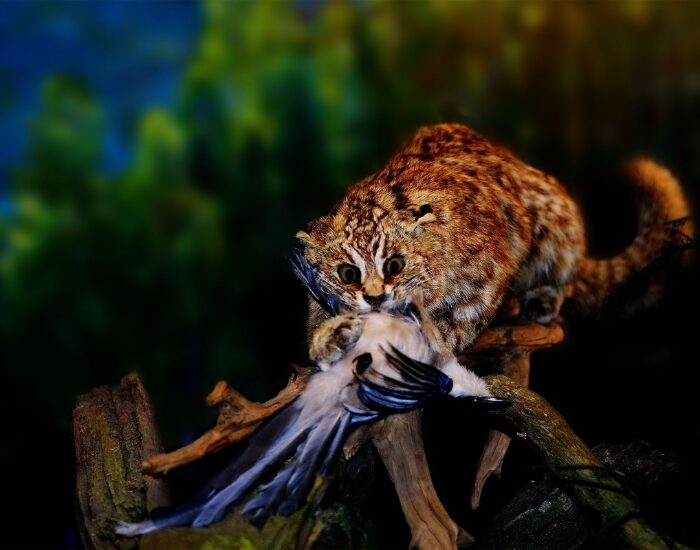
While domesticated, when cats live feral they are among the most destructive invasive predators worldwide. In Florida, their impact on native wildlife is severe.
Impact: Feral cats kill billions of birds and small mammals annually in the United States. In Florida, they devastate ground-nesting birds, native reptiles, and small mammals.
Problem: They compete with native predators like foxes and raptors. Feral cats also spread diseases to native wildlife and transmit diseases to pet owners.
12. Nine-Banded Armadillo (Dasypus novemcinctus)
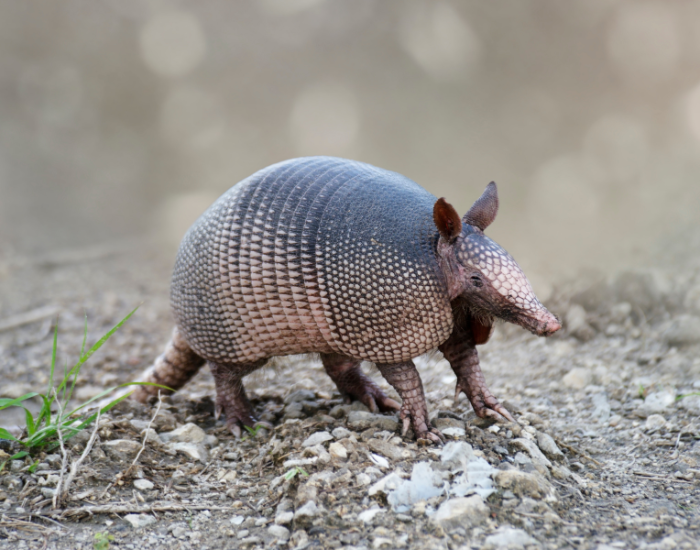
Though often overlooked, these armored diggers are spreading rapidly across Florida. Nine-banded armadillos cause agricultural and infrastructure damage.
Impact: Their burrows damage farmland and infrastructure. They compete with native burrowing species like gopher tortoises.
Problem: Armadillos can transmit diseases including leprosy to humans. They disrupt soil structure and damage root systems of plants and trees.
13. Brown Anole (Anolis sagrei)
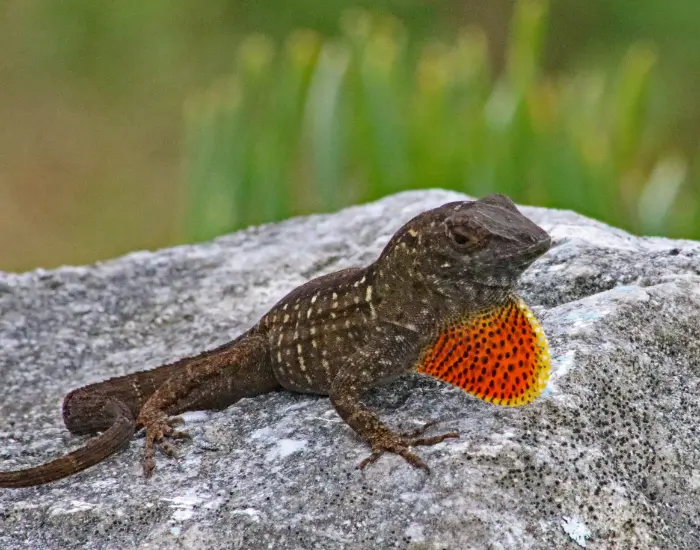
This small lizard is one of Florida’s most widespread invasive reptiles. Originally from Cuba and the Bahamas, brown anoles have colonized nearly every habitat in the state.
Impact: Brown anoles outcompete Florida’s native green anoles (Anolis carolinensis) by occupying similar ecological niches. They push native green anoles higher into trees and shrubs, limiting their access to ground-level resources. Brown anoles prey on insects and other small invertebrates that native species depend on.
Size: Small, typically 5-8 inches including tail, making them highly adaptable to various environments.
Problem: Their rapid reproduction and aggressive territorial behavior give them advantages over native anoles. They’ve fundamentally altered lizard community structure throughout Florida. Brown anoles also serve as prey for invasive species like Cuban tree frogs, creating complex invasive food webs.
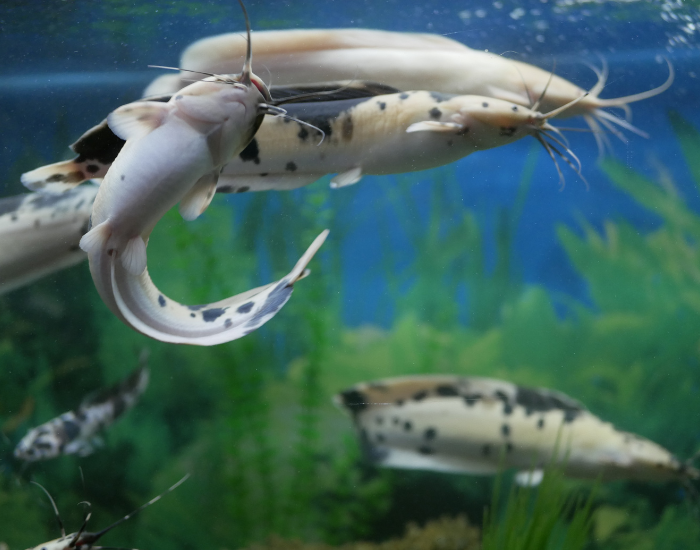
14. Walking Catfish (Clarias batrachus)
True to its name, this unusual fish can breathe air and “walk” on land using its pectoral fins. Walking catfish have established populations in South Florida’s freshwater systems.
Impact: Walking catfish prey on native fish, amphibians, and aquatic invertebrates. Their ability to move overland allows them to colonize isolated water bodies during wet weather. They compete with native fish for food and habitat resources.
Unique fact: Can survive out of water for extended periods and travel across land to find new water bodies, making them extremely difficult to contain.
Problem: Their adaptability to low-oxygen environments and ability to disperse overland make control efforts challenging. They damage native fish populations and alter aquatic food webs. Walking catfish also impact commercial aquaculture operations.
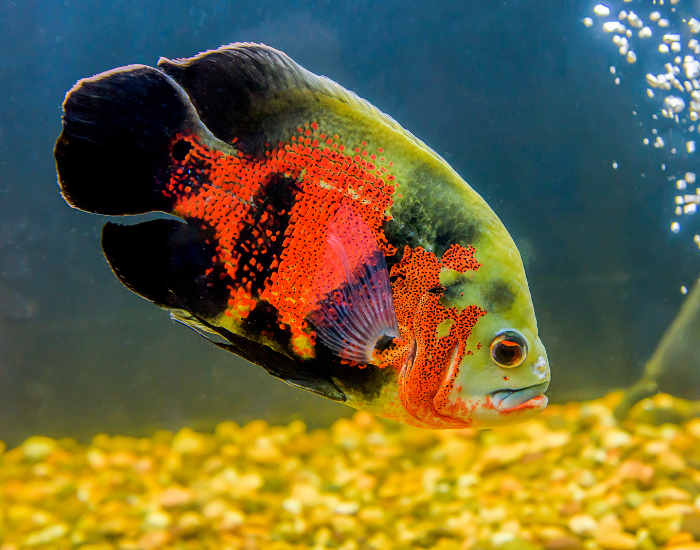
15. Oscar Fish (Astronotus ocellatus)
A popular aquarium fish from South America, oscars have established breeding populations in South Florida canals and waterways after being released by pet owners.
Impact: Oscar fish are aggressive predators that consume native fish, crayfish, and aquatic insects. They compete with native predatory fish like largemouth bass for food and territory. Their presence alters the balance of native aquatic communities.
Size: Can grow up to 18 inches long and weigh over 3 pounds, much larger than most owners expect when purchasing juveniles.
Problem: Like many invasive fish, oscars reproduce readily in Florida’s warm waters. They displace native species and disrupt established food webs. Their popularity in the pet trade ensures continued introductions into wild populations.
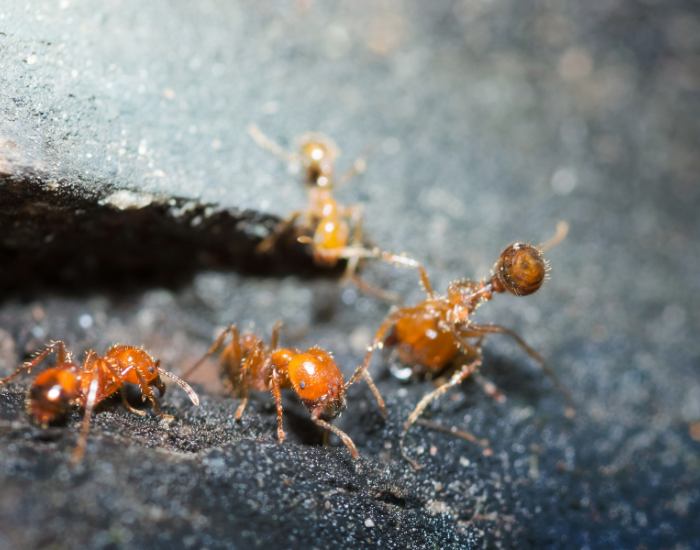
16. Red Imported Fire Ant (Solenopsis invicta)
Though tiny individually, red imported fire ants are among Florida’s most economically damaging invasive species. These aggressive insects form massive colonies throughout the state.
Impact: Fire ants inflict painful stings on humans, pets, livestock, and wildlife. They prey on ground-nesting birds, reptile eggs, and small mammals. Red imported fire ants reduce native ant diversity and outcompete native insects for resources. They damage agricultural crops and electrical equipment.
Colony size: Mature colonies can contain 200,000 to 400,000 workers and multiple queens.
Problem: Their aggressive nature and painful stings pose serious health risks. Fire ants cause hundreds of millions of dollars in damages annually across the southeastern United States. They displace native ant species and fundamentally alter soil ecosystems. Control requires ongoing management as colonies quickly reestablish.
Why Does Florida Have So Many Invasive Species?
Several factors make Florida particularly vulnerable to biological invasions:
- Climate: Florida’s subtropical climate is warm and wet. These conditions suit many non-native species from tropical regions. The lack of freezing temperatures allows tropical invaders to survive year-round.
- Exotic Pet Trade: Florida is a major hub for the exotic pet trade. Many invasive animals were originally imported as pets. Pet owners release captive animals when they become too large or difficult to care for.
- Tourism & Trade: International ports and high tourism increase chances of accidental introductions. Ships transport species in ballast water. Plants and animals hitchhike on cargo.
- Disturbed Habitats: Development creates disturbed areas that invasive species colonize quickly. Native habitats fragmented by human activity become more vulnerable to invasion.
Economic and Ecological Impacts
The consequences of invasive species in Florida extend far beyond ecology:
Agriculture: Feral hogs and green iguanas cause millions in crop damages annually. Invasive plant species reduce grazing land productivity. Pest control costs continue rising.
Biodiversity: Loss of native wildlife occurs across all ecosystems. Native species decline as invasive animals outcompete them. Ground-nesting birds face particularly severe threats from multiple invaders.
Human Health: Cane toads poison pets and wildlife. Rhesus macaques carry herpes B virus. Armadillos transmit diseases including leprosy. Invasive species create public health risks.
Infrastructure: Burrowing by iguanas and armadillos damages roads and buildings. Cuban tree frogs short-circuit electrical equipment. Canal banks erode from Nile monitor activity.
Combating Invasive Species in Florida
Florida has implemented comprehensive strategies to address the invasive species crisis:
FWC Reporting: The Florida Fish and Wildlife Conservation Commission encourages residents to report sightings of invasive species. Early detection improves control success rates.
Python Hunts: Organized removal programs target Burmese pythons. The Florida Python Challenge offers prizes for python hunters. Professional contractors work year-round on python removal.
Pet Ownership Laws: Florida banned the release of exotic pets. Regulations restrict import of high-risk species. Education campaigns promote responsible pet ownership.
Community Education: Outreach programs raise awareness about invasive species threats. Schools teach students about native wildlife protection. Public engagement strengthens conservation efforts.
Habitat Restoration: Native vegetation restoration helps native species recover. Removing invasive plant species improves habitat quality. Reintroduction programs support native animals.
Research & Monitoring: Scientists study invasive species biology and spread patterns. Genetic analysis tracks population growth. New control methods undergo testing.
The Role of Native Habitats in Resistance
Healthy native habitats show greater resistance to biological invasions. Native vegetation provides resources that native species depend on. Therefore, protecting intact ecosystems is crucial for preventing future invasions.
Disturbed areas and habitat destruction create opportunities for invaders. Invasive plant species often colonize damaged landscapes first. Once established, invasive plants provide cover for invasive animals. This cycle degrades ecosystem function and makes restoration more difficult.
FAQ: Invasive Species of Florida
The Burmese python is often considered the most damaging invasive species in Florida due to its severe ecological impact on native wildlife. However, feral hogs cause the most agricultural damage.
Florida has over 500 documented invasive plant species and numerous invasive animals. Dozens are classified as high-risk invaders threatening native species and ecosystems.
It suggests that 10% of introduced species establish in the wild. Then 10% of those become invasive. Finally, 10% of invasive species cause significant ecological or economic damage.
Yes. Despite removal efforts by divers and the Florida Fish and Wildlife Conservation Commission, lionfish remain widespread on Florida reefs. They continue threatening native fish populations.
No. Florida law prohibits keeping many invasive species as pets. The exotic pet trade caused many current invasions. Pet owners must never release captive animals into the wild.
Report sightings to the Florida Fish and Wildlife Conservation Commission immediately. Do not attempt to capture large or dangerous species yourself. Early detection helps control efforts.
They spread through multiple pathways: the exotic pet trade, accidental release, natural disasters, ballast water discharge, and movement through connected waterways. Human activity drives most introductions.
A Call to Action
Florida’s battle with invasive species is one of the most visible examples of ecological fragility. Global trade, climate conditions, and human choices intersect here with dramatic consequences. As I’ve seen in rainforests, savannas, and coral reefs worldwide, biodiversity is resilient. However, it needs our active support to survive.
From the Burmese python to the Cuban tree frog, the list of Florida invasive species continues to grow. Yet through science, wildlife conservation, and community action, there’s hope. Protecting Florida’s native species and native habitats requires sustained commitment.
The Florida Fish and Wildlife Conservation Commission leads these efforts. The South Florida Water Management District coordinates large-scale programs. Together with python hunters, researchers, and concerned citizens, they work to restore ecological balance.
Prevention remains the most effective strategy. Never release exotic pets into the wild. Report sightings of invasive species promptly. Support native vegetation restoration in your community. These actions protect Florida’s unique natural heritage for future generations.
Every native species lost weakens the entire ecosystem. Every invasive animal controlled gives native wildlife a better chance. The fight continues, and every Floridian has a role to play in preserving the Sunshine State’s remarkable biodiversity.
Further Reading about Florida:
- Common Iguanas: 10 Things You Never Knew
- Unique Lizards of Florida
- Black Snakes in Florida
- 10 Facts About the Florida Bobcat