From South America to the American South
The first time I saw a tegu lizard was when I worked in a zoo. My job was to feed him. his Argentine black and white tegu, also known as the Argentine tegu, quickly became one of my favorites. Despite his intimidating, dinosaur-like build and constant tongue flicking, he was surprisingly friendly. I even used to carry him, getting to know his calm personality up close. With his impressive size and ability to regulate body temperature, he looked like a creature from another era, something that could have roamed alongside prehistoric reptiles.
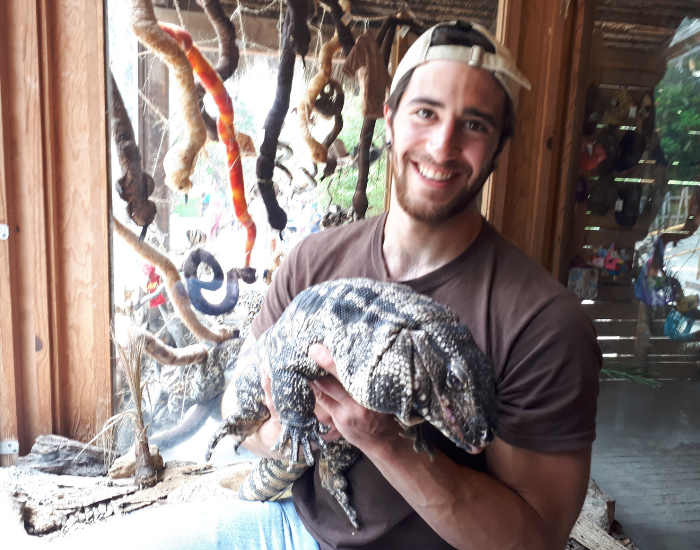
Back then, I never imagined that outside the zoo, thousands of kilometers away from their native South America, these same lizards would become one of the most concerning invasive species in the United States. As a non-native species, tegus pose serious risks to native wildlife and natural resources, sparking increased regulation and concern among conservationists. Today, tegus in Florida and now Georgia are making headlines as they reshape ecosystems and threaten native species.
So what makes this lizard so special, and so problematic? Here are 12 fascinating facts about tegus you probably didn’t know.
1. Tegus Are South America’s Giant Lizards
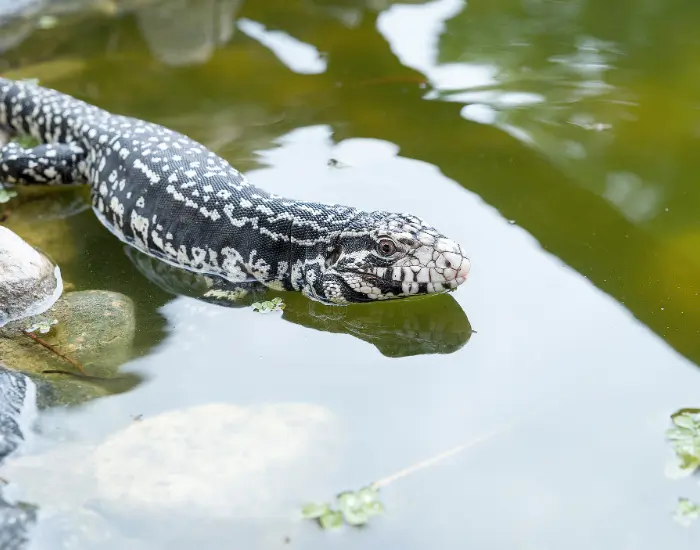
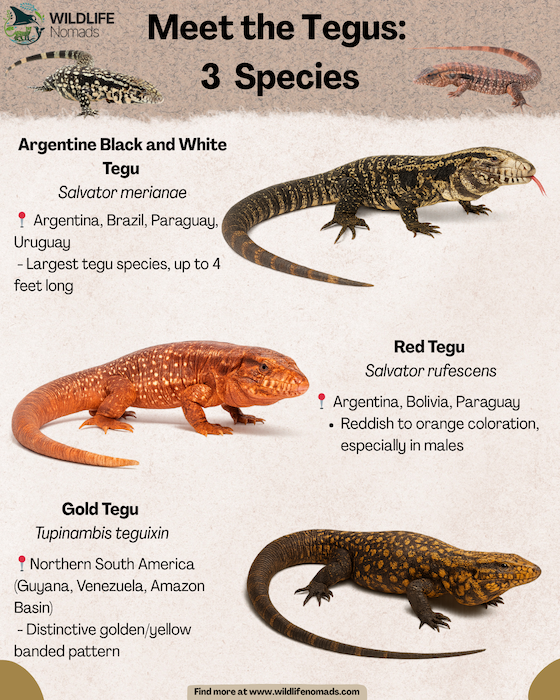
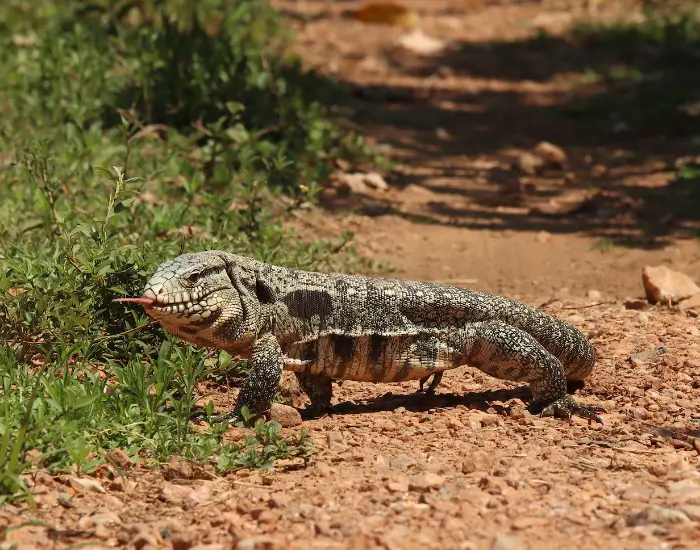
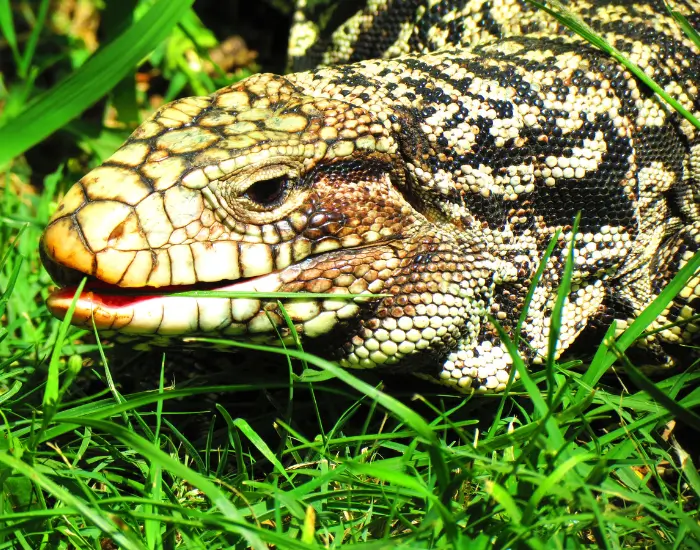
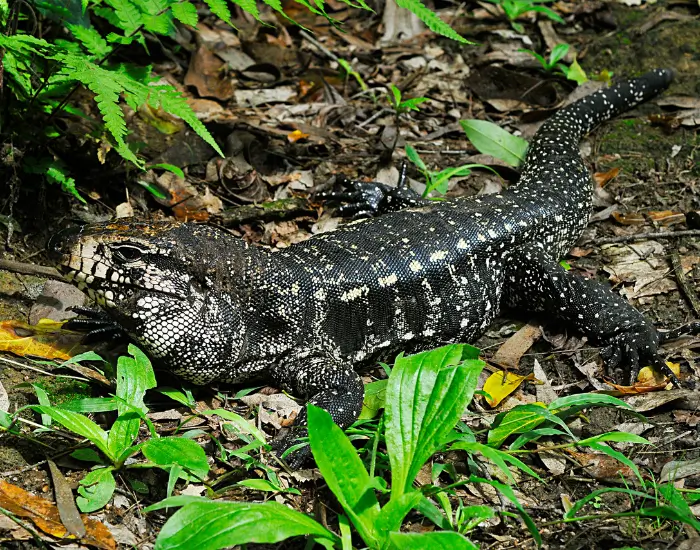
The Argentine black and white tegu (Salvator merianae) is the largest of all tegu species, reaching up to 4 feet long and weighing over 10 pounds. Native to Argentina, Brazil, Paraguay, and Uruguay, these lizards thrive in grasslands, forests, forest clearings, and even disturbed habitats. Their distinctive black-and-white bands make them stand out, but it’s their adaptability that really sets them apart.
While several other species exist, such as the red tegu (Salvator rufescens) and the gold tegu (Tupinambis teguixin), it’s the Argentine black and white tegu that has established wild breeding populations in Florida and Georgia, making it the species of greatest concern for conservationists in the U.S.
2. A Tegu Lizard Eats Almost Anything
Tegus are opportunistic omnivores. Their menu includes:
- Eat fruits and vegetables
- Eat insects and small mammals
- Bird eggs and reptile hatchlings
- Cat and dog food left outdoors
This broad diet helps explain why tegu lizards invading Florida are thriving. They can eat fruits, eat insects, and prey on small mammals, in addition to nearly everything native species depend on, making them direct competitors in fragile ecosystems.
3. The Pet Trade Brought Tegus to the U.S.
Many wild populations of tegus in the United States trace back to the exotic pet trade. Tegus were imported because of their intelligence and striking appearance. Some escaped; others were released when owners realized they couldn’t handle a tegu lizard growing to four feet long. These released pets have contributed to the establishment of wild populations, impacting local ecosystems. From there, they established themselves in South Florida and began spreading.
4. Female Tegus Can Lay Dozens of Eggs Each Year
One of the reasons these cold blooded lizards are so successful as an invasive species is their high reproductive rate. A single female Argentine black and white tegu lizard can lay between 20–35 eggs annually. Tegu breeding, characterized by large clutch sizes and frequent egg-laying, plays a significant role in their rapid population expansion. This means populations can explode quickly, overwhelming local wildlife before conservationists even detect them.
5. There Are Wild Tegus in Florida and Georgia
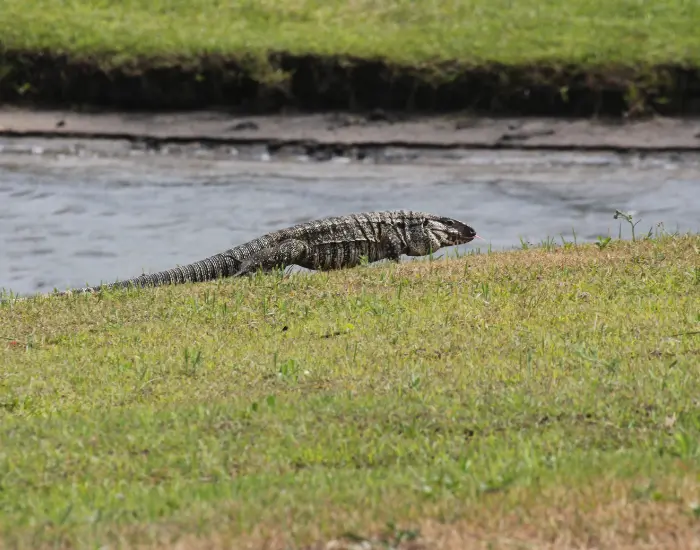
Yes, there are wild tegus in Florida, especially in Miami-Dade, Hillsborough, and Charlotte counties. Reports of tegus in Georgia are increasing too, with confirmed sightings and breeding populations in counties like Toombs and Tattnall. Climate models suggest their range could continue to expand northward if not controlled.
Outside of these established populations, there have been isolated occasions of tegu sightings in other regions, but these do not represent successful breeding populations.
6. Tegus Are a Major Threat to Native Wildlife
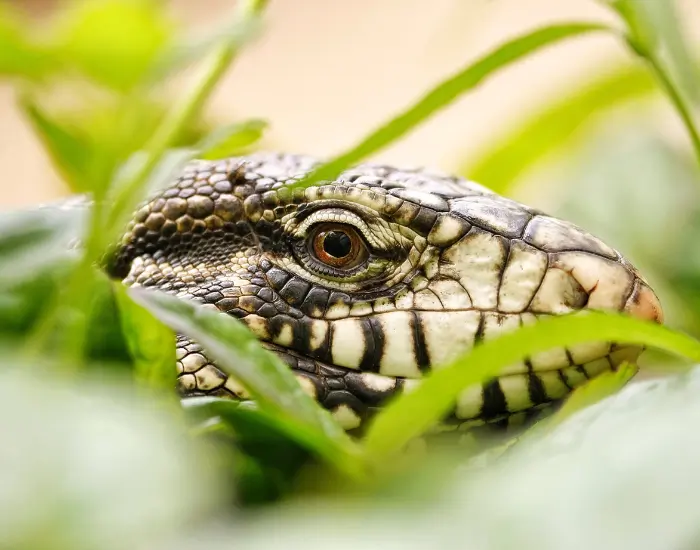
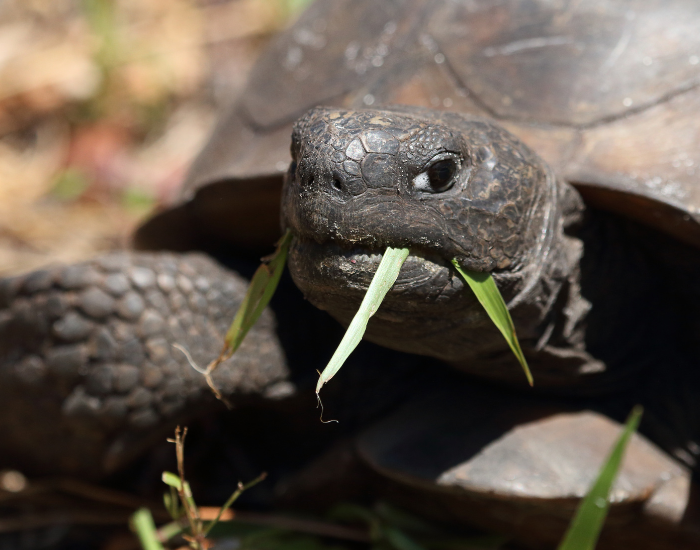
Tegus prey heavily on the eggs and hatchlings of vulnerable species, including:
- Sea turtles
- Gopher tortoises
- Ground-nesting birds
- American alligators and crocodiles
- Other reptiles
Adult Argentine black and white tegus have few predators, which allows them to thrive and become highly successful as invasive species.
By consuming eggs and young animals, tegus can cause population crashes in species already at risk. Florida wildlife managers have documented tegus raiding turtle nests with devastating success rates.
7. Tegus Are Surprisingly Intelligent Reptiles
Unlike many reptiles, tegus are smart. They display problem-solving skills and even partial warm-bloodedness, they can raise their body temperature during breeding season. Owners often describe them as “dog-like” for their ability to recognize people and be house-trained. But while their intelligence makes them fascinating, it also makes them harder to manage in the wild.

8. Are Tegus Venomous? No — But They Do Bite
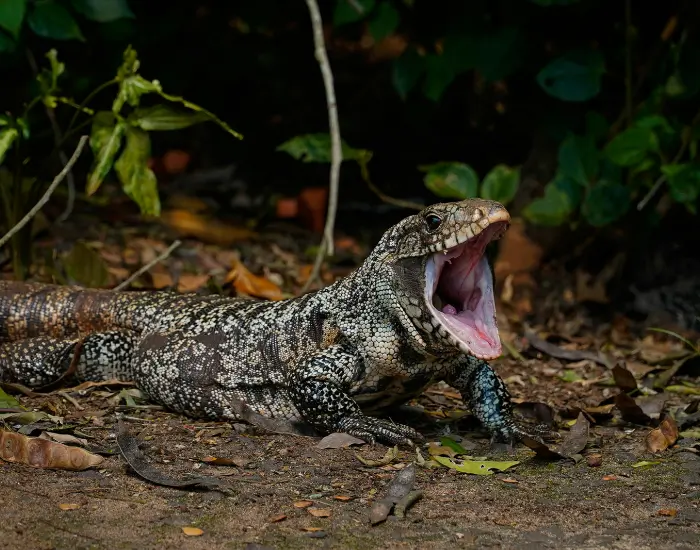
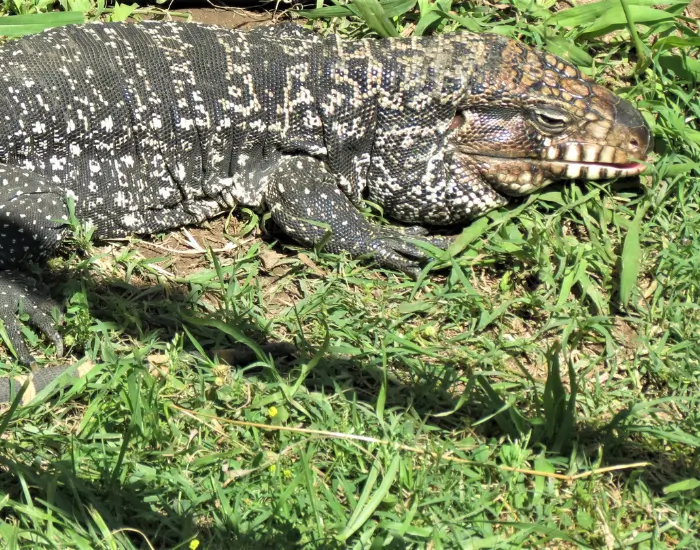
One of the most common questions is: “Are tegus venomous?” The answer is no. A tegu lizard isn’t venomous or poisonous. However, they do have sharp teeth and strong jaws capable of delivering a nasty bite if threatened. Invasive or not, they’re not animals to handle casually.
9. Tegus Compete With Alligators and Crocodiles
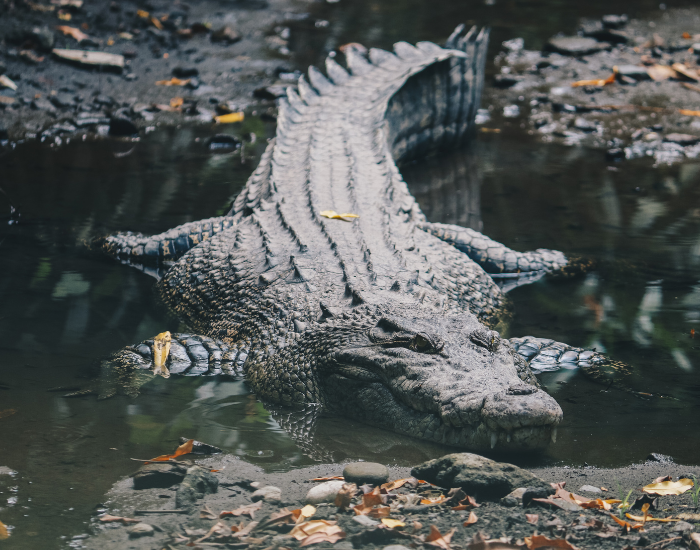
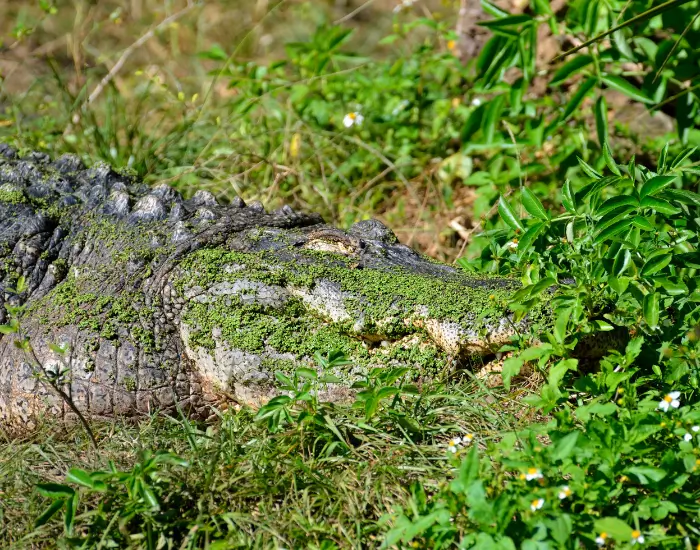
Few invasive reptiles dare to compete with Florida’s top predators, but tegus do. By raiding American alligator and American crocodiles nests, they reduce recruitment of these apex predators, which could shift entire wetland food webs over time. Tegus compete directly with American alligator and American crocodiles for resources and impact their populations, adding another stressor to already fragile ecosystems.
10. Climate Change May Expand Their Range
Currently, tegus thrive in South Florida’s subtropical climate, but warmer winters may allow them to spread farther north. Studies suggest suitable habitats could extend into Louisiana, Texas, and South Carolina, raising alarms for future invasions.
11. Control Programs Are Fighting Back
Florida Fish and Wildlife Conservation Commission (FWC) and the Georgia Department of Natural Resources (DNR) (also known as GA DNR) are actively working to manage tegus. Control strategies include:
- Public reporting through the FWC’s Exotic Species Hotline
- Trapping and removal of wild tegus
- Trapping tegus as a targeted management method
- Education campaigns targeting pet owners
- Bans and restrictions on owning tegus as pets
Removal and control actions are permitted on private property with landowner permission, following legal and safety guidelines.
These programs rely heavily on public participation, every reported sighting helps.
12. Tegus Show How Pets Can Reshape Ecosystems
Ultimately, tegus are a case study in how human choices ripple across ecosystems. What started as exotic pets in the U.S.,specifically, pet tegus kept for their unique appearance and behavior, turned into a full-blown invasive species crisis. As someone who has worked across continents studying reptiles, I’ve seen this pattern again and again: animals admired in one context become destructive in another.
Admiration and caution must go hand in hand. The Argentine black and white tegu is fascinating in its native South America, but in Florida and Georgia, it’s a reminder of the responsibility we all share in protecting ecosystems.
Why Are Scientists Fascinated by Tegus?
The story of the tegu lizard in Florida and Georgia doesn’t stop with their arrival, it’s only beginning for researchers. Organizations like the Florida Fish and Wildlife Conservation Commission (FWC), Georgia Southern University, and the US Geological Survey are leading efforts to track their spread and understand how these reptiles are thriving outside South America.
Breeding Populations Under the Microscope
One of the most pressing areas of study is reproduction. Female Argentine black and white tegus can lay up to 35 eggs per year, often reaching maturity at just 12 inches long. That’s a recipe for rapid population growth. Breeding populations are now confirmed in multiple Florida counties, including Miami-Dade, Hillsborough, and Charlotte, with occasional reports in southern Georgia keeping scientists on high alert.
What Tegus Eat and Why It Matters
Diet is another focus. Tegus are opportunistic feeders, devouring fruits, insects, eggs, and even hatchlings of protected species like sea turtles and gopher tortoises. Studies show they’re also drawn to pet food and unsecured trash in suburban neighborhoods. That means human backyards can quickly become an extension of their buffet.
Agricultural and Community Impacts
Beyond wildlife, tegus also pose risks to farmers. Their burrowing damages crops and infrastructure, while their appetite for fruits and vegetables adds pressure to local agriculture. To combat this, scientists rely heavily on public reporting through tools like the FWC Exotic Species Hotline and Georgia DNR’s reporting system. Each sighting helps map the invasion and informs new strategies for controlling their spread.
Takeaway: Ongoing research into the Argentine giant tegu (Salvator merianae) is vital for protecting both ecosystems and agriculture. If you spot a tegu, reporting it isn’t just helpful — it’s an essential part of conservation.
FAQ About Tegus
No. Tegus are not venomous or poisonous, though they can bite.
They’re banned because of their ecological threat as invasive species.
Up to 4 feet long and 10+ pounds.
Yes, with large breeding populations in South Florida.
Report it to FWC or Georgia DNR immediately.
Yes. Tegus prey on the eggs and young of the gopher tortoise, a protected native species. This predation puts the gopher tortoise at greater risk and is a major reason for controlling invasive tegu populations.
Tegu hatchlings display similar markings to adults, often with brighter coloration such as green heads that fade as they mature.
The story of the tegu
These reptiles are ecological powerhouses in their native South America, but when transported abroad, they become destructive invaders.
As a biologist, I can’t help but marvel at their adaptability. But it’s also clear that we must act decisively to protect sea turtles, gopher tortoises, and native reptiles from their spread. The tegu’s tale is a reminder that what we admire in nature must also be managed responsibly when ecosystems are at stake.