My First Encounter With a Burrow
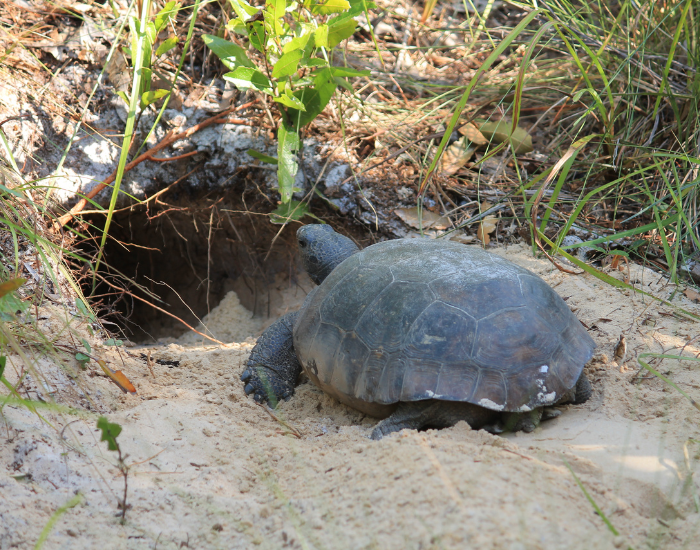
Before I ever set foot in Australia, I completed a few trips as a biologist in Mexico. On one field trip to a conservation are in the North of Mexico, I nearly tripped into what I thought was a fox or coyote den. But after a closer look, the field leader clarified us that the entrance was to a gopher tortoise burrow. That moment sparked a curiosity to another animal I never heard before.
The gopher tortoise (Gopherus polyphemus) is a keystone species, its presence (or absence) ripples through entire ecosystems. From the Florida Panhandle to the Mississippi River basin, gopher tortoise conservation tells a story about biodiversity, habitat loss, and resilience.
Here are 10 surprising facts about this endangered species you won’t believe.
1. Gopher Tortoises Build Deep, Life-Saving Burrows
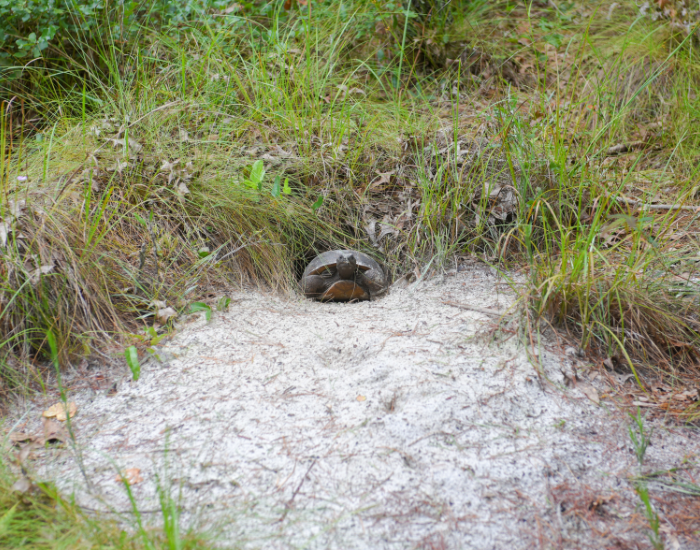
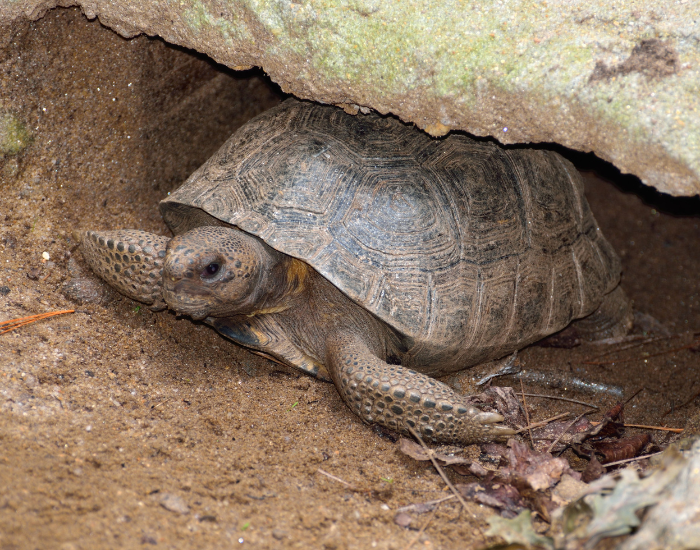
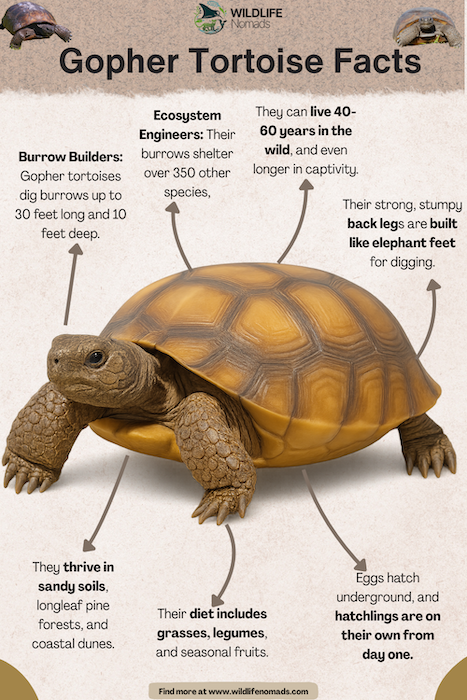
These tortoises are expert engineers. They dig burrows up to 30 feet long and 10 feet deep, creating safe, deep burrows that regulate temperature and humidity.
Even more fascinating? Over 350 other species rely on them. From gopher frogs to snakes and small mammals, many creatures retreat into burrows during wildfires, storms, or droughts. Without tortoises, these species would lose vital shelter.
As I crouched near that first burrow years ago, I realized I wasn’t just looking at a reptile’s home, I was looking at a survival hub for an entire community.
2. Their Habitat Stretches Across the Southeast
The gopher tortoise habitat once covered vast stretches of the southeastern United States. Today, they’re most common in peninsular Florida, southern Georgia, and southern South Carolina, with smaller populations in Alabama and Mississippi.
They thrive in longleaf pine forests, pine flatwoods, xeric oak hammocks, and even coastal dunes. These open, sunny habitats with sandy soils allow tortoises to dig burrows easily.
The loss of the longleaf pine ecosystem, which has shrunk to less than 5% of its historic range, is one of the biggest reasons gopher tortoise populations have declined.
3. It’s Illegal to Touch or Relocate Them
Many people ask: Is it illegal to touch a gopher tortoise in Florida? The answer is yes. In Florida and several other states, moving, harassing, or keeping one as a pet is against the law.
That protection comes from the federal Endangered Species Act (for western populations) and state wildlife regulations elsewhere. Even if you’re trying to help one cross the road, it’s best to guide it gently in its current direction rather than pick it up.
This legal protection exists for good reason: gopher tortoise populations are fragile, and unnecessary disturbance can harm both the tortoise and its burrow system.
4. Gopher Tortoises Are Long-Lived Survivors
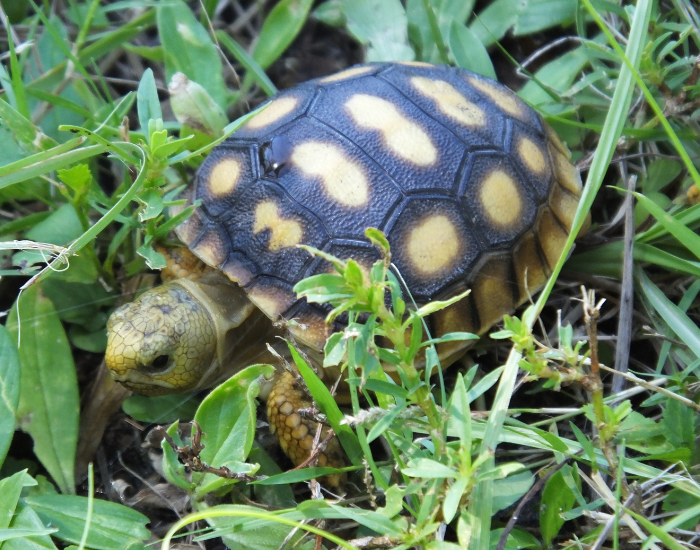
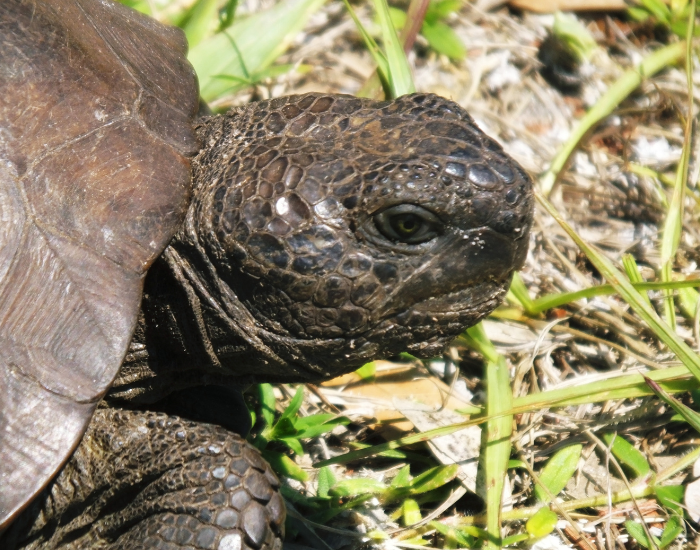
A wild gopher tortoise can live 40–60 years, while some captive individuals reach 80. Their elephantine hind feet, strong and sturdy, are perfectly built for digging and carrying them through decades of life.
But their longevity is threatened by disease, most notably upper respiratory tract disease, which can spread quickly through isolated populations. Wildlife managers now monitor outbreaks closely to prevent entire colonies from collapsing.
5. Hatchlings Start Life on Their Own
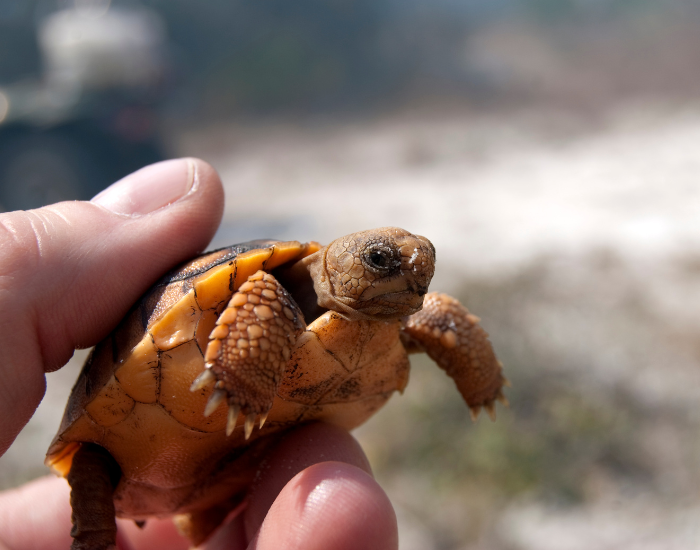
Gopher tortoise nests, buried in sandy soils near burrow entrances, hatch after about 80–100 days. Gopher tortoise hatchlings emerge no larger than a golf ball and receive no parental care.
These tiny tortoises are easy prey for raccoons, snakes, and birds. Conservation biologists sometimes use head-start programs, raising hatchlings until they’re less vulnerable before releasing them into the wild.
6. They’re Keystone Species and Opportunistic Grazers
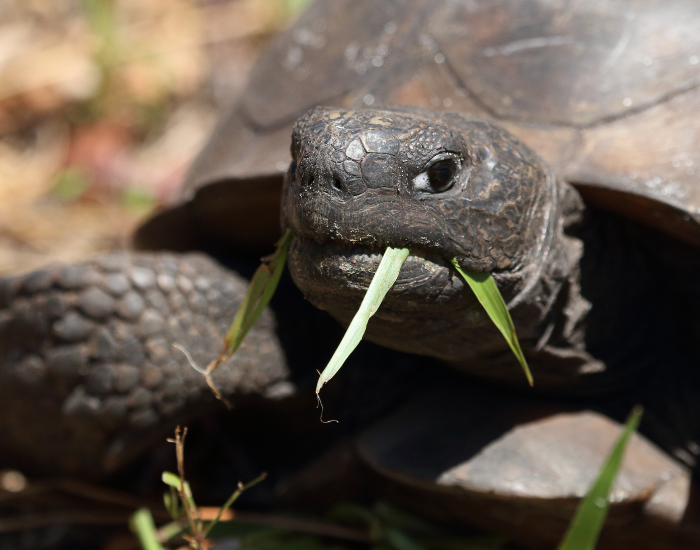
Gopher tortoises shape ecosystems in two ways: through their burrows and their diet. As opportunistic grazers, they feed on broadleaf grasses, wiregrass, legumes, and fewer grasses in times of scarcity. Juveniles tend to eat more legumes, which helps enrich soils with nitrogen.
This diet helps control plant communities, reduces wildfire fuel loads, and supports the health of the longleaf pine sandhills and upland habitats they call home.
7. Habitat Loss Is Their Biggest Threat
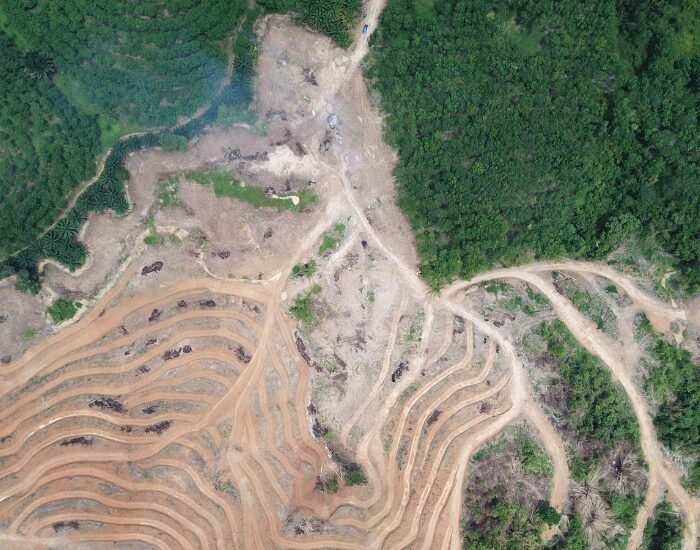
While predators and disease play a role, the greatest danger comes from habitat loss, habitat destruction, and habitat degradation. Urban sprawl, agriculture, and highways carve up landscapes, leaving behind isolated populations with limited genetic diversity.
In the Florida Panhandle, expanding development has pushed tortoises into smaller and smaller patches of suitable land. Along the Mississippi River, only a handful of colonies remain.
Each cleared forest or paved road means not just the loss of a tortoise, but the collapse of a miniature ecosystem.
8. Conservation Efforts Are Widespread and Collaborative
The Gopher Tortoise Conservation Initiative has set an ambitious goal: protect 100,000 acres of key habitat and secure 65 viable populations across the Southeast.
Key partners include:
- The Nature Conservancy
- U.S. Fish and Wildlife Service
- State wildlife services like the Florida Fish and Wildlife Conservation Commission
- Private land owners, who use conservation easements to balance farming and habitat protection
Some programs even offer technical and financial assistance to landowners, making conservation not just an ecological goal, but an economic one.
9. They’re Protected by Councils and Communities
The Gopher Tortoise Council, established in 1978, brings together scientists, policymakers, and citizens to share research and strategies. Their work has been critical in raising awareness of the tortoise’s role as a threatened species and in lobbying for stronger protections.
Community education programs now encourage residents to recognize tortoise burrows, protect rare species that share their habitat, and avoid disturbing natural resources tied to tortoise survival.
10. Climate Change Brings New Challenges
Climate models suggest that rising temperatures and changing rainfall may shrink suitable key habitat areas for tortoises. Some western portions of their range may no longer be viable, while invasive species add further stress.
Conservationists are responding with creative solutions:
- Translocation programs moving tortoises to restored longleaf pine forests
- Head-start hatchling programs to increase survival
- Partnerships with universities to study genetics and adapt management plans
These strategies highlight that saving the gopher tortoise isn’t just about one species, it’s about preserving entire natural resources and ecosystems for future generations.
11. Gopher Tortoises Have Ancient Desert Origins
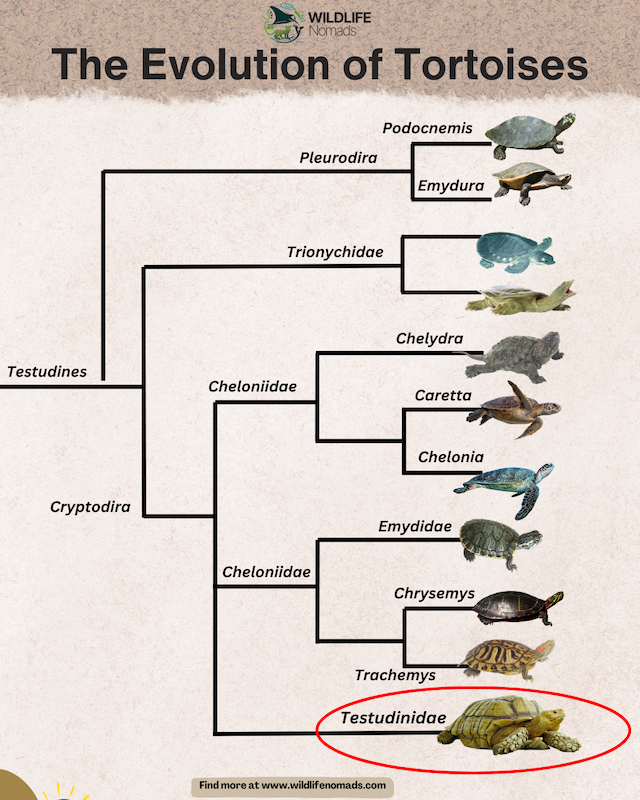
The gopher tortoise (Gopherus polyphemus) belongs to the genus Gopherus, which includes four other closely related North American tortoises: the desert tortoise, Texas tortoise, Bolson tortoise, and Morafka’s desert tortoise.
These tortoises evolved from a common ancestor that arrived in North America around 10-15 million years ago during the Miocene epoch. As ancient grasslands and deserts expanded across the continent, different Gopherus populations adapted to distinct environments—some to arid deserts in the West, and G. polyphemus to the sandy, fire-adapted ecosystems of the Southeast.
What makes the gopher tortoise unique among its relatives is its deep burrowing behavior, which evolved as an adaptation to the extreme heat, cold, and frequent wildfires of longleaf pine ecosystems. While their desert cousins dig shallow burrows, gopher tortoises create elaborate underground systems that have become critical refuges for hundreds of other species.
What to Do If You See a Gopher Tortoise
Spotting a gopher tortoise in the wild, or even in your own backyard, is an exciting experience. But because they hold a threatened status across much of their range, it’s important to know how to respond responsibly. Here’s what you should do:
1. If a Gopher Tortoise Is in Your Yard
Gopher tortoises spend most of their lives in burrows, so if one shows up on your property, it’s likely looking for food or shelter. Don’t try to relocate it. Instead:
- Avoid blocking or disturbing the burrow entrance.
- Keep pets away so they don’t harass the tortoise.
- If you’re in a development area, contact your local wildlife service for advice.
2. If You See One Crossing the Road
It’s tempting to pick it up, but remember, it’s illegal in many states to handle a gopher tortoise. The best thing you can do is:
- Safely stop traffic if possible.
- Encourage the tortoise to keep moving in its current direction.
- Never move it to a different area. Gopher tortoises live in very specific habitats, and relocation can disorient them.
3. If You Find a Hatchling
Each year, gopher tortoise eggs hatch in sandy nests near burrow entrances. Juvenile tortoises are tiny and vulnerable, but they are meant to survive on their own. Don’t take them home as pets. Instead:
- Let them continue naturally into the wild.
- Protect nesting areas from lawn mowers, vehicles, or foot traffic.
4. If You Encounter a Dead Gopher Tortoise
While sad, finding dead gopher tortoises can provide valuable information to conservationists. These reports help track gopher tortoise populations and identify threats such as disease or road mortality. If you find one:
- Note the location.
- Contact your state fish and wildlife service or local wildlife commission.
- Don’t remove the remains without a permit.
5. How You Can Help
Even if you don’t encounter tortoises directly, you can still contribute to their survival. Support conservation groups, advocate for the protection of threatened wildlife, and spread awareness in your community. Every effort matters, especially as tortoises depend on local resource abundance and intact ecosystems to thrive.
FAQs About Gopher Tortoises
Yes. They’re protected under state laws and the Endangered Species Act in some areas.
Leave it alone. Don’t block its path or move it. If it looks injured, call your local wildlife service.
Look for a dark brown, dome-shaped shell and strong, elephantine hind feet. Burrow entrances are flat and wide, with sandy mounds at the opening.
They’re considered a threatened species in most states and an endangered gopher tortoise population exists in Mississippi.
No. Juvenile tortoises tend to live independently from day one.
Saving Gopher Tortoises
When I think back to that first burrow in South Carolina, I realize the tortoise represents more than itself. It represents a web of life: rare species, broadleaf grasses, natural resources, and an ecosystem that humans depend on, too.
Protecting the gopher tortoise means protecting everything that depends on its survival. And in a rapidly changing world, that’s a cause worth digging deep for.