
Meet The Eastern Indigo Snake
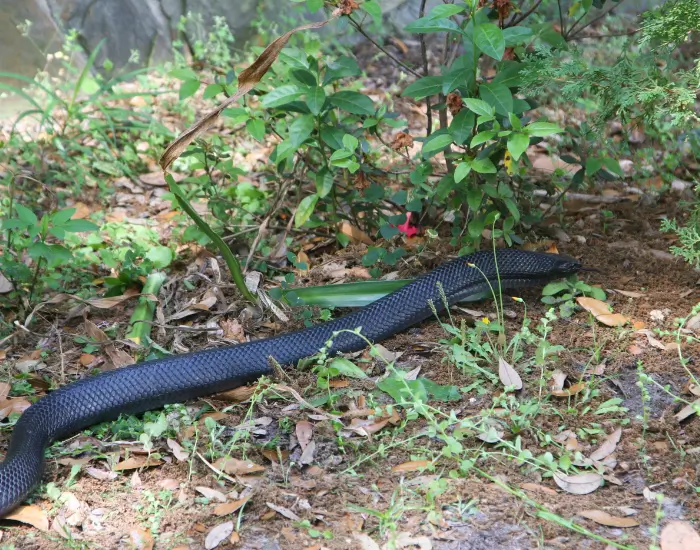
When I first encountered an eastern indigo snake in the wild, its size and sheen left me in awe. Nearly 8 feet of shimmering black coils glided across a sandy trail in Florida’s pine flatwoods, its scales catching the light with hints of iridescent purple. As a biologist traveling across the Americas to study reptiles and amphibians, I’ve met venomous vipers, constricting boas, and even giant anacondas, but there’s something uniquely regal about the eastern indigo snake (Drymarchon couperi).
This species holds the title of the longest native snake in North America, is non-venomous, and plays an irreplaceable role in controlling ecosystems by preying on everything from small mammals to venomous snakes. Sadly, the eastern indigo is now listed as a federally threatened species under the Endangered Species Act, with its range restricted to parts of Florida and southern Georgia.
In this article, we’ll uncover 10 fascinating facts about the eastern indigo snake, dive into its habitat, behaviors, and conservation, and answer common questions people ask about this extraordinary reptile.

1. The Longest Native Snake in the U.S.
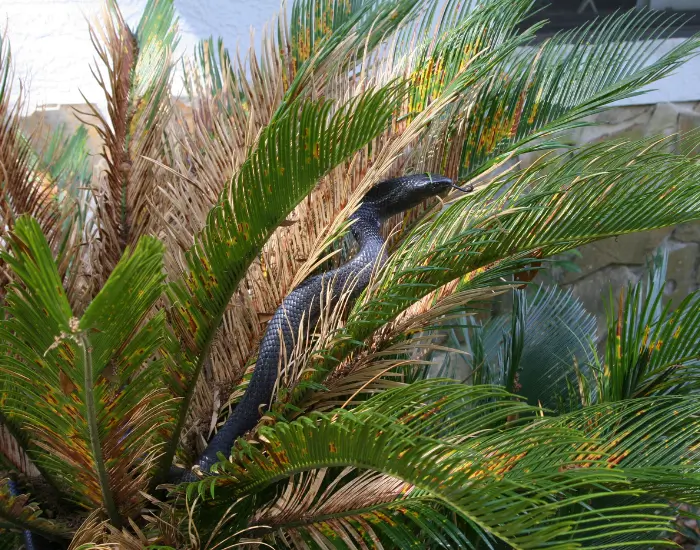
The eastern indigo snake regularly reaches 7–9 feet (2.1–2.7 meters) in length, making it the longest native snake species in North America. Despite its size, it isn’t bulky like a boa or python; instead, it’s long and sleek, built for traversing large areas of the southeastern U.S.
- Males typically grow larger than females.
- Unlike many snakes, indigos are active during the day (diurnal).
- They rely on speed and strength rather than venom to subdue prey.
2. They Are Non-Venomous, Yet Fearless
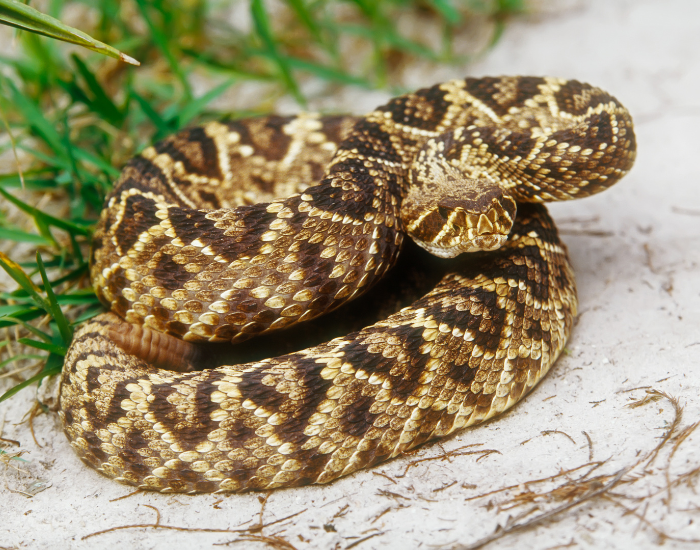
One of the most common Google questions is: “Is the eastern indigo snake venomous?” The answer is no, indigo snakes are non-venomous. Yet, they are bold predators that consume some of the most dangerous snakes in their range.
Documented prey includes:
- Eastern diamondback rattlesnakes
- Copperheads
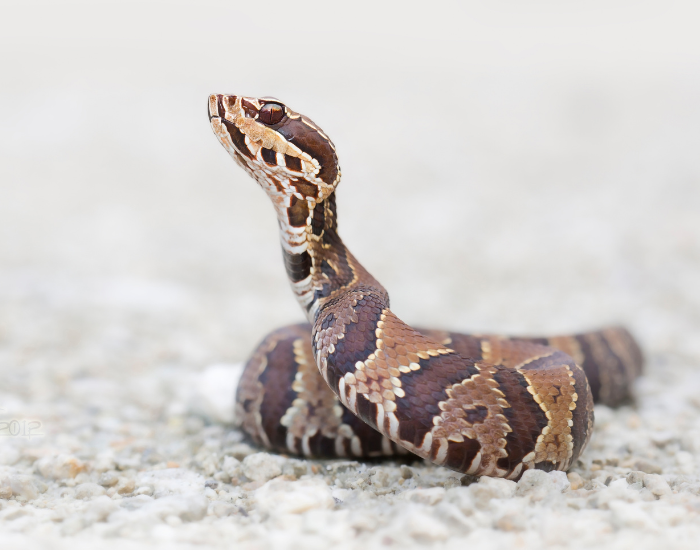
- Cottonmouths (water moccasins)
By preying on venomous snakes, indigos help maintain ecological balance and reduce human–snake conflict.
3. A Shimmering Black with Iridescent Purple
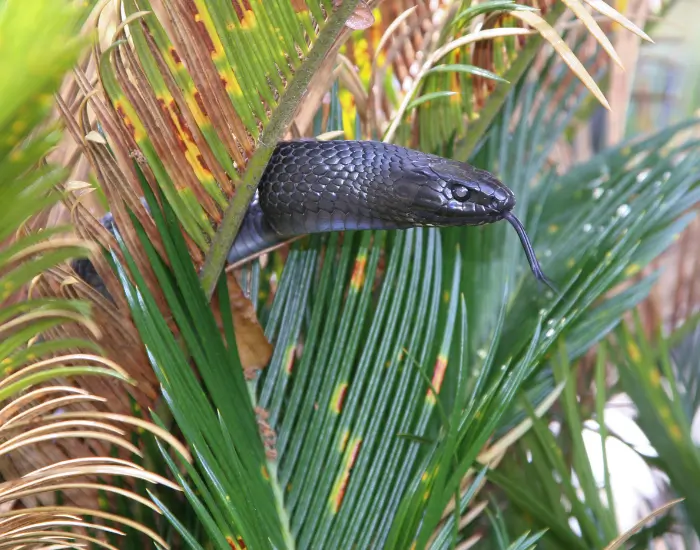
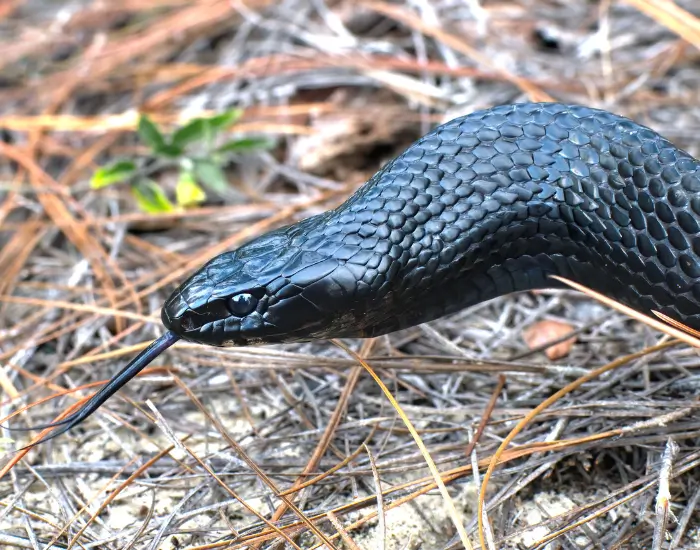
From a distance, they appear jet black. Up close, their smooth scales shimmer with a purplish or bluish sheen, especially under sunlight. This unique coloration inspired their name “indigo snake.”
I’ll never forget crouching in the sandy uplands of northern Florida, watching one slither past as its scales caught the light like polished obsidian streaked with violet. Few snakes are this mesmerizing in person.
4. Eastern Indigo Snake Range
Historically, eastern indigo snakes roamed much of the southeastern United States, including Alabama, Mississippi, and South Carolina. Today, their range has drastically contracted.
- Currently, viable populations are found in central and southern Florida and southern Georgia.
- Small reintroduction projects are ongoing in Alabama.
- Habitat loss has been the main driver of decline, particularly the destruction of sandhill habitats and pine flatwoods.
5. Habitat and Gopher Tortoise Connection
Eastern indigos thrive in ecosystems such as:
- Pine flatwoods
- Sandhill habitats
- Tropical hardwood hammocks
- Coastal dunes
- Freshwater marshes
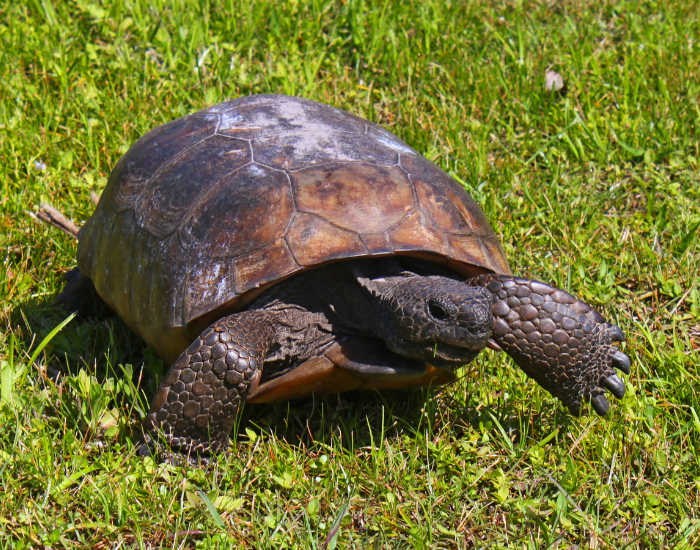
But perhaps most fascinating is their close connection to the gopher tortoise. These snakes often take refuge in gopher tortoise burrows, which provide stable temperatures during cold winters and scorching summers. Without tortoises, indigos would lose critical shelter.
6. Powerful Hunters with a Varied Diet
Eastern indigos are opportunistic carnivores. Their menu includes:
- Small mammals (rats, rabbits)
- Birds
- Frogs and lizards
- Turtles and their eggs
- Other snakes (venomous and non-venomous)
They kill prey through brute force, pinning and swallowing whole, rather than constriction. Their ecological role is vital: keeping rodent populations in check while preventing venomous snake overpopulation.
7. Reproduction and Long Journeys
Eastern indigos breed in the winter, with females laying 4–14 eggs in spring or early summer. A unique trait is their ability to retain live sperm for multiple years, ensuring reproduction even if they don’t encounter males annually.
Studies have shown individuals traveling long distances across fragmented habitats, sometimes more than 3 miles in a single day. This makes habitat connectivity, wildlife corridors, essential for their survival.
8. Conservation Status: Federally Threatened
The eastern indigo snake was listed as a federally threatened species in 1978 under the Endangered Species Act.
Key threats include:
- Habitat loss and fragmentation (urban development, agriculture)
- Decline of gopher tortoise populations
- Pet trade (illegal collection of indigo snakes for sale)
- Vehicle strikes on rural roads
- Climate change altering habitat patterns
Organizations like the Orianne Society, U.S. Fish and Wildlife Service, and Smithsonian’s National Zoo are working on captive breeding, research, and reintroduction programs.
9. Indigo Snakes and Humans
Despite their size, eastern indigo snakes are docile and non-aggressive toward humans. They rarely bite and often try to flee when encountered.
Unfortunately, fear and misunderstanding have led to unnecessary killings. In Florida, fines for killing an indigo snake can reach up to $10,000 and include jail time, reflecting their protected status.
When hiking in northern Florida, southern Georgia, or central Florida preserves, spotting an indigo is a rare privilege. Locals often see them as symbols of wild Florida, embodying resilience against human-altered habitats.
10. Conservation in Action: Breeding and Reintroductions
Several conservation efforts highlight hope for the species:
- Smithsonian’s National Zoo maintains a breeding program.
- The Orianne Society has led habitat protection and restoration.
- Reintroduction projects in Alabama aim to restore the species to its historical range.
These projects not only benefit indigos but also protect ecosystems supporting southern hognose snakes, gopher tortoises, and countless other species.
Conservation and Research Updates
As much as the 10 facts highlight why the eastern indigo snake is such a remarkable species, the story doesn’t end there. Scientists, conservationists, and even everyday hikers in Florida and Georgia are piecing together the ongoing challenges, and the glimmers of hope, for this reptile’s survival.
Tracking Populations in Fragmented Landscapes
Across northern Florida, southern Georgia, and South Florida, researchers are carefully monitoring eastern indigo snake populations. What they’ve found is a patchwork of survival. Populations that once stretched across the entire southeastern United States are now isolated by habitat fragmentation, roads, agriculture, and development cutting natural movement corridors. I’ve seen this first-hand while conducting surveys in pine flatwoods: one patch of habitat looks healthy, while a few miles away another is barren, with no signs of indigos.
The Life of an Adult Eastern Indigo
Studies show that adult eastern indigo snakes roam impressively wide ranges, crossing from upland habitats into coastal dunes and even through agricultural fields. Protecting these travel corridors isn’t just about land, it’s about ensuring these snakes can keep mixing genetically. Without that connectivity, populations risk becoming too small and isolated to survive in the long run.
A Network of Species, Not Just One Snake
The indigo’s survival is deeply tied to other species. They share sandhill habitats with the southern hognose snake and rely heavily on gopher tortoise burrows for shelter. When one species declines, the others feel the ripple effect. This interconnectedness is a reminder that conservation isn’t about saving one animal, it’s about restoring entire ecosystems.
Protected Areas and Leading Institutions
Fortunately, there are strongholds of hope. Everglades National Park and preserves in South Florida are vital habitats that still harbor viable populations. Institutions like the Florida Museum and the Smithsonian’s National Zoo are also stepping in, not just with breeding and reintroduction programs, but with public education that reframes the indigo as a symbol of wild Florida and Georgia.
When I walked through the Everglades years ago, scanning the sandy trails for wildlife, I remember thinking how easy it is to miss a creature like the indigo snake unless you know what to look for. That’s the paradox: a species so large, so striking, yet so vulnerable to vanishing from view.
FAQs About the Eastern Indigo Snake
No, it is non-venomous and harmless to humans.
Yes, they are immune to rattlesnake venom and prey on them.
They are found in Florida and parts of southern Georgia, with reintroductions in Alabama.
Indigo snakes for sale exist in the exotic pet trade, but ownership is heavily restricted due to their conservation status.
They regulate prey populations, maintain ecosystem balance, and serve as indicators of habitat health.
The Future of Eastern Indigo Snakes Depends on Us
The eastern indigo snake is more than just the longest native snake in the U.S., it’s a keystone predator, a conservation icon, and a shimmering reminder of wild Florida and Georgia. Its story is one of resilience, but also of fragility in the face of human expansion.
For me, encountering one in the wild remains a career highlight, a glimpse into what ecosystems can look like when left intact. Protecting this species means preserving the web of life it supports, from gopher tortoises to pine flatwoods to the rare silence of a snake moving through longleaf pines.
If you ever get the chance to see one, take it as a sign you’re standing in a landscape still capable of holding onto its wild heritage.