
Wildlife Nomads · Play · The Venom Index
Venomous Animals: The Venom Index, Ranked by Strength and Real Danger
Meet 35 venomous animals, from the inland taipan to the platypus. Compare their venom like for like, then see which ones actually kill people, and why.
By Cesar Medina, conservation biologist and former zoo reptile keeper · Every figure sourced from peer-reviewed studies, the WHO and health agencies, checked October 2026
When I worked in a zoo reptile house in North America, we caught rattlesnakes with hooks and tongs. Never with our hands. Also, that rule taught me respect early. Years later, in Australia, I learned that the most venomous animals in the world often look harmless. My first funnel-web, for example, was just a hole in a bank.
So which of the most venomous animals on Earth has the strongest venom? And which one is truly the deadliest? In fact, these are two very different questions. That's why I built the Venom Index above. First, it ranks venom strength like for like. Then it shows which animals actually kill people, and why.
How I checked the facts. Every number in this guide comes from peer-reviewed studies, the World Health Organization, national health agencies or museums. Where a figure is only an estimate, I say so. Also, each animal card in the tool lists its sources.
What is the most venomous animal in the world?
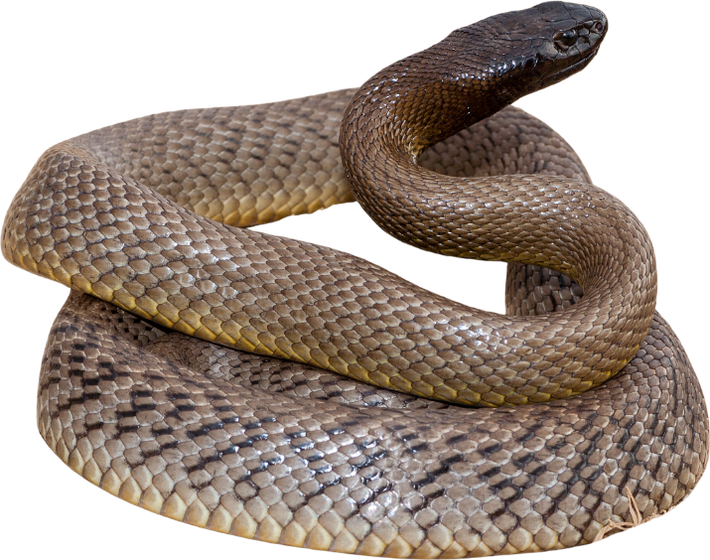
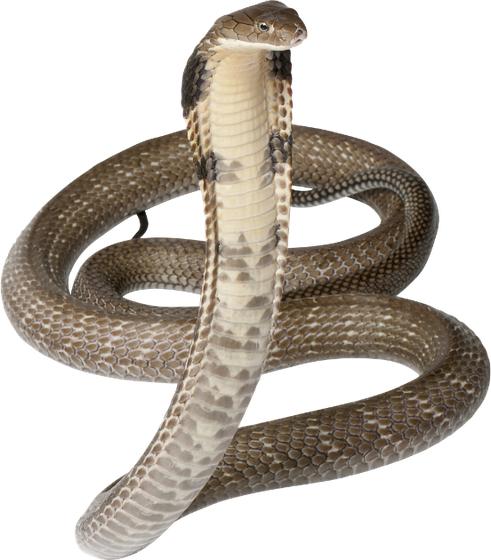
The short answer is the inland taipan, at least among snakes. Indeed, its venom has the lowest LD50 of any snake tested: about 0.025 mg per kg in mice. In other words, just 1 mg of its venom holds roughly 2,000 lethal doses for a 20 g mouse.
So who has the deadliest venom? However, there is a catch. Scientists can only rank venoms fairly when they use the same test. Most snakes were tested the same way, so we can compare them. In contrast, box jellyfish, cone snail and blue-ringed octopus venoms were tested with different methods. As a result, nobody can honestly crown one single most venomous animal across all groups. No one species holds every record.
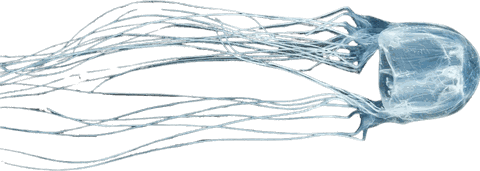
Also, many lists call the box jellyfish the most venomous animal in the world. It is certainly one of the most dangerous. Still, no comparable lab figure exists for it, so I keep it off the snake ladder.
The venom strength ladder: 9 snakes compared like for like
LD50 by injection under the skin in mice (mg/kg). So a smaller number means stronger venom. Also, the second figure shows how many lethal doses for a 20 g mouse fit in 1 mg of venom. Bars use a log scale. Then tap a snake to open its card.
Most venomous vs most dangerous: why they are not the same
Strong venom does not make an animal the deadliest. Lethal venom is only half the story. In fact, the inland taipan snake has no recorded human deaths. Every known bite victim survived. That's because it lives in remote, dry inland Australia, so it rarely meets people.
Meanwhile, snakes with far weaker venom kill tens of thousands every year. The WHO estimates that snakebite kills 81,410 to 137,880 people annually. Most victims live in rural Asia, Africa and Latin America. Out there, hospitals and antivenom can be hours away.
For example, India alone loses about 58,000 people to snakebite each year (Suraweera et al., 2020). Russell's viper, in particular, causes a large share of those bites. Yet its venom is about 30 times weaker than the inland taipan's. Likewise, the saw-scaled viper probably kills more people than any other snake species.
So danger depends on more than potency. It depends on how much venom an animal injects, how often it meets people, and how fast help arrives. Therefore, the tool's second tab sorts animals by their real record with people.
Venomous vs poisonous: the easy rule
Venomous
It injects toxin into you. Fangs, stingers, spines, spurs and even harpoon-like teeth do the job. For example, snakes, spiders, scorpions and cone snails are venomous.
Poisonous
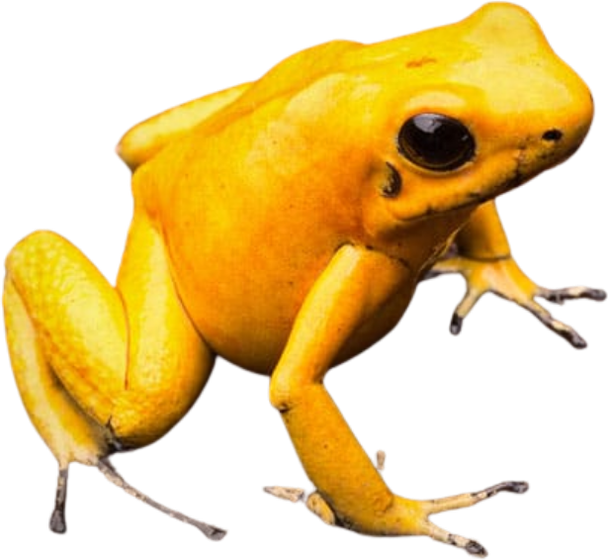
It harms you only when you touch it or eat it. For example, poison dart frogs, pufferfish and corroboree frogs are poisonous. Indeed, the golden poison frog is extremely toxic. One wild frog may carry enough to kill about ten adults (a rough 1978 estimate).
Here is the rule I use: if it bites you and you get sick, it is venomous. However, if you bite it and you get sick, it is poisonous. At the zoo where I worked, we bred dart frogs. Raised on local crickets and larvae, they were not toxic, because wild frogs get their poison from their diet. Even so, we handled them carefully, since their skin is delicate. For the full list, read my guide to the most poisonous animals in the world.
The most venomous animals on Earth, by region
Australia
Australia has a fearsome reputation, and the numbers explain why. In fact, five of the nine snakes on the ladder live in Australia or its waters. On top of that, the country hosts the funnel-web, the box jellyfish, the blue-ringed octopus and the stonefish. Still, deaths are now rare, thanks to antivenom, first aid and fast hospital care.
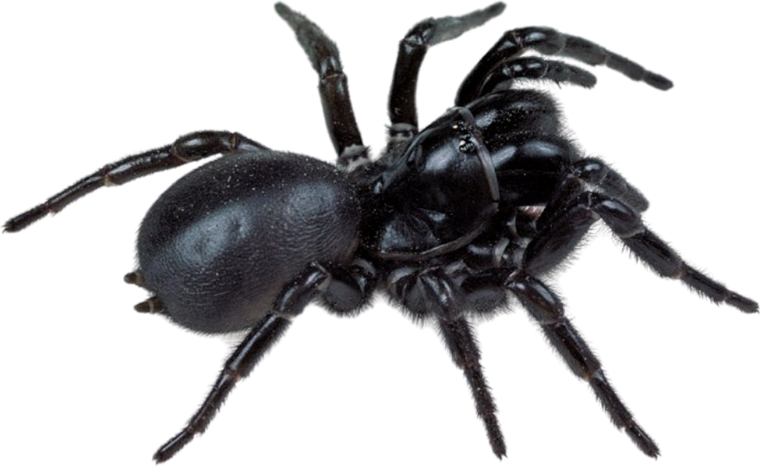
The Sydney funnel-web, for instance, is a good example. It caused 13 recorded deaths, all before antivenom arrived in 1981. Since then, nobody has died from its bite (Isbister et al., 2005). On our Australia lap, other travellers have told us about eastern browns they have seen. So now we always carry a snake-bite kit with pressure bandages. Then learn more in Australia's most dangerous snakes.
The Americas
First, the fer-de-lance causes most snakebite deaths in Central America. Further north, the western diamondback rattlesnake is one of the most familiar venomous snakes. Finally, the Brazilian wandering spider and the black widow round out the list. I have also seen scorpions in the wild in Oaxaca and Baja California, though never a deathstalker. Meanwhile, I fed a Gila monster at the zoo where I worked: pinky mice, every couple of days.
Asia, Africa and the oceans
Asia holds the deadliest snakes for people: Russell's viper, the common krait and the saw-scaled viper. Similarly, Africa adds the black mamba and the boomslang. In the oceans, the geography cone snail and the box jellyfish are the most venomous sea animals. To meet more ocean killers, see the most dangerous sea animals.
More of the world's most venomous animals
Snakes get most of the attention. However, venom has evolved in spiders, fish, lizards, mollusks, insects and even mammals. Here are the stars of each group in my Venom Index.
Venomous spiders
The Sydney funnel-web spider is the most dangerous venomous spider in Australia. Its venom hits primates much harder than dogs or cats. Meanwhile, the Brazilian wandering spider (Phoneutria spp.) has caused about 10 known deaths. That is out of over 7,000 confirmed bites in Brazil. Likewise, the black widow rarely kills: there were no deaths in 23,409 US cases from 2000 to 2008.
Venomous mollusks: cone snails and the blue-ringed octopus
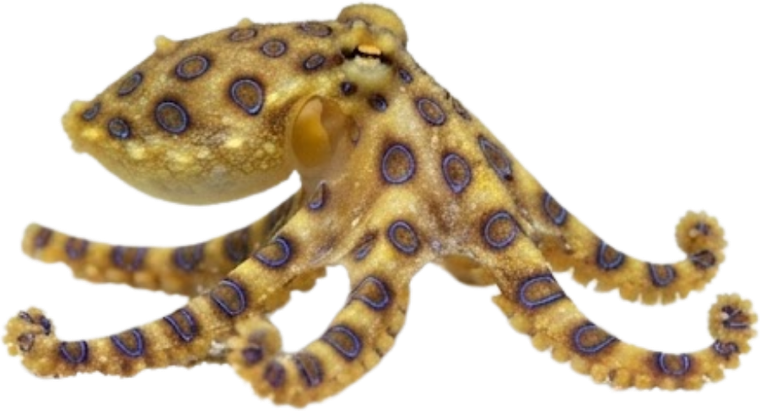
Cone snails hunt with a harpoon-like tooth loaded with venom. Cone snail venom is a complex mix of toxins called conotoxins. The geography cone even releases insulin to slow down nearby fish. Cone snail stings have caused about 36 recorded deaths in 300 years, so other cone snails also deserve respect. Similarly, the blue-ringed octopus (Hapalochlaena spp.) is only about the size of a golf ball. Yet a single bite can cause paralysis and even death, often without any pain. It is the other famous venomous mollusk.
Venomous fish
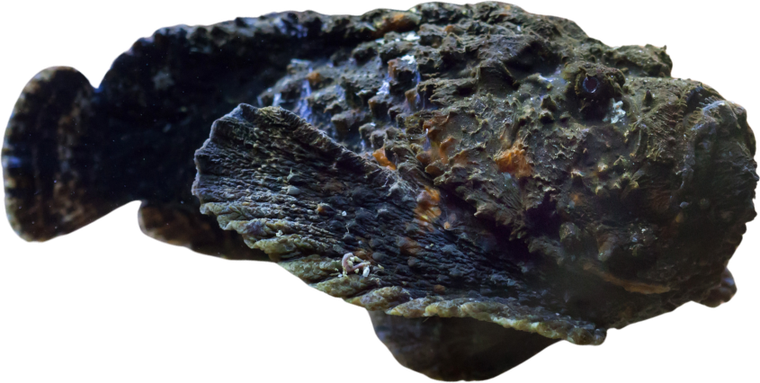
The reef stonefish (Synanceia spp.) is the most venomous fish in the world. Its spines cause excruciating pain when someone steps on it. Also, lionfish and stingrays carry venomous spines. Hot water helps, because heat breaks down these fish venoms.
Venomous lizards
The Gila monster and the Mexican beaded lizard are the classic venomous lizards. Their venom glands sit in the lower jaw. So instead of injecting venom, they chew it in along grooved teeth. I fed a Gila monster at the zoo where I worked: pinky mice, every couple of days.
Venomous mammals
The duck-billed platypus is my favourite venomous mammal. Males carry venomous spurs on their hind legs, and venom production peaks in the breeding season. A sting causes severe pain that ordinary painkillers often fail to treat. In addition, slow lorises are the only venomous primates. A slow loris bite can also trigger a severe allergic reaction. Even the northern short-tailed shrew has venomous saliva.
Venomous insects and scorpions
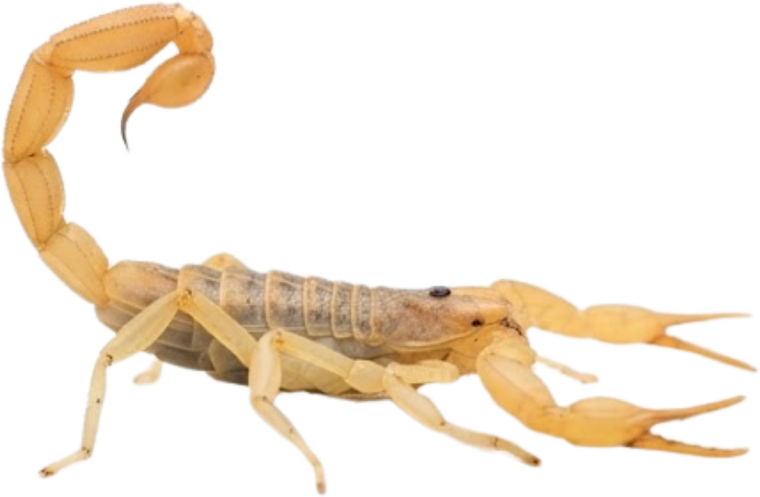
The northern giant hornet and the bullet ant top the list of venomous insects. The bullet ant may have the most painful sting of any venomous insect. A single bee rarely carries enough venom to harm most people, though allergies make stings deadly. Meanwhile, the deathstalker scorpion of North Africa and the Middle East has one of the most potent scorpion venoms.
Top 10 deadliest venomous animals for people
This list ranks animals by their documented record with people, not by lab potency. First come the snakes behind most snakebite deaths, especially in Asia. Then come animals that have killed people, but rarely.
| # | Animal | Where | Human deaths on record |
|---|---|---|---|
| 1 | Saw-scaled viper | Africa, Middle East, South Asia | Probably more than any other snake species; no global total exists |
| 2 | Russell's viper | South and Southeast Asia | One of the main killers among India's ~58,000 snakebite deaths a year (estimate) |
| 3 | Common krait | South Asia | One of India's "Big Four" snakes |
| 4 | Fer-de-lance | Central and South America | Most snakebite deaths in Central America |
| 5 | Black mamba | Sub-Saharan Africa | Deaths occur across its range; no reliable count |
| 6 | Australian box jellyfish | Northern Australia, Indo-Pacific | At least 70 in Australia since 1883 |
| 7 | Eastern brown snake | Eastern Australia | About 1 to 2 a year in Australia (all brown snakes) |
| 8 | Geography cone snail | Indo-Pacific reefs | About 36 recorded deaths in 300 years (all cone snails) |
| 9 | Sydney funnel-web spider | Sydney region | 13, all before 1981; none since |
| 10 | Blue-ringed octopus | Australia, Indo-Pacific | Two (1954 and 1967) |
Numbers 6 to 10 are not in strict order, because their records cover different periods. Also, notice what is missing. Bees, wasps and hornets, for example, kill about 72 people a year in the US. However, almost all of those deaths come from allergy, not venom strength. As a result, the tool puts them in their own group.
How venom works: nerves, blood and pain
Every venom is a cocktail of proteins. Most of them evolved to incapacitate prey fast, while some exist mainly for defence. Few evolved to kill humans. In general, they attack three body systems.
First, neurotoxins target the nervous system. They block nerve signals between nerves and muscles. As a result, the muscles that control breathing stop working, and the victim dies of respiratory failure. Taipans, kraits, cone snails and the blue-ringed octopus work this way.
Second, other venoms attack the blood. Some stop it from clotting, while others destroy red blood cells or crash blood pressure. Box jellyfish venom, for example, can cause cardiac arrest within minutes. Vipers such as Russell's viper also cause severe bleeding.
Finally, many venoms mainly cause pain. Stonefish, bullet ants and the platypus deliver extreme pain without much risk to life. In other words, a toxic bite does not always mean a deadly one. Also, not every bite injects venom, so one bite may be a harmless dry bite.
First aid for venomous bites and stings
After any venomous bite or sting, get help first and treat second.
Apply a broad pressure bandage over the whole limb, then splint it. Keep the person still. Don't wash the bite, because hospitals may test it.
Start CPR if needed. Pour vinegar on the sting for at least 30 seconds, then remove the tentacles.
Soak the wound in hot water, about 45°C. However, test the water first on an unaffected limb.
Keep still, immobilise the limb and remove rings. Also, never use a tourniquet, cut the bite or suck it. Then get to hospital fast.
Remember, antivenom is only given in hospital. Instead, pressure bandages simply buy time by slowing the venom's spread.
Venom as medicine
Venom kills, but it also heals. In fact, it evolved at least 101 separate times in animals (Schendel et al., 2019). Because each venom targets the body so precisely, scientists use it as a blueprint for drugs.
- ExenatideCopies a peptide from Gila monster venom. It treats type 2 diabetes.Approved by the FDA in 2005
- TirofibanModelled on echistatin, a saw-scaled viper protein. It stops dangerous blood clots.Approved drug
- ZiconotideComes from the magician's cone snail. It is a non-opioid painkiller for severe chronic pain.Approved drug
Meanwhile, labs are testing funnel-web, platypus and shrew venoms for heart attack, diabetes and cancer. For example, a shrew venom peptide has shrunk ovarian cancer tumours in mice. You can also find each one on the animal cards in the tool.
Love wild animal facts?
My printable infographic guides pack hundreds of pages of fact-checked facts, maps and charts. So they suit curious kids, classrooms and nature lovers.
Frequently asked questions
What is the world's most venomous animal?
Among snakes, the inland taipan has the strongest venom ever tested, at about 0.025 mg/kg in mice. Across all animals, there is no fair single winner. Box jellyfish and cone snail venoms were tested in different ways, so their figures can't be compared.
What is the most venomous snake in the world?
The inland taipan of central Australia. Meanwhile, the eastern brown snake comes second in the same test. Still, neither is the deadliest snake for people. That title probably belongs to the saw-scaled viper.
Which venomous animal kills the most people?
Snakes, by far. Indeed, the WHO estimates 81,410 to 137,880 snakebite deaths a year. Vipers such as the saw-scaled viper and Russell's viper cause a large share.
What is the most venomous animal in Australia?
The inland taipan, which has the most potent venom of any snake tested. Yet it has no recorded human deaths. Instead, the eastern brown snake causes most of Australia's snakebite deaths.
What is the difference between venomous and poisonous?
Venomous animals inject their toxin through a bite or sting. Poisonous animals harm you only when you touch or eat them, like poison dart frogs and pufferfish.
What is the most venomous sea animal?
The Australian box jellyfish and the geography cone snail are the usual contenders. However, neither has a venom figure that compares fairly with the snakes. Both have killed people, but deaths are now rare.
More to explore
References
Isbister, G. K., Gray, M. R., Balit, C. R., Raven, R. J., Stokes, B. J., Porges, K., Tankel, A. S., Turner, E., White, J., & Fisher, M. M. (2005). Funnel-web spider bite: A systematic review of recorded clinical cases. Medical Journal of Australia, 182(8), 407–411. https://doi.org/10.5694/j.1326-5377.2005.tb06760.x
Schendel, V., Rash, L. D., Jenner, R. A., & Undheim, E. A. B. (2019). The diversity of venom: The importance of behavior and venom system morphology in understanding its ecology and evolution. Toxins, 11(11), 666. https://doi.org/10.3390/toxins11110666
Suraweera, W., Warrell, D., Whitaker, R., Menon, G., Rodrigues, R., Fu, S. H., Begum, R., Sati, P., Piyasena, K., Bhatia, M., Brown, P., & Jha, P. (2020). Trends in snakebite deaths in India from 2000 to 2019 in a nationally representative mortality study. eLife, 9, e54076. https://doi.org/10.7554/eLife.54076



