The ocean hides remarkable beauty beneath shimmering waves. However, danger lurks in unexpected forms throughout the Pacific and Indian Oceans. As a biologist who has spent years exploring marine life, I’ve witnessed some of nature’s most fascinating venomous fish species.
My journey has taken me through crystal-clear waters from Ko Lipeh in Thailand to Malaysia’s rugged coastlines. I’ve dived among Komodo’s prehistoric landscapes, explored Coron’s stunning wrecks in the Philippines, and snorkeled Bali’s lush reefs in Indonesia. During these adventures, I encountered legendary inhabitants including flamboyant lionfish, cryptic puffer fish, and formidable moray eels.
There’s a unique thrill in being inches away from venomous fish. It combines adrenaline with deep respect. While poisonous fish might seem scary, these animals rarely show aggressive behavior. They use their toxins primarily for defense. Understanding them keeps you safe while deepening your appreciation for the evolutionary arms race happening in our oceans.
Venom vs. Poison: Understanding the Difference
In the world of poisonous and dangerous ocean animals, terminology matters. Many people confuse these two terms.
Venomous creatures inject their toxins. Think of fish with venomous spines or snake fangs. If it stings or bites you, it’s venomous. The venom enters your body through injection.
Poisonous creatures are toxic when ingested or touched. A puffer fish is a classic poisonous sea creature. Eating it can be fatal. The poison affects you through consumption.
The simple rule: If you bite it and you die, it’s poisonous. If it bites you and you die, it’s venomous.
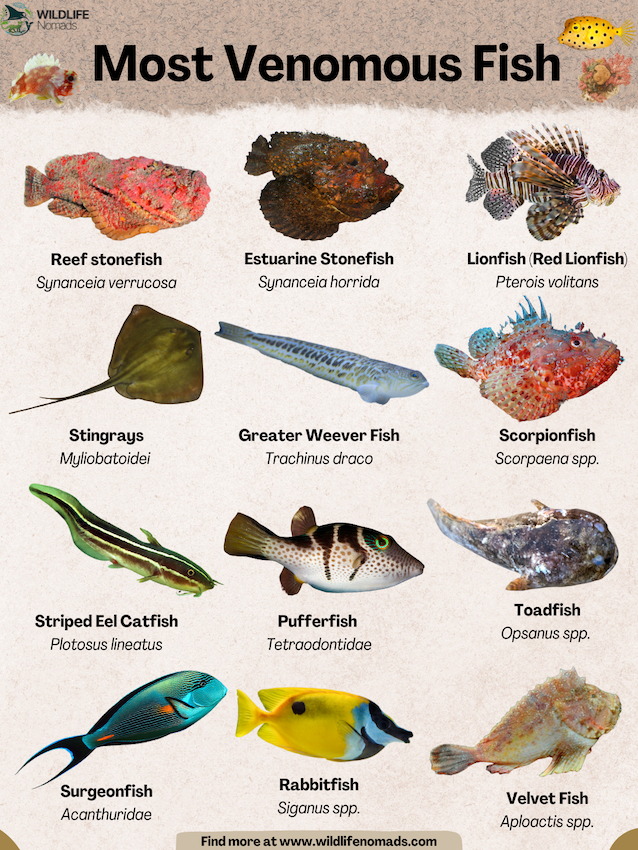
The 12 Most Venomous and Dangerous Fish in the World
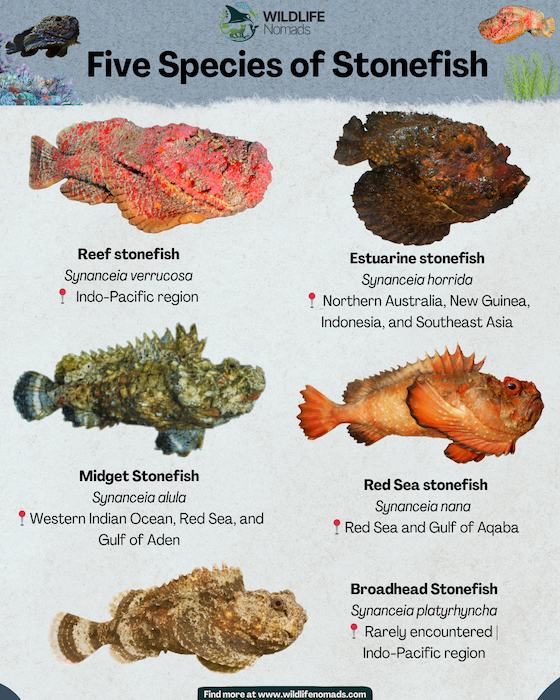
1. Reef Stonefish (Synanceia verrucosa) – The Most Venomous Known Fish
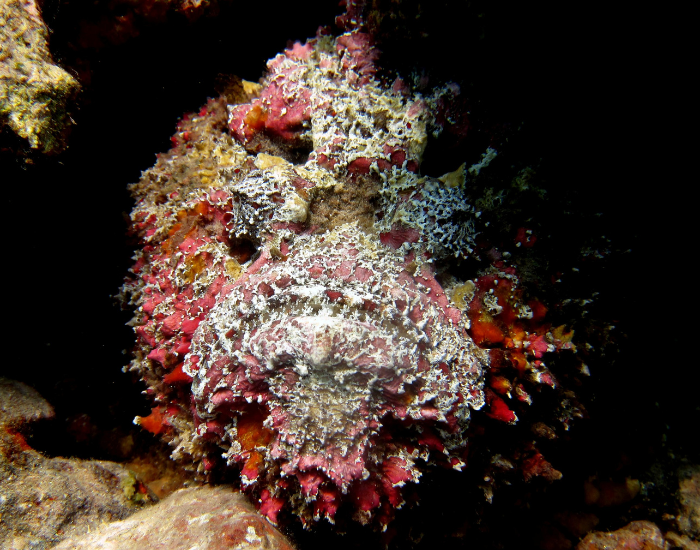
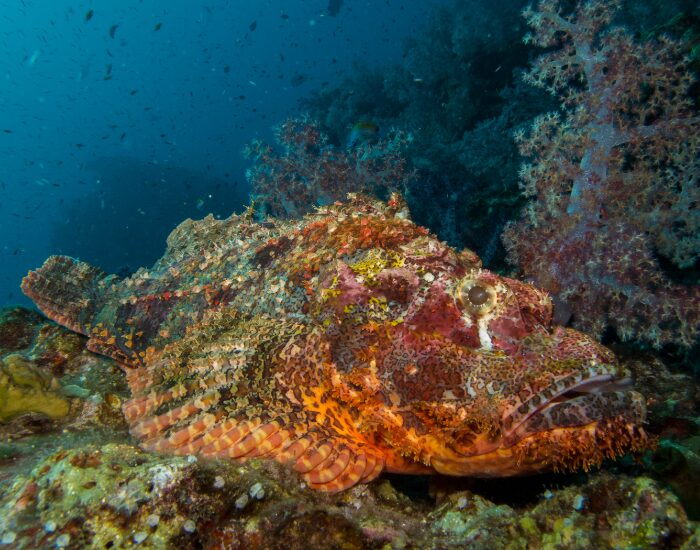
The reef stonefish is widely considered the most venomous fish in the world. Found throughout the Indo-Pacific region, these masters of disguise look exactly like an encrusted rock or coral reef.
They possess 13 dorsal spines along their back. When stepped on, these spines act like hypodermic needles, injecting potent neurotoxin. The pain is described as intensely painful and excruciating. Without treatment, it can lead to heart failure.
Stonefish antivenom, developed in 1959, has reduced the likelihood of death. However, many people still suffer stonefish stings every year. Hot water immersion can help denature the venom, but medical treatment should be sought immediately.
Habitat: Coral reefs, rocky seabeds, and shallow waters across tropical waters of the Indo-Pacific.
Key Danger: Nearly invisible due to remarkable ability to camouflage. Can survive out of water for up to 24 hours. Their dorsal fin spines inject venom under pressure.

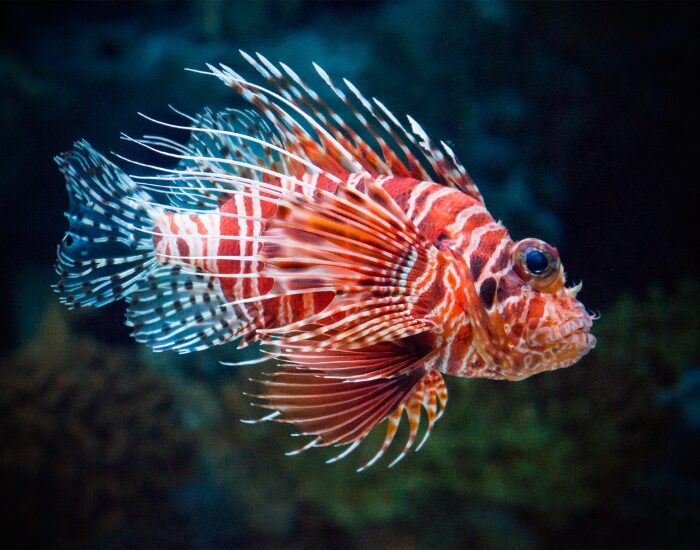
2. Red Lionfish (Pterois volitans) – Beautiful but Deadly
The red lionfish is as beautiful as it is dangerous. With flowing, fan-like fins and elongated dorsal fin spines, it’s a favorite in the aquarium trade. However, those elegant rays hide potent lionfish venom that can be injected through the dorsal fin spines, causing intense pain, vomiting, and respiratory distress. Lionfish are venomous fish native to the Indo-Pacific region.
In the Atlantic and Caribbean Sea, they are a major invasive species, especially in Florida and the Caribbean. The red lionfish is native to South Pacific reef ecosystems and has become an invasive species in other regions. They devastate local reef populations because they have few natural predators. Their ability to release venom through venomous spines makes them one of the most well-known venomous fish species.
Habitat: Indo-Pacific region (native), South Pacific reef ecosystems (native for red lionfish), Caribbean Sea (invasive species), tropical and subtropical waters worldwide.
Key Danger: Multiple venomous spines on dorsal and pectoral fins. Can cause severe pain and systemic symptoms.
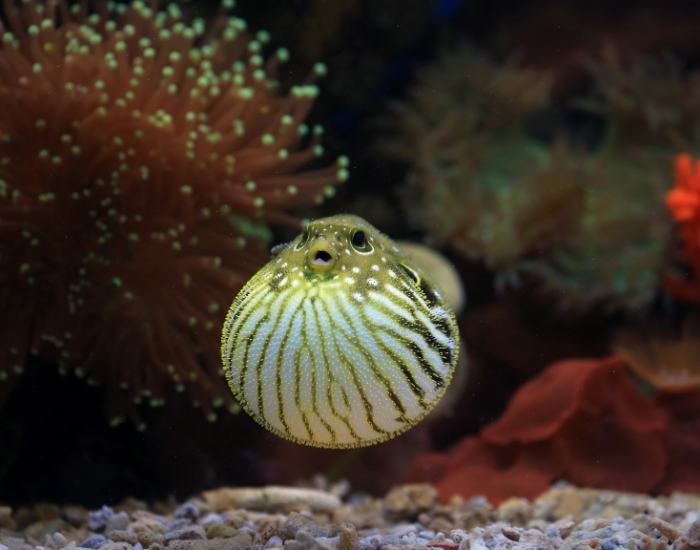
3. Puffer Fish (Tetraodontidae) – Famous Deadly Fish
While not “venomous” in the traditional sense, the puffer fish is a legendary poisonous fish. Most species contain tetrodotoxin, a deadly neurotoxin. Tetrodotoxin is approximately 1,200 times more poisonous than cyanide.
One puffer fish carries enough toxin to kill 30 adult humans, and there is no known antidote. In Japan, the meat (fugu) is considered a delicacy. However, only licensed chefs can prepare it. They must ensure the toxic internal organs are removed to prevent respiratory failure.
Habitat: Tropical and subtropical waters worldwide, some in brackish and even fresh water.
Key Danger: Tetrodotoxin in internal organs (liver, ovaries) causes paralysis and death. Improper preparation leads to fatal poisoning.
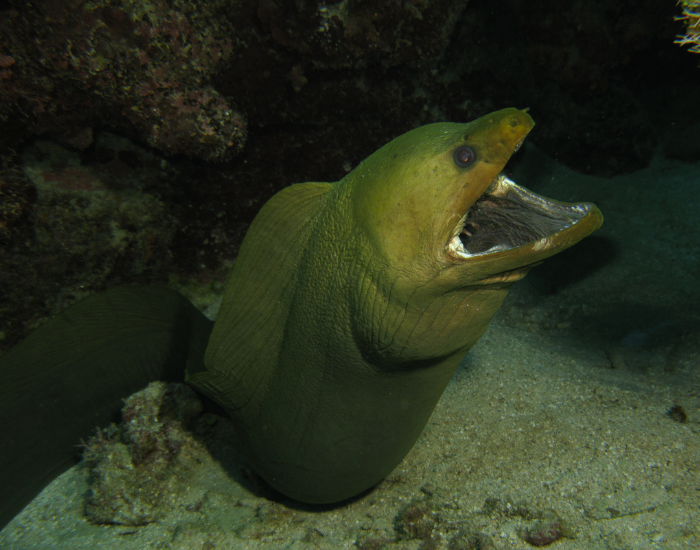
4. Moray Eel (Muraenidae) – Slender but Deadly Predator
During my time in Komodo, I saw many moray eels peeking from crevices. While they don’t have traditional venomous spines, their bite is serious. Recent research suggests some species have toxic mucus or toxins in their saliva. This can cause prolonged pain and severe injuries.
They aren’t strictly “venomous vertebrate” by definition, but they are certainly dangerous fish to avoid. Their sharp teeth and powerful bite can grow up to 3 meters in length in tropical waters.
Habitat: Coral reefs and coastal regions worldwide, especially around the world in tropical waters.
Key Danger: Sharp teeth, powerful bite, and potentially toxic saliva cause tissue damage and infection.
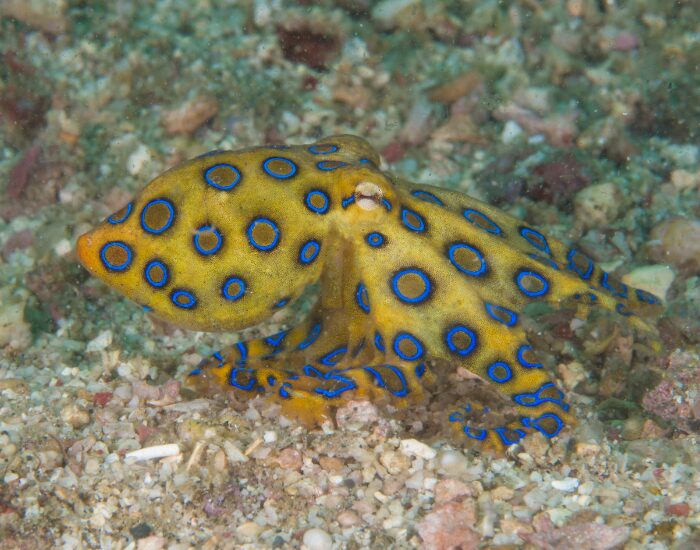
5. Blue-Ringed Octopus (Hapalochlaena) – Tiny but Fatal
Though not a fish, this cephalopod shares habitats with venomous fish in Southeast Asia. It’s small enough to fit in your palm. However, its bite contains tetrodotoxin, the same toxin found in puffer fish. There is no known antidote, making it one of the most poisonous and toxic sea creatures on Earth.
A single bite from this small animal can cause respiratory failure and even death within minutes if medical treatment isn’t sought.
Habitat: Shallow waters, coral reefs, and tidal pools in the Indo-Pacific.
Key Danger: Despite small size, delivers fatal dose of tetrodotoxin through bite.
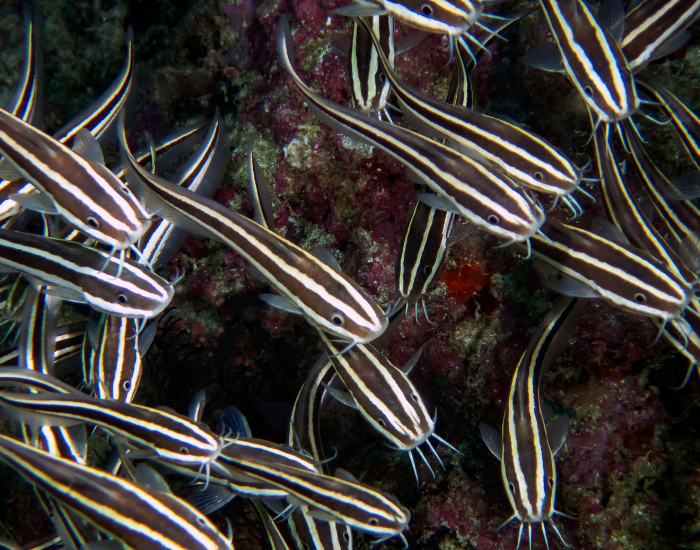
6. Striped Eel Catfish (Plotosus lineatus) – Fish That Sting
Found in schools in places like the Philippines, these look like harmless catfish. However, they are fish that sting. They have highly venomous spines on their dorsal and pectoral fins. A sting can cause localized necrosis and extreme pain.
They’re commonly found in coastal regions and shallow waters throughout the Indo-Pacific region. Their venomous fin spines make them dangerous to handle.
Habitat: Coastal waters and estuaries in the Indo-Pacific.
Key Danger: Venomous spines cause severe pain and tissue death.
7. Estuarine Stonefish (Synanceia horrida) – The Shallow Water Threat
A close relative of the reef stonefish, this species prefers murky estuaries and mudflats. Like its cousin, it’s a poisonous fish with spikes that are incredibly difficult to see.
It’s a reminder that even in shallow, safe-looking water, a venomous fish could be hiding. Their potent venom rivals that of the reef stonefish, making them equally dangerous.
Habitat: Estuaries, mudflats, and shallow coastal waters.
Key Danger: Excellent camouflage in murky water. Venomous dorsal spines inject powerful toxin.
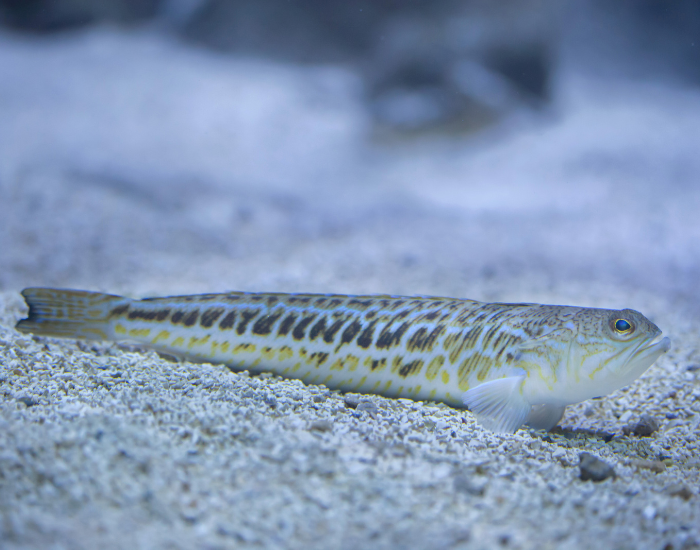
8. Greater Weever Fish (Trachinus draco) – One of Europe’s Most Painful Fish Stings
The greater weever fish is one of the most notorious venomous fish in Europe, responsible for thousands of painful stings every year. Unlike flashy reef species, it’s a master of concealment, spending most of its time buried in sand with only its eyes and dorsal fin exposed.
When stepped on or disturbed, the weever erects sharp dorsal fin spines and gill-cover spines that inject venom directly into the wound. The sting causes immediate, intense pain, often described as burning or crushing, and can lead to swelling, numbness, fever, and temporary tissue damage. While rarely fatal, the pain can be severe enough to require medical treatment.
Hot water immersion is the standard first aid, as the venom is heat-labile, but severe cases may involve prolonged pain lasting days or even weeks.
Habitat: Sandy and muddy seabeds in shallow coastal waters of the eastern Atlantic, Mediterranean, and North Sea.
Key Danger: Venomous dorsal and opercular spines cause extreme pain when accidentally stepped on. Highly camouflaged and easy to miss in shallow water.
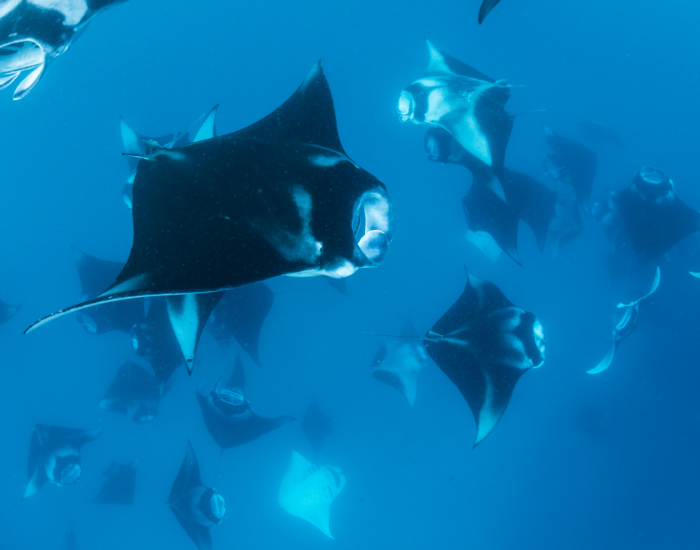
9. Stingray (Myliobatoidei) – The Peaceful Giant with a Deadly Defense
Most of us remember the tragic death of Steve Irwin. Stingrays are generally peaceful animals. However, they have one or more serrated venomous spines on their tails.
When stepped on or feel threatened, they whip their tail upward. This causes deep, painful wounds. The venomous barbs can inject venom and cause severe pain, requiring immediate medical attention.
Habitat: Coastal waters, estuaries, and ocean floors worldwide.
Key Danger: Defensive tail whip with venomous barbs causes deep puncture wounds.

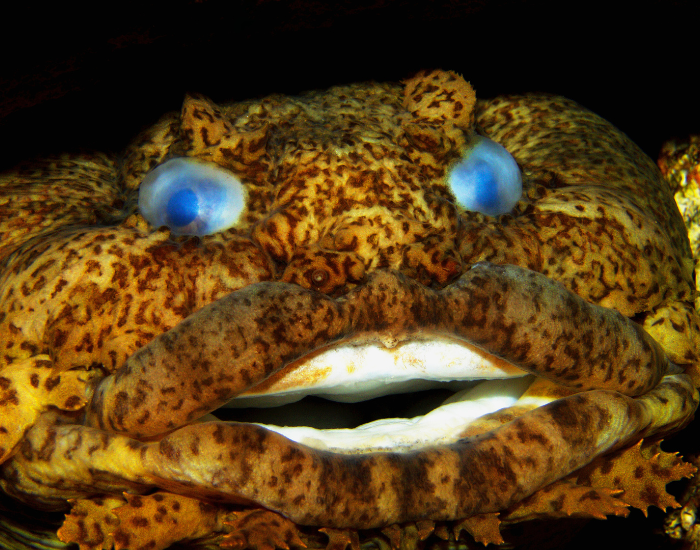
10. Toadfish (Batrachoididae) – The Singing Fish with Venom
Commonly found in coastal waters, toadfishes are poisonous fishes known for their vocalizations and hollow venomous spines. These spines are on the dorsal fin and gill covers.
The venom causes severe pain but is rarely fatal to humans. However, hot water immersion and medical treatment are recommended after a sting.
Habitat: Coastal waters and shallow waters worldwide.
Key Danger: Hollow venomous spines in dorsal fin cause painful stings.
11. Scorpionfish (Scorpaenidae) – Masters of Camouflage
Closely related to the stonefish and lionfish, the scorpionfish is another master of disguise. They are frequently encountered by divers in Bali and Malaysia. Their fish with venomous spines can cause severe swelling, intense pain, and systemic reactions.
Their remarkable ability to blend with coral reefs makes such encounters common. They’re well-known venomous fish among divers worldwide.
Habitat: Coral reefs, rocky seabeds in tropical and subtropical waters.
Key Danger: Multiple venomous spines, excellent camouflage causes accidental contact.
12. Surgeonfish (Acanthuridae) – The Unexpected Danger
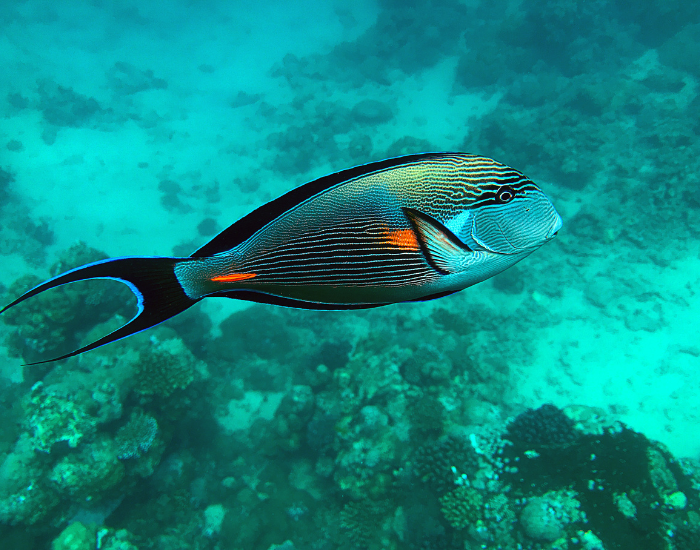
Wait, the colorful Dory? Yes. Surgeonfish have “scalpels” near the base of their tail. While not all are venomous, many species have these razor-sharp blades covered in toxic mucus. This makes them fish that sting if handled carelessly.
Their anal fins and sharp blades can deliver painful stings. Therefore, they deserve respect despite their colorful appearance.
Habitat: Coral reefs in tropical waters around the world.
Key Danger: Sharp, blade-like spines near tail base coated with toxic mucus.
FAQs about Venomous Fish
The reef stonefish is widely cited as having the most potent venom of any fish species. Its dorsal spines can inject neurotoxins that cause excruciating pain and potentially fatal outcomes without treatment. Preventing contact with venomous fish is the most effective safety measure.
Yes, lionfish and certain scorpionfish are popular in saltwater aquariums. However, they require expert handling and proper safety precautions. Only experienced aquarium enthusiasts should attempt keeping venomous species.
The sting of a stonefish is often described as the most intense pain a human can experience from a marine animal. The pain is immediate, severe, and can last for hours without treatment. The sting from many venomous fish is a painful sting that may also cause tissue damage.
Immerse the affected area in hot water, seek immediate medical help, and remain calm. Medical treatment may include antivenom administration and pain management. In severe cases, urgent medical intervention may be required, including ventilator support or anti-venom. Venom from these fish can cause systemic effects including paralysis, tissue death, and cardiovascular issues.
Most venomous fish have hollow or grooved spines connected to venom glands. When pressure is applied to the spine, venom is injected into the puncture wound. Fang Blennies are one species that inject venom via hollow, enlarged lower canine fangs, which can induce dizziness or lower blood pressure in competitors.
No. These animals rarely show aggressive behavior toward humans. They use their venom primarily for defense against predators. Most stings occur when humans accidentally step on or handle them.
Respect the Deep
Exploring underwater worlds of Ko Lipeh, Komodo, and Coron has taught me that the ocean is a place of balance. These most venomous fish species have evolved remarkable abilities for survival. From potent venom to excellent camouflage, each adaptation serves a purpose.
The reef stonefish remains the most venomous known fish, with neurotoxins powerful enough to cause death. The puffer fish carries tetrodotoxin 1,200 times deadlier than cyanide. The lionfish spreads as an invasive species across the Caribbean Sea. Each species presents unique dangers.
Yet these dangerous fish deserve our respect and distance, not our fear. That’s why understanding their behavior, habitats, and warning signs, is important so we can safely enjoy tropical waters. Whether you’re diving coral reefs in the Indo-Pacific region or wading through shallow coastal waters, awareness keeps you safe.
Remember: These poisonous ocean animals use their venomous spines and toxins for defense. They don’t attack humans unprovoked. With proper precautions and respect for marine life, you can explore the incredible diversity of fish species our oceans offer.
The next time you encounter venomous fish, appreciate their evolutionary mastery. These ancient survivors have perfected their craft over millions of years. They remind us that beauty and danger often exist side by side in the natural world.