
Last year, a video went viral in Australia showing a young man reaching under a rock and proudly lifting out a stonefish, fully aware of what it was. The clip sparked waves of disbelief online, not because he misidentified it, but because he handled one of the most venomous fish on Earth with his bare hands. Watching it made me cringe. As a biologist I understood that while Miller knew exactly what he was doing, most viewers wouldn’t, and that’s the problem. Even experts agree it sends the wrong message: curiosity shouldn’t come at the cost of safety or respect. Encounters like this remind us of an essential rule in wildlife observation…. look, don’t touch.
This article dives deep into the world of stonefish. You’ll learn where they live, how they hunt, why their sting is so deadly, and how to stay safe. Beyond the shock factor, these animals are fascinating examples of camouflage, adaptation, and marine evolution.
1. The Stone Fish Is the Most Venomous Fish in the World
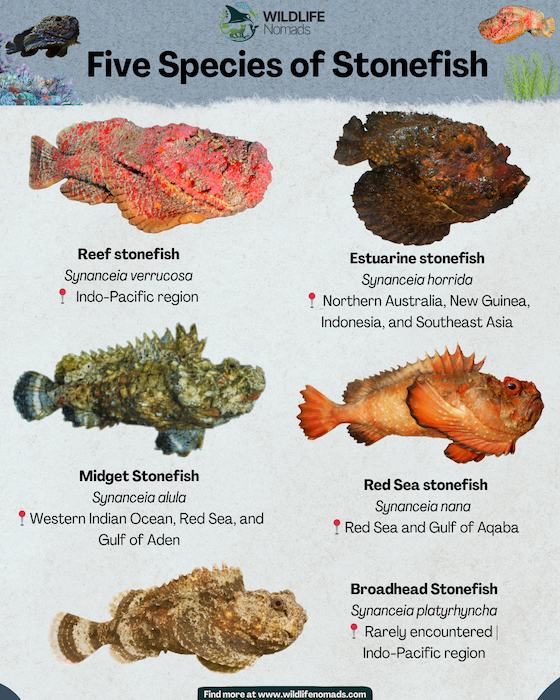
The stone fish (genus Synanceia) holds the title of the most venomous fish in the ocean. Found mainly in the Indo-Pacific region, its venom is potent enough to kill an adult human within hours if left untreated. The reef stonefish (Synanceia verrucosa) and the estuarine stonefish (Synanceia horrida) are among the two species most dangerous to humans.
Their venom contains proteinaceous toxins that can cause excruciating pain, respiratory weakness, and even cardiovascular system collapse. Studies have identified several toxic proteins, including stonustoxin and verrucotoxin, that disrupt heart function and damage muscle tissue.
In addition, the venom affects blood pressure almost immediately. Therefore, medical attention must be sought without delay when stings occur.

2. They Belong to the Synanceiidae Family — Experts of Disguise
Stonefish belong to the family Synanceiidae within the order Scorpaeniformes. This order also includes lionfish and scorpionfish, all known for their venomous spines. What makes stonefish stand out is their incredible camouflage ability.
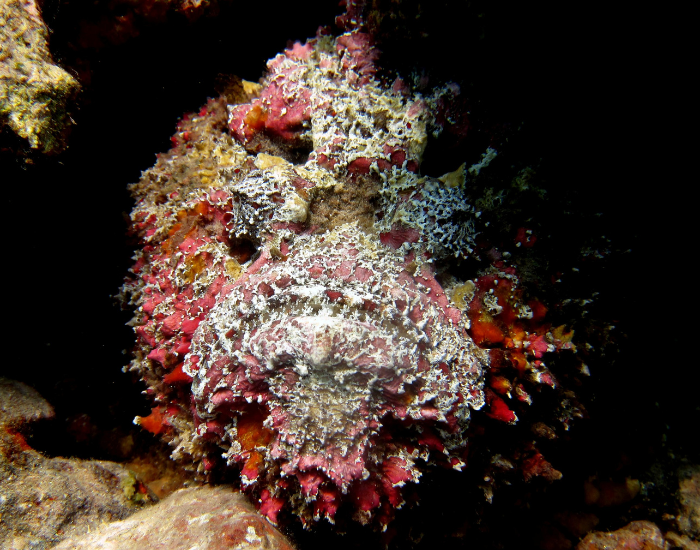
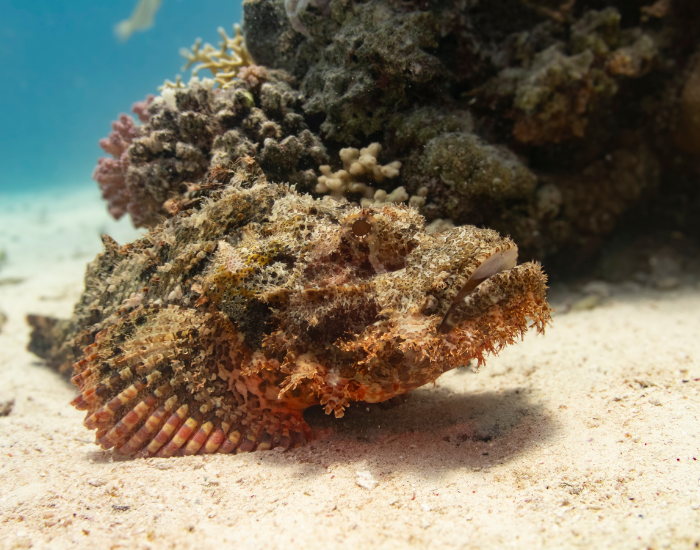
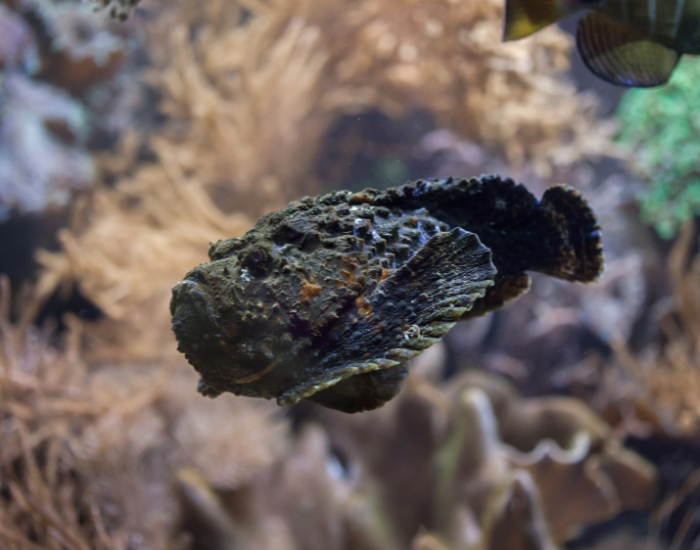
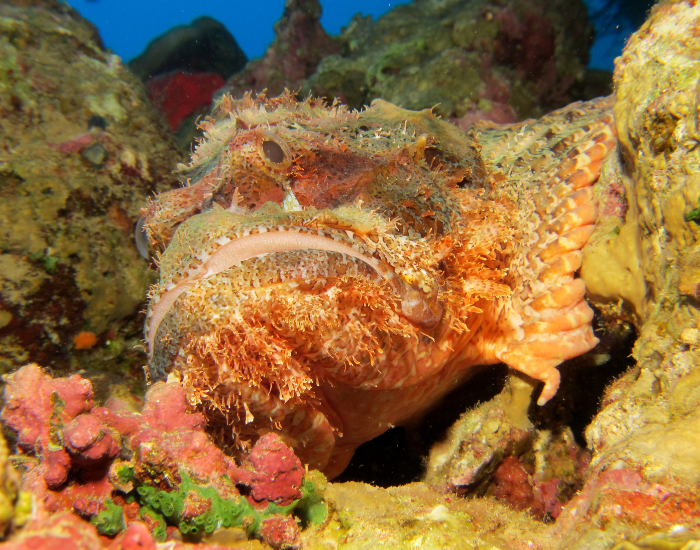
They mimic rocks, coral rubble, and even algae-covered stones on the seafloor. Their mottled skin tones vary from grey to brown to orange, making them almost invisible among reef fishes and coral reefs. This ability to disappear in plain sight makes them extremely dangerous to swimmers who inadvertently step on them.
Moreover, stonefish can remain motionless for hours. Consequently, even experienced divers sometimes fail to spot them until it’s too late.
3. They Have 13 Dorsal Spines Armed with Venom
Each stonefish has 13 sharp dorsal spines connected to venom glands making them one of the most toxic animals in the world. When pressure is applied, such as when a diver or beachgoer inadvertently steps on it, the spines inject venom directly into puncture wounds. The pain is often described as intense, burning, and radiating from the wound site.
Swelling follows immediately, accompanied by tissue damage and occasionally respiratory paralysis. In severe cases, victims can experience cardiovascular failure or death if untreated. The Australian Institute of Marine Science warns that immediate first aid is critical.
Hot water immersion at approximately 45°C (113°F) can help denature the protein-based toxins. This relieves pain significantly before antivenom is administered.

4. Stonefish Venom Is One of the Deadliest in the Animal Kingdom
The stonefish venom is a biochemical cocktail containing neurotoxins, cytotoxins, and myotoxins. These substances disrupt cell membranes, cause tissue necrosis, and lead to intense pain within seconds of envenomation.
Laboratory studies have shown that the venom’s effects are dose-dependent. In other words, the more spines that puncture the skin, the worse the symptoms become. According to research, even small doses can trigger respiratory distress and shock.
Interestingly, despite its lethal nature, stonefish venom has become a research interest in pharmacology. Scientists are exploring its potential for developing new painkillers and cardiovascular drugs that could relieve pain in humans.
5. Stonefish Envenomation Requires Immediate Medical Attention
Stonefish envenomation is a medical emergency that demands swift action. Common symptoms include severe, radiating pain within minutes, rapid swelling and redness around the wound, respiratory weakness, fainting, and potential tissue necrosis near the puncture site.
Treatment protocol:
First, immerse the affected area in hot water (45°C or 113°F) to help relieve pain and inactivate venom proteins. Second, administer stonefish antivenom in severe cases. The Commonwealth Serum Laboratories (CSL) in Australia produces the world’s only stonefish antivenom specifically designed for these envenomation cases.
Third, provide pain relief and wound care to prevent infection or tissue death. Ignoring a sting can prove fatal, especially in remote coastal regions. Therefore, if you ever dive or wade in areas like Northern Australia, Papua New Guinea, or the Persian Gulf, always wear protective footwear.
6. They Are Masters of Ambush Predation
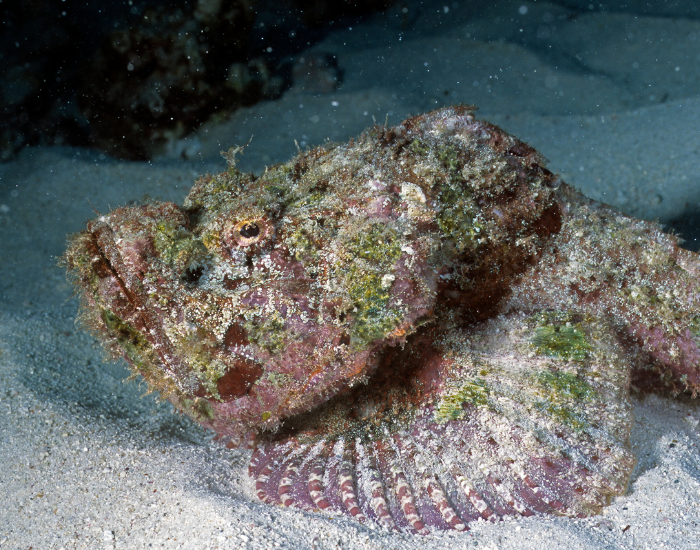
Stonefish are ambush predators that rely entirely on stealth. They remain perfectly still, disguised among rocks or sand, waiting for small fish or crustaceans to pass by. These animals serve as their primary prey, though they’ll consume anything small enough to swallow.
When potential prey comes close enough, they strike in as little as 0.015 seconds. This represents one of the fastest feeding responses in the marine world. Their mouths open wide, creating a vacuum that sucks prey in whole.
They don’t chase their targets. Instead, they wait patiently, conserving energy in environments where food can be scarce. This hunting strategy makes them efficient predators despite their sedentary lifestyle.

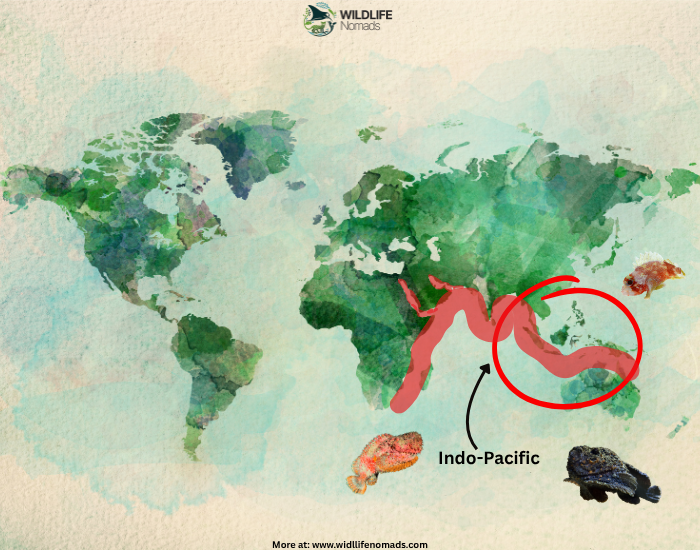
7. Stonefish Are Widely Distributed Across the Indo-Pacific Region
You’ll find stonefish across the Indo-Pacific, from the Red Sea and Persian Gulf to the Great Barrier Reef and coastal regions of Southeast Asia. They prefer shallow, rocky, or muddy bottoms in estuaries and coral reefs where camouflage opportunities abound.
Countries where stonefish are commonly observed:
Australia, particularly Northern Australia and Queensland along the Great Barrier Reef, hosts significant populations. Papua New Guinea’s coral-rich waters provide ideal habitat for these venomous stonefish. Indonesia’s diverse coastal regions support multiple species throughout the Indian Oceans. The Philippines, Japan’s southern islands, and areas around the Persian Gulf and Red Sea all report regular sightings.
There have also been rare reports from Hawaii and even Florida. However, these are usually aquarium releases rather than established wild populations in the Pacific Oceans.
8. Stonefish Are Closely Related to Lionfish and Scorpionfish
The Synanceiidae family shares evolutionary traits with lionfish (family Scorpaenidae) and scorpionfish. Both groups possess venomous spines as defensive mechanisms. However, stonefish take toxicity to a new level that surpasses their relatives.
While lionfish venom causes painful but rarely lethal stings, stonefish venom can cause respiratory paralysis and death. This difference may be due to the concentration of stonustoxin, which directly targets heart muscle and smooth tissue.
Additionally, family Scorpaenidae members display their spines prominently as warnings. In contrast, stonefish hide theirs beneath their camouflage, making accidental contact more likely during swim activities near reefs.

9. The Great Barrier Reef Is a Hotspot for Stonefish Encounters
The Great Barrier Reef is one of the most biodiverse ecosystems on Earth and home to many reef stonefish populations. While snorkeling or exploring during reef fishes observation, visitors sometimes mistake these camouflaged predators for harmless rocks.
Australian hospitals near Cairns and Townsville regularly treat stonefish stings, especially during summer when more people explore tidal flats. Severe cases require immediate transport to medical facilities equipped with antivenom supplies.
Important tip: Always wear reef shoes when walking through shallow water. Avoid touching rocks or coral formations. Never attempt to move objects that look unusual or appear to have eyes watching you.
10. Their Sting Is Excruciating — but Usually Survivable
Yes, you can survive a stonefish sting, provided you receive quick treatment and medical attention. The pain, however, is described by victims as one of the most intense sensations imaginable. Many report it’s worse than jellyfish or stingray stings combined.
Symptoms peak within 60 minutes of envenomation. Survivors report lingering pain, swelling, and even temporary paralysis that can last for days. While death is rare today thanks to modern medicine and available antivenom, severe cases still occur when multiple spines penetrate the skin simultaneously.
Delayed treatment dramatically increases risk. Therefore, anyone experiencing stonefish stings should seek emergency care immediately, even if symptoms initially seem manageable.
11. Stonefish Are Important Members of Reef Ecosystems
It’s tempting to label stonefish as villains of the sea. However, ecologically, they play a crucial role as predators within healthy reef systems. They help control populations of smaller reef fishes and crustaceans, maintaining balance within the delicate coral reef ecosystem.
Their presence also signals healthy, biodiverse habitats where prey is abundant. They thrive in ecosystems rich with shelter opportunities among coral formations. Sadly, pollution and coral degradation threaten their habitats just as they do countless other species living in these environments.
Conservation efforts for coral reefs indirectly protect stonefish populations. In addition, understanding their role helps scientists assess overall reef health in regions like Northern Australia and the Indian Oceans.
12. Respect, Don’t Fear, A Lesson for All Ocean Lovers
That viral video of the tourist lifting a stonefish still echoes an important message about wildlife interaction. Respect must guide our encounters with marine animals. These fish are not aggressive hunters toward humans and don’t chase or attack people swimming nearby.
Almost every sting happens when someone inadvertently steps on or touches them. The pressure applied triggers their defensive response, injecting venom through those 13 dorsal spines.
When we interact with marine life responsibly, we protect both ourselves and the creatures we admire. Education, awareness, and respect go much further than fear in preventing dangerous encounters.
FAQs about Stonefish
You’ll experience immediate, severe pain that radiates from the wound. Swelling develops rapidly, and respiratory distress may occur. Immerse the affected area in hot water immediately and seek medical help fast. Antivenom may be necessary for severe cases.
No. Stonefish are passive animals that rely entirely on camouflage for hunting and defense. Stings occur accidentally when they’re stepped on or touched. They don’t actively pursue or attack swimmers.
Yes, with prompt treatment and medical attention, survival rates are very high. Hot water immersion and antivenom administration significantly improve outcomes. However, untreated stings can be lethal.
They inhabit the Indo-Pacific region extensively. Australia, particularly along the Great Barrier Reef and Northern Australia, hosts large populations. Papua New Guinea, Indonesia, the Philippines, and areas around the Persian Gulf and Red Sea also report regular sightings.
In some Asian cuisines, stonefish are served cooked, as their venom is heat-sensitive and breaks down during cooking. However, preparation is risky and not recommended outside professional settings where chefs understand proper handling.
Always wear protective reef shoes in shallow coastal regions. Avoid stepping on rocks or coral formations. Never touch objects that look unusual. Stay vigilant when exploring tidal pools, especially in areas known for stonefish populations.

Conservation and Curiosity: The Future of Stonefish Research
As climate change and reef degradation reshape marine habitats, understanding these resilient predators could unlock new ecological insights about adaptation.
The order Scorpaeniformes, which includes stonefish, represents millions of years of evolution. Studying how these animals developed such potent defensive mechanisms helps us understand marine biodiversity better.
Ultimately, the stonefish reminds us of the ocean’s paradox. Beauty and danger intertwine throughout coastal regions worldwide. The same reefs that mesmerize us with color and life can also conceal creatures that command our respect.
Learning From the Ocean’s Most Venomous Fish
The stone fish may be the most venomous fish in the ocean, but it’s also a marvel of evolution and adaptation. Its camouflage ability, ambush strategy, and biochemical defenses are products of millions of years of natural selection in the Indo-Pacific region.
Next time you swim along a reef flat or snorkel through a coral lagoon, remember this: not every rock is actually a rock. Some are highly venomous animals waiting motionless for prey. Respecting the wild means admiring from a distance and letting nature be.
If you’re planning to explore coral reefs in Australia, Papua New Guinea, or anywhere in the Indian Oceans, take precautions seriously. Wear appropriate footwear, watch where you step, and never touch unknown objects underwater.
Further Reading
- Deadliest Animals in Australia
- 12 Fascinating Facts About Gulper Eels
- Puffer Fish: 12 Fascinating Facts + 10 Types
- 13 Fascinating Facts About the Angler Fish