During my dives near Holbox Island in the Caribbean and later across Southeast Asia, I frequently encountered puffer fish hovering peacefully among coral heads. Puffer fish are considered scaleless fish, lacking the typical fish scales and often having rough or spiky skin. They seem slow until threatened. In a flash, they inflate into a spiky ball that predators find virtually inedible. Therefore, every encounter reminded me that nature often conceals its deadliest secrets behind disarming appearances.
At first glance, puffer fish (or you may known them as blowfish) appear harmless. Their round bodies and curious eyes create an almost cartoonish appearance. However, behind that innocent (and funny) face swims one of the ocean’s most poisonous creatures. These fish inhabit tropical and subtropical waters worldwide, from Southeast Asia’s coral reefs to South America’s coastal regions. If you ever been snorkeling in the Caribbean, you know what I am talking abaout.
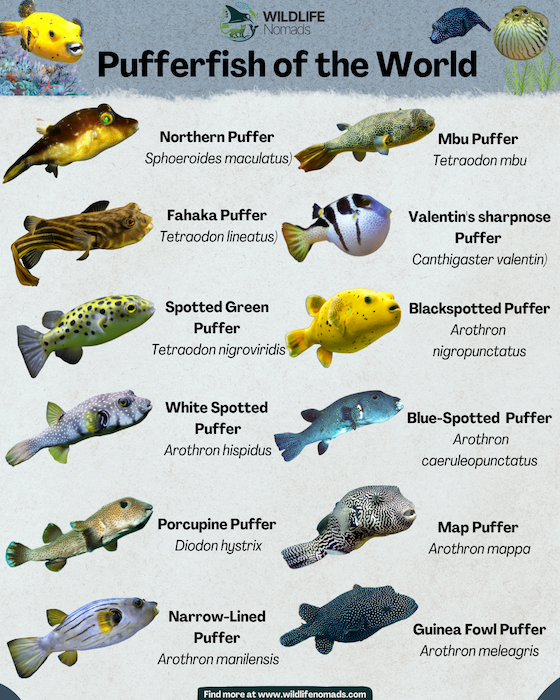
Let’s explore 12 fascinating puffer fish facts and discover 10 remarkable species you can identify in the wild.
12 Fascinating Facts About Puffer Fish
1. Over 200 Pufferfish Species Exist Worldwide
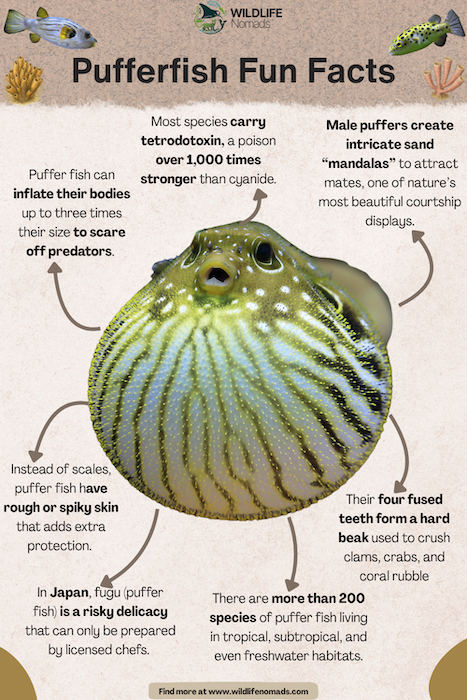
The pufferfish family Tetraodontidae includes more than 200 species of pufferfishes. These fishes live in warm ocean waters, freshwater rivers, and brackish estuaries. Consequently, they vary greatly in color, size, and pattern. Some species, like pygmy puffers, measure just a few centimeters long. In contrast, other pufferfish species exceed two feet in length.
2. Puffer Fish Belong to Order Tetraodontiformes
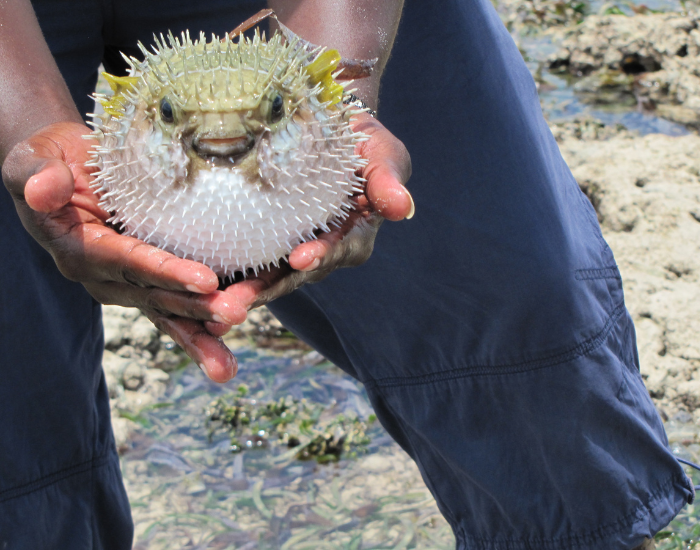
Puffer fish are closely related to porcupine fish and boxfish. They all belong to the order Tetraodontiformes. While puffer fish have relatively smooth skin with spiky skin appearing only when inflated, porcupine fish sport long spines that erect when threatened. Puffer fish also possess hard beaks formed by their fused teeth, which they use to crack open shellfish such as clams and mussels for feeding. Despite these differences, both species share similar defense mechanisms and survival strategies.

3. Inflation Provides the Ultimate Defense
When threatened, puffer fish perform a pufferfish puff by rapidly sucking in water or air, causing their highly elastic stomachs to expand dramatically. This transformation creates a nearly spherical shape that helps intimidate predators, making them appear much larger and more difficult to attack. Most puffers become a virtually inedible ball that predators spit out immediately. However, swimming becomes more difficult for pufferfish when they are inflated, as this ability to puff up requires significant energy and causes stress to the fish.

4. Tetrodotoxin Ranks Among Nature’s Most Deadly Toxins
Many pufferfish species, often referred to as poisonous puffers, contain tetrodotoxin, a powerful neurotoxin and deadly toxin. This poison proves up to 1,200 times more potent than cyanide. The toxin concentrates in their skin, liver, and reproductive organs. Just enough toxin from a few milligrams can paralyze or kill a human. Unfortunately, no known antidote exists for tetrodotoxin poisoning.
5. Fugu Remains a Prized Delicacy in Japan
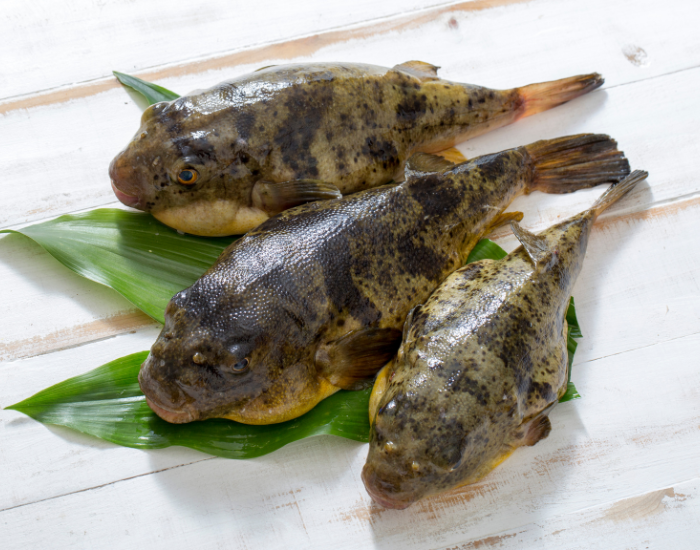
Despite the risks, puffer fish—known as fugu—are eaten as a delicacy in Japan and considered a luxury dish. Eating pufferfish carries significant danger due to their potent toxins, and only licensed chefs can legally prepare this foul tasting delicacy when improperly handled. These trained professionals carefully remove all toxic organs before serving. Diners claim the flavor tastes delicate and slightly sweet. Nevertheless, deaths occur annually from improper fugu preparation.
6. Diverse Puffer Fish Habitat Spans Multiple Ecosystems
Puffer fish habitat includes tropical and subtropical ocean waters across the world’s oceans, including the Mediterranean Sea, Pacific Oceans, Indian Ocean, and Atlantic coasts. Most pufferfish live in marine environments, but some pufferfish live in fresh water and brackish systems. You’ll find these fish in coral reefs, lagoons, and coastal shallows. Some species venture into brackish water environments. Additionally, species like the Mbu puffer and pygmy puffer live entirely in freshwater rivers and lakes across Africa and Southeast Asia.
Many puffers prefer warm water temperatures and thrive in areas rich with crustaceans, mollusks, and algae. They occupy different ecological niches, from sandy seabeds to rocky coral slopes. Some species even survive brief periods out of water by using their ability to inflate to deter land-based predators like seabirds.
7. Four Teeth Form a Powerful Beak
Puffer fish possess four teeth fused together, creating a beak-like structure. This hard beak crushes shells of clams, crabs, and sea urchins with ease. In fact, this specialized beak-like form gives the order Tetraodontiformes its name, which means “four teeth.” The beak continuously grows throughout the fish’s life. Therefore, puffers must regularly eat hard-shelled prey to wear down their beak-like front teeth.
8. Omnivorous Diet Maintains Reef Balance
Depending on the species, puffers eat algae, corals, crustaceans, and smaller fish. Some nibble on sponges and seaweed. Others specifically eat clams and other mollusks. By keeping fast-growing algae in check, these fish play an essential role in maintaining healthy coral reef ecosystems. Their diet includes enough variety to support different habitats.
9. Surprising Intelligence Distinguishes Pufferfish
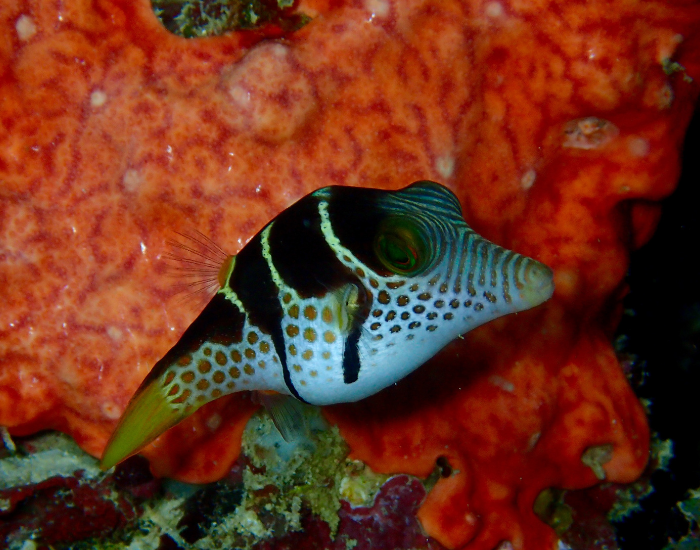
Puffer fish display complex behaviors that indicate high intelligence. They solve problems, explore their surroundings, and even recognize individual divers who visit regularly. In captivity, they quickly learn feeding routines and interact playfully with humans. Many aquarium keepers report that their pet puffers respond to their presence and develop distinct personalities.
10. Male Puffers Create Intricate Underwater Art
In Japan, male white-spotted puffer fish create elaborate sand mandalas exceeding one meter in diameter. These perfect geometric designs attract potential mates and represent wild markings in the sand. Males sculpt these patterns using precise fin movements over several days. This breathtaking courtship display represents remarkable animal creativity.
11. Dead Puffer Fish Remain Dangerously Poisonous
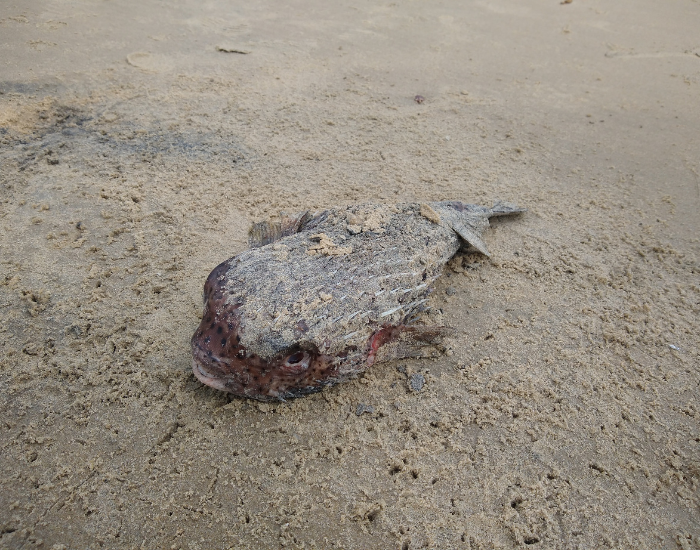
Tetrodotoxin remains potent long after the fish dies. Discarded puffer fish carcasses can poison scavengers, pets, and other animals that consume them. In parts of Southeast Asia, improper handling of dead puffers continues to cause many such deaths. Pet owners should never allow dogs or cats near puffer fish remains. Even dried specimens retain enough poison to cause harm.
12. Pufferfish Face Environmental Threats
Warming seas, coral bleaching, and ocean pollution alter puffer fish habitats significantly. These environmental changes reduce available food sources and destroy critical breeding areas. Overfishing and habitat destruction pose growing threats to pufferfish populations and the ecosystems they depend on.
Now that we’ve explored some of the wild and fascinating facts about puffer fish, let’s meet a few of the species you might actually spot while snorkeling or diving. From tiny freshwater puffers to bold reef dwellers, these fish come in every shape, size, and color imaginable.
10 Remarkable Types of Puffer Fish
Below are ten pufferfish species representing incredible diversity within this family. These species of pufferfish range from freshwater giants to colorful reef dwellers.
1. Northern Puffer (Sphoeroides maculatus)
The northern puffer inhabits Atlantic waters along North America’s coast. Sometimes called “sugar toad,” this species represents one of the few puffers considered relatively non-toxic. It thrives in brackish water bays and coastal shallows. The northern puffer feeds primarily on shellfish and crustaceans. Anglers occasionally catch this species, though most feel lucky to release it safely.
2. Mbu Puffer (Tetraodon mbu)
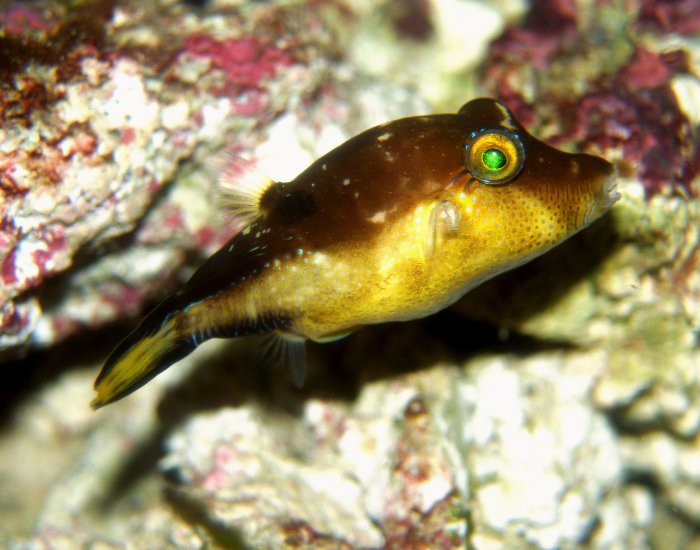
This African giant grows over 60 centimeters long in freshwater rivers and lakes of the Congo Basin. The Mbu puffer displays intricate golden web-like markings across its body. Experienced aquarium keepers prize this species, though it requires large tanks and specialized care. In the wild, Mbu puffers live in river systems where they hunt mollusks and crustaceans.
3. Fahaka Puffer (Tetraodon lineatus)
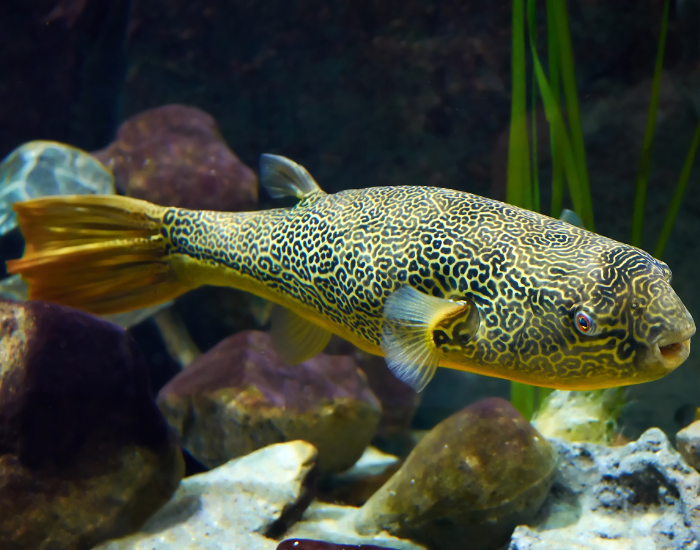
Native to the Nile River and other African rivers, the Fahaka puffer boasts bold horizontal stripes. This freshwater species displays a curious yet territorial personality. Therefore, it often attacks tank mates in captivity. The Fahaka can grow quite large, making it suitable only for experienced fishkeepers. Most puffers in this category require spacious aquariums.
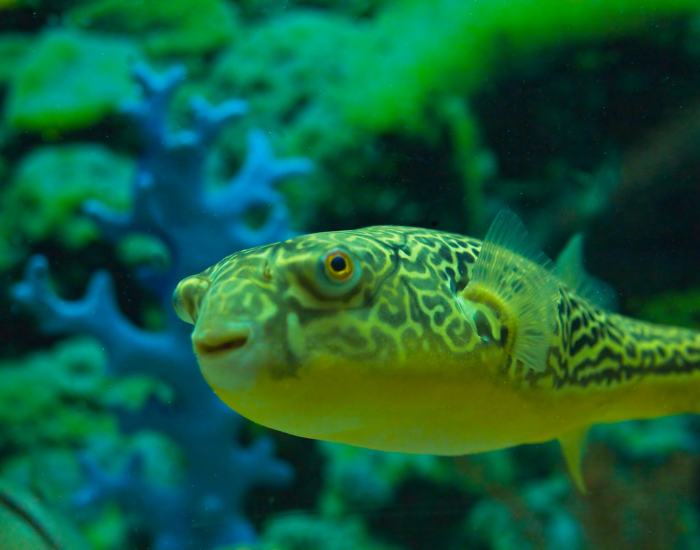
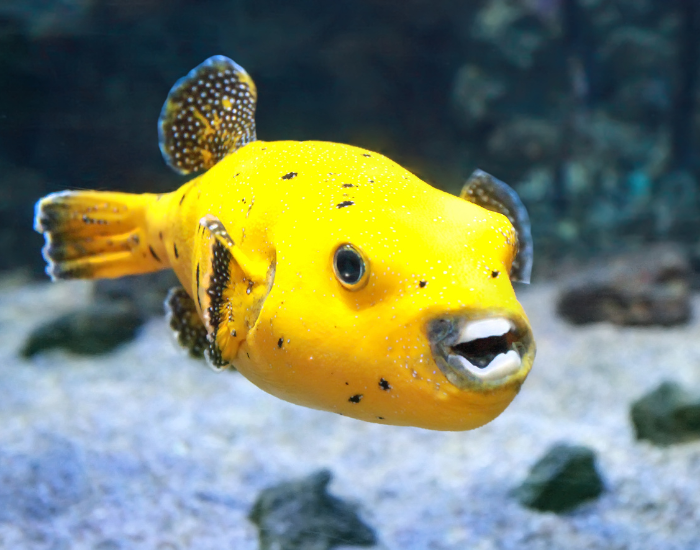
4. Dog-Faced Puffer (Arothron nigropunctatus)
One of the most charismatic marine puffers, this species features expressive eyes and dark facial markings. Found throughout Indo-Pacific coral reefs, the dog-faced puffer attracts underwater photographers and divers. It swims with a distinctive paddling motion using its highly maneuverable fins. This species readily approaches divers, displaying remarkable curiosity.
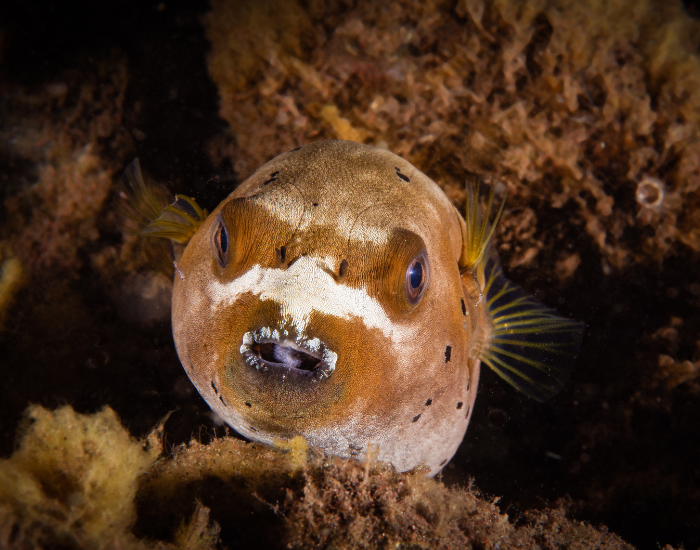
5. Stars and Stripes Puffer (Arothron hispidus)
This large reef dweller showcases dazzling patterns across its body. The stars and stripes puffer patrols lagoons and sandy flats from Hawaii to the Red Sea. Its complex wild markings provide effective camouflage against varied ocean floor backgrounds. Consequently, this species often goes unnoticed despite its size and range in size up to 50 centimeters.
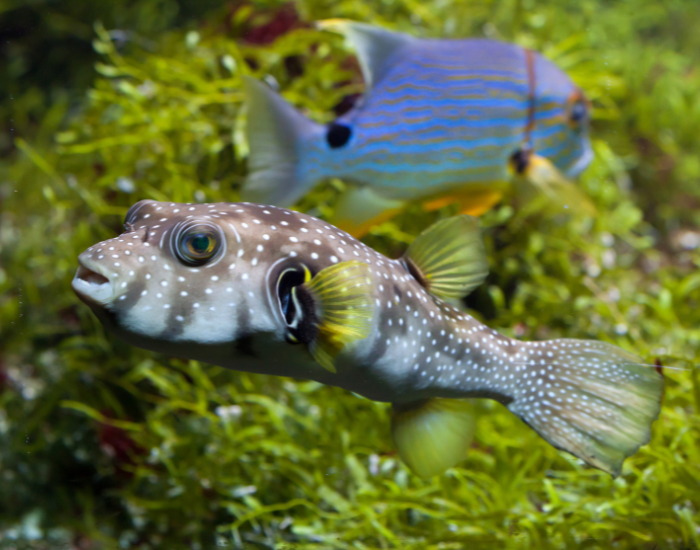
6. Porcupine Puffer (Diodon hystrix)
Though technically belonging to family Diodontidae, the porcupine fish closely resembles true pufferfish. Long spines covering its body erect dramatically when inflated. This species inhabits subtropical waters worldwide and displays curious behavior. Many aquarium enthusiasts keep porcupine fish despite their large adult size. In the wild, they often rest during the day in caves.
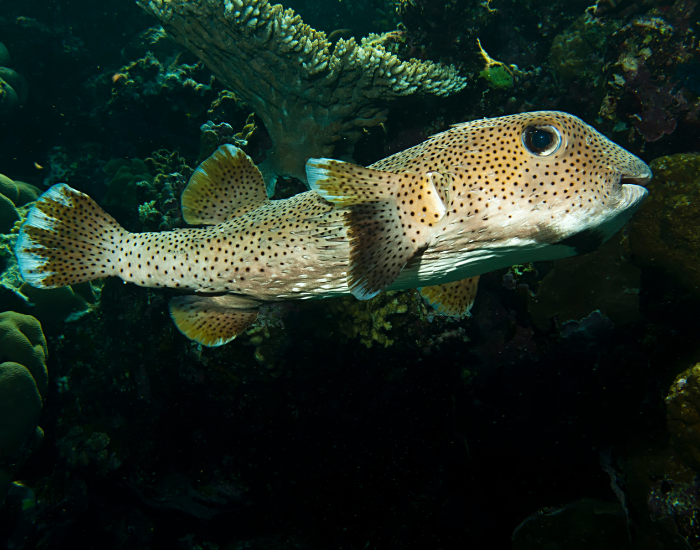
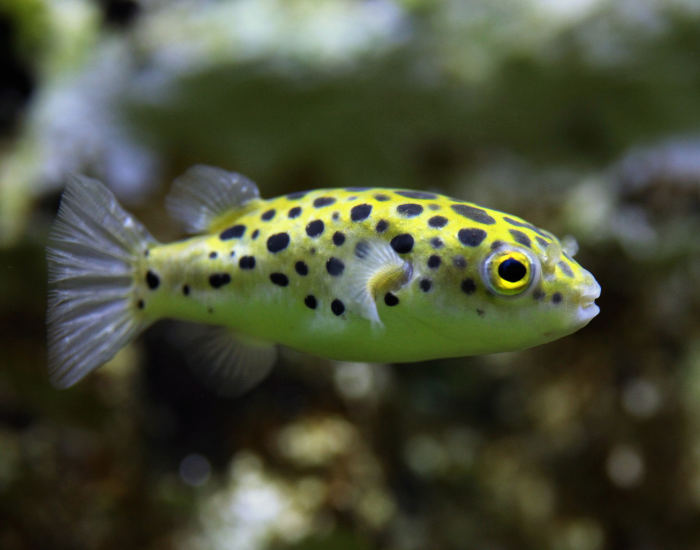
7. Spotted Green Puffer (Tetraodon nigroviridis)
This bright green fish with black spots inhabits brackish water estuaries and mangroves. Its range extends from India to the Philippines and throughout Southeast Asia. The spotted green puffer transitions between saltwater and freshwater as it matures. Therefore, this species demonstrates remarkable adaptability. Many aquarium hobbyists keep this species in brackish water conditions.
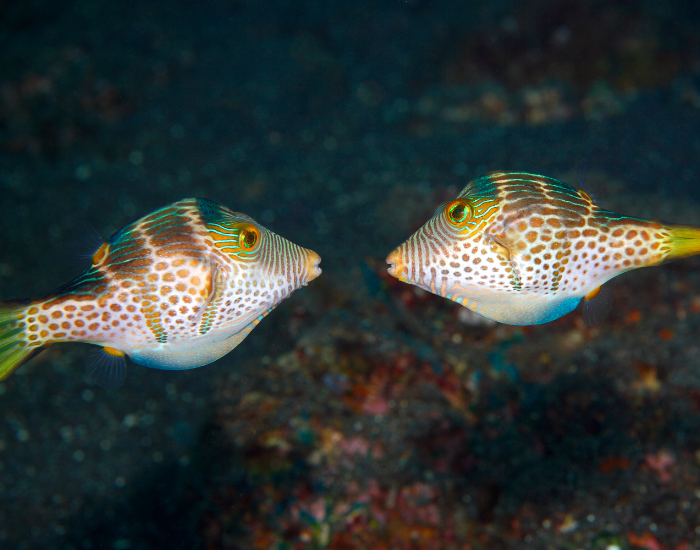
8. Valentine Puffer (Canthigaster valentini)
This tiny puffer species displays bold saddle-like markings and playful behavior. Found across Southeast Asia and Pacific coral reefs, the Valentine puffer or Canthigaster valentini rarely exceeds a few inches in length. Divers appreciate its curiosity and vivid coloration. Despite its small size, this species displays aggressive territoriality toward other fish.

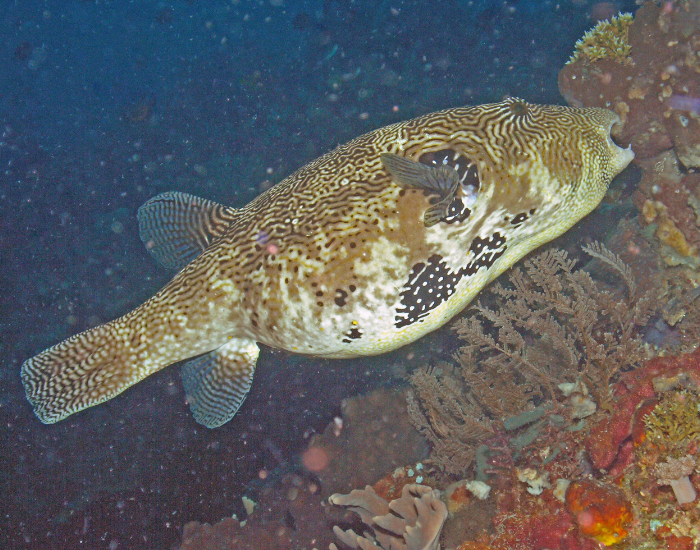
9. Map Puffer (Arothron mappa)
Named for maze-like lines covering its skin, this Indo-Pacific species ranks among the ocean’s largest puffers. It favors coral slopes and sandy seabeds where it hunts for prey. The map puffer puffs up gently when disturbed. This species can grow quite large, sometimes exceeding 60 centimeters with bulbous heads characteristic of the genus.
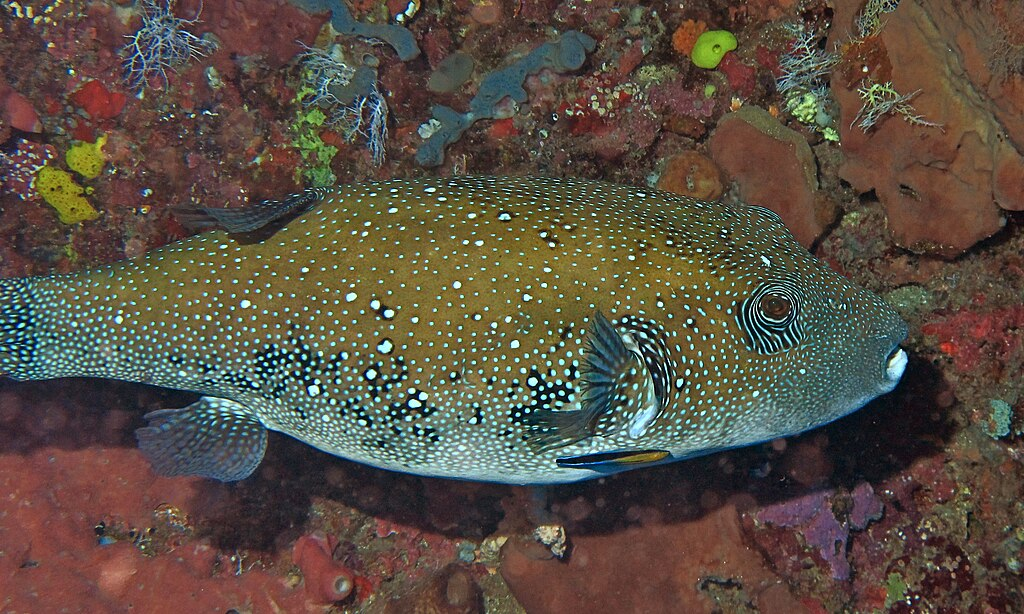
10. Blue-Spotted Puffer (Arothron caeruleopunctatus)
Common around coral reefs, this puffer’s brilliant blue dots shimmer against a yellow-green body. It inhabits Pacific Ocean reefs from Indonesia to Polynesia. Consequently, tropical divers frequently encounter this species. The blue-spotted puffer feeds on algae, sponges, and small invertebrates. Its vibrant coloration warns predators of its toxic nature.
Deeper Dive Into Puffer Fish Habitat and Range
Puffer fish habitat encompasses diverse environments worldwide. They inhabit coral reefs, seagrass beds, river mouths, and mangrove swamps. Most pufferfish species prefer tropical and subtropical waters where temperatures remain consistently warm. These areas provide abundant food sources including crustaceans, mollusks, and various types of algae that puffer fish eat.
The geographic range of pufferfish extends throughout the Pacific Ocean, from Japan to Polynesia. In the Indian Ocean, they populate reefs from the Red Sea to Indonesia. Along the Atlantic coast, puffer fish appear from South America northward to Canada. The northern puffer, for example, inhabits brackish water bays along North America’s eastern seaboard and lives in marine environments seasonally.
Some pufferfish species live exclusively in marine environments. However, other species have successfully adapted to freshwater or brackish conditions. This versatility makes them among the most adaptable fish species on Earth. Their ability to transition between saltwater and freshwater during different life stages showcases remarkable physiological flexibility. The life history of pufferfish includes several developmental stages, from eggs and larvae to juveniles and adults, with each stage potentially influenced by the surrounding environment. The age at which pufferfish reach sexual maturity can vary depending on environmental conditions, affecting when they are able to spawn and reproduce. Many species also live in brackish water estuaries where rivers meet the ocean.
FAQs About Puffer Fish
No, touching puffer fish poses risks. Even though they appear harmless, their spiky skin often contains enough toxin to irritate or harm humans. Additionally, handling stresses the fish and may cause injury to both parties.
Puffer fish are poisonous, not venomous. The crucial difference involves delivery method. Venom requires injection through bites or stings. However, poison must be ingested to cause harm. Tetrodotoxin becomes dangerous when consumed or absorbed.
Only licensed chefs trained in fugu preparation should handle puffer fish for consumption. These professionals must remove all toxic organs carefully. Improper preparation can prove fatal and foul tasting. Therefore, amateur preparation should never be attempted.
Yes, several pufferfish species live in freshwater environments entirely. The pygmy puffer, Mbu puffer, and Fahaka puffer all inhabit African and Asian rivers and lakes. These freshwater species demonstrate the pufferfish family’s remarkable adaptability across different habitats.
Few predators dare eat puffer fish. Some large sharks have evolved resistance to tetrodotoxin. Certain sea snakes can also consume puffers without harm. However, most predators avoid them entirely due to their toxicity. Intimate predators that can consume pufferfish remain rare.
Several species contain extremely high tetrodotoxin levels. The tiger puffer and maki-maki puffer rank among the most pufferfish with deadly toxin concentrations. However, poison concentration varies even within species based on diet and environment.
Puffer fish don’t produce tetrodotoxin themselves. Instead, they accumulate it from bacteria in their diet. These bacteria live in certain marine organisms that puffers consume. Consequently, captive-bred puffers raised on toxin-free food lack enough poison to harm predators.
Yes, puffer fish can inflate with water or air depending on their environment. When threatened underwater, they rapidly suck in water. If caught above water, they can inflate with air instead. However, inflating with air can be more dangerous for the fish.
Small Fish, Big Impact
The puffer fish embodies nature’s paradox, simultaneously beautiful and deadly, fragile and formidable. Its ability to inflate, combined with beak-like teeth and silent toxic power, makes it among the ocean’s most fascinating creatures. From the northern puffer in Atlantic waters to tropical species across the Pacific Ocean and Indian Ocean, these remarkable fish continue captivating divers and researchers worldwide.
Next time you spot a puffer drifting across a coral reef, whether in Southeast Asia, the Caribbean, or your local aquarium, remember the intricate balance sustaining such remarkable creatures. Behind every puff lies a story of survival, adaptation, and the ocean’s endless ingenuity. By supporting responsible ecotourism and respecting marine habitats, we help ensure these extraordinary fish continue thriving for generations to come.
Further Reading
- 13 Fascinating Facts About the Angler Fish: Nature’s Deep-Sea Predator
- Scary but Gentle: 12 Amazing Facts About the Wolf Eel
- Top 12 Facts About Trigger Fish That Will Surprise You
- 12 Fascinating Facts About Lampreys: Ancient Fish with a Dark Side
- Echinoderms: The Spiny-Skinned Architects of the Ocean