Everyone’s seen crabs. Even if you live in a city, the moment you hit the beach, they’re suddenly everywhere, scuttling over rocks, hiding in sand, darting into holes. And if you’re anything like me, you’ve probably wondered… what’s the difference? They all kind of look the same at first glance.
After seeing them across beaches, mangroves, and coastlines around the world, I realised how wildly different they actually are. Once you start looking closer, crabs stop being “just crabs” and turn into one of the most diverse and fascinating groups in the ocean.
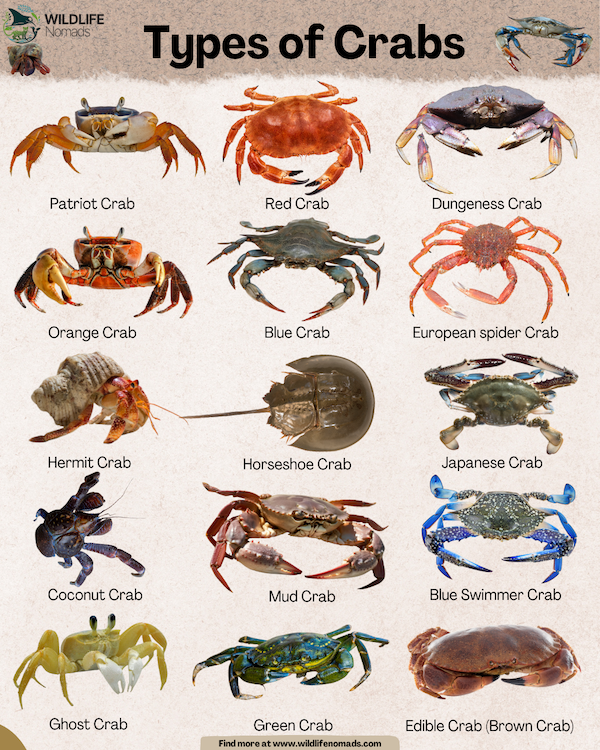
With over 4,500 species of crab worldwide, many types of crabs display an incredible diversity in size, shape, and habitat. From shallow coastal waters to the deep ocean floor, crabs have carved out their niche in nearly every marine ecosystem. In this guide, I’ll take a deep dive into the most common types of crabs, share field identification tips, and reveal what makes each species unique.
Crab Biology: What Makes a Crab a Crab?
Crabs are decapod crustaceans, meaning they have ten legs arranged in five pairs. The first pair typically forms their signature claws, while the remaining legs handle walking or swimming. Their hard shell, called a carapace, protects their body and gives each species its distinctive shape. The carapace acts as a shield for the crab’s entire body, safeguarding all vital organs and appendages.
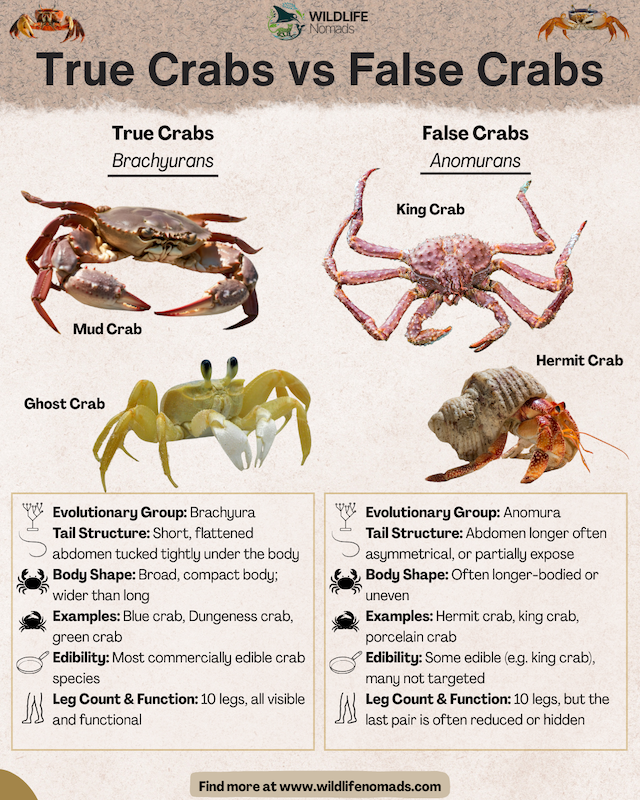
True Crabs vs False Crabs
Not all crabs are created equal. Marine biologists divide them into two main groups based on evolutionary history.
Brachyurans (True Crabs) include species like blue crabs and dungeness crab. These crabs have a short tail tucked beneath their body. You’ll find most edible crab species in this category.
Anomurans (False Crabs) look like crabs but evolved differently. This group includes hermit crabs and the massive alaskan king crab. Despite their appearance, their biology sets them apart from true crabs.
Both groups play critical roles in ocean ecosystems. Crabs serve as both predators and prey, maintaining balance between algae growth and fish populations. They’re nature’s cleanup crew, scavenging dead material from the ocean floor.
The Six Most Common Types of Crabs You’ll Encounter
Walk into any seafood market or coastal restaurant, and you’ll likely see these popular species. Each offers unique flavors and textures that seafood lovers prize.
1. Blue Crab (Callinectes sapidus)
The blue crab earns its name from the vibrant blue color on its claws. I’ve watched these aggressive swimmers dart through the waters of the Chesapeake Bay, where they’re most abundant.
Where to Find Them: Blue crabs thrive along the Atlantic coast from Nova Scotia to Argentina. However, the Atlantic Ocean waters from Maryland to the Gulf of Mexico produce the best harvests.
Identifying Features: Look for bright blue claws and olive-green shells. Their back legs are flattened like paddles, perfect for swimming. Adult crabs typically span 3-5 inches across their shell.

2. Dungeness Crab (Metacarcinus magister)
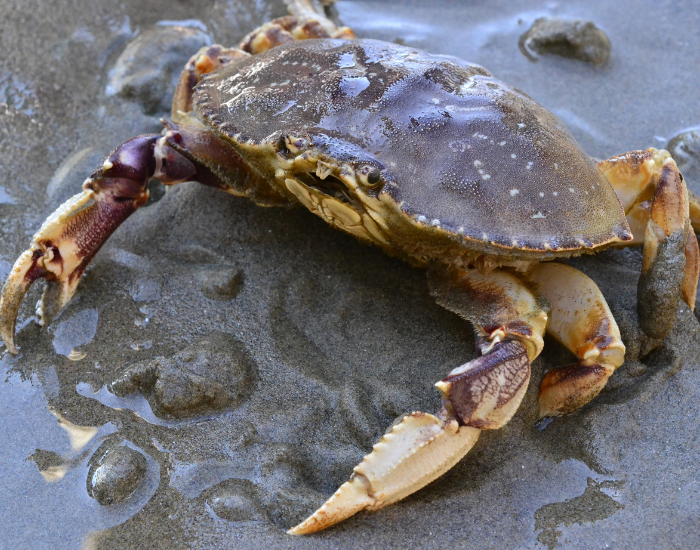
Named after the coastal town of Dungeness in Washington State, the Dungeness crab reigns supreme in the Pacific Ocean. I’ve seen fishermen pull massive specimens from the cold waters off the coast of Alaska.
Where to Find Them: Dungeness crabs live in the coastal waters that border Western North America, stretching from Alaska to Baja, Mexico, and are commonly found along the sandy sea floor. The waters of the Pacific Northwest produce the highest quality meat.
Identifying Features: Their wide, oval shell ranges from purple-brown to reddish-tan. White-tipped claws distinguish them from other species. Mature Dungeness crab can weigh up to 4 pounds.
Dungeness crab is one of the most popular items on seafood menus and is known for its sweet, succulent pink, and tender meat. Their diet includes fish, clams, marine worms, and other crustaceans, highlighting their role within the broader community of crustaceans.
3. Alaskan King Crab (Paralithodes camtschaticus)
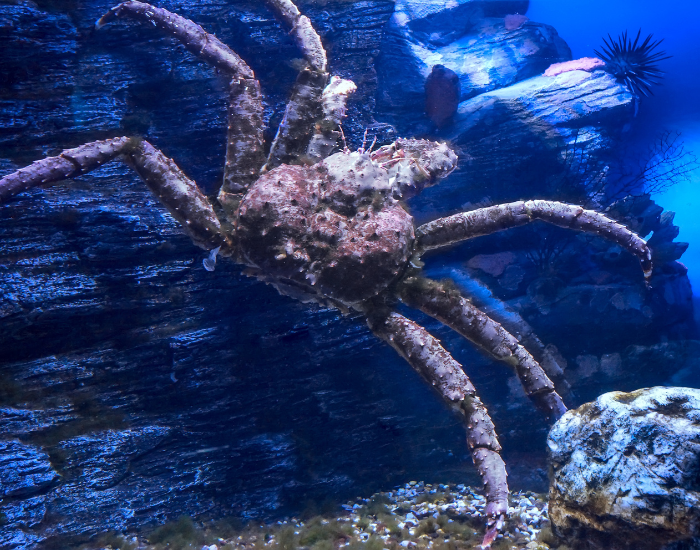
The king crab isn’t technically a true crab, but its massive size and spiny legs make it unmistakable. Television shows have made harvesting these creatures famous as one of the world’s most dangerous jobs. A true icon of the Animals in Alaska.
Where to Find Them: King crabs live in the frigid Bering Sea and North Pacific waters. Three main types exist: red king crab, blue king crab, and golden king crab. The red king crab is most prized and is one of the largest crab species, capable of living up to 30 years in the wild.
Identifying Features: Massive size sets king crab apart. King crabs can weigh up to 25 pounds and are one of the largest types of crab to eat. Their thick, spiny legs can span up to 6 feet. The hard shell protects them in deep, cold waters. King crab is famous for its impressive size and delicate taste, with bright white meat bordered with a vibrant red edge, making it highly appealing in seafood dishes.
4. Snow Crab (Chionoecetes opilio)
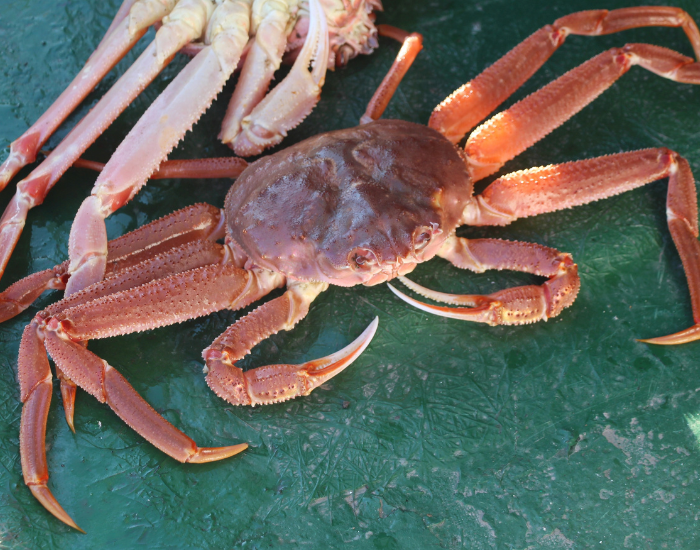
Often confused with king crab, snow crab has longer, thinner legs and a flatter body. These cold-water dwellers thrive in some of Earth’s harshest marine environments.
Where to Find Them: Snow crab populations span the North Atlantic and North Pacific. Commercial fisheries operate primarily in Alaskan and Canadian waters.
Identifying Features: Their flat carapace and distinctively spiny legs make identification easy. Snow crabs are smaller than king crabs but still reach impressive sizes in cold waters.
5. Stone Crab (Menippe mercenaria)
The stone crab fishery represents one of nature’s most sustainable harvests. I spent a summer in Florida watching fishermen practice this unique approach.
Where to Find Them: Stone crabs inhabit the Atlantic coast from North Carolina to the Gulf of Mexico, but they are primarily harvested in the Florida area, where the industry is most active and regulated.
Identifying Features: Look for massive, dark-tipped crab claws that resemble smooth stones. Stone crab claws are a prized delicacy known for their large size, sweet flavor, and firm texture. Their oval shell typically measures 5-6 inches wide.
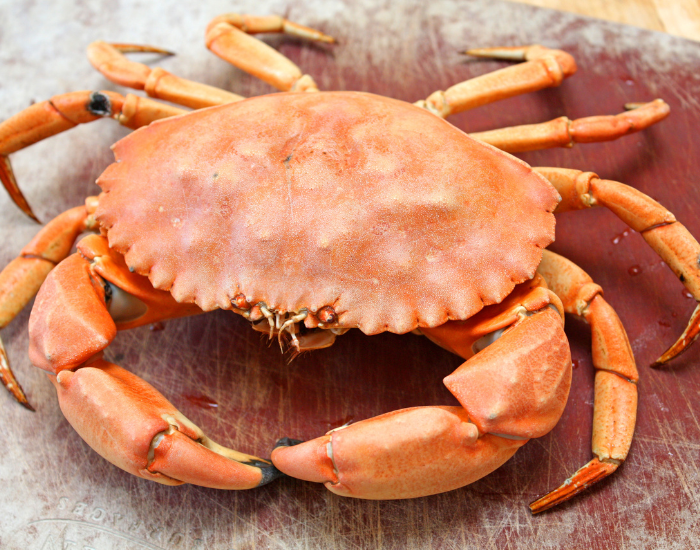
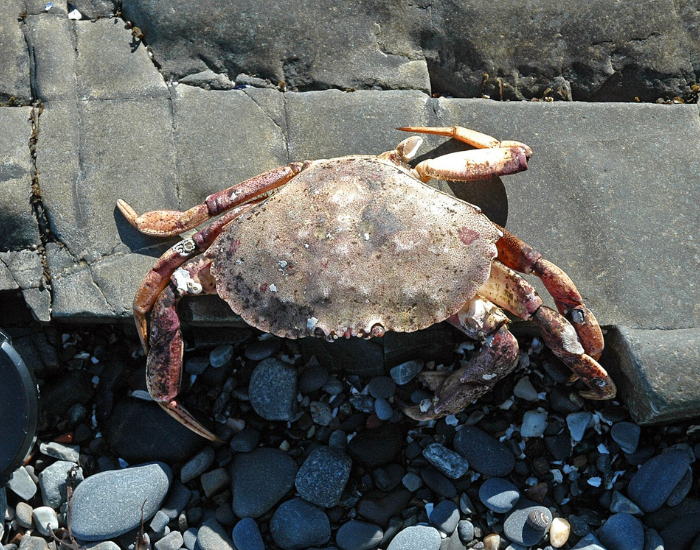
6. Brown Crab (Cancer pagurus)
The brown crab, also called the edible crab, dominates European markets. Its distinctive “pie crust” shell edge makes identification straightforward.
Where to Find Them: Brown crabs live along the Atlantic coast of Europe, from Norway to Morocco. The coastal waters of the UK and France support major fisheries.
Identifying Features: Their oval shell features a crimped edge that looks like pastry. Brown crabs can weigh up to 6 pounds, though most harvested specimens are smaller.
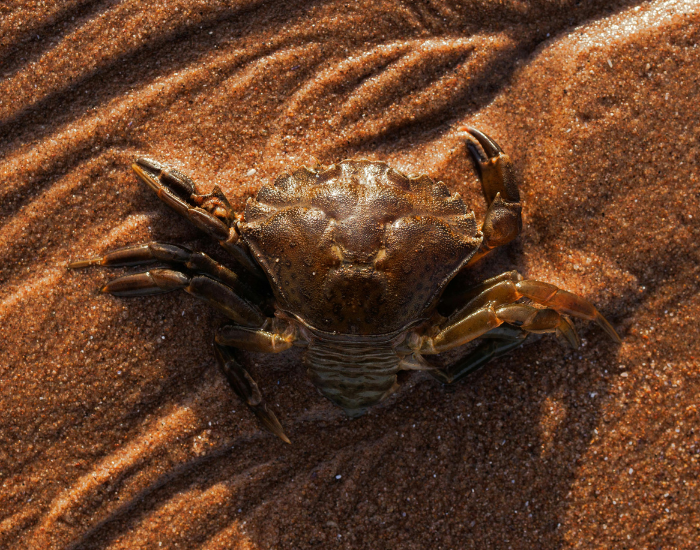
Notable Crab Species From Around the Globe
While the six species above dominate seafood markets, several other types of crabs deserve recognition for their unique characteristics. Some crab species, such as the peekytoe crab, were once considered byproducts of the lobster industry before becoming valued seafood.
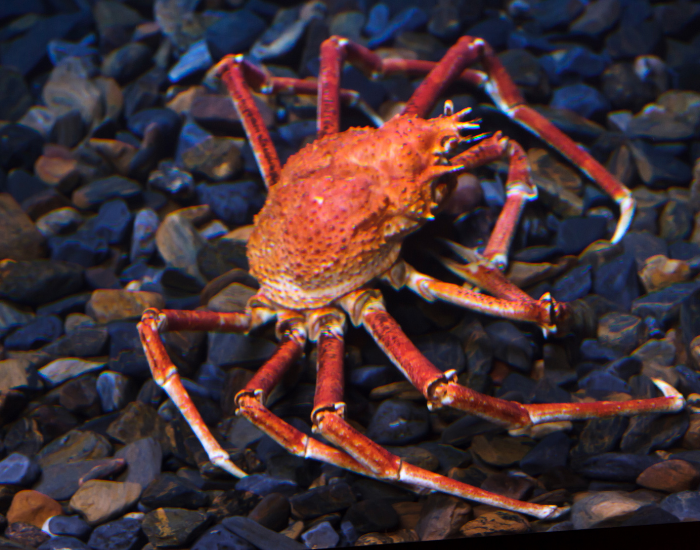
7. Japanese Spider Crab (Macrocheira kaempferi)
The japanese spider crab holds the record for the largest leg span of any arthropod, reaching up to 12 feet from claw to claw. I saw one at a Japanese research facility, and it looked like something from science fiction.
These deep-sea dwellers inhabit the Pacific Ocean around Japan. Their orange bodies and extremely long legs help them navigate the ocean floor at depths up to 2,000 feet. Despite their impressive size, they move slowly and feed primarily on shellfish and dead animals.
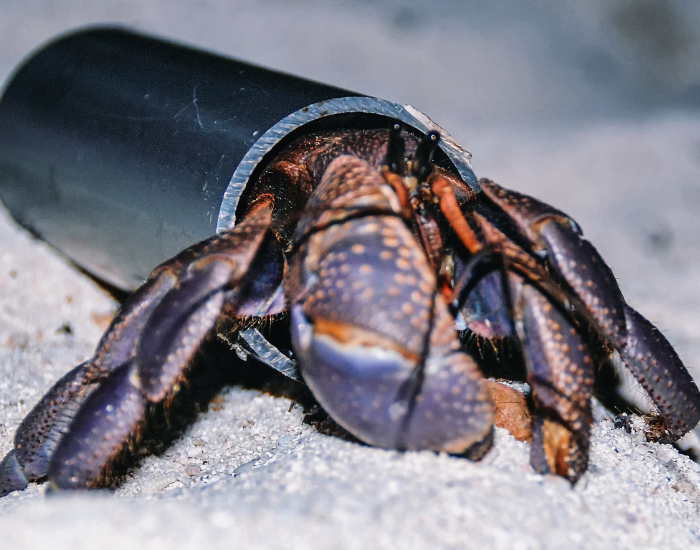
8. Coconut Crab (Birgus latro)
The coconut crab is the largest terrestrial arthropod on Earth. Found on tropical islands across the Indian and Pacific oceans, these remarkable creatures can crack coconuts with their powerful claws.
I’ve encountered them in Southeast Asia, where locals call them “robber crabs” for good reason. They’ll steal any shiny object left unattended. These crabs spend most of their lives on land, only returning to the sea to release their eggs.
9. Mud Crab (Scylla serrata)
If you explore mangroves in Australia or Southeast Asia, you’ll meet the mud crab. These powerful crustaceans have claws strong enough to snap thick wooden sticks.
The species thrives in coastal waters where fresh and salt water mix. Many people eat mud crabs in Singaporean chili crab dishes or Australian seafood feasts. Their meat is prized for its sweet flavor and firm texture.
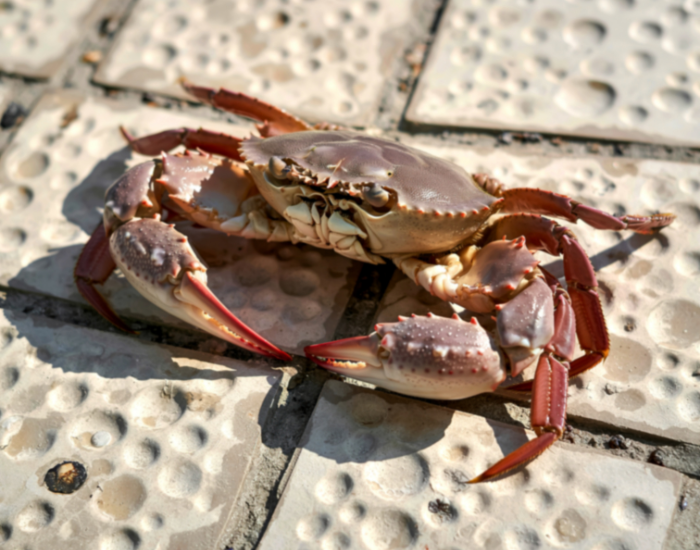
10. Atlantic rock crab (Cancer irroratus)
Originally considered bycatch by Maine lobster fishermen, the peekytoe crab has become a gourmet favorite. This smaller species hides among rocks along the Atlantic coast.
The name “peekytoe” comes from “picked toe,” referring to the pointed tips on their legs. Despite their small size, these crabs provide delicate, sweet meat that chefs love for upscale dishes.
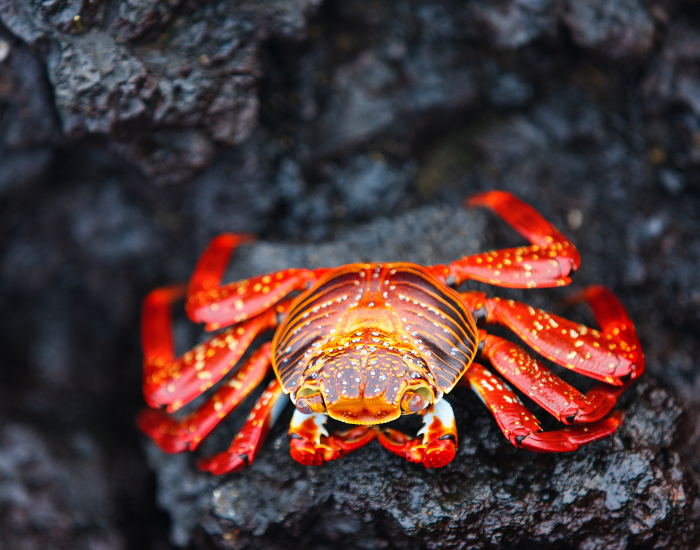
11. Sally Lightfoot Crab (Grapsus grapsus)
The Sally Lightfoot crab is one of the most colorful and agile crabs you’ll ever encounter. I’ve watched these brilliant creatures dance across volcanic rocks in the Galápagos Islands, moving so quickly they seem to barely touch the surface.
These crabs inhabit rocky coastlines along the Pacific coast of Central and South America, particularly the Galápagos Islands. They also appear along the western coast of Mexico down to Peru.
Crab Species Beyond the Dinner Plate
Not all crab species end up in seafood markets. These creatures showcase the incredible diversity found across the ocean and on land.
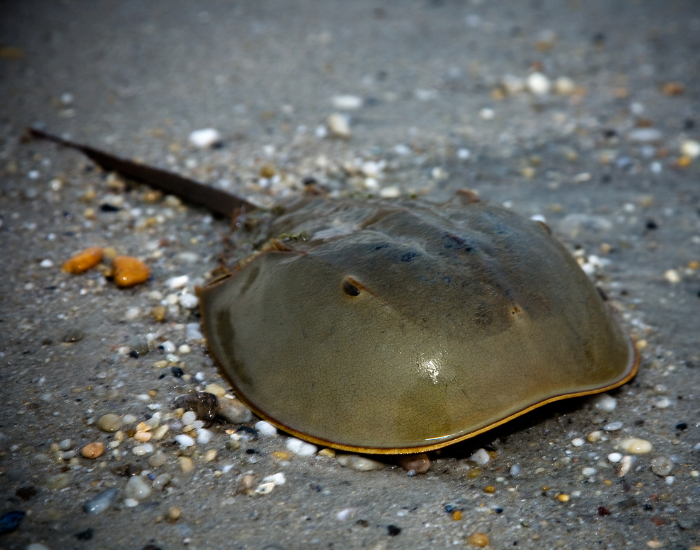
12. Horseshoe Crab
Despite the name, horseshoe crabs aren’t actually crabs, they’re more closely related to spiders. These living fossils have survived for 450 million years virtually unchanged.
Their blue, copper-based blood is essential for testing vaccines and medical equipment. Whenever I see one on a beach, I’m reminded of how crucial these ancient animals are to modern medicine.
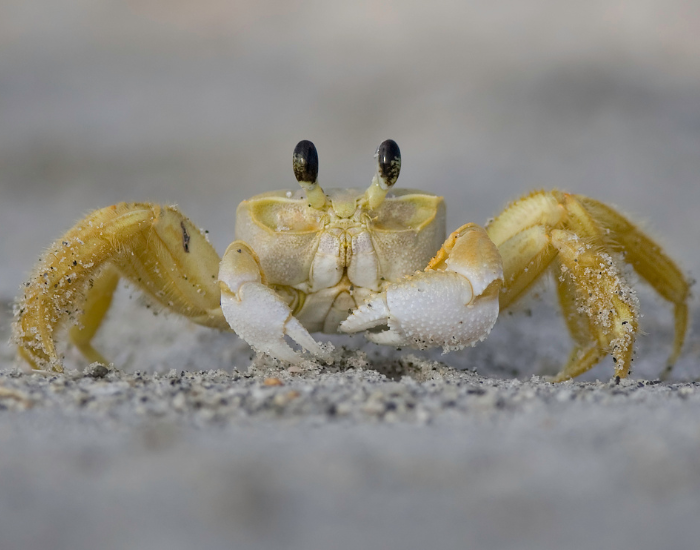
13. Ghost Crab
These pale, translucent sand crabs dart across beaches at night. Their coloring helps them blend perfectly with the sand, making them nearly invisible.
Ghost crabs dig burrows above the high tide line and emerge after dark to hunt. They’re crucial members of coastal ecosystems, cleaning up organic matter along shorelines.
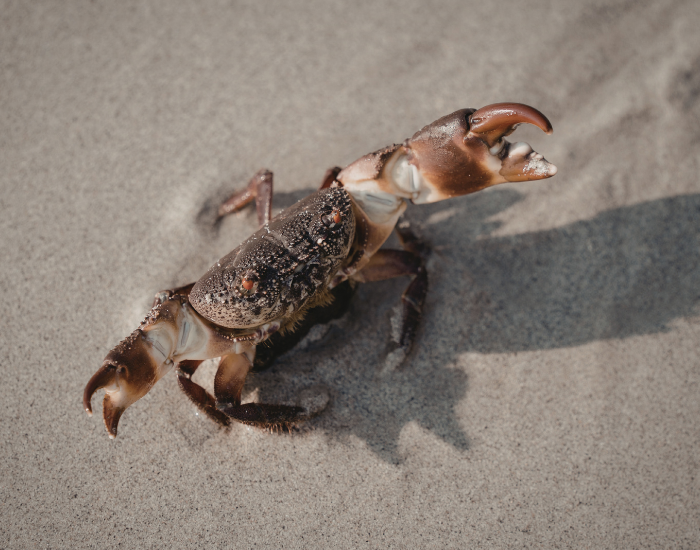
14. Fiddler Crab
Male fiddler crabs have one oversized claw and one tiny claw. They wave the large claw to attract mates and defend their territory in elaborate displays.
I’ve spent hours watching these crabs in salt marshes. Their “fiddling” motion creates a fascinating silent language. The crabs use complex signals to communicate with rivals and potential mates.
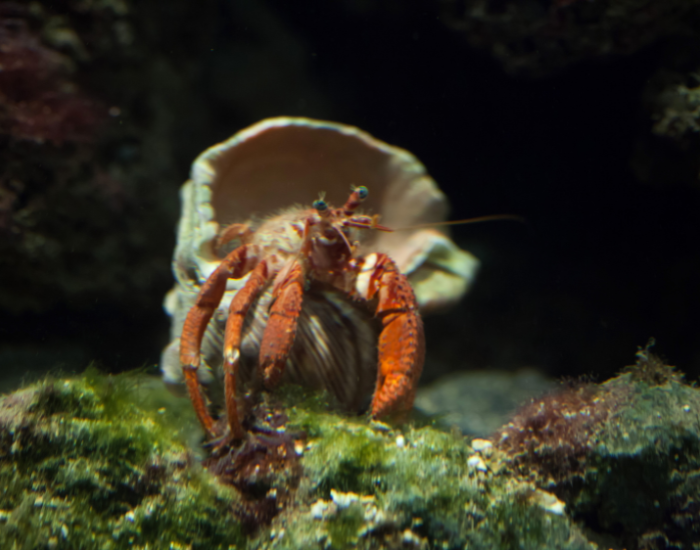
15. Hermit Crab
These false crabs lack hard shells on their abdomens, so they borrow empty snail shells for protection. As they grow, hermit crabs must find larger shells to accommodate their increasing size.
In the Phillipines, I witnessed a remarkable “housing swap” where dozens of hermits lined up by size to trade shells. This social behavior shows surprising complexity for such small crustaceans.
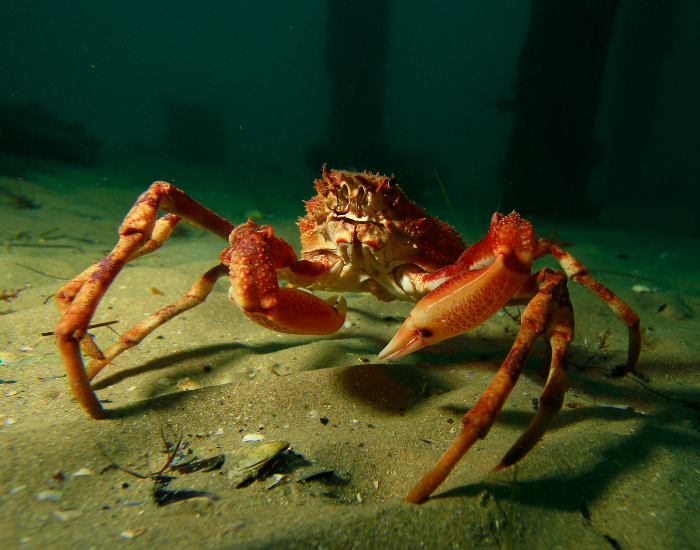
16. Spider Crabs (Common)
Not to be confused with the giant Japanese spider crab, common spider crabs live in shallow coastal waters worldwide. Many species practice “decorator” behavior, covering their shells with algae and sponges for camouflage.
These crabs blend so well with their surroundings that you can look directly at them without noticing. Their patience and disguise make them successful predators.
FAQs About Crabs
The most common crab species include blue crab, dungeness crab, snow crab, alaskan king crab, stone crab, and brown crab. These species dominate commercial fisheries and seafood markets worldwide. Major edible crab species include Alaskan King, Snow, Dungeness, and Blue crabs.
Scientists have identified over 4,500 species of true crabs (brachyurans). If you include false crabs like hermit crabs and king crabs, the total number of crab species exceeds 6,700.
Many seafood lovers prefer alaskan king crab for its size and sweet flavor. Blue crabs offer delicate meat perfect for crab cakes. Dungeness crab provides meaty texture and subtle sweetness. Stone crabs deliver firm, sweet claw meat. Soft shell crabs are actually blue crabs that have recently molted and are considered a delicacy that can be eaten whole, often fried. The “best” choice depends on personal preference and preparation style.
Not all crabs are edible, as some species are toxic to humans. Always ensure you are harvesting or purchasing known edible species.
True crabs have short tails tucked under their bodies and symmetrical abdomens. False crabs, like hermit crabs and king crabs, have asymmetrical abdomens and different evolutionary origins. Despite their crab-like appearance, false crabs evolved separately through a process called carcinization.
Crab Species Diversity
From the frigid waters of Alaska to tropical mangroves of Southeast Asia, crabs have adapted to thrive in countless environments. Each species brings unique characteristics, from the blue crab’s swimming prowess to the coconut crab’s terrestrial lifestyle.
Understanding different types of crabs enriches our appreciation for marine biodiversity. Whether you’re enjoying fresh crab meat at a restaurant, exploring tide pools, or studying marine biology, these remarkable crustaceans never cease to amaze.
The next time you crack open alaskan king crab legs or watch a ghost crab scurry across the beach, take a moment to appreciate the incredible adaptations that make each crab species unique. These ancient animals have survived for millions of years, and with proper conservation, they’ll continue thriving for millions more.