I still remember that first dive off the coast of Cozumel, Mexico. Crystal-clear water surrounded me as many reef fish darted through branching corals. A few years later, the Great Barrier Reef showed me the same beauty mixed with fragility.
Those trips taught me how coral reefs and coral islands connect. Understanding these reef islands matters for conservation. This guide explores what coral islands are, how they form, and why protecting them is critical.
Whether you’re searching for “what is a coral island” or wondering how reef islands emerge from the ocean floor, this comprehensive resource answers your questions.
What is a Coral Island?
A coral island forms predominantly from skeletal structures of reef-building corals and calcareous algae. These reef islands develop when organic material and coral sediment accumulate over time. Eventually, land rises above the ocean’s surface.
Put simply: living coral reefs build underwater structures. Wave energy breaks down coral skeletons into sediment. This material accumulates on reef flats. Over centuries, these deposits create islands.
Other Common Names for Coral Islands
Coral reef islands go by several names:
- Reef island – emphasizes the underlying reef structure
- Low island – contrasts with volcanic high islands
- Atoll island – specifically for ring-shaped reef formations
- Caye or key – small sandy islands on coral reefs (often a 5-letter crossword answer)
The term “coral reef island” highlights how these landforms depend entirely on healthy reef systems. Without thriving coral reefs, these islands cannot form or maintain themselves.
How Coral Islands Form
The formation of coral islands involves biology, geology, and oceanography working together over millennia. Having explored countless reef flats, I’ve witnessed this dynamic process firsthand.
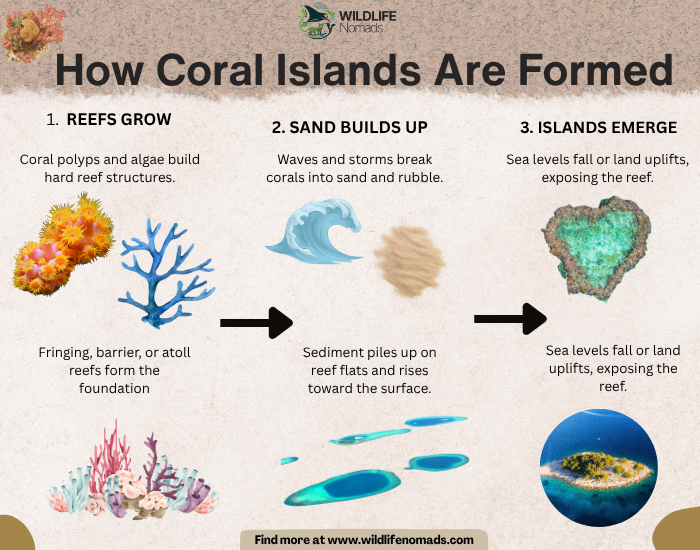
Step 1: Reef Structure Development
First, reef-building corals establish a foundation. Coral polyps secrete calcium carbonate skeletons, creating hard reef frameworks. These structures include fringing reefs, barrier reefs, and atolls.
Fringing reefs grow directly along shorelines. They represent the simplest coral reef type. Barrier reefs lie further offshore, separated by deep channels or lagoons. Atolls form ring-shaped patterns around central lagoons, typically where volcanic islands once existed.
Calcareous algae contribute significantly to reef structure. These marine organisms deposit calcium carbonate, strengthening the reef framework. Together with coral growth, they create the foundation for future islands.
Step 2: Sediment Accumulation
Wave energy constantly breaks down coral skeletons into smaller fragments. Storm waves accelerate this process dramatically. Coral fragments, shell fragments, and organic material accumulate on reef flats.
Over time, these deposits build upward. The reef crest protects the accumulating sediment. Sand forms from broken coral skeletons and marine organisms. This process continues for centuries.
Charles Darwin hypothesized that some coral islands form as volcanic islands subside. The reef continues growing upward while the volcano sinks. Eventually, only the ring-shaped atoll remains above sea level.
Step 3: Island Emergence and Stabilization
Several mechanisms expose coral reef platforms above water:
Sea level changes – During glacial periods, lower ocean levels exposed reef flats. Some coral islands formed during these periods.
Tectonic uplift – Geological forces can raise reef structures above the ocean’s surface. Uplifted coral reefs become stable land platforms.
Reef growth outpacing subsidence – In many tropical areas, healthy coral reefs grow upward faster than the seafloor subsides.
Once exposed, vegetation takes root. Coconut palms and other tropical plants stabilize the sediment. Plants and animals contribute organic material, enriching the soil. The island ecosystem develops.
Most coral islands sit only 2-5 meters above present sea levels. This makes them extremely vulnerable to sea level rise. Small changes in ocean height threaten entire island nations.
Types of Coral Reefs Supporting Islands
Understanding reef types helps explain coral island formation. Each reef type creates different island environments.
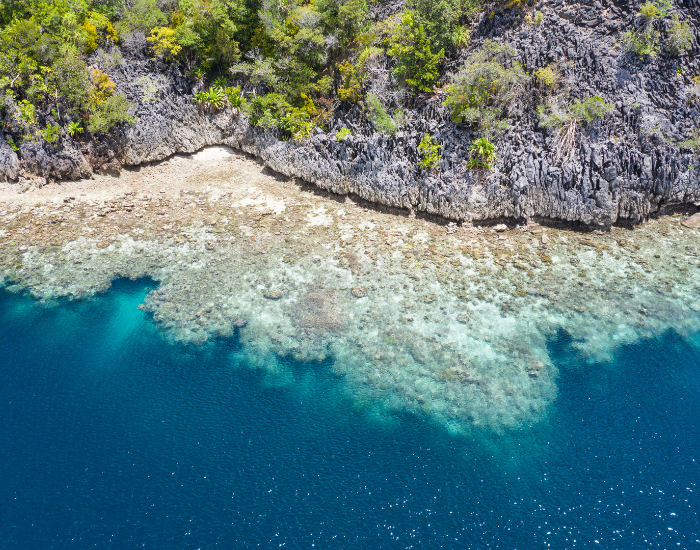
Fringing Reefs
These reefs grow directly adjacent to continental shelves or high islands. Fringing reefs extend from the shoreline with little or no lagoon separation. They create narrow reef flats where sediment can accumulate.
Many tropical islands feature fringing reefs. The Caribbean and Pacific Ocean host numerous examples. These reefs protect coastlines while providing habitat for marine species.
Barrier Reefs
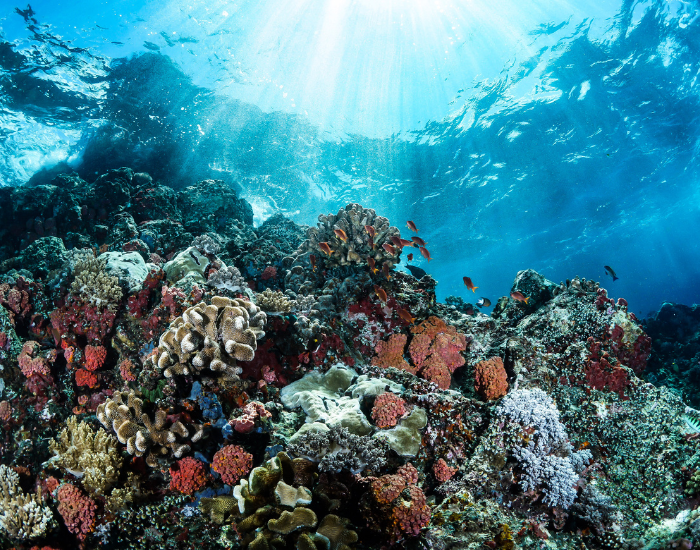
Barrier reefs lie further offshore, creating deep channels between reef and land. Australia’s Great Barrier Reef represents the world’s largest barrier reef system. The reef structure extends over 2,300 kilometers.
Barrier reefs create protected lagoons. These calm waters allow fine sediment to settle. Over time, small reef islands may form within these lagoons or atop the barrier reef itself.
Atolls
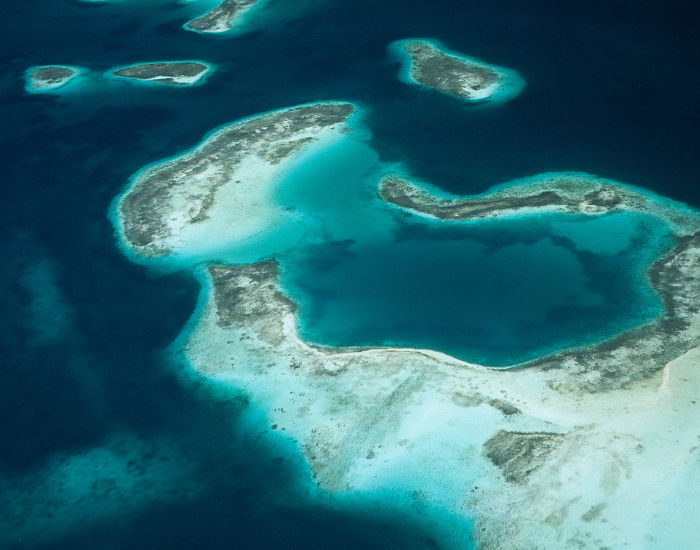
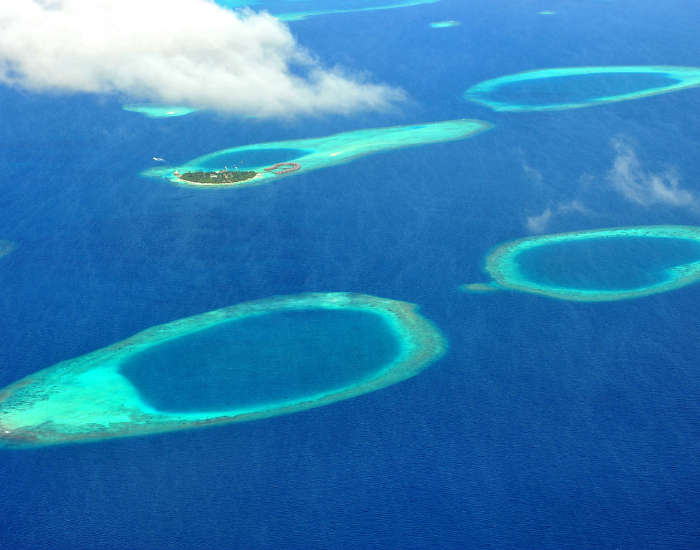
Atolls form ring-shaped coral reefs surrounding central lagoons. They typically occur in the Indian Ocean and Pacific Ocean. The Maldives consists entirely of atoll formations.
Darwin proposed that atolls form around subsiding volcanic islands. As the volcano sinks, the reef continues growing upward. Eventually, the volcanic island disappears completely, leaving only the reef ring.
Many atoll rims host small low islands. These “motu” provide critical habitat for seabirds and marine life. Human communities also inhabit larger atoll islands.
Patch Reefs
Patch reefs are isolated coral formations in lagoons or on continental shelves. They rarely form substantial islands. However, they contribute to reef systems and marine ecosystems.
The reef framework from all these types provides the foundation for coral island development. Protecting reef structures directly protects the islands they support.

Ecology of Coral Islands
Coral islands represent unique ecosystems where marine life and terrestrial environments intersect. These islands support remarkable biodiversity despite their small size.
Reef Builders: The Foundation
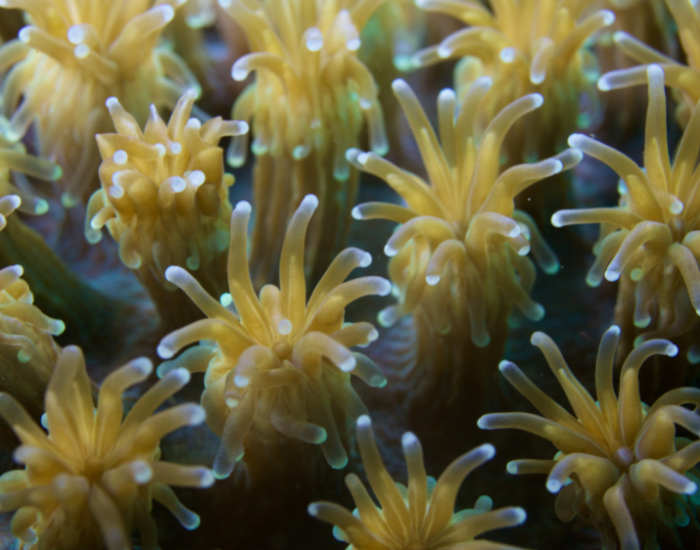
Reef-building corals are the architects of coral islands. These marine organisms construct calcium carbonate skeletons that form reef structures. Thousands of coral species contribute to reef frameworks worldwide.
Calcareous algae play an equally important role. These plants deposit calcium carbonate, cementing reef structures together. Without healthy populations of both corals and algae, reef islands cannot maintain their foundations.
Coral polyps live in symbiotic relationships with zooxanthellae algae. These microscopic algae provide corals with energy through photosynthesis. In return, corals provide algae with protection and nutrients. This partnership drives reef growth in tropical waters.
Marine Species Diversity
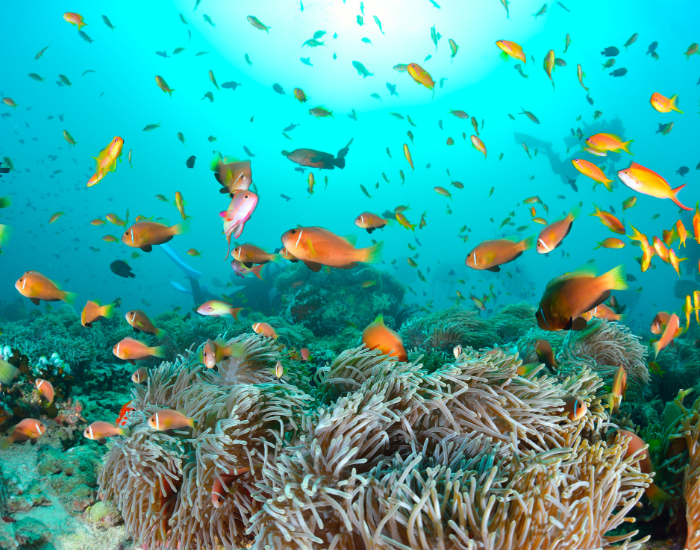
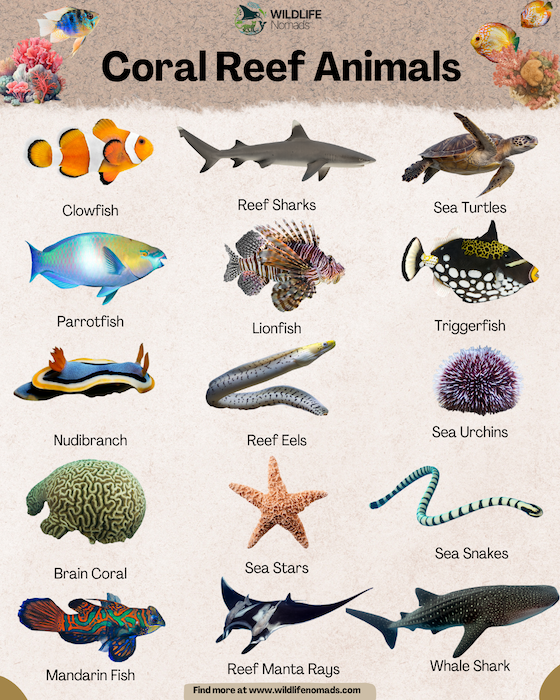
Coral reef ecosystems support approximately 25% of all marine fish species. This occurs despite reefs covering less than 1% of the ocean floor. The three-dimensional reef structure creates countless microhabitats.
Fish species on coral reefs include reef fish like parrotfish, butterflyfish, angelfish, and wrasses. During my dives at the Great Barrier Reef, I observed this incredible diversity firsthand. Hundreds of species occupied different reef zones.
Marine species beyond fish thrive on coral reefs:
- Sea turtles nest on reef islands and feed on reef organisms
- Marine mammals like dolphins hunt around reef structures
- Invertebrates including several echinoderms like sea stars, urchins, and mollusks
- Sharks and rays patrol reef edges
- Octopuses and squid hide in coral crevices
This biodiversity makes coral reef islands critical for ocean health. Protecting these ecosystems preserves countless marine organisms.
Island and Reef Connections
Coral islands aren’t isolated sand patches. They integrate completely with surrounding reef systems. Seabirds nest on islands, providing nutrient-rich guano that washes into reef waters. This fertilizes marine ecosystems.
Vegetation on coral islands stabilizes sediment. Plant roots prevent erosion during storm waves. Coconut palms, sea grapes, and other coastal plants create habitats for land animals.
The reef crest and reef flat absorb wave energy. This natural shoreline protection prevents island erosion. Standing on Pacific Ocean reef islands, I’ve felt how the reef structure dampens ocean swells, creating calm lagoons.
Birds, crabs, and other organisms move nutrients between land and sea. This cycling supports both terrestrial and marine food webs.
Ecosystem Services
Coral islands provide invaluable services to both nature and human communities:
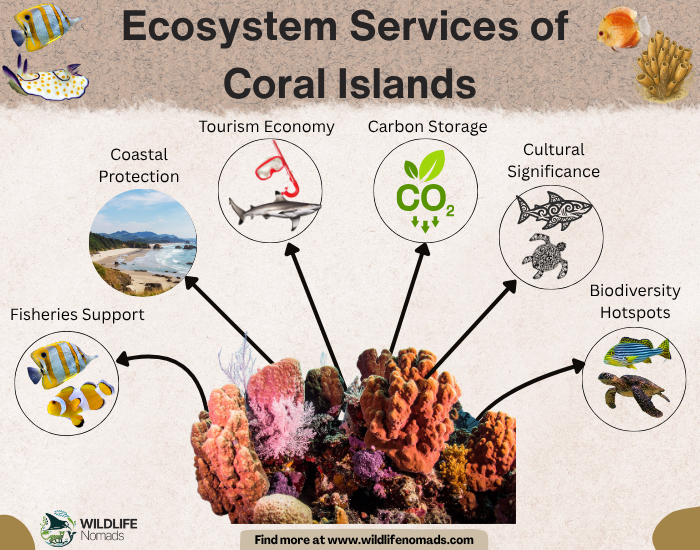
Fisheries support – Reef systems around coral islands sustain commercial and subsistence fishing. Fish species use reefs as nurseries and feeding grounds.
Coastal protection – Reef structures reduce wave energy by up to 97%. This protects shorelines from erosion and storm damage.
Tourism economy – Coral reef islands attract millions of visitors annually. Snorkeling, diving, and beach tourism generate significant income for tropical island nations.
Carbon storage – Reef organisms sequester carbon in calcium carbonate structures. This process removes CO2 from ocean waters.
Cultural significance – Many Pacific Ocean and Indian Ocean communities have lived on coral islands for centuries. These islands hold deep cultural and spiritual meaning.
Understanding these ecological connections shows why coral island conservation matters globally.
Examples of Coral Islands Worldwide
Coral islands occur throughout tropical oceans. These examples showcase the diversity and importance of reef island systems.
Maldives (Indian Ocean)
The Maldives consists of 26 atolls containing roughly 1,200 coral islands. Most islands rise only 1-2 meters above sea level. This makes the Maldives one of the world’s lowest countries.
The entire nation depends on healthy coral reefs. Tourism represents the primary economy, with visitors drawn to pristine reef systems. However, sea level rise threatens the country’s existence.
The Maldives demonstrates both the beauty and vulnerability of coral islands. Reef building must keep pace with rising oceans, or these islands will disappear.
Marshall Islands (Pacific Ocean)
The Marshall Islands comprise 29 atolls and five isolated islands. These coral reef islands host approximately 60,000 people. Like the Maldives, they face existential threats from sea level rise.
Traditional knowledge helps Marshallese communities adapt to environmental changes. However, ocean acidification and warming waters challenge reef health. Without healthy reefs, the Marshall Islands lose their foundation.
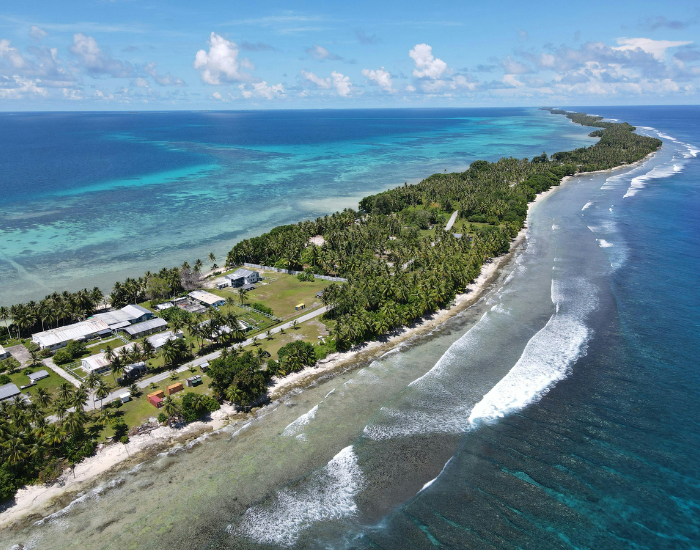
Tuvalu (Pacific Ocean)
Tuvalu consists of nine coral islands and reef islands. The nation sits barely above the ocean’s surface. Some predictions suggest Tuvalu could become uninhabitable within decades due to sea level rise.
Storm waves increasingly inundate low-lying areas. Saltwater intrusion contaminates freshwater supplies. The Tuvaluan people face potential relocation as their islands shrink.
Tuvalu symbolizes the climate crisis facing small island nations. International attention focuses on preserving these coral islands and their cultures.
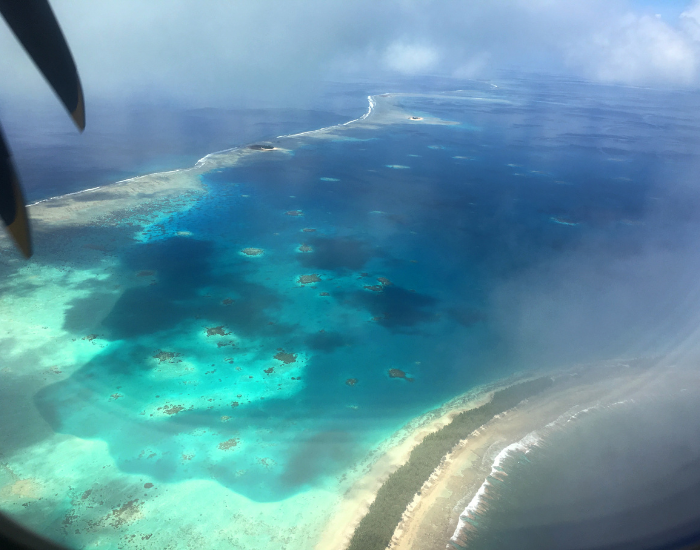
Kiribati (Pacific Ocean)
Kiribati spreads across 3.5 million square kilometers of the Pacific Ocean. The nation includes 33 coral islands and atolls. Most islands rise less than 3 meters above sea level.
Rising seas already impact Kiribati. Some communities have relocated to higher ground. The government has purchased land in Fiji as insurance against complete island loss.
Kiribati’s situation highlights how coral islands worldwide face similar threats. Climate action must accelerate to preserve these nations.
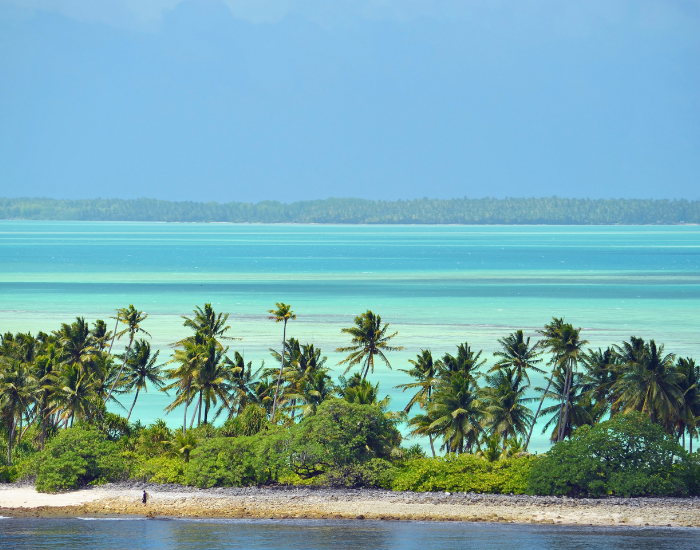
Lakshadweep Islands (Indian Ocean)
Off India’s west coast, the Lakshadweep archipelago contains 36 coral islands. Ten islands support human populations. These tropical islands demonstrate coral island formation in the Arabian Sea.
The reef systems surrounding Lakshadweep provide crucial fisheries. Tourism remains controlled to minimize environmental impact. However, coral bleaching events increasingly threaten reef health.
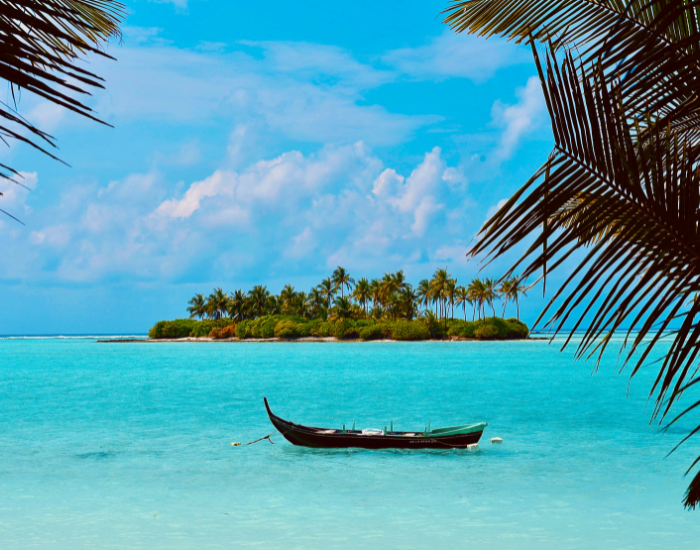
Belize Barrier Reef System
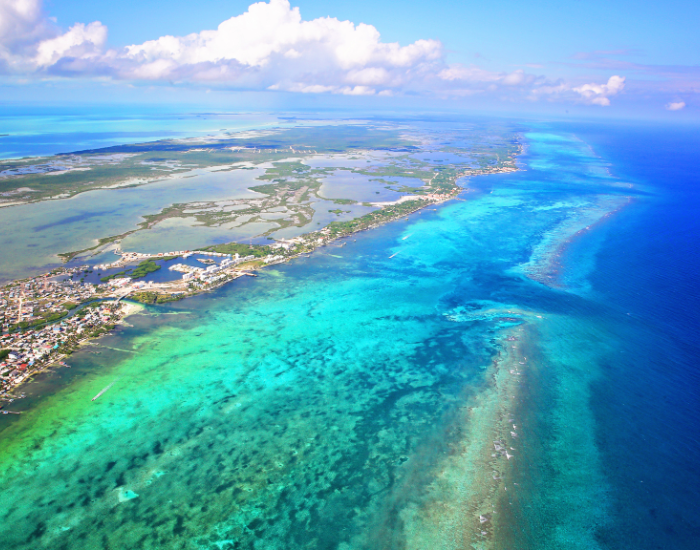
The Belize Barrier Reef stretches 300 kilometers along Central America. Hundreds of small coral reef islands and cayes dot the reef system. These islands form on reef flats and reef crests.
The barrier reef creates protected areas where sediment accumulates. Over time, this builds small islands. Many cayes host resorts and fishing communities.
Belize demonstrates how barrier reefs create conditions for island formation. The deep channel between reef and mainland provides different ecological zones.
Great Barrier Reef Islands
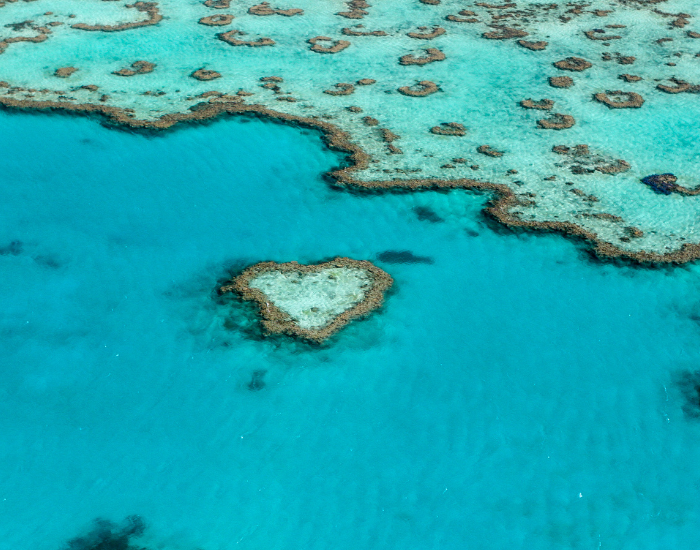
Australia’s Great Barrier Reef includes numerous coral islands and continental islands with fringing reefs. While the reef itself remains mostly underwater, many reef flats support small islands.
The reef structure provides crucial shoreline protection for coastal areas. Wave energy dissipates across the extensive reef system. This natural barrier saves billions in storm damage.
The Great Barrier Reef faces severe coral bleaching from ocean temperatures rising above historical norms. Scientists found that over 40% of monitored coral colonies died in recent mass bleaching events.
These global examples show coral islands exist across tropical waters. From the Indian Ocean to the Central Pacific, these islands share common characteristics and threats.
Major Threats to Coral Islands
Having witnessed both healthy and degraded reef systems, I understand the mounting pressures these ecosystems face. Threats cascade from reefs to the islands they support.
Climate Change and Sea Level Rise
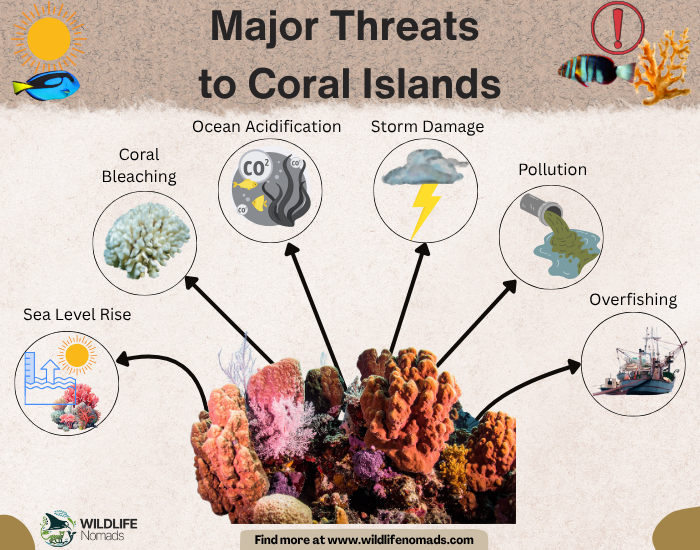
Rising sea levels pose the greatest threat to low coral islands. Most coral reef islands sit only 2-5 meters above present sea levels. Even modest sea level increases submerge large areas.
Projections suggest sea levels could rise 0.5-1 meter by 2100. For many coral islands, this means complete inundation. Some low islands may vanish entirely.
The challenge extends beyond simple flooding. Higher sea levels allow larger waves to reach islands. Storm waves cause more damage. Saltwater infiltrates freshwater supplies. Agricultural land becomes unusable.
Coral reefs can potentially grow upward to match sea level rise. However, growth rates must exceed 10-15 millimeters per year. Many stressed reefs cannot maintain this pace.
Ocean Warming and Coral Bleaching
Ocean temperatures have risen approximately 1°C since pre-industrial times. This warming stresses coral polyps severely. When water gets too warm, corals expel their symbiotic zooxanthellae algae.
Without these algae, corals lose their color and primary food source. This process is called coral bleaching. Bleached corals can survive if temperatures decrease quickly. However, prolonged heat causes mass mortality.
The Great Barrier Reef experienced catastrophic bleaching in 2016, 2017, 2020, and 2022. Each event killed significant coral populations. Recovery takes decades, but repeated bleaching prevents this.
As ocean temperatures continue rising, coral bleaching will intensify. Some scientists predict annual bleaching could occur by 2050. This would devastate reef-building corals and the islands they support.
Ocean Acidification
Oceans absorb approximately 30% of atmospheric CO2. This dissolved carbon dioxide forms carbonic acid, lowering ocean pH. Since the Industrial Revolution, ocean acidity has increased by 30%.
Acidic water reduces carbonate ion availability. Reef-building corals and calcareous algae need carbonate to construct calcium carbonate skeletons. Ocean acidification makes skeleton formation more difficult and energy-intensive.
Research shows that coral growth rates decline as pH drops. Weaker skeletons break more easily under wave energy. The entire reef structure becomes more fragile.
If CO2 emissions continue unchecked, ocean acidification will worsen dramatically. Some projections suggest reef-building may become impossible in many tropical waters by 2100.
Storm Damage and Wave Energy
Tropical cyclones, hurricanes, and typhoons regularly impact coral islands. These storms generate enormous wave energy that reshapes reef structures and islands.
Healthy reef crests absorb much of this wave energy. However, degraded reefs provide less protection. Storm waves reach further inland, causing more erosion and flooding.
Climate change may intensify tropical storms. While storm frequency might not increase, storm intensity likely will. Category 4 and 5 hurricanes could become more common.
Coral islands face a double threat: stronger storms combined with degraded reef protection. This combination accelerates coastal erosion and island loss.
Pollution and Sedimentation
Coastal runoff carries sediment, nutrients, and pollutants to reef systems. Sediment smothers coral polyps, blocking sunlight needed for photosynthesis. Excess nutrients trigger algal blooms that outcompete corals.
Agricultural runoff contains pesticides and fertilizers. These chemicals harm reef organisms. Industrial pollution adds heavy metals and toxic compounds.
Plastic pollution affects coral reefs and islands globally. Microplastics enter marine food webs. Larger debris damages reef structures and entangles wildlife.
Many Pacific Ocean islands lack proper waste management. Accumulated trash degrades water quality and harms ecosystems.
Overfishing and Destructive Practices
Overfishing removes key species from reef ecosystems. Herbivorous fish species keep algae in check. Without these fish, algae overgrow corals. This shifts reefs from coral-dominated to algae-dominated systems.
Destructive fishing methods devastate reef structures. Blast fishing uses explosives to stun fish. This shatters coral frameworks. Cyanide fishing poisons reefs to capture tropical fish for aquariums.
Bottom trawling drags nets across the ocean floor. This destroys reef structures and marine habitats. Some areas show complete reef destruction from these practices.
Tourism Pressure
Poorly managed tourism damages coral reefs and islands. Boat anchors crush coral formations. Snorkelers and divers accidentally kick or touch fragile corals. Some sunscreens contain chemicals that harm marine organisms.
Overdevelopment on coral islands increases pollution. Sewage from hotels enters reef waters. Construction disrupts natural sediment patterns. Demand for seafood drives unsustainable fishing.
Responsible tourism can support conservation. However, many tropical islands lack regulations or enforcement. Balancing economic benefits with environmental protection remains challenging.
Frequently Asked Questions
The four main reef types are fringing reefs (growing along shorelines), barrier reefs (separated from land by channels), atolls (ring-shaped reefs around lagoons), and patch reefs (isolated formations). Each type creates different conditions for island formation.
The Maldives, Marshall Islands, Tuvalu, and Kiribati consist primarily of coral islands. The Great Barrier Reef in Australia includes many reef islands. Lakshadweep off India and many Caribbean islands also feature extensive coral reef systems.
Yes, coral islands face severe threats. Sea level rise could submerge many low islands within decades. Ocean warming causes coral bleaching that kills reef-building organisms. Ocean acidification weakens coral skeletons. Without healthy reefs, islands lose their foundation.
Under optimal conditions, healthy coral reefs can grow 10-15 millimeters per year. This potentially matches projected sea level rise. However, stressed reefs from warming, acidification, and pollution grow much slower or die. Most threatened coral islands have degraded reefs unable to keep pace.
Our Role in Keeping Coral Islands Alive
My experiences from Cozumel to the Great Barrier Reef taught me that coral islands represent far more than tropical vacation destinations. These remarkable places showcase how tiny coral polyps build enormous structures supporting incredible biodiversity.
Coral islands emerge from reef systems through processes spanning centuries. Reef-building corals and calcareous algae construct calcium carbonate frameworks. Wave energy breaks this material into sediment. Accumulation on reef flats gradually builds islands. Whether fringing reefs, barrier reefs, or atolls, healthy coral reefs create the foundations that support islands.
The future of coral islands depends on actions taken today. Global climate mitigation must limit warming to preserve reef systems. Local conservation through marine protected areas, reef restoration, and sustainable tourism helps coral islands remain resilient. Community engagement ensures people who depend on these ecosystems lead conservation efforts.
The clock ticks for coral islands worldwide. Rising sea levels and warming ocean temperatures accelerate threats faster than many reefs can adapt. Yet hope remains if we act decisively. Protecting coral islands means preserving extraordinary biodiversity, supporting vulnerable communities, and maintaining some of Earth’s most spectacular ecosystems.
Further Reading
- Stone Fish: 12 Shocking Facts
- Discover the Fascinating World of the Seadragon in Australia
The Strange Wobbegong Shark: 10 Facts You Need To Know
Find Coral Island Experience!
This blog is reader-supported. When you buy experiences through links listed on this site, we may earn an affiliate commission.