Ever wondered what makes blacktip reef sharks and whitetip reef sharks two of the most fascinating predators in our oceans? These remarkable creatures are far more than just “dangerous” sharks lurking in tropical waters. As someone who’s spent countless hours studying animals, I’m excited to share 12 incredible facts about these reef sharks that will change how you see these misunderstood apex predators.
Whether you’re planning a diving trip to the Great Barrier Reef or simply curious about marine life, understanding these shark species is essential for appreciating the delicate balance of coral reef ecosystems. Let’s dive deep into the world of reef sharks and uncover the truth behind these magnificent creatures.

Understanding Shark Species: The Reef Shark Family
Before we explore our 12 fascinating facts, it’s crucial to understand what makes reef sharks so special. Reef sharks, including the whitetip reef shark and blacktip reef shark, are common inhabitants of coral reefs throughout the tropical Indo-Pacific region. Blacktip reef sharks are found throughout the Indian Ocean, including areas like northern Australia, the Hawaiian Islands, and Palmyra Atoll. These aren’t your typical open-ocean predators – they’re highly specialized creatures perfectly adapted to life among coral formations.
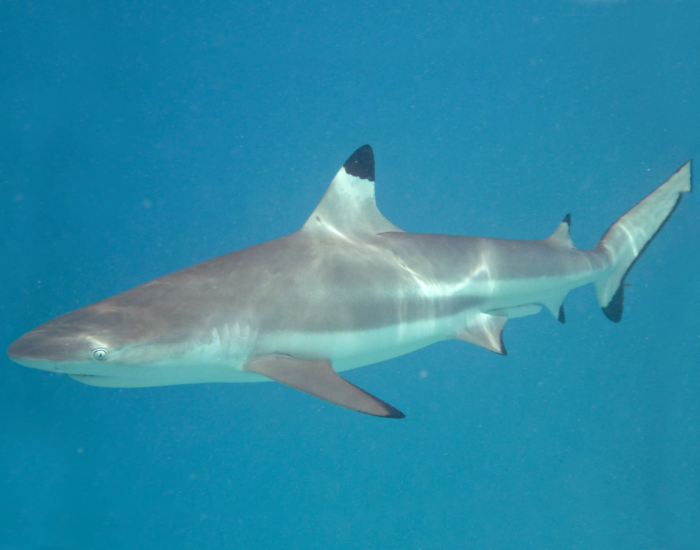
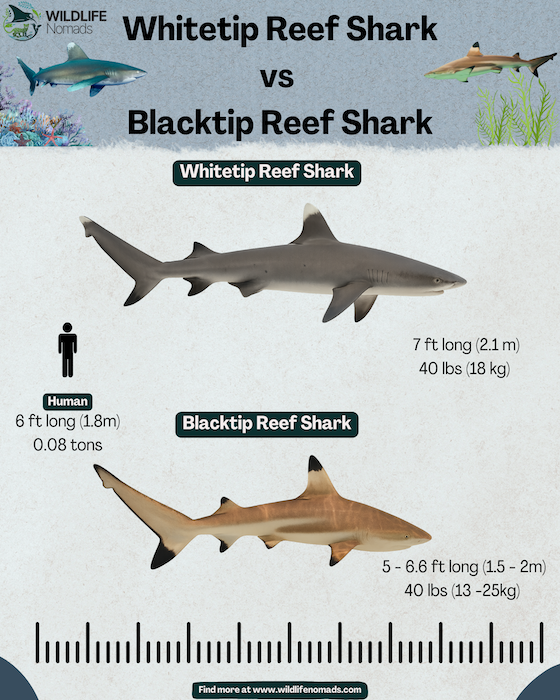
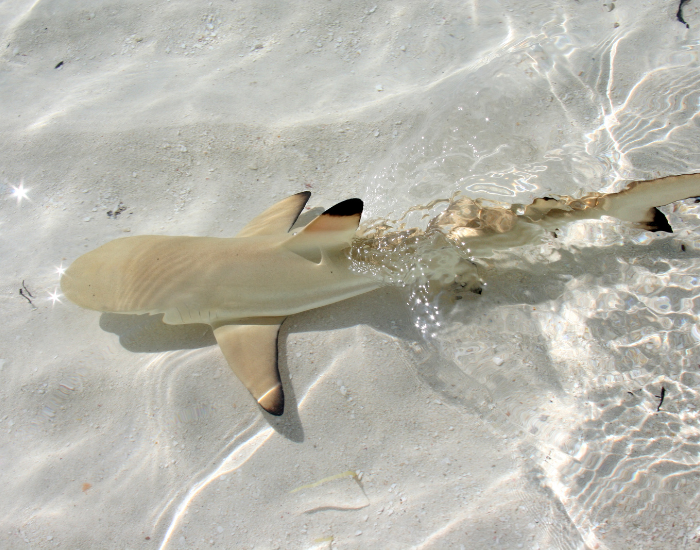
The whitetip reef shark is easily recognizable by its distinctive white-tipped dorsal and caudal fins, while the blacktip reef shark sports prominent black tips on its fins. Both species play crucial roles as apex predators in maintaining the delicate balance of their reef ecosystems, controlling fish populations and ensuring healthy coral communities. Blacktip reef sharks are a type of requiem shark and are featured in comprehensive references such as ‘Sharks of the World.’
What sets these reef sharks apart from their oceanic cousins is their preference for shallow waters near coral reefs, reef drop-offs, and sand flats. The first dorsal fin of the reef blacktip shark is large and has a characteristic black tip, while the second dorsal fin and anal fin also display black markings that aid in identification. The pectoral fins are broad and positioned just behind the gill slits, and the caudal fin is asymmetrical with a prominent upper lobe, all of which help distinguish the reef blacktip shark from other species. The study of these shark species has become essential for marine biology and conservation efforts, especially as coral reefs face increasing threats from climate change and human activities.
1. Blacktip Reef Sharks Are Master Habitat Specialists
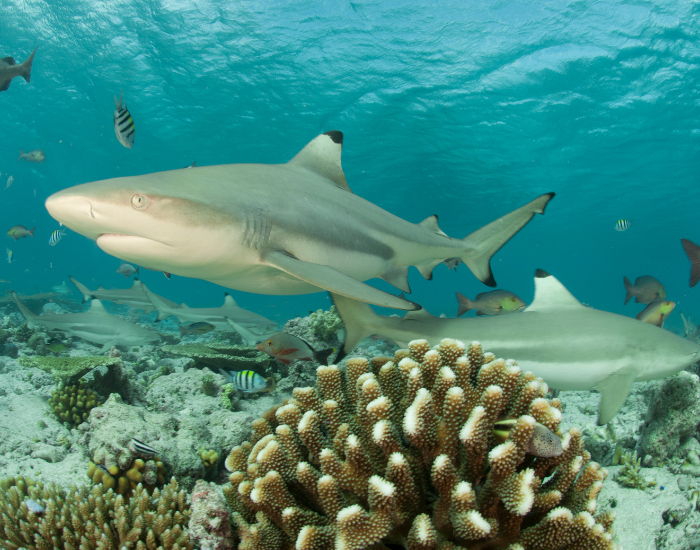
The blacktip reef shark has evolved to become the ultimate reef specialist. These sharks typically inhabit shallow, crystal-clear waters on coral reefs, showing a strong preference for reef caves and ledges where they can rest during daylight hours. Unlike many shark species that roam vast ocean territories, blacktip reef sharks are remarkably site-faithful, often staying within the same reef system for years, a notable aspect of their animal behaviour.
Their habitat preferences are incredibly specific. You’ll find them in areas characterized by coral heads, sand flats, and shallow waters – typically in depths ranging from 1 to 75 feet. This makes them ideal subjects for snorkeling and diving encounters, but it also makes them vulnerable to habitat destruction. The blacktip reef shark’s territory often overlaps with other formidable predators like tiger sharks and giant groupers, creating complex predator-prey relationships within reef ecosystems. Blacktip reef sharks are often found in predator dominated atolls and predator dominated ecosystems, where apex predators such as the giant grouper also play a significant role in shaping the marine community.
Research shows that blacktip reef sharks have incredibly small home ranges compared to other shark species, sometimes staying within just a few square kilometers their entire lives. This sedentary lifestyle makes them particularly susceptible to local fishing pressures and reef degradation.

2. They’re Not Actually That Aggressive – Here’s the Truth
One of the biggest misconceptions about blacktip reef sharks is their supposed aggression toward humans. The reality? They’re actually quite shy and non-aggressive. According to the International Shark Attack File maintained by the Florida Museum of Natural History, blacktip reef sharks are responsible for very few unprovoked attacks on humans.
Most encounters with blacktip reef sharks are completely peaceful. These sharks are naturally curious but cautious, often maintaining a respectful distance from divers and snorkelers. When they do approach humans, it’s typically out of curiosity rather than aggression. The few incidents that have occurred usually involve cases of mistaken identity in murky water or when sharks are defending territory during mating season.
Dr. Mark Meekan from the Australian Institute of Marine Science notes that “blacktip reef sharks are among the most predictable and docile shark species divers encounter.” This reputation makes them popular subjects for eco-tourism, contributing significantly to local economies in places like the Maldives and French Polynesia.
3. Swimming with Blacktip Reef Sharks Is Generally Safe
Yes, you can swim with blacktip reef sharks safely – but like any wildlife interaction, it requires proper precautions and respect for the animals. Thousands of tourists safely swim and snorkel with these sharks every year in destinations like Moorea, Bora Bora, and the Great Barrier Reef.
The key to safe interactions lies in understanding shark behavior and following established guidelines. Never attempt to touch or feed blacktip reef sharks, as this can alter their natural behavior and create dangerous situations. Maintain a respectful distance of at least 6 feet, move slowly and calmly, and avoid wearing shiny jewelry that might be mistaken for fish scales.
Many dive operators in the Indo-Pacific have decades of experience facilitating safe shark encounters. According to dive safety statistics from PADI, incidents involving blacktip reef sharks are extremely rare when proper protocols are followed. The sharks’ predictable behavior patterns and tendency to avoid confrontation make them ideal for supervised wildlife encounters.
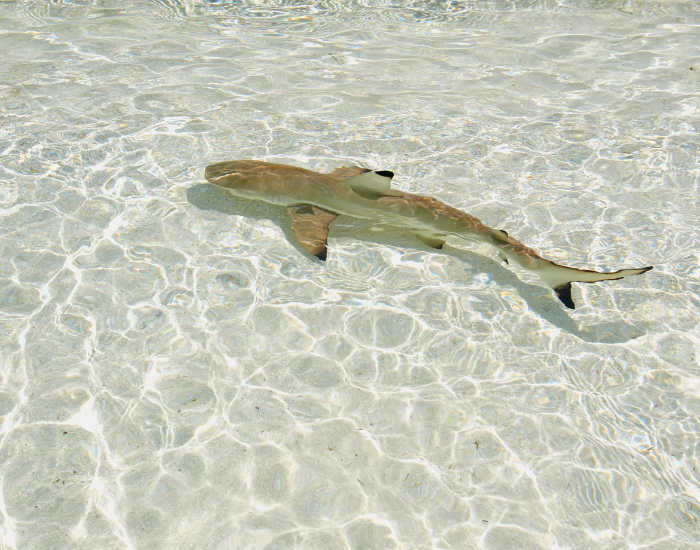
4. Don’t Confuse Blacktip Reef Sharks with Regular Blacktip Sharks
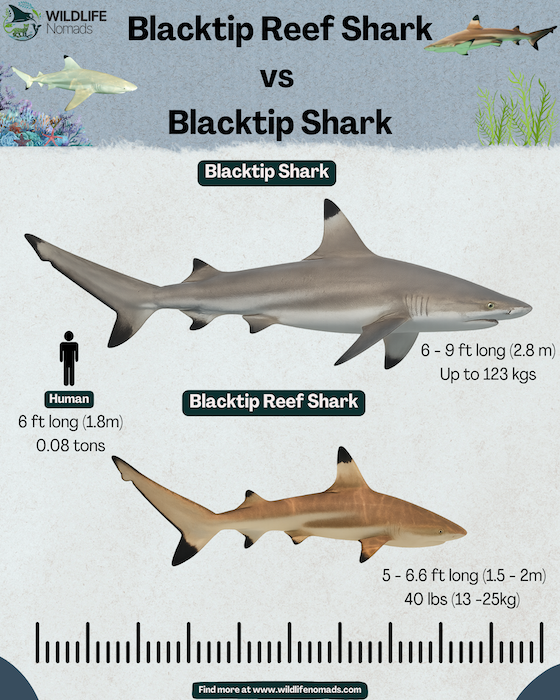
Here’s where things get interesting – and confusing. The blacktip reef shark and the blacktip shark are actually two completely different species, despite their similar names and appearance. This confusion has led to numerous misidentifications and mixed-up statistics about both species. The blacktip reef shark is sometimes referred to as the blackfin reef shark or black finned shark, and is often compared to similar species like the grey reef shark and blunthead shark.
Blacktip sharks (Carcharhinus limbatus) are larger, more robust creatures that prefer deeper waters and are known for their spectacular leaping behavior. They can grow up to 8 feet long and are found in both coastal and offshore waters. Blacktip reef sharks (Carcharhinus melanopterus), on the other hand, are smaller, more slender, and strictly reef-bound, rarely exceeding 5 feet in length.
The key differences include body size, habitat preference, and behavior. Blacktip sharks are known for their aggressive feeding frenzies and dramatic jumping displays, while blacktip reef sharks are much more sedate and predictable. Marine biologist Dr. Leonard Compagno from the South African Museum emphasizes that “these species occupy completely different ecological niches and shouldn’t be confused in conservation discussions.”
5. Tiger Sharks Are Indeed a Threat to Blacktip Reef Sharks
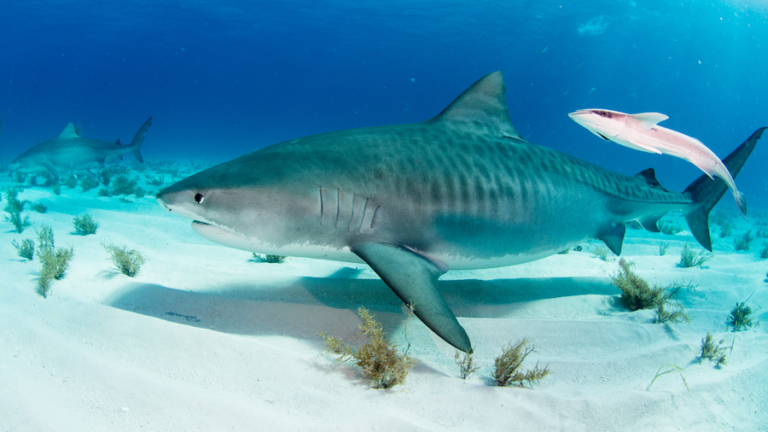
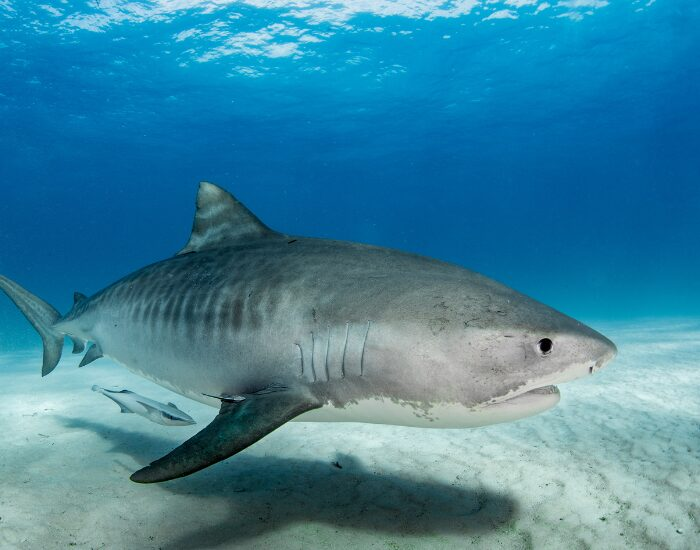
The relationship between tiger sharks and blacktip reef sharks perfectly illustrates the complex predator-prey dynamics in coral reef ecosystems. While blacktip reef sharks are apex predators in their shallow reef environment, they become prey when larger predators like tiger sharks venture into their territory.
Tiger sharks, being opportunistic feeders with incredibly powerful jaws, will readily prey on blacktip reef sharks when the opportunity arises. This predation pressure has shaped the behavior and distribution patterns of blacktip reef sharks, contributing to their preference for very shallow waters where larger sharks are less likely to hunt.
6. Whitetip Reef Sharks Are Even More Docile Than Their Blacktip Cousins
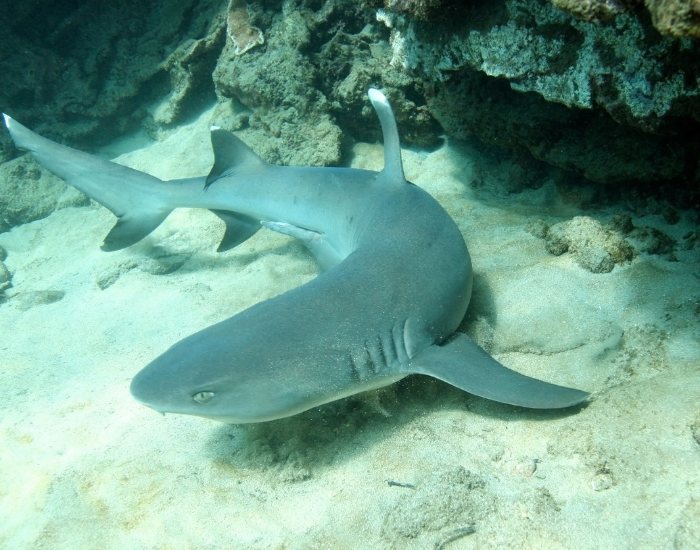
When it comes to temperament, whitetip reef sharks take the prize for being one of the most docile shark species in tropical waters. These sharks are so non-aggressive that they often allow divers to approach within a few feet without showing signs of stress or defensive behavior.
Whitetip reef sharks are known for their calm, almost lethargic demeanor during daylight hours. They spend much of their day resting in caves and under coral ledges, becoming more active at night when they hunt for prey. This predictable behavior pattern has made them favorites among underwater photographers and marine researchers.
According to research, whitetip reef sharks rarely display aggressive behavior toward humans, even when accidentally cornered or handled. Their docile nature, combined with their striking appearance, has made them ambassadors for shark conservation efforts worldwide.
7. Swimming with Whitetip Reef Sharks Is Incredibly Safe
Swimming with whitetip reef sharks is considered one of the safest shark encounters you can have. These sharks are so accustomed to human presence in popular diving destinations that they often ignore divers completely, continuing their normal behavior patterns as if humans weren’t there.
The whitetip reef shark’s non-aggressive nature stems from their feeding ecology and behavior patterns. They’re primarily nocturnal hunters that feed on small reef fish, crustaceans, and cephalopods hiding in coral crevices. During the day, when most human-shark interactions occur, they’re typically in a resting state and show little interest in potential threats or disturbances.
Professional dive guides in places like the Red Sea and Maldives report thousands of safe interactions with whitetip reef sharks annually. The species’ predictable behavior and tolerance for human presence make them ideal subjects for eco-tourism, contributing millions of dollars to local economies while promoting shark conservation awareness.
8. Whitetip Reef Sharks Stay Relatively Small
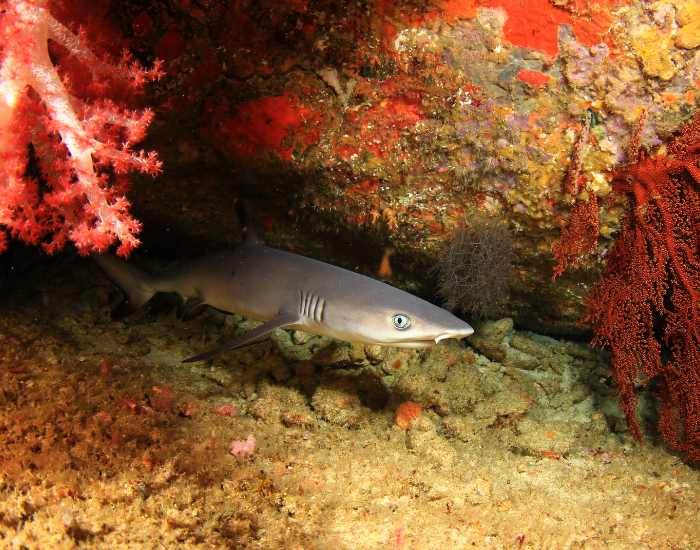
One of the most appealing aspects of whitetip reef sharks for nervous swimmers is their relatively modest size. As a small shark compared to larger requiem sharks, the whitetip reef shark typically grows to about 5 feet in length, with females slightly larger than males. The largest recorded whitetip reef shark measured just over 7 feet, making them significantly smaller than many other shark species. The maximum reported weight for this species is around 40 pounds, further highlighting their status as a small shark within their habitat.
Their compact size is actually an adaptation to their reef environment. Smaller body size allows whitetip reef sharks to navigate through tight coral formations and access prey hiding in small crevices. This specialization has made them incredibly successful in their niche but also somewhat vulnerable to larger predators.
Size data from long-term studies show that most adult whitetip reef sharks encountered by divers measure between 3.5 and 4.5 feet in length. Their modest size, combined with their slender build, gives them an almost graceful appearance as they glide effortlessly through coral formations.
9. Don’t Confuse Whitetip Reef Sharks with Oceanic Whitetips
Just like their blacktip cousins, whitetip reef sharks are often confused with a completely different species – the oceanic whitetip shark. This confusion can have serious consequences for both conservation efforts and diver safety, as these two species have vastly different temperaments and habitat preferences.
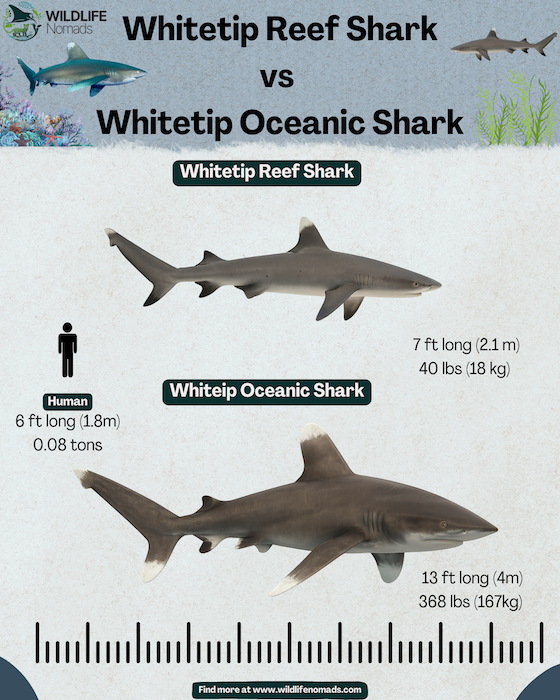
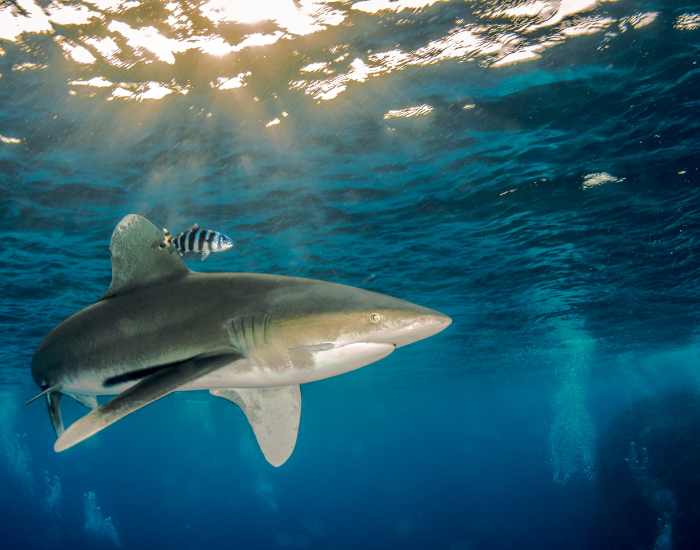
Oceanic whitetip sharks (Carcharhinus longimanus) are large, aggressive open-ocean predators known for their bold behavior and involvement in shipwreck incidents. They can grow up to 13 feet long and are considered one of the more dangerous shark species. Whitetip reef sharks (Triaenodon obesus), conversely, are small, docile reef dwellers that pose virtually no threat to humans. Divers sometimes call whitetip reef sharks “light tip sharks” because of their pale fin tips.
The physical differences are quite obvious once you know what to look for. Oceanic whitetips have much broader, more prominent white-tipped fins and a more robust build. Whitetip reef sharks are more slender with smaller white tips on their fins and a more pointed snout. Whitetip reef sharks inhabit the eastern Pacific, including Costa Rica and the Galápagos Islands. Marine conservationist Dr. Sylvia Earle emphasizes the importance of proper species identification in both research and public education efforts.
10. Both Species Face Serious Conservation Challenges
Despite their popularity among divers and their importance to reef ecosystems, both blacktip reef sharks and whitetip reef sharks face significant conservation challenges. The International Union for Conservation of Nature (IUCN) currently lists blacktip reef sharks as “Near Threatened” and whitetip reef sharks as “Near Threatened,” with populations declining in many regions.
The primary threats include overfishing, habitat destruction, and climate change impacts on coral reefs. Commercial fisheries target blacktip reef sharks for their meat, liver oil, and fins, contributing to population declines. Their restricted habitat ranges and site-faithful behavior make these sharks particularly vulnerable to local fishing pressures. Unlike wide-ranging species that can recover from regional population declines, reef sharks depend entirely on the health of specific reef systems.
Blacktip reef sharks reach maturity at a relatively late age, and males mature at a specific size, which affects their life history and increases their vulnerability to overfishing. These life history traits, combined with external threats, make population recovery challenging.
Recent studies indicate that reef shark populations have declined by up to 90% in some heavily fished areas. The loss of these apex predators can trigger cascading effects throughout reef ecosystems, leading to decreased fish diversity and coral reef degradation.
11. They Play Crucial Ecological Roles as Apex Predators
Both blacktip reef sharks and whitetip reef sharks serve as keystone species in their coral reef ecosystems. As apex predators, they help maintain the delicate balance between different fish populations, preventing any single species from becoming too abundant and disrupting the ecosystem. In terms of sensory adaptations, blacktip reef sharks, like most sharks, rely on specialized senses such as the ampullae of Lorenzini and olfactory organs for hunting, though their reliance on vision is less than that of some other sharks, especially given their nocturnal activity.
Research from the Australian Research Council shows that reefs with healthy shark populations have significantly higher fish diversity and better coral health. Sharks help control populations of herbivorous fish, which in turn affects algae growth on corals. They also prey on weak and sick fish, helping maintain the overall health of fish populations, which is a crucial aspect of fish biology within reef ecosystems.
The feeding behavior of these sharks also contributes to nutrient cycling within reef systems. By hunting in different areas and depths, they help redistribute nutrients throughout the reef ecosystem. Dr. Mike Heithaus from Florida International University describes reef sharks as “ecosystem engineers” whose presence influences the behavior and distribution of numerous other species.
12. Research Continues to Reveal New Insights About These Remarkable Sharks
Modern research techniques are constantly revealing new information about blacktip reef sharks and whitetip reef sharks. Advanced tagging technologies, genetic analysis, and long-term behavioral studies are providing insights that are changing our understanding of these species. Scientists often rely on resources such as annotated and illustrated catalogues to accurately identify and describe shark species during their research.
Recent research using acoustic telemetry has revealed that these sharks have much more complex social behaviors than previously thought. Studies in Maldives have documented sophisticated social hierarchies and communication patterns among reef sharks. Behavioral studies have also shown that whitetip reef sharks may rest in the same cave for extended periods, demonstrating site fidelity and specific habitat preferences. Genetic research is also revealing previously unknown population structures and migration patterns.
One of the most exciting recent discoveries involves the sharks’ role in coral reef resilience. Research suggests that healthy shark populations may help coral reefs better withstand climate change impacts by maintaining ecological balance and promoting biodiversity.
Scientists are using everything from satellite tracking to underwater cameras to better understand these sharks’ needs and behaviors. Reproductive biology studies show that shark embryos draw nourishment from a yolk sac during gestation, which later converts to support fetal development. This research directly informs marine protected area design and fishing regulations aimed at protecting these important predators.
What Do Blacktip and Whitetip Reef Sharks Eat? Diet and Foraging Secrets
Understanding what blacktip reef sharks and whitetip reef sharks eat is essential to appreciating their vital role in coral reef ecosystems. As apex predators, these shark species help maintain the delicate balance of life on the reef, shaping the population structure of reef fish and other marine creatures across the Indo-Pacific.
The blacktip reef shark (Carcharhinus melanopterus) is a true generalist when it comes to diet. Patrolling the shallow waters and coral heads of the reef, these sharks feed on a wide variety of bony fishes, including mullet, surgeonfish, and wrasses. They also eat crustaceans (crabs, shrimp), cephalopods (octopus, squid), and, in some regions, aquatic snakes. Blacktip reef sharks often hunt in small groups, using ambush tactics and high-speed chases to catch prey.
Whitetip reef sharks (Triaenodon obesus), on the other hand, have developed a more specialized approach to foraging. These nocturnal hunters are experts at seeking out bottom-dwelling prey, using their slender, flexible bodies to wriggle into narrow crevices and under coral ledges. Whitetip reef sharks possess a highly developed sense of smell and electroreception, enabling them to detect hidden prey even in the darkest corners of the reef. Remarkably, they can go for weeks without eating, a testament to their adaptability in the often unpredictable environment of the coral reef.

Conservation in Action: What You Can Do
Understanding these incredible facts about blacktip reef sharks and whitetip reef sharks is just the first step. These remarkable predators need our active protection to ensure future generations can experience their wonder. Here are concrete actions you can take:
Support sustainable tourism by choosing dive operators committed to responsible shark encounters and reef conservation. Look for operators certified by organizations like the Marine Stewardship Council or Green Fins initiative. Your tourism dollars directly support local conservation efforts and provide economic incentives for shark protection.
Make conscious seafood choices by avoiding products that contribute to shark finning or reef destruction. Support sustainable fishing practices and consider reducing your overall seafood consumption. Organizations like the Monterey Bay Aquarium provide excellent guides for making ocean-friendly seafood choices.
Join shark conservation groups such as the Shark Trust, Project AWARE, or your local marine organization. These organizations conduct vital research, advocate for protective legislation, and educate the public about the importance of shark conservation.
Appreciating These Ocean Ambassadors
These 12 facts about blacktip reef sharks and whitetip reef sharks reveal creatures far more complex and fascinating than popular media typically portrays. These sharks aren’t mindless predators; they show sophisticated, site-faithful behavior and help maintain healthy coral reef ecosystems.
When people follow proper precautions, encounters with both species are generally safe—which makes them excellent ambassadors for shark conservation. Their docile nature and predictable behavior patterns provide unparalleled opportunities for people to connect with these apex predators and develop a deeper appreciation for marine conservation.
The future of these remarkable sharks depends on our collective actions today. By supporting responsible tourism, making sustainable choices, and advocating for marine protection, we can ensure that blacktip reef sharks and whitetip reef sharks continue to patrol coral reefs for generations to come.
Remember, every encounter with these incredible creatures is a privilege – one that comes with the responsibility to protect and preserve their fragile reef ecosystems. The next time you have the opportunity to swim with blacktip reef sharks or whitetip reef sharks, you’ll appreciate not just their beauty, but their crucial role in maintaining the underwater world we all depend on.