Identifying Invasive Florida Fishes: Why They Matter
Florida’s freshwater ecosystems are vibrant and fragile. They host a mix of native species like largemouth bass and sunfish, but they’re also under constant pressure from invasive species in Florida fish populations, many introduced through the aquarium trade or aquaculture escapees. The introduction of these non-native fish often occurs accidentally or intentionally, through pathways such as aquarium releases, aquaculture, or even ballast water. Invasive species can find their way into Florida’s waters via natural events or human activities, allowing them to establish and spread.
This ongoing invasion threatens the balance of local ecosystems, as these species compete with native fish for food and habitat, disrupt ecosystems, and cost millions of dollars in management each year. The role of water bodies is crucial, as they provide the pathways and habitats that enable invasive species to spread and thrive.
This guide explores the top 12 invasive fish species Florida is grappling with today, why they matter, and what you, as an angler, visitor, or conservationist, can do to help.

What Makes a Fish Invasive?
Not every non-native fish becomes invasive. A species becomes invasive when it establishes breeding populations, spreads, and causes harm, whether that’s to the environment, economy, or human health. Common traits of invasive fish species include:
- Rapid reproduction – Some invasive fish can spawn year-round in Florida’s warm climate.
- Generalist diets – They eat a wide range of prey, making them adaptable in new ecosystems.
- Tolerance of varied habitats – Many thrive in canals, lakes, and wetlands.
- Few natural predators – Native predators often don’t recognize or target them.
- Competition for resources – Invasive fish often outcompete native species for essential resources like habitat, prey, and space.
These traits help explain why species like the blue tilapia or walking catfish have taken hold so successfully. Some invasive fish also become a nuisance in local ecosystems, disrupting the balance and affecting both wildlife and human activities.
It is important to manage invasive species effectively to reduce their impact and protect native ecosystems.
Top 12 Invasive Fish Species in Florida
These invasive fishes are found in various areas of Florida, impacting both freshwater and saltwater ecosystems. Certain area hotspots, such as Charlotte and Lee counties, are particularly affected by these species. You can often find them at specific site locations, including popular fishing spots and water management zones.
Here’s a breakdown of the most notable florida fishes that pose ecological challenges.
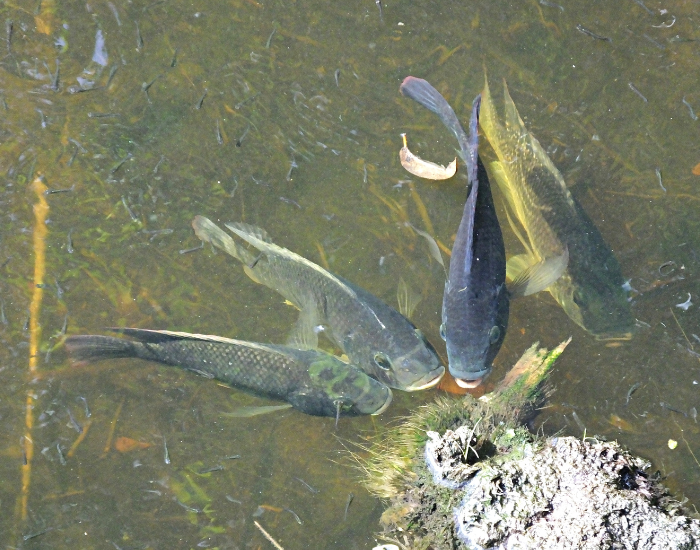
1. Blue Tilapia (Oreochromis aureus)
Introduced for aquaculture, the blue tilapia—originally native to regions of North Africa and the Middle East—has spread throughout Florida’s freshwater canals and lakes. With its distinctive gray-blue body and red fin borders, it competes with native fish for habitat and food. Its digging nests can also damage aquatic vegetation critical for native species.
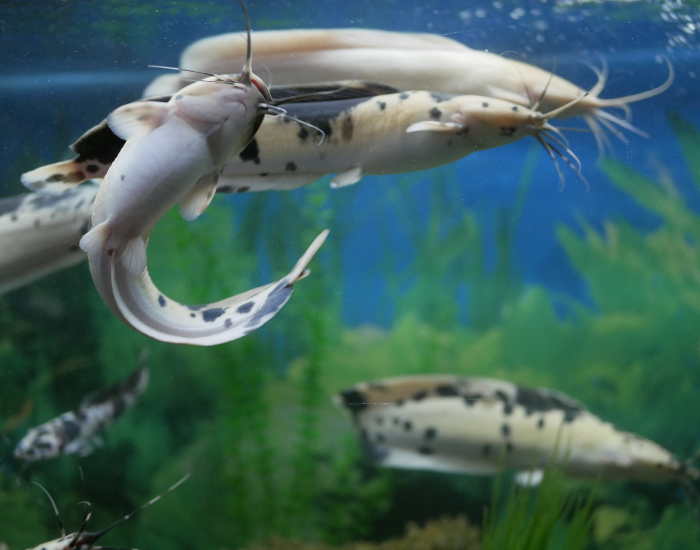
2. Walking Catfish (Clarias batrachus)
If you’ve ever seen a fish literally walk across a road, you’ve likely encountered the walking catfish. Native to Asia, this species uses its pectoral fins to travel over land during wet conditions. It disrupts aquaculture ponds and competes with native catfish.
3. Armored Catfish (Pterygoplichthys spp.)
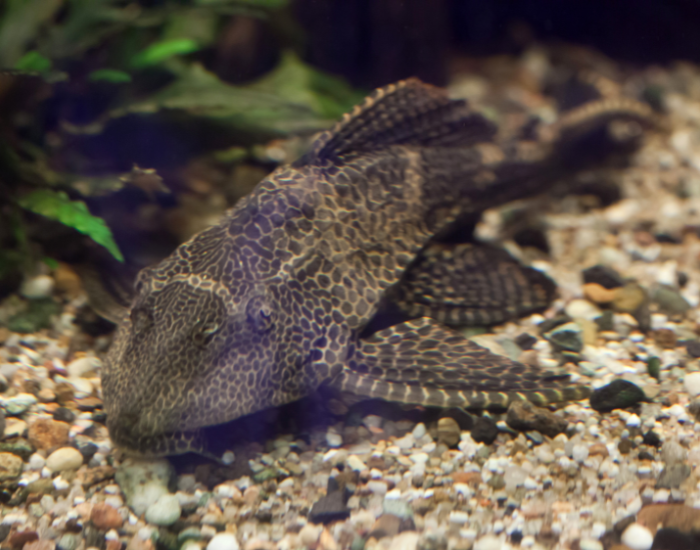
Commonly released from aquariums, armored catfish are easily identified by their distinctive suckermouth, a specialized mouth that allows them to attach to surfaces and feed on algae. They burrow into canal banks, causing erosion. Their armor-like scales and tough skin make them difficult prey for native predators, and they reproduce quickly.
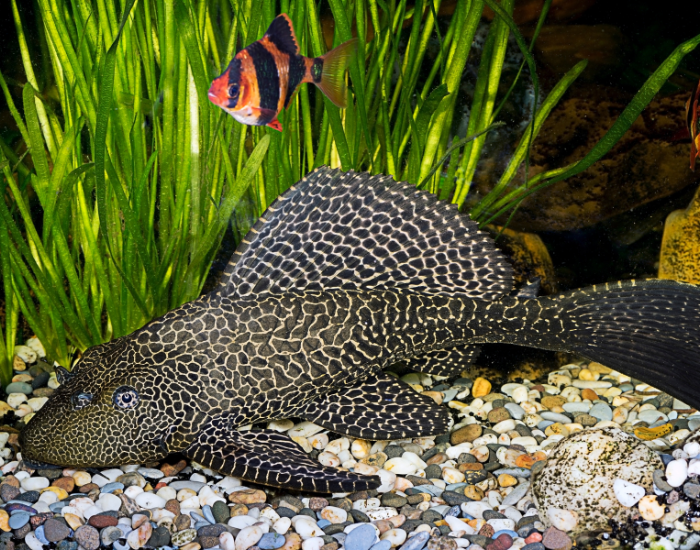
4. Sailfin Catfish (Pterygoplichthys multiradiatus)
Closely related to the armored catfish, this species also undermines canal walls. It’s easy to identify by its large, sail-like dorsal fin.
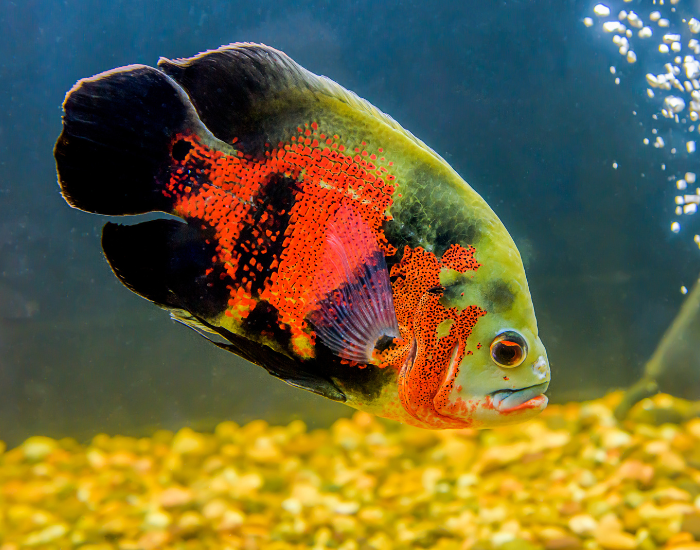
5. Oscar (Astronotus ocellatus)
Originally from South America, the Oscar is a popular aquarium fish. In Florida, it has established strong populations in canals. Aggressive and opportunistic, Oscars compete with native freshwater fish for food and space.
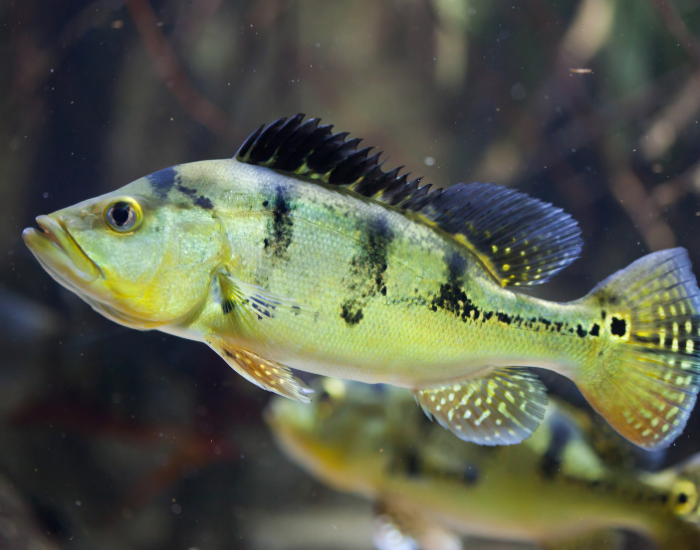
6. Butterfly Peacock Bass (Cichla ocellaris)
Interestingly, this invasive was intentionally introduced in the 1980s to control other invasive species like tilapia. While it supports a popular recreational fishery, it still displaces some native fish.
7. Nile Tilapia (Oreochromis niloticus)
Another tilapia species thriving in Florida, it alters habitats through nest digging and competes directly with native sunfish and bass.
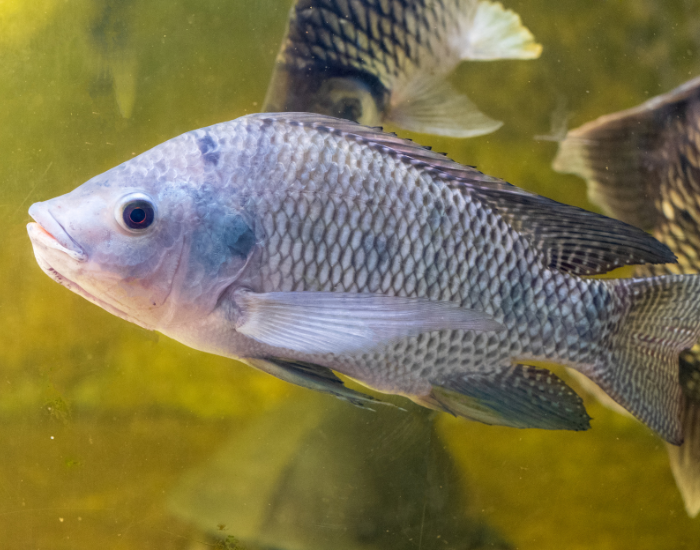
8. Mayan Cichlid (Mayaheros urophthalmus)
Known for its striking red belly, this Central American species now flourishes in Florida’s freshwater and brackish habitats. It outcompetes native fish and has become a common catch for anglers.
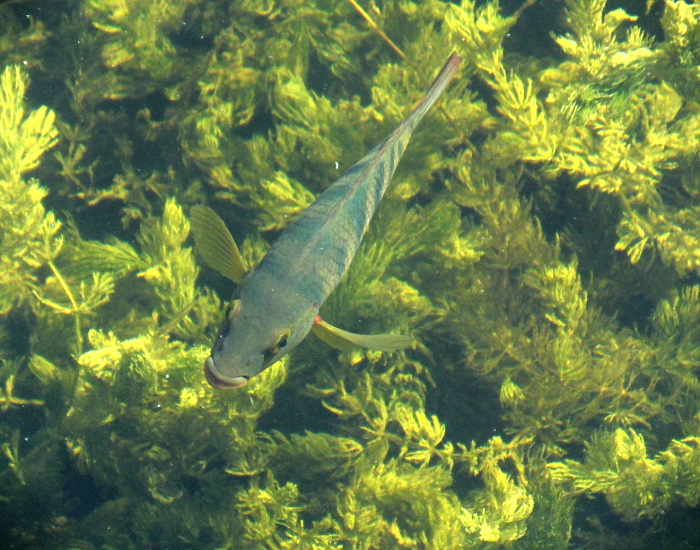
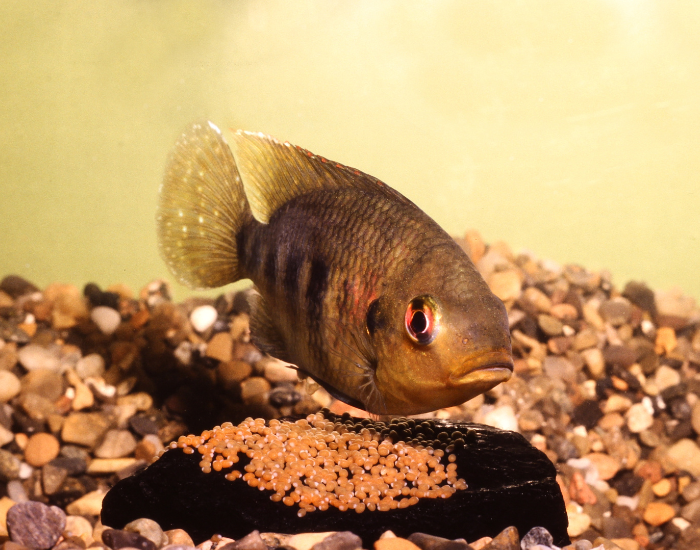
9. Midas Cichlid (Amphilophus citrinellus)
This brightly colored cichlid from Central America aggressively competes with native fish for spawning sites and preys on juveniles, thriving in South Florida’s warm waters.
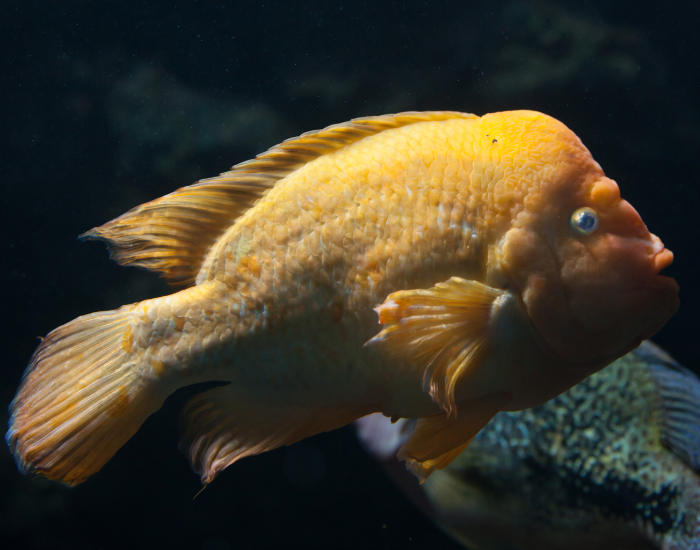
10. Jaguar Guapote (Parachromis managuensis)
Named for its jaguar-like spots, this aggressive predator can grow over 20 inches long. It preys on smaller native fish and poses a serious threat to biodiversity.
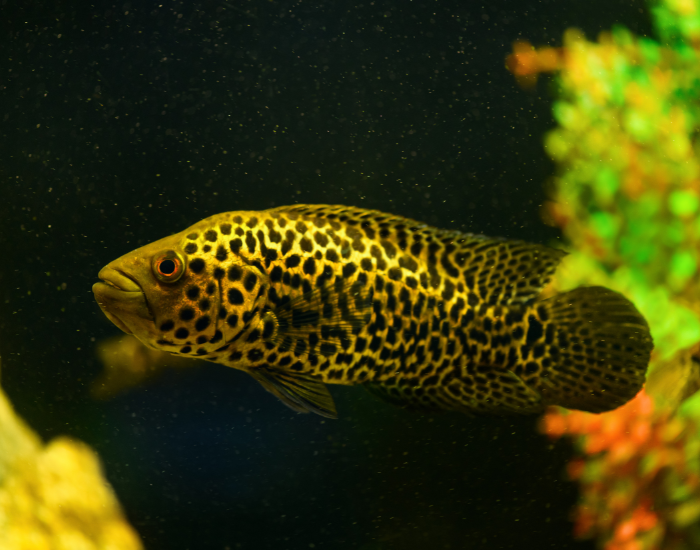
11. Spotted Tilapia (Pelmatolapia mariae)
Another aquarium release gone wrong, this tilapia species is now established in South Florida, particularly in canals.
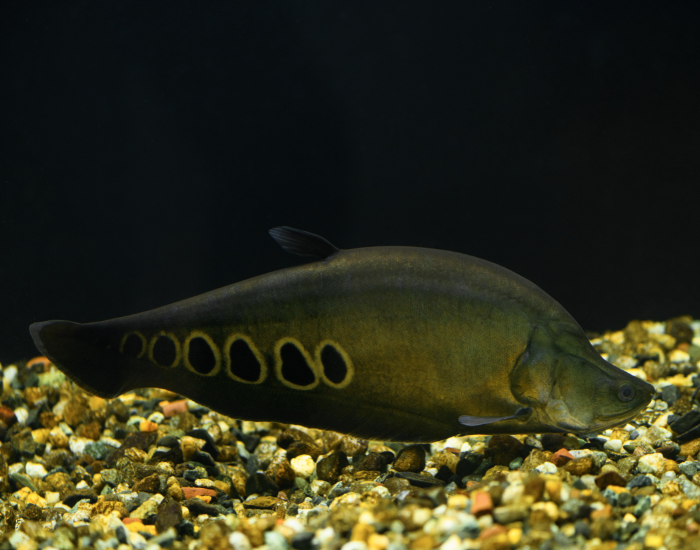
12. Clown Knifefish (Chitala ornata)
Perhaps the most visually striking invasive, the clown knifefish comes from Southeast Asia. With its knife-shaped body and distinctive spots, it’s popular in the aquarium trade but destructive in the wild.
Impacts on Native Florida Freshwater Fish
The presence of florida freshwater invasive fish has profound consequences:
- Competition: They outcompete native species like sunfish and bass for food and spawning grounds.
- Predation: Aggressive invaders prey directly on smaller natives.
- Habitat alteration: Nest digging and burrowing degrade aquatic vegetation and canal banks.
- Disease spread: Some species introduce parasites and pathogens new to Florida ecosystems.
Some invasive fish can also pose risks to humans, especially through the transmission of parasites or by causing injuries when handled.
Conservation and Management Efforts
Florida invests heavily in controlling invasive species, and anglers play a major role. Strategies include:
- Removal programs – Electrofishing, netting, and even organized invasive fish fishing tournaments.
- Public awareness campaigns – Encouraging the public not to release aquarium fish.
- Regulation and prevention – Strict rules around import and aquaculture practices.
- Community participation – Citizen science initiatives where anglers report catches of invasive fish.
One initiative I joined during my travels was the “Slam the Slam” event held in South Florida, where anglers competed to catch the largest combination of invasive species. The purpose of this event was to raise awareness and encourage community involvement in managing invasive fish populations. Events like these highlight how management can be both effective and community-driven.
Fishing Regulations: What You Need to Know
Unlike many native species, most invasive fish species Florida are legal to catch and keep without limits. In fact, the Florida Fish and Wildlife Conservation Commission (FWC) encourages anglers to remove them from ecosystems. For example:
- Snakeheads – Must never be released if caught.
- Tilapia, Oscars, and Mayan cichlids – No size or bag limits.
- Butterfly Peacock Bass – Unique case where catch limits exist due to its recreational fishery value.
Always check the latest FWC guidelines before heading out, as regulations adapt to ongoing conservation needs.
FAQs About Florida Fishes
Largemouth bass is the most iconic, but tilapia are now among the most common in South Florida waterways.
Native species like largemouth bass and crappie are popular. Some anglers also eat tilapia, though these are invasive.
Yes. Multiple species of tilapia are invasive, altering habitats and competing with native fish.
No. Snakeheads must not be released if caught—they are a prohibited invasive species.
These include snakeheads, Asian swamp eels, and several invasive cichlids. The full list is available on the FWC website.
Fishes That Shouldn’t be There
Florida’s waterways are a fascinating mix of native fish and invasive species. As someone who has studied wildlife across continents, from South America’s Amazon to Australia’s Great Barrier Reef, I’ve seen how fragile ecosystems can be when outsiders arrive. Florida is no different.
By learning to identify invasive fish, reporting your catches, and supporting conservation efforts, you can help protect the fish in Florida freshwater systems for future generations.
Florida’s invasive species problem extends far beyond fish. From Burmese pythons invading the Everglades to lionfish overrunning coral reefs, the state’s ecosystems face growing threats on land and sea. If you’re interested in the broader picture, explore our guide to the Top 16 Invasive Species of Florida You Should Know and learn how these species, including the Burmese Python, are reshaping local habitats.
So next time you’re fishing in South Florida, ask yourself: Is this catch part of the solution, or part of the problem?