
Encountering a Wild Neighbour
Have you ever spotted a Florida bobcat? Most people mistook it for a large domestic cat slipping through the palmettos. These animals move with such silent precision that if you don’t notice the stubby tail flicking behind it, you may miss the sighting altogether.
As a biologist, I am fascinated by the big cats of the world, jaguars in the Americas, snow leopards vanish in the Himalayan cliffs, and t African leopards across savannas. Yet, really we don;t have to look far to find one of these felines. Just outside a suburban neighborhood in places like florida, a wild predator thrives in one of the most developed corners of the United States. The Florida bobcat may not have the size of a panther, but it carries the same aura of mystery, resilience, and wildness.
1. Florida Has Only Two Wild Cats
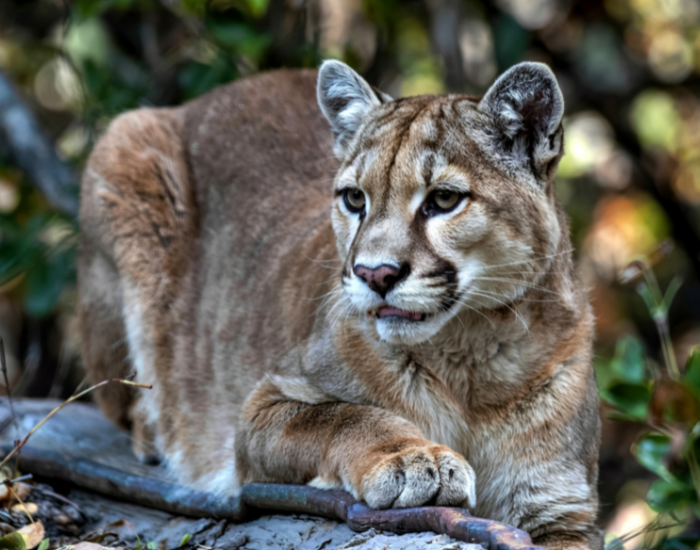
Florida is the only state in the U.S. where the critically endangered (Puma concolor coryi) and the Florida bobcat (Lynx rufus floridanus) coexist. While panthers are critically endangered, bobcats in FL are widespread and adaptable.
- Bobcats are sometimes nicknamed bay lynx or even “Florida lynx,” though they’re the same species found across North America.
- Scientists classify these cats as part of the “Felidae” family, closely related to lynx, cougars, and domestic cats.
- Early European settlers often confused bobcats with panthers or mountain lions, and some writings even describe them as “modified lions.”
2. Bobcats Are Found Almost Everywhere in Florida
If you’ve wondered, Where do bobcats live in Florida? the answer is nearly everywhere, from pine flatwoods to suburban edges.
- Populations are strongest in central Florida and along wetlands like the Florida Everglades, though they’re absent from the Keys.
- According to FWC data, bobcats in Florida map studies show they thrive in agricultural areas, rural areas, deep forests, and even urban areas.
- They occasionally roam farther north, extending into the western United States, and their original range stretched into southern Canada and Mexico.
Their adaptability is their secret weapon: bobcats can adjust to fragmented habitats, which makes them less vulnerable than panthers.

3. They’re Small but Muscular Predators
When people ask about Florida bobcats size, I like to describe them as “house cats on steroids.”
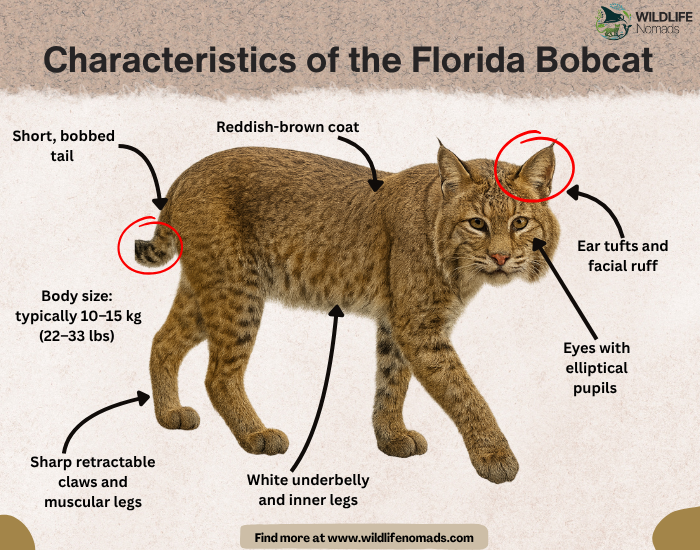
- Adults weigh 15–35 pounds, with males larger than females.
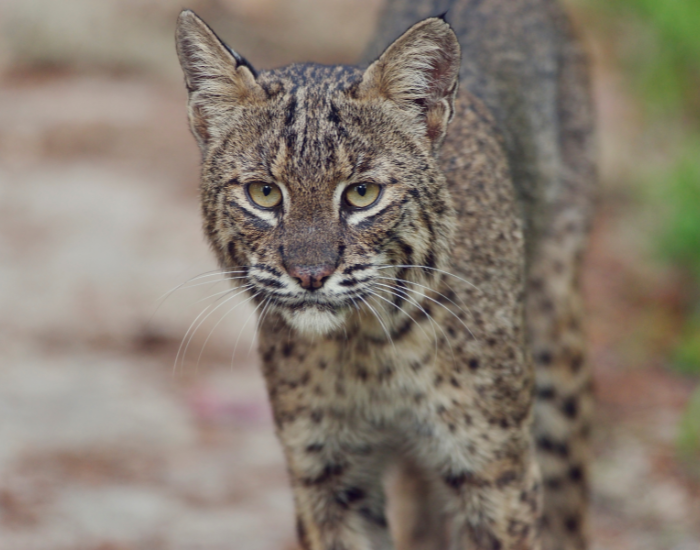
- Their body length averages 2–4 feet, with a short, stubby tail tipped in black.
- Coats are generally tan to grayish brown, with black streaks and spots that provide camouflage in scrub and forest.
- Distinctive features: bobcat’s ears with black tufts, a white underside, and muscular legs built for powerful leaps.
Compared to Florida panthers, they are half the size, yet still formidable hunters.
4. Bobcat Tracks Reveal Their Secret Paths
One of the easiest ways to know if a bobcat has passed through is by spotting bobcat tracks.
- Tracks are round, about 2 inches wide, with retractable claws that don’t usually show (unlike dogs).
- They can be confused with large domestic cats, but the stride and claw absence give them away.
- In sandy Florida soil, their prints often appear along resting sites, hollow logs, and rural trails.
When I was working on wildlife surveys in central Florida, finding a fresh set of tracks always felt like reading a wild diary entry, proof of survival in landscapes often dominated by people.
5. Bobcats Are Habitat Generalists – From Forests to Backyards
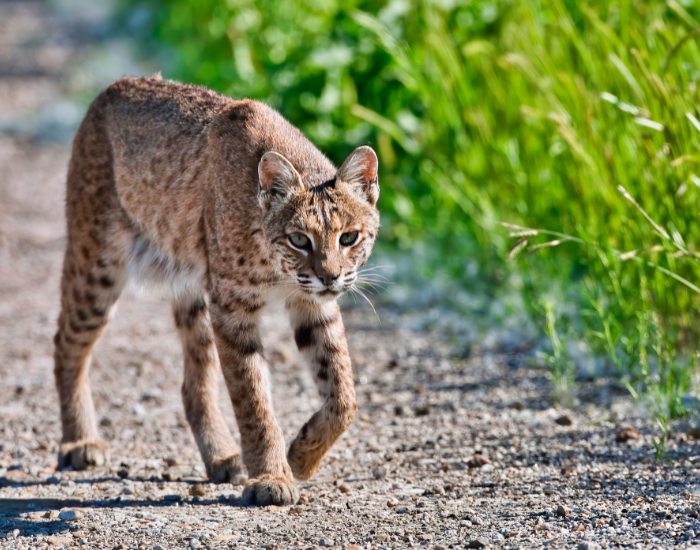
Unlike the panther, which requires vast wilderness, bobcats thrive in diverse landscapes:
- Forests: oak hammocks, coniferous forests, and scrub.
- Wetlands: Everglades marshes and cypress swamps.
- Agricultural areas: edges of farms provide prey-rich hunting grounds.
- Urban areas & suburban areas: bobcats have been recorded near golf courses, parks, and even backyards.
- Desert regions & extreme southern portions of their U.S. range show just how far their adaptability stretches.
This flexibility explains why bobcats in Florida are stable, while panthers struggle.
6. Silent and Skilled Hunters
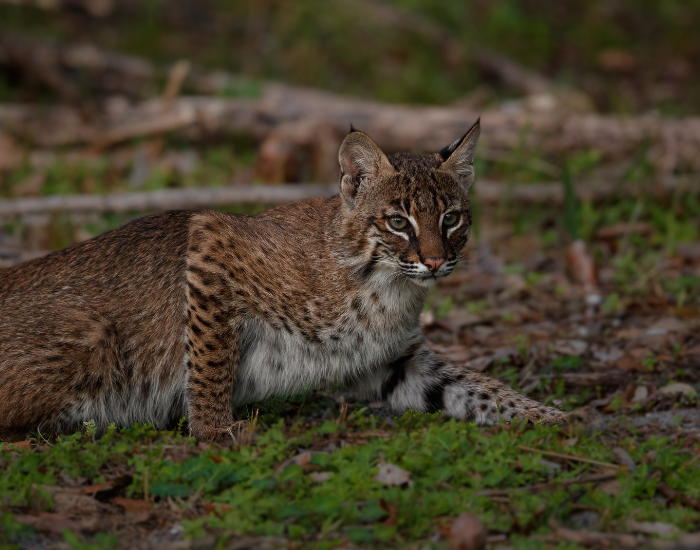
Bobcat hunts are lessons in patience. These cats are ambush predators: they crouch silently, then spring with explosive force.
Diet highlights:
- Rabbits and rodents are staples.
- Birds, reptiles, and even domestic chickens are targeted.
- They may scavenge carrion if prey is scarce.
- On rare occasions, they prey on small livestock or even a feral cat.
Unlike jaguars or lions, bobcats lack the flexible cartilage needed to roar. Instead, they growl, hiss, or let out a chilling yowl.
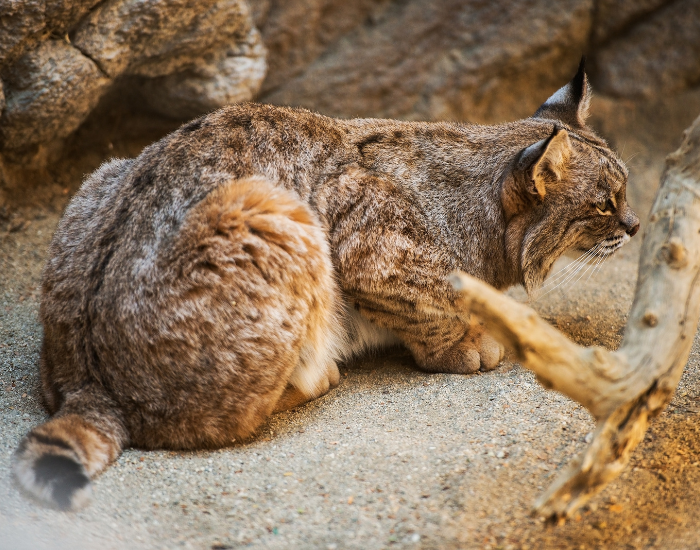
7. Bobcats vs. Panthers vs. Lynx
A common Florida question is: Did I see a lynx or a bobcat?
- Florida bobcat (lynx rufus): 15–35 lbs, short black-tipped tail, spotted coat, pointy tufted ears.
- Florida panther (puma concolor coryi): 100–160 lbs, long tail, uniform tan coat, rounded ears.
- Mountain lion (other puma): Similar to panther but range extends west.
- Canadian lynx: Longer legs, thicker fur, massive paws for snow — not found in Florida.
Bobcats don’t roar like jaguars, leopards, or snow leopards, but they’re just as fascinating in their niche.

8. Big Territory, Small Cat: Home Range Secrets
Bobcats are solitary, each maintaining a home range that can span square miles.
- Males often roam larger ranges than females.
- Territories are marked with scent and claw marks in careful fashion.
- Range size depends on suitable habitat and prey density.
Studies suggest their original range shrank due to development, but they remain widespread across Florida.
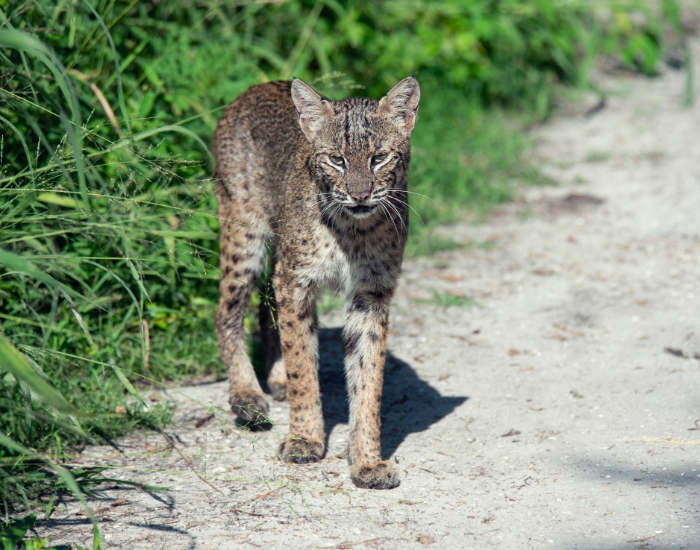
9. Tiny Kittens, Fierce Moms: The Bobcat Life Cycle
The gestation period for bobcats lasts about 60–70 days.
- Breeding peaks in winter and early spring.
- Females signal readiness with calls and scent marking.
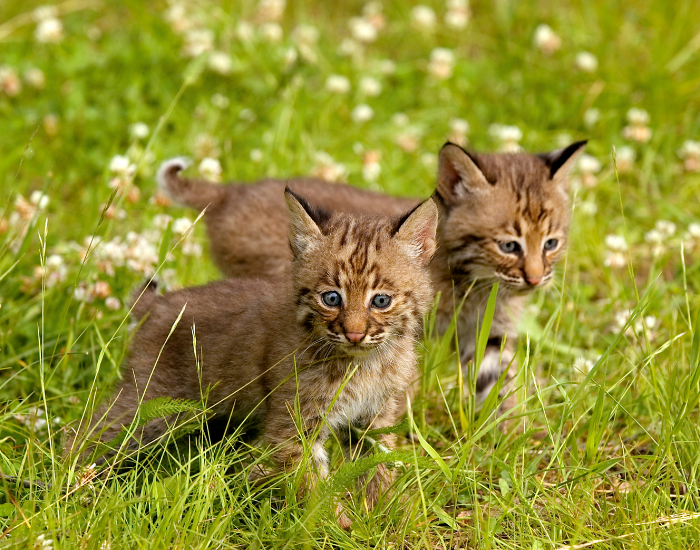
- Litters of 2–4 kittens are born in hollow logs, dens, or dense brush.
- Kittens open eyes after 9–10 days, wean at two months, and disperse by fall.
In the wild, bobcats live 7–10 years, though some reach 12.
10: Conservation – Not Endangered, But Still Protected
Unlike the endangered panther, Florida bobcats animal populations are classified as Least Concern.
- Threats include habitat loss, vehicle collisions, and conflict with people.
- Wildlife corridors connecting rural and suburban habitats are key to survival.
If you see one:
- Keep your distance.
- Don’t feed or approach.
- Report injured or aggressive individuals to FWC.
Population Check-Up: How Bobcats Are Doing
Across Florida, bobcat populations are considered stable thanks to this species’ talent for living in edge habitats, where scrub meets pasture, or pine flatwoods meet neighborhoods. They’re recorded from the Panhandle to the Everglades and are regularly found south into marl prairies and mangrove margins. In the extreme southern portions of the peninsula, the southern tip, records can be patchier because of waterlogged terrain and fragmented uplands, and there are still no resident bobcats in the Florida Keys.
Biologists sometimes reference the Mississippi River as a convenient east–west marker when discussing monitoring regions for Lynx rufus across North America, but within Florida the picture is simpler: bobcats in FL occupy most counties wherever there is cover and prey. If you’re visual and love maps, the FWC’s bobcats in Florida map shows dense observations through central Florida, thinning only where habitat is highly urbanized or surrounded by open water. Long-term persistence here depends on keeping green corridors intact so these mid-sized predators can move between feeding grounds and denning areas without crossing endless lanes of traffic.

Anatomy Close-Up: Ears, Tufts, and That Tail
Field marks are your friend. Look first to the head: the bobcat’s ears are pointed and capped with black tufts that sharpen its outline, handy when a cat is peering over saw palmetto. The tail is short and blocky; when flicked, you may catch a flash of the white underside, a detail some field guides call a white underside track. Underfoot, prints are round and quiet because their retractable claws stay sheathed while walking.
Vocal anatomy also separates bobcats from the big-roaring cats. Without the specialized flexible cartilage and ligament structures found in lions and the deep-chested rumble you hear when jaguars roar, bobcats communicate with yowls, growls, and hisses. Up close (with binoculars, not your feet), you’ll also notice heavy whisker pads and a compact, muscular chest, design choices by evolution for powerful short bursts rather than marathon chases.
Female Bobcats: Signals, Nests, and Kittens
During late winter and early spring, a female bobcat advertises readiness with scent marks and short, insistent calls, biologists often shorthand this as females signal. After a gestation period of roughly 60–70 days, she selects concealed resting sites, typically hollow logs, dense vines, or tangled saw palmetto, to whelp two to four kittens. For the first weeks, she keeps movements tight, ferrying prey to the den and relocating if she senses risk. As the kittens grow, she expands nightly forays and begins escorted hunts, teaching pounces and pauses that define bobcat craft. By late summer, the young start to disperse, easing pressure on local bobcat populations and reducing overlap with the mother’s home range.

Frequently Asked Questions About Florida Bobcats
What kind of bobcats are in Florida?
The Florida bobcat (Lynx rufus floridanus), a subspecies of the North American bobcat.
Where do bobcats live in FL?
Everywhere except the Keys — from Everglades wetlands to agricultural areas and urban edges.
What is the difference between a Florida panther and a bobcat?
Panthers are much larger, solid tan, with long tails; bobcats are smaller with spotted coats and stubby tails.
What could be mistaken for a bobcat?
Large domestic cats, feral cats, or occasionally coyotes at a distance.
Are bobcats aggressive in Florida?
Not typically. They avoid humans and will only act defensive if cornered.
What time of day do bobcats come out?
Mostly at dawn and dusk.
Should I report seeing a bobcat?
No, unless it seems sick, aggressive, or injured. Then call FWC.
Are there lynx cats in Florida?
No — references to a “lynx cat Florida” mean bobcats, not true lynx.
Guardians of Florida’s Wild Edge
Every time I see a Florida bobcat, I’m reminded that wildness doesn’t just exist in remote national parks, it lives in our backyards, our agricultural edges, even along suburban bike paths. These cats embody resilience, carving out survival in landscapes shared with millions of people.
From bobcat tracks in sandy trails to the flicker of a stubby tail in the deep forest, these animals are living proof that Florida still belongs to the wild. Protecting their habitats, and learning to coexist, ensures that future generations will share these encounters with one of North America’s most adaptable wild cats.