
I’d always dreamed of visiting Canada, the land of endless forests, glacial lakes, and some of the most iconic wildlife on Earth. In March 2025, I finally had the chance, and in just one month I was lucky enough to encounter elk, wolves, coyotes, deer, bighorn sheep, bald eagles, and countless other incredible species.
With its vast landscapes spanning from rugged coastlines to dense boreal forests and icy tundras, Canada is a great place to see wildlife. As the second-largest country in the world, it boasts an impressive variety of animals, from the iconic moose and polar bear to the elusive wolverine and spirit bear. Whether you’re exploring the Rocky Mountains, Arctic tundra, or Atlantic shores, the wildlife in Canada is as diverse as the landscapes and National Parks themselves. The Atlantic Ocean is significant as a habitat for various marine species and connects to significant waterways like the Saint Lawrence River, emphasizing Canada’s extensive coastline and ecological diversity.
In this guide, we’ll explore some of the most fascinating wildlife Canada has to offer, answer common questions about animals in Canada, and highlight the best places to see them in the wild. Conservation areas play a crucial role in preserving Canada’s resident species, with approximately 65 percent of these species considered secure.
Canadian Wildlife Geography
Regional Wildlife Variations Across Canada
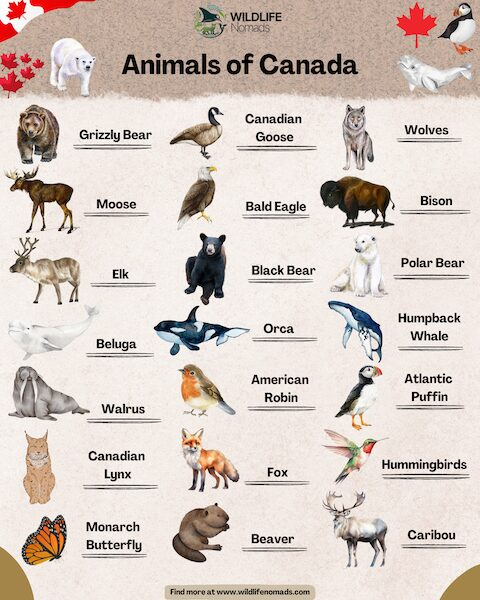
The wildlife found in Canada varies significantly from one region to another, largely due to the country’s diverse geography. In the western provinces, such as British Columbia and Alberta, you can encounter grizzly bears, black bears, and mountain goats, all thriving in the mountainous terrain. Moving to the prairies of Saskatchewan and Manitoba, the landscape changes to grasslands where bison, prairie dogs, and coyotes are commonly found. In the eastern provinces, including Ontario and Quebec, the forests are home to black bears, moose, and white-tailed deer. The Arctic regions, encompassing Yukon, Northwest Territories, and Nunavut, are characterized by their icy landscapes, which are inhabited by polar bears, arctic foxes, and reindeer.
Which Animal Is Native to Canada?
Canada is home to a rich variety of native species, many of which are uniquely adapted to its diverse climates. Some of the most notable include:
Mammals:
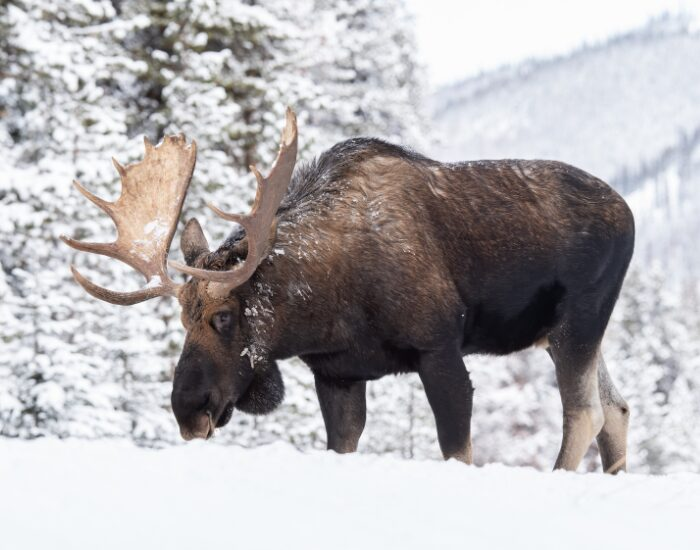
Moose (Alces alces)
Found in forests across Canada, moose are the largest members of the deer family, reaching up to 2.3 meters (7.5 feet) at the shoulder and weighing over 700 kg (1,500 lbs). They are strong swimmers and can dive to feed on aquatic plants. While moose populations remain stable, habitat loss and vehicle collisions pose threats.
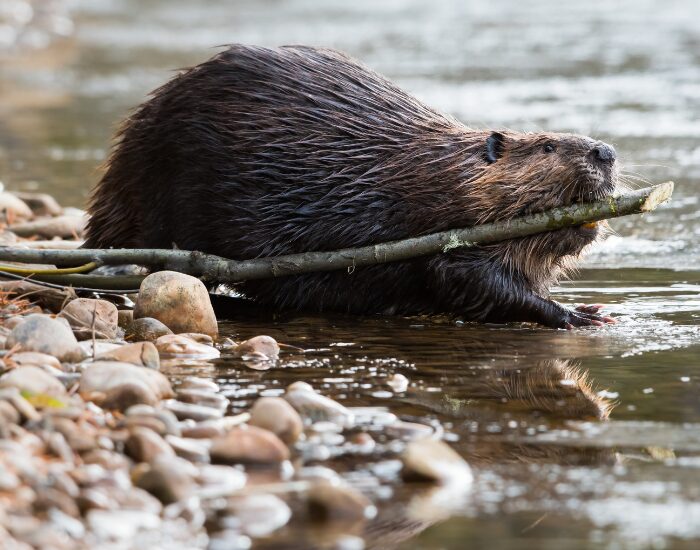
Beaver (Castor canadensis)
As Canada’s national symbol, beavers are known as ecosystem engineers for their dam-building abilities, which create wetland habitats that support biodiversity. Their population recovered after being nearly wiped out during the fur trade era. A classic example of keystone species.
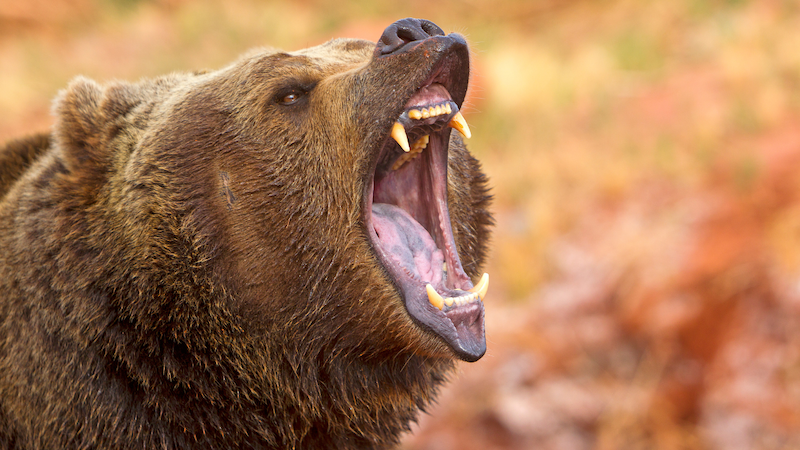
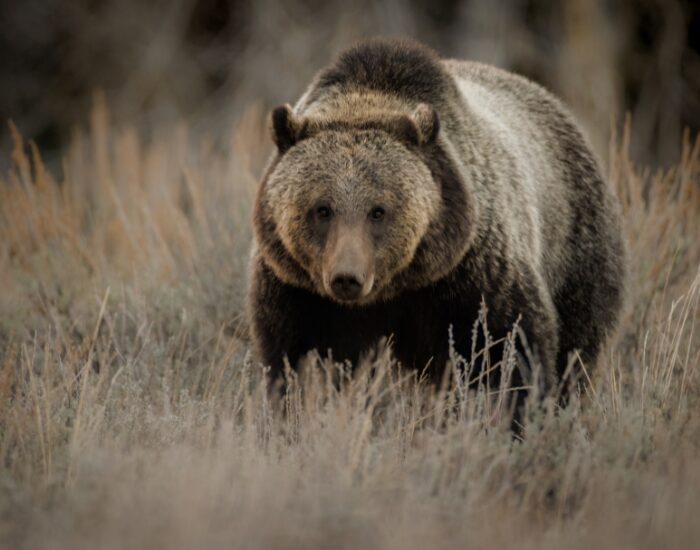
Grizzly Bear (Ursus arctos horribilis)
Found in western Canada, particularly in British Columbia and Alberta, grizzlies are a type of bear. They are powerful omnivores that play a key role in ecosystem health by dispersing seeds and regulating prey populations. They are classified as a species of special concern due to habitat fragmentation. The black bear, another prominent symbol of Canadian wildlife, is found in various habitats across the country. Black bears are curious and opportunistic feeders, often causing human-wildlife interactions in urban areas due to their adaptability.
Wolverine (Gulo gulo)
This elusive predator, found in Canada’s northern boreal forests and tundra, is one of the toughest mammals, capable of taking down prey much larger than itself. Wolverines are threatened by climate change, as shrinking snow cover affects their breeding.

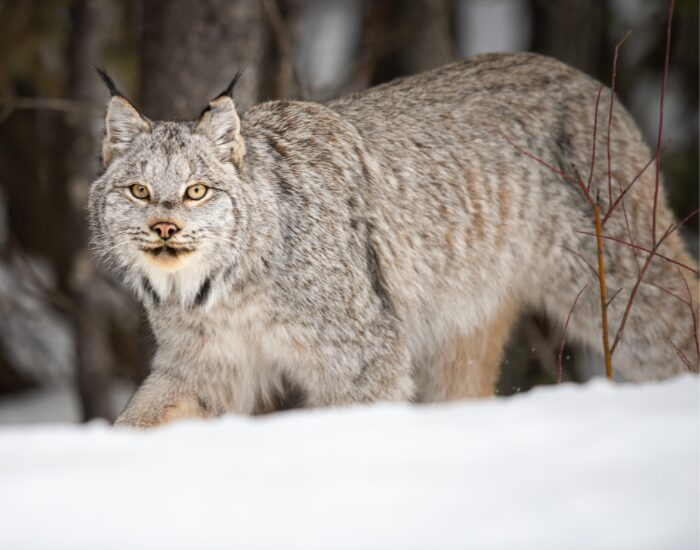
Canada Lynx (Lynx canadensis)
Found in boreal forests, this solitary feline specializes in hunting snowshoe hares, its primary prey. Lynx populations fluctuate based on hare abundance, and while not endangered, they are sensitive to deforestation and habitat fragmentation. The Canada lynx is similar in size to a domestic cat but significantly smaller than larger wild cats like cougars or bobcats.
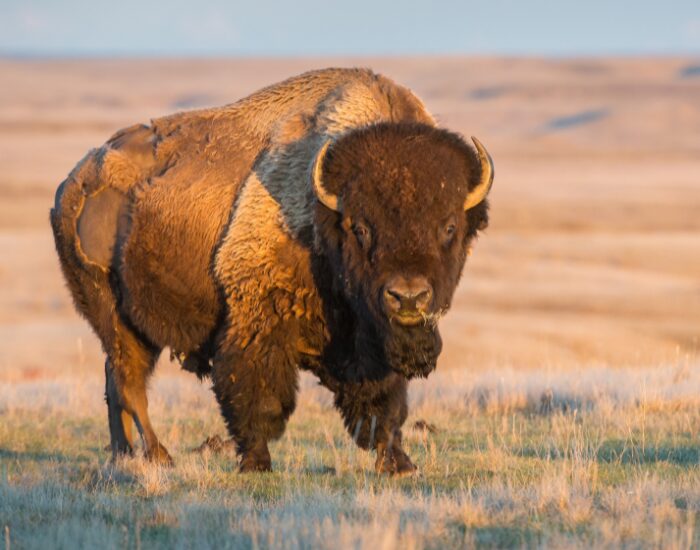
Bison (Bison bison)
Once numbering in the millions, bison were nearly hunted to extinction during the 19th century. Conservation efforts have restored herds in protected areas such as Wood Buffalo National Park and Elk Island National Park. Plains bison and wood bison are the two subspecies found in Canada, with wood bison being the larger and rarer of the two.
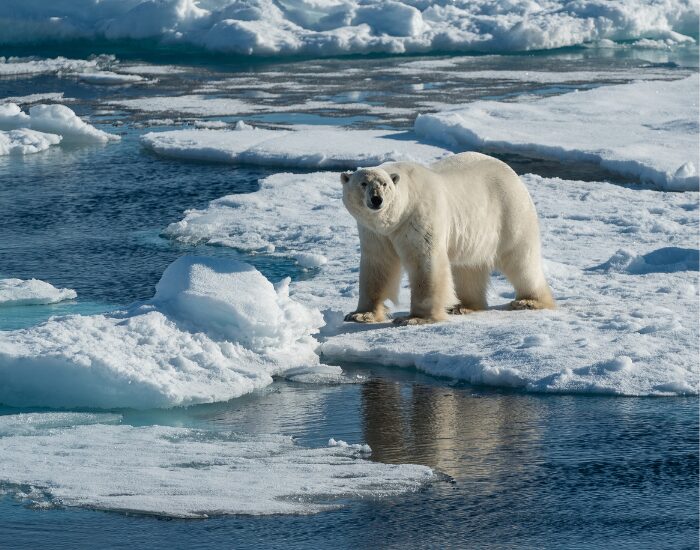
Polar Bear (Ursus maritimus)
Found in Canada’s Arctic regions, particularly around Hudson Bay, Baffin Island, and the Beaufort Sea, polar bears depend on sea ice to hunt seals, their primary food source. They are classified as vulnerable, with climate change-driven ice loss posing the greatest threat to their survival. Churchill, Manitoba, is one of the best places in the world to observe them in the wild.
Gray Wolf (Canis lupus)
Wolves are found in forests, tundra, and mountainous regions across Canada, with large populations in British Columbia, Alberta, and the northern provinces. They are apex predators that maintain ecological balance by regulating prey populations such as deer and moose. Though stable in many regions, wolves face persecution from hunting and habitat fragmentation in some areas.
- Read more about the Mexican Gray Wolf

Birds:
Canada’s vast wilderness is home to hundreds of unique bird species, from migratory waterfowl to forest-dwelling songbirds.
If you’re especially interested in coastal and forest birds of the west, explore my full guide: Birds of British Columbia You Should Know.
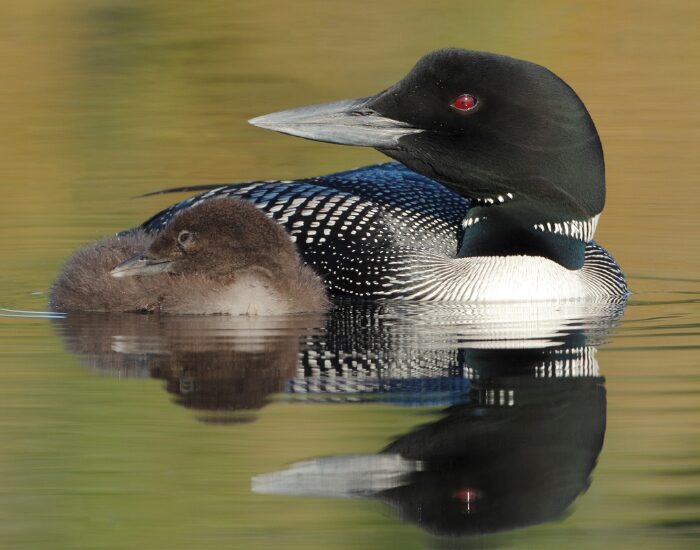
Common Loon (Gavia immer)
Often associated with Canada’s wilderness, loons have a distinct haunting call and thrive in pristine freshwater lakes. Pollution and habitat degradation threaten some populations.
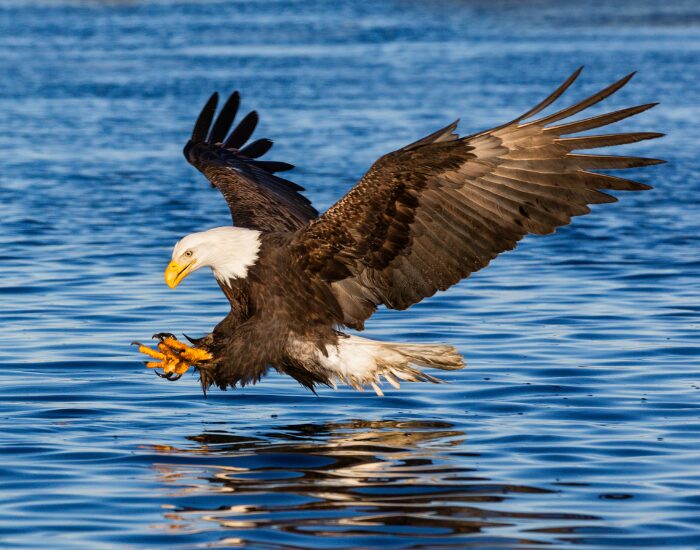
Bald Eagle (Haliaeetus leucocephalus)
This bird of prey was once endangered due to DDT pesticide use, bald eagle populations have rebounded and are now commonly seen along Canada’s coasts, lakes, and rivers.
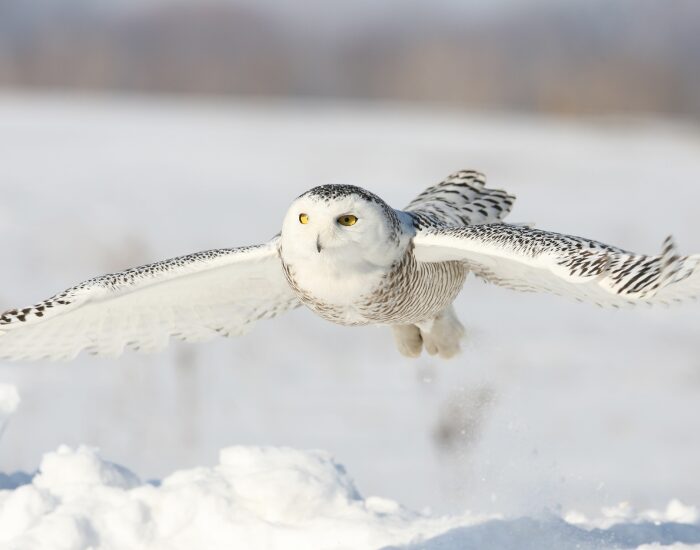
Snowy Owl (Bubo scandiacus)
Native to Arctic tundras, snowy owls are type of “true owl” migrate south in winter. Their numbers fluctuate based on lemming populations, and they are vulnerable to climate change and habitat disturbance.
Canada Goose (Branta canadensis)
Found across North America, the Canada goose is a highly adaptable waterfowl species that migrates between breeding grounds in Canada’s wetlands and tundras to wintering areas in the southern U.S. and Mexico. Known for their distinct V-shaped flight formations and loud honking calls, they have successfully adapted to urban environments, often seen in city parks and golf courses. While populations are generally stable, some regions have reported overpopulation issues leading to human-wildlife conflicts.

If you are keen to know more about birds of canada, here you can find a guide.
Marine Life:
Beluga Whale (Delphinapterus leucas)
Canada is home to many whale species, and it is also one of the best places for whale watching as many species arrive to its shores. Found in Hudson Bay, St. Lawrence River, and the Arctic, belugas are social and vocal marine mammals. Some populations are at risk due to pollution and shipping traffic. Protecting endangered species like the St. Lawrence Beluga through conservation efforts is crucial for maintaining biodiversity.

Narwhal (Monodon monoceros)
Known as the “unicorn of the sea”, narwhals are Arctic whales with a long, spiral tusk. They are highly sensitive to climate change, as melting ice affects their migration patterns. The Species at Risk Act (SARA) plays a vital role in safeguarding endangered or threatened organisms and their habitats.
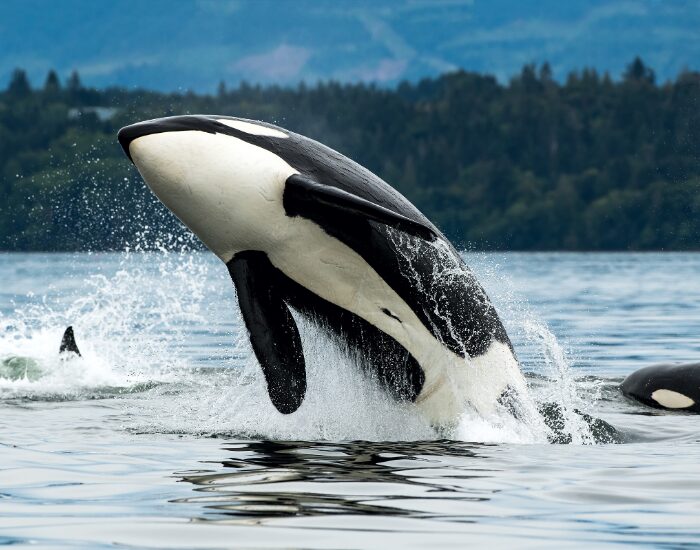
Orca (Orcinus orca)
Canada is one of the best destintions in the world to see Killer Whales. Found along Canada’s Pacific and Atlantic coasts, orcas are apex predators with complex social structures. The southern resident orca population in British Columbia is endangered due to food shortages and pollution.
Reptiles & Amphibians:
Western Painted Turtle (Chrysemys picta belli)
The painted turtle most widespread turtle in Canada, it is found in wetlands and slow-moving waters. Habitat destruction and road mortality are significant threats.

Wood Frog (Lithobates sylvaticus)
Found in Canada’s boreal forests, this frog is an amphibian can survive being frozen solid during winter, reviving in spring. Climate change and habitat loss threaten some populations.

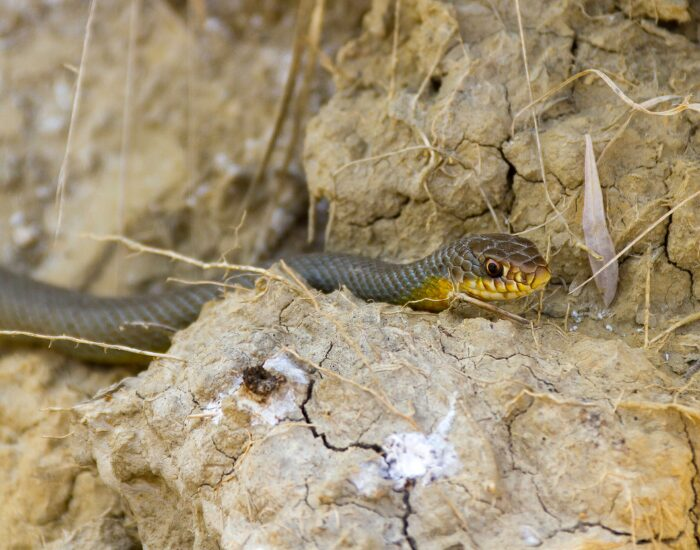
Blue Racer (Coluber constrictor foxii)
One of Canada’s rarest snakes, the blue racer is found only on Pelee Island in Ontario. This fast-moving, non-venomous snake is known for its striking blue-gray coloration and ability to evade predators with rapid bursts of speed. Habitat loss and human disturbance have led to its classification as endangered in Canada, with ongoing conservation efforts aimed at protecting its last remaining habitat.
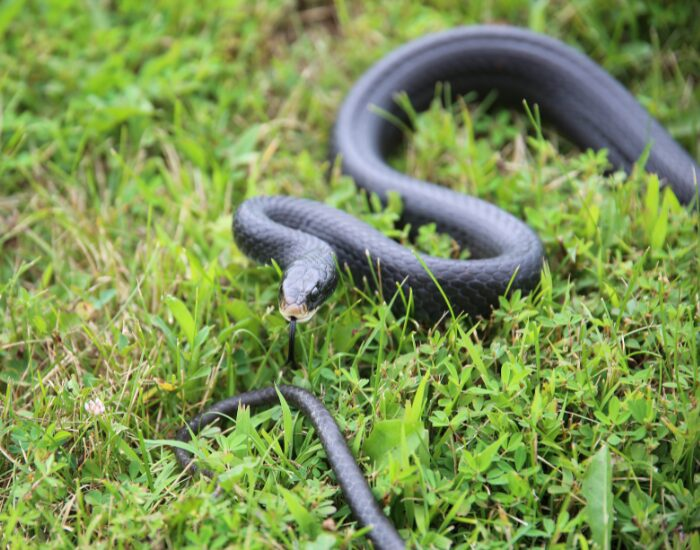
Black Racer (Coluber constrictor)
One of Canada’s fastest and most elusive snakes, the black racer is primarily found in southern Ontario. It is a non-venomous constrictor that preys on small rodents, amphibians, and insects. Unlike many snakes, it is highly active during the day, using its speed to escape predators rather than relying on camouflage. Habitat loss due to agricultural expansion and urban development has led to its classification as threatened in Canada, with conservation efforts focused on habitat restoration and protection.
What Are Canada’s Big Five Animals? (Including Polar Bears)
The “Big Five” of Canada are the country’s most sought-after and iconic wildlife species:
Canada’s wildlife is rich in diversity and significance, featuring iconic animals such as bears, moose, and beavers. Experiencing these species is an integral part of outdoor adventures in the country.
- Moose – The world’s largest deer species, often seen in forests and wetlands.
- Grizzly Bear – Found in western provinces, playing a key role in maintaining ecosystems.
- Bison – Once nearly extinct, now thriving in places like Wood Buffalo National Park.
- Polar Bear – The Arctic’s top predator, best seen in Churchill, Manitoba.
- Gray Wolf – An elusive but essential predator roaming forests, tundras, and mountains.
The North American beaver, recognized as Canada’s national animal in 1975, holds significant cultural importance. This industrious animal is a symbol of pride for Canadians, known for its unique physical characteristics and behaviors.

How Many National Animals Are in Canada?
Canada has two official national animals:
- Beaver (Castor canadensis) – Selected in 1975 due to its significance in Canada’s history.
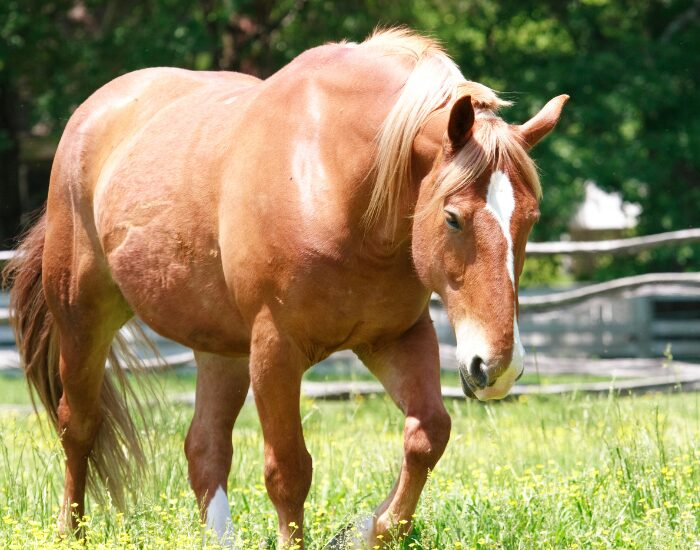
- Canadian Horse (Equus caballus) – Known for its endurance and strength.
Canada’s national park management agency, Parks Canada, plays a crucial role in preserving rare species and their habitats.
Other culturally significant animals include the polar bear, often considered an emblem of Canada’s Arctic wilderness.
What Is Canada’s Rarest Endangered Species?
Some of the rarest wildlife in Canada include:
Burrowing Owl (Athene cunicularia) – Facing habitat loss, this small ground-dwelling owl is endangered in Canada
Spirit Bear (Ursus americanus kermodei) – A genetic variation of black bears found only in British Columbia’s Great Bear Rainforest.
Peary Caribou (Rangifer tarandus pearyi) – Found in the Arctic, this is Canada’s most endangered caribou.
Vancouver Island Marmot (Marmota vancouverensis) – One of the world’s rarest mammals, with fewer than 200 individuals.

The 5 Most Dangerous Animals in Canada Today
- Grizzly Bear (Ursus arctos horribilis) – Found in western Canada, grizzlies are powerful predators capable of delivering fatal attacks if provoked. Most incidents occur when humans surprise them in the wild, especially near cubs or food sources.
- Polar Bear (Ursus maritimus) – The largest land carnivore, polar bears are highly dangerous, particularly in Arctic communities where they occasionally wander into human settlements in search of food.
- Moose (Alces alces) – Although not a predator, moose are responsible for more human injuries than bears due to vehicle collisions and aggressive behavior, particularly during mating season.
- Eastern Massasauga Rattlesnake (Sistrurus catenatus) – Canada’s only venomous snake, found in Ontario. While its venom is potent, bites are rare, and fatalities are almost nonexistent due to medical treatment availability.
- Black Widow Spider (Latrodectus variolus) – Found in southern Ontario, this spider delivers a painful bite that can cause muscle pain and nausea, though fatalities are extremely rare thanks to modern medicine.
Where to See Wildlife in Canada (Including Banff National Park)
I have written an article about this, you can check it here. But some of the best wildlife viewing spots in Canada include:
Algonquin Provincial Park (Ontario) – Beavers, loons, moose. Some Canadian wildlife, like the Canada lynx, can climb trees as an adaptation for hunting or evading predators.
Banff National Park (Alberta) – Grizzlies, elk, wolves, bighorn sheep.
Churchill (Manitoba) – Polar bears, beluga whales.
Great Bear Rainforest (British Columbia) – Spirit bears, bald eagles.
Jasper National Park (Alberta) – Moose, black bears, wolves. When encountering moose or other wild animals in their natural habitats, it is crucial to understand and respect their space to ensure safety.

Can You Name That Canadian Animal? 🍁
A 10-photo identification challenge from coast to coast to coast. Pick the species you think it is — go back and change any answer before you score.
Which Canadian animal is this?
Find some options for wildlife tours in Canada below
This blog is reader-supported. When you buy experiences through links listed on this site, we may earn an affiliate commission.
Discovering the Wild Side of Canada
From the majestic moose in boreal forests to the powerful grizzly bear of the Rockies, Canada’s wildlife is as diverse as its landscapes. Conservation efforts remain critical to protecting these species, ensuring they thrive for generations to come. Whether spotting polar bears in Churchill or listening to loons on a remote lake, Canada’s wild side is worth experiencing and protecting.
Find Tours to see Wildlife Below!
This website is reader-supported. When you book a wildlife experiences through links listed on this site, we may earn an affiliate commission.