
When people ask me about wolves in Mexico, my mind doesn’t go to a mountaintop or a moonlit howl, it goes back to a zoo when I was eight in Mexico. Every exhibit was open to the crowds except one, wrapped in a black veil like a secret. I edged along the fence until I found a finger-wide gap in the fabric, pressed my eye to it, and there he was: a Mexican gray wolf!(Canis lupus baileyi), staring straight back at me. It felt like seeing a unicorn, something rare, fragile, almost forbidden, visible only if you cared enough to look.
I didn’t know then why the enclosure was covered (I later learned it was part of a conservation and breeding effort, likely to reduce stress and human imprinting), but that cloth taught me my first lesson about extinction. It was the first time I understood that some animals face a destiny of oblivion, never to walk this planet again. I learnt the could onlu survive only because people work very deliberately to keep them here. That moment is why I still chase the story of “el lobo”, and why this guide digs into the science, history, and recovery of Mexican wolves, answering the big questions about where they live, how many remain, and what it will take to help them thrive again.
So Are there Wild Wolves in Mexico?
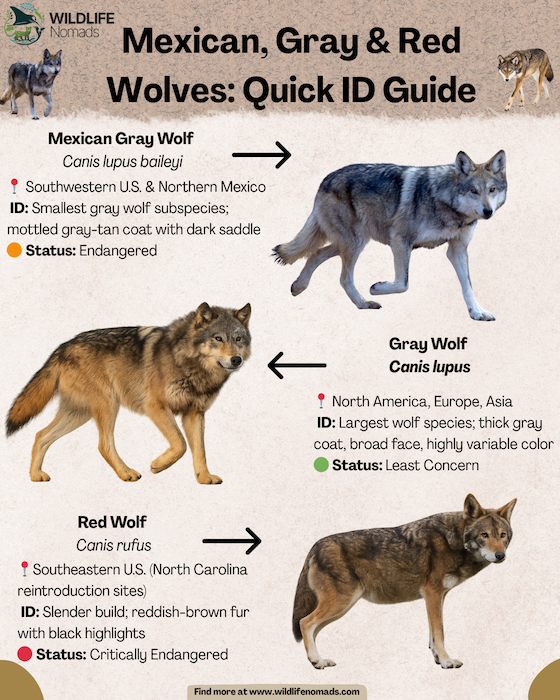
Yes. The wolf native to Mexico is the Mexican gray wolf (Canis lupus baileyi), a genetically distinct gray wolf subspecies. Historically, their range extended from central Mexico northward into parts of the southwestern United States. After being wiped out in the wild by the 1970s, wolves were reintroduced in the U.S. (1998) and later in Mexico, and populations have grown on both sides of the border. Current U.S. estimates report at least 286 wild wolves in Arizona and New Mexico (2024 survey), with a smaller, growing wild population in Mexico counted by CONANP.
Meet the Mexican gray wolf (Canis lupus baileyi)
- The southernmost and most genetically distinct North American gray wolf subspecies.
- Native to the western hemisphere, with a distinct presence in North America.
- Historically ranged across central/northern Mexico, western Texas, southern New Mexico, and central Arizona.
- Listed as Endangered under the Endangered Species Act (ESA); recovery is guided by the Mexican Wolf Recovery Plan (First Revision, 2017).
After that introduction here you have 12 fun facts about this endangered subspecies of the gray wolf:
1. Mexico Is Home to the Mexican Gray Wolf
- The Mexican gray wolf is the smallest and most genetically distinct subspecies of the gray wolf in North America.
- Scientific name: Canis lupus baileyi.
- Once widespread across Mexico, Arizona, New Mexico, and western Texas, their range once included the southwestern United States but dramatically shrank in the 20th century.
2. Mexican Wolves Nearly Went Extinct
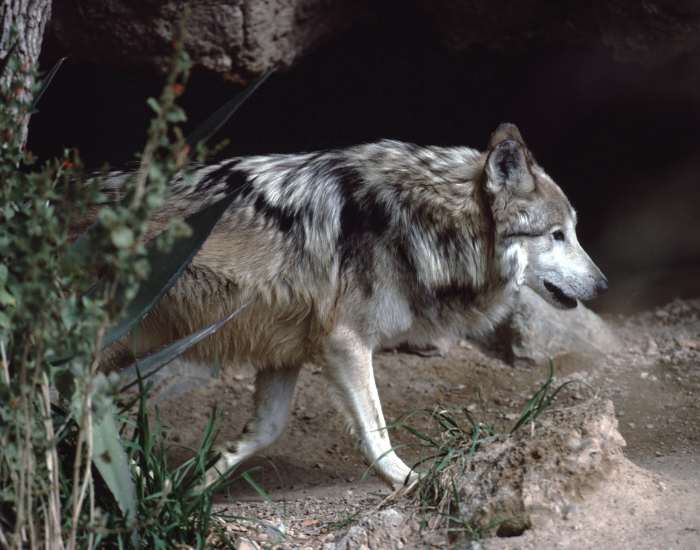
By the 1970s, Mexican wolves were functionally extinct in the wild due to government predator eradication programs. Only a handful remained in captivity — literally five wild wolves (four males and one pregnant female) became the genetic lifeline of today’s recovery program. These individuals formed the foundation of the captive population, which was essential for maintaining genetic diversity and supporting breeding and reintroduction efforts. Read more about this story and many other species on the following articles:
3. The Mexican Wolf Recovery Plan
The Mexican Wolf Recovery Plan, led by the U.S. Fish and Wildlife Service in collaboration with Mexican agencies, set ambitious goals: to restore a self-sustaining population of at least 100 wolves in designated recovery areas such as Arizona, New Mexico, and northern Mexico.
4. Captive Breeding Programs Saved Them
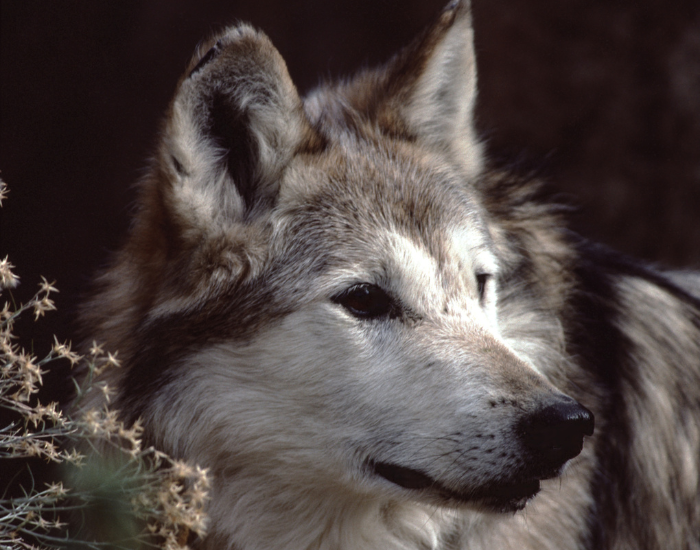
Thanks to captive breeding programs at places like the Wolf Conservation Center and the Wildlife Science Center, Mexican wolves were carefully managed to preserve genetic diversity. Captive Mexican wolves are managed as part of international recovery plans to help re-establish self-sustaining wild populations. In 1998, the first wolves were reintroduced into the wild. Today, both the U.S. and Mexico release wolves raised in captivity to strengthen the wild population. If you’re curious about more unique wildlife, don’t miss our guides on:
5. There Are Wild Wolves in Mexico Again
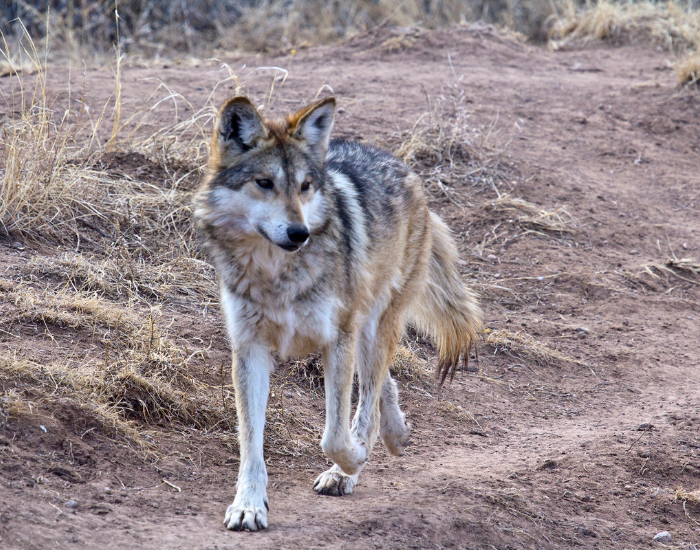
Yes — wolves are back in Mexico. Releases in the Sierra Madre Occidental have established breeding packs. According to 2024 counts, Mexico’s wild population is still modest (around 45–50 individuals), but combined with the U.S. population, there are now more than 300 Mexican wolves across their historic range. To strengthen and expand the wild population, additional wolves are periodically released, including breeding pairs and pups, as part of ongoing reintroduction efforts.
6. Mexican Gray Wolves Are Smaller but Fierce
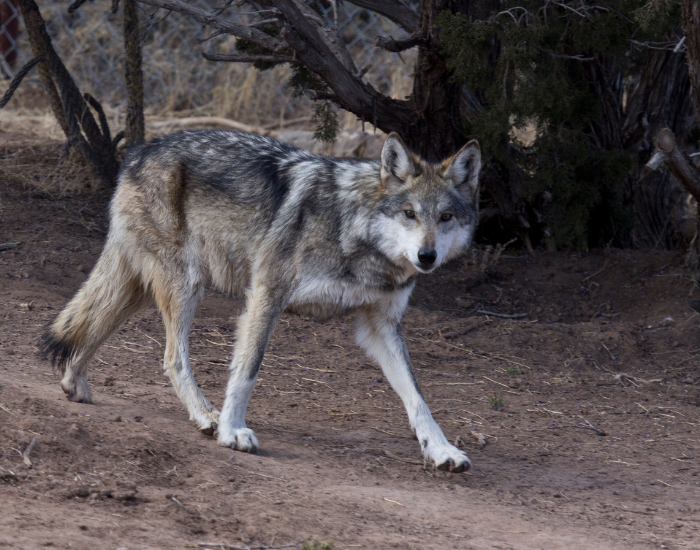
- Size: 26–32 inches tall (66–81 cm), body length about 4.5–5.5 feet.
- Weight: 50–80 pounds (23–36 kg).
- Compared to a coyote, they are larger, bulkier, and far more powerful hunters.
7. What Do Wolves in Mexico Eat?
Like their northern cousins, Mexican wolves are carnivores. Their diet includes:
- White-tailed deer
- Mule deer
- Elk (in U.S. ranges)
- Small mammals like ground squirrels, rabbits, and other rodents
This predation keeps ecosystems balanced by preventing deer overpopulation.

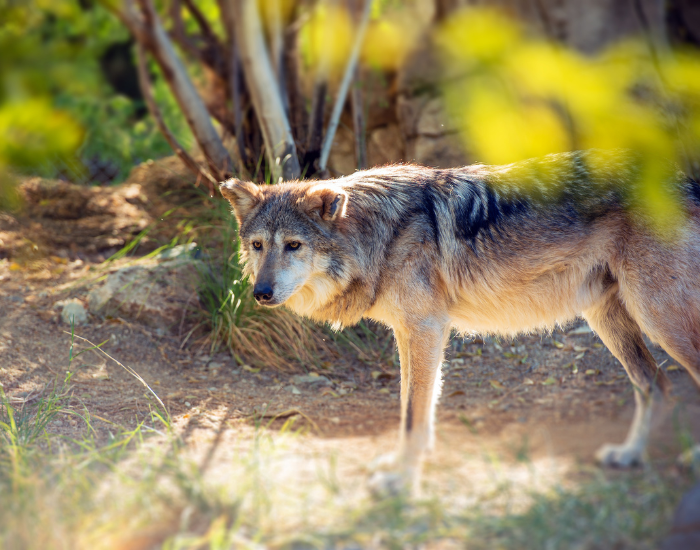
8. Culturally Significant: El Lobo
For Indigenous communities in Mexico and the southwestern U.S., wolves were not just predators but symbols of resilience, guidance, and survival. Stories of el lobo appear in folklore, representing strength, kinship, and adaptability, values mirrored in the wolves’ pack life.
9. Human Intolerance Remains Their Biggest Threat
Despite legal protection under the Endangered Species Act, human intolerance and livestock conflicts remain major threats. Many wolves have been illegally shot or trapped. Programs now use range riders, compensation schemes, and community outreach to foster coexistence.
10. Genetic Diversity Is Critically Low
Because all modern wolves descend from just a few individuals, inbreeding is a severe challenge. Wildlife managers carefully shuffle wolf lineages between captive and wild populations to preserve genetic health. The captive breeding program is essential for maintaining genetic diversity and supporting reintroduction efforts. Scientists even move cross-fostered wolf pups between dens to mix bloodlines.
11. Are Mexican Wolves Aggressive?
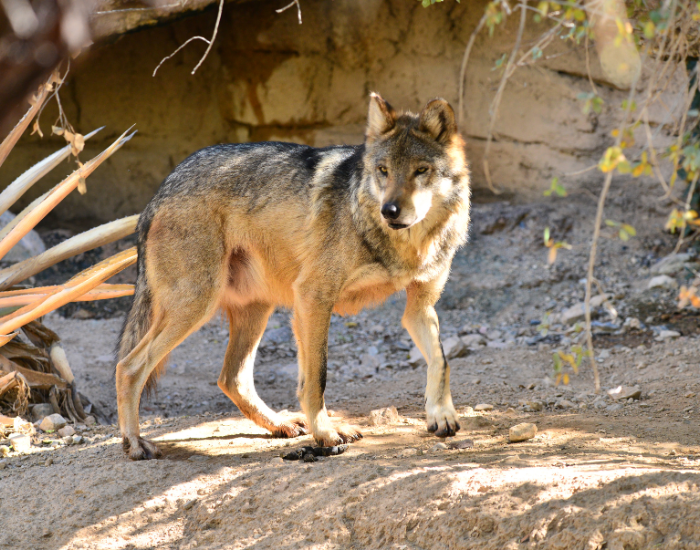
Not to humans. Despite their reputation, Mexican gray wolves are shy and avoid people whenever possible. They may take livestock if wild prey is scarce, but attacks on humans are virtually nonexistent.
12. Mexican Wolves Are Still Endangered
- As of 2024, about 286 endangered Mexican gray wolves live in the wild in the U.S. and around 50 in Mexico.
- They remain one of the most endangered subspecies of wolf in the world.
- The goal is not just survival but recovery — a genetically viable, free-ranging population across their historic range.
Ecology & Behavior: What Makes baileyi Different?
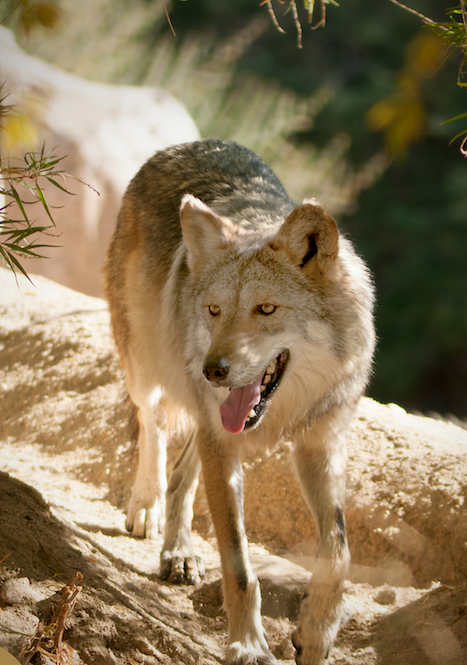
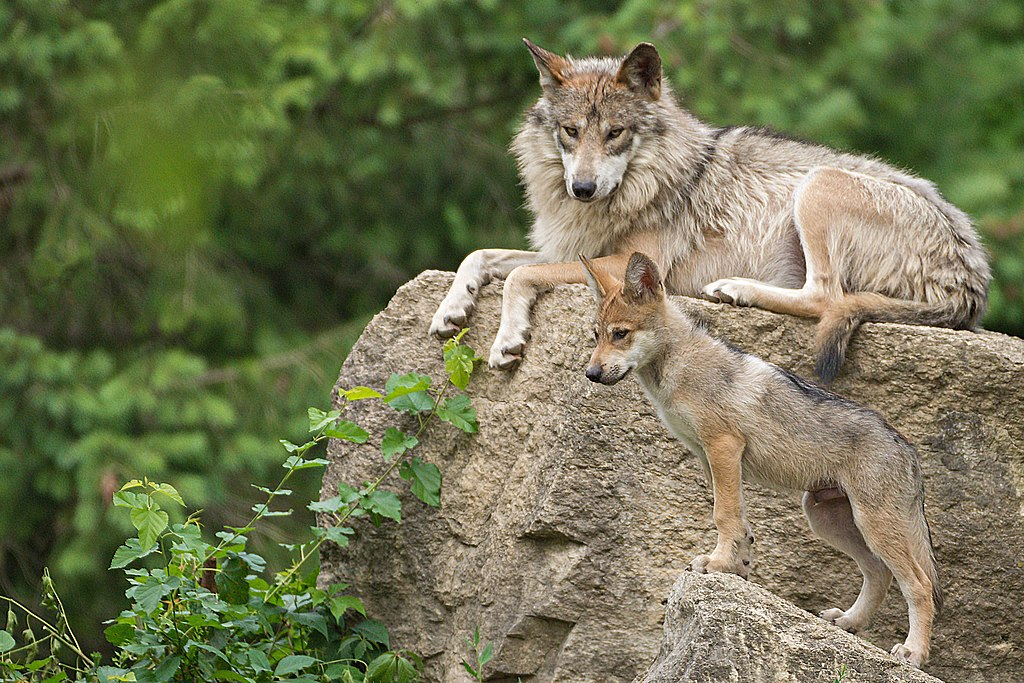
As a pack biologist for a few seasons, I learned that Mexican wolves are masters of “quiet miles.” They ghost through mountain woodlands and scrublands, triangulating wind, slope, and the shimmer of deer. Packs average a handful of related animals, and Mexican gray wolves are social animals that rely on complex pack dynamics. Their mating season begins in mid-February, with pups emerging in mid-spring. In poor prey years, they lean more on small mammals; in good years, they cull deer and elk, re-animating the classic wolf-ungulate dance that keeps browse pressure in check.
At a glance—diet & prey in the Southwest/Mexico
- Primary: white-tailed deer, mule deer
- Secondary (U.S. range): elk
- Opportunistic: ground squirrels, rabbits, other small mammals
Habitat & Distribution Today
Historic range: central/northern Mexico, western Texas, southern New Mexico, central Arizona; likely extended into northern Mexico’s Sierra Madre highlands.
Current core areas (U.S.):
- Apache National Forest (AZ/NM)
- Gila National Forest (NM)
Mexican wolves are now found in eastern Arizona, southeastern Arizona, and southwestern New Mexico as part of their recovery zones.
These public lands sit at the heart of the Mexican Wolf Experimental Population Area, where most documented packs roam.
Current areas (Mexico):
- Releases and pack activity in the Sierra Madre Occidental with CONANP oversight; wild numbers are rising from a small base as releases continue.
Conservation status & latest numbers
- Endangered (ESA); recovery governed by the Mexican Wolf Recovery Plan (2017 revision).
- The population growth of Mexican wolves has shown steady annual increases, reflecting successful recovery efforts in recent years.
- Mexico: wild population reported by CONANP (news/blog updates) continues to increase via staged releases. Gobierno de México
How counts work: winter aerial surveys, collar data, and on-the-ground track/visual confirmations coordinated by the Fish and Wildlife Service’s team with state, tribal, and federal partners.
Experimental populations: how reintroduction works
Restoring the Mexican gray wolf to its native range is a carefully coordinated effort, blending science, collaboration, and on-the-ground action. The Fish and Wildlife Service, working closely with the Mexican Wolf Recovery Team and a network of wildlife organizations, leads a multi-step process designed to give these gray wolves the best possible chance at survival in the wild.
It all starts with captive breeding. Mexican gray wolves are bred in accredited facilities to boost both their numbers and genetic diversity, a crucial step for a genetically distinct subspecies that once teetered on the brink of extinction. Once pups are ready, the Fish and Wildlife Service evaluates potential release sites, looking for healthy habitat, abundant native prey, and communities open to sharing the landscape with wolves.
Wolves are typically released in pairs or small family groups, allowing them to establish territories and natural pack dynamics. After release, wildlife service biologists closely monitor the wolves using radio collars, field surveys, and remote cameras. This ongoing management helps track their movements, health, and interactions with other wildlife.
Conflict mitigation is a key part of the recovery plan. The program works proactively to reduce livestock losses and address concerns from local residents, using tools like range riders, compensation programs, and community outreach. The ultimate goal? A self-sustaining population of at least 100 Mexican gray wolves in the wild, with enough genetic diversity to ensure long-term survival. Every step—from captive breeding to conflict resolution, reflects a commitment to both the wolves and the people who share their range.
Education and Awareness: Inspiring Coexistence
The future of the Mexican gray wolf depends not just on science, but on people. That’s why the Fish and Wildlife Service, along with partners across the region, invests heavily in education and outreach to build understanding and support for wolf recovery.
Public outreach is at the heart of these efforts. The Fish and Wildlife Service and other organizations provide up-to-date information about the Mexican gray wolf, its role in healthy ecosystems, and the challenges it faces as an endangered species. Through school programs, community events, and online resources, they help demystify the gray wolf and encourage respect for native wildlife.
Collaboration with local communities is essential. The recovery program works directly with ranchers, hunters, indigenous groups, and other stakeholders to address concerns, share knowledge, and promote practical solutions for living alongside wolves. Educational materials—brochures, posters, videos, and more, are tailored to answer common questions and highlight the importance of conserving the Mexican gray wolf.
Research and science also play a vital role. By supporting studies on wolf behavior, genetics, and ecology, the program ensures that management decisions are grounded in the best available knowledge. Ultimately, these education and awareness initiatives aim to inspire coexistence, foster a culture of conservation, and ensure that the story of the Mexican gray wolf continues for generations to come.
Why Recovery is Still Fragile (and what’s being done)
1) Low genetic diversity
A 2022 genetic study using historic skulls underscored how much genetic variation was lost during the bottleneck—today’s wolves are closely related. That’s why cross-fostering pups and ramping up captive-to-wild releases remain crucial.
2) Human intolerance & conflict
Retaliatory killings persist, and some wolves are removed when chronic depredations occur. Programs increasingly fund range riders, carcass removal, fladry, and compensation to keep wolves and ranching coexisting.
How Captive Breeding saved el lobo
The Species Survival Plan (SSP) for Mexican wolves, run across accredited facilities like the Wolf Conservation Center and Wildlife Science Center, manages pairings to maximize genetic diversity, then supplies candidates for release. This is where meticulous studbooks and “who-can-breed-with-whom” spreadsheets quietly change the fate of a species.
Cross-fostering 101: managers place a few captive-born pups, matched by age and scent—into active wild dens. Surrogate parents raise them as their own, injecting new genes into the wild. It’s delicate, but it works and is being scaled.
What Mexican wolves actually look and feel like in the landscape
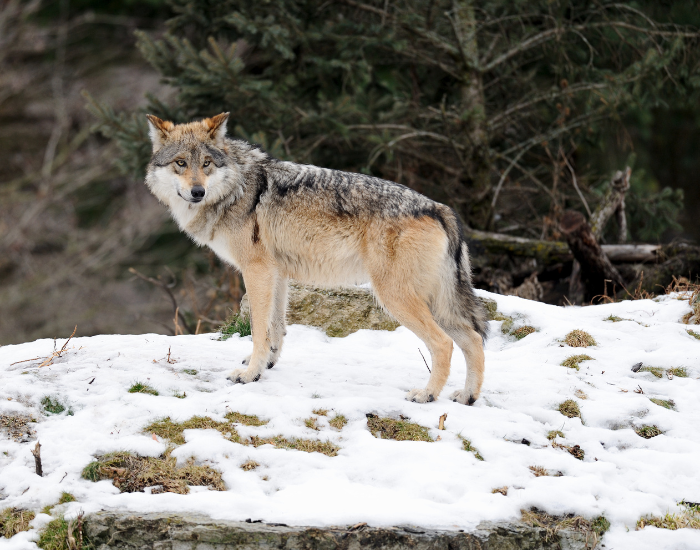
Mexican wolves are smaller, tighter-built, their coats marbled with sable, gray, and tawny. In pine-oak highlands, they move edge-to-edge, timberline to meadow, creek to ridgeline, scanning for deer that linger too long at water. Even in silence, packs are busy: scent-marking, teaching pups, re-stitching the ecological fabric that frays when apex predators vanish.
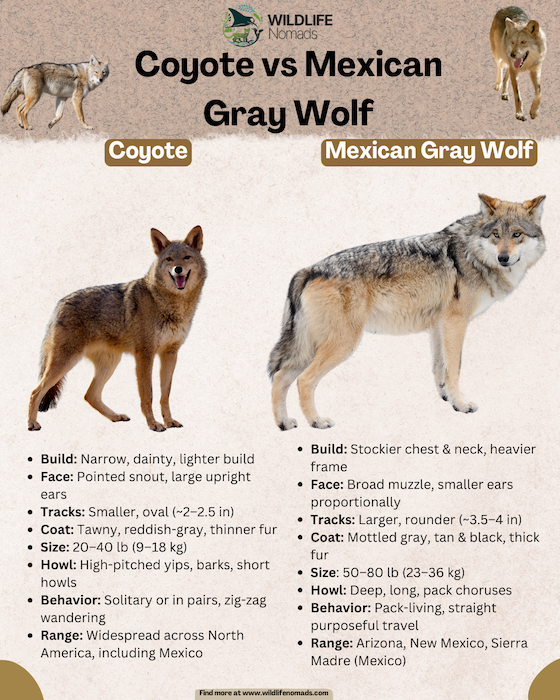
Wolf vs. coyote: the quick field ID
- Build: Mexican gray wolf = stockier chest/neck; coyote = narrow, dainty.
- Face: Wolf muzzle broader; coyote snout pointier, ears relatively larger.
- Track: Wolf tracks bigger and rounder; coyote tracks smaller, more oval.
- Behavior: Wolves travel in tight groups with decisive, straight-line movements; coyotes zig-zag solo or in pairs.
FAQs About Wolves in Mexico
Yes, reintroduction efforts have brought wolves back to Mexico, with about 50 individuals living in the wild today.
The Arizona Game and Fish Department plays a key role in the management and recovery of Mexican wolves in Arizona, working alongside federal agencies to monitor populations and protect habitat.
No. Red wolves (Canis rufus) are a separate species historically from the southeastern U.S. They do not occur in Mexico. The National Academies has also reviewed red-wolf and Mexican-wolf taxonomy to clarify their distinct lineages.
About 50–80 lb, 66–81 cm at shoulder—bigger than a coyote
They were nearly eradicated in the 20th century but were saved through captive breeding and reintroduction.
Mexican wolves are larger, weighing 50–80 pounds, while coyotes usually weigh 20–40 pounds.
Habitat loss, hunting, and extremely low genetic diversity.
Final Thoughts: My Unicorn Wolf
For me, wolves aren’t just datapoints in a recovery plan, they’re a feeling. They’re the stillness between ridge and valley when a howl rolls farther than you think sound can travel. Yes, recovery is working, but it’s far from finished. If we continue to expand genetic management, support non-lethal coexistence, and strengthen binational releases, “el lobo” will have both the space and the diversity it needs to truly thrive.
Together, we can ensure that future generations won’t just read about wolves in history books, they’ll stand under Mexican skies and hear that same wild call echoing through the mountains once more. And maybe, just like that veiled wolf I first glimpsed as a child, the animal that once felt like a forbidden unicorn will become a living, breathing presence in the wild again.