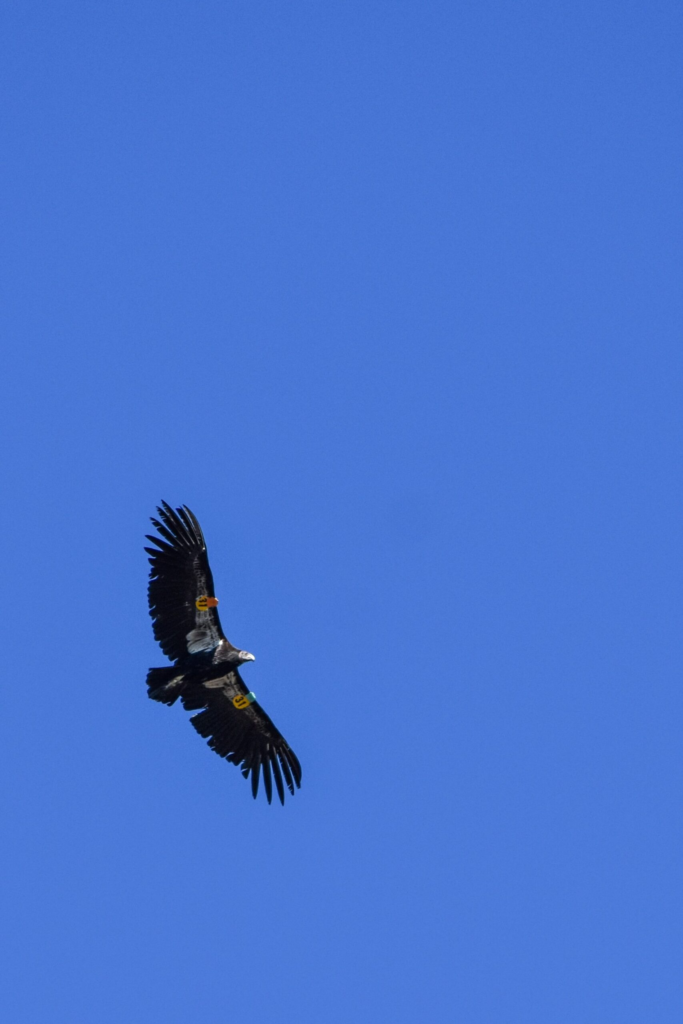
If you ever visit the grand Canyon, chances are you may spot a majestic California condor flying over the landscape, with its nine-foot wingspan casting shadows on ancient rock formations. Just decades ago, this scene would have been impossible , as only 27 of these magnificent birds remained on Earth. Today, thanks to species reintroduction programs, over 500 California condors exist, with more than half flying free in the wild.
This remarkable comeback story isn’t unique. Across the globe, animal reintroduction programs are breathing life back into ecosystems, restoring natural balance, and giving hope to species on the brink of extinction. But what exactly does it take to successfully reintroduce animals to their natural habitats? And why are these programs becoming increasingly crucial for our planet’s biodiversity?
What is the Reintroduction of Species?
Species reintroduction is the deliberate release of animals or plants back into their natural habitat where they previously existed but have become locally extinct or severely depleted. Think of it as nature’s second chance program – a carefully orchestrated effort to restore ecological balance and boost biodiversity.
The process involves much more than simply releasing captive animals into the wild. Successful reintroduction requires years of scientific planning, habitat assessment, genetic management, and ongoing monitoring. It’s conservation biology in action, combining cutting-edge research with hands-on fieldwork to undo decades or centuries of environmental damage.
The Science Behind Reintroduction Theory
The reintroduction theory is grounded in restoration ecology – the idea that damaged ecosystems can be repaired through strategic interventions. When a species disappears from its native range, it creates what ecologists call an “empty niche.” This absence can trigger a cascade of ecological changes:
- Prey populations may explode without natural predators
- Seed dispersal patterns change when key species vanish
- Soil composition shifts without specific grazing patterns
- Plant communities transform without their pollinators
Wildlife reintroduction programs aim to fill these empty niches, restoring the intricate web of relationships that keep ecosystems healthy and resilient.
Examples of Species Reintroduction Programs
The California Condor: From 27 Birds to Conservation Icon
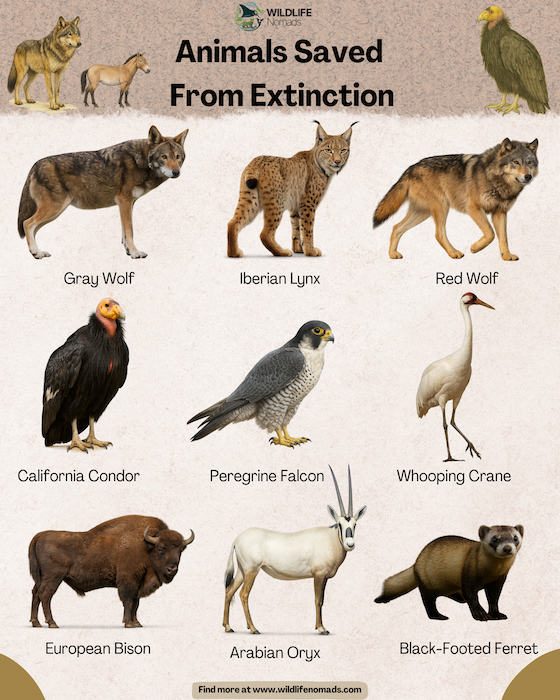
The California condor reintroduction stands as one of conservation’s most dramatic success stories. When the last wild condor was captured in 1987, the species had just 27 individuals remaining, all in captivity. The animal reintroduction program that followed required unprecedented collaboration between zoos, wildlife services, conservation organizations and countries – Mexico and United States.
Today’s success didn’t come easy. Lead poisoning from hunting ammunition remained a persistent threat, requiring extensive work with hunting communities to adopt non-toxic alternatives. Climate change has also shifted suitable habitat ranges, forcing program managers to adapt their release strategies continually.
Black-Footed Ferret: Prairie Ghost Returns
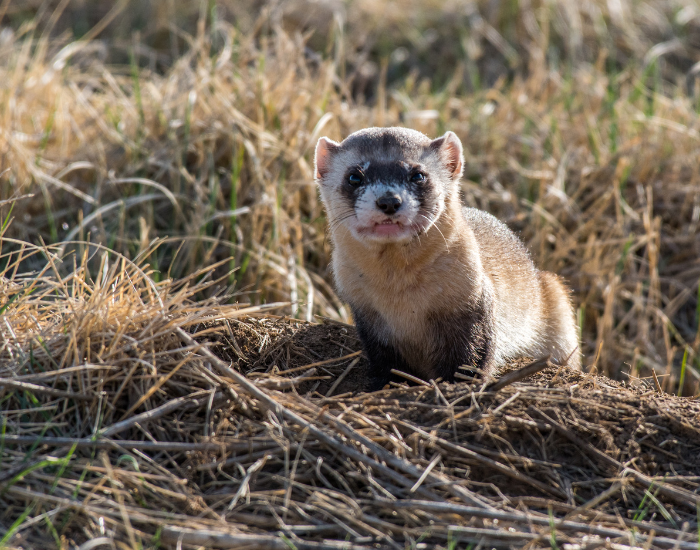
Once considered extinct, the black-footed ferret has made a remarkable comeback through dedicated species reintroduction programs. These “prairie ghosts” depend entirely on prairie dog colonies for survival, making their recovery intrinsically linked to grassland restoration efforts.
The program has re-introduced over 4,000 ferrets across eight states, with wild populations now sustaining themselves through natural reproduction. However, challenges persist – prairie dog habitat continues shrinking due to agricultural expansion and urban development.
Red Wolf Recovery: Navigating Complex Challenges
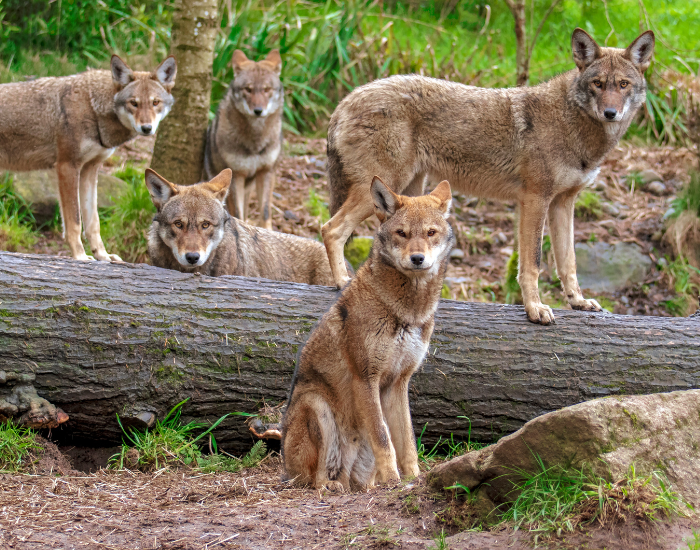
The red wolf reintroduction in North Carolina represents both the promise and complexity of modern conservation efforts. These critically endangered predators were successfully reintroduced to their native range in the 1980s, but the program faces ongoing challenges from human-wildlife conflict and genetic management issues.
Recent genetic research has revealed the importance of maintaining pure red wolf bloodlines while managing small population sizes – a delicate balancing act that requires constant scientific advising and adaptive management strategies.
How Does Reintroduction Work? The Step-by-Step Process
Pre-Release Planning and Scientific Advising
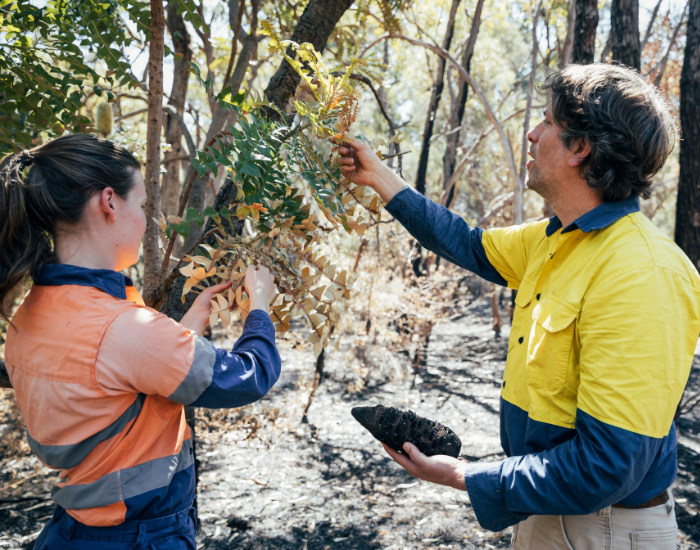
Every successful reintroduction of animals begins with exhaustive planning. Scientists must evaluate multiple factors:
Habitat Suitability Assessment:
- Food availability and quality
- Shelter and nesting sites
- Water sources and seasonal patterns
- Human activity levels and potential conflicts
Population Viability Analysis:
- Minimum viable population sizes
- Genetic diversity requirements
- Breeding pair ratios
- Age structure considerations
Threat Assessment:
- Predation risks
- Disease exposure potential
- Human-caused mortality factors
- Climate change impacts
Captive Breeding and Genetic Management
Most modern animal reintroduction programs rely on captive-bred individuals. Zoos and specialized breeding facilities maintain genetically diverse populations through careful breeding programs. The Association of Zoos and Aquariums coordinates Species Survival Plans (SSPs) that manage breeding recommendations to maximize genetic diversity.
Challenges with captive-born animals include:
- Reduced survival skills compared to wild-born individuals
- Potential behavioral abnormalities from captive environments
- Limited genetic diversity in small founding populations
- Higher vulnerability to diseases not encountered in captivity
Release Strategies and Monitoring
The actual release process varies dramatically depending on the species and circumstances. Some programs use “soft releases” where animals are held in enclosures at the release site to acclimate gradually. Others employ “hard releases” where animals are immediately freed into their new environment.
Post-release monitoring is crucial for program success. Modern technology enables researchers to track individual animals through GPS collars, radio transmitters, and even genetic sampling of scat. This data helps managers understand survival rates, habitat use patterns, and breeding success.
Wildlife Britain: A European Perspective on Reintroduction
Wildlife Britain offers fascinating examples of successful reintroduction of species in densely populated landscapes. The country has embarked on ambitious rewilding projects that are transforming both ecosystems and public attitudes toward conservation.
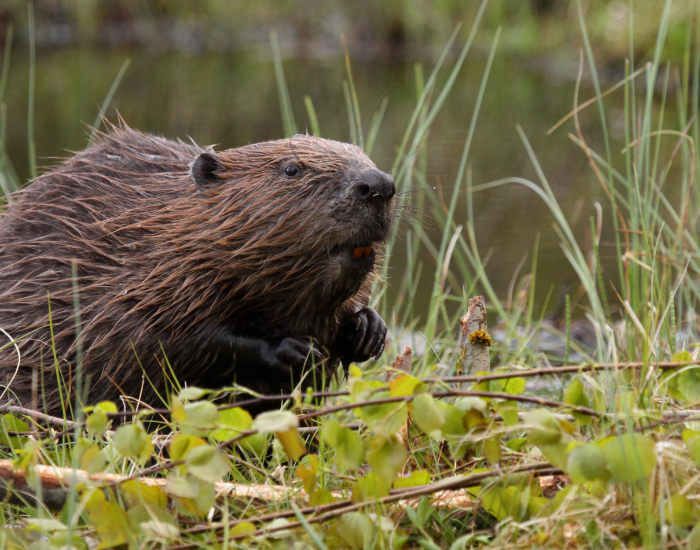
Beaver Reintroduction: Engineering Ecosystem Recovery
Eurasian beavers were re-introduced to Scotland in 2009 after a 400-year absence. These “ecosystem engineers” have already begun transforming river systems, creating wetlands that support dozens of other species. The program’s success has led to official recognition of beavers as a native species and expansion to other regions.
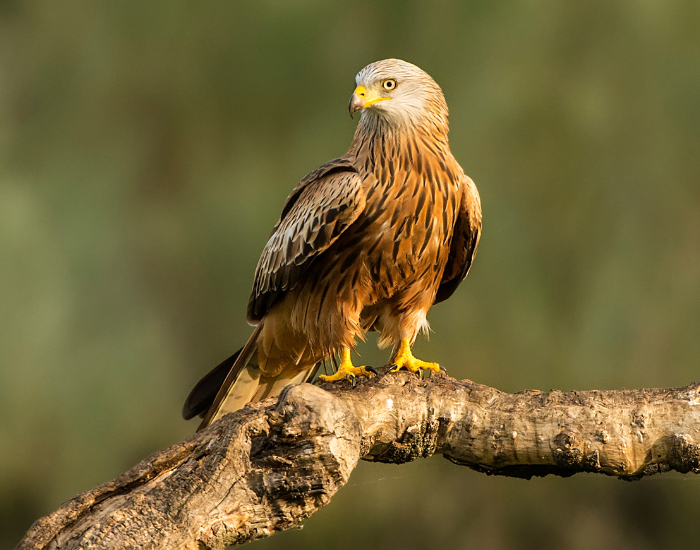
Red Kite Renaissance
The red kite reintroduction in Britain stands as one of Europe’s most successful species reintroduction programs. From just a handful of breeding pairs in Wales, the population has exploded to over 10,000 individuals across Britain. These magnificent raptors now soar over cities and countryside alike, demonstrating how reintroduced species can adapt to human-modified landscapes.
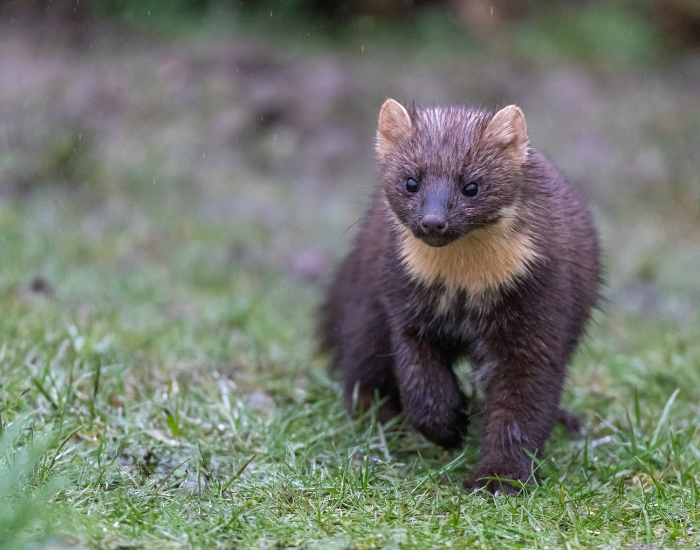
Pine Marten Recovery
Pine martens are naturally recolonizing much of their former range in Britain, but reintroduction programs have accelerated recovery in key areas. These forest predators help control grey squirrel populations, indirectly benefiting native red squirrels and forest health.
What Makes Reintroduction Successful?
Long-term Commitment and Adaptive Management
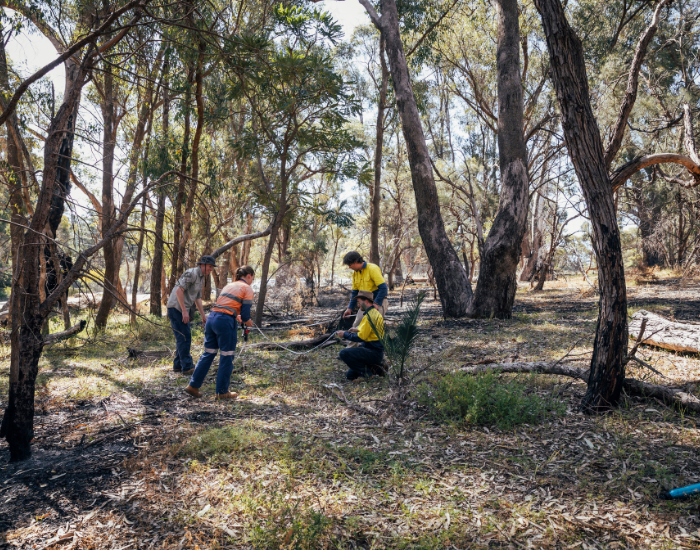
Successful species reintroduction requires decades of sustained effort. The California condor program has been running for over 35 years and continues evolving based on new research and changing conditions. Programs must adapt to:
- Climate change impacts on habitat suitability
- Emerging diseases and health threats
- Human population growth and land use changes
- New scientific understanding of species needs
Community Engagement and Education
Modern animal reintroduction programs recognize that human support is essential for long-term success. Programs invest heavily in education and outreach, helping local communities understand the benefits of reintroduced species. When people see reintroduction as beneficial rather than threatening, programs have much higher success rates.
Scientific Rigor and Data-Driven Decisions
Successful programs base decisions on solid scientific data rather than assumptions or wishful thinking. Regular monitoring provides feedback on program effectiveness, allowing managers to adjust strategies when needed. Genetic monitoring ensures reintroduced populations maintain healthy diversity levels.
Adequate Funding and Resources
Species reintroduction programs require substantial long-term funding. Captive breeding facilities, field research, monitoring technology, and staff salaries add up quickly. Many programs struggle with inconsistent funding that limits their effectiveness.
Challenges Facing Modern Reintroduction Programs
Climate Change Complicating Recovery Efforts
Climate change is reshaping ecosystems faster than reintroduced species can adapt. Historical habitat ranges may no longer provide suitable conditions, forcing program managers to consider “assisted migration” – moving species beyond their historical ranges to areas with more suitable future climates.
Human-Wildlife Conflict
As reintroduced animals establish populations, conflicts with human activities often increase. Large predators may prey on livestock, while herbivores can damage crops. Successful programs must balance species recovery with legitimate human concerns through compensation schemes, protective measures, and conflict mitigation strategies.
Limited Genetic Diversity
Many species reintroduction programs work with extremely small founding populations that lack genetic diversity. This “bottleneck effect” can lead to inbreeding depression, reduced fertility, and increased disease susceptibility. Advanced genetic techniques, including cryopreservation and artificial insemination, help maximize genetic diversity in small populations.
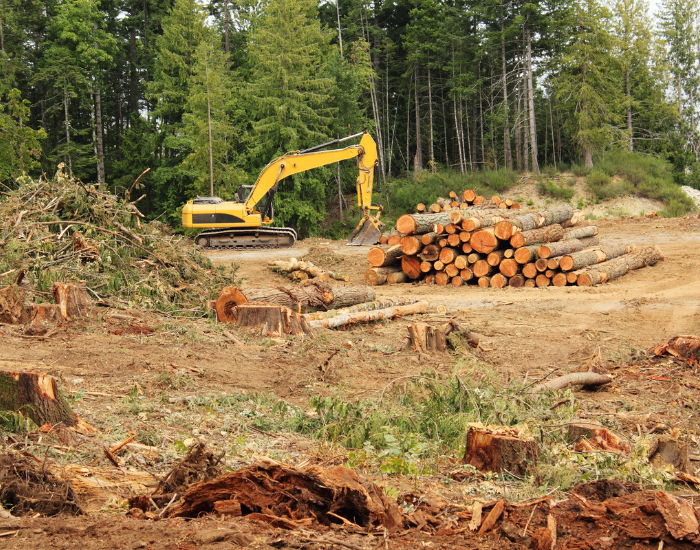
Habitat Fragmentation and Quality
Modern landscapes are increasingly fragmented by roads, agriculture, and development. Reintroduced species need large, connected habitats to establish sustainable populations, but such areas are becoming rare. Habitat restoration and corridor creation are essential components of successful programs.
The Future of Species Reintroduction
Technological Advances Improving Success Rates
Cutting-edge technology is revolutionizing animal reintroduction programs:
Genetic Technologies:
- CRISPR gene editing to remove harmful mutations
- IVF and reproductive technology to give another chance to endagenred species
- Genomic sequencing to guide breeding decisions
- Cryopreservation of genetic material for future use
Monitoring and Tracking:
- Satellite GPS collars providing real-time location data
- Camera traps documenting behavior and interactions
- Environmental DNA sampling to detect species presence
Breeding and Husbandry:
- Artificial incubation improving hatching success
- Behavioral conditioning preparing animals for wild release
- Disease screening preventing pathogen introduction
Ecosystem-Level Restoration
Future reintroduction efforts are moving beyond single species toward ecosystem-level restoration. “Rewilding” initiatives aim to restore entire ecological communities, often starting with keystone species that drive broader ecosystem changes. These holistic approaches may prove more successful than traditional single-species programs.
International Cooperation and Learning
Global networks of conservation practitioners share knowledge and resources across borders. The IUCN’s Reintroduction Specialist Group facilitates knowledge exchange, ensuring that lessons learned in one program benefit efforts worldwide. This collaborative approach is essential as many species ranges cross national boundaries.
Success Stories That Inspire Hope
Arabian Oryx: Back from Extinction
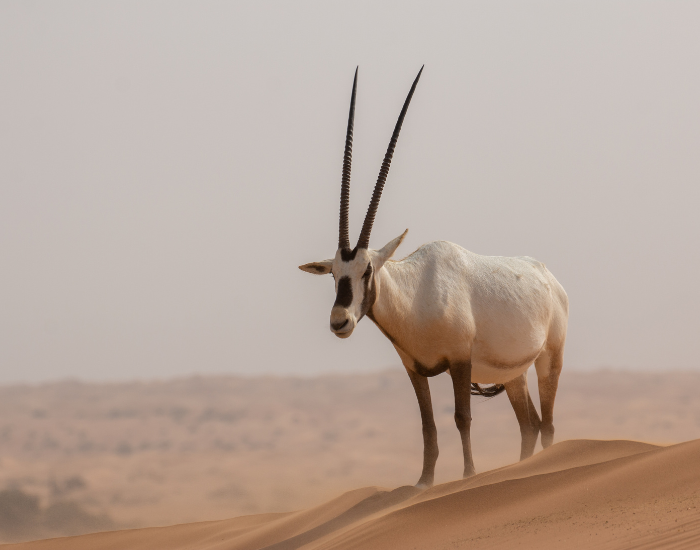
The Arabian oryx became the first species ever removed from the Extinct in the Wild category thanks to successful reintroduction. Starting with just 9 individuals, captive breeding programs eventually re-introduced over 1,000 oryx to their native Arabian Peninsula habitats.
Golden Lion Tamarin: Forest Jewel Restored
Brazil’s golden lion tamarin program has increased the wild population from fewer than 200 to over 3,000 individuals. The program combined species reintroduction with extensive Atlantic Forest restoration, creating a model for integrating species and habitat conservation.

Przewalski’s Horse: Wild Horses Return
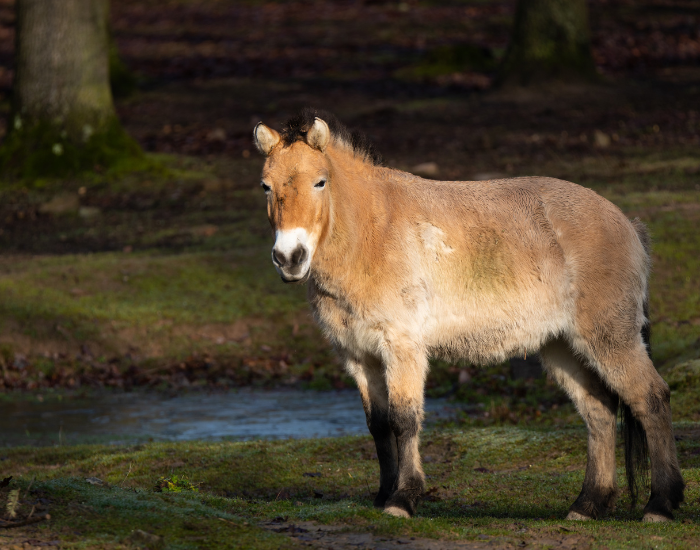
Once extinct in the wild, Przewalski’s horses now roam the steppes of Mongolia again thanks to international reintroduction efforts. Multiple captive populations contributed genetic material, and careful management has established several wild herds totaling over 400 individuals.
How You Can Support Species Reintroduction
Visit and Support Accredited Zoos
Modern zoos play crucial roles in species reintroduction programs through captive breeding, research, and education. Visiting accredited zoos that participate in Species Survival Plans directly supports conservation efforts. Look for facilities accredited by the Association of Zoos and Aquariums or European Association of Zoos and Aquaria.
Choose Wildlife-Friendly Products
Consumer choices can support or undermine reintroduction efforts. Choose:
- Certified sustainable products that don’t contribute to habitat destruction
- Non-toxic ammunition if you hunt, reducing lead poisoning risks
- Native plants for landscaping that support local wildlife
- Shade-grown coffee and chocolate that preserve habitat
Support Conservation Organizations
Many organizations coordinate animal reintroduction programs and need ongoing support:
- World Wildlife Fund focuses on global species recovery
- The Nature Conservancy combines habitat protection with restoration
- Defenders of Wildlife advocates for reintroduction programs
- Local wildlife rehabilitation centers often participate in release efforts
Advocate for Conservation Policy
Government policies significantly impact species reintroduction success. Contact elected representatives to support:
- Endangered Species Act funding and enforcement
- Habitat protection and restoration programs
- International conservation treaty implementation
- Research funding for conservation biology
A Second Chance for Wildlife
The reintroduction of species represents more than just moving animals around – it’s about healing the wounds we’ve inflicted on the natural world. Every California condor soaring over the Grand Canyon, every black-footed ferret hunting in restored prairie, and every beaver dam creating new wetlands tells a story of hope and human determination.
These programs prove that extinction doesn’t have to be forever, that damaged ecosystems can heal, and that humans can be part of the solution rather than just the problem. But success requires sustained commitment, adequate resources, and broad public support.
The challenges are real – climate change, habitat loss, and human-wildlife conflict won’t disappear overnight. However, the remarkable success of species reintroduction programs worldwide shows that with patience, scientific rigor, and collaborative effort, we can restore the intricate web of life that supports us all.
As we face an uncertain environmental future, reintroduction offers a powerful tool for conservation. It’s not just about saving individual species – it’s about restoring the ecological relationships that keep our planet healthy and resilient. Every successful program writes a new chapter in the story of conservation, proving that sometimes, nature just needs a second chance to thrive.