North America’s Rarest Mammal Makes a Comeback
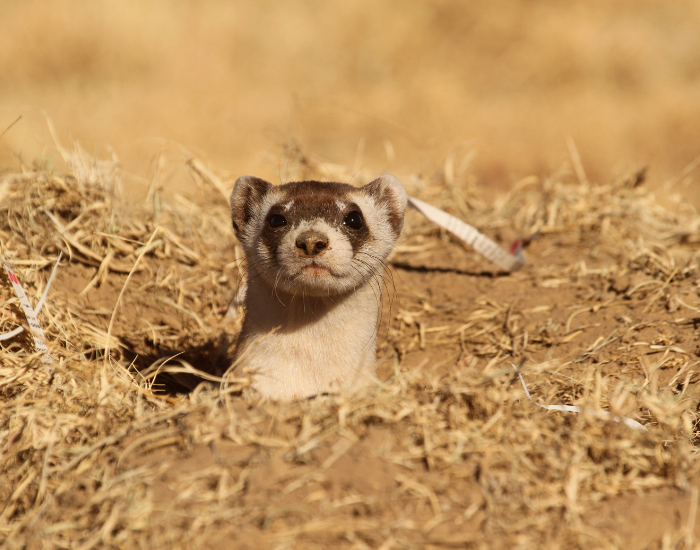
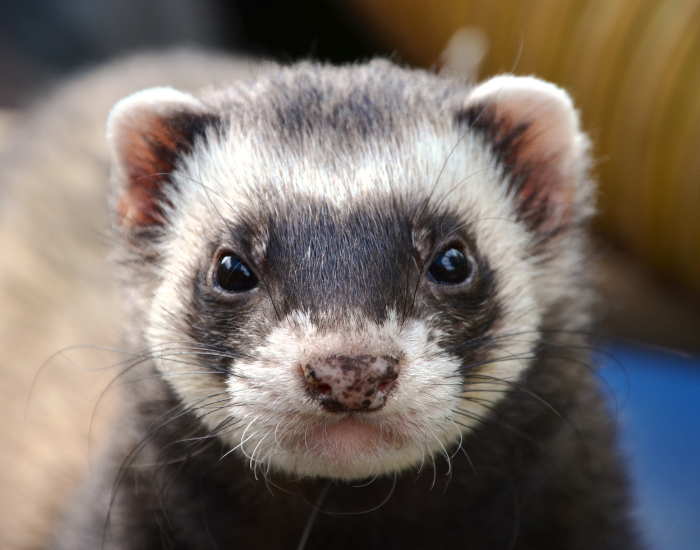
Picture this: a sleek, masked bandit prowling through the Great Plains under the cover of darkness, hunting prairie dogs in their underground cities. This isn’t a scene from a wildlife documentary – it’s the real-life story of the black-footed ferret, one of North America’s most remarkable conservation success stories.
The black-footed ferret has earned the unfortunate distinction of being one of the most endangered mammals on the continent. Yet, against all odds, this charismatic species has clawed its way back from the very edge of extinction not once, but twice. Today, thanks to groundbreaking conservation efforts, innovative breeding programs, and even cutting-edge cloning technology, the future looks brighter for these prairie predators.
But why should we care about saving the black-footed ferret? Beyond their undeniable charm and ecological importance, these animals represent something much larger – proof that dedicated conservation efforts can literally bring species back from the dead. Their story isn’t just about ferrets; it’s about what’s possible when science, determination, and public support unite for a common cause.

Why the Black-Footed Ferret Nearly Vanished Forever
The Perfect Storm of Threats
The black-footed ferret’s journey to the brink of extinction reads like a cautionary tale about unintended consequences. These specialist predators didn’t just face one or two challenges – they encountered a perfect storm of human-induced threats that decimated their populations throughout the 20th century.
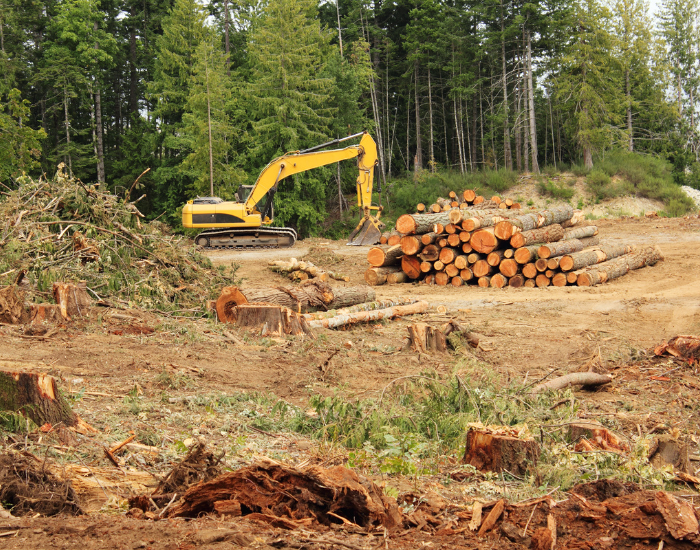
Habitat destruction stands as the primary reaosn behind the ferret’s decline. As European settlers moved westward, they viewed prairie dog colonies as obstacles to agriculture and livestock grazing. What they didn’t realize was that by systematically poisoning and shooting prairie dogs, they were destroying the entire foundation of the black-footed ferret’s existence. These ferrets depend on prairie dogs for 90% of their diet and use their burrow systems for shelter, raising young, and protection from predators.
The numbers tell a sobering story. Prairie dog populations, which once covered approximately 100 million acres across the Great Plains, plummeted by an estimated 95% due to habitat conversion, poisoning campaigns, and disease outbreaks. When the prey disappeared, so did the predators.

Disease: The Silent Killer
While habitat loss provided the knockout punch, sylvatic plague delivered devastating blows throughout the recovery process. This bacterial disease, introduced to North America in the early 1900s, spreads rapidly through prairie dog colonies and proves fatal to both prairie dogs and black-footed ferrets. A single plague outbreak can wipe out entire ferret families and their prey base simultaneously.
The ferrets’ biology makes them particularly vulnerable to extinction pressures. Unlike other carnivores that can adapt their diet, black-footed ferrets are extreme specialists. They’ve evolved to be perfectly suited for life in prairie dog towns – their slender bodies fit perfectly in burrows, their hunting techniques are specifically adapted for catching prairie dogs, and their reproductive cycles align with prairie dog population cycles.
Human Impact and Agricultural Expansion
The transformation of the Great Plains into agricultural land fundamentally altered the landscape these ferrets called home. Ranchers and farmers viewed prairie dogs as pests that competed with livestock for forage and created holes that could injure cattle and horses. Government agencies launched extensive poisoning campaigns that eliminated prairie dogs from millions of acres.
By the 1960s, black-footed ferrets had become so rare that many scientists believed they were extinct. The last known wild population disappeared from South Dakota in 1974, and the species was officially declared extinct in the wild.
The Miraculous Rediscovery and Conservation Breakthrough
A Ranch Dog’s Lucky Find
In 1981, something extraordinary happened in Meeteetse, Wyoming. A ranch dog named Shep brought home what its owner initially thought was an unusual skunk. Upon closer inspection, the “skunk” turned out to be a black-footed ferret – a species supposedly extinct for seven years.
This chance discovery led researchers to a thriving population of 129 black-footed ferrets living in the prairie dog colonies around Meeteetse. For the first time in decades, conservationists had hope that the species could be saved. However, that hope was short-lived. Disease outbreaks, including canine distemper and sylvatic plague, devastated the newly discovered population.
The Last-Ditch Rescue Mission
By 1985, only 18 black-footed ferrets remained in the wild. Faced with imminent extinction, wildlife biologists made a controversial decision: capture the remaining ferrets for a captive breeding program. This desperate gamble involved removing every remaining wild ferret from their natural habitat with no guarantee that captive breeding would succeed.
The National Black-footed Ferret Conservation Center in Colorado became ground zero for this ambitious rescue mission. Working with just 18 individuals – the genetic founders of every black-footed ferret alive today – scientists embarked on one of conservation history’s most challenging breeding programs.
Modern Conservation Strategies: A Multi-Pronged Approach
Captive Breeding Programs: Building Hope Kit by Kit
The foundation of black-footed ferret recovery rests on sophisticated captive breeding programs coordinated through the Association of Zoos and Aquariums (AZA) Species Survival Plan. Today, conservation breeding, reintroductions, and habitat protection have helped restore ferret populations to over 300 animals in the wild.
These programs operate like genetic banks, carefully managing breeding pairs to maximize genetic diversity and minimize inbreeding. Every ferret’s genealogy is tracked meticulously, and breeding decisions are made using complex algorithms that balance genetic health with behavioral traits and reproductive success.
The National Black-footed Ferret Conservation Center serves as the primary breeding facility, but the program has expanded to include multiple institutions across North America. Each facility plays a crucial role in maintaining genetic diversity and producing ferrets for reintroduction programs.
Reintroduction: Returning Ferrets to the Wild
Since 1991, biologists have been releasing captive-bred black-footed ferrets back into suitable habitat across eight states and Mexico. These reintroduction sites must meet strict criteria: stable prairie dog populations, sufficient prey density, appropriate habitat size, and manageable disease risks.
Recently, conservation experts gathered near Las Animas, Colorado, to release 33 endangered black-footed ferrets, demonstrating the ongoing commitment to expanding wild populations. Each release involves extensive preparation, including pre-conditioning ferrets to hunt live prey and survive in the wild.
The reintroduction process faces significant challenges. Young ferrets must learn complex hunting behaviors, navigate predator threats, and adapt to environmental extremes. Success rates vary, but the program has established sustainable populations in several locations, including South Dakota’s Badlands and Colorado’s prairie preserves.

Habitat Conservation and Prairie Dog Management
Protecting black-footed ferrets requires a landscape-level approach that prioritizes prairie dog conservation. Organizations like The Nature Conservancy work with private landowners to maintain prairie dog colonies while addressing legitimate concerns about livestock management and crop damage.
Innovative management strategies include creating “ferret-friendly” agricultural practices, using targeted grazing to maintain habitat quality, and implementing prairie dog relocation programs that move colonies away from high-conflict areas to suitable conservation lands.
Disease Management and Prevention
Controlling sylvatic plague represents one of the most complex aspects of ferret conservation. Scientists have developed several tools to combat this persistent threat:
Oral vaccination programs involve distributing vaccine-laced baits throughout prairie dog colonies to build immunity against plague. This approach has shown promising results in protecting both prairie dogs and ferrets from disease outbreaks.
Environmental monitoring systems track plague outbreaks in real-time, allowing rapid response teams to treat affected areas before the disease spreads to ferret populations.
Captive vaccination protocols ensure that all ferrets receive protection against distemper and other diseases before release into the wild.
Revolutionary Cloning Technology: Elizabeth Ann and Beyond
The First Cloned Endangered Species
In late 2020, and early 2021, conservation history was made when Elizabeth Ann became the first cloned endangered species native to North America. Elizabeth Ann was created from the frozen cells of a ferret that died more than 30 years ago, representing a revolutionary approach to conservation genetics.
The cloning process involved sophisticated techniques developed by ViaGen Pets and Revive & Restore in partnership with the U.S. Fish and Wildlife Service. Scientists extracted genetic material from tissue samples that had been cryogenically preserved since the 1980s, offering access to genetic diversity lost from the current population.
Expanding Genetic Diversity Through Cloning
In May 2023, two additional cloned black-footed ferrets were born from the same cell line. The ferrets, named Noreen and Antonia, are Elizabeth Ann’s genetic twins. This expansion of the cloning program demonstrates the technology’s potential to restore genetic variation to endangered species.
The most exciting development came in 2024 when Antonia became the first cloned animal to restore lost genetic variation to the species. Her 2 kits represent the first-ever birth of black-footed ferrets produced by a cloned endangered animal. This breakthrough proves that cloned animals can successfully reproduce and contribute new genetic material to wild populations.
How Elizabeth Ann Was Cloned
The cloning process begins with somatic cell nuclear transfer, a technique that involves removing the nucleus from an egg cell and replacing it with genetic material from the donor animal. In Elizabeth Ann’s case, scientists used preserved tissue from a ferret named Willa, who died in 1988 but whose genetic line was not represented in the current population.
The reconstructed embryos were implanted into domestic ferret surrogate mothers, who carried the pregnancies to term. This process required numerous attempts and sophisticated laboratory techniques to achieve success.
The cloning program represents more than just a scientific achievement – it offers hope for addressing the genetic bottleneck that threatens long-term ferret survival. Prior to 2024, every ferret born in the breeding program descended from just 7 founders. Cloning technology now provides access to genetic material from additional founders, potentially tripling the genetic diversity available for conservation efforts.

Current Population Status and Recovery Progress
How Many Black-Footed Ferrets Exist Today?
The recovering black-footed ferret population is fragile at only about 400 animals. This number includes both wild and captive populations, representing a remarkable recovery from the 18 individuals that founded the entire modern population.
The wild population fluctuates annually due to natural cycles, disease outbreaks, and environmental factors. However, the overall trend shows steady growth and expanding geographic distribution. Multiple reintroduction sites now support breeding populations, creating a safety net against local extinctions.
Geographic Distribution and Reintroduction Sites
Black-footed ferrets currently inhabit reintroduction sites across:
- South Dakota: Badlands National Park and surrounding areas
- Wyoming: Shirley Basin and surrounding areas
- Montana: Several sites on both private and public lands
- Colorado: Various locations including northeastern plains
- Kansas: Logan County and surrounding areas
- Arizona: Aubrey Valley
- Utah: Coyote Basin
- Mexico: Janos Biosphere Reserve in Chihuahua
Each site represents years of careful planning, habitat assessment, and community engagement. Success varies by location, but several sites now support self-sustaining populations that require minimal management intervention.
How You Can Help Black-Footed Ferrets
Individual actions can make a meaningful difference in ferret conservation:
Support Conservation Organizations: Donate to reputable wildlife organizations working on ferret recovery. Even small contributions help fund research, habitat protection, and breeding programs.
Adopt a Ferret Symbolically: Many zoos and conservation organizations offer symbolic adoption programs that provide funding while giving supporters updates on specific animals.
Spread Awareness: Share information about black-footed ferrets on social media and with friends and family. Public awareness drives political support and funding for conservation programs.
Support Prairie-Friendly Agriculture: Choose products from ranchers and farmers who implement prairie dog-friendly management practices. Some organizations certify “wildlife-friendly” beef and agricultural products.
Visit Ferret Sites: Tourism dollars support local communities that maintain ferret habitat. Several reintroduction sites offer educational programs and viewing opportunities.
The Ecological Importance of Black-Footed Ferrets
Why Is the Black-Footed Ferret Important?
Black-footed ferrets serve as a keystone species in prairie ecosystems, exerting influence far beyond their numbers. As primary predators of prairie dogs, they help maintain the delicate balance that keeps grassland ecosystems healthy and diverse.
Population Control: By preying on prairie dogs, ferrets prevent overgrazing that could degrade prairie habitat. This predation pressure maintains optimal prairie dog colony sizes and distribution patterns.
Ecosystem Health Indicators: Ferret populations reflect the overall health of prairie ecosystems. Their presence indicates healthy prairie dog populations, intact grasslands, and functioning predator-prey relationships.
Biodiversity Support: Healthy ferret populations support diverse wildlife communities. Prairie dog colonies provide habitat for numerous other species, including burrowing owls, mountain plovers, and various reptiles and insects.
The Ripple Effects of Extinction
If black-footed ferrets disappeared permanently, the consequences would extend throughout prairie ecosystems:
Prairie dog populations might experience explosive growth in some areas, leading to overgrazing and habitat degradation. Without predation pressure, prairie dog behavior and colony structure could change dramatically.
Grassland ecosystems could become less diverse and resilient. The complex relationships between predators, prey, and plant communities help maintain the stability that supports hundreds of species.
Conservation credibility would suffer a significant blow. The ferret program represents one of the most ambitious and expensive endangered species recovery efforts in North America. Failure would impact funding and support for other conservation initiatives.
Challenges and Future Outlook
Ongoing Threats and Management Challenges
Despite remarkable progress, black-footed ferret conservation faces persistent challenges:
Climate Change: Shifting precipitation patterns and extreme weather events affect prairie dog populations and habitat quality. Drought conditions can force prairie dogs into hibernation earlier, reducing prey availability for ferrets.
Disease Management: Sylvatic plague continues to threaten both ferrets and their prey. While vaccine programs show promise, implementation across vast landscapes remains logistically challenging and expensive.
Genetic Bottlenecks: Even with cloning technology, the species faces long-term genetic challenges due to its small founding population. Maintaining genetic diversity requires careful management and continued research.
Habitat Fragmentation: Agricultural development and urban expansion continue to fragment prairie habitats, making it difficult to maintain large, connected ferret populations.
Human-Wildlife Conflict: Balancing ferret conservation with agricultural interests requires ongoing negotiation and compromise. Some landowners remain resistant to prairie dog conservation efforts.
Emerging Technologies and Hope for the Future
Advanced Genetic Techniques: CRISPR gene editing and other biotechnologies may offer new tools for enhancing genetic diversity and disease resistance in ferret populations.
Improved Vaccine Delivery: Researchers are developing more effective methods for delivering plague vaccines to prairie dogs, including drone deployment and improved bait formulations.
Habitat Restoration Technologies: New techniques for prairie restoration and management may help expand suitable ferret habitat more rapidly and cost-effectively.
Community Engagement Programs: Innovative approaches to working with ranchers and farmers are creating new models for wildlife-friendly agriculture that supports both conservation and rural livelihoods.

Success Stories and Conservation Wins
Conata Basin: A Model for Recovery
The Conata Basin in South Dakota represents one of ferret conservation’s greatest success stories. This site has maintained a stable, reproducing population for over two decades, demonstrating that ferret recovery is possible with proper management.
The basin’s success stems from several factors: large, stable prairie dog populations; effective disease management; strong partnerships between federal agencies and private landowners; and dedicated monitoring and research efforts.
Badlands National Park: Tourism Meets Conservation
Badlands National Park has become a premier destination for ferret viewing, demonstrating how conservation can support local economies. The park’s night-time ferret viewing programs generate tourism revenue while raising public awareness about conservation efforts.
International Cooperation: Mexico’s Success
The ferret population in Mexico’s Janos Biosphere Reserve represents an important international conservation success. This cross-border effort demonstrates how cooperation between countries can expand conservation opportunities and genetic exchange.
Looking Forward: The Next Chapter in Ferret Conservation
The black-footed ferret’s story continues to evolve, with new chapters being written by dedicated scientists, conservationists, and supporters around the world. Recent breakthroughs in cloning technology and genetic rescue offer unprecedented opportunities to strengthen populations and ensure long-term survival.
However, success depends on continued commitment from multiple stakeholders. Government agencies must maintain funding for research and management programs. Conservation organizations need ongoing public support to sustain their efforts. Private landowners require incentives and assistance to maintain ferret habitat. And the public must remain engaged and supportive of conservation efforts.
The species’ recovery also depends on addressing broader landscape-level challenges. Climate change adaptation, sustainable agriculture practices, and innovative land management approaches will all play crucial roles in determining whether ferrets can thrive in a rapidly changing world.
A Conservation Success Worth Celebrating
The black-footed ferret’s journey from the brink of extinction to recovery represents one of conservation’s most remarkable achievements. Through innovative science, dedicated partnerships, and unwavering commitment, this species has been pulled back from certain extinction – twice.
Today’s ferret population of approximately 400 animals may seem small, but it represents an incredible 22-fold increase from the 18 founders that started the recovery program. More importantly, recent advances in cloning technology and genetic rescue offer new hope for long-term sustainability.
The ferret’s story teaches us that extinction doesn’t have to be forever – at least not when we combine cutting-edge science with passionate determination. It demonstrates the power of collaboration between government agencies, conservation organizations, private landowners, and the public.
The next time you hear about an endangered species, remember the black-footed ferret. Remember that dedicated people working together can literally bring species back from the dead. And remember that your support – whether through donations, awareness-raising, or simply caring – makes a difference in the fight to protect our planet’s incredible biodiversity.