
A Giant Encounter in the Canadian Wild
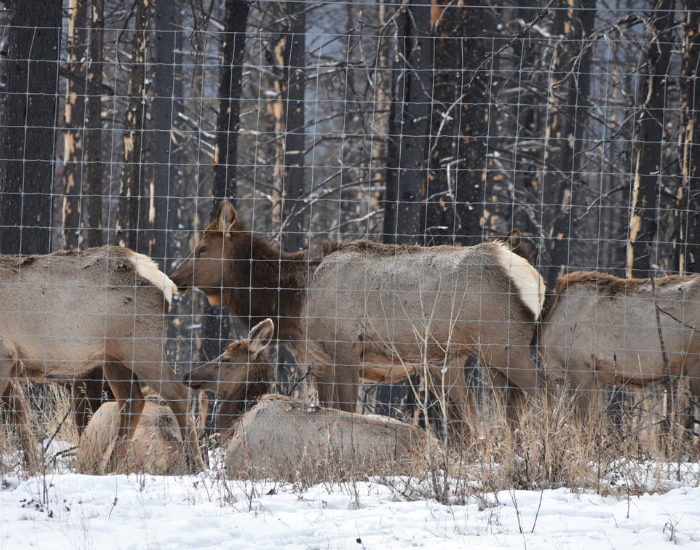
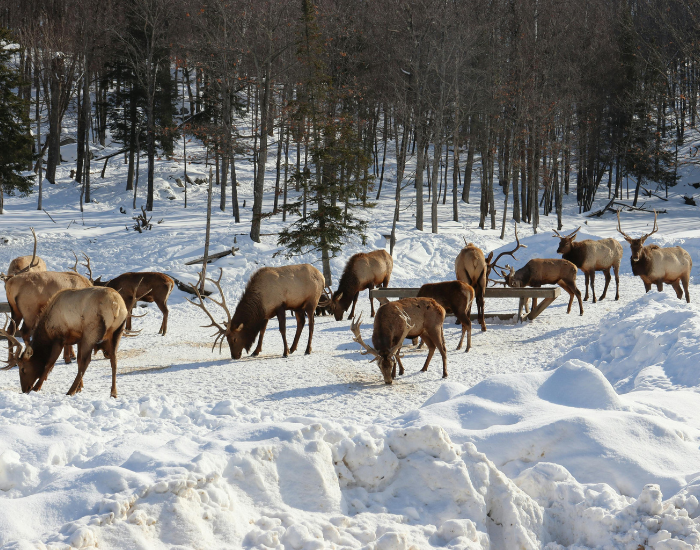
It was March 2025, and I was driving from Edmonton, Canada, through the winding mountain roads toward Banff National Park. The air still carried winter’s chill, and snow lingered along the spruce-lined valleys. That’s when I saw them, a herd of wild elk grazing calmly by the roadside, their presence a reminder of the untamed wilderness.
They were enormous, far larger than I’d ever imagined. Their thick bodies and wide antlers gleamed in the pale sun. I’d seen photos of Cervus canadensis before, but nothing compared to witnessing them in person, majestic, silent, and undeniably wild. North American elk are sometimes classified as Cervus elaphus, but current taxonomy generally distinguishes Cervus canadensis (North American elk) from Cervus elaphus (Eurasian red deer), based on genetic and morphological differences.
Here are ten fascinating facts that reveal just how extraordinary these animals truly are.
1. Elk Are Among the Largest Members of the Deer Family
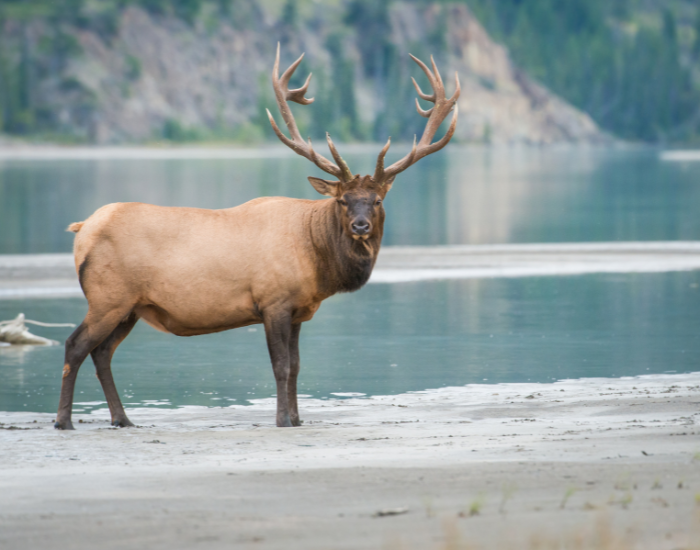
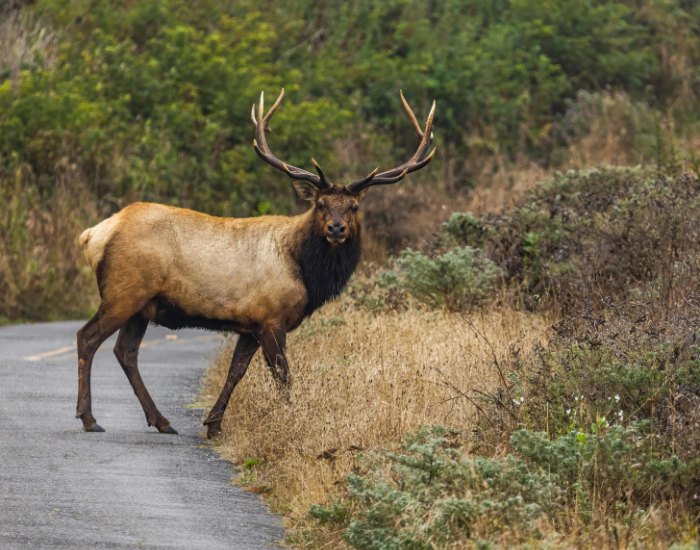
Elk (Cervus canadensis) rank as the second-largest species in the deer family, just behind the moose. Adult bull elk can stand up to 5 feet at the shoulder and weigh as much as 700 pounds. In addition, some mature bulls in prime habitat can exceed 800 pounds. Among the different subspecies, the largest males, such as the Roosevelt elk, can weigh up to 600 kg (about 1,320 pounds), making them the heaviest of all elk subspecies. Cows are smaller but still formidable, averaging around 500 to 600 pounds.
Elk are also known for their impressive antlers. Some subspecies, such as the Siberian and North American elk, possess the largest antlers among deer species, with antlers that can weigh up to 40 pounds and span over 4 feet across. Their sheer size once caused early European settlers to mistake them for moose. Therefore, the confusion in names persists today. In fact, the name “elk” in Europe refers to moose (Alces alces), while the North American elk was later renamed “wapiti.” This name means “white rump” in the Shawnee and Cree languages, a nod to the pale patch of fur that flashes as they run.
Their population thrives across diverse ecosystems, from mountain forests to open grasslands. Their body size makes them one of the most impressive animals in North America.
2. Male Elk Grow Antlers That Can Weigh Up to 40 Pounds
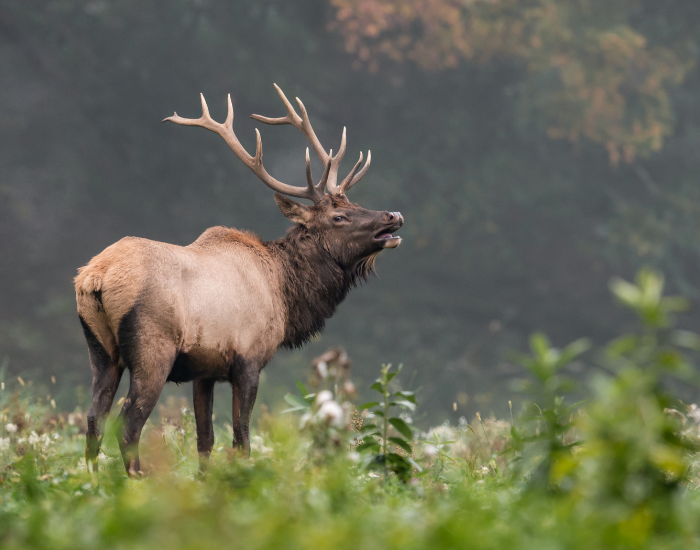
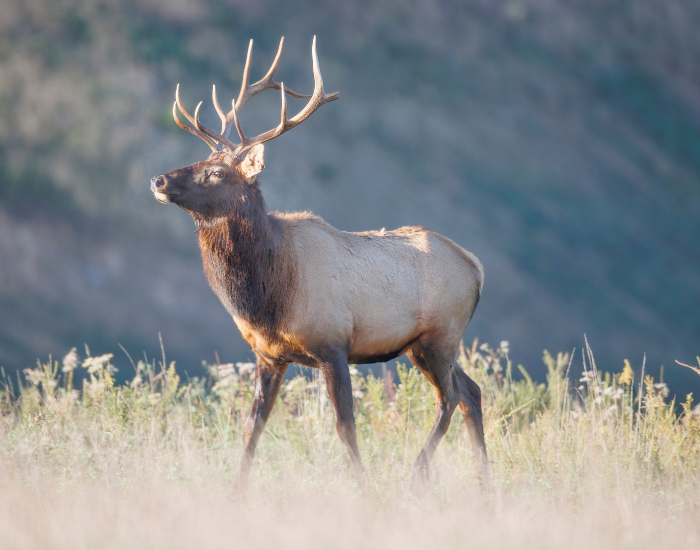
A bull elk’s antlers are nothing short of spectacular. Each spring, rising testosterone levels and longer daylight hours trigger rapid antler growth. Covered in a soft, velvety skin rich with blood vessels, these antlers can grow to lengths of 4 feet and span up to 5 feet wide.
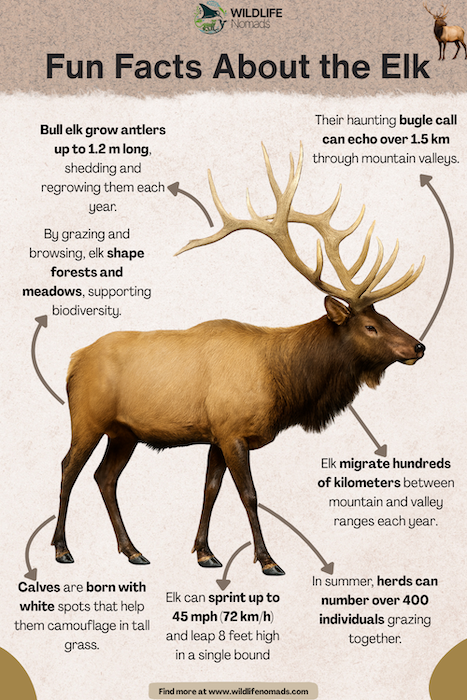
Elk antlers grow at an astonishing rate of approximately one inch per day during peak growth. This makes them among the fastest-growing tissues in the animal kingdom. A mature bull’s antler can weigh between 20 to 40 pounds per antler. Consequently, a full set of antlers can total up to 40 pounds.
By late summer, the velvet is shed, revealing polished bone ready for the fall rut. During the mating season, bull elk use their massive antlers to spar with other bulls for dominance and mating rights, as well as to impress potential mates. After the breeding season ends, they shed their antlers in winter, only to regrow an entirely new set by spring, one of nature’s most impressive regenerative feats.

3. The Iconic Bugle Is a Love Song and a Challenge
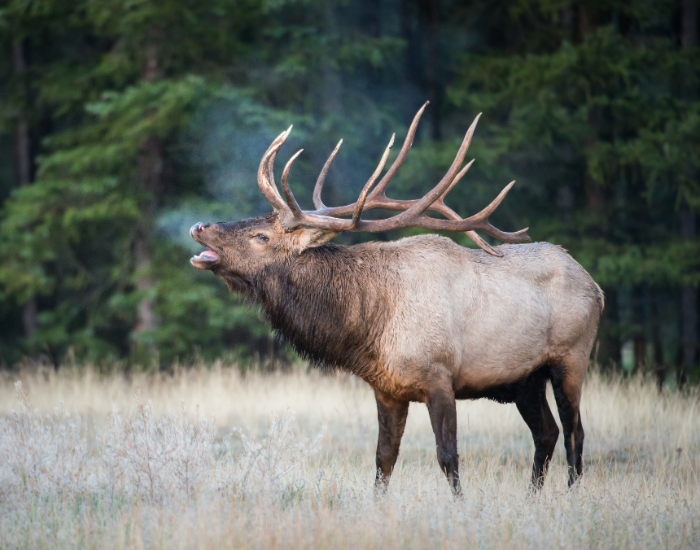
If you’ve ever visited Yellowstone National Park or the Rocky Mountains in autumn, you might have heard it, that haunting, high-pitched call echoing through the valleys. The elk bugle is one of the wild’s most unforgettable sounds.
This vocal display serves two main purposes: to attract adult female elk and to warn competing bulls. A bugle begins as a deep roar that rises into a piercing whistle. It often ends in a series of grunts. Each male has a distinctive pitch, allowing cows to identify individuals.
Biologists have found that bulls with deeper, longer bugles tend to have greater reproductive success. Therefore, the sound is both a serenade and a show of dominance. In addition, bulls may bugle dozens of times per day during peak rut. This intense vocal activity helps establish territories and maintain harems.
While they play a crucial role as ecosystem engineers and can positively influence habitats, it is important to note that elk reintroduction or overpopulation can sometimes have a negative impact on local plant communities and disrupt ecosystem balance.
4. Elk Are Ecosystem Engineers
Much like beavers or prairie dogs, elk are ecosystem engineers. Their browsing habits help regulate plant growth, which in turn affects soil fertility, bird nesting sites, and even water flow.
Among elk subspecies, physical traits can vary; for example, some, like the tule elk, are noted for their relatively short tails compared to other deer. Roosevelt elk populations in southwest Washington have been affected by hoof disease, impacting local elk health and drawing attention to disease management in the region.
In Yellowstone National Park, researchers observed significant changes after wolves were reintroduced in the 1990s. As a result, populations declined slightly, allowing over-browsed aspen and willow trees to recover. This triggered a cascade of ecological benefits: songbirds returned, riverbanks stabilized, and beavers flourished again.
Elk aren’t just a part of the ecosystem, they drive it. Their movements and feeding habits influence entire landscapes. Moreover, elk browsing affects tree bark, grasses, and other vegetation. This creates diverse habitats for numerous wildlife species. From predators like wolves and bears to smaller game animals, many species depend on healthy elk populations.
5. Six Subspecies Roam North America
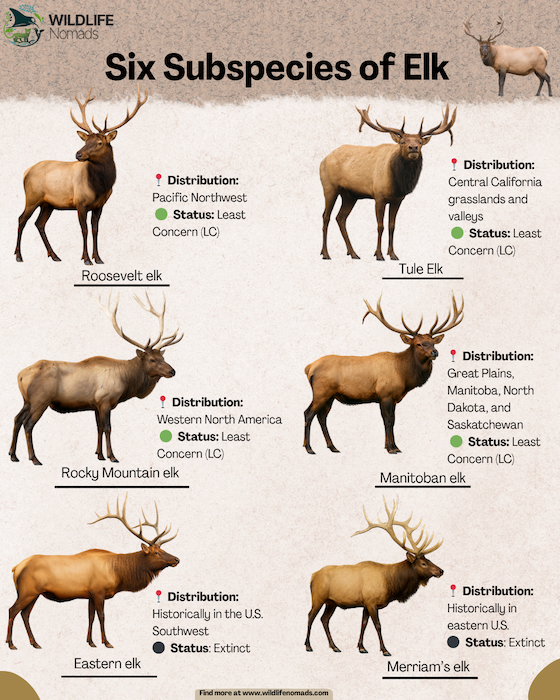
While all elk belong to Cervus canadensis, there are six recognized North American subspecies:
Rocky Mountain elk – Found in the western United States and Canada. Known for large antlers and high-elevation migrations. This is the most common subspecies.
Roosevelt elk – The largest-bodied subspecies, living along the misty forests of the Pacific Northwest and Olympic Peninsula. Theycan weigh over 1,000 pounds.
Tule elk – Native to California, smaller and adapted to open grasslands. The population of this subspecies was nearly extinct but has recovered through conservation efforts.
Merriam’s elk – Once native to the Southwest, now extinct due to overhunting and habitat loss.
Manitoban elk – Found in the Great Plains and Manitoba regions.
Eastern elk – Once widespread across the eastern U.S., declared extinct in the late 1800s. However, reintroductions are underway in parts of Kentucky and Pennsylvania.
Each subspecies has adapted uniquely to its habitat, from the dense rainforests of Washington to the high plains of Colorado. During the rutting season, dominant bulls display herding behavior by gathering and defending groups of cows, forming harems and influencing movement patterns. Outside the rut, males often form small groups or travel alone, while females and calves remain in larger herds. Elk communicate and maintain group cohesion through vocalizations and body language, interacting closely with other members of their herd.
6. They Have Complex Social Structures
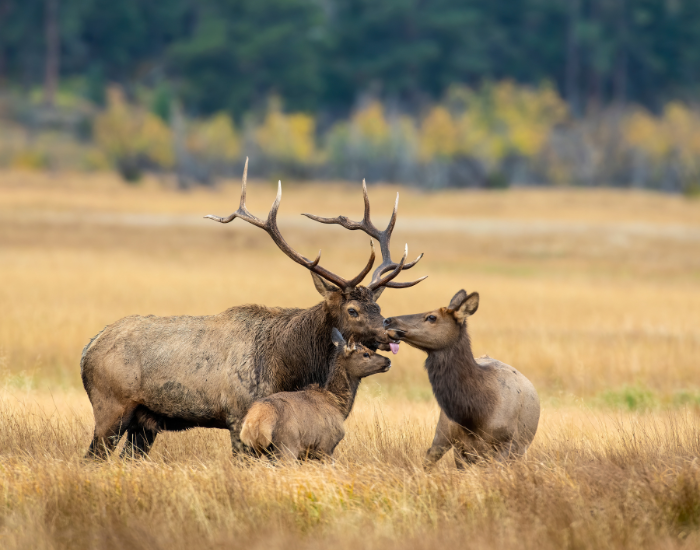
Elk are highly social animals that live in large herds. These herds sometimes reach up to 400 individuals in summer. These herds are usually divided by sex: cows and calves form groups led by an experienced female matriarch, while bulls form smaller bachelor herds.
These animals migrate seasonally, moving between summer and winter habitats. During harsh winter months, they rely on designated winter range areas for survival, especially in places like Yellowstone where these ranges are critical for large mammals.
During the autumn rut, bulls leave their groups to gather harems of up to 20 adult cows. Their lives revolve around this season, eating little, fighting often, and bugling almost constantly. A mature bull may lose up to 200 pounds during the rut due to the intense energy expenditure.
Outside of the breeding period, elk communicate using an array of sounds. They use barks to signal danger, mews between mothers and calves, and chirps during social interactions. Their intelligence and social awareness are more sophisticated than many assume. In fact, their behavior rivals that of other herd animals like bighorn sheep or caribou.
7. Elks Are Masters of Migration
Few mammals undertake migrations as dramatic as elk. In the Greater Yellowstone Ecosystem, thousands of individuals move between high-elevation summer ranges and lower winter ranges. They travel distances of 60 to 100 miles.
This migration is timed with the growth of new vegetation, a phenomenon called “surfing the green wave.” By following the freshest, most nutritious plant growth as snow melts, elk maximize their nutrition and calf survival. Therefore, spring and summer provide critical feeding opportunities. They use specific behaviors and habitat features to escape predators, especially when calves are young. In late winter, they are particularly vulnerable to predators as they are weakened after the breeding season.
Scientists at the U.S. Geological Survey (USGS) use GPS collars to map these ancient routes. Their data has helped wildlife managers identify critical corridors. These corridors are now being protected under initiatives like the Wyoming Migration Initiative. Moreover, protecting winter feeding areas ensures elk can survive harsh conditions in elk country. They are also affected by other wildlife diseases, such as brucellosis, which can impact population health.
8. Predators, Parasites, and Disease Shape Populations
Elk face a host of natural challenges. Predators like wolves, bears, and cougars hunt elk throughout their range. In addition, diseases such as chronic wasting disease (CWD) pose serious threats.
Females retreat to secluded areas during the calving season. They isolate themselves before giving birth to their calves, ensuring a safer environment for the newborns during their earliest days.
CWD is caused by misfolded proteins called prions. These damage the brain and nervous system. It’s fatal and has spread through parts of North America, threatening deer and elk populations alike. Consequently, wildlife managers continuously monitor and manage this disease to prevent outbreaks.
Predation also plays an important role in shaping their behavior. In areas where wolves are present, elk tend to move more often. They browse less near rivers and stay in larger groups. These behaviors make them less predictable prey. Furthermore, the presence of predators improves overall herd health by removing weak or sick individuals.
9. Calves Are Born Spotted and Silent
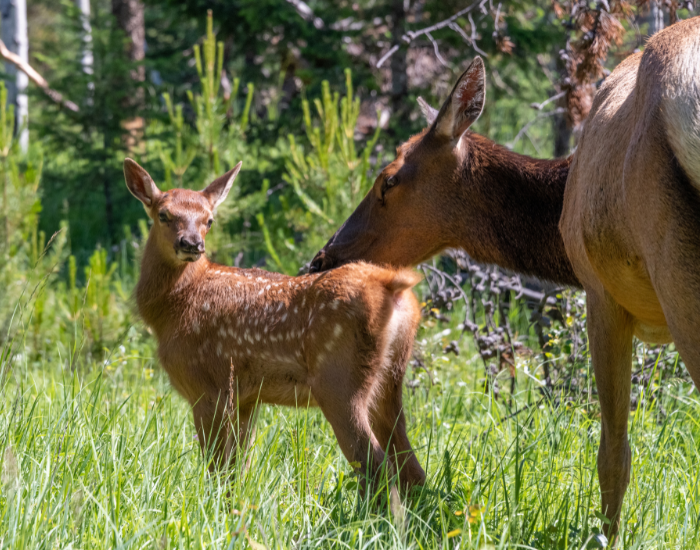
Each spring, after an eight-month gestation, adult females retreat to secluded areas to give birth. They typically have a single calf, though twins are rare. The newborn calves weigh about 30 to 40 pounds and are covered in white spots for camouflage.
For the first week of life, calves remain hidden in tall grass while their mothers feed nearby. When danger approaches, they stay perfectly still and silent. This strategy significantly improves survival rates against predators.
By the time they’re two weeks old, they can run fast enough to keep up with the herd. In less than a year, the spots fade, and the young join the social rhythm of their life. Calf survival depends heavily on habitat quality and predator presence. Elk are also hunted as a valued game species through regulated hunting programs, which helps regulate populations and supports conservation funding. Therefore, protected areas like national parks provide crucial nursery grounds.
10. Conservation Efforts Have Brought Elk Back From the Brink
By the late 1800s, elk had vanished from most of their historic range in North America. Unregulated hunting and habitat loss caused populations to plummet from millions to just tens of thousands.
Conservation laws, national parks, and reintroduction programs turned the tide. The establishment of Yellowstone National Park in 1872 provided one of the first refuges for elk. Therefore, the species became a symbol of wildlife recovery in the American West.
Today, more than one million elk roam North America. They thrive in national parks, forest reserves, and managed public lands. Organizations like the Rocky Mountain Elk Foundation (RMEF) continue to restore habitats, secure migration corridors, and fund research.
Their success is a testament to what can be achieved when science, policy, and community unite for conservation. In addition, regulated hunting programs generate revenue that supports wildlife management. Elk meat has become a popular, sustainable protein source. This creates economic incentives for maintaining healthy elk populations.
11. Elk Versus Other Deer Species: Understanding the Differences
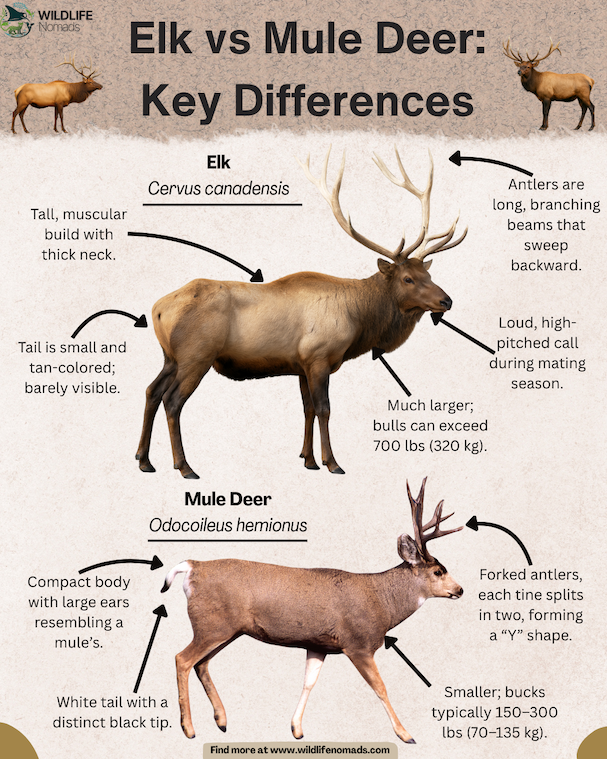
Many people confuse elk with other deer species like mule deer or white-tailed deer. However, several key differences set elk apart.
Size: Elk are significantly larger than mule deer and white-tailed deer. A mature bull elk can weigh three to four times more than a large mule deer buck.
Antlers: While mule deer antlers fork repeatedly, elk antlers grow with tines branching from a main beam. Bull elk typically develop six to seven points per side. In contrast, a mature mule deer might have four to five points per side.
Habitat: Elk prefer open meadows, grasslands, and mixed forest-grassland habitats. Mule deer typically inhabit brushy areas and mountain slopes. White-tailed deer favor dense forests and agricultural edges.
Social Behavior: Elk form much larger herds than mule deer. They also have more complex vocalizations, including the famous bugle. Mule deer are generally quieter and form smaller groups.
Diet: All three species are browsers and grazers. However, elk consume more grasses than mule deer, which prefer shrubs and forbs. This dietary difference influences their habitat selection.
Understanding these differences helps outdoor enthusiasts properly identify wildlife. It also informs conservation strategies tailored to each species’ needs.
12. The Cultural Significance of Elk
Elk hold deep cultural significance for many Indigenous peoples of North America. For centuries, these animals provided food, clothing, tools, and spiritual meaning.
The Shawnee and Cree peoples called elk “wapiti,” meaning white rump. Many tribes incorporated elk into their creation stories and spiritual practices. In addition, elk teeth became prized ornaments, often adorning ceremonial clothing.
Today, elk remain important in Native American culture. Many tribes participate in wildlife management on their lands. They work to maintain healthy elk populations for future generations.
Beyond Indigenous cultures, elk have become iconic symbols of the American West. They appear in art, literature, and photography. Moreover, elk viewing generates significant tourism revenue in states like Wyoming, Montana, and Colorado.
The town of Estes Park, Colorado, has become famous for its autumn elk rut viewing opportunities. Thousands of visitors flock to Rocky Mountain National Park each fall. They come to witness the spectacular displays of bugling bulls and competing males.
Frequently Asked Questions About Elk
Elk belong to the deer family (Cervidae), making them relatives of both deer and moose. They’re larger than mule deer but smaller than moose. However, they share many characteristics with other deer species.
Female elk are called cows, while males are bulls. Young elk are referred to as calves. This naming convention follows the same pattern used for cattle.
Elk inhabit western states like Wyoming, Montana, Idaho, Colorado, and Washington. In addition, reintroduced populations thrive in Kentucky, Pennsylvania, and parts of the Great Lakes region. The largest elk populations occur in the Rocky Mountain states.
Yes — Washington is home to two main subspecies. Roosevelt elk inhabit the Olympic Peninsula and coastal forests. Rocky Mountain elk live in eastern regions near the Cascade Range. Therefore, visitors to Washington can observe both subspecies in different parts of the state.
Despite their large size, elk are surprisingly fast. A mature bull can run up to 40 miles per hour in short bursts. This speed helps them escape from predators like wolves and bears. Consequently, their agility and speed are impressive given their weight.
Elk are herbivores that primarily eat grasses, forbs, shrubs, and tree bark. Their diet varies by season and habitat. In summer, they graze on nutritious grasses in meadows. During winter, they browse on woody vegetation and dig through snow to find food.
Coexisting with Giants
That moment in Banff, when I stood quietly watching the herd move through the mist, reminded me how resilient nature can be. Elk once teetered on the edge of disappearance, yet here they were — thriving, wild, and magnificent.
These animals are more than symbols of the wilderness. They’re living proof that coexistence and conservation can work hand in hand. From the Yellowstone plains to the forests of Washington, their bugles echo the song of survival — one we should never take for granted.
Whether you’re a hunter, photographer, or nature enthusiast, elk offer endless opportunities for connection with the wild. Their presence enriches our landscapes and reminds us of what’s possible when we prioritize conservation.
Further Reading
- Prairie Dog: The Ecosystem Engineers of the Grasslands
- The Beaver Effect: How One Species Rebuilds Entire Landscapes
- Opossums (Didelphidae): The Other Marsupials of the Americas