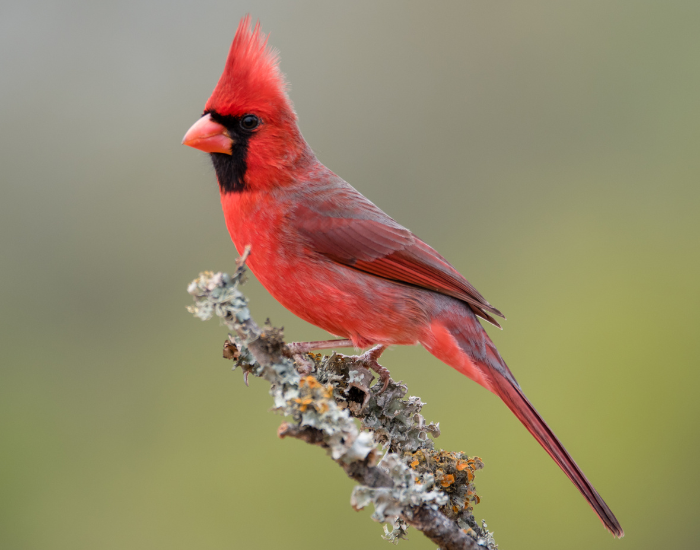
Canada is a land of breathtaking landscapes and incredible biodiversity, home to some of the most stunning national parks in the world. From the rugged Rocky Mountains to the pristine coastal forests, these parks offer unparalleled opportunities to see wildlife in their natural habitats. Banff National Park is geographically close to Kootenay and Yoho National Parks, collectively known as Banff National Parks. But with so many incredible options, where are the best national parks in Canada to see wildlife?
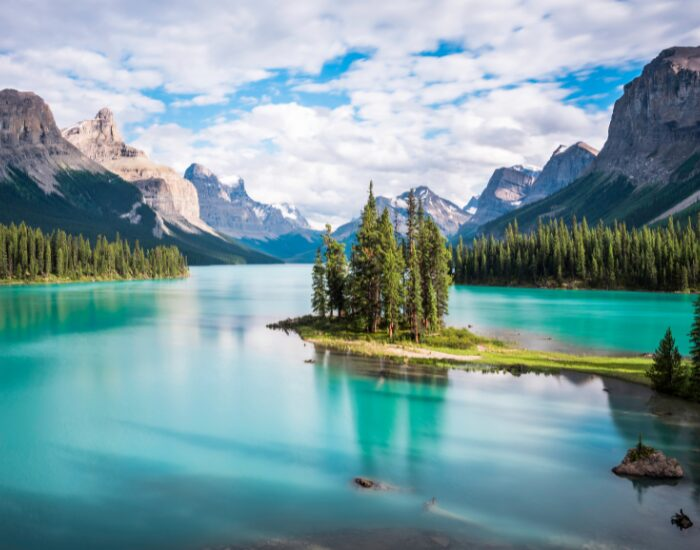
Brief History of National Parks in Canada
The history of Canada’s national parks system dates back to 1885, with the establishment of Banff National Park, the country’s first national park. This milestone was followed by the adoption of the Rocky Mountains Park Act in 1887, which laid the foundation for the creation of more protected areas. Modeled after the American experience with Yellowstone National Park, Canada’s national parks system has since expanded to include 37 national parks and 10 national park reserves, covering approximately 343,377 square kilometers. This growth reflects Canada’s commitment to preserving its natural landscapes and providing spaces for wildlife to thrive.
Why Visit Canada’s National Parks for Wildlife?
Canada’s national parks are a haven for wildlife, offering protected habitats for a wide variety of species. Canada is home to over 80,000 species, including iconic animals like different types of bears, moose, and bald eagles. These parks not only provide a chance to see these creatures up close but also play a crucial role in conservation efforts.
Here’s why Canada’s national parks stand out:
- Diverse Landscapes: From mountains and forests to coastal cliffs and Arctic tundra.
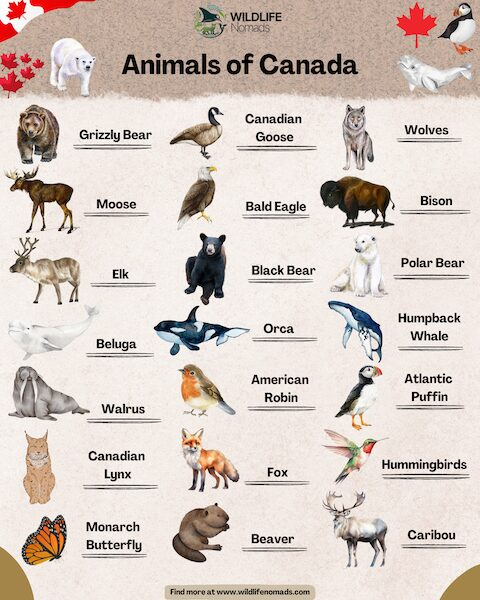
- Abundant Wildlife: Home to iconic species like bears, wolves, whales, and caribou.
- Conservation Efforts: Parks Canada works tirelessly to protect these natural habitats and the species that call them home.
Top National Parks in Canada for Wildlife
Here are the best national parks in Canada for wildlife viewing, each offering a unique and unforgettable experience:
1. Banff National Park – The Crown Jewel of the Rockies
Banff National Park, Canada’s first national park, is a 6,641-square-kilometer (2,564-square-mile) stunner in Alberta’s Rockies and is a must-visit for wildlife enthusiasts. Located in the heart of the Rocky Mountains and in close proximity to Kootenay and Yoho National Parks, Banff National Parks offer a broader exploration of the region’s natural beauty. This park is home to a wide variety of species, including grizzly bears, elk, and bighorn sheep.
- Where to Watch: Lake Louise, Moraine Lake, Bow Valley Parkway
- Species to See: Grizzly bears, black bears, elk, bighorn sheep, wolves and mountain goats
- When to Visit: June to September—20°C (68°F) days peak wildlife; winter’s great for wolves!

Find Experiences in Banff National Park
2. Jasper National Park – The Wild Heart of the Rockies
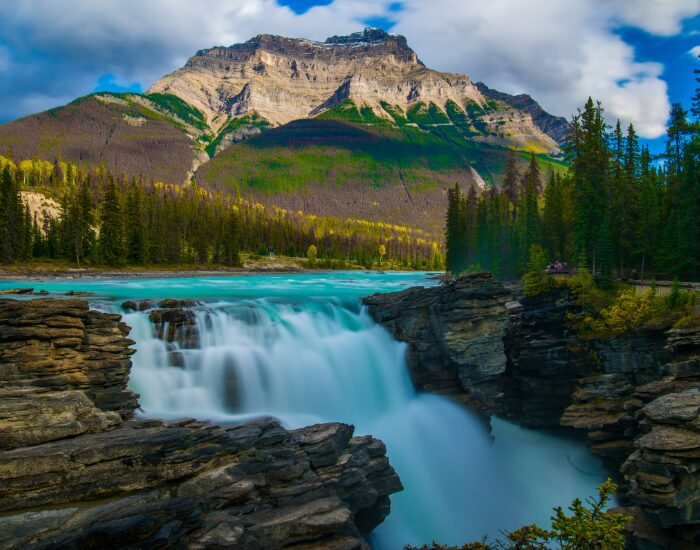
Jasper National Park is Banff’s neighbor, a 11,228-square-kilometer (4,335-square-mile) national park. It is less crowded, more wild and the largest national park in the Canadian Rockies, definitely a haven for wildlife. Its vast wilderness and diverse ecosystems make it one of the best Canadian national parks for spotting iconic species.
Glacier National Park, along with Waterton Lakes National Park, forms the Waterton-Glacier International Peace Park, showcasing unique natural beauty and diverse landscapes.
- Where to Watch: Maligne Lake, Athabasca Valley, Icefields Parkway
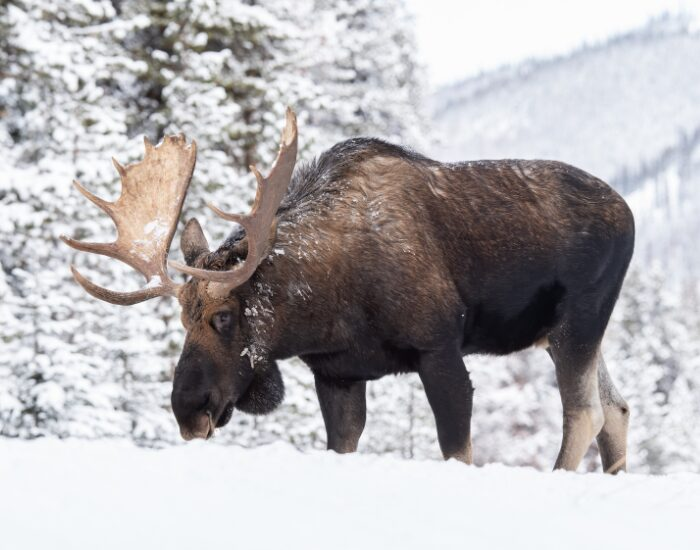
- Species to See: Moose, caribou, wolves, black bears, bighorn sheep
- When to Visit: May to October for the best wildlife viewing and outdoor activities
Find Experiences in Jasper National Park
3. Gros Morne National Park – The Coastal Wonder
Gros Morne National Park, located on the east coast of Canada, is a UNESCO World Heritage Site known for its stunning landscapes and diverse wildlife. The park’s coastal cliffs and boreal forests are home to a variety of species, including moose and bald eagles. Similarly, Fundy National Park is renowned for its unique features, such as the world’s highest tides and popular attractions like Hopewell Rocks, offering activities like hiking, kayaking, and exploring the tidal landscapes.
- Where to Watch: Western Brook Pond, Gros Morne Mountain, Bonne Bay
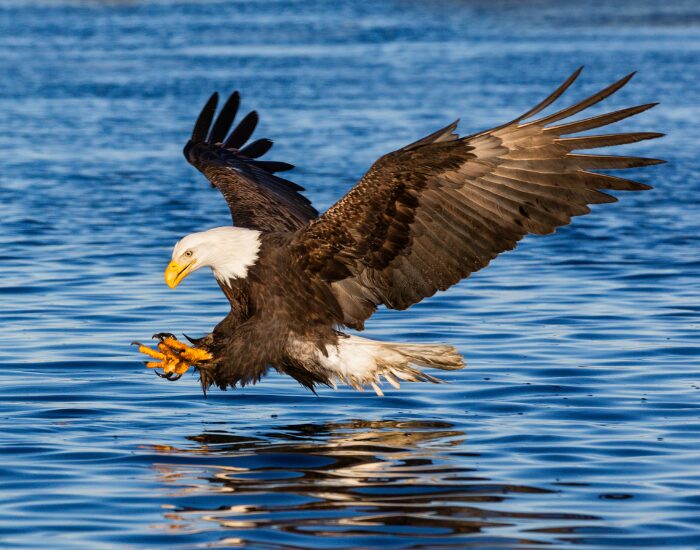
- Species to See: Moose, bald eagles, Arctic hare, black bears
- When to Visit: June to September for the best weather and wildlife viewing
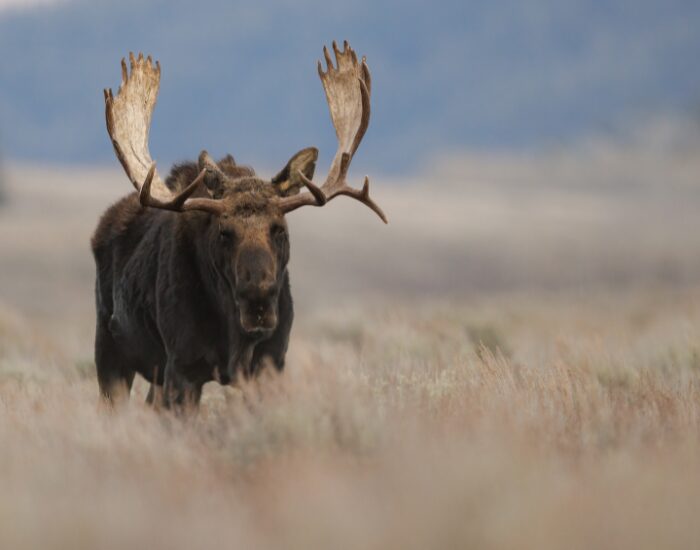
4. Pacific Rim National Park Reserve – The Coastal Gem
Pacific Rim National Park Reserve, located on Vancouver Island, is a top destination for marine wildlife. Its rugged coastline and temperate rainforests are home to a variety of species, including gray whales and sea otters. Similarly, Bruce Peninsula National Park offers picturesque landscapes with rugged cliffs, turquoise waters, and popular attractions like the Grotto.
- Where to Watch: Long Beach, Broken Group Islands, West Coast Trail
- Species to See: Gray whales, sea otters, bald eagles, black bears
- When to Visit: March to October for whale watching and outdoor activities

5. Yoho National Park – The Hidden Gem of the Rockies
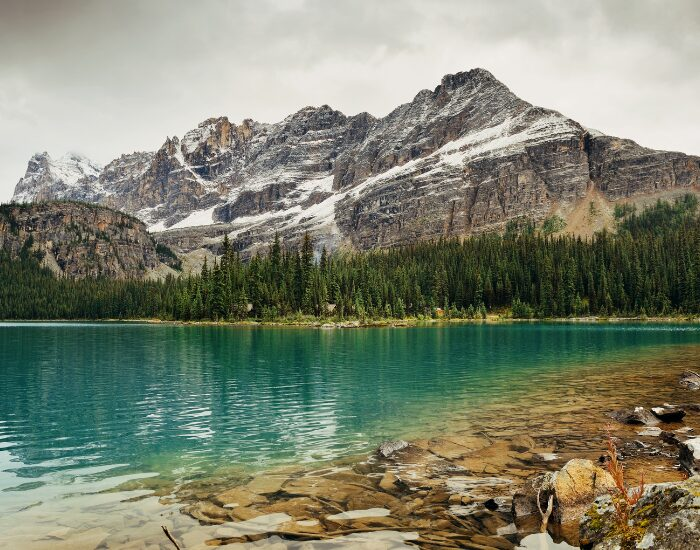
Yoho National Park, located in the Canadian Rockies, is a hidden gem for wildlife enthusiasts, situated near Banff National Parks and Kootenay National Park. Its pristine wilderness and diverse ecosystems make it one of the best national parks in Canada for spotting iconic species.
- Where to Watch: Emerald Lake, Takakkaw Falls, Burgess Shale
- Species to See: Grizzly bears, black bears, moose, mountain goats
- When to Visit: June to September for the best wildlife viewing and hiking conditions
Find Experiences in Yoho National Park
6. Waterton Lakes National Park – The Peaceful Retreat
Waterton Lakes National Park, located in southern Alberta, is a peaceful retreat for wildlife enthusiasts. Its diverse landscapes, from prairies to mountains, are home to a variety of species, including bison and bighorn sheep. Waterton Lakes National Park shares a border with Glacier National Park in the United States, and together they form the Waterton-Glacier International Peace Park, known for its unique natural beauty and recreational opportunities.
- Where to Watch: Red Rock Canyon, Cameron Lake, Waterton Townsite
- Species to See: Bison, bighorn sheep, black bears, elk
- When to Visit: May to September for the best wildlife viewing and outdoor activities

Find Experiences in Waterton Lakes National Park
7. Kluane National Park and Reserve – The Arctic Wilderness
Kluane National Park and Reserve, located in the Yukon, is a vast wilderness of mountains, glaciers, and tundra. Its remote location and pristine ecosystems make it one of the best Canadian national parks for spotting Arctic wildlife.
Similarly, Kejimkujik National Park is renowned for its cultural significance and rich Indigenous heritage, particularly its connection to the Mi’kmaw people. Visitors can engage in activities such as canoeing, hiking, and participating in Mi’kmaw cultural demonstrations and guided tours. The park is also a National Historic Site and a dark sky preserve.
- Where to Watch: Kathleen Lake, Slims River Valley, Donjek Glacier
- Species to See: Dall sheep, grizzly bears, caribou, wolves
- When to Visit: June to August for the best weather and wildlife viewing
8. Prince Albert National Park – The Prairie Paradise
Prince Albert National Park, located in Saskatchewan, is a prairie paradise for wildlife enthusiasts. Its diverse landscapes, from forests to grasslands, are home to a variety of species, including bison and elk. Additionally, Prince Albert National Park is recognized as a national historic site due to its cultural and historical significance.
- Where to Watch: Waskesiu Lake, Narrows Peninsula, Grey Owl’s Cabin
- Species to See: Bison, elks, black bears, wolves
- When to Visit: May to September for the best wildlife viewing and outdoor activities

9. Cape Breton Highlands National Park – The Coastal Wonder
Cape Breton Highlands National Park, located on the east coast of Canada, is a stunning destination for wildlife enthusiasts. Its rugged coastline and boreal forests are home to a variety of species, including moose and bald eagles. Similarly, Fundy National Park is renowned for its unique features, such as the world’s highest tides and popular attractions like Hopewell Rocks, offering activities like hiking, kayaking, and exploring tidal landscapes.
- Where to Watch: Skyline Trail, Franey Mountain, Cheticamp River
- Species to See: Moose, bald eagles, black bears, coyotes
- When to Visit: June to September for the best weather and wildlife viewing
10. Wood Buffalo National Park – The Land of the Bison
Wood Buffalo National Park, located in northern Alberta and the Northwest Territories, is the largest national park in Canada. Its vast wilderness is home to the largest herd of free-roaming bison in the world. Additionally, Wood Buffalo National Park is recognized as a national historic site due to its cultural and historical significance.
- Where to Watch: Peace-Athabasca Delta, Salt Plains, Pine Lake
- Species to See: Wood bison, black bears, wolves, whooping cranes
- When to Visit: June to September for the best wildlife viewing and outdoor activities

11. Riding Mountain National Park – The Heart of Manitoba
Riding Mountain National Park, nestled in the heart of Manitoba is a diverse landscape features such as a mix of forests, grasslands, and lakes, offering a picturesque setting for a variety of activities. Visitors can explore the park’s extensive network of hiking trails, enjoy camping under the stars, or partake in wildlife watching. The park is home to an array of wildlife, including black bears, moose, and bison, making it a prime destination for those looking to experience the natural beauty of Manitoba. Whether you’re seeking adventure or tranquility, Riding Mountain National Park has something for everyone.
12. Auyuittuq National Park, Nunavut
Auyuittuq National Park, located on the southern end of Baffin Island in Nunavut, offers some of the most unique wildlife experiences in Canada. This remote and rugged park is characterized by its dramatic landscapes, including glaciers, fjords, and towering mountains. Wildlife enthusiasts can encounter polar bears, arctic foxes, and muskoxen in their natural habitats. Bird watchers will also be delighted by the presence of bird species such as the snowy owl and the peregrine falcon. Auyuittuq National Park is not just a destination; it’s an adventure, offering unparalleled opportunities to witness the raw beauty and wildlife of the Arctic.
FAQs about National Parks in Canada
Banff, Jasper, and Yoho National Parks are some of the best national parks in Canada for spotting bears.
Banff, Jasper, and Gros Morne National Parks are often considered the most beautiful national parks in Canada.
The top ten national parks in Canada include Banff, Jasper, Gros Morne, Pacific Rim, Yoho, Waterton Lakes, Kluane, Prince Albert, Cape Breton Highlands, and Wood Buffalo.
Plan your Next Adventure!
Canada’s national parks are a treasure trove of natural beauty and incredible wildlife. From the rugged Rockies to the coastal cliffs of the east coast, these parks offer unparalleled opportunities to connect with nature and see iconic species in their natural habitats.
So, pack your bags, grab your camera, and get ready to explore the best national parks in Canada. The adventure of a lifetime awaits!
Find More National Parks Experiences in Canada!
This website is reader-supported. When you book a wildlife experiences through links listed on this site, we may earn an affiliate commission.