It was early 2025, and I was driving through a frost-shattered Alberta toward Banff. Having spent years immersed in the heat-drenched biodiversity of Mexico and Australia, the Canadian winter felt like a different planet, a monochrome world of extreme cold and seemingly barren habitat. Watching a Snowshoe Hare dart across the road, its fur perfectly matched to the drifts, it struck me how nature re-engineers itself for the ice.
This isn’t the first time I’ve been mesmerized by the resilience of northern wildlife. Whether it was watching a Pine Marten disappear into the sub-arctic brush or tryiing to sport the heavy gait of a Grizzly Bear before its winter slumber, I am always left with the same question: How do they thrive here? I’ve explored this theme before, looking at how the Wolverine patrols its massive territory or how the Arctic Char survives in near-frozen waters. But to truly see a masterclass in evolution, you have to look further north than the Alberta Rockies, toward the High Arctic and places like Kiruna, Sweden, where the Arctic Fox and the Arctic Hare have turned survival into an art form.
I remember my time in Uppsala, Sweden, looking out the window at mountain hares that had completely transformed their coats to match the frost. But the true Arctic Hare (Lepus arcticus) is a different beast entirely. Larger, tougher, and more adaptable than any rabbit I’d seen in the scrublands, it is a creature built for the absolute edge of existence.
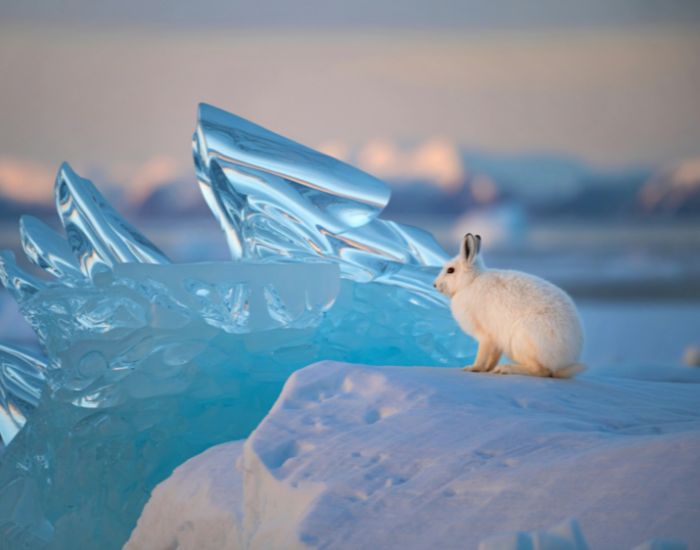
15 Fascinating Facts About Arctic Hares
1. Arctic Hares Are True Hares, Not Rabbits
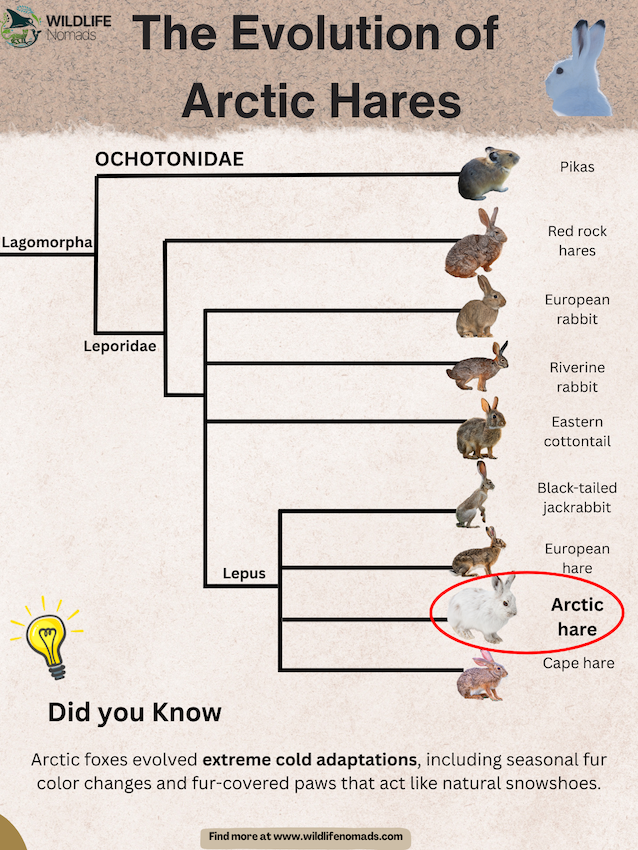
Unlike rabbits, arctic hares belong to the species Lepus arcticus. The name derives from Greek arktikos, meaning “northern.” While cottontail rabbits are born blind and hairless, young arctic hares arrive fully furred with eyes open, ready for extreme cold within minutes. This fundamental difference shows how unlike rabbits these arctic animals truly are.
2. Their Thick Coat Is a Masterpiece of Insulation
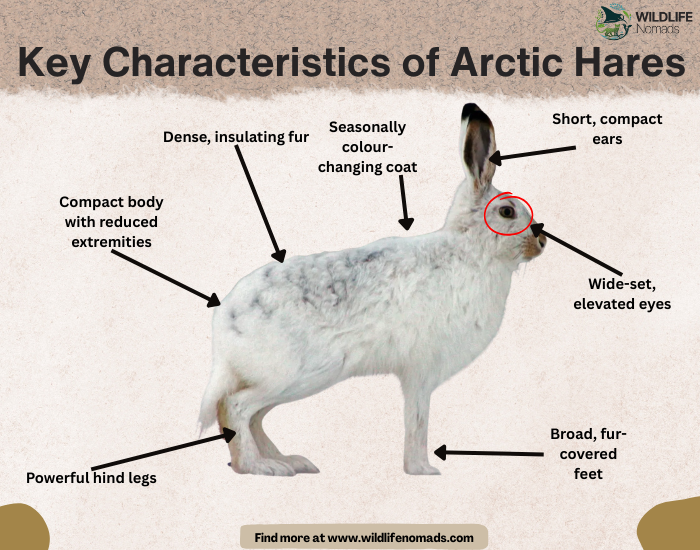
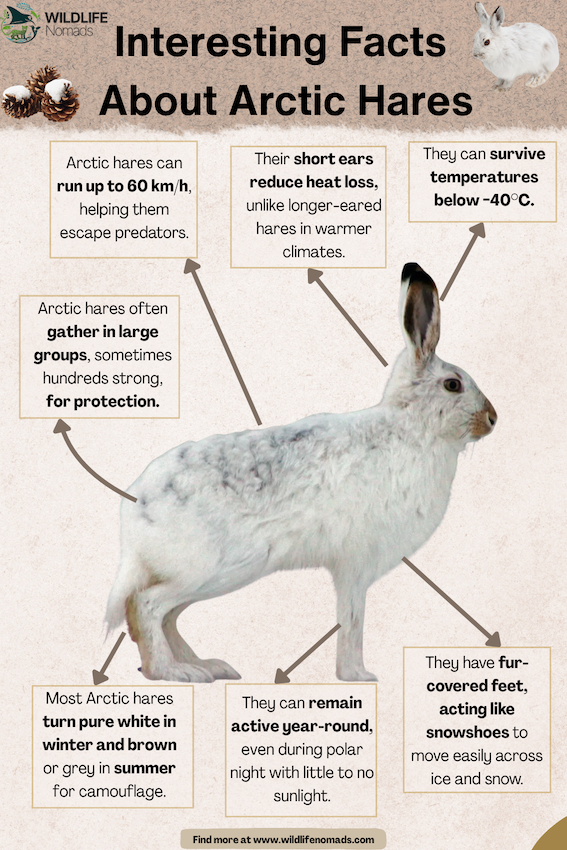
Arctic hares maintain body temperature around 38.9°C (102°F) even when ambient temperature plummets to -40°C. Their thick coat consists of hollow guard hairs over dense underfur, creating an air-trapping insulation system that’s one of nature’s best. During winter months, this multi-layered fur keeps them alive in conditions that would kill most mammals.
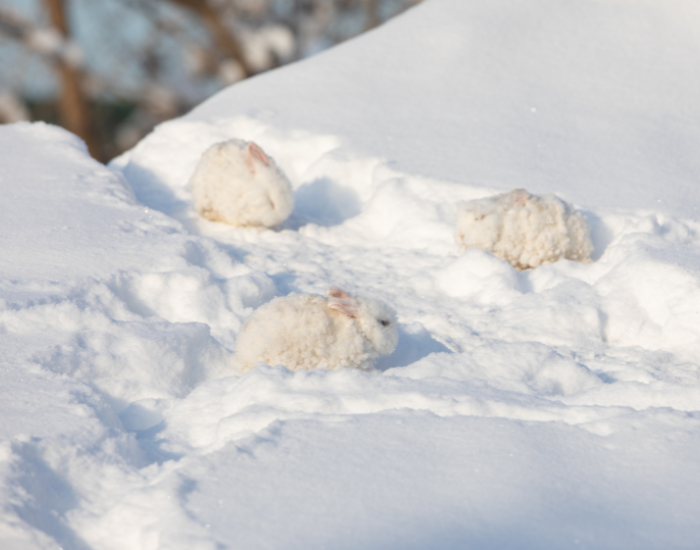
3. Seasonal Moulting: The Ultimate Camouflage System
In the northernmost regions of Northern Canada and Greenland, arctic hares stay white year-round. However, populations in areas like Newfoundland’s south coast undergo dramatic seasonal moulting. The white fur transforms into a greyish-brown lifespan summer coat. This isn’t fashion, it’s survival. When arctic hares are white against snow, or brown against summer tundra, they become nearly invisible to polar bears, arctic foxes, and lynx canadensis.
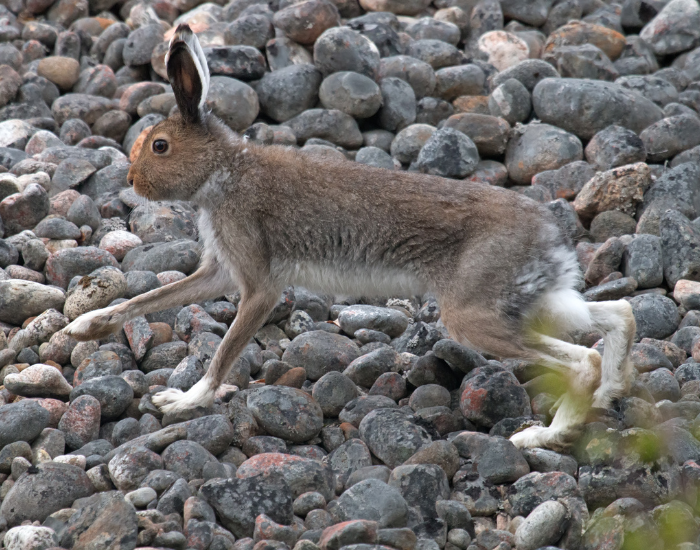
4. They Have Shortened Ears to Conserve Heat
Unlike desert jackrabbits with their long, heat-dissipating ears, arctic hares have shortened ears. This adaptation minimizes heat loss by keeping blood flow close to the core. It’s a perfect example of Allen’s Rule: animals in extreme cold evolve shorter appendages to reduce surface area and conserve energy.
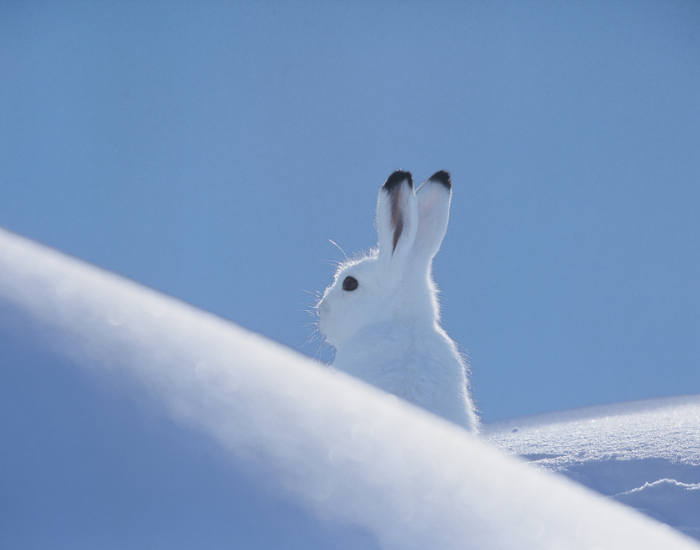
5. Arctic Hare Body Mass Provides Crucial Heat Retention
Adult arctic hares reach a body mass of 2.5-5.5 kg, with some individuals hitting 7 kg (15 lbs). This substantial size compared to other hares provides a better surface-area-to-volume ratio, which is critical for surviving cold weather. Larger body mass means more tissue for energy storage and slower heat loss, essential adaptations for the arctic tundra.

6. Arctic Hares Feed Primarily on Woody Plants
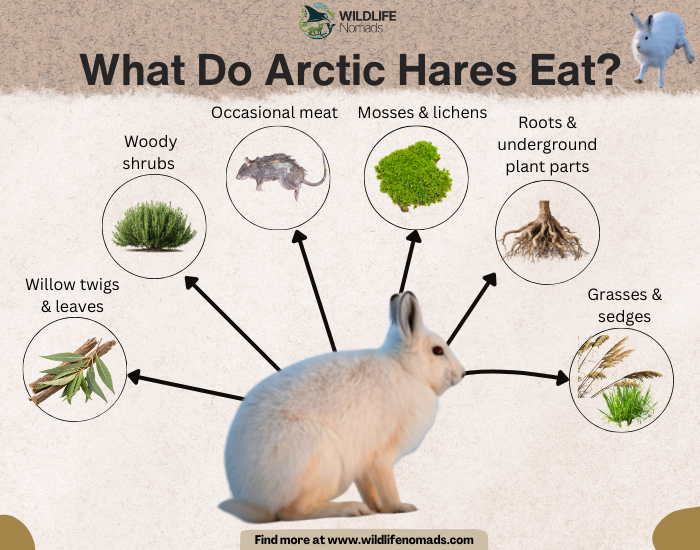
The diet centers on woody plants, primarily willow, which remains accessible year-round. Arctic hares feed on twigs, roots, buds, and leaves. During winter months when water is frozen solid, they eat snow for hydration. Wind sweeps certain areas of the arctic tundra clear, exposing these crucial food sources even in the depths of winter.
7. They Occasionally Eat Meat—Yes, Really
Here’s where it gets fascinating. The Canadian Journal of Zoology documented something surprising: arctic hares occasionally eat meat. Researchers observed them scavenging carcasses and consuming stomach contents of dead caribou for nutrients. When you’re living in cold and barren habitat where survival is marginal, you can’t afford to be picky. This behavioral flexibility showcases their adaptability.

8. Their Hind Legs Are Multipurpose Survival Tools
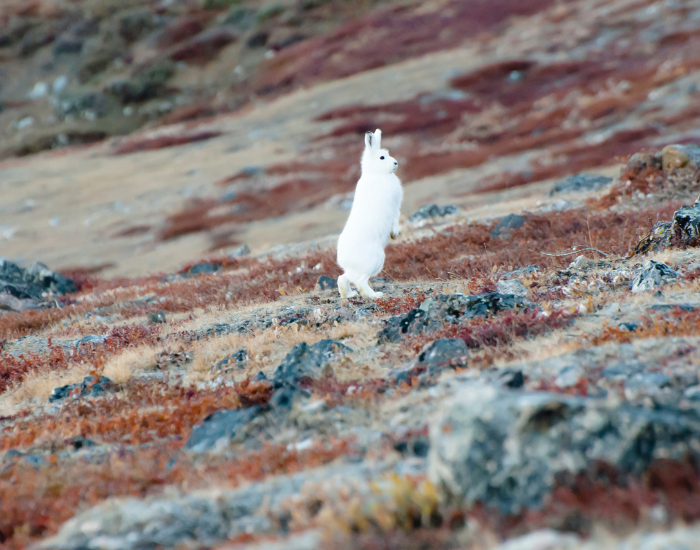
Arctic hares use powerful hind legs for explosive 60 km/h (40 mph) sprints to escape predators. But these legs serve multiple purposes. They stand on two feet like kangaroos to survey horizons for arctic foxes or approaching wolves. They also dig through snow to reach buried woody plants and break frozen twigs. Those large feet leave distinctive arctic hare footprints—acting like snowshoes, similar to snowshoe rabbits (though they’re different species).
9. Young Arctic Hares Face Immediate Survival Challenges
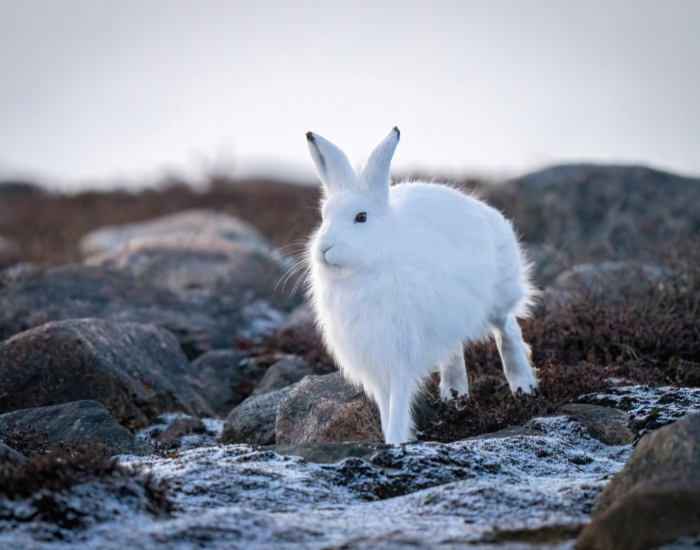
Young arctic hares are born during the brief canada breeding season, fully furred and ready to move. Unlike cottontail rabbits that stay protected in burrows, arctic hare young scatter across the landscape within days. Mothers practice minimal parenting, hiding leverets in different locations to prevent arctic foxes from finding all the young hares. This “don’t put all your eggs in one basket” strategy has helped the species persevere through millennia.
10. They Live Across Northern Canada and the High Arctic
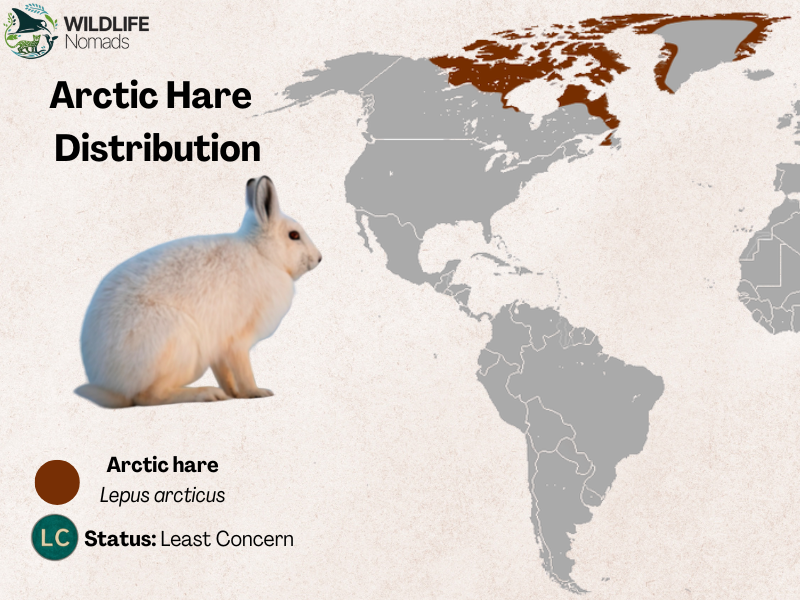
Arctic hares inhabit the arctic tundra of North America, the treeless coasts of Greenland, and throughout Northern Canada. Their hares range extends from sea level to elevations of 900 meters. They thrive in the Canadian Arctic Archipelago and other northernmost regions where few mammals can survive. While people ask if arctic hares live at the North Pole, that’s drifting ice over ocean—not suitable for herbivores needing access to twigs and roots.
11. Polar Bears and Arctic Foxes Are Primary Predators
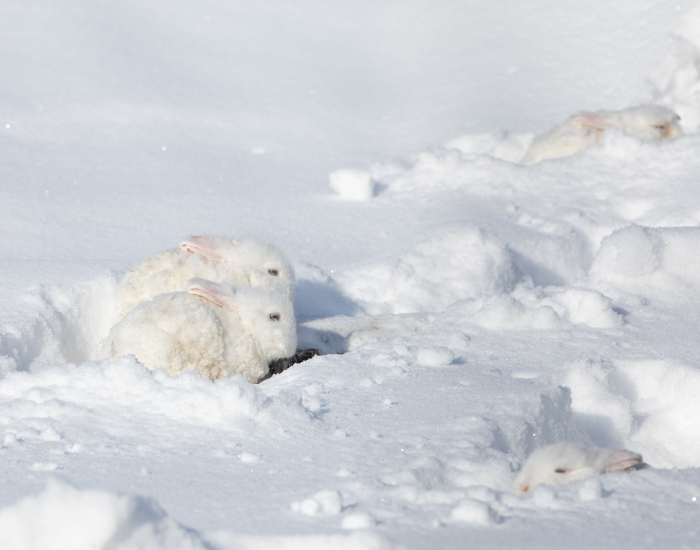
Everything in the Arctic wants to eat these high-calorie prey animals. Polar bears, arctic foxes, lynx canadensis, even young wolves (canis lupus), and gyrfalcons all hunt arctic hares. However, catching one is challenging. Arctic hares can spot predators from their elevated kangaroo stance and use incredible speed to escape. Young hares are most vulnerable because they haven’t mastered these evasion tactics yet.
12. They Huddle in Groups to Conserve Energy
Arctic hares sometimes gather in groups of hundreds to survive cold weather. This communal behavior helps them conserve energy when the ambient temperature becomes life-threatening. By huddling together, they reduce individual heat loss and survive conditions that would kill solitary animals. This social strategy complements their physical adaptations like their thick coat and large body mass.
13. Climate Change Threatens Seasonal Moulting Timing
Arctic hares face new challenges as climate changes. Seasonal moulting responds to daylight changes, not temperature. If hares turn white before snow falls, they become visible targets for predators. The mating season and breeding cycles may also shift out of sync with food availability. While the fossil record shows arctic hares persevered through past climate shifts, current changes happen faster than anything in their evolutionary history.

14. Arctic Hares Are Ecosystem Keystone Species
These animals play vital roles in arctic animals communities. They convert plant material into high-quality protein for predators, supporting entire food webs. Their selective feeding affects woody plants distribution across the arctic tundra. Scientists use arctic hares as indicator species for ecosystem health throughout the northernmost regions. Understanding how arctic hares live reveals insights into entire icy biomes.
15. The Arctic Hare Survives Through Remarkable Adaptability
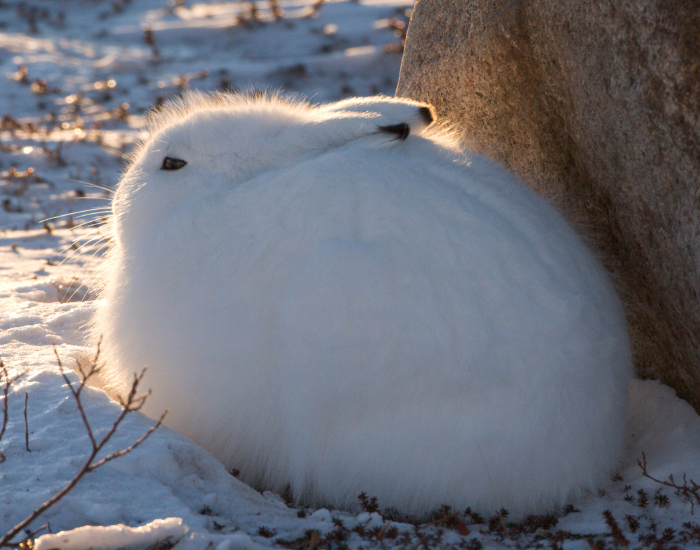
How the arctic hare survives demonstrates evolutionary innovation at its finest. From their thick coat and seasonal moulting to occasionally eating meat when necessary, every adaptation solves specific survival problems. They’ve developed the perfect combination of physical traits, shortened ears, powerful hind legs, insulating fur—and behavioral flexibility. The species derives its success from millions of years of refinement in Earth’s harshest environments.
Deep Dive: Understanding Arctic Hare Adaptations
The Science Behind Their Thick Coat
The arctic hare’s thick coat isn’t just about thickness, it’s about engineering. The outer layer consists of hollow guard hairs that trap air, while dense underfur creates additional insulation layers. During winter months, coat thickness increases dramatically. This system maintains body temperature even when extreme cold reaches bone-chilling levels.
Counter-intuitively, white fur may also reduce heat loss through radiation. While dark fur absorbs solar radiation, there’s minimal sun during arctic winters. The white fur reflects available light and potentially minimizes radiative heat loss, though researchers still debate this mechanism.
Woody Plants: The Foundation of Arctic Hare Diets
Arctic hares feed primarily on willow because it’s the most reliable woody plant in their range. Willow shrubs remain partially accessible even under snow because wind exposure keeps some areas clear. The hares’ digestive systems evolved specifically to extract maximum nutrition from these tough, fibrous plants.
They practice coprophagy, consuming their own feces to re-digest partially processed material. This behavior, common in hares and rabbits, becomes critical when every calorie matters in extreme cold. Arctic hare diets demonstrate how specialization enables survival in cold and barren habitat.
Arctic Hares Maintain Populations Despite Challenges
Despite intense predation pressure and extreme cold, arctic hares maintain stable populations across Northern Canada and Greenland. Their reproductive strategy, multiple leverets scattered across landscapes, ensures some young hares survive even when predators find others.
The species’ flexibility also helps. Arctic hares predominantly consume vegetation, but they’ll occasionally eat meat during desperate times. They shift their diet as seasons change, eat snow when necessary, and alter behavior based on conditions. This adaptability explains how arctic hare persevered through ice ages and other dramatic environmental shifts.
Practical Arctic Hare FAQs
Casually, yes—people call them bunnies. Scientifically, no. They’re hares (Lepus arcticus). Hares are larger than rabbits, have longer ears (though arctic hares have shortened ears for heat conservation), and young hares are born ready to run.
People use various names: polar rabbits, snow rabbits, or tundra hares. The correct scientific name is arctic hare (Lepus arcticus). The term “polar rabbit” is common but technically incorrect since they’re hares, not rabbits.
Absolutely! Arctic hares are widespread across Northern Canada. From the arctic tundra to treeless coasts of northern territories, they’re staples of Canadian Arctic ecosystems. Their hares range extends throughout the Canadian Arctic Archipelago.
Arctic hares resist extreme cold through multiple adaptations. Their thick coat provides exceptional insulation. Large body mass (up to 5.5 kg) retains heat better than smaller animals. Shortened ears reduce surface area for heat loss.
That’s a different species: the snowshoe rabbit (Lepus americanus). They’re named for massive, furry feet that act like natural snowshoes. Arctic hares have similar adaptations—their arctic hare footprints show large feet, but they’re distinct species. Snowshoe rabbits live in forests while arctic hares dominate open tundra.
Arctic hares reach speeds of 60 km/h (40 mph), one of the fastest animals out there for sure. This explosive speed helps them escape from arctic foxes, polar bears, and even young wolves. Combined with their ability to stand on hind legs to spot predators early, speed makes them challenging prey.
Lessons from the Ice
Living in Sweden taught me that resilience isn’t about being strongest or loudest. Sometimes it’s about adaptation. Arctic hares exemplify this perfectly.
Whether eating snow to survive, developing the perfect thick coat, or scavenging meat when necessary, arctic hares are evolutionary masterclasses. Their ability to thrive where most mammals would perish demonstrates nature’s incredible problem-solving.
The fossil record tells us arctic hares survived past climate shifts. Whether they’ll adapt to current unprecedented changes remains uncertain. However, their remarkable flexibility, from seasonal moulting to occasionally eating meat, provides hope.
These polar rabbits of the arctic tundra remind us that life finds ways to persist, even in Earth’s harshest environments. Understanding how arctic hares live, survive, and adapt offers lessons for conservation across all species facing environmental change.