When people picture life in the Arctic, fish rarely steal the spotlight. We tend to think of iconic animals like the Arctic fox padding across the tundra or the mysterious Greenland shark cruising beneath polar ice. But hidden below frozen lakes and icy coastal waters lives one of the Arctic’s most adaptable and visually striking residents. Arctic char aren’t just surviving at the edge of the world, they’re thriving there, quietly shaping northern ecosystems in ways most people never notice.
As a key food source, they support a diverse array of marine mammals and birds, making them vital to the health of Arctic food webs. Their unique life history and adaptability to shifting environmental conditions allow them to persist where few other fish species can survive. In many northern communities, commercial fisheries for Arctic char are not only an economic mainstay but also a cultural tradition, providing food and livelihoods for generations. The resilience and ecological importance of Salvelinus alpinus make it an essential species for scientists, conservationists, and anyone fascinated by the wonders of the Arctic.
Whether you’re curious about this remarkable species or wondering if that market fillet is worth it, here’s everything you need to know about these fish:

1. Arctic Char (Salvelinus Alpinus) Are the Northernmost Fish in the World
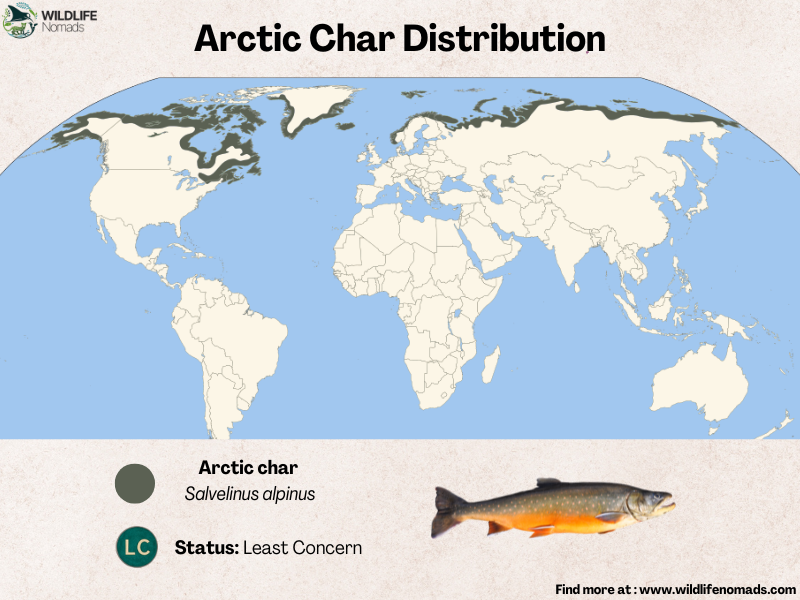
These fish inhabit high-latitude regions across the Northern Hemisphere. As animals, they are a species of fish within the animal kingdom, classified under the family Salmonidae and the genus Salvelinus. These resilient fish thrive where other species literally freeze. From Alaska and the Canadian Arctic to Iceland, Scandinavia, and Russia, they occupy Earth’s most extreme habitats.
In Norwegian lakes, biologists have found them living at depths approaching 1,500 feet. These fish prefer temperatures below 55°F (13°C) and survive in lakes covered in ice most of the year. No other freshwater fish species is found as far north. They’re even the only fish in Lake Hazen on Ellesmere Island in the Canadian Arctic.
Arctic char are also known as ‘blueback trout’ in some regions, especially in Maine, and are sometimes confused with Dolly Varden due to their similar coloration and overlapping habitats.
2. They’re Char, Not Technically Salmon
Arctic char belongs to the family Salmonidae. However, these fish are more closely related to brook trout and lake trout than to true Atlantic or Pacific salmon. The easiest way to distinguish them is by examining their spots.
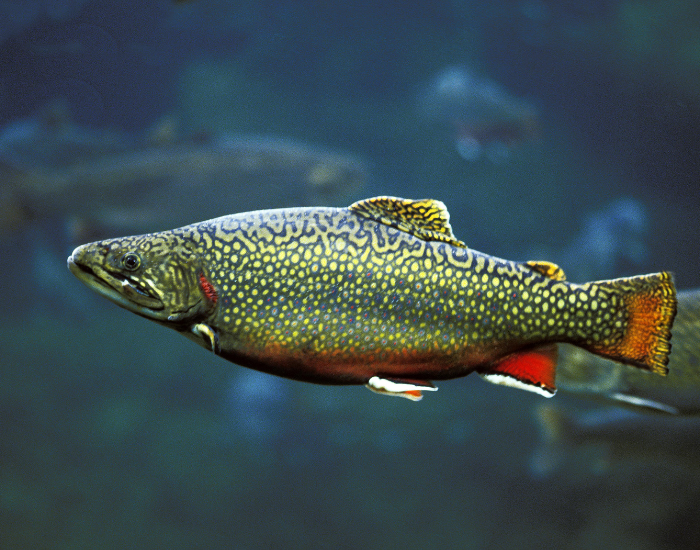
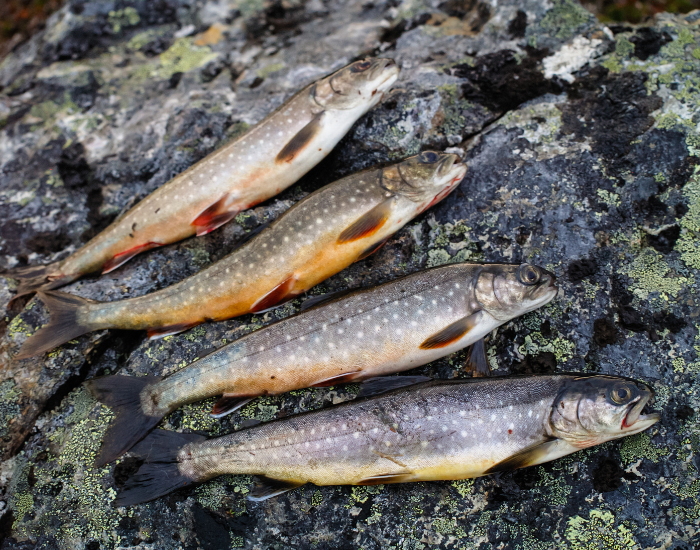
True salmon and trout display dark spots on light backgrounds. In contrast, char (genus Salvelinus) feature light spots, typically pink, red, or cream, on dark backgrounds. They also lack teeth on the vomer shaft at the roof of the mouth.
The scientific name Salvelinus alpinus translates to “alpine char,” referencing their mountain lake habitat preferences across the Arctic.
3. They Exhibit Incredible Polymorphism
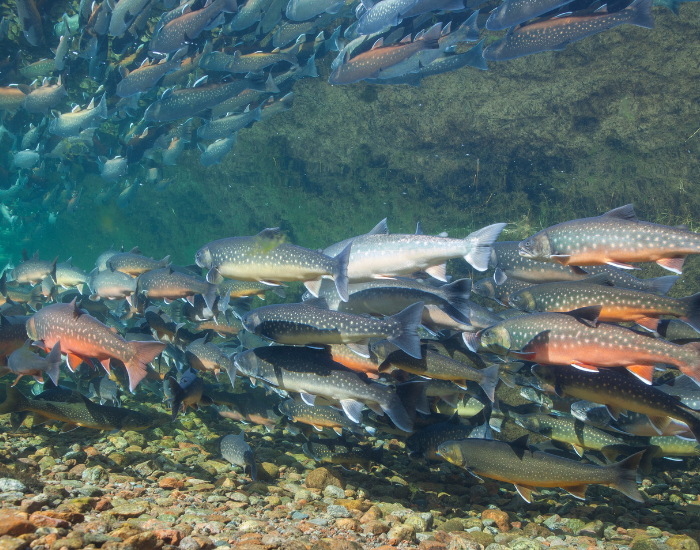
One of the most fascinating characteristics of arctic char is their extraordinary adaptability. In a single lake, you might encounter four distinct morphs of the same species that look and behave completely differently. In addition to these morphs, they exist in two different forms: anadromous (sea-run) and nonanadromous (landlocked), each with distinct habitat preferences and behaviors.
Small benthivores feed on snails and insect larvae on the lake bottom. Large benthivores consume the same diet but grow considerably bigger. Planktivores are tiny, silvery fish that feed on zooplankton in open water. Piscivores serve as apex predators, consuming other fish—including their own relatives. Arctic char also exhibit size dimorphism, with both dwarf and giant forms present in some populations.
Scientists have called them “the most variable vertebrate on Earth” because of this remarkable polymorphism. This evolutionary flexibility demonstrates how species adapt to specific environmental conditions within their ecosystems. They can also produce hybrids with closely related species such as lake trout and brook trout.
4. Sea-Run vs. Landlocked: Two Different Life Histories
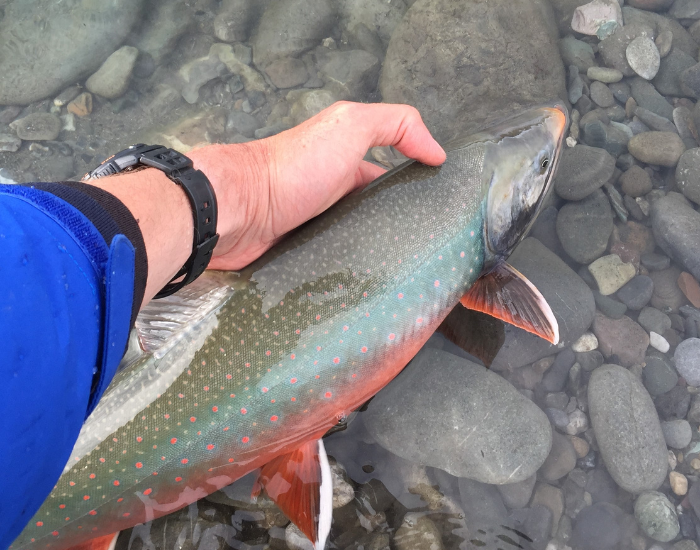
Like salmon, many arctic char are anadromous. This means they migrate between salt water and freshwater. These sea-run individuals spend summers feeding on capelin and shrimp in nutrient-dense ocean waters. Then, they return to freshwater to spawn and overwinter.
Anadromous arctic char have been observed migrating to the sea annually in mid-June to mid-July and returning to fresh water to reproduce and overwinter.
Sea-run arctic char are the heavyweights. They often reach 10 to 20 pounds. However, many populations remain landlocked in alpine lakes throughout their entire lives. These resident fish typically grow smaller, ranging from 2 to 6 pounds. Nevertheless, landlocked char in high-altitude lakes often display the most vibrant spawning colors.
Both forms demonstrate the species’ remarkable adaptability to different habitat and food selection patterns across their range.
5. Spawning Colors Are Nature’s Masterpiece
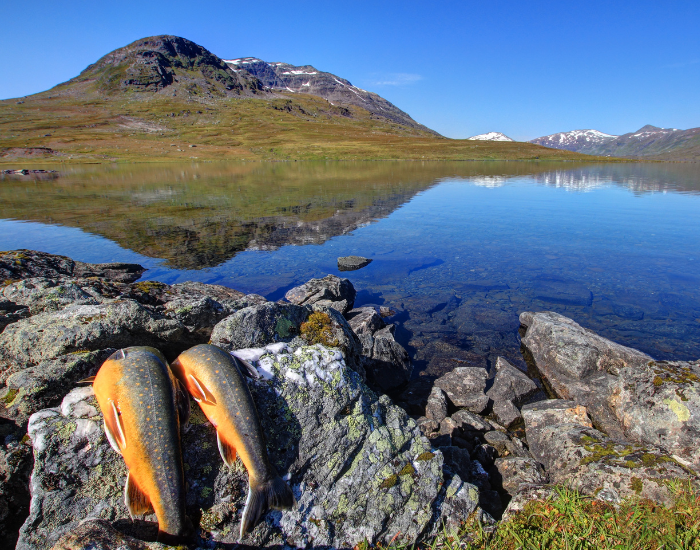
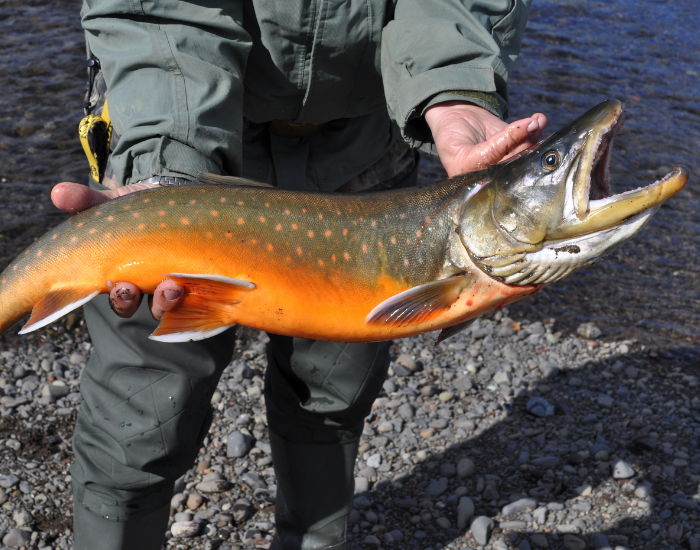
For most of the year, arctic char display a sleek, silvery-blue or greenish-brown appearance. However, when autumn arrives, they undergo a stunning transformation. Their bellies turn fiery orange or deep red. Meanwhile, the leading edges of their lower fins become stark, brilliant white.
Males develop a kype, a hooked lower jaw, though it’s much less pronounced than in their cousin, the Dolly Varden. Spawning arctic char are usually gold, orange, yellow, or rose colored. By contrast, Dolly Varden typically turn red or pink. This “nuptial dress” signals fitness and helps attract mates in the gravel shoals of their spawning grounds.
The color transformation occurs in both sea-run and landlocked populations. However, the exact hues vary by location and environmental conditions across different growth rates and habitat types.
The presence of fish oil in arctic char flesh contributes to its coloration, which can range from a bright red to a pale pink. Arctic char is prized for its delicate pink flesh and mild flavor, especially during spawning season.
6. Arctic Char Is a Sustainable Culinary Choice
Aquaculture operations for farmed arctic char rely on marine resources, such as fish meal and fish oil, for feed, making the sustainable management of these resources important. Arctic char is also marketed as a sustainable, milder alternative to salmon. The flavor profile sits delicately between the richness of king salmon and the mildness of trout.
Arctic char offers high levels of omega-3 fatty acids and quality protein. Because these fish live in pristine, cold environments, they typically contain lower mercury levels compared to larger marine predators like cod. A 100g serving of arctic char provides around 464 IU of Vitamin D (about 77% of the RDA), 19-20 grams of protein, and over 1,000 mg of Omega-3 fatty acids (including EPA and DHA), and is also rich in B vitamins.
Both wild arctic char from northern Canada and Iceland, and farmed arctic char from land-based systems, provide excellent culinary options. The typical market size ranges from 2 to 8 pounds. The average size for commercial harvest is around 3 to 5 pounds.

7. Climate Change Threatens Arctic Char Populations
Arctic char require cold, oxygenated water. Therefore, they’re extremely sensitive to environmental conditions and climate change. The Arctic is warming two to four times faster than the global average. This creates a “thermal squeeze” for these cold-water specialists.
Surface air temperatures across the Arctic from October 2024 through September 2025 were the warmest recorded since 1900. Warmer water holds less oxygen. Meanwhile, other fish species are moving north, competing with char for food and spawning habitat.
Some southern populations of arctic char are already declining due to these impacts. Conservation efforts remain crucial for protecting this iconic species across the world.
8. Arctic Char Can Live for Over 25 Years
Unlike Pacific salmon, which die after spawning, arctic char are iteroparous. This means they can spawn multiple times throughout their entire lives. Most individuals reach sexual maturity between six to nine years. They typically spawn every other year or every third year.
In the slow-growing, cold environments of the north, arctic char develop slowly. A 10-pound fish might be 15 to 20 years old. Some individuals have been documented living for over 40 years in deeper, colder lakes.
This slow growth rate makes them particularly vulnerable to commercial fisheries. Therefore, sustainable management is essential for maintaining healthy populations.
9. Spawning Behavior Shows Complex Social Dynamics
Arctic char spawning takes place in lakes between August and October in most populations. Males arrive first to establish and defend territories on spawning grounds. Females then select locations within male territories and dig nests called redds in waters between 9 to 16 feet deep. Arctic char typically spawn over broken substrates, such as steep, gravelly, or rugged underwater surfaces, which provide protection and suitable conditions for successful reproduction. Spawning occurs over rocky shoals in lakes with heavy wave action and in slower gravel-bottom pools in rivers.
The female deposits between 2,500 and 8,500 eggs. The male then fertilizes them externally. These fertilized eggs are buried under gravel and incubate for approximately two to five months, depending on water temperature. Young arctic char emerge from the gravel in spring and begin feeding immediately.
Interestingly, nearly 50% of spawning events occur under sperm competition conditions. Multiple males attempt to fertilize the same female’s eggs. Dominant males guard females, while smaller “sneaker” males attempt to dart in during spawning.
This spawning behavior demonstrates complex social dynamics within arctic char communities across different forms and populations.
10. Distinguishing Arctic Char from Dolly Varden
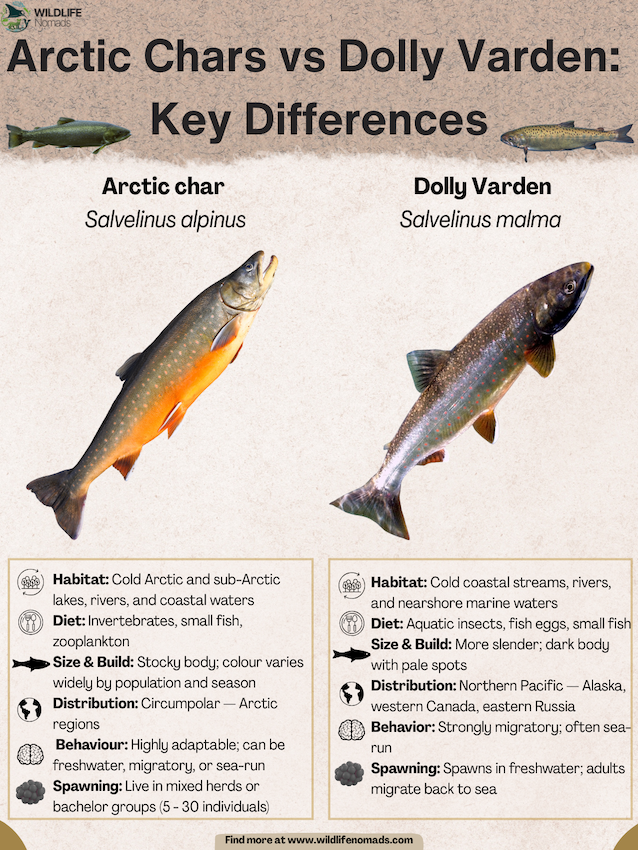
In Alaska and western Canada, arctic char are frequently confused with Dolly Varden (Salvelinus malma). Even experienced anglers sometimes struggle to tell them apart. However, several key differences exist.
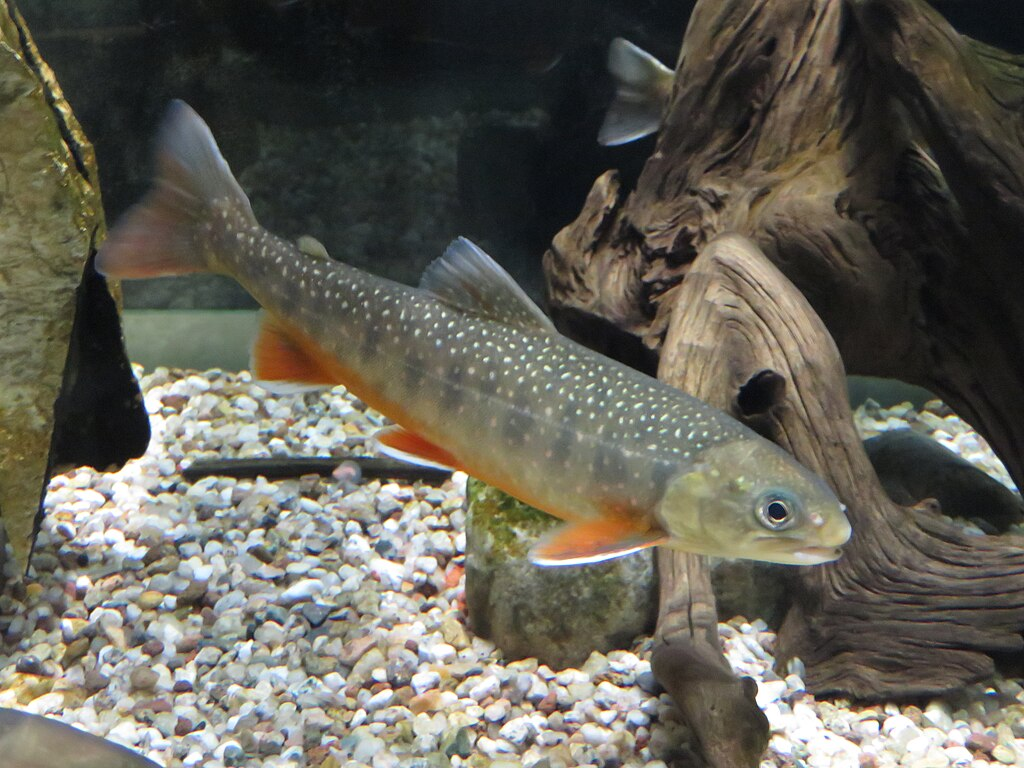
Arctic char typically have larger spots that are fewer in number. They also display a more deeply forked tail. By contrast, Dolly Varden feature smaller, more numerous spots and a thicker caudal peduncle (the area before the tail fin).
During spawning season, the color differences become more apparent. Arctic char show gold, orange, or yellow hues. Meanwhile, Dolly Varden turn bright red. The confusion between these two closely related species underscores the incredible diversity within the genus Salvelinus.
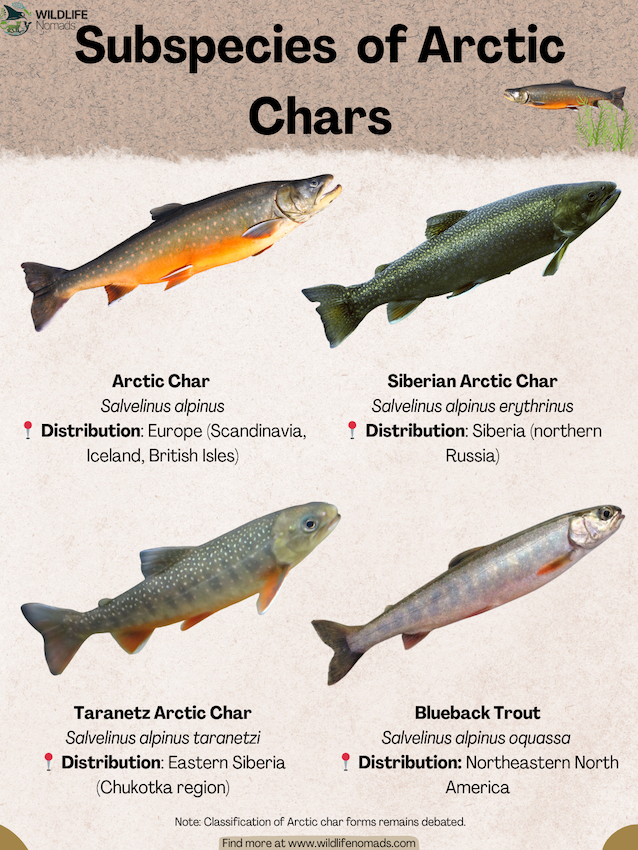
Arctic Charr Subspecies
The Arctic char (Salvelinus alpinus) is renowned for its extraordinary variability, with several subspecies and morphs recognized across its vast range. In North America, three main subspecies have been described, though their exact classification remains a topic of scientific debate. In Siberia, S. a. erythrinus and S. a. taranetzi are commonly found, while other unique forms may be restricted to specific lakes or regions.
What makes Arctic char especially fascinating is the presence of multiple morphs within the same lake—each adapted to different ecological niches. These morphs can vary in size, coloration, body shape, and feeding habits, and may either interbreed or remain reproductively isolated, offering a living example of how new species can begin to form. This diversity within Salvelinus alpinus populations highlights the importance of ongoing research and conservation, as understanding these relationships is key to protecting the genetic richness and ecological roles of Arctic char throughout the north.
FAQs About Arctic Char
No, arctic char is not the same as salmon. Although both belong to the Salmonidae family, arctic char is more closely related to trout. The key difference is in their spots: char have light spots on dark backgrounds, while salmon have dark spots on light backgrounds.
Arctic char live throughout the Arctic and subarctic regions of the Northern Hemisphere. They inhabit lakes, rivers, and coastal waters in Alaska, Canada, Greenland, Iceland, Norway, Sweden, and Russia. They’re found farther north than any other freshwater fish species.
Young arctic char feed on zooplankton and insect larvae. Adult fish consume snails, clams, small fish, and marine invertebrates. Sea-run arctic char that migrate to the ocean feed on capelin and shrimp, which contributes to their larger size.
Arctic char size varies significantly based on their habitat. Landlocked populations typically range from 2 to 6 pounds. Sea-run arctic char can reach 10 to 20 pounds. The average size for commercial harvest is around 3 to 5 pounds.
Yes, arctic char are excellent eating fish. They offer a flavor between salmon and trout with high omega-3 content. Farmed arctic char are rated as a “Best Choice” for sustainability by Monterey Bay Aquarium Seafood Watch.

The Future of Arctic Char
Arctic char are far more than just another random fish species. They embody the raw beauty of northern ecosystems. As survivors and evolutionary unique creatures, arctic char demonstrate how species adapt to extreme environments.
As Arctic ice continues thinning and global temperatures rise, these remarkable fish face an uncertain future. Supporting conservation groups and choosing sustainably sourced arctic char helps protect these vibrant residents of northern waters.
Their polymorphism, adaptability, and resilience offer valuable insights into how species respond to environmental pressures. Protecting arctic char populations ensures biodiversity in Arctic ecosystems for future generations.