
What Are Macaques?
Have you ever wondered what separates a monkey from an ape, or why some primates seem so remarkably similar to humans in their behavior? I love to travel, but as a Biologist, my travel always head me to places with rich biodiversity. During my journeys through Southeast Asia, trekking through the rainforests of Indonesia, observing wildlife in the Philippines, and kayaking in Malaysia, I often encountered macaques. I remember watching a troop of long-tailed macaques darting through mangroves in Bukit Lawang, Sumatra, while looking for an orangutang, their tails swinging like balancing ropes. In Bali, is very common to see macaques boldly approached temple visitors, while in the Philippines, rhesus monkeys clambered along the forest edges near rice paddies. I gotta admit, I became fascinated by this particular group of primates that seemed very scary, and to follow me everywhere.
Macaques are one of the most recognizable groups of Old World monkeys, belonging to the genus Macaca. With 23 living species, these primates are spread across South Asia, Southeast Asia, North Africa, and parts of Europe, adapting to habitats as varied as tropical rainforests, mountains, grasslands, and cities. Unlike some world monkeys that are restricted to rainforests, macaques have successfully adapted to both wild and urban environments, which has helped them thrive but also brought them into conflict with people.

Where Do Macaques Live?
Macaques are found across a broad geographical range. Their distribution stretches from the snow-covered mountains of Japan to the Mediterranean forests of North Africa. They live in tropical rainforests of Southeast Asia, the dry forests of India and Nepal, and even urban centers, where their boldness often leads to conflict with humans.
Some key habitat regions include:
- Southeast Asia: Long-tailed, pig-tailed, and stump-tailed macaques dominate tropical forests.
- South Asia: Rhesus macaques and bonnet macaques live in villages, temples, and cities.
- Southern China & Tibet: Tibetan macaques roam mountain forests.
- North Africa & Europe: The Barbary macaque, tailless and unique, survives in Morocco and Gibraltar.
- Indonesian islands: Sulawesi hosts the crested macaque, while Sumatra and Borneo house pig-tailed macaques.
Their adaptability explains why macaques are sometimes seen as pests in agricultural and urban landscapes (like temples in Bali, or walking through electric cables in Sumatra). Yet they remain crucial to forest ecosystems, dispersing seeds and shaping food webs.
Behavior and Social Structure
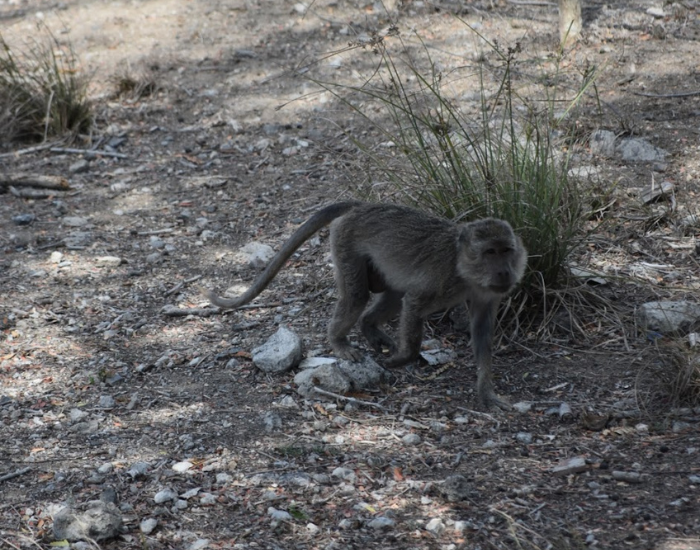
Macaques are highly social primates, living in troops that can number from 20 to over 100 individuals. These troops are organized into social groups with dominance hierarchies, where males dominate in some species while females inherit rank in others. Grooming plays a central role in bonding and maintaining alliances.
They are also intelligent and resourceful. Some species have been observed using tools, washing food, and solving problems in ways that demonstrate their adaptability. Large cheek pouches allow them to carry extra food, an evolutionary advantage when resources are unpredictable.
Communication is complex, involving vocal calls, red faces in some species signaling emotion, and subtle facial expressions. While macaques can appear playful and curious, they are also capable of aggression, especially around food.

What Do Macaques Eat?
Macaques are omnivores, eating a wide variety of foods depending on habitat:
- Fruits, seeds, and leaves from forest trees
- Insects and small animals when protein is scarce
- Crops such as corn, rice, and fruit when living near humans
- Crabs and shellfish, particularly among crab-eating macaques
Their flexible diet has allowed them to colonize regions where other primates cannot survive. However, crop-raiding often brings them into conflict with farmers.
The 12 Types of Macaques You Should Know
1. Rhesus Macaque (Macaca mulatta)
The rhesus monkey is perhaps the most famous macaque, widely distributed across South Asia and parts of China. With a population status of Least Concern, it thrives in forests, urban areas, and agricultural fields. Known for its adaptability, the rhesus has also played a huge role in scientific research, from vaccine development to behavioral studies. While they are widespread, conflict with humans is common, as these monkeys boldly raid food sources.

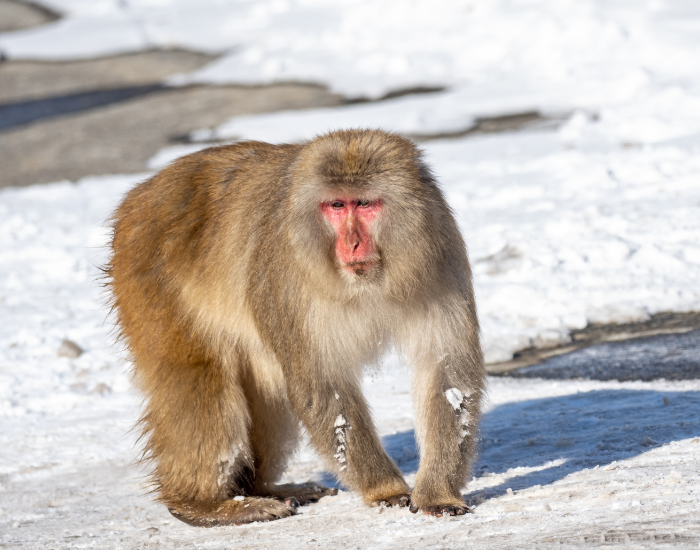
2. Japanese Macaque (Macaca fuscata) – Snow Monkey
Also known as the snow monkey, this species is iconic for its behavior of soaking in hot springs during Japan’s freezing winters. These primates are the northernmost non-human primates in the world. They have dense fur, red faces, and a highly social troop structure. Despite their extreme environment, Japanese macaques are classified as Least Concern, with healthy populations across Japanese forests.
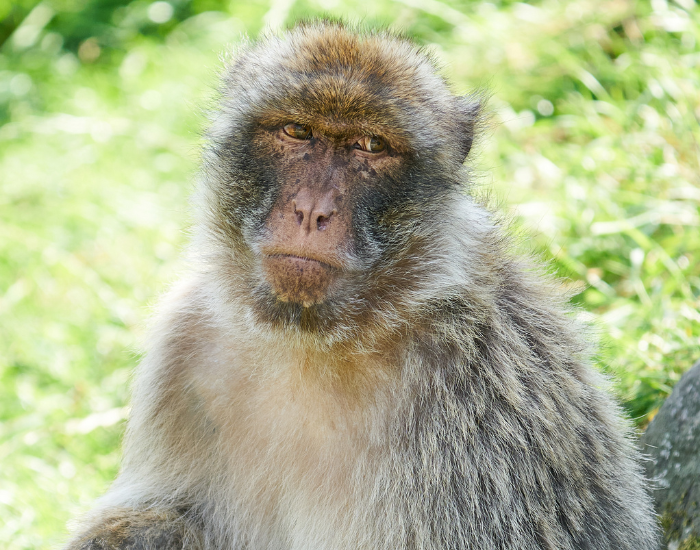
3. Barbary Macaque (Macaca sylvanus)
Found in North Africa and Gibraltar, the Barbary macaque is the only macaque living outside Asia and the only one without a tail. Its forests and mountain habitats in Morocco and Algeria are shrinking, leaving the species classified as Endangered. With their tailless bodies, Barbary macaques are often mistaken for small apes. Their troops play important roles in seed dispersal across Mediterranean woodlands.
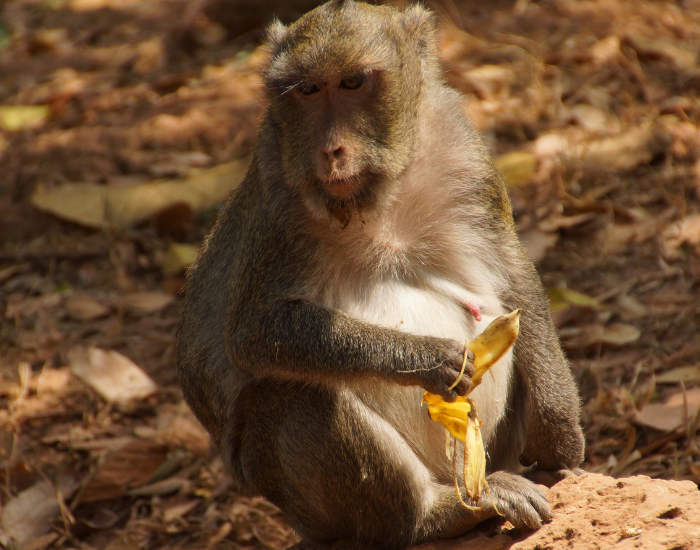
4. Long-tailed Macaque (Macaca fascicularis) – Crab-eating Macaque
This widespread species inhabits tropical rainforests, mangroves, and urban temples of Southeast Asia. Known as the crab-eating macaque, it often feeds along riverbanks, catching shellfish. With a long tail that helps it balance in trees, this monkey is highly adaptive. However, despite being common, its populations are under pressure from the pet trade and laboratory use, making some subspecies threatened.
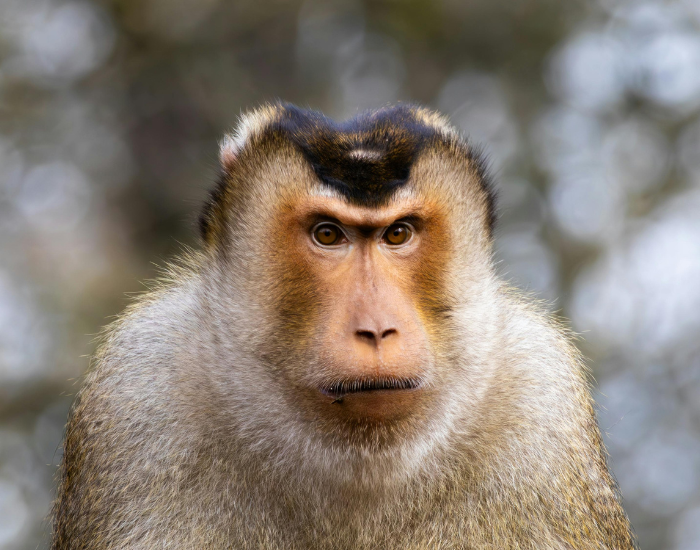
5. Southern Pig-tailed Macaque (Macaca nemestrina)
Stockier than its long-tailed relatives, the southern pig-tailed macaque has a short, pig-like tail. Found in Indonesia, Malaysia, and southern Thailand, it prefers tropical rainforests where it forages for fruit and seeds. Once used as coconut harvesters, these macaques now face declines due to deforestation. The IUCN lists them as Endangered, with fragmented populations across the region.
6. Northern Pig-tailed Macaque (Macaca leonina)
This species lives in Southeast Asia, from Myanmar to Vietnam. Similar in appearance to its southern cousin, it prefers forest habitats but ventures near villages. With an Endangered conservation status, its populations are declining due to hunting and habitat loss. Studies show that males dominate troop hierarchies, with complex competition for breeding opportunities.
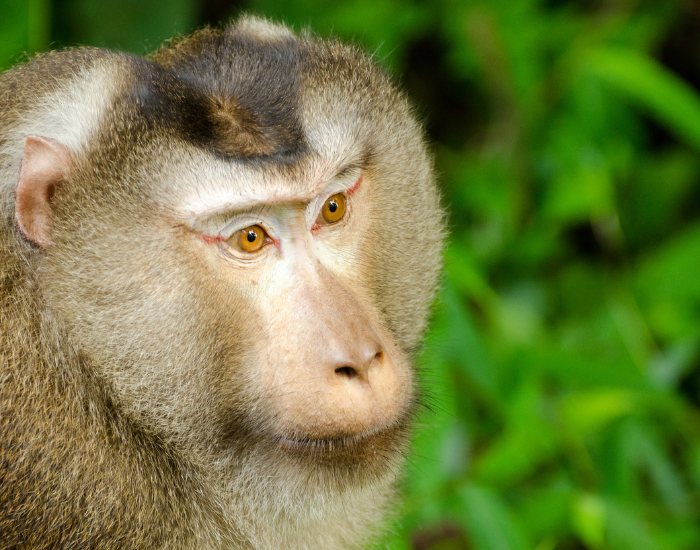
7. Stump-tailed Macaque (Macaca arctoides)
Easily identified by its bald red face and short tail, the stump-tailed macaque inhabits forests of South Asia and Southeast Asia. They are powerful climbers and foragers, consuming fruits, seeds, and insects. Populations are decreasing due to hunting and deforestation, and they are now listed as Vulnerable. Their unusual appearance makes them stand out among macaques.
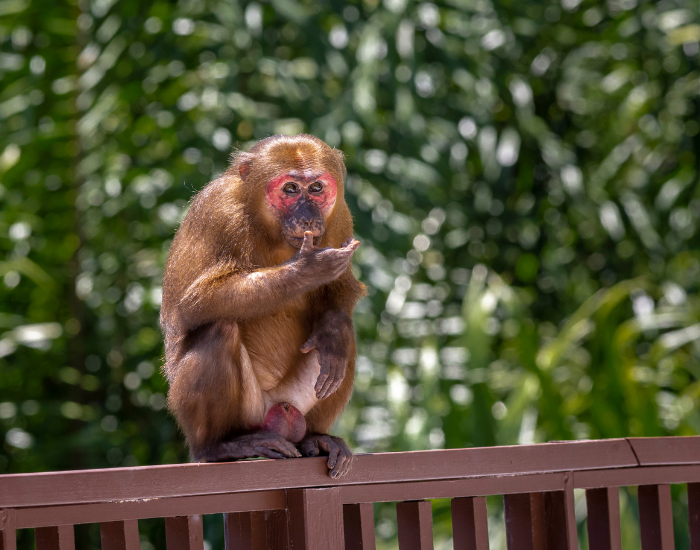
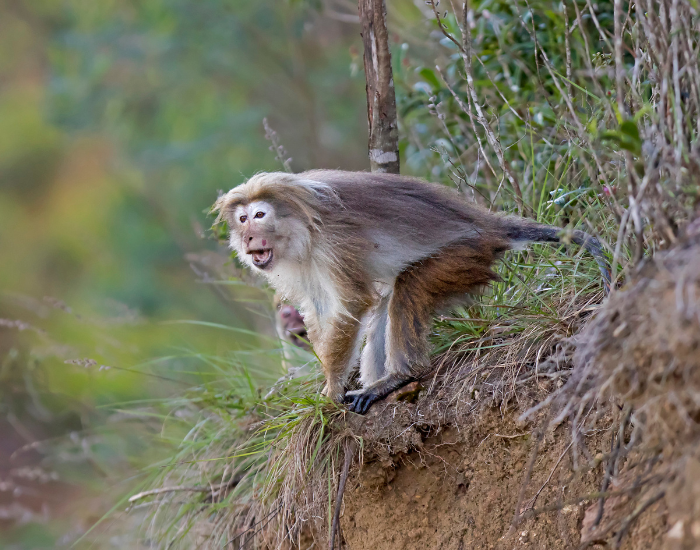
8. Tibetan Macaque (Macaca thibetana)
One of the largest macaques, the Tibetan macaque lives in the mountain forests of Southern China. With shaggy fur and strong builds, they resemble small bears. Their populations are fragmented, and although not yet Critically Endangered, they face threats from shrinking forests. Conservationists emphasize the need to protect their habitats, which also shelter many other primates.
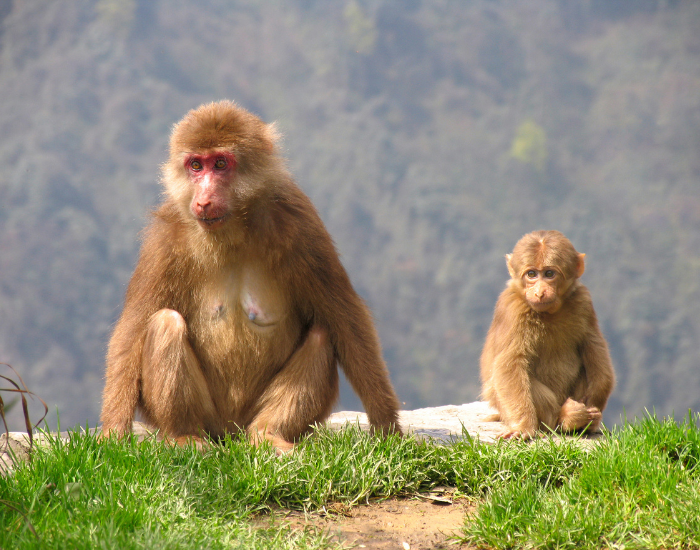
9. Celebes Crested Macaque (Macaca nigra)
Found only on Sulawesi, an Indonesian island, the Celebes crested macaque is strikingly black with a tall hair crest. Its population has plummeted due to hunting and habitat destruction, and it is now Critically Endangered. Living in large social groups, they play vital roles in dispersing seeds across Sulawesi’s rainforests. Ecotourism initiatives are helping fund their protection.
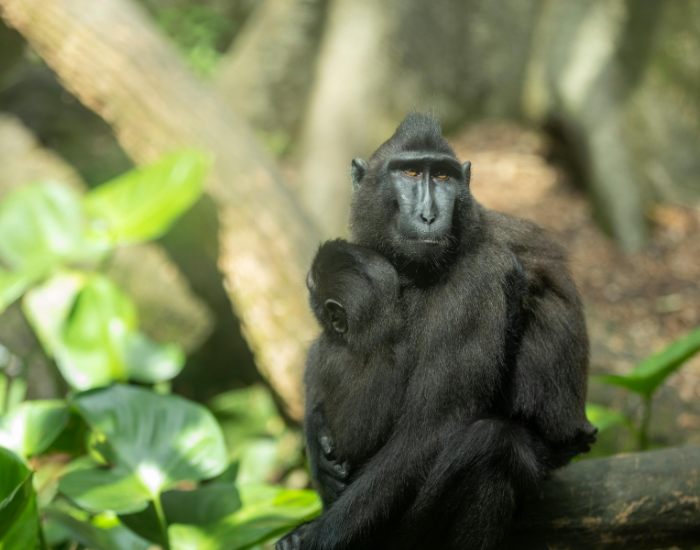
10. Toque Macaque (Macaca sinica)
Native to Sri Lanka, the toque macaque has a unique hair whorl on its head that looks like a circular cap. Populations live in both tropical rainforests and dry forests, adapting well to different environments. Sadly, it is now Endangered due to habitat fragmentation. The toque macaque has three recognized subspecies, each adapted to different parts of Sri Lanka.
11. Formosan Rock Macaque (Macaca cyclopis)
The only macaque native to Taiwan, the Formosan rock macaque lives in mountain forests and rocky habitats. Troops are known for their boldness and frequent interactions with humans. Their conservation status is Least Concern, but conflicts with people are rising, particularly in tourist regions.

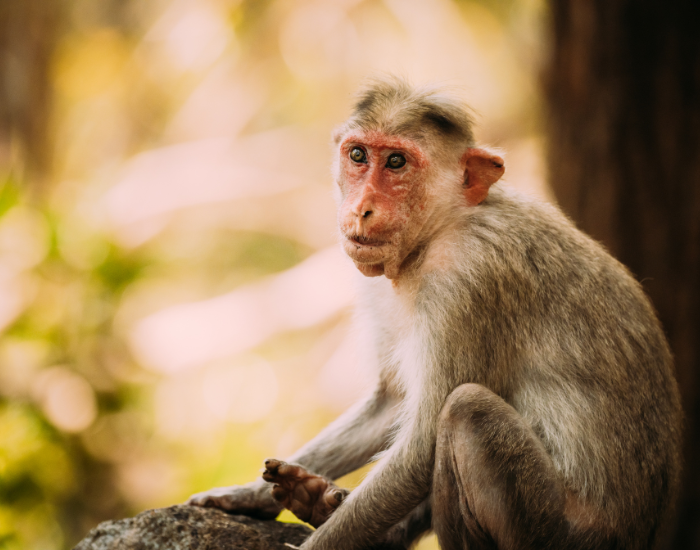
12. Bonnet Macaque (Macaca radiata)
Found in southern India, the bonnet macaque is named for the hair on its head that parts like a bonnet. These macaques thrive in villages, temples, and forest edges, often coming into conflict with farmers. Despite being widespread, habitat loss is affecting some subspecies populations. Their adaptability, however, means they remain common compared to more threatened macaques.
Macaques vs. Monkeys: What’s the Difference?
People often ask, “What’s the difference between a monkey and a macaque?” The answer is simple: macaques are monkeys, specifically Old World monkeys. Think of it like asking the difference between dogs and retrievers. All macaques are monkeys, but not all monkeys are macaques.
What are macaques known for? These primates stand out due to several distinctive features:
- Cheek pouches for storing food while foraging
- Highly developed social intelligence and complex group hierarchies
- Remarkable adaptability to diverse environments
- Strong maternal bonds and extended childhood learning periods
- Tool use capabilities in many species
Are Macaques Baboons? Clearing Up the Confusion
No, macaques are not baboons, though both belong to the Old World monkey family. Baboons are primarily African primates with longer snouts and different social structures, while macaques are predominantly Asian (except for the Barbary macaque in North Africa).
Conservation Status of Macaques
Macaques span the spectrum of IUCN categories—from Least Concern species like the rhesus and Japanese macaques to Critically Endangered species like the crested macaque.
- Endangered: Southern pig-tailed macaque, toque macaque, stump-tailed macaque
- Vulnerable: Some populations of long-tailed macaques
- Least Concern: Rhesus macaques, Japanese macaques
- Critically Endangered: Celebes crested macaque
Major threats include:
- Habitat loss from deforestation
- Hunting for bushmeat and trade
- Human–macaque conflict in cities and farms
- Disease transmission between humans and non-human primates
Conservation strategies involve protected forests, community engagement, and scientific research on population dynamics. Ecotourism in places like Sulawesi and Japan also helps fund conservation while educating the public.
Frequently Asked Questions
Macaques are a type of Old World monkey, unlike New World monkeys, they lack prehensile tails.
No. While both are primates and part of Old World monkeys, baboons belong to the genus Papio.
Macaques are social but can be aggressive, particularly when food is involved.
The rhesus monkey is often considered the most aggressive, especially in urban habitats.
The toque macaque is among the smallest, weighing just 3–4 kg.
They May Be Scary.. But They Are Important
Macaques are among the most versatile primates, living across Asia, Africa, and Europe in habitats ranging from tropical rainforests to snowy mountains. Their intelligence, adaptability, and cultural significance make them both fascinating and challenging neighbors to humans.
As a traveler and biologist, I’ve seen firsthand how macaques embody survival: from the orangutang in Sumatra to the pig-tailed macaques of Malaysia. Protecting them means conserving the forests and ecosystems they call home, while also finding ways to coexist peacefully.
We need to support conservation, ecotourism, and education, we can ensure that these remarkable animals continue to thrive, not just as part of human folklore and temples, but as vital members of the ecosystems that sustain us all.