The Big Picture: the Animal Kingdom
Primates are one of the most fascinating branches of the animal kingdom, known for their intelligence, adaptability, and complex societies. This diverse order includes lemurs, lorises, tarsiers, monkeys, apes, and humans, over 500 recognized species across the globe. They range from tiny mouse lemurs weighing just 30 grams to gorillas tipping the scales at 200 kilograms.
For me, the wonder of primates became personal in the rainforests of Bukit Lawang, Sumatra. After hours of trekking under the dense jungle canopy, hot, tired, and struggling to spot wildlife, we paused to rest. Suddenly, out of nowhere, a Thomas leaf monkey appeared, climbing gracefully down a tree until it was just a few meters away. It stopped and looked straight into my eyes. The moment froze: its gaze was so direct, so soulful, that it felt like looking into another being’s consciousness. Those deep, expressive eyes carried both curiosity and wisdom, as if a whole story of the forest lived behind them.
That same trip introduced me to gibbons swinging through the canopy and orangutans resting high in the treetops, their eyes equally profound and humanlike. Encounters like these make you realize why primates captivate us so deeply: their ability to connect with us emotionally, even without words, bridges the gap between our worlds.
You’ll find primates in nearly every tropical region, from the rainforests of South America to the jungles of Southeast Asia and the savannas of Africa. They are keystone species, shaping ecosystems through seed dispersal, predator-prey interactions, and their role as indicators of environmental health. Yet today, 65% of primates face extinction risk due to deforestation, hunting, and climate change.
What are The Primates?
The world of primates is absolutely fascinating, and if you’re curious about the incredible diversity of our closest animal relatives, you’ve come to the right place. When we talk about types of primates, we’re diving into one of the most intelligent and socially complex groups in the animal kingdom.
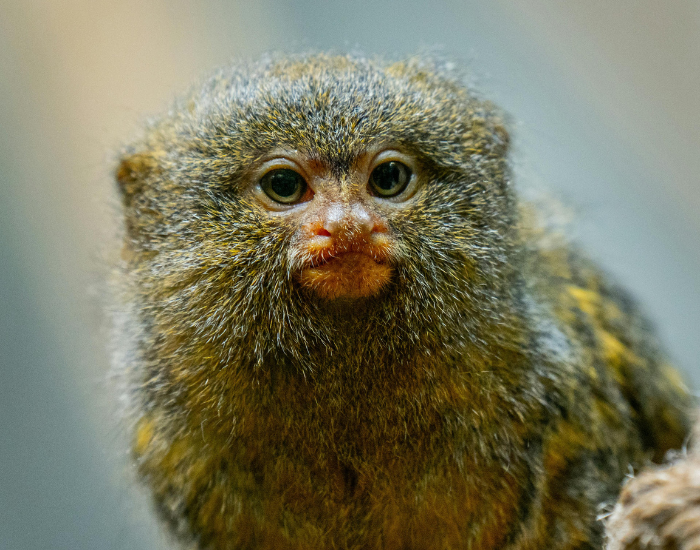
Currently, scientists recognize over 500 primate species spread across the globe, with recent data from the IUCN SSC Primate Specialist Group identifying 539 species and 721 total taxa (includes both species and subspecies). These remarkable creatures range from tiny mouse lemurs weighing just 30 grams to massive gorillas that can tip the scales at 200 kilograms.
But First… Let’s Understand Primate Classification
Let’s break down how scientists organize the incredible diversity of types of primates. Primate classification might seem complex at first, but it’s actually quite logical when you understand the system.
The order Primates is divided into two main suborders: Strepsirrhini (which includes lemurs, lorises, and galagos) and Haplorhini (which includes tarsiers, monkeys, and apes). This classification is based on physical characteristics, behavior, and genetic makeup – essentially, it’s like a family tree that shows how different species are related to each other.
Within the Haplorhini suborder, we have two major groups that people often ask about: Old World monkeys and New World monkeys. The difference isn’t just geographical – these groups evolved separately and have distinct characteristics. Old World monkeys, found in Africa and Asia, have narrow noses with downward-facing nostrils, while New World monkeys from Central and South America have broad noses with outward-facing nostrils.
So, basically:
- Strepsirrhini → Lemurs, lorises, and bush babies (with wet noses, strong sense of smell, and many nocturnal species).
- Haplorhini → Tarsiers, monkeys, and apes (with dry noses, larger brains, and advanced vision).
Within Haplorhini, the group further splits into:
Apes: Divided into great apes (gorillas, chimpanzees, bonobos, orangutans, and humans) and lesser apes (gibbons). Apes lack tails altogether and are generally larger and more intelligent than monkeys.
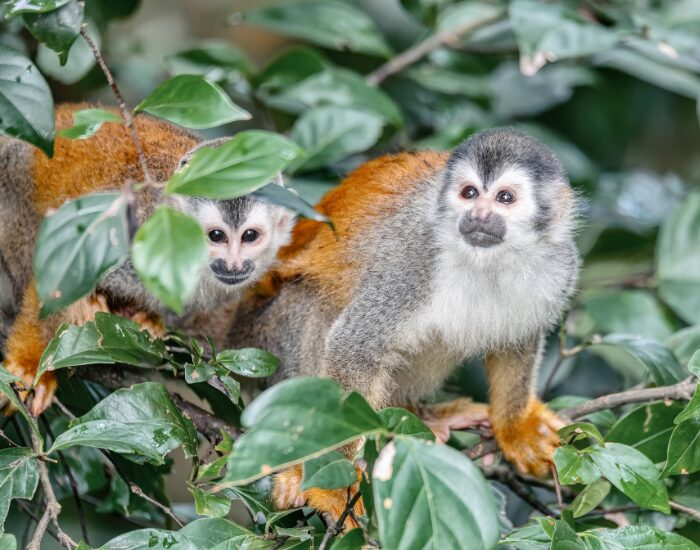
New World Monkeys (Central & South America): e.g., squirrel monkeys, spider monkeys, capuchins, and howler monkeys. They often have prehensile tails and broad, outward-facing nostrils.
Old World Monkeys (Africa & Asia): e.g., vervet monkeys, Rhesus macaques, blue monkeys, and baboons. They have narrow noses, downward-facing nostrils, and non-prehensile tails.
Now… Lets Get Into The Facts!

1: From Tiny to Massive – The Incredible Size Range!
Currently, scientists recognize over 500 primate species spread across the globe, with recent data from the IUCN SSC Primate Specialist Group identifying 539 species and 721 total taxa (includes both species and subspecies). These remarkable creatures range from tiny mouse lemurs weighing just 30 grams to massive gorillas that can tip the scales at 200 kilograms. They’re found primarily in tropical forests around the world, from the rainforests of Central Africa to the diverse ecosystems of Southeast Asia and the Americas.
2. Superpowers Unlocked – What Makes Primates Special!
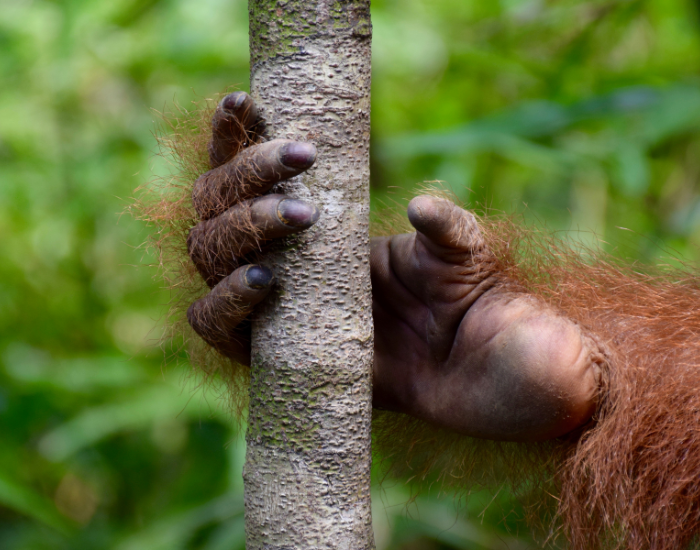
Primates possess opposable thumbs (or at least semi-opposable), flat nails instead of claws, and highly sensitive fingertips, which together provide remarkable dexterity and tactile sensitivity. The brain-to-body size ratio in primates is impressive – they have proportionally larger brains than most other mammals, which correlates with their high intelligence and complex social behaviors. Most primates have forward-facing eyes that provide excellent depth perception and many also have color vision. Only primates combine these advanced visual adaptations with grasping hands and large brains, making them unique among mammals.
3. The VIP Club – Meet Our Closest Animal Relatives!
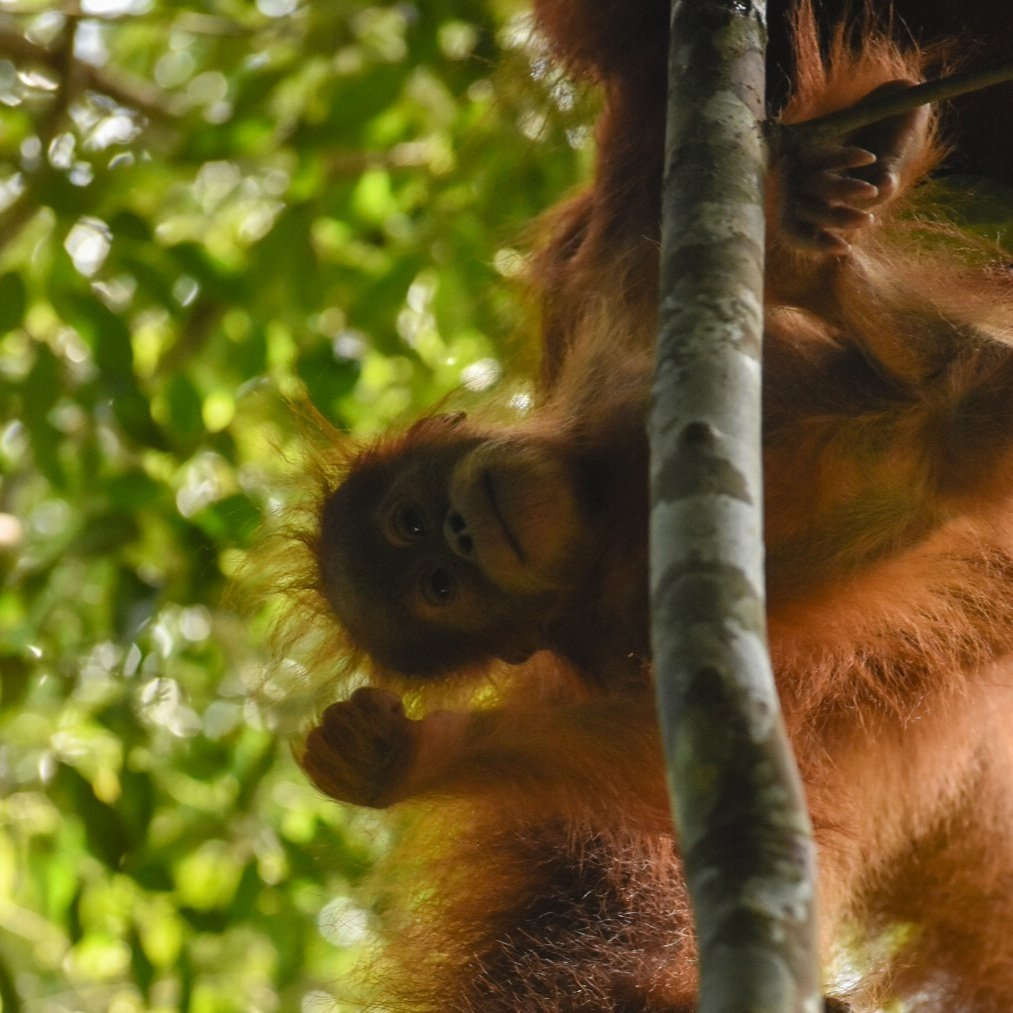
The Hominidae family includes eight extant species in four genera: Pongo (the Bornean, Sumatran and Tapanuli orangutan); Gorilla (the eastern and western gorilla); Pan (the chimpanzee and the bonobo); and Homo, of which only modern humans remain. Gorillas are the largest primates, with adult males weighing up to 200 kilograms. Chimpanzees live in fission-fusion societies and are highly social. Bonobos are known for their peaceful, matriarchal society, while orangutans are largely solitary and incredible tool users.
4. Genius at Work – Tool Use and Mind-Blowing Intelligence!
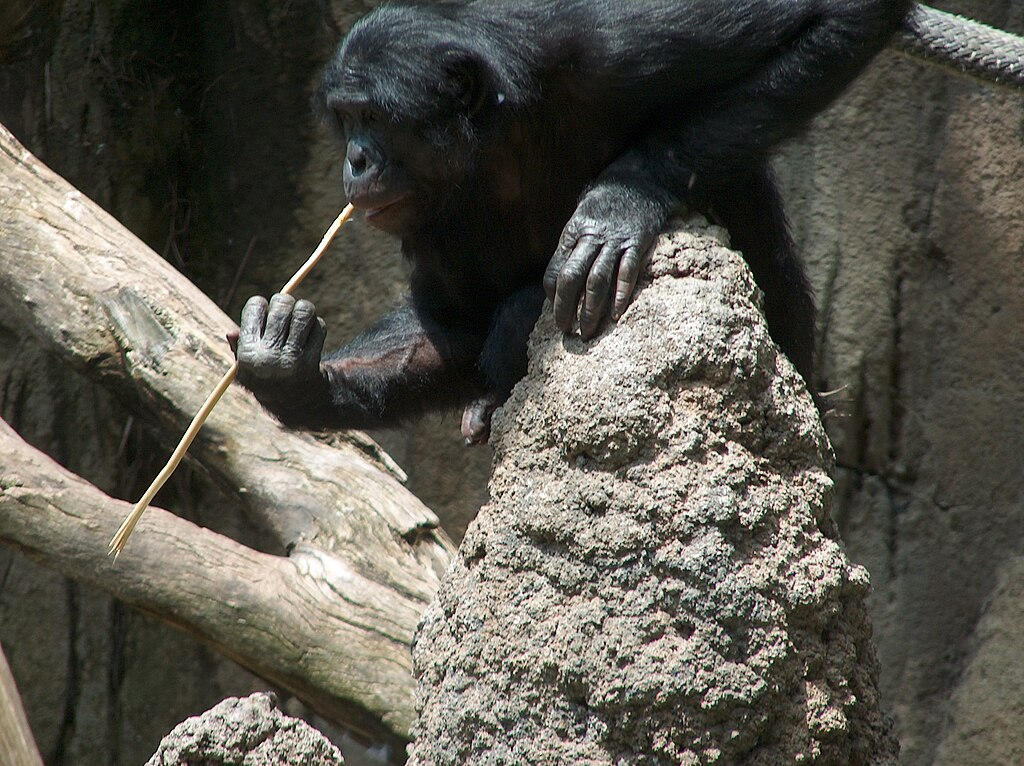
Great apes are renowned for their intelligence and tool use. Chimpanzees use sticks to extract termites from mounds and stones to crack nuts. Orangutans use leaves as tools to extract water from tree holes. This isn’t just instinct – it’s learned behavior passed down through generations. Many primate species exhibit cultural behaviors that are learned and passed down rather than being purely instinctual. Different populations of the same species might have different “traditions” for tool use, feeding, or social behaviors.
5. Island Life Gone Wild – Madagascar’s Lemur Paradise!
Madagascar’s lemurs are living proof of what happens when evolution occurs in isolation. When Madagascar separated from the African continent around 160 million years ago, the ancestors of modern lemurs were already established on the island. Over millions of years, they diversified into over 100 species, each adapted to specific ecological niches. Ring-tailed lemurs live in troops with matriarchal societies, while mouse lemurs are the smallest primates in the world, perfectly adapted for nocturnal life.

6. The Great Divide – Old World vs New World Monkey Showdown!
Old World monkeys are found in Africa and Asia and have narrow noses with downward-facing nostrils, while New World monkeys from Central and South America have broad noses with outward-facing nostrils. They have tails that aren’t prehensile, while New World monkeys often have prehensile tails that work like a fifth hand. Old World monkeys have specialized stomachs that help them digest leaves and many have cheek pouches for storing food.
7. Swinging Sensations – The Amazing Acrobatic Gibbons!
The family Hylobatidae includes all gibbon species. Gibbons are the ultimate arboreal acrobats, moving through the forest canopy using brachiation – swinging from branch to branch at speeds of up to 35 miles per hour and leaping distances of up to 50 feet. Gibbon pairs engage in elaborate duets that can last for hours to strengthen pair bonds and advertise territory. Gibbons are strictly monogamous, forming pair bonds that last for life, with about 20 different species found throughout Southeast Asia.

8. Bug-Eyed and Bizarre – The Night Shift Specialists!
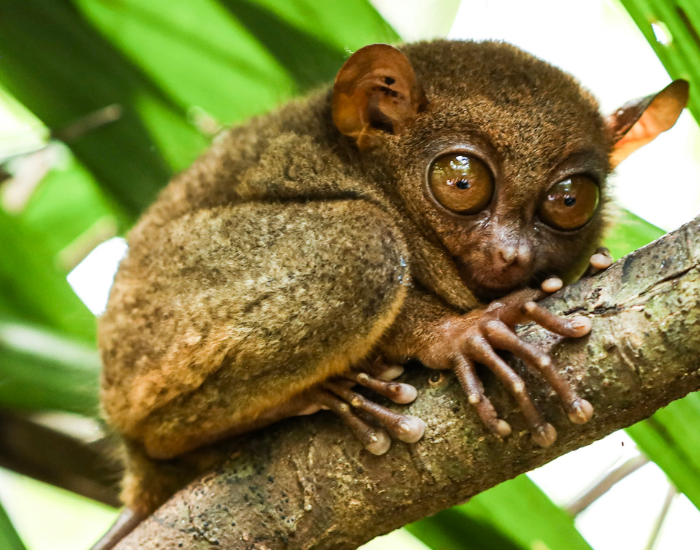
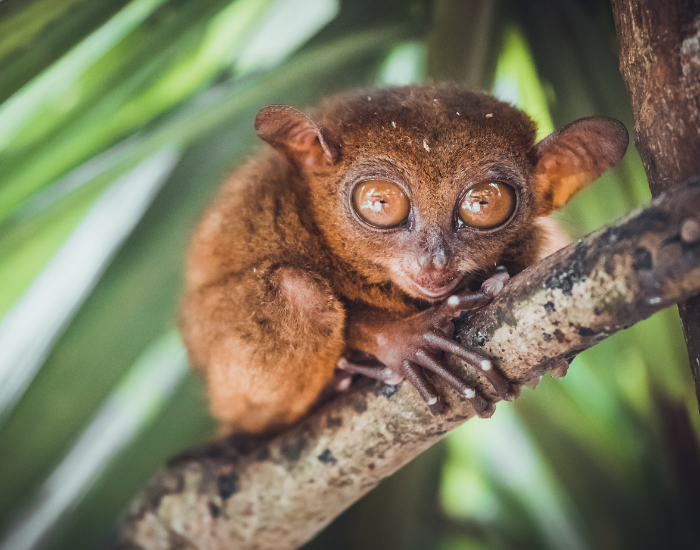
Tarsiers occupy a unique position in primate classification. These small, nocturnal primates are found only in Southeast Asia and have enormous eyes – each eye is larger than their brain! Unlike most primates, tarsiers are entirely carnivorous, feeding on insects, small reptiles, and even small birds. They’re incredible jumpers with long hind legs that allow them to leap distances of up to 40 times their body length, and they can rotate their heads nearly 180 degrees.
9. Chatter Champions – The Amazing World of Primate Talk!
Communication is at the heart of primate society. Howler monkeys are famous for their booming calls, which can travel for miles and are among the loudest sounds made by any animal. Vervet monkeys have specific alarm calls for different types of predators – one call for eagles, another for snakes, and yet another for leopards. Gorillas use a variety of sounds, roars, grunts, and even gentle chirps, to communicate within their family groups.
10. They Live Everywhere! – Primates Around the Globe!
Central Africa is home to mountain gorillas, chimpanzees, bonobos, and numerous monkey species in dense tropical forests. Southeast Asia hosts orangutans in Borneo and Sumatra, various gibbon species, and tarsiers. Madagascar is home to all lemur species, found nowhere else on Earth due to the island’s isolation. The Americas host all New World monkey species, from howler monkeys of the Amazon rainforest to spider monkeys of Central America.
11. Heroes and Heartbreak – The Fight to Save Our Primate Friends!
65% of species are in the top three IUCN Red List categories (Vulnerable, Endangered, Critically Endangered), meaning the majority of primate species face serious threats to their survival. The primary threats are habitat destruction, hunting, and climate change, with the main threats being Biological Resource Use (Hunting & Logging) and Agriculture. However, there are success stories: Mountain gorillas increased from fewer than 250 individuals in the 1980s to over 1,000 today through dedicated conservation efforts combining habitat protection, anti-poaching measures, and community involvement.
The Lemur Family: Madagascar’s Unique Primates
Let’s dive deep into one of the most unique groups in our list of monkey species – although technically, lemurs aren’t monkeys at all! The lemur family represents one of the most remarkable evolutionary stories in the primate world.
Madagascar’s lemurs are living proof of what happens when evolution occurs in isolation. When Madagascar separated from the African continent around 160 million years ago, the ancestors of modern lemurs were already established on the island. Over millions of years, they diversified into over 100 species, each adapted to specific ecological niches.
Ring-tailed lemurs are probably the most recognizable species, with their distinctive black and white striped tails and expressive faces. They’re highly social animals, living in troops of 6-30 individuals, and they have a matriarchal society where females dominate males – quite unusual among primates.
At the other end of the size spectrum, we have mouse lemurs, the smallest primates in the world. These tiny creatures are perfectly adapted for nocturnal life, with huge eyes for night vision and an incredibly fast metabolism. They can even go into torpor during the dry season to conserve energy.
The suborder Strepsirrhini, which includes lemurs, lorises, and galagos, represents the more primitive branch of the primate evolutionary tree. They have characteristics that other primates have lost, such as a wet nose (like dogs and cats) and a special scent-marking ability.
Interested in Lemurs, read our blog about “Madagascar’s Lemurs Need You“

Monkeys: The Cercopithecidae Family and Beyond
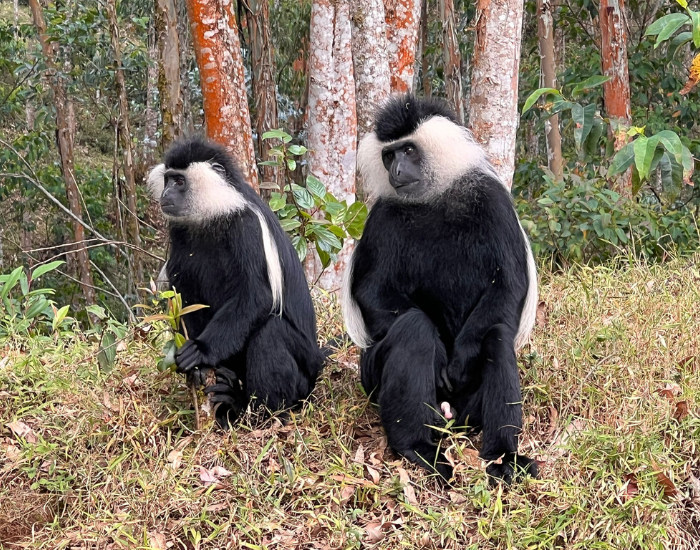
When most people think about types of monkeys and apes, they’re usually picturing members of the Cercopithecidae family – the Old World monkeys. The term ‘old world monkey’ refers to primates native to Africa, Asia, and the Middle East, characterized by features such as non-prehensile tails and downward-facing nostrils. This family includes some of the most well-known primates: baboons, macaques, vervet monkeys, and colobus monkeys.
Old World monkeys
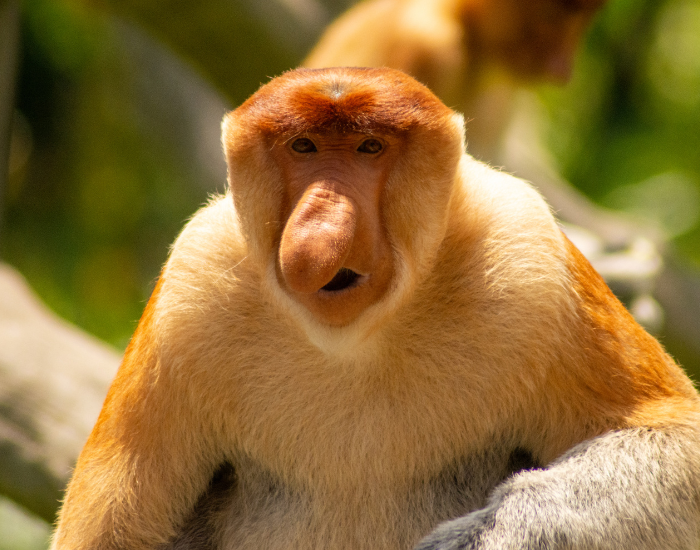
They have adapted to an incredible range of habitats. Most monkeys, including Old World species, are arboreal, have long tails, sharp vision, and live in complex social groups. Japanese macaques have learned to survive in snowy mountains, occasionally relaxing in hot springs to keep warm. Baboons thrive in African savannas, and proboscis monkeys specialize in living in the mangrove swamps of Borneo.
Read our blog about macaques to understand more these types of primate,:

What sets Old World monkeys apart from their New World cousins?
Beyond the nostril differences I mentioned earlier, Old World monkeys have specialized stomachs that help them digest leaves and tough plant matter. Many species have cheek pouches where they can store food while foraging, eating it later in safety.
New World monkeys
Found in Central and South America, belong to several different families. Howler monkeys produce incredibly loud calls – among the loudest of any animal on Earth – and their calls can travel up to 3 miles. Spider monkeys are phenomenal acrobats, using their long limbs and prehensile tails to navigate through the forest canopy with incredible speed and agility. The saki monkey, with its bushy tail and distinctive facial hair, inhabits the rainforests of South America. Saki monkeys and uakaris belong to the same family, Cebidae, sharing certain taxonomic traits while differing in appearance and habitat. Titi monkeys stay active during the day and prefer dense riverine forests, forming strong pair bonds and often living in small family groups. The common woolly monkey plays a vital role in the ecosystem and currently faces endangerment from habitat loss and hunting.
Capuchin monkeys have gained fame for their intelligence and tool use. Capuchin monkeys crack nuts with stones, extract insects with sticks, and use leaves as umbrellas during rain. Their problem-solving abilities and social intelligence make them fascinating subjects for behavioral research.
In these articles we wrote more about new world monkeys:
Great Apes: Our Closest Relatives
The great apes represent the pinnacle of primate evolution in terms of intelligence, social complexity, and physical similarity to humans. When we examine ape species list, we’re looking at our closest living relatives and some of the most endangered species on Earth.
The Hominidae family includes eight extant species in four genera: Pongo (the Bornean, Sumatran and Tapanuli orangutan); Gorilla (the eastern and western gorilla); Pan (the chimpanzee and the bonobo); and Homo, of which only modern humans remain.
And if you ever wondered how they live, have a look at our article:

Gorillas
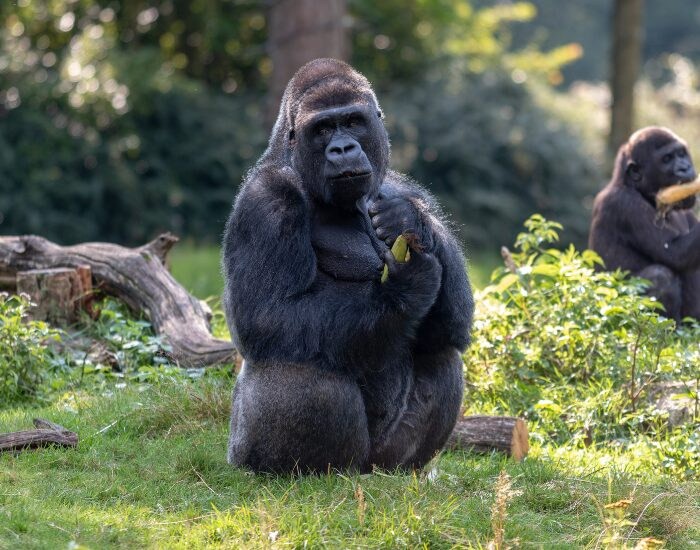
These massibe apes are the largest primates, with adult males weighing up to 200 kilograms. Despite their intimidating size, gorillas are gentle giants, spending most of their time peacefully foraging for plants. They live in family groups led by a dominant silverback male, who protects his family and makes decisions about where to feed and sleep.
Chimpanzees
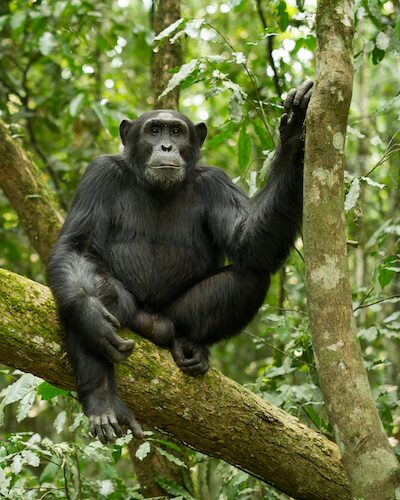
They are perhaps the most studied of all primates due to their remarkable intelligence and complex social behaviors. They live in fission-fusion societies, where large communities split into smaller groups for foraging and socializing. Chimpanzees are highly social and have a fission fusion social structure, which means they form very large groups that can divide into smaller bands for traveling and foraging.
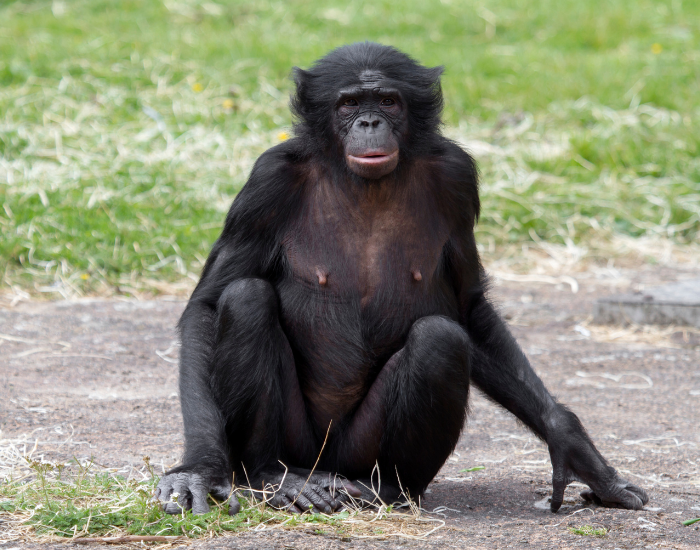
Bonobos
These chimpanzee look alikesometimes called “pygmy chimpanzees,” are actually not smaller than chimpanzees – they’re just more gracile in build. They’re known for their peaceful, matriarchal society and their use of social bonding to resolve conflicts. Bonobos are found only in the Democratic Republic of Congo, making them one of the most geographically restricted great apes.
Orangutans
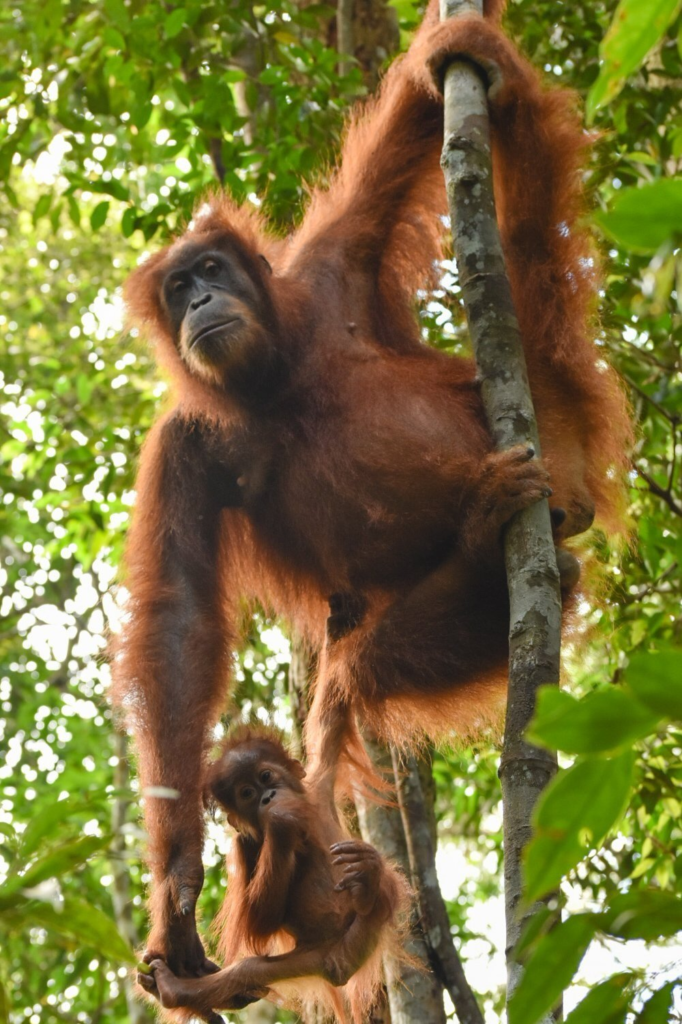
These wise apes are the Asian great apes, and they’re quite different from their African cousins. They’re largely solitary, with adult males living alone except during mating season. Orangutans are incredible tool users and have been observed using sticks to extract honey, leaves as gloves when handling spiny fruits, and even using leaves as napkins to wipe their faces.
Lesser Apes: The Acrobatic Gibbons
The family Hylobatidae, commonly known as lesser apes, includes all gibbon species. Don’t let the name “lesser” fool you – these primates are absolutely remarkable in their own right and represent a crucial part of our primates animals list.
There are about 20 different gibbon species, found throughout Southeast Asia. Each species has adapted to specific forest environments, from the dense rainforests of Borneo to the deciduous forests of Thailand. Unfortunately, habitat destruction and fragmentation pose serious threats to all gibbon populations.
If you want to dive deeper, in our blog “14 Fun and Surprising Facts About Gibbons” you will find very interesting information about these lesser apes.
Tarsiers: The Bug-Eyed Nocturnal Specialists
Tarsiers occupy a unique position in our primate species list. These small, nocturnal primates are found only in Southeast Asia and represent one of the most specialized groups of primates on Earth.
The family Tarsiidae includes several species, each adapted to specific island environments in Southeast Asia. Philippine tarsiers are probably the most well-known, but there are also species in Indonesia and Malaysia. These tiny primates have faced significant conservation challenges due to habitat loss and the illegal pet trade.
Physical Characteristics That Define Primates
What makes a primate a primate? This is one of the most common questions people ask when exploring types of monkeys and apes. Primates share several unique physical characteristics that set them apart from other mammals.
Primates possess opposable thumbs (or at least semi-opposable), flat nails instead of claws, and highly sensitive fingertips, which together provide remarkable dexterity and tactile sensitivity. This combination allows for precise gripping and manipulation of objects.
The brain-to-body size ratio in primates is impressive. They have proportionally larger brains than most other mammals, which correlates with their high intelligence and complex social behaviors. This is particularly evident in great apes, where the intelligence levels can be truly astounding.
Vision is another standout feature. Most primates have forward-facing eyes that provide excellent depth perception – crucial for navigating through trees and accurately judging distances when jumping from branch to branch. Many also have color vision, which helps them identify ripe fruits and young leaves. Only primates combine these advanced visual adaptations with grasping hands and large brains, making them unique among mammals.
Primate Adaptations and Evolution
The story of primate evolution is one of remarkable adaptation and survival. Over millions of years, primates have developed a suite of unique traits that set them apart from other mammals and have allowed them to flourish in a wide range of environments. One of the most significant adaptations is the development of large brains relative to body size, which supports advanced problem-solving, social interaction, and tool use, traits especially prominent in great apes and some monkey species.
Physical adaptations like opposable thumbs and, in many New World monkeys, prehensile tails, have enabled primates to expertly navigate the complex world of climbing trees and foraging in tropical forests. Nocturnal primates, such as tarsiers and mouse lemurs, have evolved large eyes for enhanced night vision, while others, like the ring tailed lemur, have developed specialized behaviors and social systems to thrive in their unique habitats.
The evolutionary split between Old World monkeys and New World monkeys is a key chapter in primate history, leading to the incredible diversity we see today. New primate species continue to be discovered, highlighting the ongoing process of adaptation and evolution. These evolutionary innovations have not only shaped the success of primates in the animal kingdom but also provide vital clues about our own origins as Homo sapiens.
Primate Ecology in Central Africa
Central Africa is a true stronghold for primate diversity, home to some of the world’s most iconic and ecologically important primate species. The dense tropical rainforests and varied forest habitats of this region support gorillas, chimpanzees, bonobos, and a host of other primates, each playing a crucial role in maintaining the health of these ecosystems.
Gorillas, for example, are not only the largest primates but also vital “gardeners” of the forest, dispersing seeds and shaping plant communities as they forage for plant matter, fruit, and leaves. Chimpanzees and bonobos, both members of the genus Pan, are known for their complex social structures and diverse diets, which can include fruit, insects, small vertebrates, and even bird eggs. These non human primates interact with other animals and help regulate populations of various species, contributing to the overall balance of the ecosystem.
Conservation Challenges and Success Stories
The conservation status of primates worldwide is frankly alarming, but there are also inspiring success stories that show what’s possible when we commit to protecting these incredible animals.
65% of species are in the top three IUCN Red List categories (Vulnerable, Endangered, Critically Endangered), which means that the majority of primate species face serious threats to their survival. This statistic should be a wake-up call for all of us who care about biodiversity and the future of our planet.
The primary threats facing primates are depressingly familiar: habitat destruction, hunting, and climate change. The main threats to primates are Biological Resource Use, including Hunting & Logging, and Agriculture. As human populations grow and expand into previously wild areas, primates lose their homes and food sources.
However, there have been remarkable conservation successes. Mountain gorillas, once on the brink of extinction with fewer than 250 individuals in the 1980s, now number over 1,000 thanks to dedicated conservation efforts. This success came through a combination of habitat protection, anti-poaching measures, and community involvement.
The Future of Primate Research and Conservation
As we look toward the future, several exciting developments are shaping how we study and protect primates. Advanced genetic techniques are helping us understand primate evolution and relationships in unprecedented detail. We’re discovering new species regularly – even in 2024, researchers are still finding previously unknown primate species in remote forests.
Technology is revolutionizing primate research. For example in this study, researchers analyse performance of GPS collars and satellite tracking to study primate movement patterns and habitat use without disturbing the animals. Other scientific studies analyse how Camera traps provide insights into behavior and population dynamics in ways that were impossible just a few decades ago.
The concept of “One Health” is becoming increasingly important in primate conservation. This approach recognizes that human health, animal health, and environmental health are interconnected. Protecting primate habitats doesn’t just benefit primates – it also protects watersheds, stores carbon, and provides ecosystem services that humans depend on.
Why Primate Diversity Matters
As we’ve explored the incredible diversity of types of primates, from the tiny mouse lemurs of Madagascar to the mighty gorillas of Central Africa, one thing becomes clear: these animals are far more than just our evolutionary cousins. They’re indicators of ecosystem health, sources of scientific knowledge, and irreplaceable components of our planet’s biodiversity.
The 500+ primate species that share our world today represent millions of years of evolutionary innovation. Each species has developed unique adaptations to survive in their specific environments, from the cold mountains where Japanese macaques live to the dense rainforests of the Amazon where howler monkeys call.
Understanding types of monkeys and apes isn’t just an academic exercise – it’s essential for conservation. As we’ve seen, the majority of primate species face serious threats, but there are also inspiring success stories that show what’s possible when we commit to protection efforts.