Have you ever wondered what makes macaques so incredibly successful as a species? These remarkable primates have managed to spread across more continents than any other non-human primate, and honestly, once you learn about their intelligence and adaptability, you’ll understand why they’re basically the overachievers of the monkey world.
Macaques aren’t just your average monkeys – they’re sophisticated, strategic, and surprisingly complex creatures that have fascinated researchers for decades. Whether you’re curious about the endangered crested black macaque or wondering how intelligent these primates really are, I’m about to share 12 mind-blowing facts that’ll change how you see these incredible animals forever.
And if you are interested in primate, have a look at our article “Types of Primates” to know more our closest relatives.

What Are Macaques, Exactly?
Before we dive into the fascinating facts, let’s clear up a common question: what are macaques and how do they differ from other monkeys?
Macaques belong to the genus Macaca and are part of the Old World monkey family, known scientifically as the family Cercopithecidae. Old World monkeys include a wide range of primates such as macaques and baboons, which can be distinguished by their physical features and behaviors, baboons, for example, are generally larger, have longer snouts, and often live in open savannahs, while macaques are more adaptable to various environments. Think of them as the cosmopolitan cousins in the primate family tree – they’ve mastered the art of living almost anywhere. Unlike New World monkeys found in the Americas, macaques are exclusively found in Asia, North Africa, and Europe (well, just one species in Europe, the Barbary macaque, which is unique for being the only wild monkey species in Europe and is native to North Africa and Gibraltar, but we’ll get to that).
The key difference between macaques and other monkeys lies in their incredible adaptability and geographic spread. While most monkey species stick to specific habitats, macaques have basically said “hold my banana” and conquered everything from tropical rainforests to snowy mountains.

12 Mind-Blowing Macaque Monkey Facts
1. Macaques Are the Ultimate Globetrotters
Here’s a macaque monkey fact that’ll blow your mind: these primates have the widest geographic range of any nonhuman primates on Earth. We’re talking about a presence across Asia, North Africa, and even Europe. In Southeast Asia, macaques are found in countries such as Brunei Darussalam, Lao PDR, and Timor-Leste, in addition to many others. From the tropical beaches of Southeast Asia to the snowy peaks of Japan, macaques have figured out how to thrive practically everywhere.
The Japanese macaque, also known as the snow monkey, literally chills in hot springs during winter. Meanwhile, their cousins in Indonesia are perfecting their swimming skills in mangrove forests. Talk about family diversity!
2. There Are 23 Different Species (And Counting)
The macaques family is huge – we currently recognize 23 distinct species, each with their own personality and special adaptations. From the tiny pig-tailed macaque to the robust Tibetan macaque, there’s incredible variety within this genus.
Some standouts include:
- Rhesus macaques – the laboratory research champions
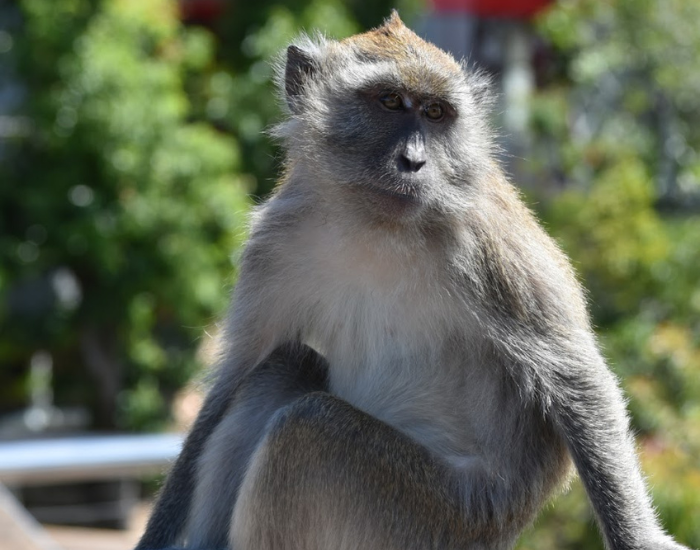
- Macaca fascicularis (long-tailed macaque) – known for their swimming ability, intelligence, and adaptability across Southeast Asia
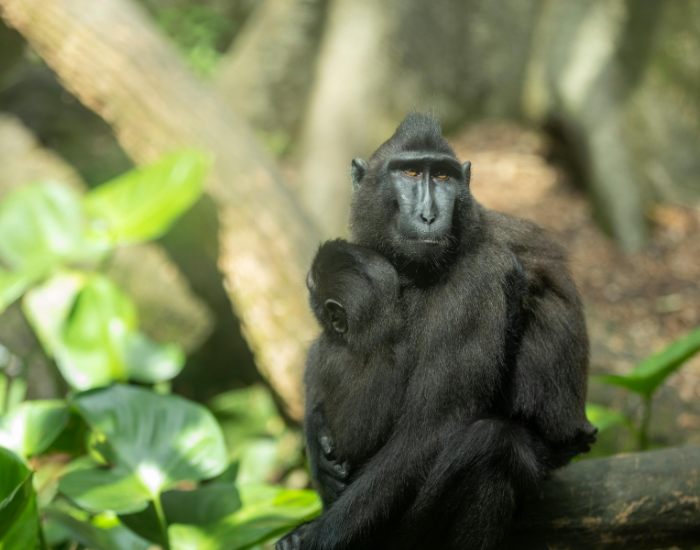
- Crested black macaque – the punk rockers with their distinctive mohawks
- Macaca sylvanus (Barbary macaque) – Europe’s only native monkey species, found in North Africa and Gibraltar, notable for their tailless appearance and conservation status
- Stump-tailed macaques – recognized by their short tails and shaggy hair, native to South and Southeast Asia, important in research and conservation
- Toque macaque – endemic to Sri Lanka, distinguished by their toque-shaped hair and endangered status

3. The Crested Black Macaque Is Basically a Primate Rockstar
Speaking of the crested black macaque, these guys deserve their own spotlight. Found exclusively on the Indonesian island of Sulawesi, they sport the most incredible punk rock hairstyle in the animal kingdom. Their jet-black fur and prominent crest make them instantly recognizable.
Sadly, this charismatic species is critically endangered, with habitat loss and hunting threatening their survival. Conservation efforts are crucial because losing these unique primates would be like losing a piece of evolutionary art.
4. Macaques Are Incredibly Smart (Like, Scary Smart)
How intelligent are macaque monkeys? The answer might surprise you. These primates demonstrate problem-solving abilities that rival those of young children. They use tools, teach their offspring complex skills, and even show cultural transmission of behaviors across generations.
Research has documented macaques:
- Tool usage, likeUsing stones to crack open shellfish
- Teaching younger macaques specific techniques
- Adapting their behavior based on environmental changes
- Showing individual personality traits and preferences
5. They Have Built-in Food Storage Systems
One of the coolest macaque monkey facts is their cheek pouches. These expandable storage compartments allow macaques to quickly grab food and store it for later consumption. Macaques use their cheek pouches to carry extra food, enabling them to transport and save extra food for times when resources are scarce or competition is high. It’s like having built-in doggy bags!
This adaptation is particularly useful when food sources are competitive or when they need to retreat to safety before eating. Imagine being able to stuff your cheeks with snacks during a meeting and enjoy them later, macaques are living the dream.

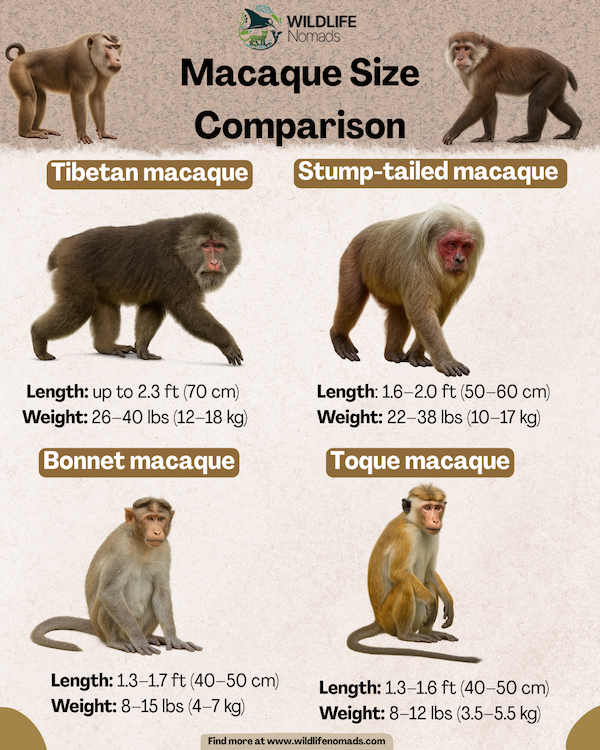
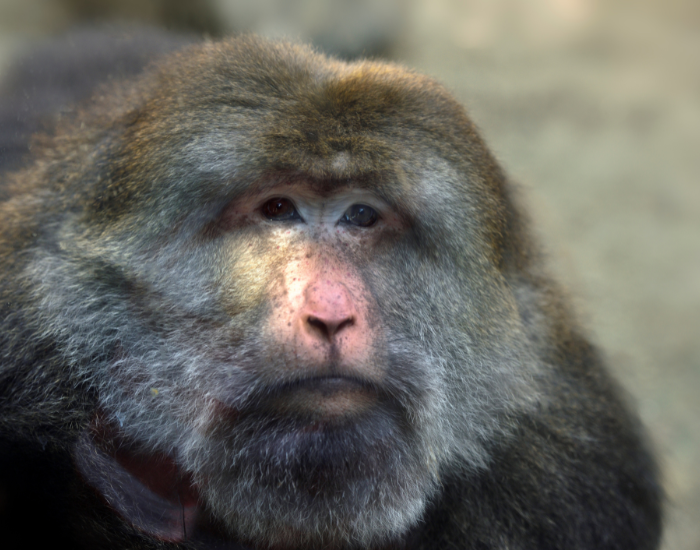
6. Size Varies Dramatically Across Species
How big do macaque monkeys get? The answer depends entirely on which species we’re talking about. The body length of macaques varies widely: for example, the smallest species may have a body length of 40–50 cm (16–20 inches), while the largest, like the Tibetan macaque, can reach a body length of up to 70 cm (28 inches). Males are generally larger than females. The arms and legs are approximately the same length, which is characteristic of macaques. The tail varies significantly among species, ranging from long in the long-tailed macaque to almost absent in the stump-tailed macaque.
The Tibetan macaque holds the record as the largest species, with males reaching impressive sizes that command respect in their mountain habitats. Meanwhile, the long-tailed macaque maintains a more moderate build perfect for their arboreal lifestyle.
7. They’re Social Media Masters (Seriously)
Macaque social structures are incredibly complex, with hierarchies, alliances, and social networks that would make LinkedIn jealous. These monkeys live in social groups ranging from intimate family units to massive communities of several hundred individuals. Social groups can vary in size and composition, typically including individuals of all ages, with a notable proportion of infants present.
Within each social group, the genealogical position of females often determines their social rank, with female rank being stable and inherited through family lineage. In many macaque species, males dominate the social hierarchy, establishing and maintaining primary dominance, while female rank remains consistent due to genealogical ties.
Their social intelligence includes:
- Recognition of individual relationships within large social groups
- Understanding of rank and status
- Conflict resolution strategies
- Cooperative child-rearing practices
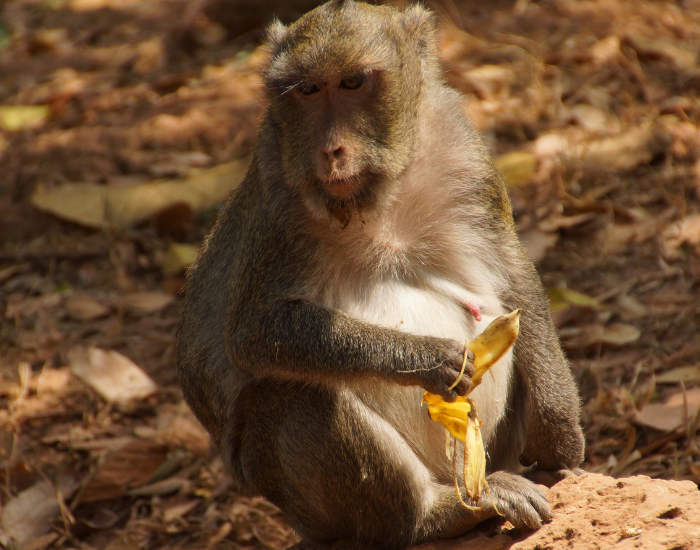
8. Macaques Are Culinary Adventurers
What do these adaptable primates eat? Pretty much everything! Macaques have one of the most diverse diets in the primate world. In Bali, you can basically see them eating whatever they find in the rubbish, stealing from unaware tourists. Their menu includes:
- Fruits and seeds (their favorites)
- Insects and small animals
- Fish (especially for species living near rivers or coasts)
- Tree bark and leaves
- Shellfish and crabs (especially the aptly named crab-eating macaques)
- Agricultural crops (much to farmers’ frustration)
This dietary flexibility is one of the key reasons they’ve been so successful in diverse environments.
9. They’re Olympic-Level Athletes
How far can a macaque jump? These primates are incredibly agile, capable of leaping distances of up to 15 feet horizontally and making vertical jumps of 8-10 feet. Combined with their excellent swimming abilities (looking at you, long-tailed macaques), they’re basically the decathletes of the primate world.

10. Human-Macaque Relationships Are Complicated
Are macaque monkeys friendly to humans? The relationship is complex. While some macaques have adapted remarkably well to human environments – even becoming tourist attractions in places like Bali and Japan – they remain wild animals with their own agendas.
In urban areas, macaques often display:
- Opportunistic behavior around food sources
- Learned responses to human activity
- Territorial behavior when they feel threatened
- Remarkable adaptability to city life
The key is maintaining respectful distance and not feeding them, which can lead to aggressive behavior and dependency.
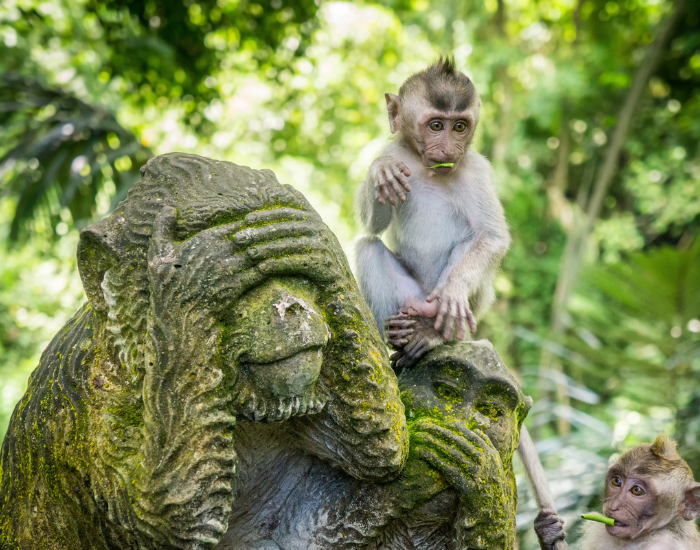
11. They Have Their Own Communication Network
Macaque communication is incredibly sophisticated. They use a combination of vocalizations, facial expressions, and body language that varies between species and even different populations. The teeth-chattering behavior you might observe is actually a submissive gesture – their way of saying “Hey, I’m not looking for trouble here.”
12. Conservation Status Is a Mixed Bag
While some macaque species are thriving (sometimes too well, from a human perspective), others face serious threats. The crested black macaque and several other species are critically endangered due to:
- Habitat destruction from deforestation
- Hunting pressure for food and traditional medicine
- Human-wildlife conflict as urban areas expand
- Climate change affecting food availability
These threats have led to significant population declines in many macaque species. Monitoring population numbers and trends is crucial for understanding species decline and implementing effective conservation strategies.
Conservation organizations like the World Wildlife Fund are working tirelessly to protect endangered macaque species and their habitats.

Meet the Macaque All-Stars: Species Spotlights
Rhesus Macaque: The Urban Adapter
Meet the rhesus macaque (Macaca mulatta), a true survivor and one of the most recognizable macaque species in the world. Native to South Asia and stretching across Southeast Asia and southern China, these adaptable primates have made themselves at home in an astonishing variety of habitats—from lush deciduous forests to bustling city streets. Rhesus macaques are considered highly intelligent, often outsmarting both their animal neighbors and the humans they live alongside.
What sets the rhesus macaque apart is its remarkable ability to thrive in urban environments. You’ll find these clever animals navigating crowded markets, raiding fruit stands, and even learning to use simple tools to access food. Their diet is as varied as their habitats, including fruits, vegetables, and small animals, making them true omnivores.
Social life among rhesus macaques is anything but simple. Groups are organized with a clear social structure: dominant males lead, while females play a vital role in maintaining group harmony and passing down social knowledge. This complex social system helps them adapt to changing environments and ensures the group’s survival, whether in the wild forests or the heart of a city.

Japanese Macaque: The Snow Monkey Sensation
If you’ve ever seen photos of monkeys relaxing in steaming hot springs surrounded by snow, you’ve met the Japanese macaque (Macaca fuscata), also known as the snow monkey. Native to Japan’s mountainous regions, these primates are famous for their resilience in cold climates and their unique winter spa days.
Japanese macaques are highly social animals, living in large, tightly knit groups with a well-defined hierarchy. Their intelligence is legendary among primates, they’ve been observed using tools, washing food, and even making snowballs for fun! In the wild, these monkeys inhabit deciduous forests, foraging for fruits, leaves, and insects throughout the changing seasons.

Southern Pig-Tailed Macaque: The Forest Acrobat
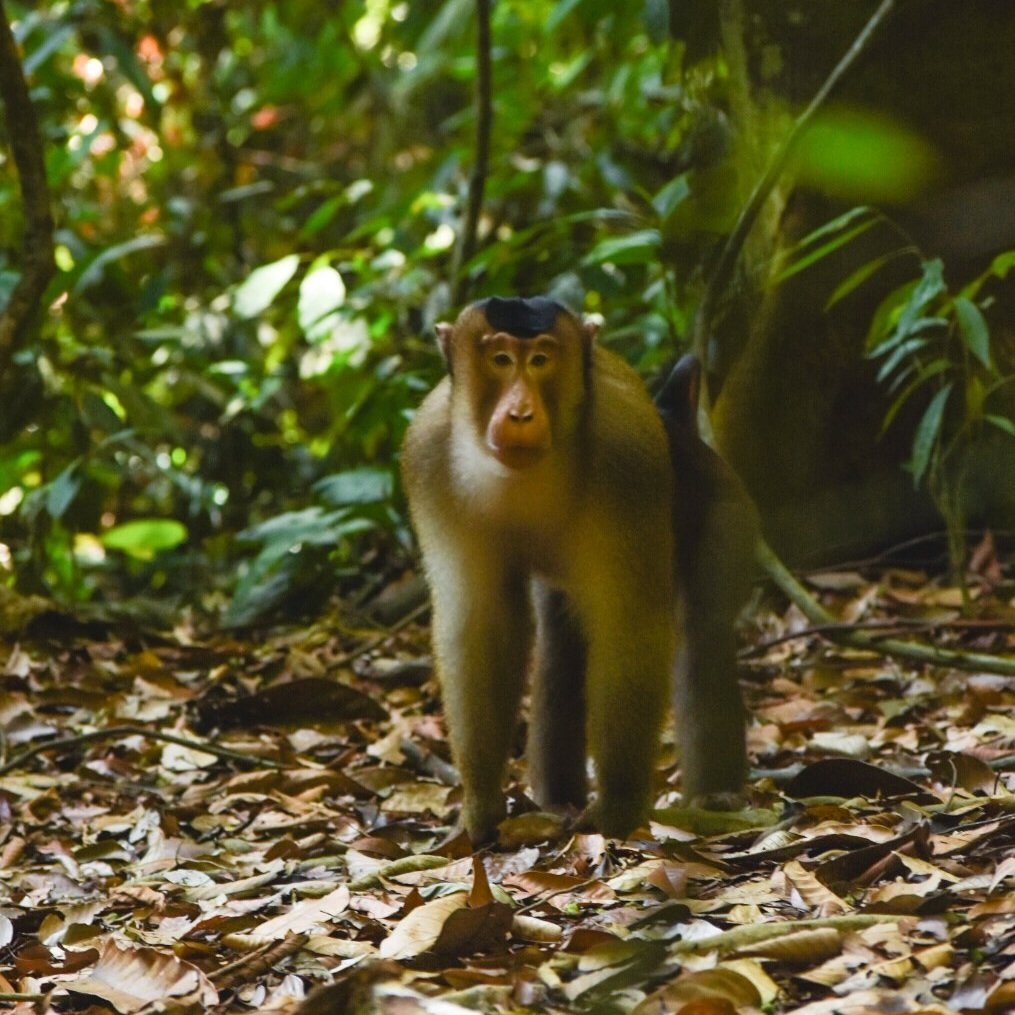
Swinging through the dense canopies of Southeast Asia, the southern pig-tailed macaque (Macaca nemestrina) is the acrobat of the macaque world. Found in the tropical rainforests of Indonesia, Malaysia, and Thailand, this tailed macaque is built for agility, expertly navigating the tangled branches and thick foliage of its wild habitat.
Distribution and Habitat
Macaques are found in:
- Southeast Asia: Rainforests, rice paddies, coastal forests; the crab eating macaque is common here, especially in coastal and riverine habitats
- East Asia: Cold mountain regions (e.g. Japan, Tibet)
- South Asia: Urban and rural habitats in India and Sri Lanka; stump tailed macaques are found in forested areas, preferring dense, humid environments
- North Africa and Europe: Gibraltar and the Atlas Mountains
Long-tailed macaques thrive in mangroves and even coral reefs. Barbary macaques live at high altitudes with snowy winters. The rhesus monkey, one of the most widespread macaque species, is found throughout northern India, Myanmar, Southeast Asia, and eastern China. Rhesus monkeys are true generalists, occupying cities, farms, and forests.
Social Behavior and Ecology
Troops typically include 20–50 individuals, but can exceed 100. Social roles are clear: dominant males and matrilineal females hold sway, while younger monkeys learn by observation and play.
Studies in the American Journal of Primatology show macaques exhibit empathy, coalition-building, and even political maneuvering within groups. Social rank impacts stress levels, health outcomes, and reproductive success.

Scientific and Medical Importance
Macaques share over 90% of their DNA with humans. As a result, they’ve contributed significantly to research in:
Captive rhesus macaques are widely used in biomedical research, but they pose health risks as nearly all are carriers of the herpes B virus. Additionally, the crab eating macaque is another important research species, especially valued in cloning experiments and biomedical studies.
While their use in labs remains controversial, it’s undeniable that macaques have helped advance human health. More recently, ethical standards have tightened, and researchers are exploring non-invasive and alternative models.
Threats and Conservation Action
Urgent conservation issues include:
- Loss of forest habitat due to palm oil plantations in Indonesia and Malaysia
- Illegal trade in pets and traditional medicine
- Tourism exploitation, often disguised as wildlife sanctuaries
- Human-macaque conflict, especially crop raiding and urban aggression
Conservation priorities involve:
- Creating wildlife corridors
- Community education on coexistence
- Banning unethical wildlife tourism
- Supporting local NGOs that work with primates and people
Why Macaques Matter More Than You Think
These remarkable primates play crucial ecological roles as seed dispersers and forest regenerators. Like all primates, macaques are mammals, sharing key characteristics with other members of the class Mammalia. They’re also incredibly important for scientific research, contributing to our understanding of primate behavior, social structures, and even human evolution.
Macaques share approximately 93% of their DNA with humans, making them valuable models for medical research. Studies involving macaques have contributed to breakthroughs in neuroscience, infectious disease research, and vaccine development.

The Future of Macaques
As we move forward, the challenge is finding ways for humans and macaques to coexist peacefully. These intelligent, adaptable primates aren’t going anywhere – they’re too successful for that. Instead, we need to develop better strategies for managing human-macaque interactions while protecting the species that face extinction threats.
Conservation efforts need our support, especially for critically endangered species like the crested black macaque. Every action we take to protect their habitats and reduce human-wildlife conflict makes a difference.
Respecting Our Primate Neighbors
Macaques are extraordinary creatures that deserve our respect and protection. They’re intelligent, adaptable, and have been sharing this planet with us far longer than we’ve been studying them. Whether you encounter them in the wild, see them in documentaries, or simply read about them online, remember that these aren’t just “monkeys” – they’re complex individuals with their own societies, cultures, and survival strategies.
The next time someone asks you macaque monkey facts, you’ll have plenty to share. These remarkable primates continue to surprise researchers with their intelligence and adaptability, proving that there’s still so much we don’t know about the natural world around us.
By supporting conservation efforts and practicing responsible wildlife tourism, we can ensure that future generations will have the opportunity to marvel at these incredible primates in their natural habitats. After all, a world without the distinctive mohawk of the crested black macaque or the hot spring-loving snow monkeys of Japan would be a significantly less interesting place.