Wildlife Nomads


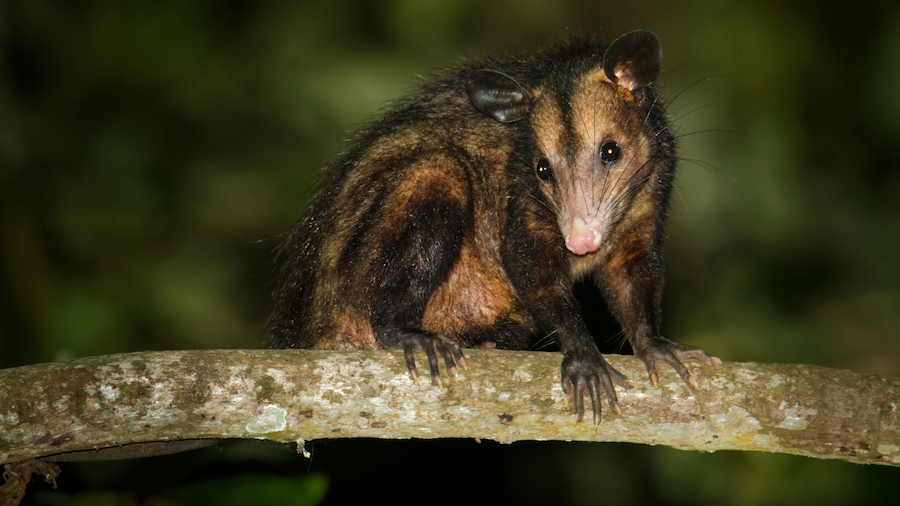
In Puebla, I lived in a gated neighbourhood with guards at the entrance. Next to it sat a vacant lot, a terreno baldío, full of tall weeds. At night, I walked my husky Kyara along the wall beside it.
Some nights, Kyara suddenly pulled so hard I could barely hold her. Often I hadn’t seen anything at all. Then a shape moved along the wall: a cacomixtle, or a tlacuache.
Those walks taught me something about nocturnal animals in North America. You don’t need a remote forest to meet them. Many live right beside us, from Mexican cities to the edge of Canada’s Rocky Mountains. Here are the night animals I have met, and what I learned about each one.
The Vacant Lot Next Door
That empty lot was the wildest place in my neighbourhood. When the weeds grew tall, fireflies blinked over it at night. From the same patch, cacomixtles and tlacuaches came out along the boundary wall.
Kyara was usually the first to notice them. Her prey drive took over completely, and she was very strong. Other nights, it worked the other way round. I spotted the animal first and steered her away before she saw it.
I saw both animals at UDLAP, my university, too. They turned up near houses and buildings, but I never caught them at the bins.
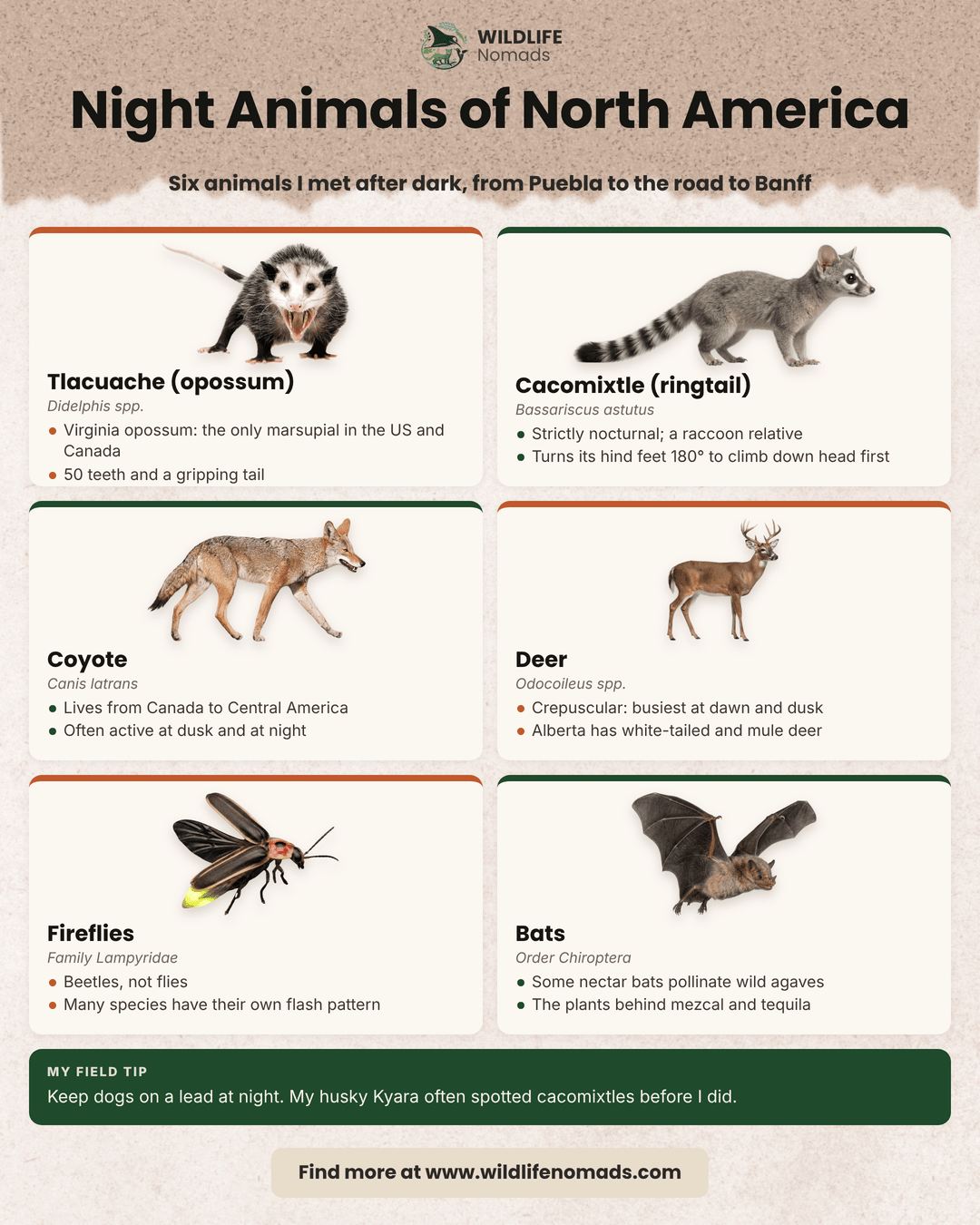
The Nocturnal Animals of North America I Have Met
Tlacuache (opossum)
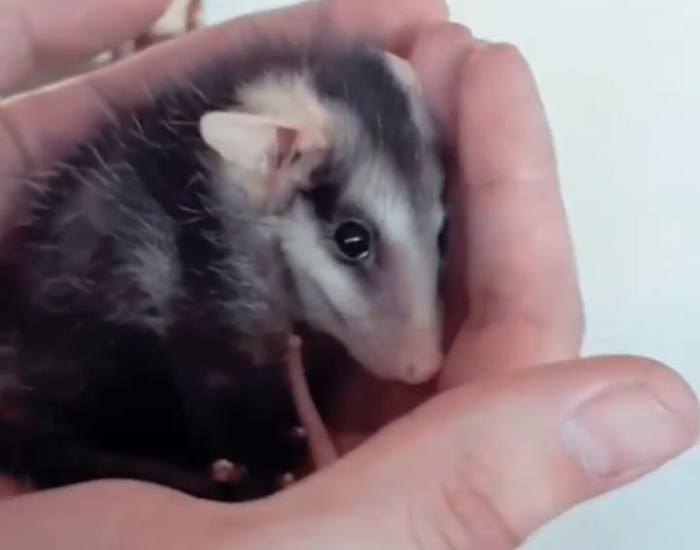
In Mexico, everyone calls opossums tlacuaches. Further north, the familiar one is the Virginia opossum (Didelphis virginiana). It is the only marsupial in the United States and Canada. Mexico has several more opossum species, so I simply call mine tlacuaches.
Opossums have 50 teeth, more than any other North American land mammal. They also have a long, scaly tail that grips and balances. They are mostly nocturnal, although some forage by day.
Then there is the famous trick of playing dead. The US National Park Service describes it as an involuntary reaction. Other wildlife biologists say it is still unclear whether it is deliberate or a reflex.
Cacomixtle (ringtail)
The cacomixtle is the ringtail (Bassariscus astutus), a slim animal with a huge, banded tail. People sometimes call it a ringtail cat or miner’s cat. In fact, it is not related to cats at all. Its relatives include the raccoon and the coati.
Ringtails are strictly nocturnal. They den in rock crevices, tree hollows, old burrows and abandoned buildings. Their menu is broad: fruit, insects, lizards, small mammals, birds and eggs.
My favourite fact is about their feet. A ringtail can rotate its hind feet 180 degrees. That grip lets it climb down rocks and trees head first.

Fireflies
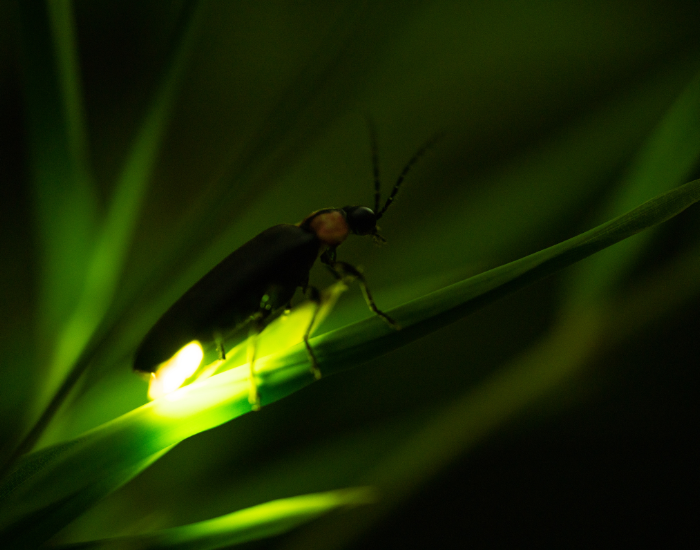
Fireflies are beetles, not flies. They make light inside their bodies through a chemical reaction, and many species flash to find a mate. In fact, many species have their own flash pattern.
In Puebla, I watched them blink over that patch of weeds in the middle of a city. You don’t need a forest to find them, just a dark, overgrown corner.
Bats
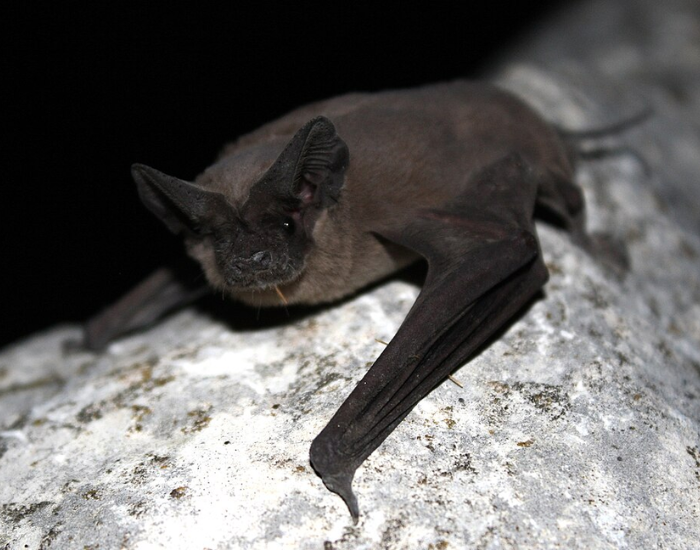
I saw bats on biology field trips in Mexico. My most memorable bat lesson, though, came in an agave field. A local guide explained that certain agaves, and so tequila, depend on bats.
One of those bats is the lesser long-nosed bat (Leptonycteris yerbabuenae). It sips nectar from agave and cactus flowers at night. As it feeds, it carries pollen from flower to flower. You can play that role yourself in my Pollination Lab.
Coyotes
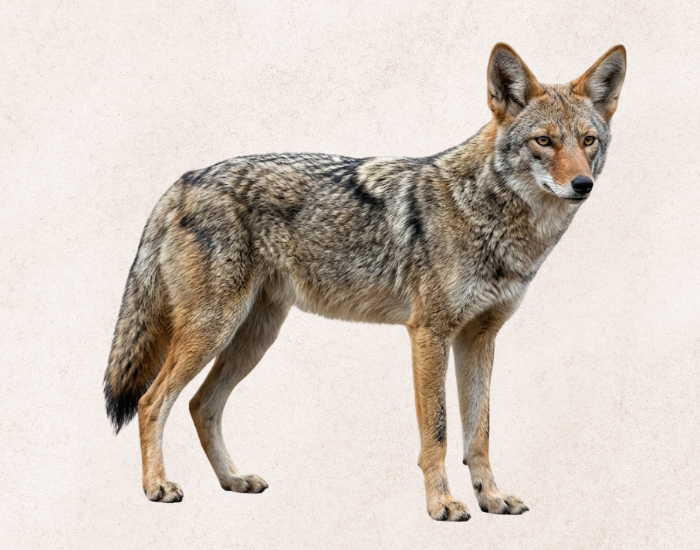
I have seen coyotes in two very different places. The first was the Sierra de San Pedro Mártir in Baja California, on a university trip. The second was in Canada, on the road between Banff National Park and Edmonton.
Coyotes (Canis latrans) now live from Canada to Central America, including in many cities. They are often active at dusk and at night, which is when I usually saw them.
Deer
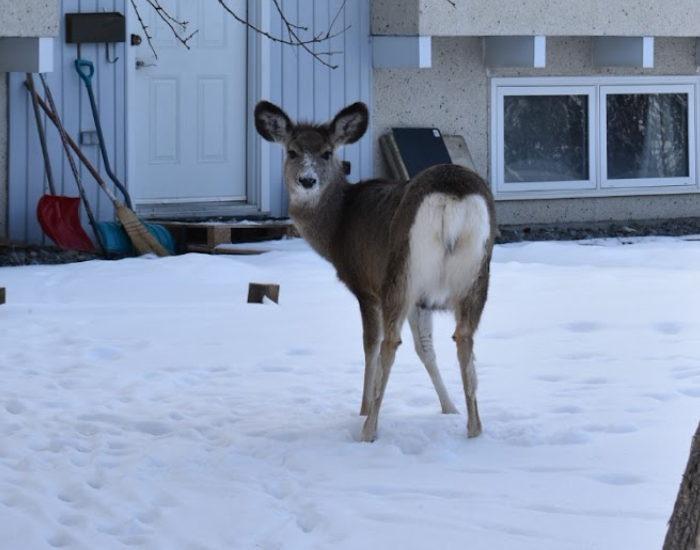
Around Edmonton, in the Rockies and in Banff, I saw plenty of deer. Most of my sightings came at dusk rather than in full darkness. Banff is one of the best national parks in Canada for this kind of wildlife watching.
That timing fits their biology. Deer are crepuscular, which means they are most active around dawn and dusk. Alberta has two species, the white-tailed deer and the mule deer. My guide to the types of deer shows how to tell them apart.
Lizards in Villahermosa
As a child, I lived in Villahermosa, Tabasco. Lizards came out there almost every night, although I never learned which species they were.
My dad sometimes caught them. I, on the other hand, chased them with a toy gun that fired harmless sticky darts. When a dart startled one, it sometimes dropped its tail and ran. The tail stayed behind, still wriggling, and that image stuck with me.
Now I know what I was watching. Many lizards have weak spots called fracture planes along the tail. When the tail breaks off, its nerves keep firing, and it can twitch for up to half an hour. Meanwhile, the movement distracts the predator while the lizard escapes.
The tail grows back, but not quite the same. The new one has a rod of cartilage instead of bone, and it is usually shorter and duller. Most lizards can only regrow a tail a limited number of times.
Nocturnal or Crepuscular?
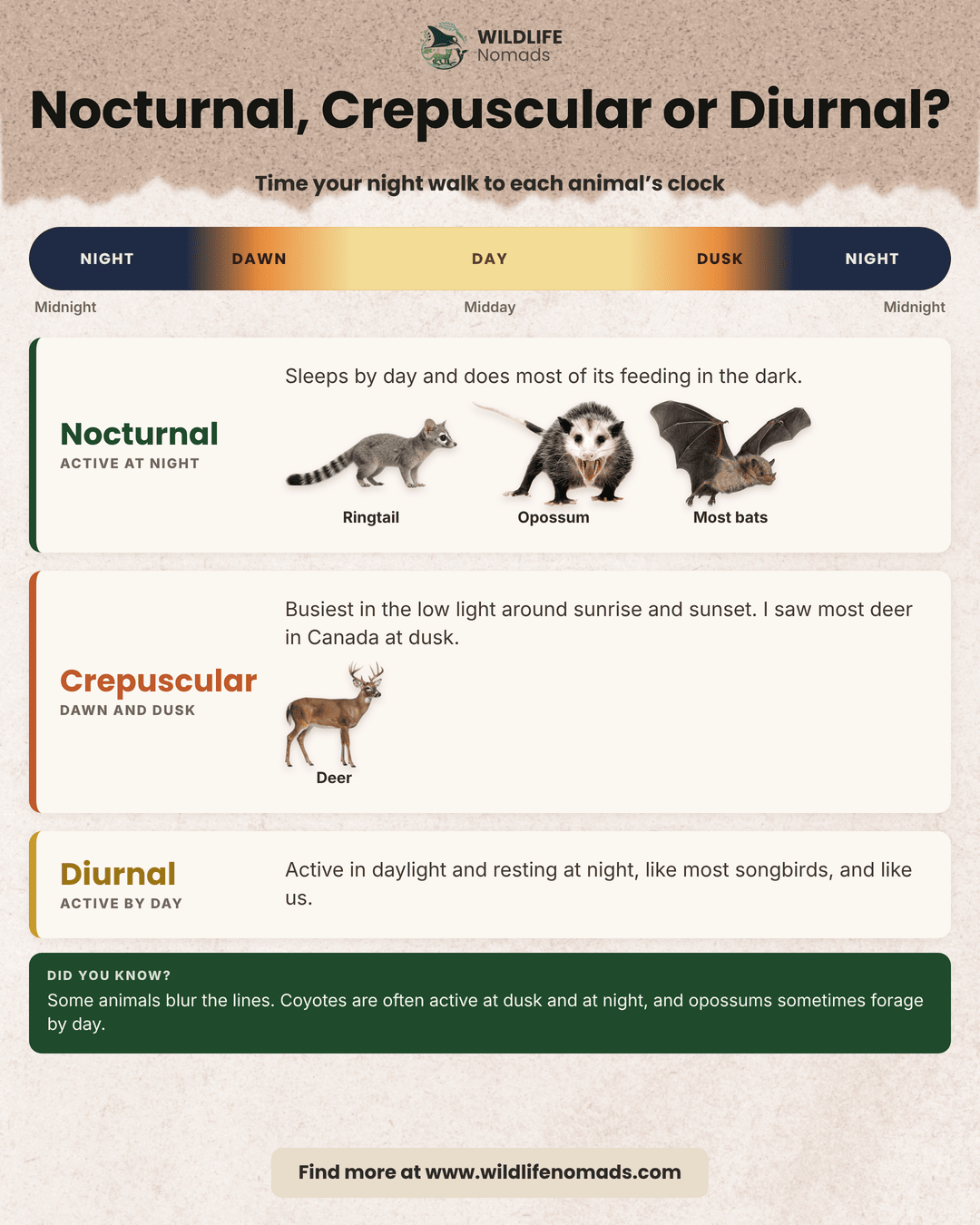
Not every animal you meet after sunset is truly nocturnal. Ringtails are strictly nocturnal, and opossums are mostly night animals. Deer, by contrast, peak at dawn and dusk, which biologists call crepuscular.
This explains my own notes. In Mexico, the tlacuaches and cacomixtles appeared in full darkness. In Canada, the deer appeared in the fading light after sunset. So if you want to see a particular animal, time your walk to its clock.
How to Watch Night Animals Near Home
First, keep dogs on a lead after dark. Kyara taught me how fast a dog can lunge at a cacomixtle or a tlacuache.
Next, secure your bins and pet food, and never feed wild animals on purpose. Then walk slowly, listen first and use a dim torch. The edges of empty lots, parks and gardens are good places to start.
FAQs About Nocturnal Animals in North America
Common night animals include opossums, raccoons, ringtails, skunks, bats, owls, flying squirrels and insects such as fireflies and moths. Coyotes are often active at dusk and at night too. Deer, by contrast, are most active around dawn and dusk.
The Virginia opossum is the only marsupial in the United States and Canada. Mexico, which is also part of North America, has several more opossum species. In Mexico, people call opossums tlacuaches.
No. The cacomixtle, or ringtail, is a relative of the raccoon and the coati. People sometimes call it a ringtail cat or miner’s cat, but it is not related to cats.
Deer are crepuscular, so they are most active around dawn and dusk. You can still meet them at night, especially near roads, so drive slowly at those times.
Dropping the tail helps a lizard escape. The tail breaks at a weak spot called a fracture plane and keeps wriggling, which distracts the predator. It grows back with a rod of cartilage instead of bone.
Look Along the Fence Line
Some of my best night encounters happened beside a wall in Puebla, not in a national park. The edges of our towns hold more nocturnal animals in North America than most people realise.
To explore the woods after dark from home, walk the North American trail in Night Walk, my free spotlighting game. Then compare these animals with the nocturnal animals in Australia that visit our camp on the lap. For more night animals from around the world, start with these 12 nocturnal animals. And if you are planning a trip south, here are the best places to see animals in Mexico.
References:
Bateman, P. W., & Fleming, P. A. (2009). To cut a long tail short: A review of lizard caudal autotomy studies carried out over the last 20 years. Journal of Zoology, 277(1), 1–14. https://doi.org/10.1111/j.1469-7998.2008.00484.x
Hody, J. W., & Kays, R. (2018). Mapping the expansion of coyotes (Canis latrans) across North and Central America. ZooKeys, 759, 81–97. https://doi.org/10.3897/zookeys.759.15149
Lewis, S. M., & Cratsley, C. K. (2008). Flash signal evolution, mate choice, and predation in fireflies. Annual Review of Entomology, 53, 293–321. https://doi.org/10.1146/annurev.ento.53.103106.093346
Trejo-Salazar, R.-E., Eguiarte, L. E., Suro-Piñera, D., & Medellin, R. A. (2016). Save our bats, save our tequila: Industry and science join forces to help bats and agaves. Natural Areas Journal, 36(4), 523–530. https://doi.org/10.3375/043.036.0417